
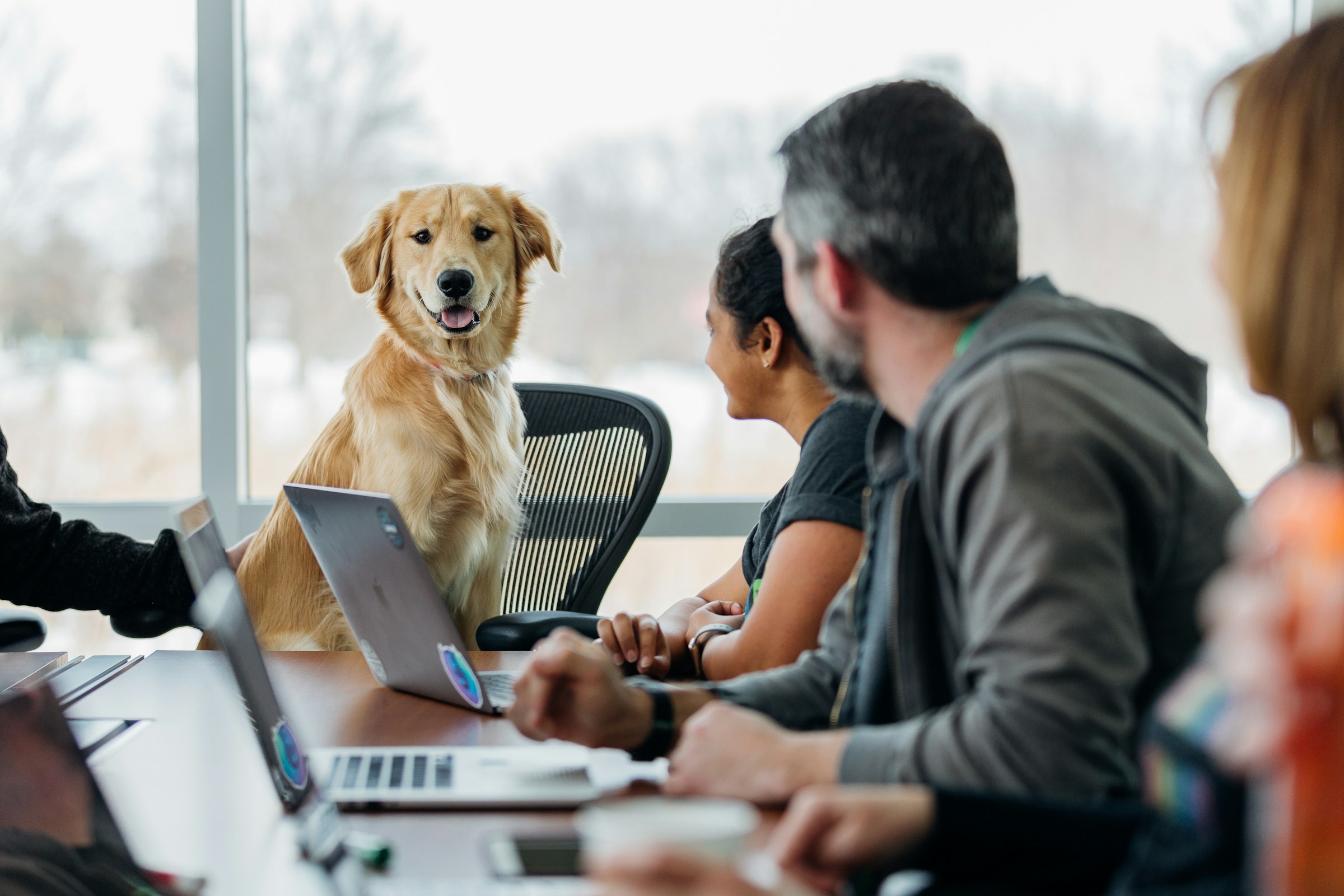
You know that tiny moment on walks when your dog suddenly pauses, turns their head, and looks straight at you? It can feel oddly intense, almost like they’re asking a silent question you’re supposed to understand. A lot of people brush it off as random, or assume their dog just wants a treat, but there’s something much deeper going on there.
Researchers are increasingly convinced this behavior isn’t just cute – it’s a window into how dogs use us as emotional anchors in a confusing world. That quick glance is part of a powerful process called social referencing, where your dog literally checks your face to decide whether the world is safe, scary, or exciting. Once you see it that way, you’ll never look at those little backward glances the same again.
What Is Social Referencing, Really?
Social referencing sounds like a technical lab term, but at its core it’s very simple: when an animal is unsure about something, it looks to a trusted social partner to figure out how to feel. Human babies do this all the time. A toddler hears a loud noise, freezes, then stares at their parent’s face. If the parent smiles and relaxes, the child usually calms down and keeps playing.
Dogs appear to do something strikingly similar. When they encounter something unfamiliar – a loud truck, a wobbling scooter, a stranger with an umbrella – many will glance back at their owner, almost like they’re checking the emotional weather. If your body language and expression say “all good,” your dog is more likely to approach or keep walking. If you tense up, yank the leash, or look worried, your dog can take that as a cue that the situation might be dangerous.
Why Your Dog’s Backward Glance Is Not Random
It’s tempting to think your dog looks back only because they’re checking if you’re still there, or maybe to see if you’re reaching for a treat. While those reasons can sometimes be true, they don’t fully explain the pattern researchers see, especially in new or uncertain situations. Dogs are more likely to do this intense looking when something ahead is unclear, unpredictable, or even a little suspicious.
Think about the last time your dog noticed a weird lawn ornament or an oddly placed trash bag on the street. Often they’ll slow down, stiffen slightly, and then turn back toward you with that classic “What do we think about this?” look. That combination – novelty ahead, pause, backward glance – lines up neatly with the definition of social referencing rather than simple habit or random attention-seeking.
How Dogs Read Your Face and Body Like a Social Map
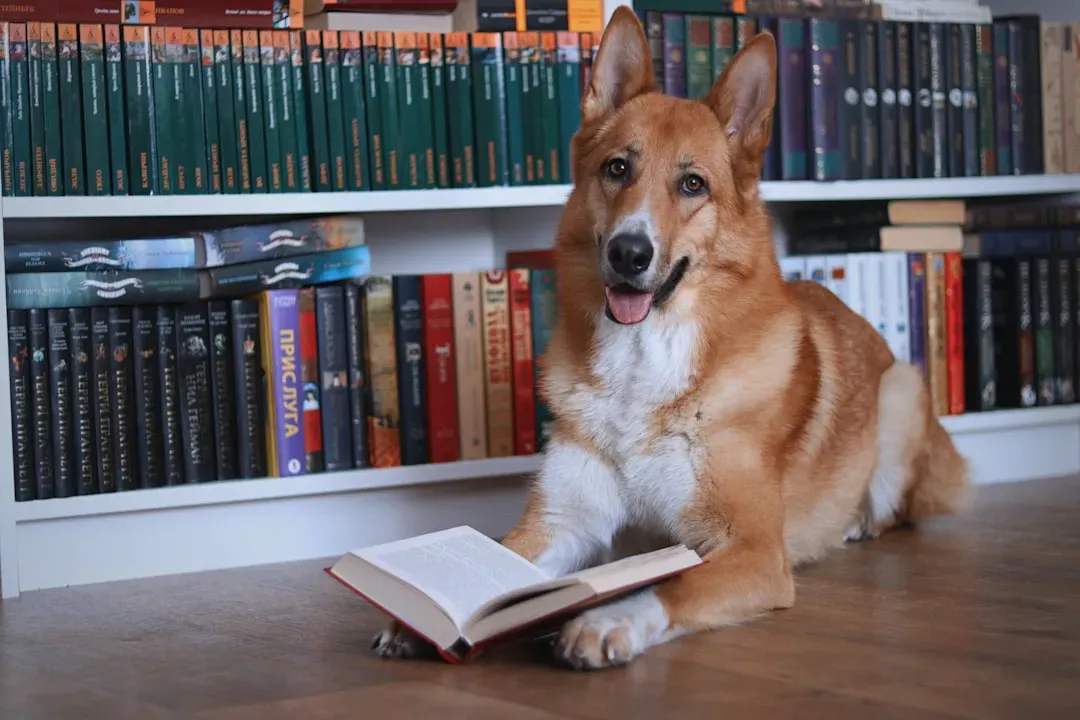
One of the wildest things about living with dogs is how tuned in they are to the tiny details of our behavior. There’s evidence that dogs can distinguish between different human emotional expressions, especially broad signals like relaxed versus tense, happy versus angry. They might not label it the way we do, but they notice whether your shoulders drop, your voice softens, or your steps stay loose and confident.
On walks, that backward glance is your dog pulling up your “status” like a live map. Are you relaxed and chatting to a friend? Are you holding your breath because you just spotted a loose dog across the street? Are you smiling and leaning forward, suggesting curiosity rather than fear? Your dog isn’t just looking; they’re interpreting. Over time, they learn that your calm demeanor usually predicts safety, while your sudden tension might mean something truly is off.
From Wolves to Sidewalks: Why Evolution Favors Checking In
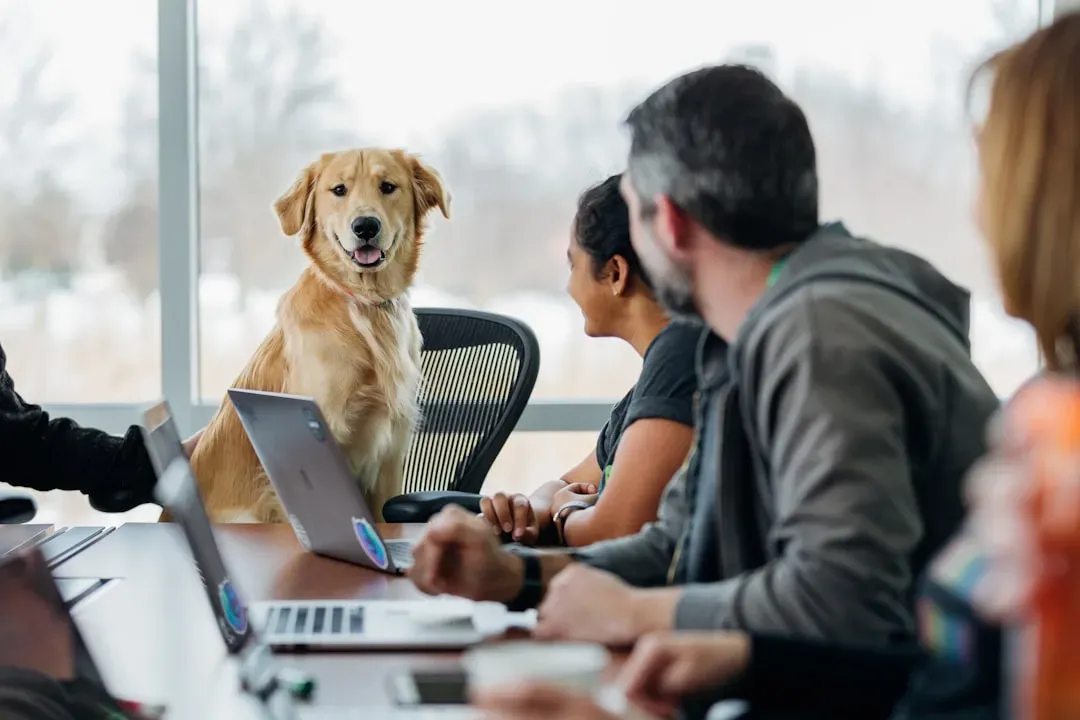
Dogs didn’t magically wake up one day understanding human faces and moods. Their ability to read us likely grew over thousands of years of living alongside people, where paying attention to human signals was a real survival advantage. A dog that could tune into a human partner’s cues would be better at avoiding conflict, accessing resources, and navigating complex environments like villages, farms, and eventually cities.
This makes social referencing not just a cute quirk, but a serious evolutionary tool. In a human world full of cars, bikes, doors, rules, and social norms, a dog that checks in with its person has a leg up. Today, that ancient advantage shows up as your dog glancing back before crossing a noisy street, walking past a barking yard, or approaching a crowded park. Your reaction helps them conserve mental energy: instead of analyzing every tiny detail, they outsource part of the decision to you.
When Your Emotions Shape Your Dog’s Emotions
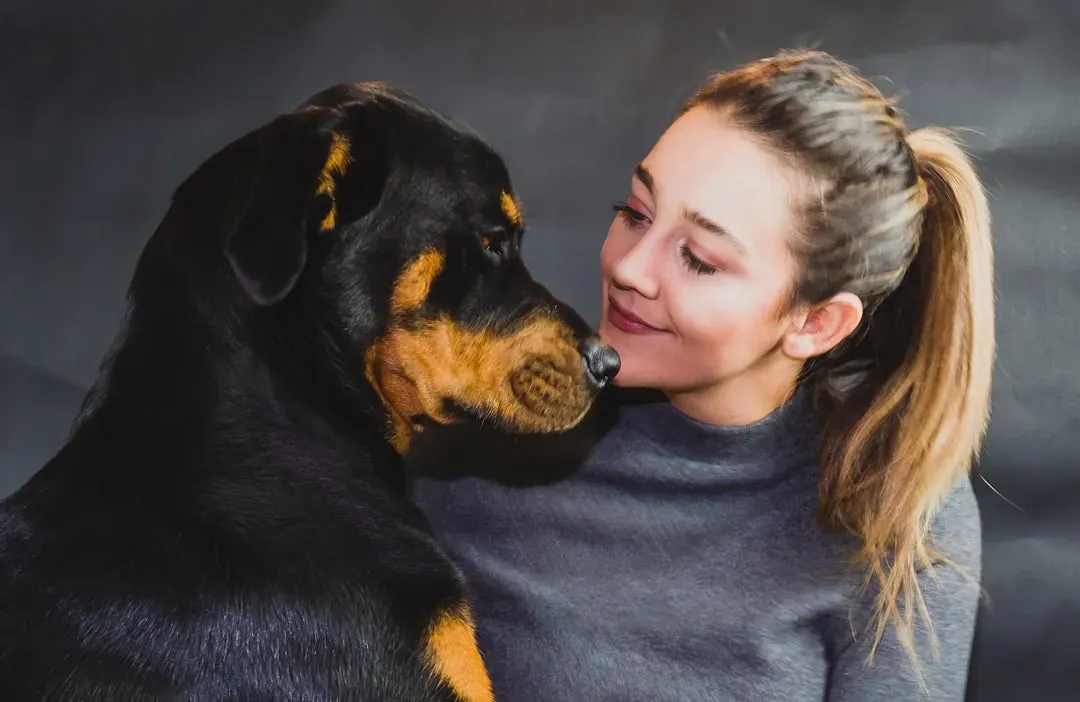
Here’s the part that can feel uncomfortable: your internal state actually matters on that walk. If you’re anxious, braced for problems, and constantly scanning for “what might go wrong,” your dog is likely to absorb some of that. When they look back and see a tight jaw, clenched hands, or a locked stare, they can easily interpret that as a signal that something ahead is genuinely dangerous.
On the flip side, when you intentionally soften your posture, breathe out, and respond to new things with calm curiosity, you’re sending your dog a very different message. Over time, many dogs learn to take their owner’s relaxed reactions as permission to relax too. It doesn’t fix everything, of course – genetics, past experiences, and training all matter – but your emotional tone on walks acts like a quiet soundtrack your dog keeps referencing whenever they feel unsure.
Helping Nervous Dogs: Using Social Referencing on Purpose
For dogs that are easily spooked or reactive, understanding social referencing can be a game changer. Instead of just dragging them past scary things or avoiding everything forever, you can consciously show them how to feel by pairing calm, neutral reactions with gentle guidance. That might look like spotting a skateboard ahead, loosening the leash a bit, keeping your voice steady, and maybe even turning slightly sideways so your body looks less confrontational.
When your dog glances back, you can quietly model the emotion you want them to adopt: relaxed, curious, unbothered. Some owners even practice this at a distance, watching something mildly odd from far enough away that the dog can handle it, then slowly closing that gap over multiple sessions. The goal is not to force bravery, but to let your dog borrow your emotional stability until they start to build their own.
Common Myths About Why Dogs Look Back
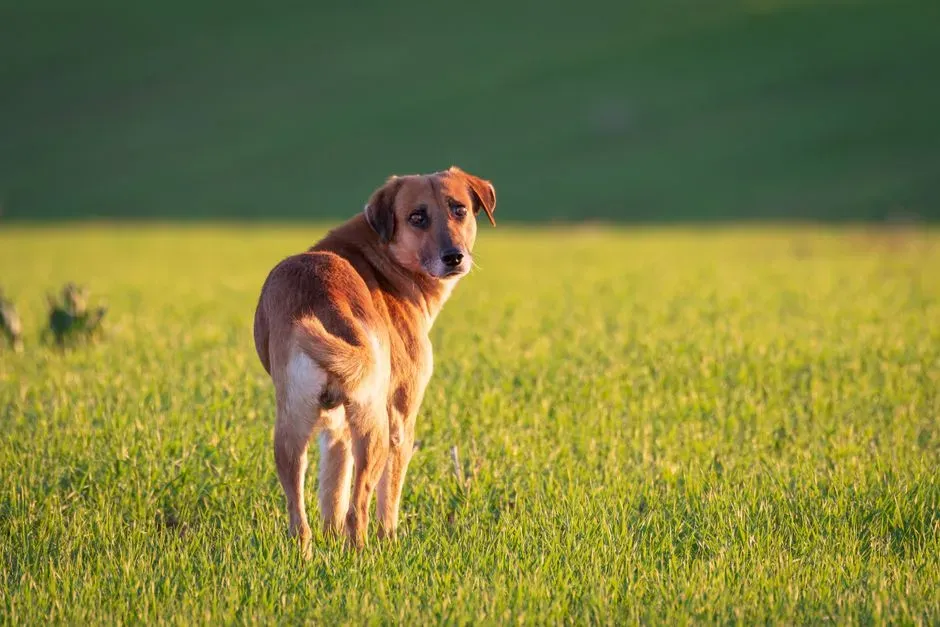
People love explanations that sound simple, and there are a few popular myths about why dogs look back during walks. One is that they are always checking who is “in charge,” as if every glance is about status or dominance. Another is that they just want praise every single time, and that the behavior is purely attention-seeking with no deeper meaning.
Those stories are easy to repeat, but they miss the more nuanced reality. Yes, sometimes a backward glance is just a casual check-in, like a friend glancing over their shoulder while walking ahead. Other times it’s clearly tied to uncertainty, novelty, or mild anxiety. Reducing it to dominance or manipulation flattens what is actually a complex, social, emotionally rich behavior that grew out of thousands of years of partnership with humans.
How to Respond When Your Dog Looks Back
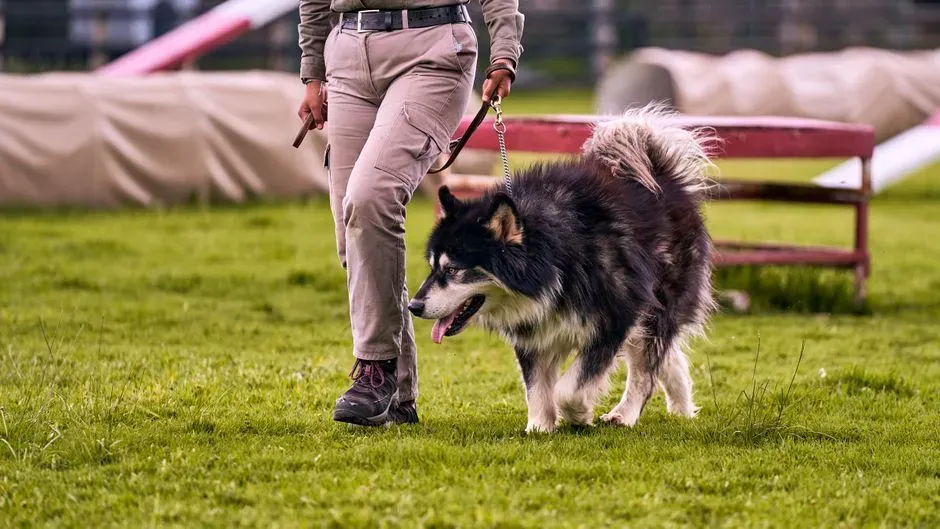
Now that you know what might be happening behind that look, how should you respond? You do not have to turn every backward glance into a big production. In fact, staying understated is usually best. A soft smile, relaxed shoulders, and a calm “you’re good” style vibe can be more powerful than high-pitched praise or frantic reassurance, especially if your dog is already on edge.
What matters most is consistency. If you regularly meet the glance with steadiness and clear direction – gently guiding the leash, choosing a safe distance from triggers, sometimes rewarding brave choices – your dog learns that checking in with you pays off. Over time, that quick look becomes less of a panic check and more of a quiet reminder that they are not handling the world alone. In a noisy, fast, often overwhelming environment, that might be one of the most comforting messages you can send.
Conclusion: Your Dog Is Not Just Walking Beside You – They’re Walking With You
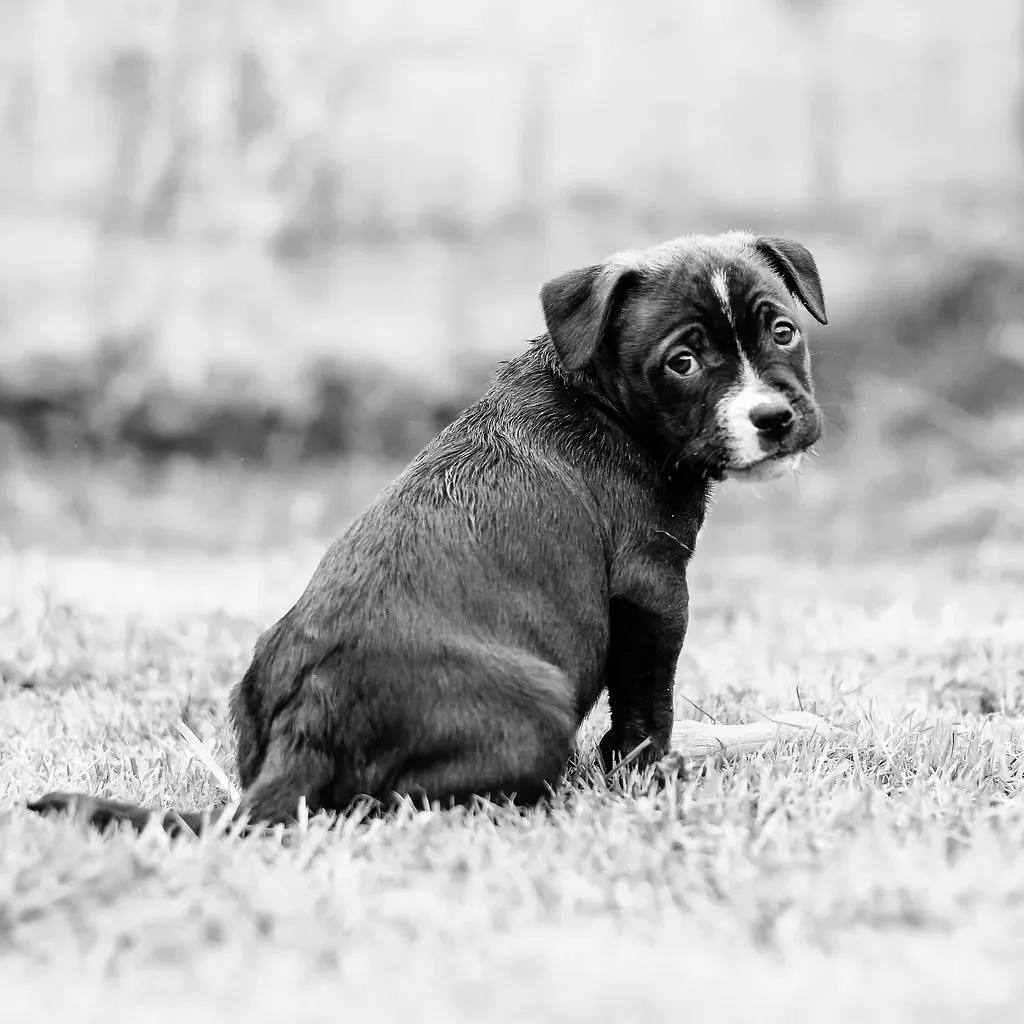
When you start seeing your dog’s backward glances as social referencing instead of random habit, your entire walk changes. Those quick looks become proof that your dog is actively including you in their decision-making, using your reactions as a compass in a world that often makes very little sense from a canine perspective. That is not just sweet; it is a sign of deep trust and emotional connection, shaped by both biology and shared daily life.
Personally, I find it humbling. Every time a dog looks back, it is a quiet reminder that our moods, choices, and body language matter more than we like to admit. We are not just holding the leash; we are co-piloting the experience. So next time your dog glances over their shoulder, maybe take a second to ask yourself: what story is my face telling right now – and is it the one I actually want my dog to believe?


