
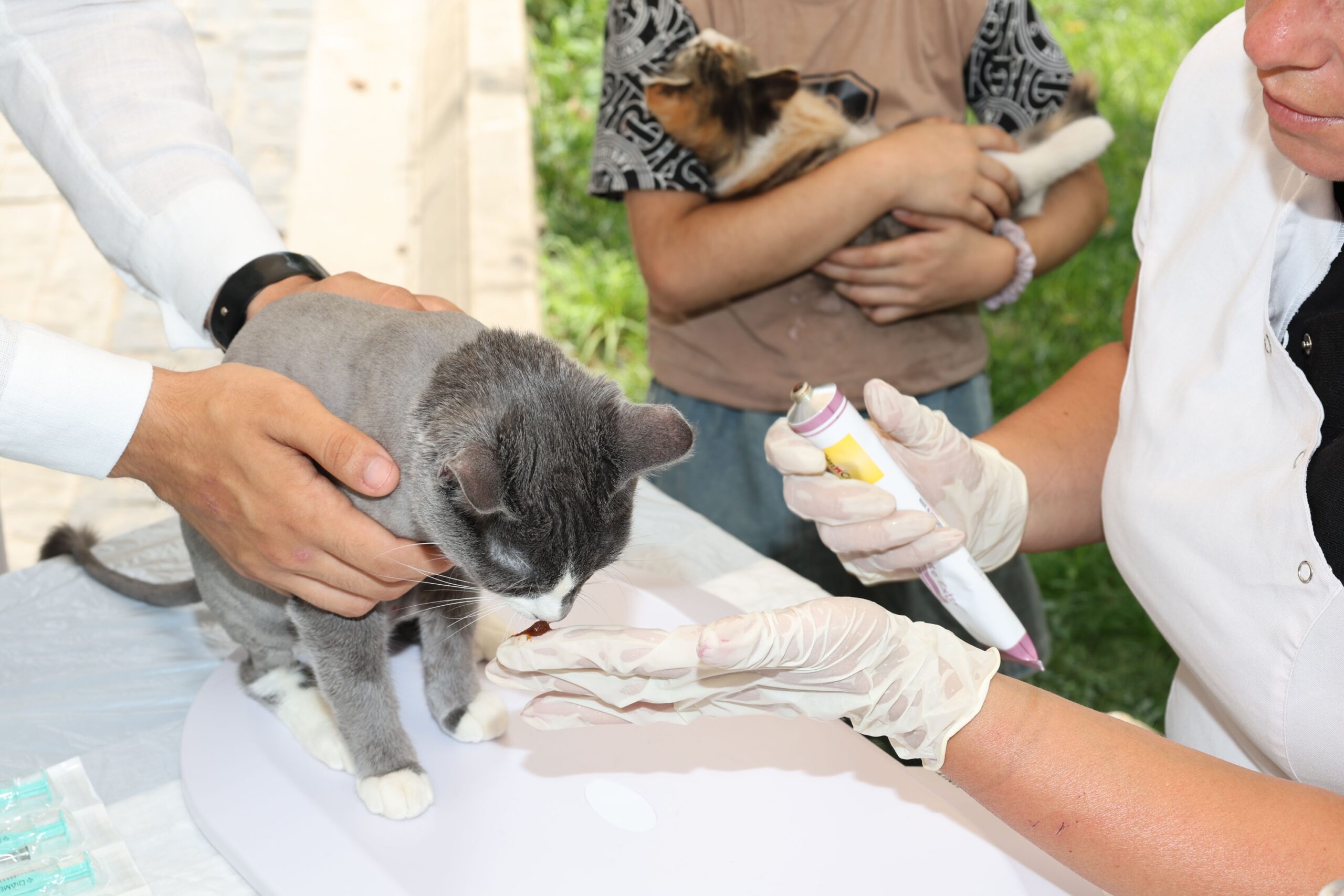
People love to say indoor cats are “cheap” because they don’t go outside, don’t wreck the garden, and eat tiny bowls of food. Then the first health scare hits, the couch gets shredded, and suddenly it feels like your credit card has adopted a cat, not you. The money does not disappear all at once; it quietly leaks out in vet visits, specialized litter, replacement furniture, and a dozen little “oh, I didn’t think of that” moments.
Indoor cats absolutely deserve the comfortable, safe lives we give them. But pretending they are low-maintenance or low-cost is one of the quickest ways to end up stressed, resentful, or even tempted to cut corners on their care. Let’s walk through the hidden costs that most people never factor in – so you can plan realistically, avoid nasty surprises, and give your cat a great life without feeling blindsided.
1. The True Cost of High‑Quality Cat Food
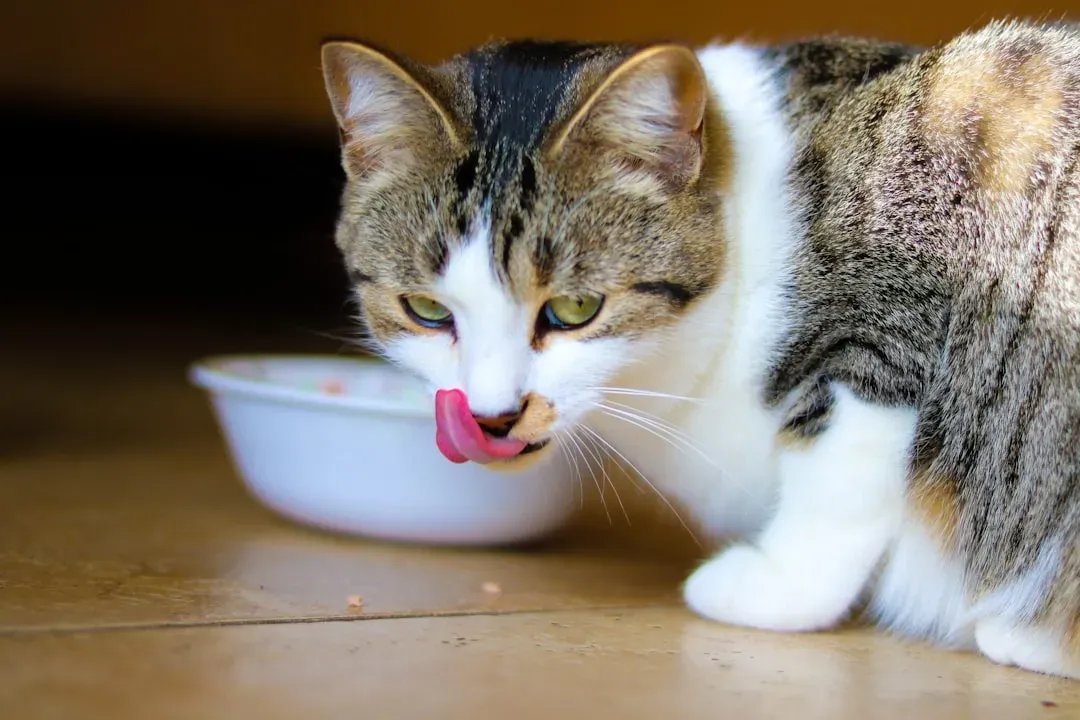
A lot of new cat parents grab the cheapest bag or the cutest label at the store and call it a day. The problem is that low-quality food often means more fillers, fewer high‑quality proteins, and a higher chance of weight gain, digestive upset, or long‑term health issues. Over time, that “cheap” food can translate into higher vet bills and a cat who just is not thriving the way they could.
Indoor cats, in particular, are less active than outdoor cats, which means every calorie matters more. Many end up needing weight‑management or specialized diets with better ingredients and controlled calories. Those foods can cost noticeably more per month, especially if you have more than one cat. It is like choosing between fast food every day and balanced home‑cooked meals; the second option costs more up front but often saves you trouble later.
2. Litter That Actually Works (And What It Really Costs)
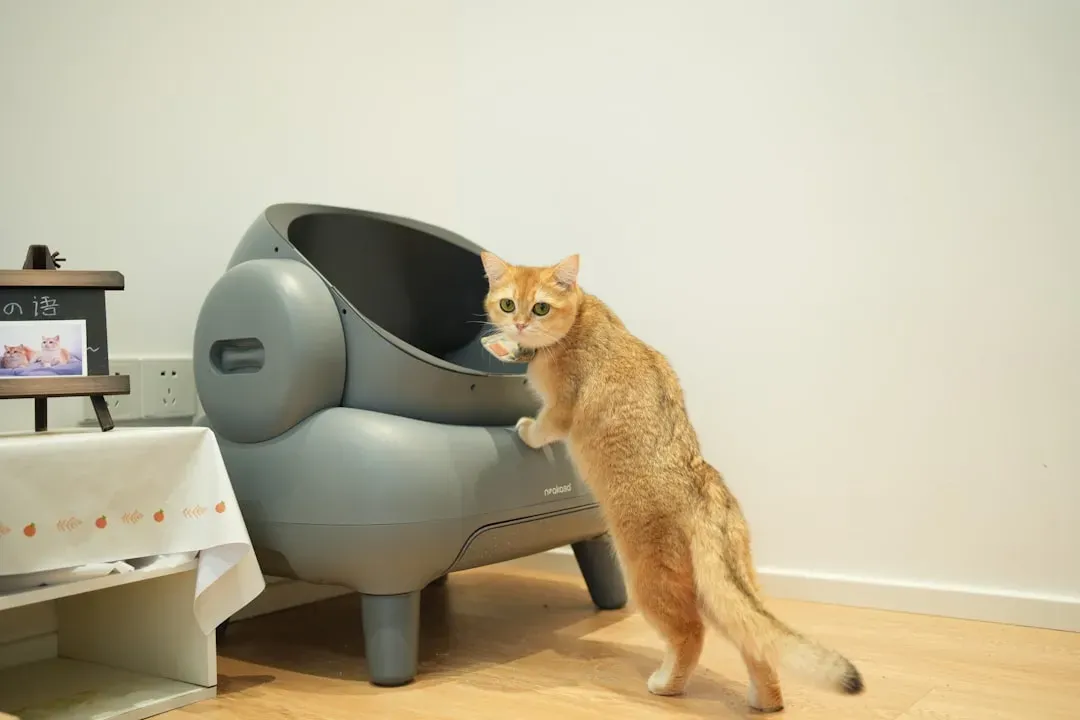
Most people underestimate how much litter they will go through and how picky they will become about brands. Indoor cats use the litter box constantly, and that means clumping ability, dust levels, odor control, and texture suddenly matter a lot. The bargain litter that smells like a perfume factory and tracks all over your floors gets old very fast.
Eventually, many owners pivot to premium litters: low‑dust clumping clay, plant‑based pellets, crystal litters, or even subscription brands that promise less odor and mess. Those can cost significantly more per month, especially when you factor in more frequent full‑box changes for hygiene. The hidden cost here is not just the litter itself, but also how often indoor cats use it compared to cats who sometimes go outside.
3. Routine Vet Care Adds Up Faster Indoors Than You Think
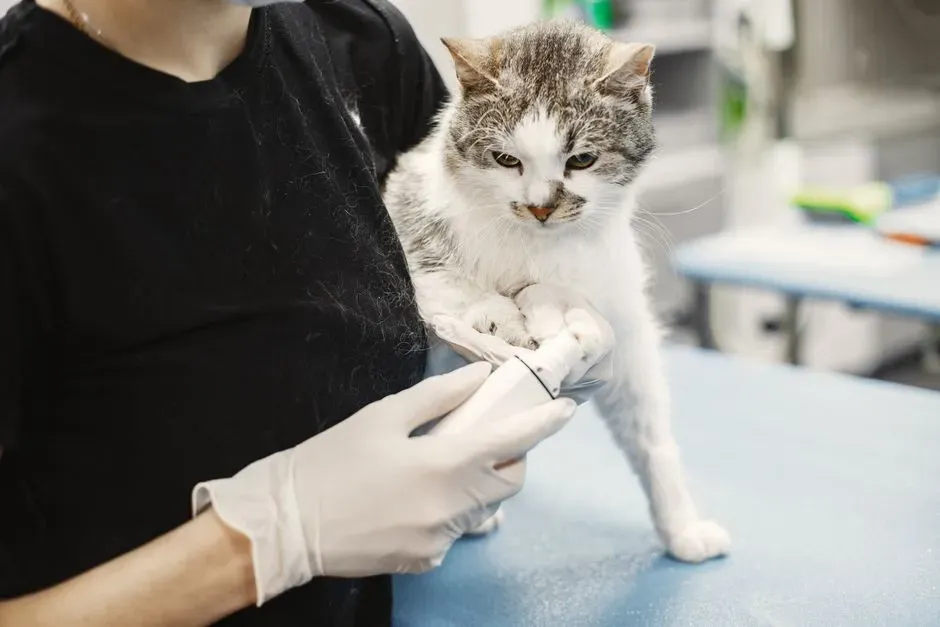
People often assume that because a cat stays indoors, they barely need vet care. In reality, indoor cats still need regular checkups, core vaccinations, dental exams, and basic blood work as they age. The vet visits may feel less urgent than, say, a dog who goes to the park, but the risks of silent conditions like kidney disease, diabetes, and dental disease are still there – and sometimes higher because we miss the signs.
Spreading those costs across a year, it is easy to see annual care quietly becoming a steady, non‑negotiable line in your budget. Add in occasional issues like vomiting, urinary troubles, or mysterious limping, and suddenly you are in for an extra visit or two. Preventive vet care rarely feels dramatic, yet skipping it can turn into far more expensive emergencies later on.
4. The Invisible Price of Dental Health
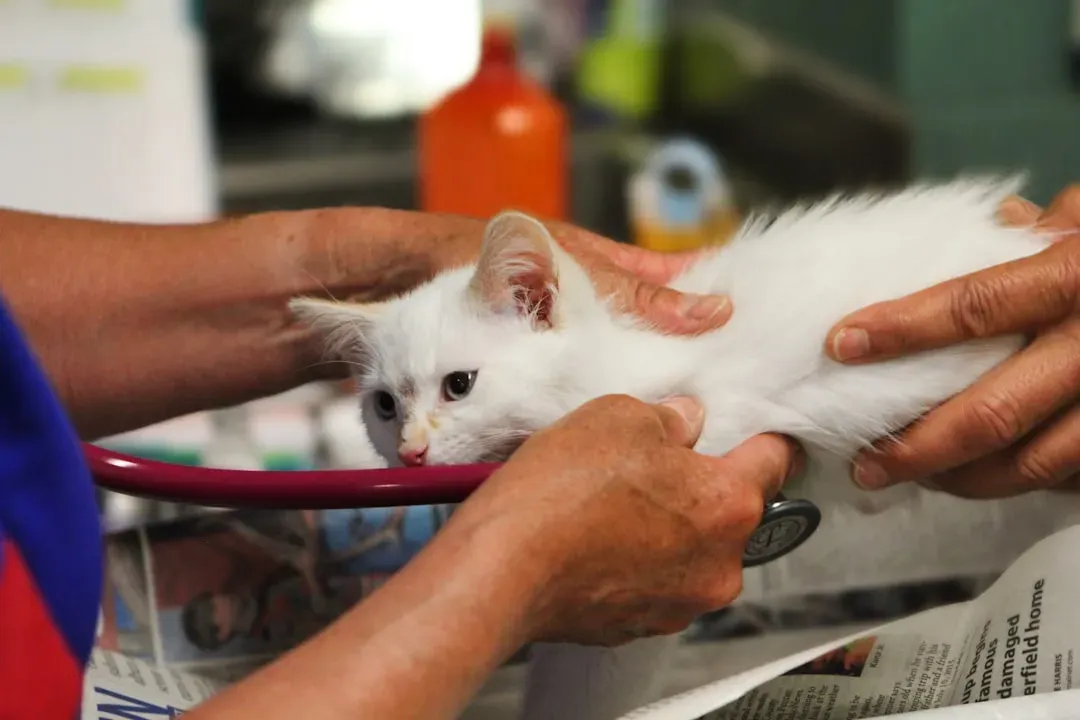
Dental disease is one of the most common health issues in indoor cats, and it tends to creep up slowly. Many cats quietly develop tartar, gingivitis, and painful tooth resorption without obvious signs until things are severe. By the time you notice bad breath, drooling, or a cat chewing oddly, you might be looking at a full dental cleaning under anesthesia and possibly extractions, which can be very expensive in one hit.
Even if your cat never needs major work, annual dental checks, dental cleanings every few years, and preventive products like dental treats or gels still add up. Unlike food and litter, these are costs people rarely think about when they adopt a kitten. Indoor life does not protect their teeth; if anything, less chewing on varied textures can make dental problems more likely, not less.
5. Behavioral Issues From Boredom (And the Cost to Fix Them)
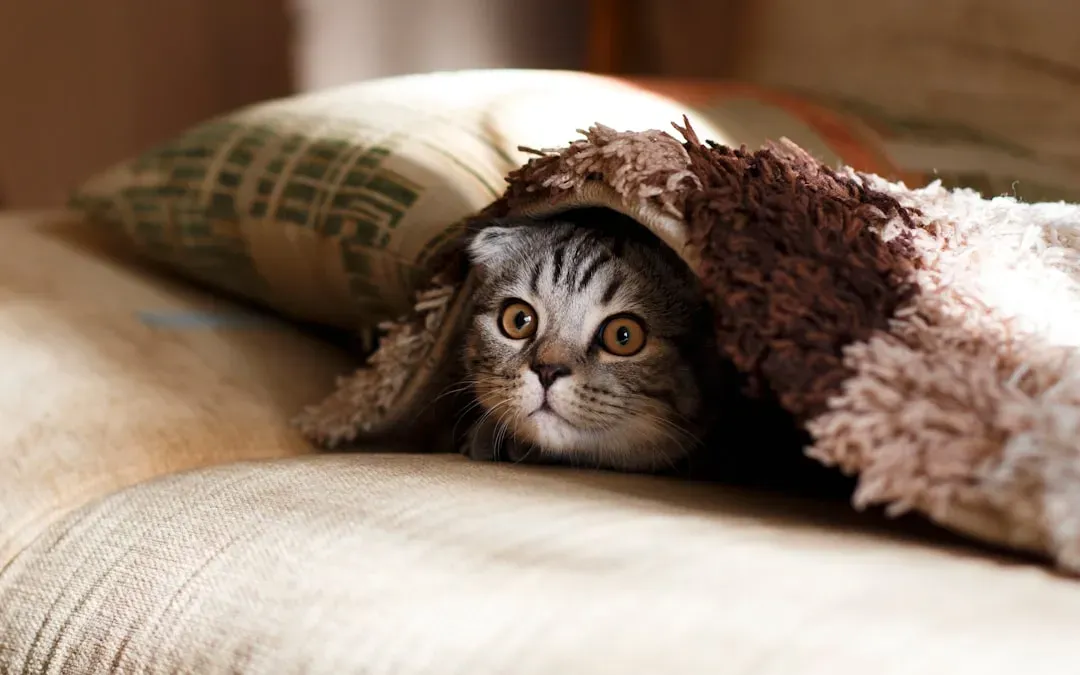
Indoor cats live safer lives, but they also live in a sensory desert compared to outdoor cats. Without enough stimulation, they can become bored, anxious, or frustrated, and that often shows up in ways that are costly: scratching furniture, overgrooming, nighttime zoomies that destroy things, or even inappropriate urination. Those are not just “annoying quirks”; they are often signs of an indoor environment that is not meeting their needs.
Addressing those problems can mean investing in more vertical space, interactive toys, puzzle feeders, or even hiring a behaviorist if things get serious. You might also end up paying to replace damaged items or buy calming products. The emotional cost is real too – living with a cat who is clearly stressed can be heartbreaking and exhausting, and people underestimate how much they will spend to try to make things better.
6. Environmental Enrichment: Climbing Trees, Toys, and Tunnels
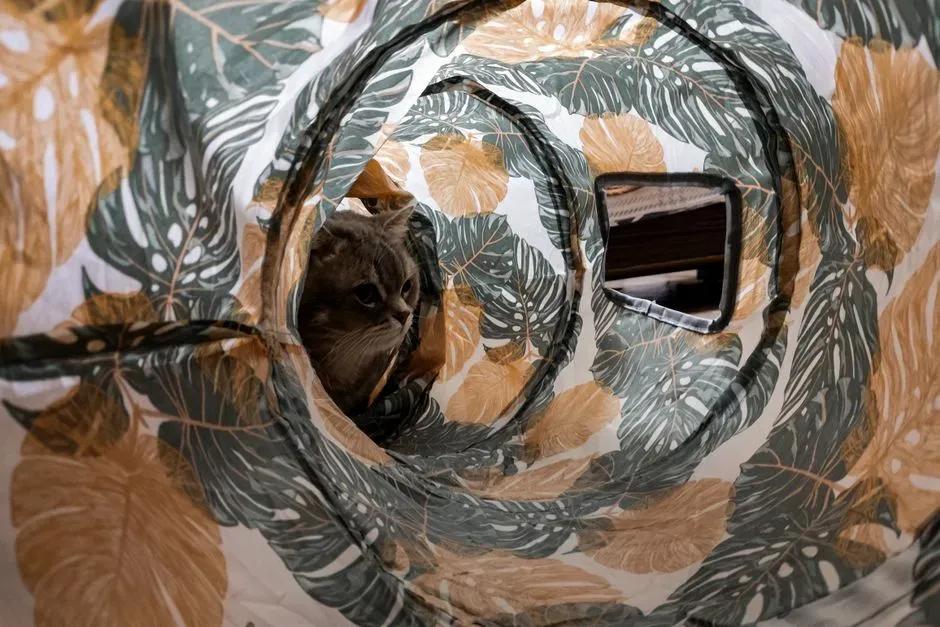
Every indoor cat deserves more than a single scratching post in the corner. To stay mentally and physically healthy, most cats need climbing options, hiding spots, window perches, and toys that tap into their hunting instincts. That does not just happen by accident; it usually comes from human wallets and a steady cycle of “Okay, let’s try this new thing.”
Cat trees, shelves, tunnels, cardboard houses, and rotating waves of wand toys and balls can add up surprisingly quickly. And because cats are notorious for getting bored with the same toys, many owners find themselves constantly refreshing the toy box. It is very much like buying enrichment for a toddler; simple things can be fun, but variety and novelty still cost something.
7. Furniture Damage and Home Repairs
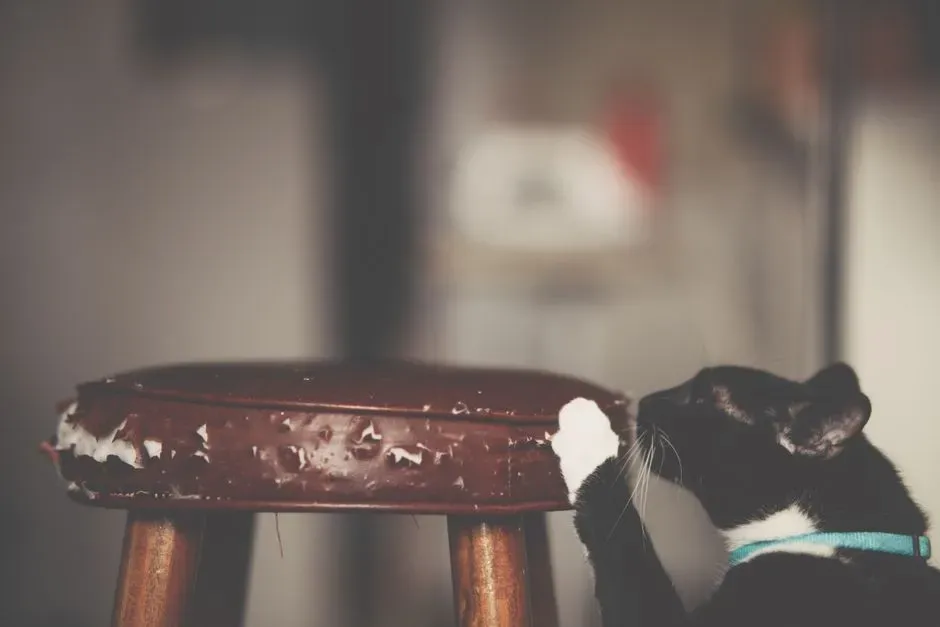
Indoor cats spend their entire lives exploring one environment: your home. That means all their natural behaviors – scratching, climbing, jumping, chasing – are focused on your furniture, walls, and floors. Even with scratching posts, many cats will still take a pass at the couch, the rug, or the wooden legs of your dining set. Multiply that by years, and the cost of wear and tear becomes hard to ignore.
Some people end up reupholstering chairs or swapping out certain materials for more cat‑resistant options. Others buy protective covers, corner guards, and scratch shields, which are small but constant expenses. There is also the odd broken lamp or cracked picture frame when a cat misjudges a jump. The hidden reality is that an indoor cat is not living in your home so much as sharing and editing it.
8. Cleaning Supplies, Odor Control, and Extra Laundry
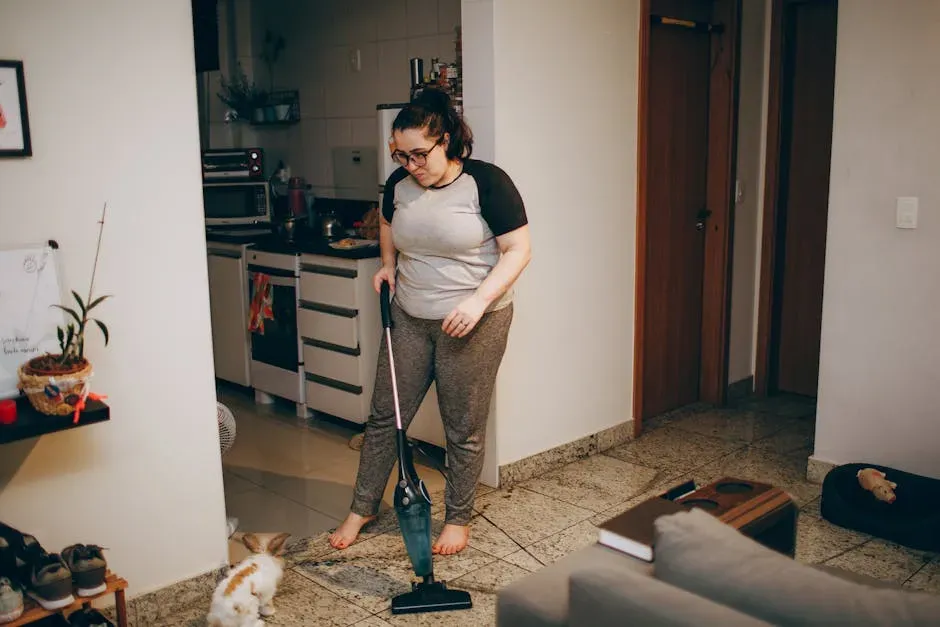
Litter boxes, fur on every soft surface, and the occasional hairball mean cleaning becomes a bigger part of life with an indoor cat. Many owners end up spending more on vacuum bags or filters, lint rollers, enzyme cleaners, mops, and air freshening products. If your cat has long hair or sheds heavily, you might do more frequent laundry or even buy special covers for beds and sofas that can handle repeated washing.
There is also the hidden cost of time and effort. Scooping litter, wiping up tracked granules, dealing with accidents or vomit, and constantly removing fur from clothes and bedding is not free energy. It might not show up on your bank statement, but a lot of people respond to the extra work by buying tools to make it easier – robot vacuums, better mops, or specialized pet hair attachments – which quietly raise the lifetime cost of cat ownership.
9. Pet Insurance or Emergency Savings (Because Indoor Cats Still Get Sick)
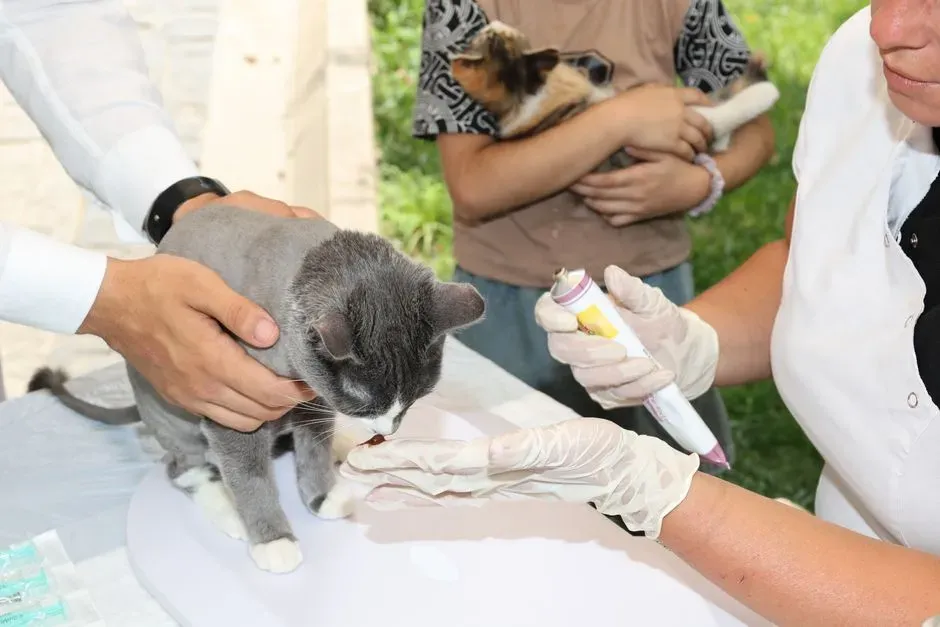
There is a dangerous myth that indoor cats are basically “safe” and will only need routine care. In reality, they can develop kidney disease, heart issues, urinary blockages, cancers, and injuries from falls or accidents inside the home. A single emergency hospitalization can cost as much as a small vacation or even more, and it often arrives without warning.
That is why many people choose to pay for pet insurance or intentionally set aside money just for emergencies. Both are hidden costs in the sense that they are not obvious daily expenses like food or litter, but they matter hugely when things go wrong. Deciding not to plan for emergencies often does not save you money; it just increases the risk that you will be forced into painful decisions when your cat needs urgent care.
10. Long‑Term Health Conditions in Aging Indoor Cats
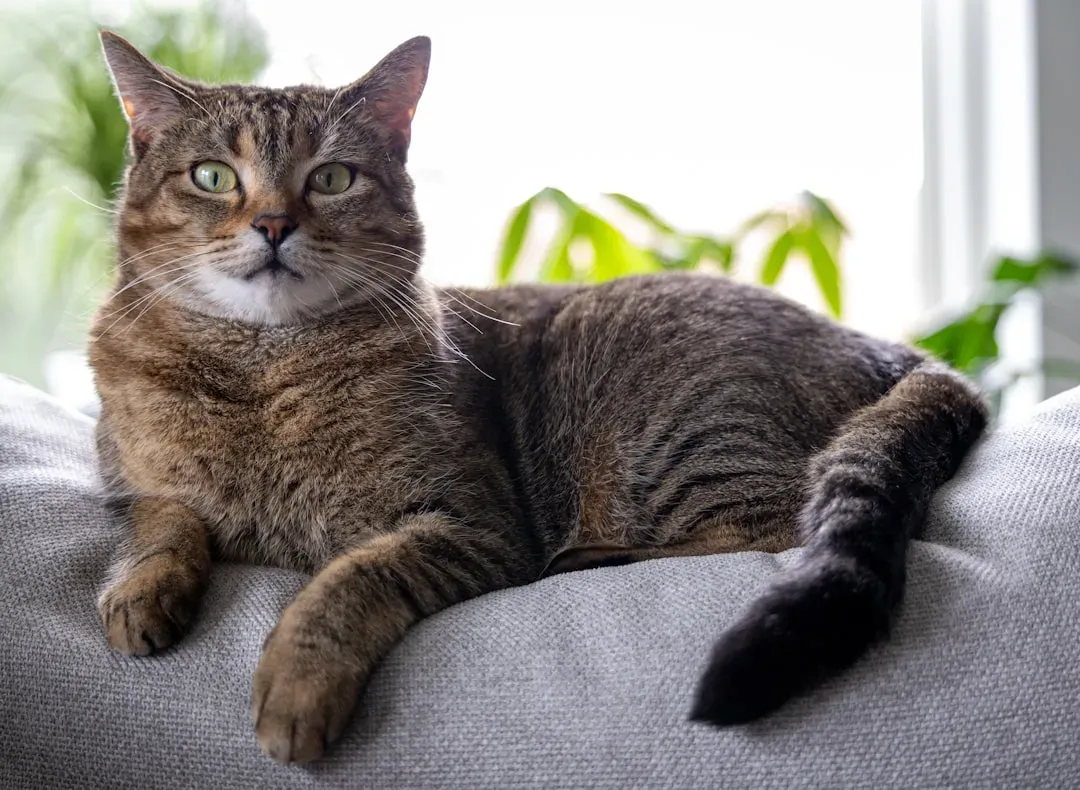
Indoor cats tend to live longer, which is wonderful – and expensive. As cats move into their senior years, conditions like arthritis, hyperthyroidism, diabetes, and chronic kidney disease become more common. Managing those can mean ongoing medications, prescription diets, more frequent blood tests, and sometimes repeated imaging or specialist visits.
Those costs rarely come all at once. Instead, they appear gradually, like a slow subscription to aging. Many owners find themselves budgeting for monthly medications or regular checkups they never imagined when they first brought home a bouncy little kitten. It is a trade‑off: the safety of indoor life often buys more years, but those extra years need both emotional and financial resources.
11. Travel, Pet Sitters, and Boarding Costs
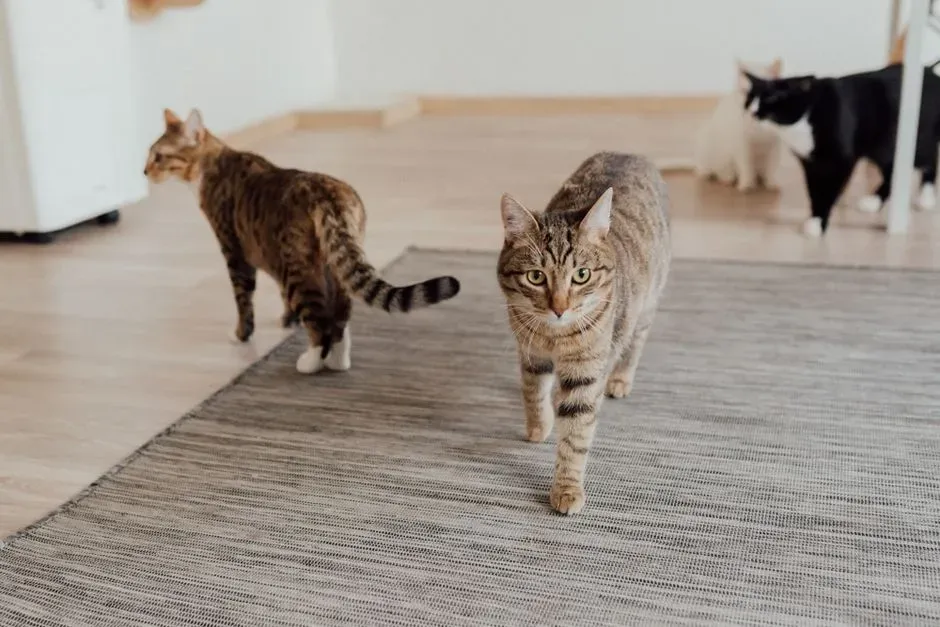
Indoor cats are deeply attached to their home territory, which makes travel tricky. Some cats cope well with a trusted friend dropping in, while others need a professional pet sitter for daily care and company. If you travel regularly or take longer trips, those visits add up quickly, especially if you want more than a quick feed‑and‑leave service.
For cats who are anxious or have medical needs, boarding at a cat hotel or vet clinic might be the safer option – and that is usually not cheap. Even if you rely on helpful friends or family, there is often a hidden social cost of always needing a favor. The more you travel, the more it becomes clear that your “indoor‑only, easy” cat has turned your vacations into a shared project with a price tag.
12. Microchipping, ID Tags, and Safe Home Modifications
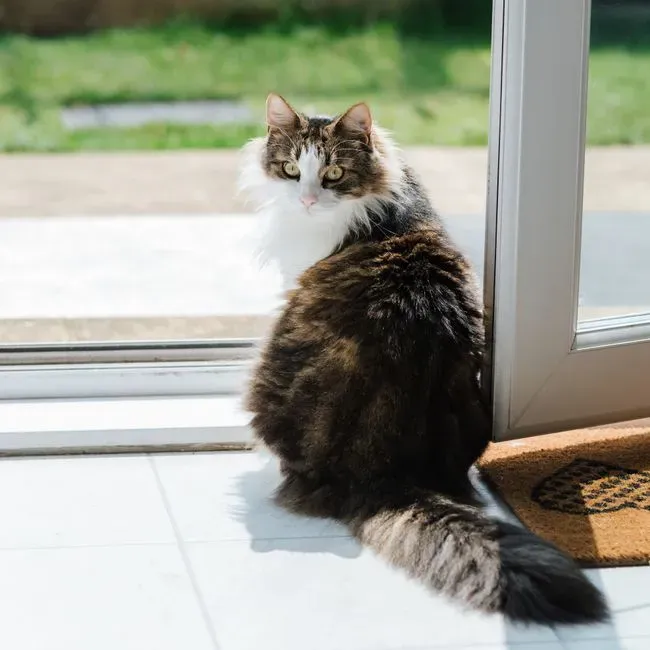
Even indoor cats can slip out through an open door, damaged screen, or balcony gap. Because of that, many owners microchip their cats and keep updated ID tags on collars, both of which are extra but important costs. Microchipping is usually a one‑time expense, but it is one that many people do not factor in when they first adopt.
Then there are safety upgrades around the home: secure window screens, balcony netting, baby gates, or even special locks on certain doors. If you live in an apartment with high windows or a balcony, creating a safe “catio” or at least preventing falls can require real investment. It is the kind of cost you do not think about until you realize how fearless and fast your cat actually is.
13. Grooming Tools, Hair Management, and Occasional Professional Grooming
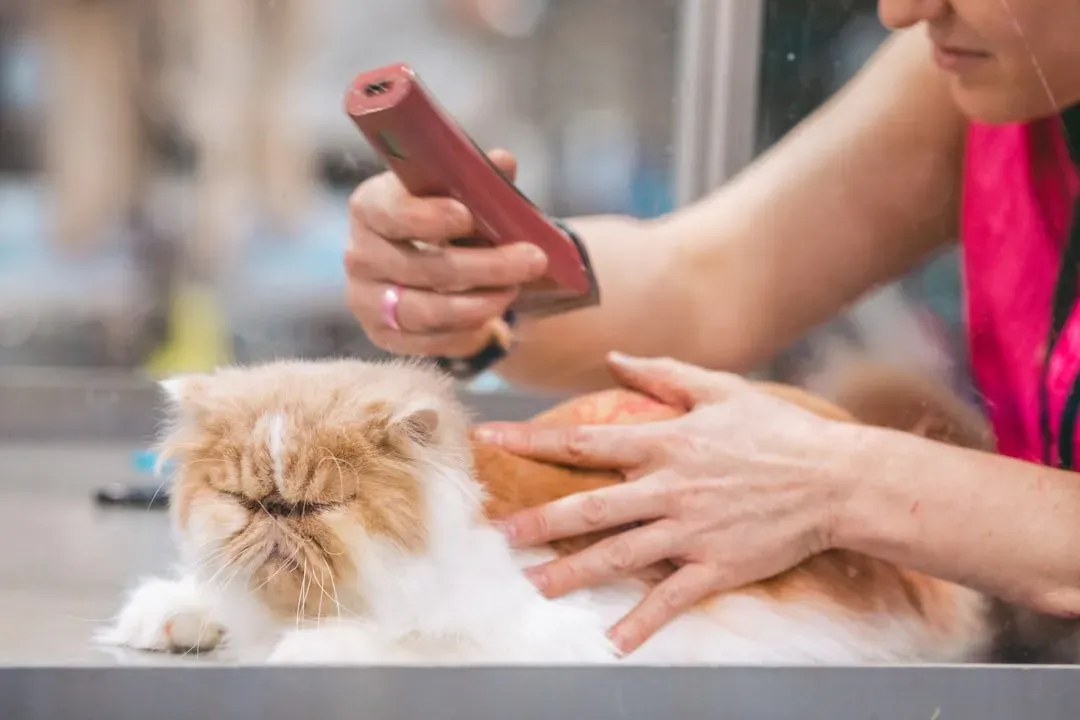
Short‑haired indoor cats often fly under the grooming radar, but they still shed and can still develop mats, especially as they age or become less flexible. Long‑haired breeds raise the stakes further, with regular brushing becoming almost mandatory to prevent painful tangles and hairballs. That reality usually means buying decent brushes, combs, nail clippers, and sometimes deshedding tools.
Some cats hate grooming or have coats that are just too much for a quick at‑home brush, so owners turn to professional groomers for trims, sanitary clips, or even full lion cuts. Occasional grooming appointments may not sound like much, but over a lifetime they form a quiet but steady cost. In many homes, managing hair is practically a separate hobby, and hobbies tend to involve gear.
14. Time, Attention, and Emotional Bandwidth (Which Often Lead to Spending)

Indoor cats do not just need food and shelter; they need interaction, play, and emotional connection. When life gets busy, people often feel guilty about not doing enough, and that guilt drives spending. New toys, better beds, more elaborate cat trees, and high‑tech gadgets like automatic laser toys or treat dispensers sometimes become a way to compensate for limited time or energy.
There is also the plain emotional cost of worry and stress when something seems off. Late‑night Googling, rushing to the emergency vet, or obsessively analyzing litter box habits take a real toll. And while you cannot put a clean price tag on that, it absolutely shapes how much you are willing to spend to feel like you are doing right by your cat. The more they become family, the more your heart guides your wallet.
15. The Cost of Saying Goodbye and End‑of‑Life Care
This is the part almost nobody wants to think about when they bring home a kitten, but it might be the heaviest hidden cost of all. Indoor cats often live into their teens or beyond, and at some point, questions about quality of life and comfort appear. Gentle end‑of‑life care can include pain management, special diets, extra vet visits, and sometimes in‑home euthanasia services that are designed to be as peaceful as possible.
Those final months or weeks can also involve unexpected diagnostics or hospital stays as you try to understand what is happening and whether anything more can be done. There are practical costs – veterinary care, cremation or burial options, memorial items – but also the emotional cost of grief, which sometimes leads people to donate, adopt again, or invest in keepsakes. It is painful, but it is part of the full financial picture of loving an indoor cat from start to finish.
Conclusion: Indoor Cats Are Not Cheap, They Are Commitments
When you zoom out, the pattern is clear: indoor cats are not low‑cost accessories that nibble kibble and nap in sunbeams all day. They are long‑term commitments that reshape your budget, your home, and your daily routine in ways most people underestimate. Food, litter, vet care, enrichment, emergencies, aging, and even saying goodbye all come with price tags – some measured in money, others in time and emotional energy.
Personally, I think the mistake is not that cats are “too expensive,” but that we are too quick to pretend they are not. Being honest about the real costs is not pessimistic; it is respectful to both you and your future cat. If anything, it filters out casual decisions and leaves the people who are truly ready to show up for the whole journey, not just the cute kitten phase. So the real question is not whether indoor cats are cheap, but whether you are willing to invest in the life you say they deserve – are you?


