
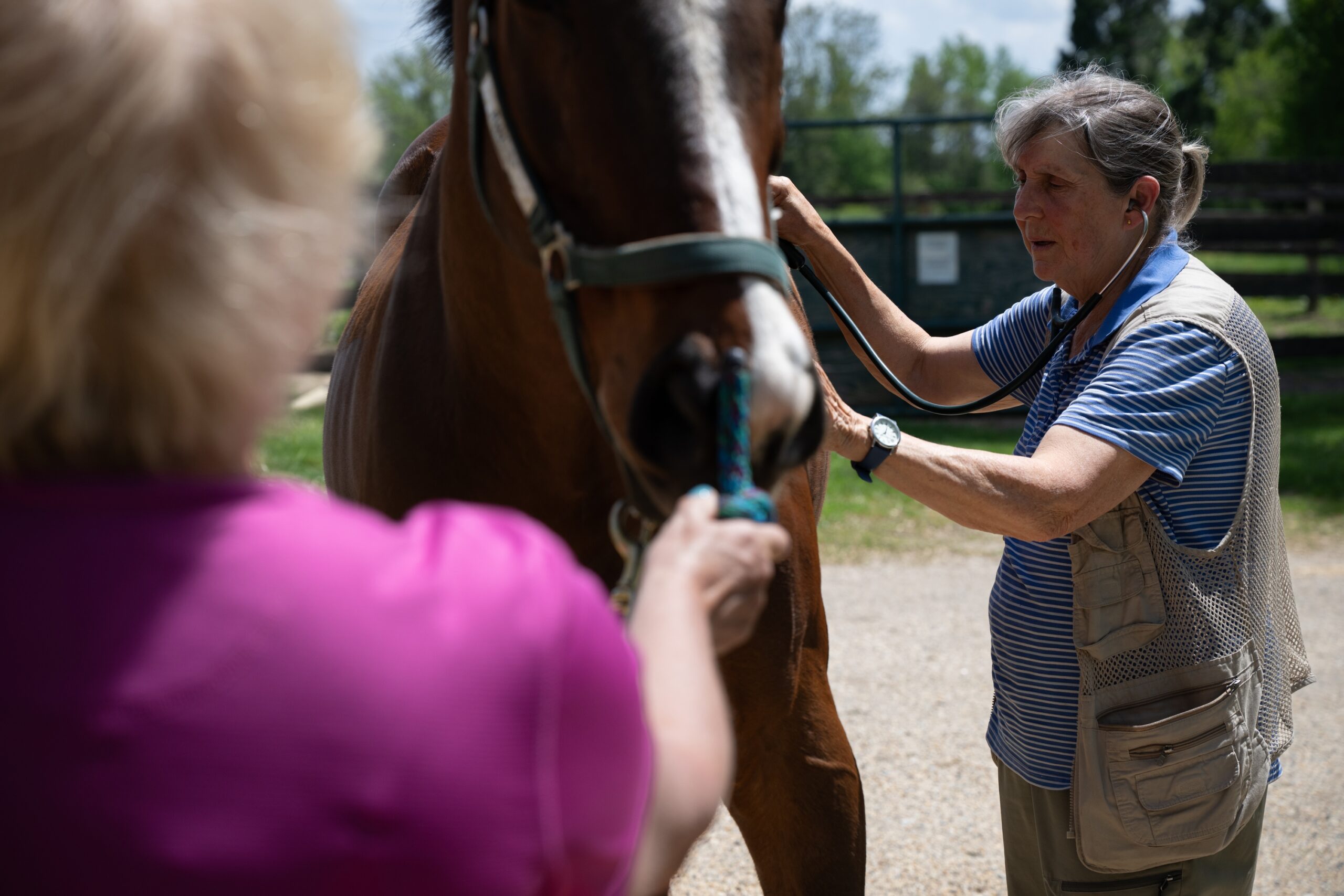
Bringing a horse into your life feels magical. You picture trail rides at sunset, soft noses in your hands, maybe a few ribbons at local shows. What almost nobody pictures is the quiet shock of that first surprise bill… and the second… and the tenth. The truth is, the purchase price of a horse is often the cheapest part.
If you are a first-time horse owner, you can absolutely make it work without being rich, but you do need to be realistic. Hidden or underestimated costs are what push people into stress, debt, or forced sales. Once you know what to expect, you can budget smartly and actually enjoy your horse instead of constantly panicking about money. Let’s walk through the big twelve that catch almost everyone off guard.
1. Pre-Purchase Exams And Initial Health Checks
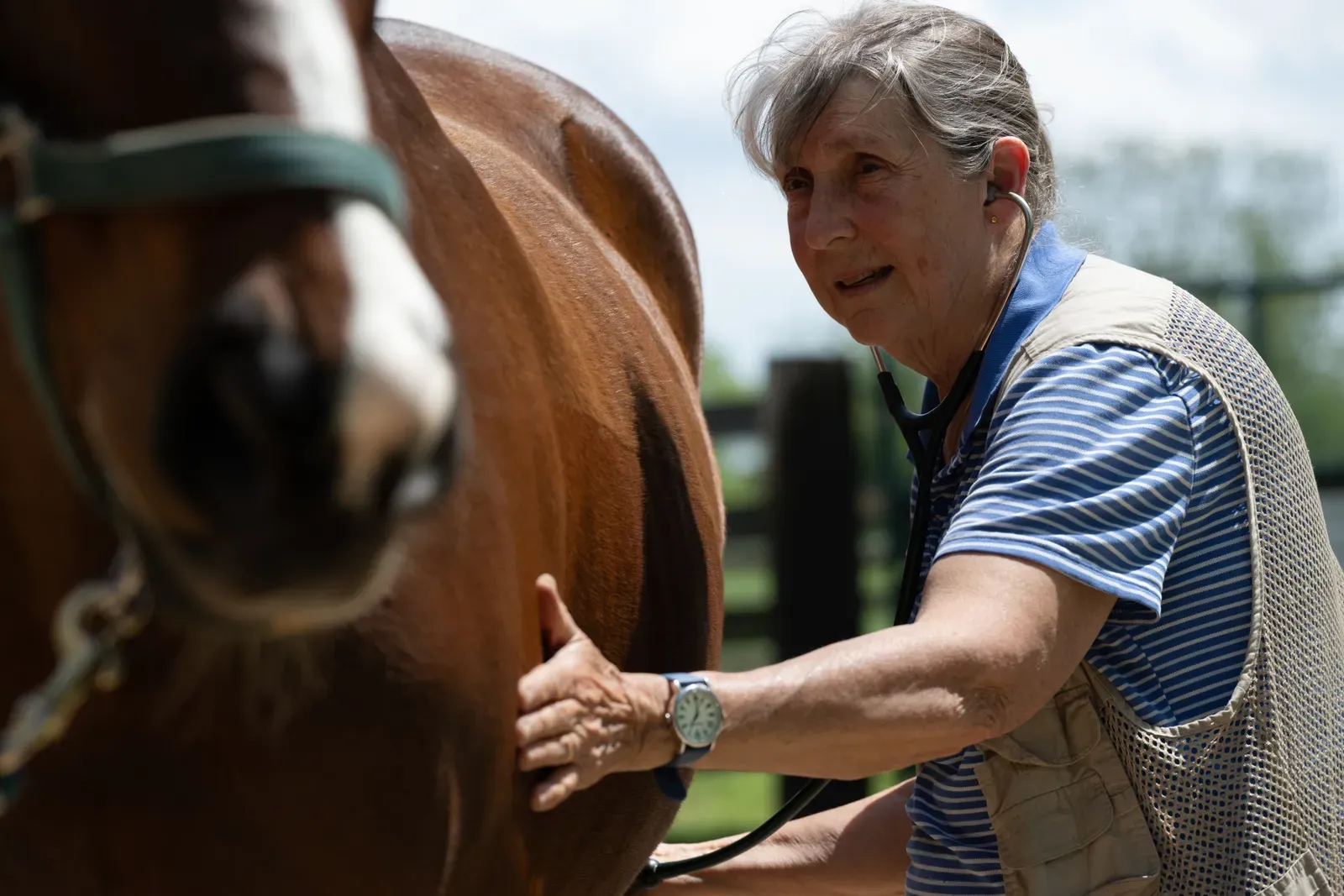
Most new owners budget for the horse, not the vet check that should come before the horse ever steps on your trailer. A proper pre-purchase exam can range from a quick basic check to a detailed workup with flexion tests, nerve blocks, and X‑rays. Many people skip it to save money, only to discover hidden lameness or chronic issues shortly afterward.
On top of that, there are initial health costs once the horse is yours: updating vaccines, deworming if needed, a dental check if nothing is known about history, and sometimes bloodwork to get a baseline. Think of it like buying a used car and immediately changing all the fluids and filters – you are not being paranoid, you are making sure you know what you have. It is far cheaper to uncover problems early than to be surprised in an emergency.
2. Boarding Fees And All The “Optional” Add-Ons
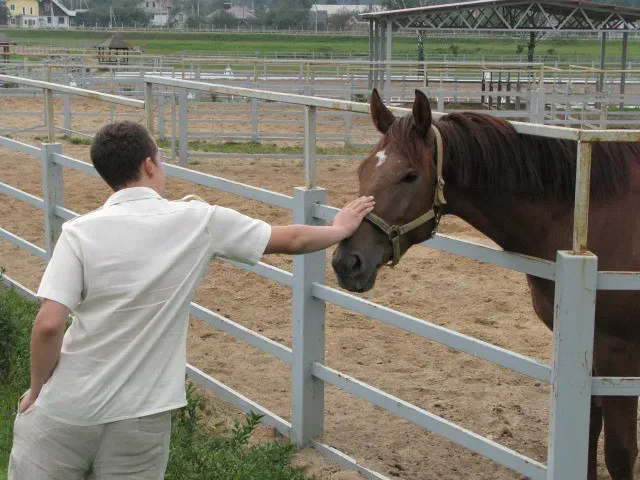
Board prices can look straightforward: a flat monthly fee for a stall or pasture and daily care. Hidden inside that simple number are all the extras that are not really extra if you want your horse properly managed. Blanketing, holding for the farrier or vet, special feeding, turnout changes, or extra shavings often come with separate charges.
Over a year, these add-ons can quietly add hundreds or even thousands to your total costs. I remember thinking I had scored a deal on “full” board, only to realize that my horse’s special grain and extra hay were billed on top. Before choosing a barn, ask for an itemized list of what is truly included, what is charged per service, and what typically gets added for horses with your horse’s needs.
3. Routine Veterinary Care (That Never Feels Routine)
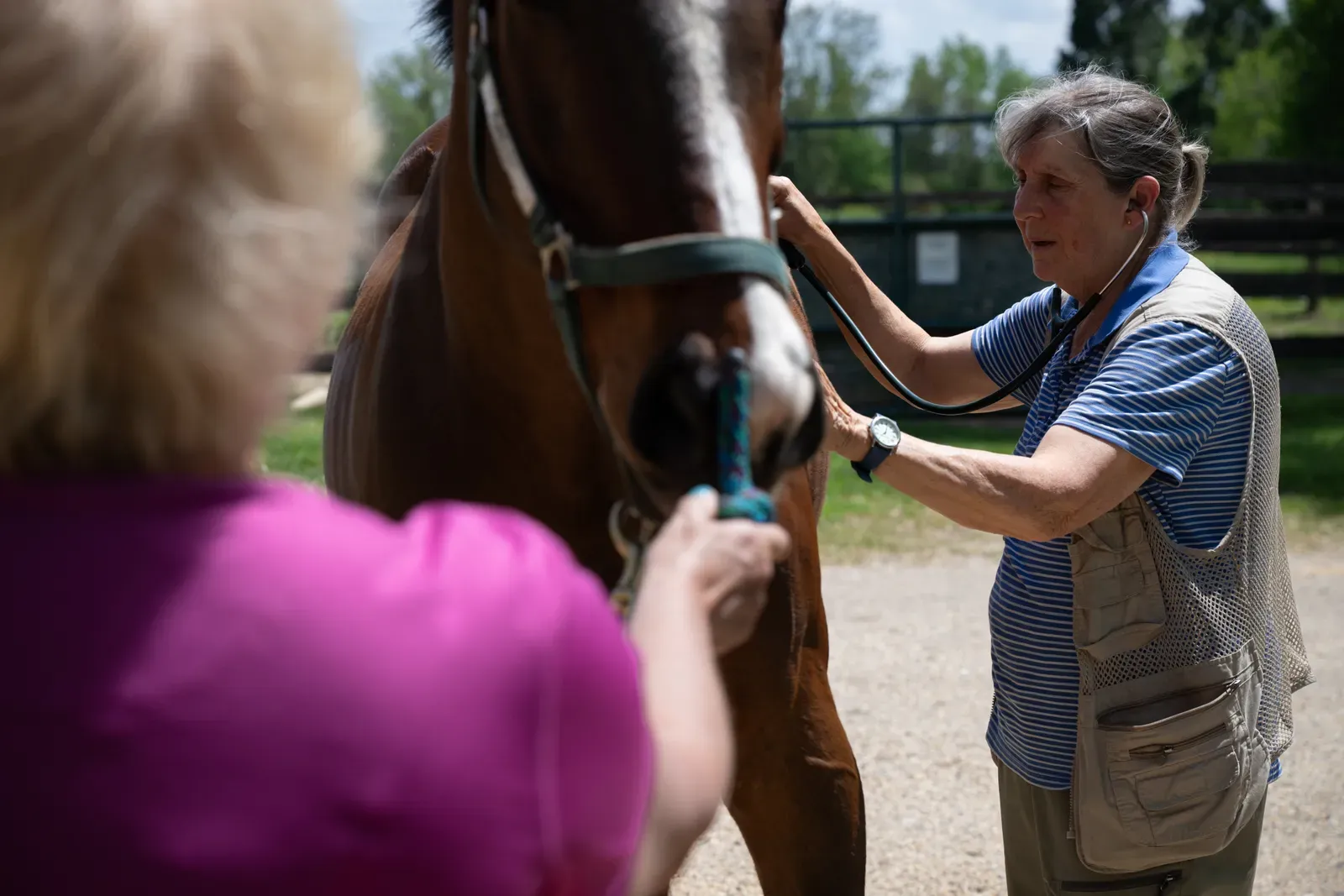
Most first-time owners know they will need a vet now and then, but they drastically underestimate how often “now and then” actually happens. There are annual vaccinations, regular deworming based on fecal tests, Coggins tests for travel or shows, and occasional minor injuries that still need professional attention. None of these feel huge alone, but they stack up across a year.
Then there are call fees, after-hours charges, and recheck visits, which many new owners forget to factor in. Even something simple like a mild colic or minor eye issue might mean a couple of visits, medications, and a weekend of worry. A smart approach is to treat routine vet care as a monthly line in your budget, not as random one‑off events – because they are not random at all, they are part of keeping a large, accident-prone athlete healthy.
4. Farrier Visits And Hoof Emergencies
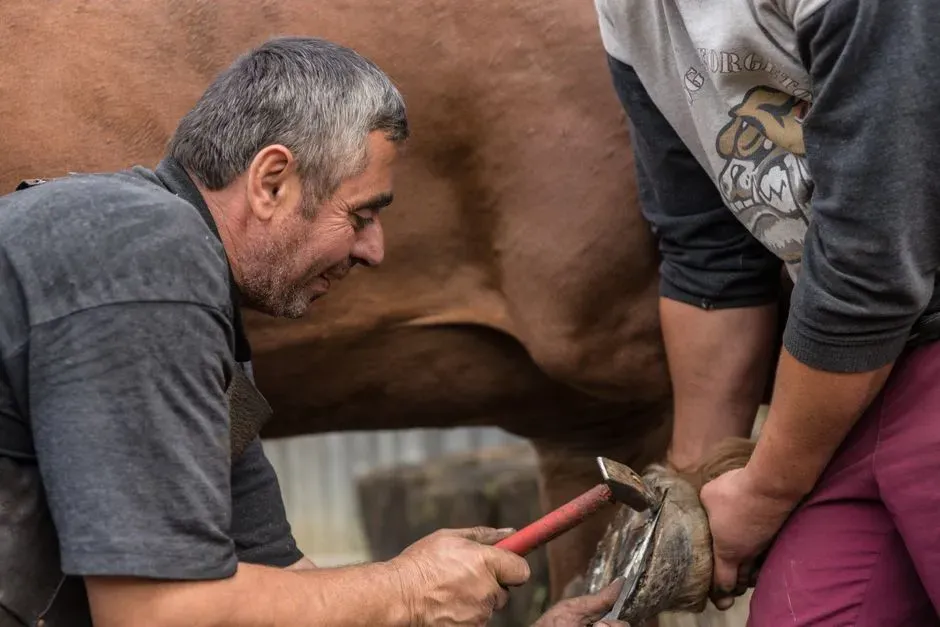
Hooves are one of the most fundamental parts of horse care, yet hoof costs surprise almost everyone. Whether your horse is barefoot or shod, you will be scheduling farrier visits roughly every six to eight weeks. Shoes, pads, and special corrective work for hoof issues all increase the bill, and prices vary widely by region and farrier experience.
On top of routine trims, there are the sudden problems: lost shoes right before a big ride, abscesses that need digging and soaking, or cracks that require more frequent work. I once paid more in a single month for repeated farrier visits for a hoof abscess than I had for three regular trims before that. Plan for a baseline farrier cost, then assume there will be at least a few months a year where you spend more than you expected.
5. Dental Care And The “Invisible” Mouth Problems
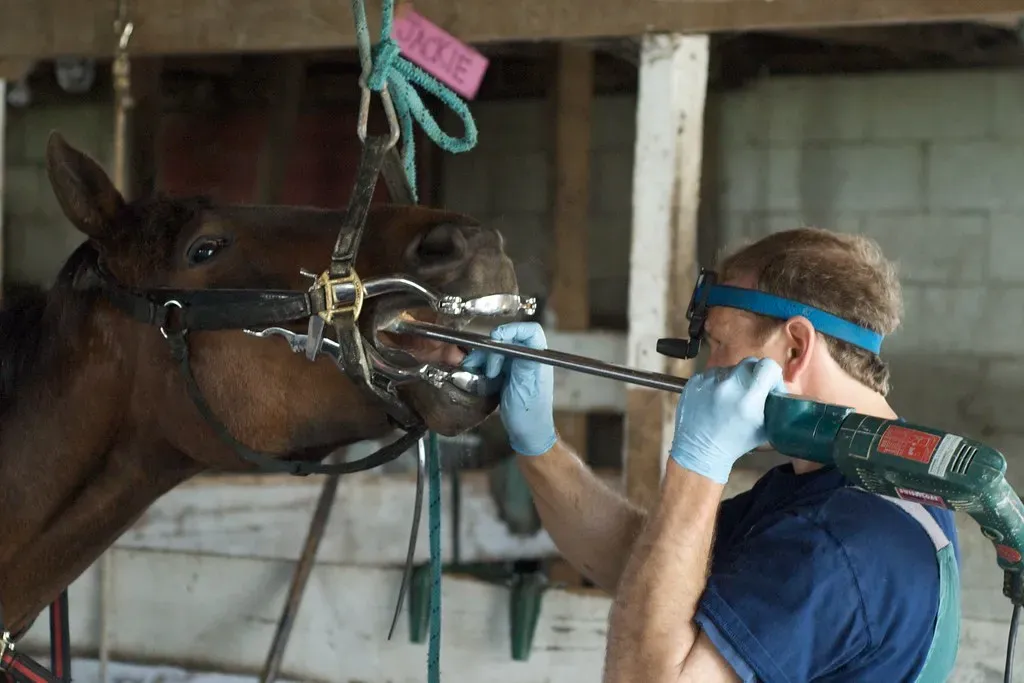
Because you cannot easily see inside a horse’s mouth, it is tempting to forget about it. Yet horses need regular dental care, often once a year, to file sharp points, address hooks or waves, and keep chewing effective and comfortable. Skipping dentistry can lead to weight loss, bit resistance, and even colic over time, all of which are far more expensive than an annual dental visit.
Sedation, farm call fees, and more complex procedures like extractions or diagnostics can quickly raise the bill. Older horses, or those with certain conformational quirks, may need more frequent work. This is one of those hidden expenses that feels easy to delay when money is tight, but you will usually end up paying more – both financially and in welfare costs – if you ignore it.
6. Tack, Equipment, And The Constant Upgrades

New owners often budget for a saddle, bridle, and a few grooming tools, then discover that horse gear multiplies like laundry. Saddle pads, girths, halters, lead ropes, bits, boots, fly masks, blankets, and grooming tools add up quickly, and cheap gear often needs to be replaced sooner. A saddle that fits the previous horse may not fit your new one, which can mean an expensive re‑flocking or a different saddle entirely.
Over time, your own preferences and goals shift, and your tack has to follow. Decide to start trail riding seriously? You might want a different saddle and saddlebags. Start taking jumping lessons? Suddenly you are pricing out boots, safety stirrups, and a better girth. It is not about buying everything at once, but you should assume that your tack budget is not a one‑and‑done purchase – it is an evolving investment.
7. Feed, Hay, And The Power Of Seasonal Price Swings
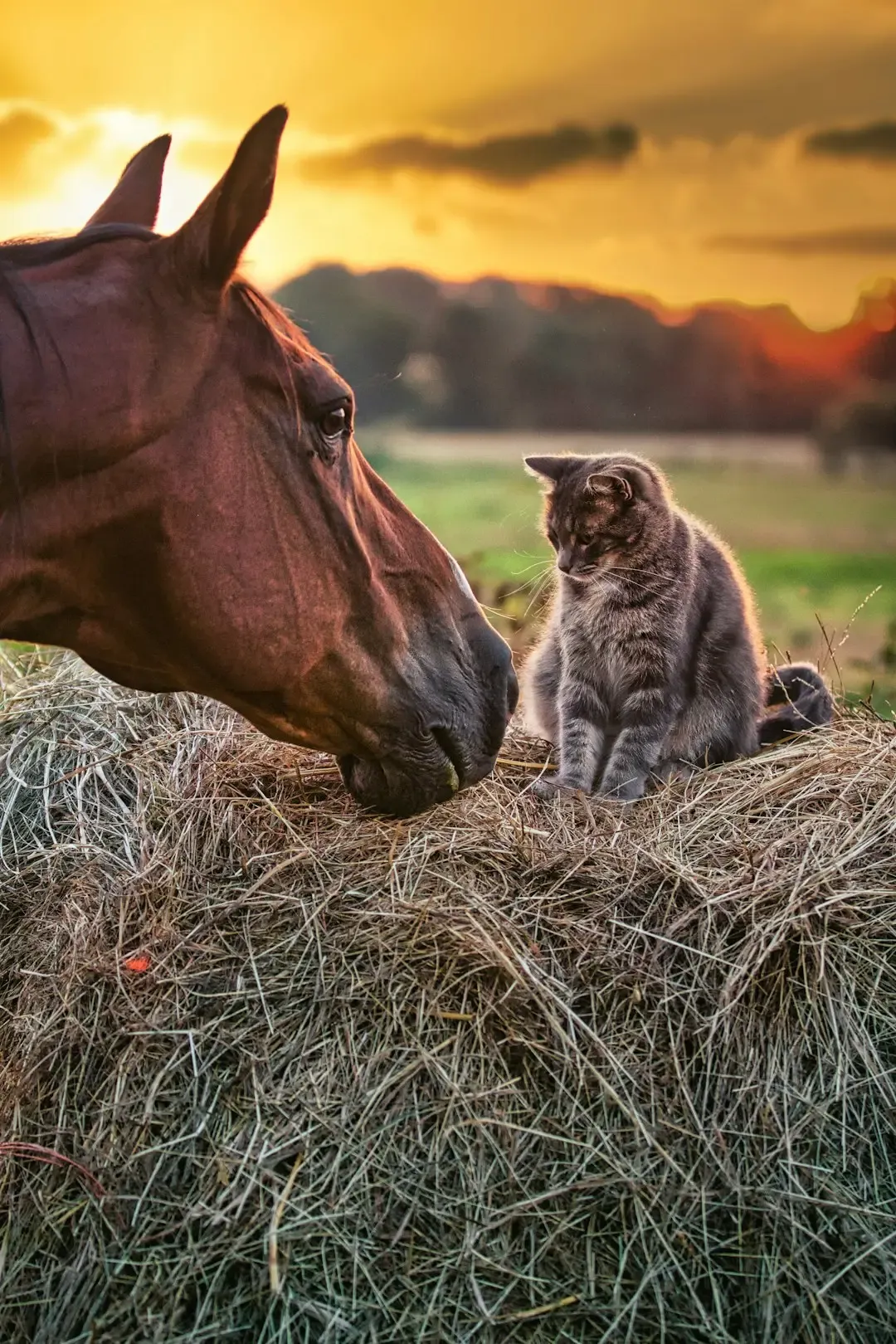
Many new owners look at a monthly grain cost and think they understand feed expenses, but hay is where the real variability lives. Weather, regional supply, and fuel costs can swing hay prices noticeably from year to year. A bad hay year in your area can turn what felt manageable into a serious financial stretch, especially if your horse is boarded at a place that adjusts prices to keep up.
On top of basic hay and grain, some horses need supplements for hooves, joints, digestion, or calmness. While a single supplement tub does not look terrifying, two or three at once, refilled year‑round, create another quiet drain on your budget. If your horse loses weight easily or has metabolic needs, you may find yourself buying more specialized feed, and that is rarely cheaper. Treat feed costs as a living number, not a fixed one.
8. Emergency Vet Fund (Because Horses Are Horses)
Ask any long‑time horse person and you will hear the same underlying message: at some point, you will face an emergency. Colic, a deep cut needing stitches, sudden lameness, or a mysterious high fever can appear out of nowhere. Emergency call fees, diagnostics like ultrasounds or X‑rays, medications, and follow‑up visits can climb into scary territory far faster than most first-time owners realize.
The financial and emotional stress of an emergency is brutal if you have not prepared. Some owners opt for equine insurance to offload part of the risk; others build a dedicated emergency fund and refuse to touch it for anything else. Personally, I am unapologetically biased in favor of having a specific, realistic emergency budget for your horse – it is not pessimistic, it is a kindness to both you and the animal you love.
9. Training, Lessons, And Professional Help

New owners often think buying a well-trained horse will spare them from training costs, but even experienced horses need tune‑ups. A new environment, a new rider, or time off can reveal holes in training that require a professional’s touch. Whether you bring in a trainer for your horse, take regular riding lessons yourself, or both, those sessions add up quickly.
There is also the simple truth that a horse is only as safe and happy as the human handling it. Skipping lessons or training help to save money can slowly create bigger problems that are far more expensive to fix later. I have seen “budget” owners hang on stubbornly without help, only to eventually pay more for a trainer to undo months of misunderstandings. Building in some professional support from the start is one of the smartest hidden costs you can choose to embrace.
10. Transportation And Travel Costs
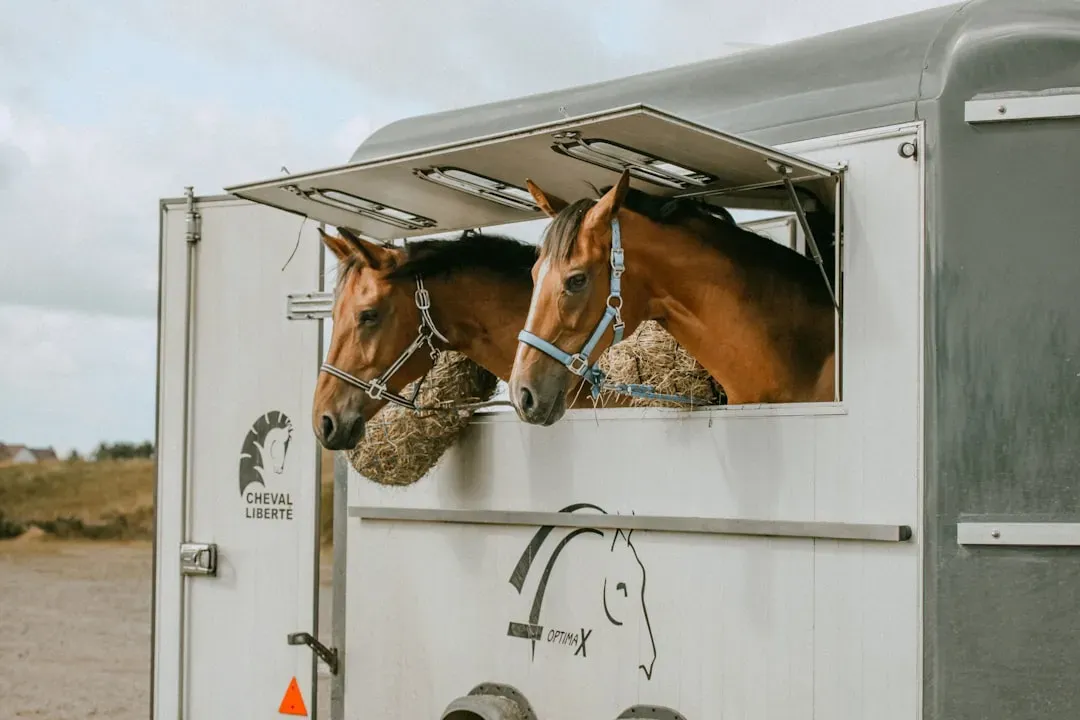
Even if you do not own a trailer, your horse will need to go places sometimes: vet clinics, new barns, clinics, shows, or better turnout situations. Hiring a hauler or paying a barn mate with a trailer usually costs more than new owners expect, especially for last‑minute trips or longer distances. Add in fuel prices, tolls, and possibly overnight accommodations, and travel becomes a meaningful expense.
For those who decide to buy a truck and trailer, the costs do not stop at the purchase. Registration, insurance, maintenance, repairs, and safe storage all come into play. It is easy to underestimate how much you will want or need to move your horse once you own one, but in practice, transportation becomes an unavoidable part of long‑term horse care.
11. Stable Supplies, Barn Clothes, And Safety Gear For You
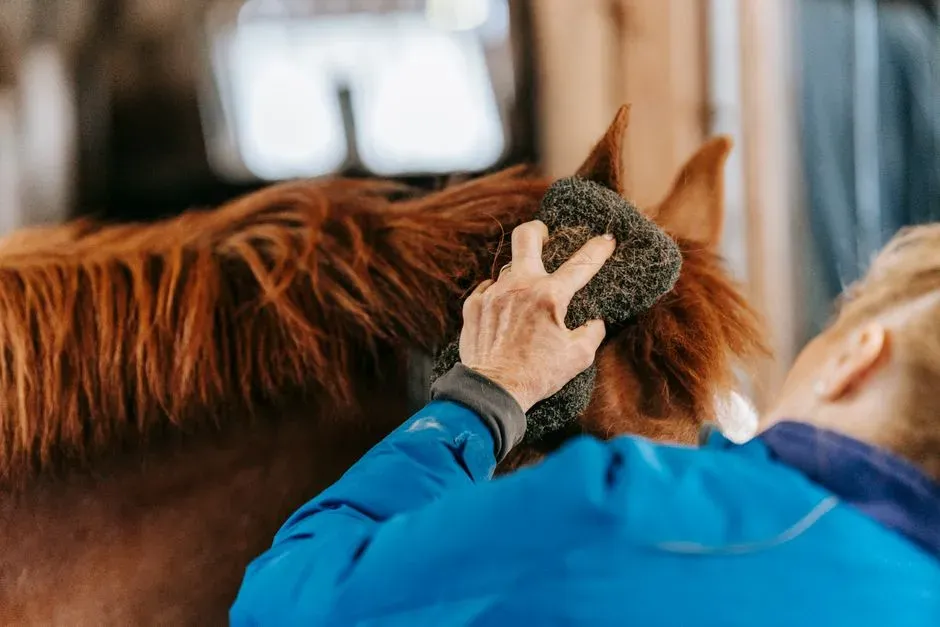
New owners tend to focus so hard on what the horse needs that they forget about themselves. Yet you will quickly realize you need durable boots, gloves, helmets, season‑appropriate barn clothes, and possibly safety vests. Helmets in particular have a lifespan and should be replaced after impacts or after several years, even without a fall, which is another periodic cost.
Then there are stable supplies: buckets, feed bins, muck tubs, pitchforks, hoses that do not explode every winter, fans for hot summers, and storage solutions for your growing pile of gear. None of these are glamorous purchases, but without them, daily care becomes a hassle. Step by step, you will build a personal “infrastructure” of gear around your horse – and it is worth recognizing that this is a real, ongoing category in your budget.
12. Long-Term Care, Retirement, And The End You Do Not Want To Think About
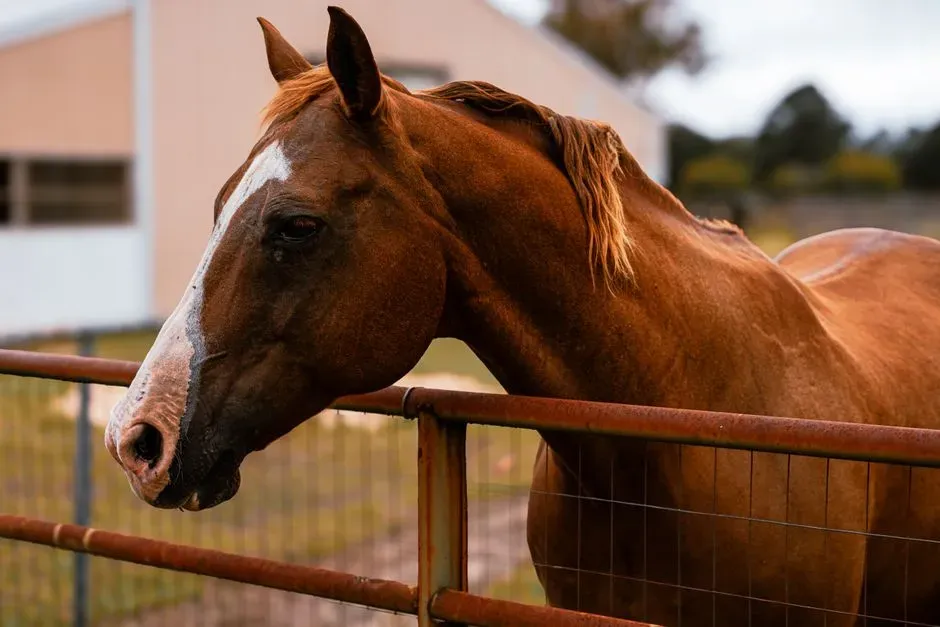
The most emotionally difficult hidden expense is the long tail of responsibility: your horse aging, slowing down, and eventually needing retirement or end‑of‑life care. Retirement boarding, specialized feed, more frequent vet visits, and medications all add up. A horse might live many years beyond its riding career, and it is on you to ensure those years are dignified, safe, and adequately funded.
There is also the cost of humane euthanasia and body disposal or cremation, which no one enjoys planning for but every responsible owner should. This is where the romantic idea of “forever home” meets cold reality: loving a horse means committing to the whole arc of its life, not just the fun, rideable middle. It might feel uncomfortable to budget for this from day one, but in my view, it is one of the clearest signs that someone is ready to own a horse at all.
Conclusion: If You Budget Honestly, The Dream Stays A Dream
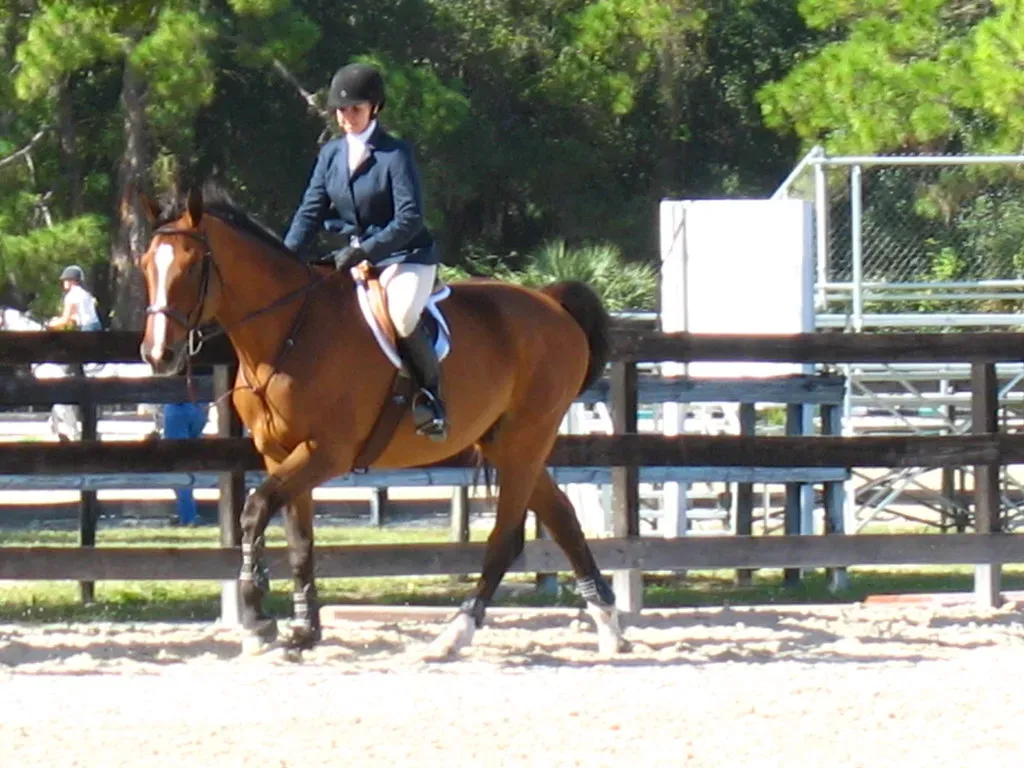
Owning a horse is not just an expensive hobby; it is a long-term relationship with a living, vulnerable animal who depends on you for absolutely everything. The hidden expenses – hoof problems, surprise vet calls, broken gear, slow‑creeping supplement habits – are not rare disasters, they are normal life with a horse. Pretending otherwise is wishful thinking, and it is how people end up burned out, resentful, or forced into heartbreaking decisions.
Here is the opinionated part: if you run the numbers honestly and they scare you, that is not a sign to give up on horses forever – it is a sign to get creative about how you stay involved without taking on full ownership yet. Leasing, riding lessons, volunteering, or co‑owning can all give you the joy without all the financial pressure. But if you look at these twelve hidden costs, build them into your budget, and still feel excited? Then you are stepping into horse ownership with your eyes open, and your horse will be very lucky to have you. Knowing what you know now, how would you design your horse budget so that the dream actually lasts?


