
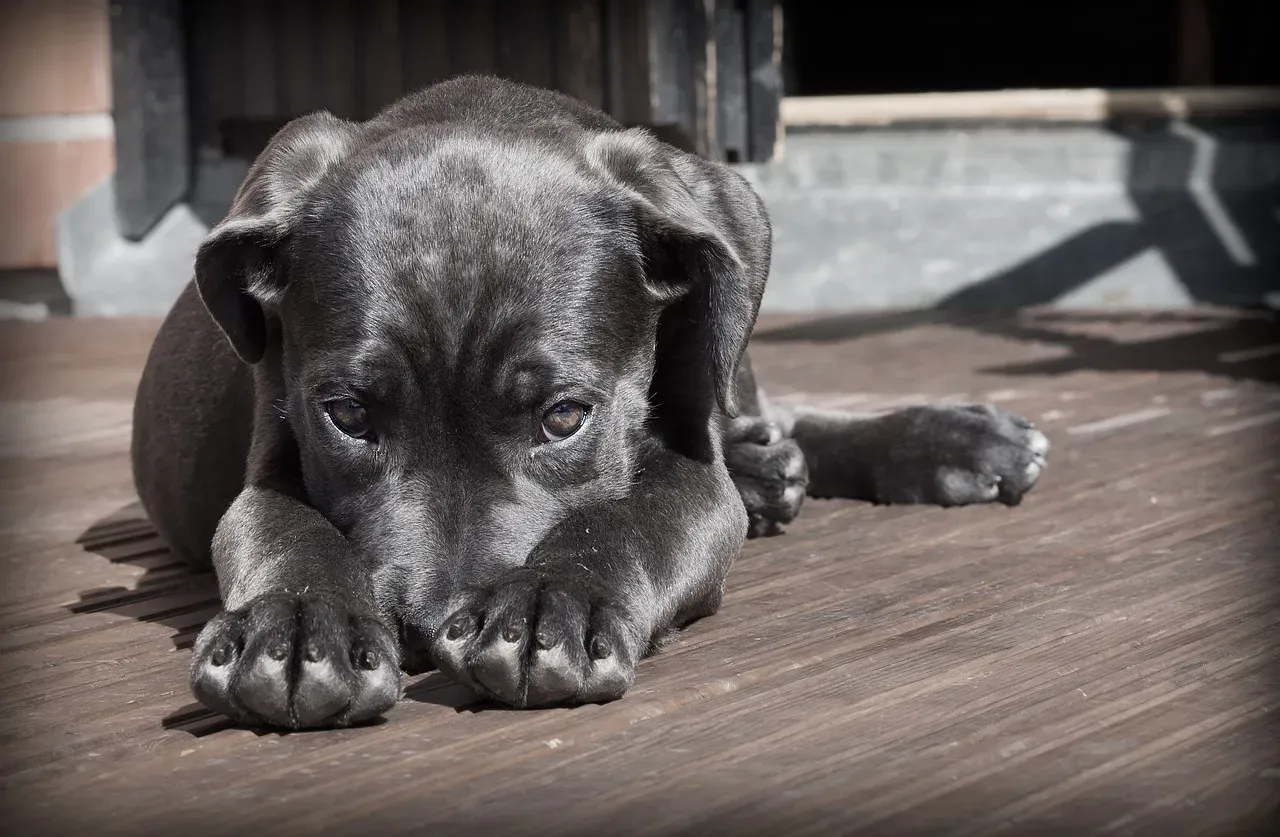
You walk in the door, see a shredded cushion or an overturned trash can, and before you say anything, your dog is already doing the whole guilty routine: head low, tail tucked, big sad eyes. It feels almost cinematic, like they spent the last ten minutes rehearsing an apology speech. But what if that famous guilty look is not what you think it is?
Researchers who study dog behavior suggest that this expression is far more about your body language and tone of voice than about any deep moral awareness of having “done wrong.” That doesn’t make your dog less amazing; if anything, it makes them even more fascinating. They are reading you with a level of sensitivity we rarely appreciate. Once you understand what is actually going on, you will never look at that so-called guilty face in quite the same way.
That Heartbreaking “Guilty” Look Is Mostly About You
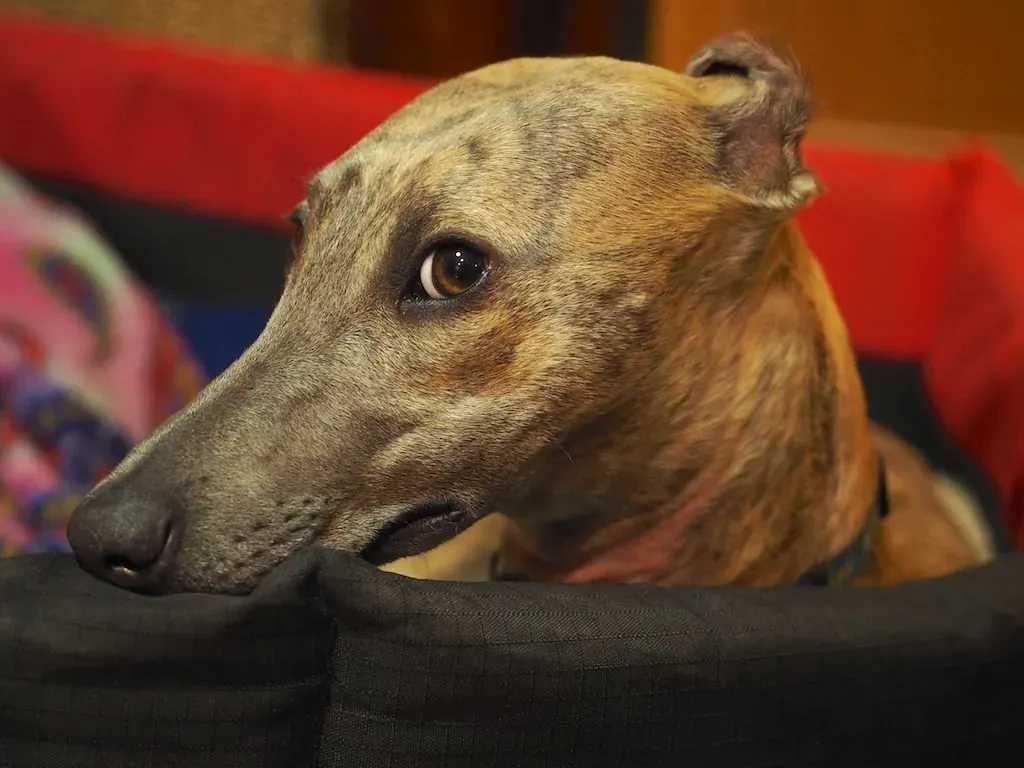
It is tempting to believe your dog’s downcast eyes and slumped posture are a confession. You see the mess, you see their face, and your brain connects the dots: they know. But controlled studies have repeatedly found that dogs show the classic “guilty” body language even when they have done nothing wrong, as long as their human is upset or tense when walking into the room.
In other words, the dog’s expression lines up more closely with the owner’s mood and behavior than with the dog’s actual actions. If you come in stiff, shoulders tight, voice sharper than usual, your dog reacts to that shift in atmosphere. They are not rewinding the last hour and reflecting on their life choices; they are reading the room in real time and adjusting to you.
Dogs Are Emotional Readers, Not Tiny Moral Philosophers
One of the biggest myths in pet ownership is that dogs sit around thinking in human-style moral terms: “I broke a rule; I did something bad; I feel guilty.” What science suggests is simpler and, honestly, more beautiful. Dogs are experts in emotional weather prediction. They constantly monitor tiny changes in your posture, face, breathing, and even the way your footsteps sound in the hallway.
Over thousands of years living alongside humans, dogs have become incredibly skilled at linking patterns: this body stance usually means trouble, that tone of voice usually leads to yelling, this kind of silence usually comes before a scolding. The so-called guilty look is less like a confession and more like an emotional raincoat they put on because they sense a storm coming.
Your Body Language and Tone Are the Real Triggers
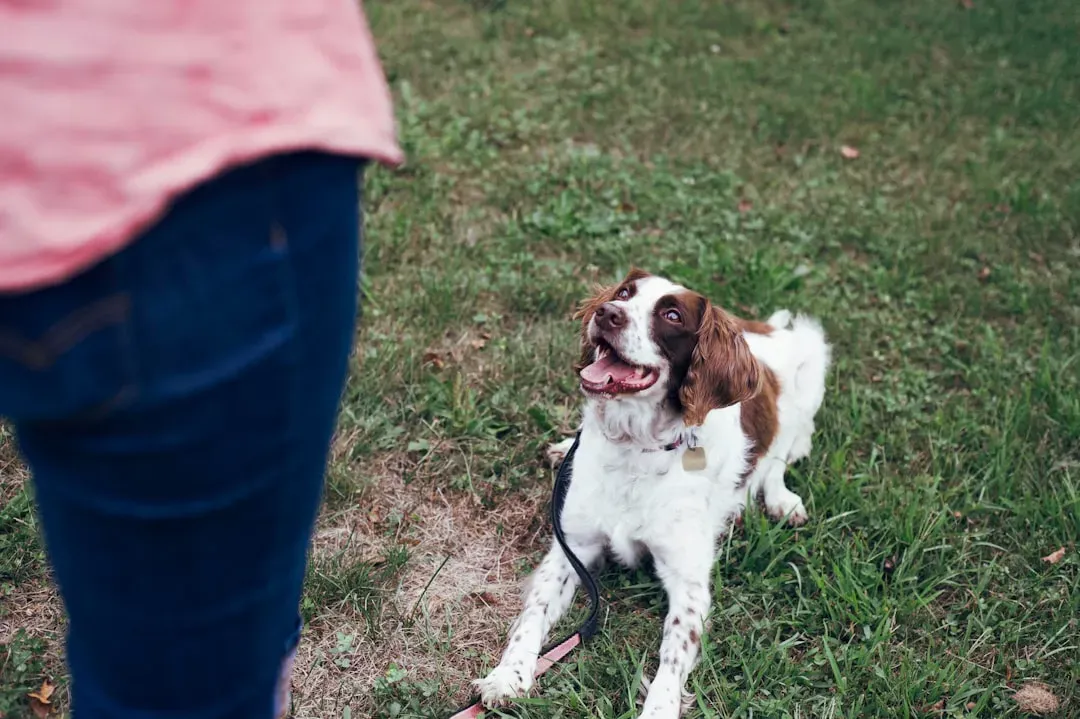
Think about what you do the instant you notice a chewed shoe or spilled trash. Most of us freeze, tense up, maybe pull our head back, narrow our eyes, and move more abruptly. Even before words come out, our whole body screams that something is wrong, and dogs notice those changes faster than we do.
Then comes your voice. You might not be shouting, but maybe you say their name with that stretched-out, sharp edge you only use when you are angry. Dogs are incredibly sensitive to tone and rhythm, far beyond the actual words. To them, your tense posture and tight voice say more than any sentence could, and their “guilty” look is a natural response to that pressure.
Conditioning: When “Guilt” Becomes a Learned Survival Strategy
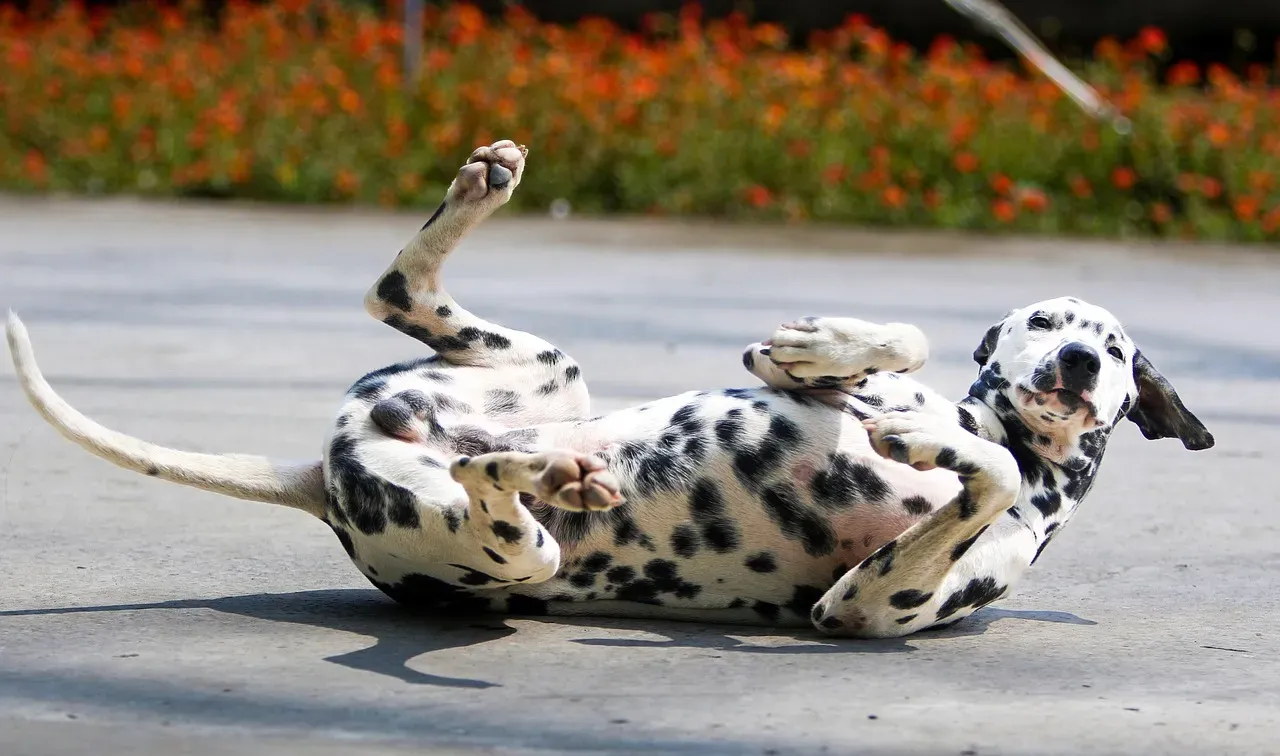
Dogs are masters of learning by association. If, in the past, messes on the floor were followed by a stressed-out human, raised voice, or punishment, your dog quickly connects the pieces. Not in a deep, logical way, but in a simple pattern: human walks into messy room plus tense energy equals danger, so better look small and non-threatening right away.
Over time, the look you label as guilt becomes a preemptive strategy. Even if they did not create the chaos this time, the sight of a tipped-over bin and your stiff shoulders are enough to trigger the same appeasing behavior. It is less “I did it, I am so sorry,” and more “Something bad happens in moments like this; I am trying to calm you down.”
Appeasement, Not Apology: What Your Dog Is Really Saying
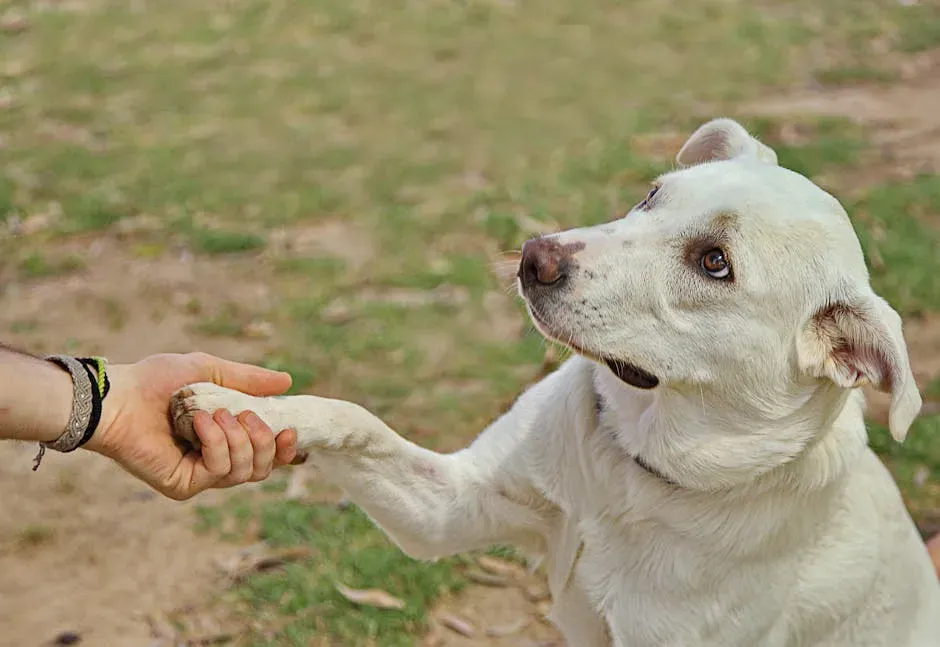
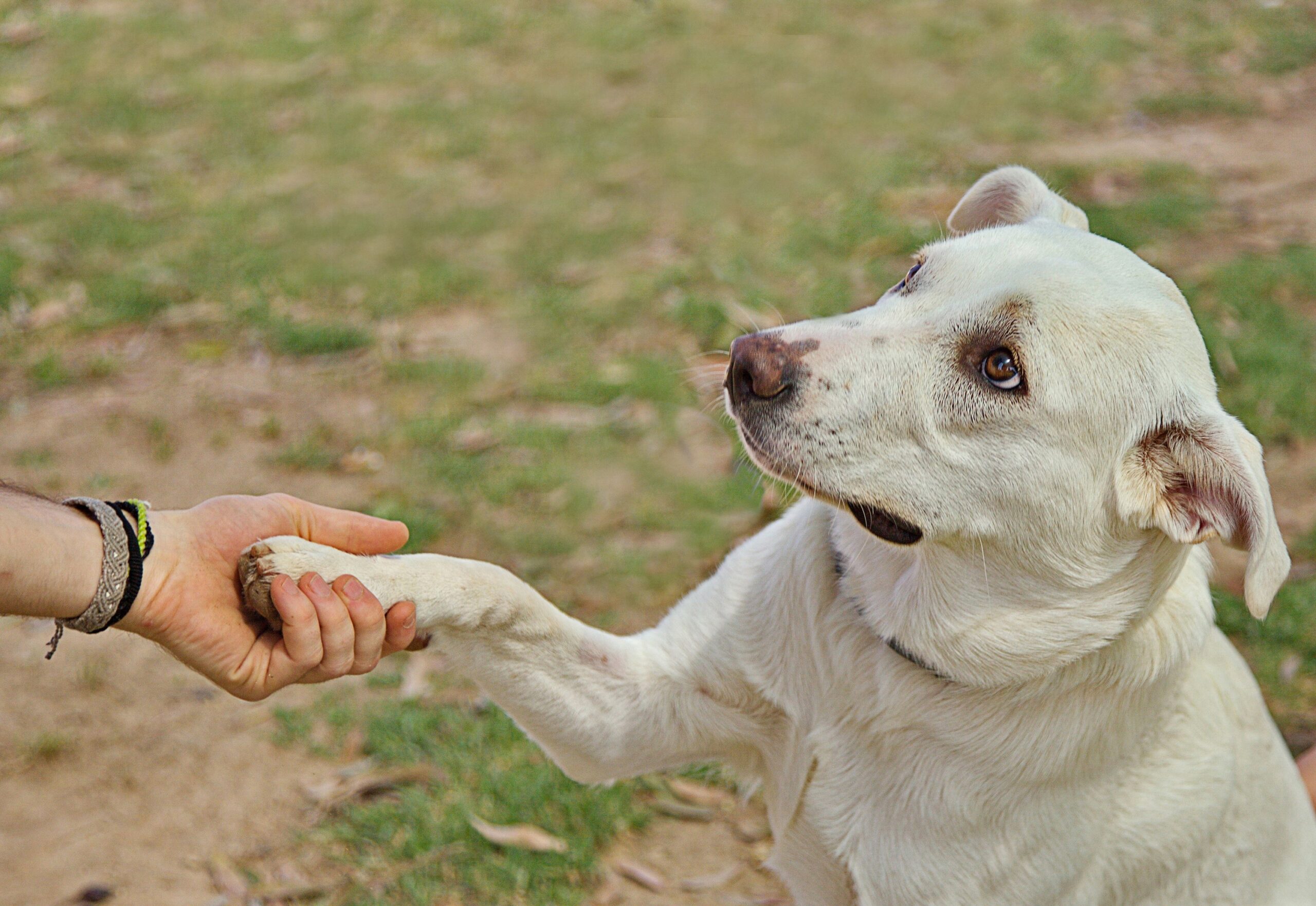
Behavior experts often describe the guilty look as a cluster of appeasement signals. These are behaviors dogs use with each other and with humans to defuse tension and avoid conflict: turning the head away, licking their lips, lowering the body, tucking the tail, or offering a tentative paw. None of these are moral statements; they are social tools.
When your dog shows these signals in response to your anger or stress, they are basically trying to say, in dog language, that they are not a threat and want peace. They are reading you like a social puzzle and throwing every soft, calming behavior they know at the problem. It feels personal because it is directed at you, but it is not an admission of guilt in the human sense.
Why Punishing “Guilty” Behavior Backfires
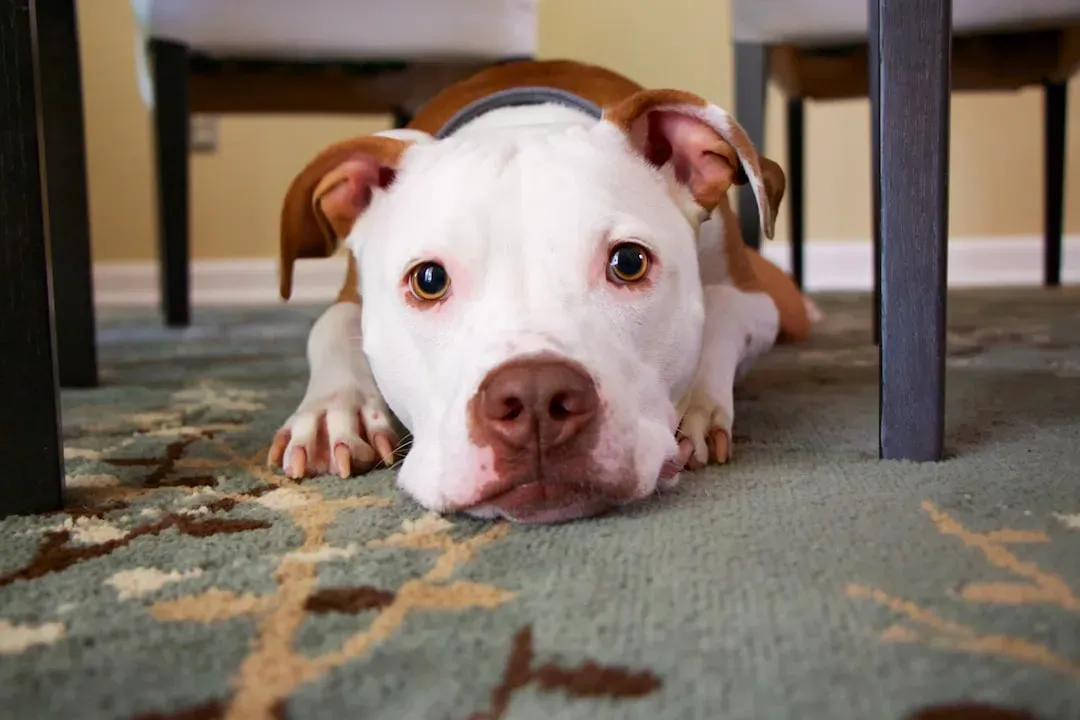
Understanding what is really happening changes how you should respond. If you punish your dog when they show that guilty look, you are not teaching them about right and wrong; you are teaching them that your arrival, your voice, or certain objects on the floor are scary. They learn to fear the situation, not to “respect the rules” the way you might hope.
This can actually make things worse. Some dogs become sneakier, avoiding you when anything has gone wrong because they are bracing for your reaction. Others grow chronically anxious, constantly watching your movements and tone for signs of danger. Instead of building trust, repeated punishment in these moments quietly erodes it, even if you love your dog deeply the rest of the time.
How to Respond When You See the “Guilty” Look

So what should you do when you walk in, see the chaos, and your dog is already giving you those tragic eyes? The first step is for you, not them: breathe, soften your shoulders, and deliberately relax your face. If you can, guide your dog to another room or spot and give them a neutral, predictable cue, like asking them to sit or lie down, then calmly manage the mess without a dramatic scene.
For the actual behavior you do not want – chewing furniture, getting into the trash, accidents on the floor – the real teaching happens long before the disaster, not after. That means supervision, management tools like baby gates or closed lids, and positive training that shows your dog what to do instead. Correcting them after the fact does not help them connect cause and effect; it mostly just teaches them to fear your mood.
Dogs Do Not Need to Feel “Guilty” to Deserve Our Respect
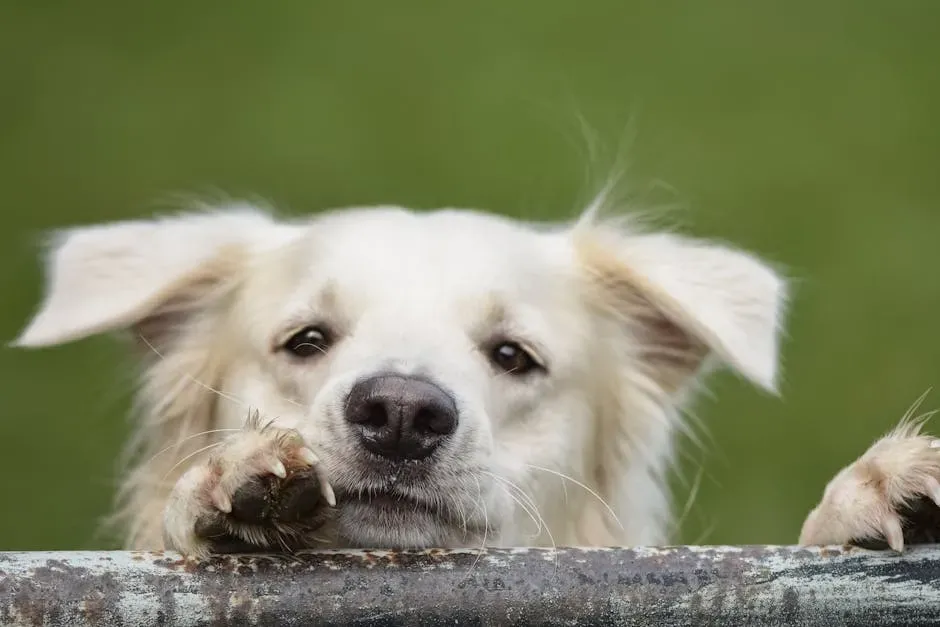
Here is the part that always sticks with me: dogs do not need a human-style sense of guilt to be worthy of kindness, structure, and respect. Their social intelligence is impressive on its own. The way they track our emotional states and adjust their behavior around us is not a cheap imitation of morality; it is its own kind of brilliance. The guilty look is proof of how tightly tuned they are to our emotional volume knob.
So maybe the healthier, more honest view is this: your dog is not standing in the wreckage wrestling with ethics. They are standing there wrestling with you – your gaze, your energy, your history together – and doing their clumsy best to keep the bond intact. If anything, that should nudge us to be just as careful with our reactions as they are with their signals. When you walk into that next shredded pillow scene, will you see a guilty criminal, or a sensitive friend trying desperately to keep the peace?


