
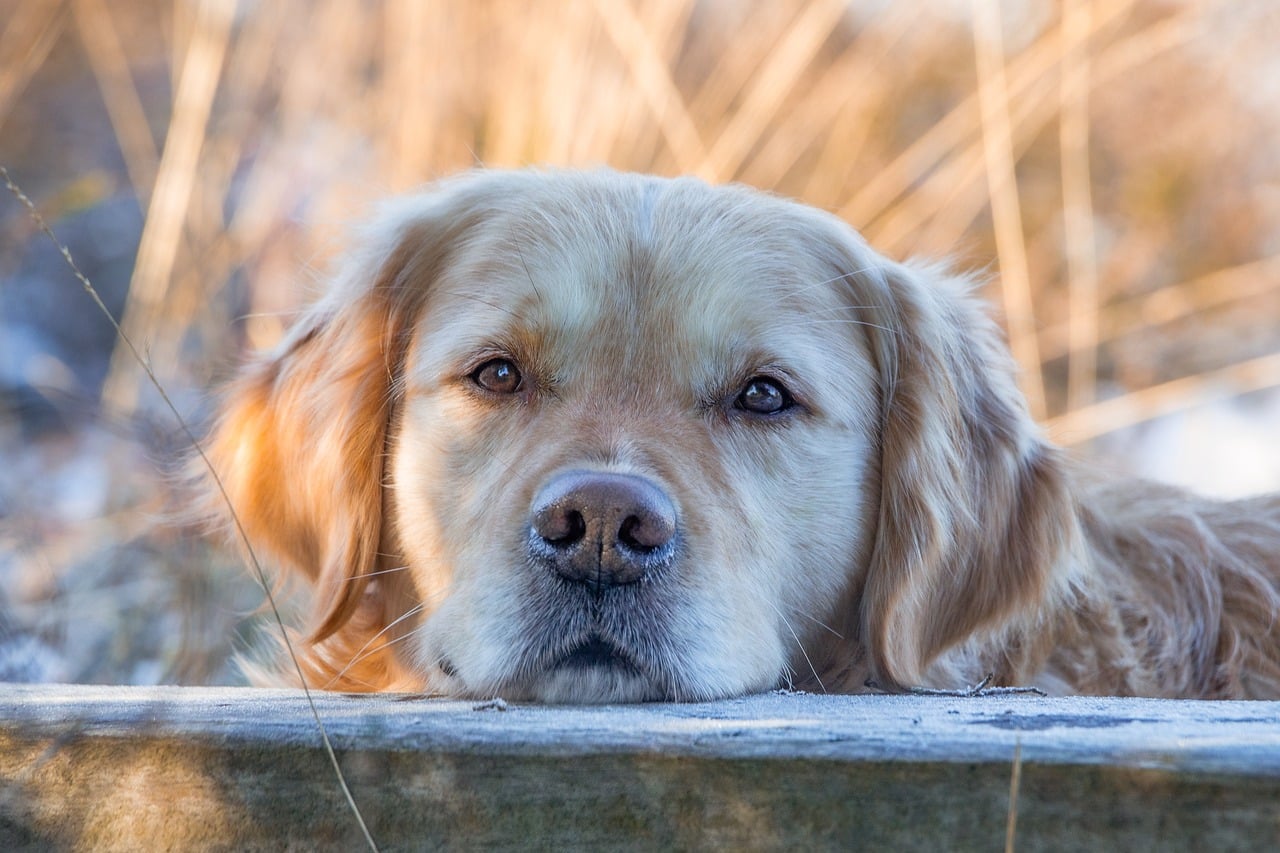
Have you ever caught your dog gazing at you with sleepy, half-closed eyes, giving a slow blink that feels almost like a secret message? It can look so soft and vulnerable that many people wonder if their dog is tired, bored, or maybe even unwell. Yet, in a lot of cases, that relaxed, squinty expression is one of the clearest signs your dog is genuinely at ease with you.
Modern canine behavior research has started putting language around this look, describing it as a low-arousal, friendly signal rather than a random quirk. When I first learned that my own dog’s “melty eyes” meant he felt safe, it changed how I saw our daily interactions. What feels like a tiny, quiet moment on the surface is often a powerful glimpse into how secure your dog feels in your presence.
The Science Behind Soft Eyes and Low Arousal
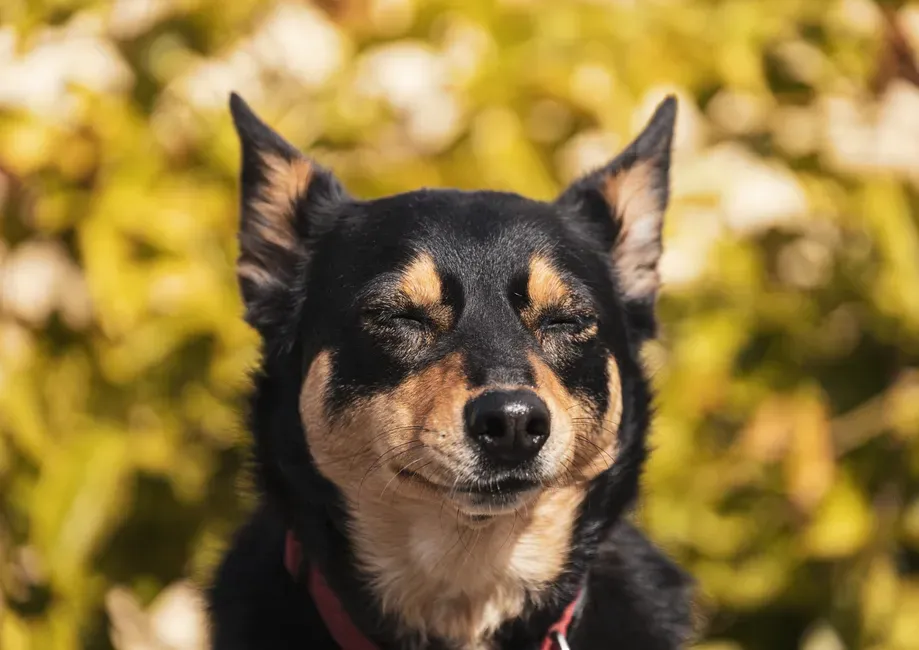
In canine behavior research, arousal does not mean excitement in a positive or negative sense; it simply refers to how activated the nervous system is. High arousal can show up as barking, intense staring, jumping, or frantic movement, while low arousal tends to look slower, softer, and more fluid. When dogs display slow blinks or half-closed eyes, it’s usually part of this lower arousal state, where their body and brain are not primed for threat or action.
Physiologically, dogs in a relaxed, low-arousal state often show slower heart rates, looser muscles, and calmer breathing. You’ll see this in the way their whole face softens, not just their eyelids. The muscles around the eyes relax, the forehead smooths, and the ears sit in an easy, neutral position rather than being pinned forward or back. That gentle eye expression is not an isolated signal; it’s one piece of a broader calm-body picture that reflects a nervous system at ease.
Soft Eye Expressions as Signals of Comfort and Safety
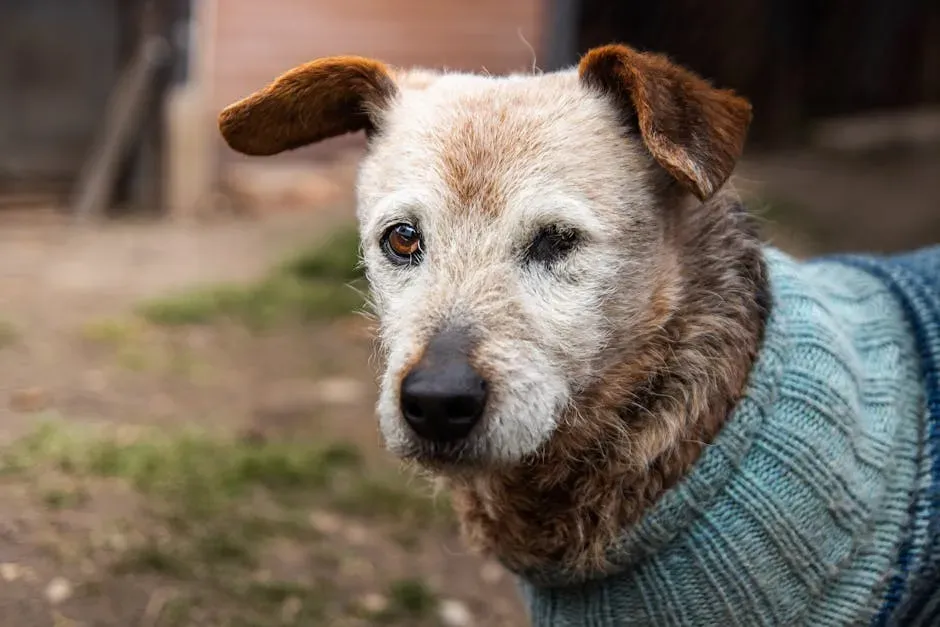
Dogs rarely waste energy sending signals that do not matter to their survival or social life. A dog that chooses to soften their eyes around you is essentially broadcasting that they don’t feel the need to be on guard. It is the opposite of the hard, fixed stare dogs may use when they’re uncertain, nervous, or gearing up to react. Instead of scanning for danger, they’re allowing themselves to “power down,” trusting that you and the environment are safe.
Think of this look as the canine version of leaning back on a couch with your shoulders dropped and your eyes half closed. You do not sit like that if you are afraid someone might hurt you. You sit like that when you feel secure enough to drop your defenses. When your dog gives you those soft, blinky eyes while resting on the rug or leaning against your leg, they are showing you that same level of trust in a quiet, visual way.
Reading the Whole Dog: Body Language That Pairs With Slow Blinks
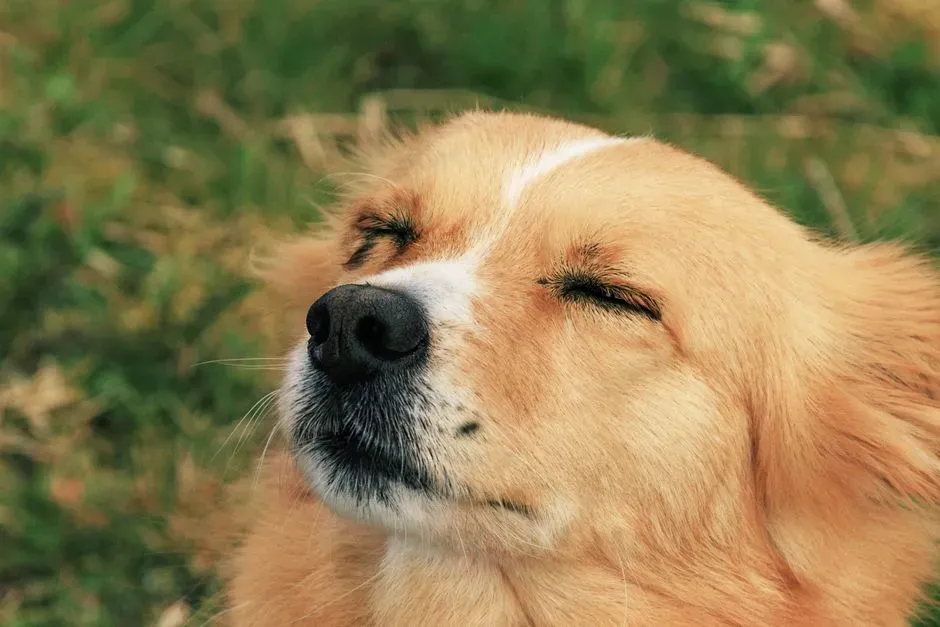
The slow blink or half-closed eye expression is powerful, but it never tells the whole story by itself. Dogs communicate through combinations of signals, like a sentence rather than a single word. A comfortable dog will often pair soft eyes with a relaxed jaw, slightly open mouth, loose lips, and a body that looks curvy rather than stiff. Their tail may be gently wagging at mid-height or even lying still in a calm, neutral position.
In contrast, if you see half-closed eyes but the dog’s body is very tense, the tail is tucked, or the dog is panting rapidly and licking their lips over and over, that could be a sign of stress or even pain rather than ease. This is why experienced behaviorists always say to “zoom out” and look at the whole dog. The blink itself can be similar, but the emotional meaning changes drastically when you layer in posture, breathing, movement, and context.
Slow Blinking vs. Staring: Why Eye Contact Matters to Dogs
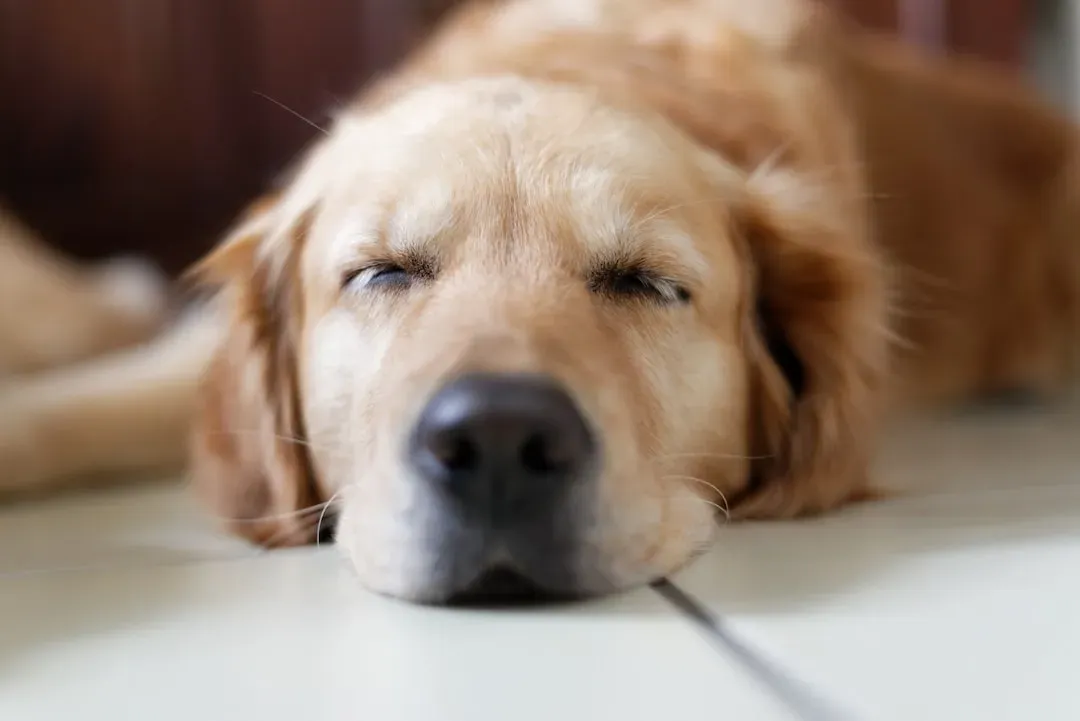
Eye contact means something very different in dog culture than it does between humans. A long, hard, unblinking stare can be interpreted by many dogs as a challenge or even a threat, especially when it comes from a stranger or an unfamiliar dog. By contrast, a soft gaze, broken up with blinks and glances away, works more like polite conversation. It signals that the interaction is safe, cooperative, and not confrontational.
Slow blinking serves as a kind of visual pressure release. Where a fixed stare can build tension, the deliberate softening and blinking of the eyes breaks that tension down. It is similar to how people nod, smile, or look away briefly in a friendly conversation so no one feels cornered. When your dog slow-blinks at you, they’re giving you a polite, gentle version of eye contact that respects comfort zones instead of pushing past them.
Is Your Dog “Smiling” With Their Eyes at You?
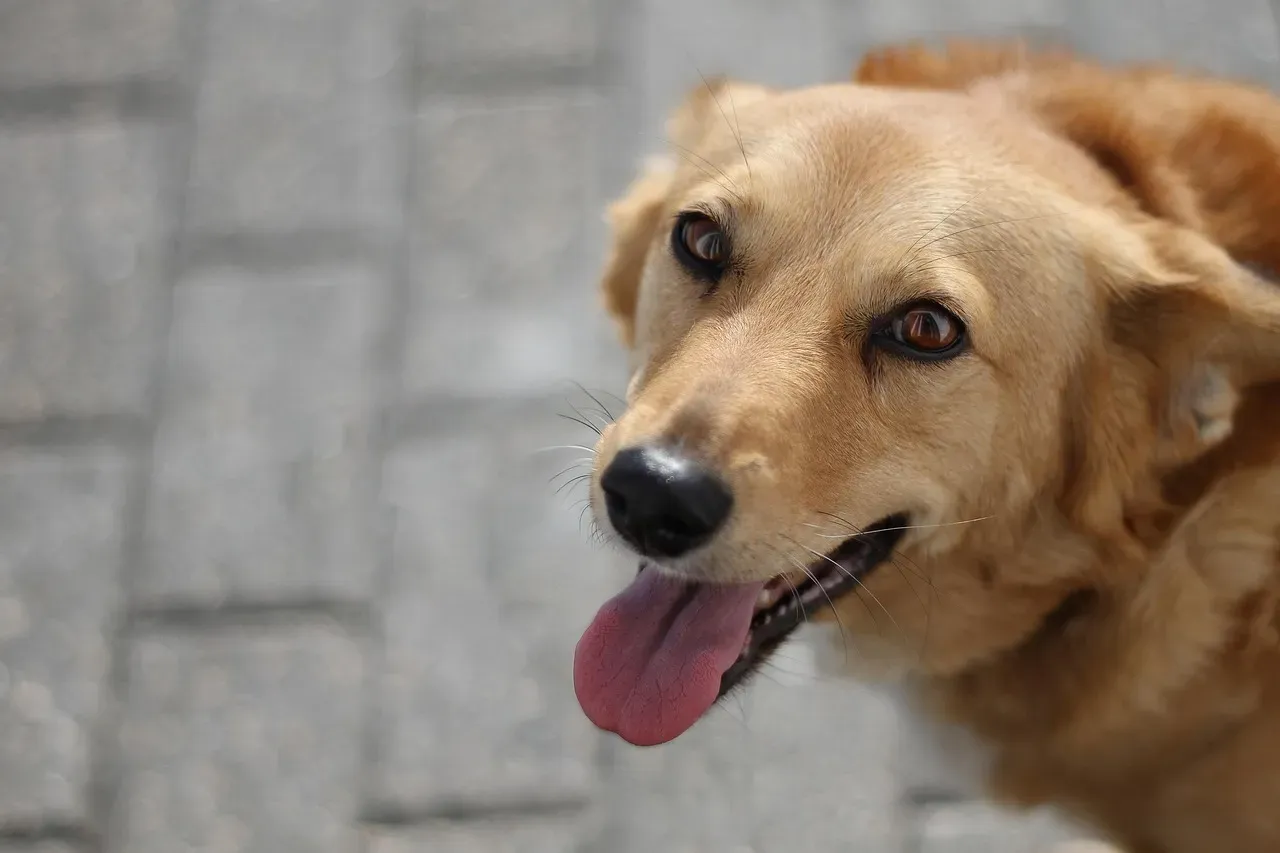
We often talk about people smiling with their eyes, and many owners notice the same thing in their dogs. While we have to be careful not to project every human emotion onto our pets, there is a real overlap here: that soft, slightly squinty look is strongly associated with positive social feelings in dogs. It tends to show up when they are calmly engaging with someone they like, whether that’s during a belly rub, a cuddle on the couch, or a quiet moment before bedtime.
From a practical point of view, this “eye smile” is a sign that your dog’s social system is switched to friendly, not defensive. It doesn’t necessarily mean they’re bursting with joy; sometimes it reflects a peaceful, low-intensity contentment rather than wild excitement. In my own experience, those sleepy, melty eyes show up most when my dog has already had his physical and mental needs met for the day. It is like his way of saying, without words, that in this moment, everything feels good enough.
How You Can Respond: Matching Your Dog’s Calm Energy
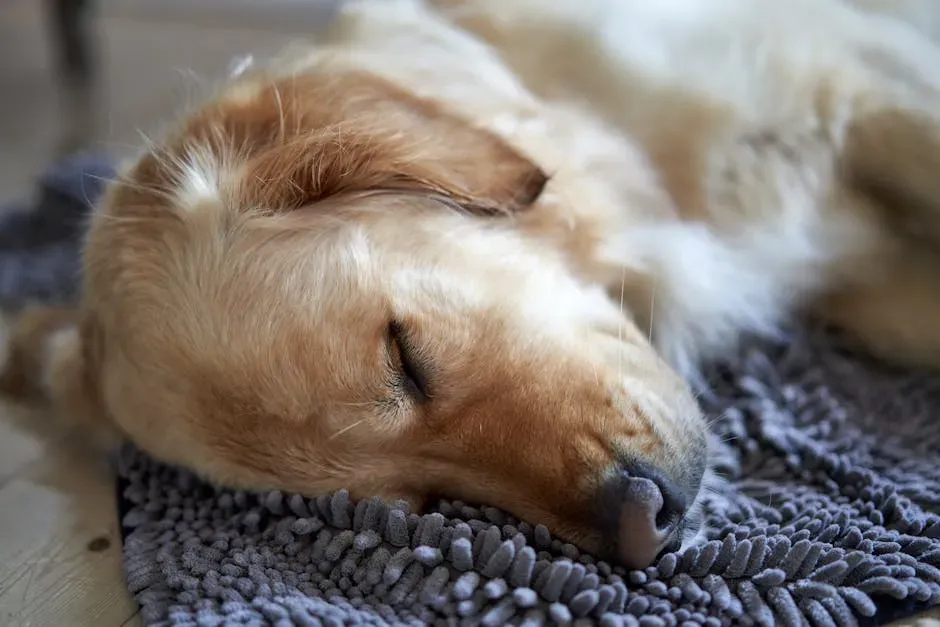
When your dog offers you slow blinks or a half-closed, relaxed gaze, one of the kindest things you can do is meet them at that energy level. Moving gently, speaking softly, or even slow-blinking back can help keep the moment calm and safe. Many people find that when they soften their eyes and relax their own face, their dog’s body language stays loose and comfortable, almost as if you’re both exhaling together.
This is also a good time to offer low-key affection rather than sudden, intense interaction. Light petting, gentle massage, or quiet proximity tends to fit better with this calm state than loud play or fast movements. Imagine you’re sitting with a friend who’s clearly winding down for the night; you probably wouldn’t jump up and blast music. Mirroring your dog’s soft mood reinforces the message that you see them, respect how they feel, and can be a safe, predictable presence in their world.
When Soft Eyes Might Signal Something Else (Pain, Sleepiness, or Stress)
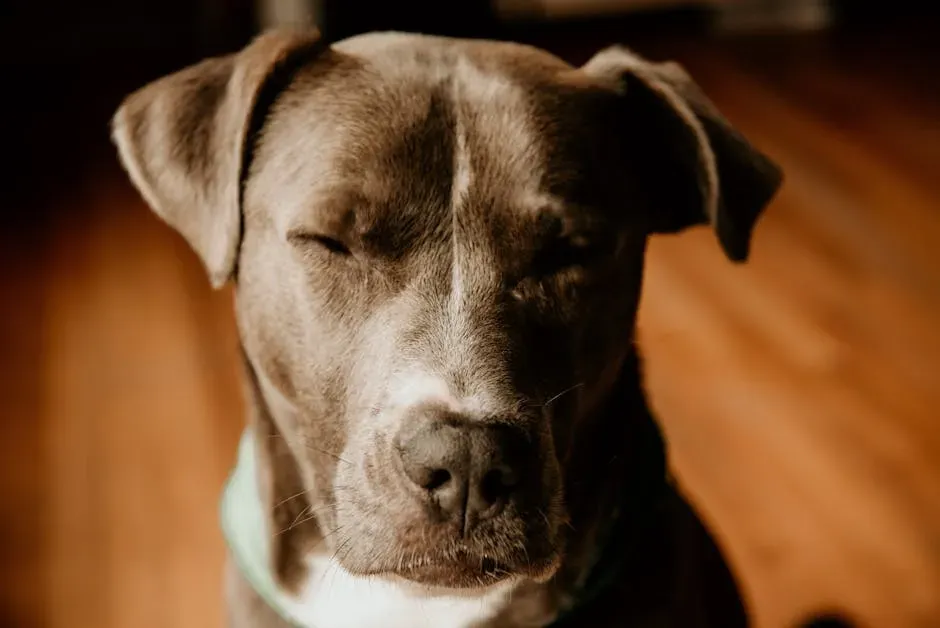
As comforting as that relaxed eye look can be, it is important not to assume every squint or half-closed eye means contentment. Dogs in pain, especially with eye issues or headaches, may squint or partially close their eyes to protect themselves from discomfort. If your dog’s slow blinks are paired with pawing at the face, redness, discharge, sensitivity to light, or changes in appetite and behavior, it is time to call your veterinarian rather than chalk it up to sweetness.
Sleepiness and stress can also create softer eye shapes that look similar at a glance. A very tired dog might simply be drifting off, while a stressed dog could show droopy eyelids alongside other worry signals like pacing, trembling, or yawning over and over. This is where knowing your individual dog is key. A soft gaze that appears in the middle of a calm cuddle is more likely to be a sign of comfort, while the same gaze in a chaotic, noisy environment might be your dog’s way of trying to cope with overwhelm.
Building a Relationship Where Soft Eyes Come Naturally
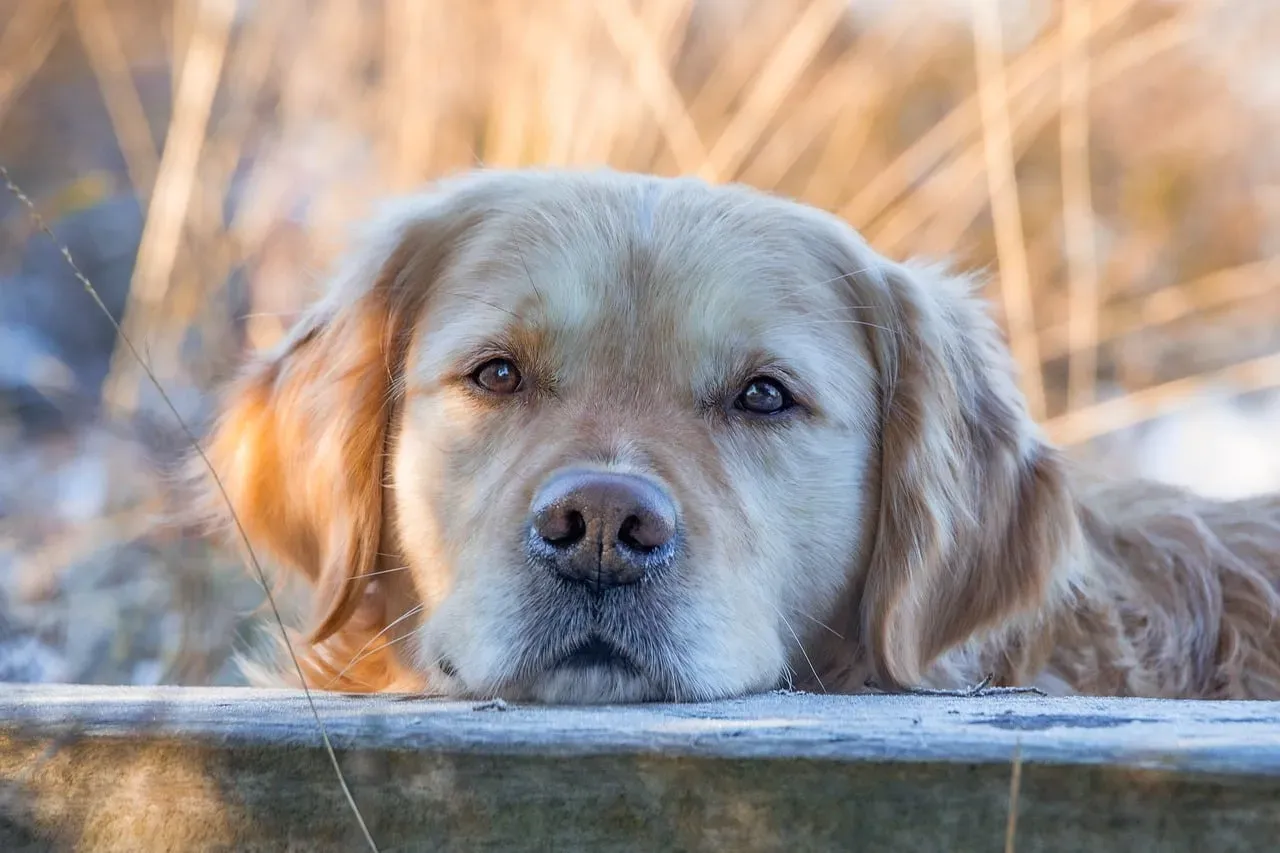
You can’t force a dog to slow-blink with genuine ease, and that is part of what makes this signal so meaningful. It tends to emerge organically when your dog has learned over time that you are safe, predictable, and responsive to their needs. Meeting their basic needs for exercise, mental stimulation, social contact, rest, and choice in their daily life lays the foundation for that deep-level comfort. A dog that is constantly confused, punished, or overwhelmed simply doesn’t have the emotional bandwidth to relax to that degree.
Training that uses positive reinforcement, patience, and clear communication helps your dog feel more in control and less worried about making mistakes. Respecting their boundaries – backing off when they show discomfort, giving them safe spaces to retreat to, and allowing them to opt out of interactions – builds trust slowly and steadily. Over time, many owners notice that their dogs begin to offer more soft eyes, gentle blinks, and relaxed body language in their presence, like a living, breathing review that says, in effect, that this relationship is a good place to be.
Conclusion: Soft Eyes as a Quiet, Powerful Truth About Your Dog
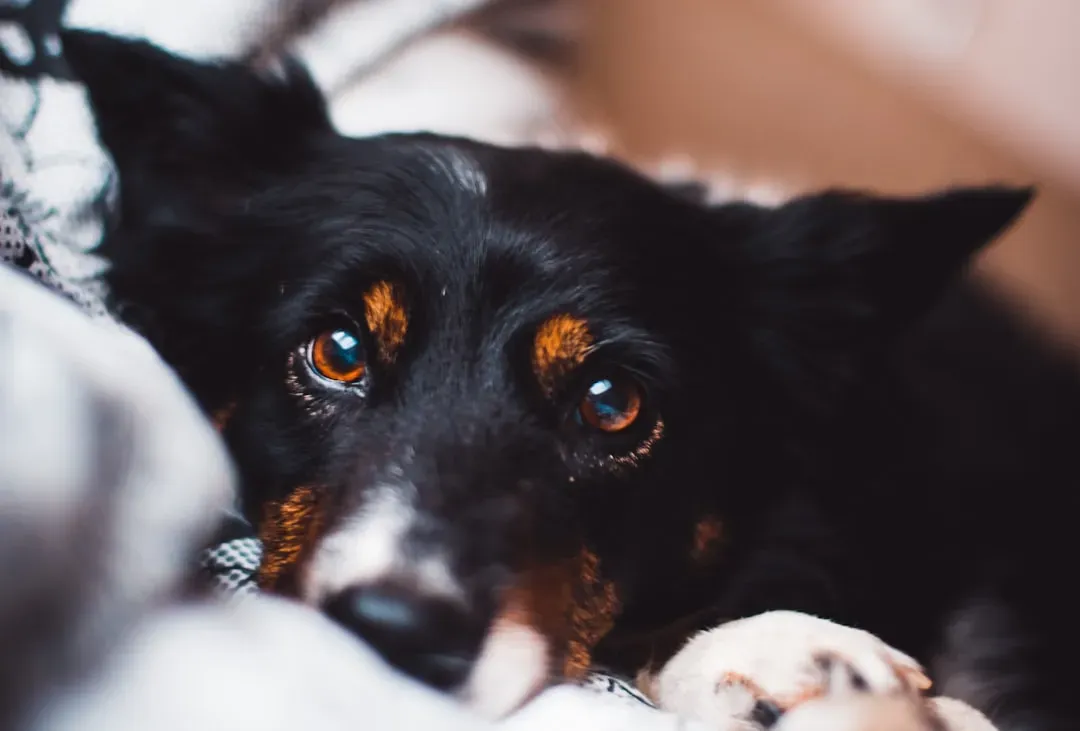
In a world obsessed with big tricks, flashy play, and dramatic training results, the humble slow blink can seem almost too subtle to matter. Yet those half-closed, melty eyes are often one of the most honest things your dog ever shows you. They reveal not just how your dog feels in a split second, but how safe they feel in the story you’ve been writing together over months and years. To me, a dog who can truly relax around you is far more impressive than a dog who can nail every command under pressure.
If anything, the science-backed idea that soft eye expressions are tied to low arousal and ease should push us to value calm just as much as excitement in our relationships with dogs. If your dog chooses to soften their eyes and quietly share their vulnerable side with you, that is not a small moment; it is a quiet vote of confidence in who you are to them. The real question is, the next time your dog slow-blinks at you from their favorite spot, will you recognize it for the quiet, powerful compliment it really is?


