
If you think the real cost of a dog is just the adoption fee and a bag of kibble, you’re in for a nasty surprise. Some breeds are like luxury cars: stunning, powerful, full of personality – and absolutely unforgiving if you try to cut corners on upkeep. From grooming that takes hours every week to health issues that demand frequent vet visits, the wrong choice can turn a dream dog into a financial headache.
I learned this the hard way with a friend’s Saint Bernard who basically ate like a small horse and shed enough fur to knit a blanket every few days. It was a wake‑up call: loving a dog is not enough; you have to be able to afford the kind of care that keeps them comfortable and healthy. If you’re watching your budget, these ten breeds deserve a serious pause before you fall for those big eyes and fluffy ears.
1. Afghan Hound

The Afghan Hound looks like it walked straight out of a fashion magazine – long, silky coat, regal posture, and that aloof, almost mysterious vibe. But that breathtaking coat does not maintain itself. To keep it from matting, you’re looking at frequent brushing sessions, professional grooming, and high‑quality shampoos and conditioners that do not come cheap. Skipping a few grooming appointments can quickly turn that glamorous fur into a tangled disaster that is painful for the dog and expensive to fix.
On top of grooming, Afghan Hounds can be prone to certain health issues like hip and joint problems, eye conditions, and sensitivities to anesthesia, which means vet care can add up. They also need space and regular exercise, so city living with no yard can push you toward more paid dog‑walking or daycare. If your budget is already tight, this is one of those breeds where the reality of maintenance can clash hard with the Instagram fantasy.
2. English Bulldog

English Bulldogs are a walking contradiction: they look tough and stubborn but are usually big, squishy softies on the inside. Unfortunately, their trademark appearance – short muzzle, wrinkled skin, stocky build – comes with a heavy price tag in medical care. They are prone to breathing difficulties, skin infections in their folds, joint problems, and overheating, especially in warm climates. That means more vet visits, more medications, and potentially even surgeries over their lifetime.
Maintenance doesn’t stop at the vet, either. Their wrinkles need regular gentle cleaning to prevent infections, their ears and tail pocket need checking, and their weight must be carefully managed. Cheap food or skipped checkups can backfire badly. If you’re hoping for a dog that is low‑effort and low‑cost, an English Bulldog is honestly one of the worst matches you could make, no matter how charming their grumpy‑cute face is.
3. Saint Bernard

Saint Bernards are the gentle giants of the dog world, famous for their calm nature and massive size. That size comes with a straightforward reality: everything they need is bigger and more expensive. Food bills alone can shock first‑time owners, because feeding a giant breed well requires high‑quality, large‑breed appropriate diets. Add in the cost of joint supplements, large‑breed beds, bigger crates, and heavy‑duty equipment, and you can see how the budget starts stretching fast.
Health‑wise, Saint Bernards can be vulnerable to hip and elbow dysplasia, heart issues, and bloat, all of which can involve serious vet bills. They also shed heavily and drool a lot, so you may find yourself washing floors, walls, and dog beds far more often than you expected, maybe even investing in stronger cleaning tools. If you’re on a tight budget or live in a small space, a Saint Bernard can overwhelm your finances and your home surprisingly quickly.
4. Poodle (Standard and Miniature)
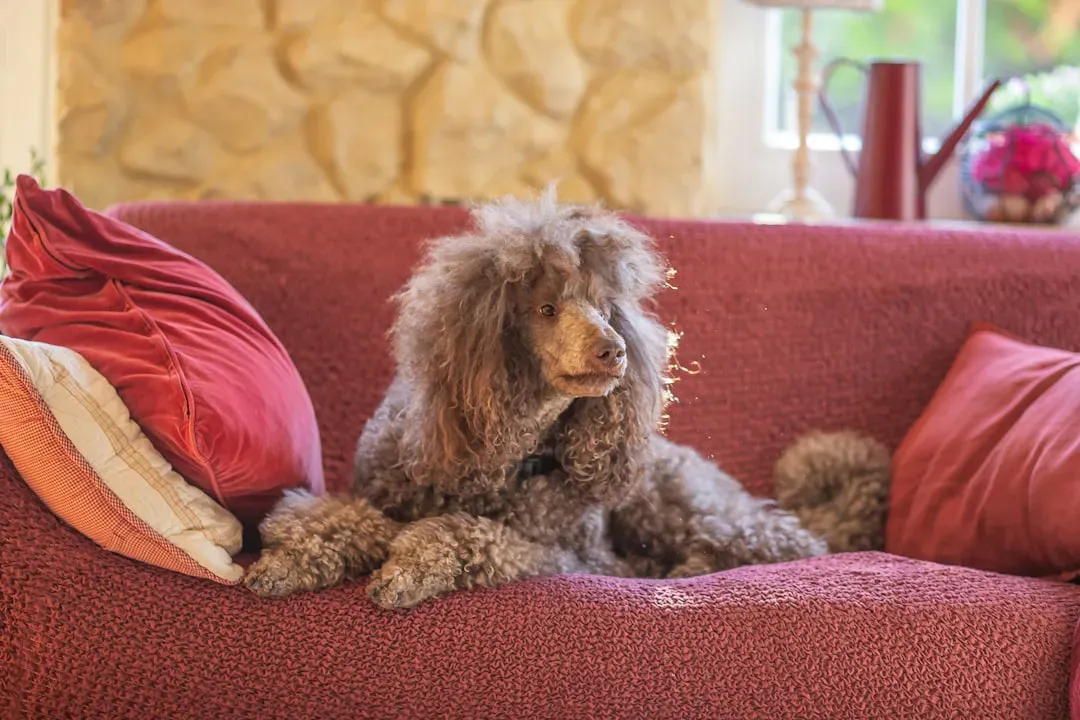
Poodles are often misunderstood as just “fancy show dogs,” but they’re actually highly intelligent, athletic, and loving companions. Still, that iconic curly coat is no joke. It does not shed the way many other breeds do, which is nice for allergies, but it grows continuously and mats easily. Regular professional grooming every few weeks is non‑negotiable if you want to keep your dog comfortable, and those appointments add up over the years.
Because Poodles are so smart, they also need mental and physical stimulation, or they can develop anxiety and destructive habits. That often means training classes, puzzle toys, and sometimes dog sports or daycare to keep them busy – all of which cost money. They can also be prone to certain genetic conditions like hip issues, eye problems, and in Standards, bloat. If your goal is to minimize ongoing costs, this brilliant, stylish breed is not the cheapest to live with.
5. Siberian Husky
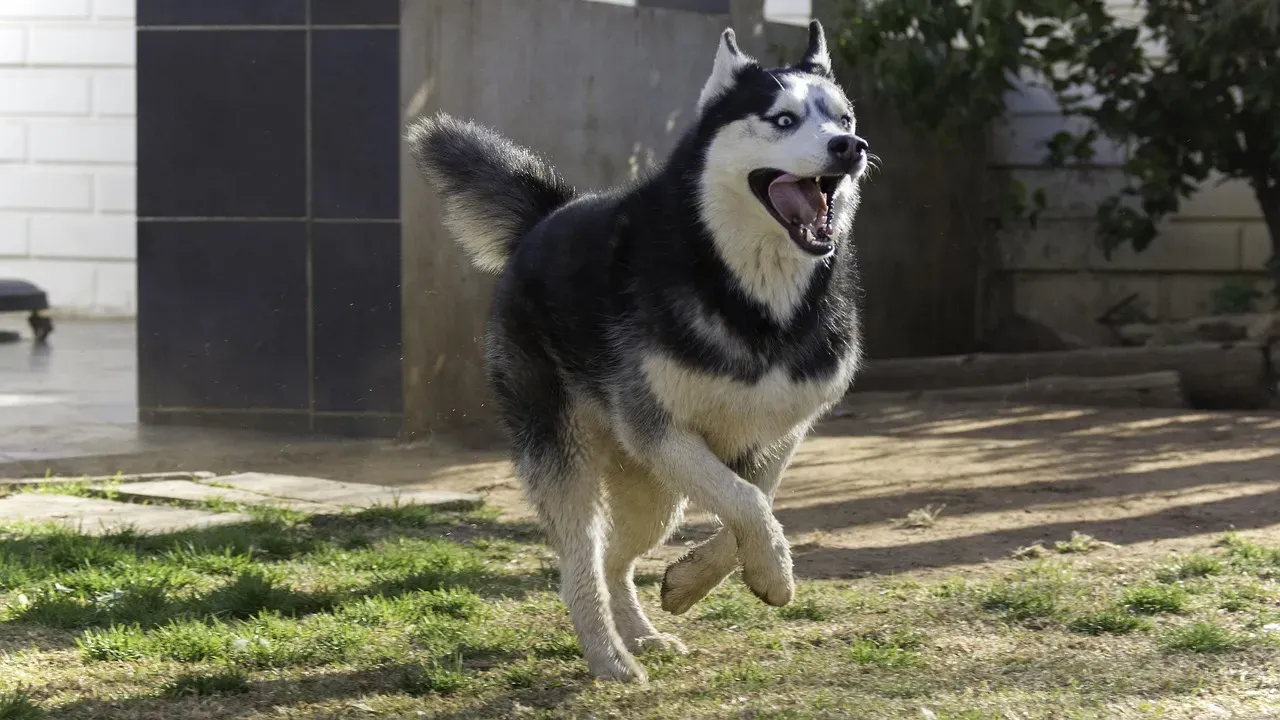
Siberian Huskies are stunning, high‑energy dogs that attract a lot of attention with their wolf‑like looks and icy blue eyes. But beneath that beauty is a dog that demands serious investment in time, training, and maintenance. While their coat is relatively self‑cleaning, they blow their undercoat heavily a couple of times a year, spreading fur into every corner of your home. You’ll quickly realize you need better vacuums, more frequent grooming tools, and maybe even professional deshedding help.
Beyond fur, Huskies are escape artists and athletes. They need intense daily exercise and mental stimulation, or they may dig, chew, and break out of yards or crates. That often leads owners to hire dog walkers, invest in secure fencing, and enroll in training or dog sports. If you cannot afford high‑quality food, sturdy gear, and ongoing activities, a Husky can become frustrated, destructive, and ultimately very costly to manage or repair the damage they cause.
6. French Bulldog

French Bulldogs have gone from rare to wildly trendy in just a few years, and that popularity often hides how expensive they are to own. Their flat faces, compact bodies, and narrow airways make them prone to breathing problems, overheating, and sometimes surgical interventions to help them breathe more easily. Routine vet visits can quickly turn into specialist appointments, and pet insurance premiums for this breed are often higher because of that risk profile.
They also tend to have sensitive skin and allergies, which can mean prescription diets, special shampoos, and ongoing dermatology treatments. Add in the fact that they usually cannot tolerate intense heat or heavy exercise, so you might invest in air conditioning, cooling gear, or indoor activities. If you’re trying to avoid big surprise bills, a Frenchie is not the safest financial choice, no matter how hilarious and charming their clownish personalities are.
7. Bernese Mountain Dog
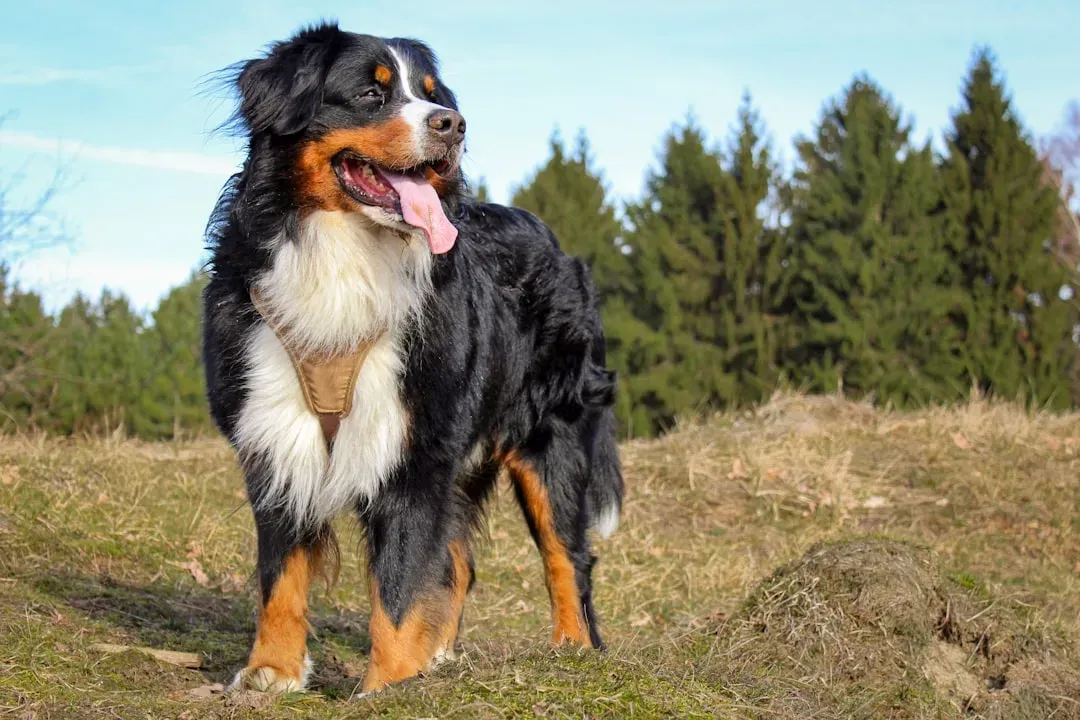
Bernese Mountain Dogs look like big, fluffy teddy bears and often have the temperament to match: gentle, loyal, and exceptionally affectionate. But they are a large, heavy-coated working breed that comes with notable health and maintenance concerns. Their beautiful tri‑colored coat sheds heavily, especially during seasonal changes, so regular brushing, professional grooming, and high‑powered vacuuming become part of everyday life. Skipping grooming tends to lead to matting, skin issues, and more discomfort for the dog.
More importantly, Berners are known for having a relatively shorter average lifespan and higher risk of serious diseases like certain cancers and orthopedic problems. That can mean high vet bills, potential surgeries, and medication as they age. Emotionally, it is tough; financially, it can be a major strain. If your budget has little room for medical surprises, choosing a breed that is statistically prone to expensive health issues might not be wise, no matter how much your heart wants one.
8. Great Dane
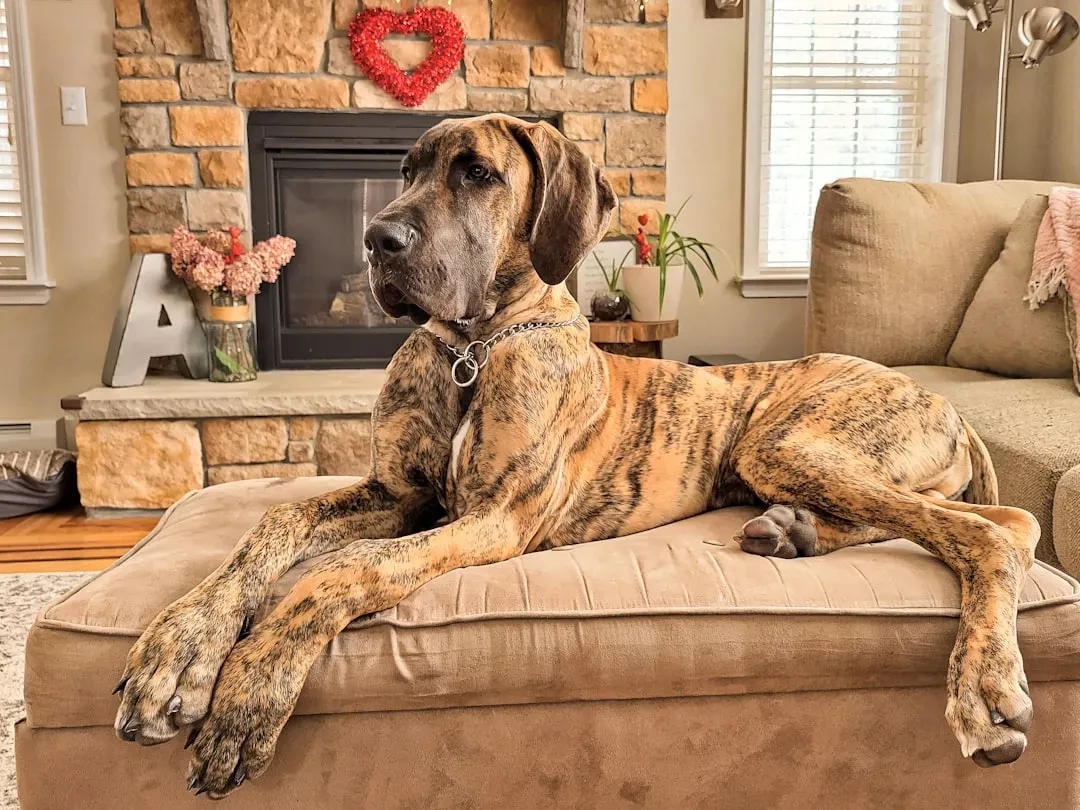
Great Danes are often referred to as gentle giants, and anyone who has lived with one knows how true that can be. They are affectionate, often calm indoors, and form deep bonds with their families. But their sheer size means almost everything costs more: extra‑large crates, massive beds, reinforced collars and leashes, and huge amounts of food. Feeding a Great Dane low‑quality food to save money usually backfires in worse joint issues and digestive problems down the line.
Health‑wise, Great Danes are at risk for bloat, heart conditions, and joint problems, all of which can involve emergency or specialist care. Even routine costs, like medications or flea preventives, often scale with weight, so you pay more per dose compared to smaller dogs. If you’re trying to keep monthly pet expenses predictable and modest, a Great Dane’s long‑term maintenance can feel more like running a small, four‑legged project than having a casual companion.
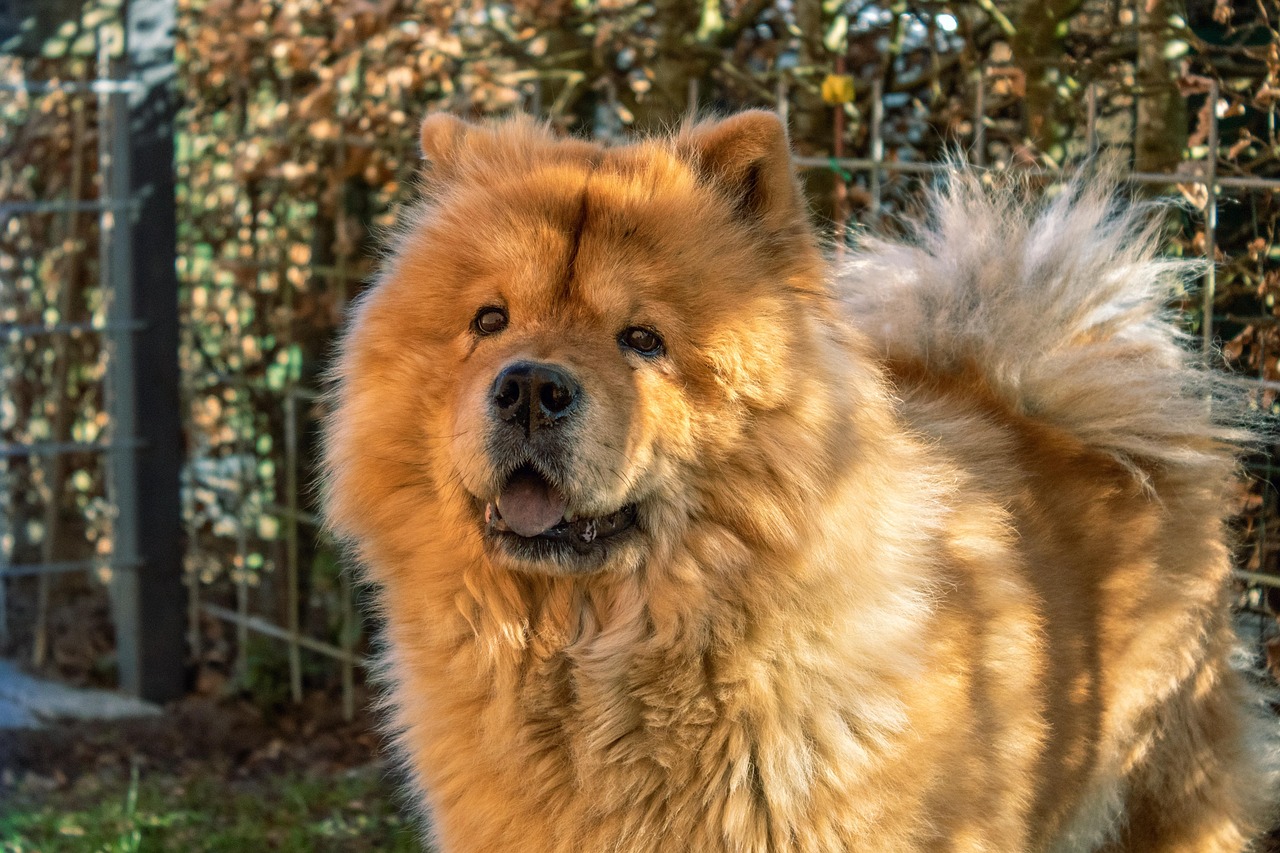
9. Chow Chow
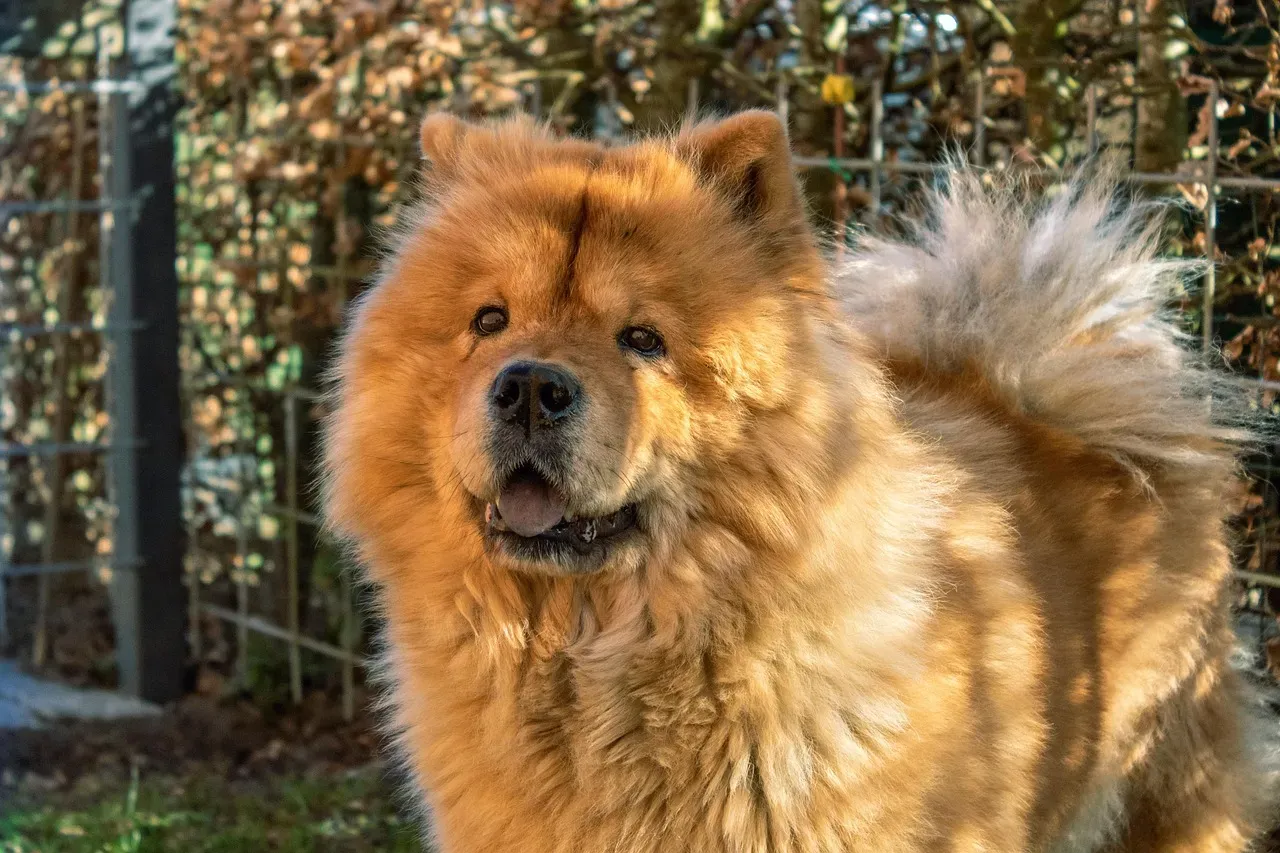
The Chow Chow’s lion‑like mane and serious expression make it stand out from almost any other breed. That thick double coat, combined with a somewhat independent nature, makes this dog a bit of a challenge, especially for owners watching their wallet. Chows require regular, thorough grooming to prevent mats, hot spots, and skin problems under all that fur. Professional grooming every few weeks is usually recommended, and trying to do it at home without the right tools can lead to stress for both of you.
Chow Chows can also be prone to hip and elbow issues, eye problems, and some autoimmune conditions. Behavioral training and early socialization are crucial, often requiring a skilled trainer who understands more reserved, strong‑willed breeds. When you add grooming costs, training classes, high‑quality nutrition, and potential medical needs together, you realize pretty fast that this is not a budget‑friendly dog. For someone without resources to invest, a Chow can become overwhelming.
10. Old English Sheepdog
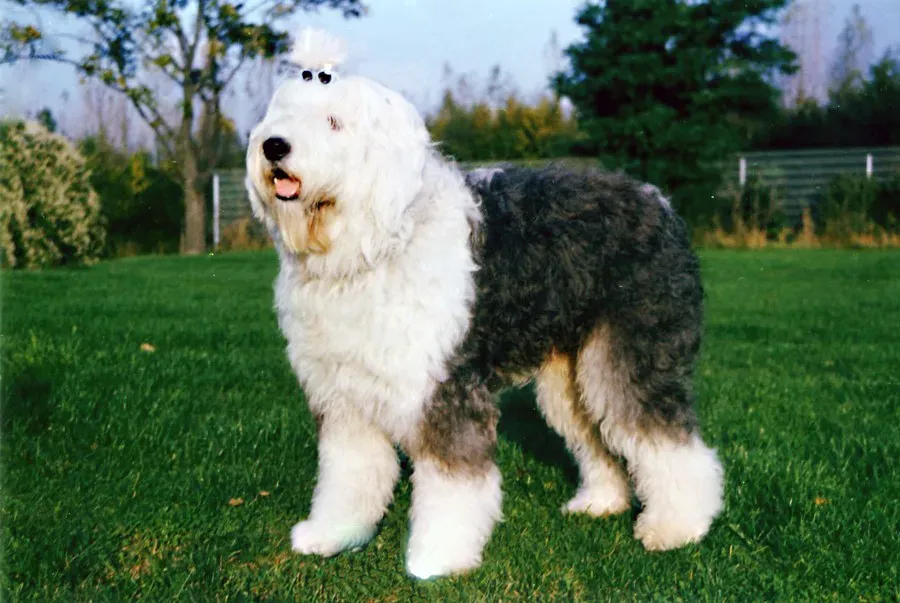
The Old English Sheepdog looks like a living cloud on legs, and that’s exactly where most of the maintenance cost lies. Their long, dense coat demands an intense grooming routine: regular brushing sessions several times a week, frequent baths, and professional grooming to keep it manageable. If you skip or delay grooming, the coat can mat to the skin, which is painful for the dog and expensive to correct, sometimes even requiring a full shave‑down and veterinary care.
Beyond grooming, this is an active herding breed that needs exercise, mental stimulation, and clear training to stay balanced. Bored or under‑exercised sheepdogs can become destructive or anxious, which might push you toward dog walkers, daycare, or structured classes. They can also be predisposed to certain eye, joint, and hearing issues, adding further to long‑term costs. If you are not ready to invest time, energy, and money into this fluffy powerhouse, it is far kinder to choose a lower‑maintenance breed.
Conclusion: Love The Dog, Respect The Price Tag

When you look at these ten breeds side by side, a pattern jumps out: the dogs that catch our eye the most often cost the most to keep comfortable and healthy. Luxurious coats, giant bodies, and unique physical traits almost always come with strings attached in the form of grooming bills, health risks, specialized gear, and higher insurance costs. Pretending that love alone will cover those expenses is unfair to both you and the dog.
In my view, it is more responsible – and honestly more loving – to admit when your budget cannot support a high‑maintenance breed. There is nothing wrong with choosing a sturdier, lower‑cost dog that fits your real life instead of your fantasy. At the end of the day, the best dog for you is not the rarest or the fluffiest, but the one whose needs you can meet consistently, year after year. Knowing what you cannot afford is just as important as knowing what you want – which of these breeds surprised you the most?


