
10 Changes in Your Dog That Mean Their Body Is Telling Them Something Their Face Is Not Showing You
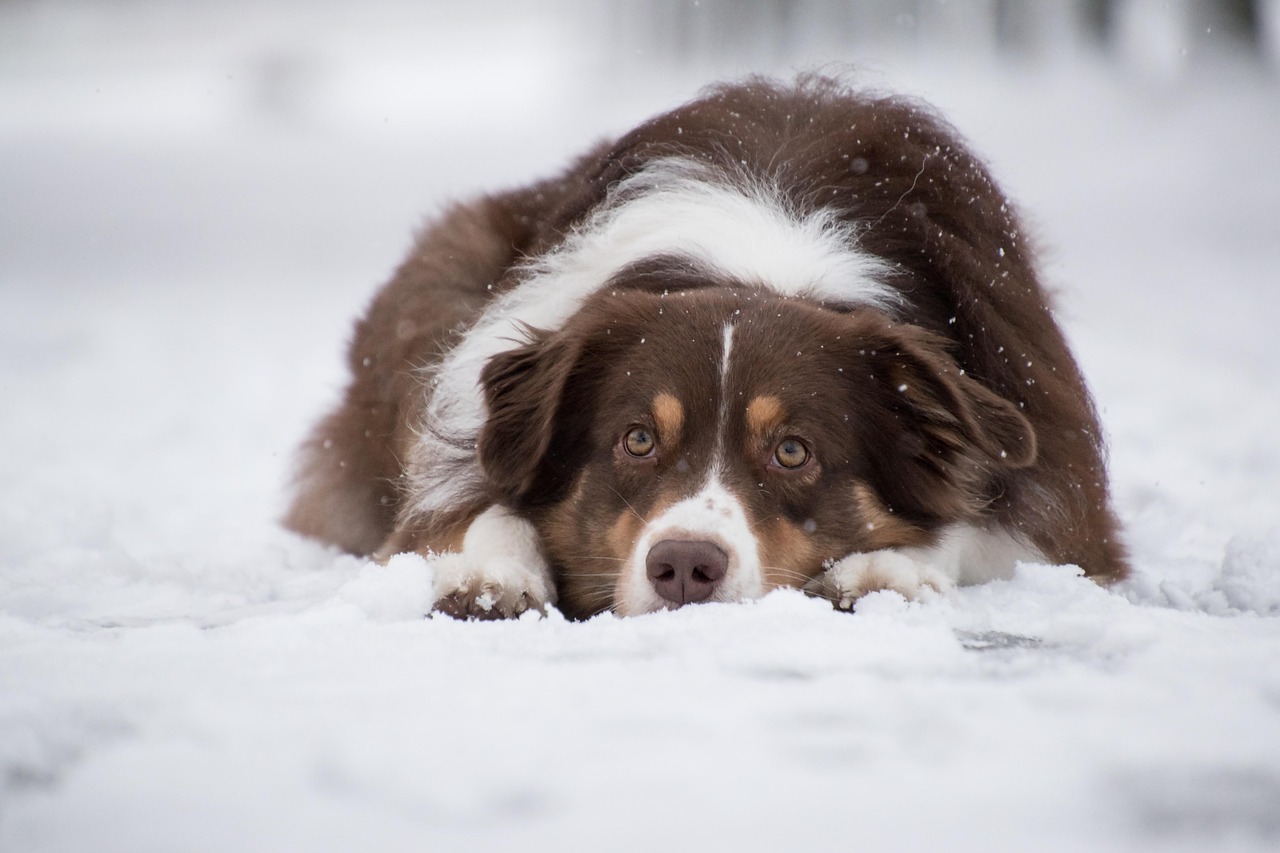
You know your dog’s face like you know your own reflection. The head tilt, the happy squint, the guilty look beside a shredded shoe. But here’s the twist: your dog’s body often tells the real story long before their face does. Many dogs are masters at “looking fine” even when something is quietly going wrong inside.
That’s why the smallest shift in how they walk, sleep, breathe, or even lick their paws can be more revealing than any puppy-dog eyes. Once you start noticing these patterns, you’ll never look at your dog the same way again – in a good way. Let’s dig into 10 subtle changes that can mean your dog’s body is trying to get your attention, even while their face still looks calm, cheerful, or totally normal.
1. Sudden Changes in Sleep Patterns
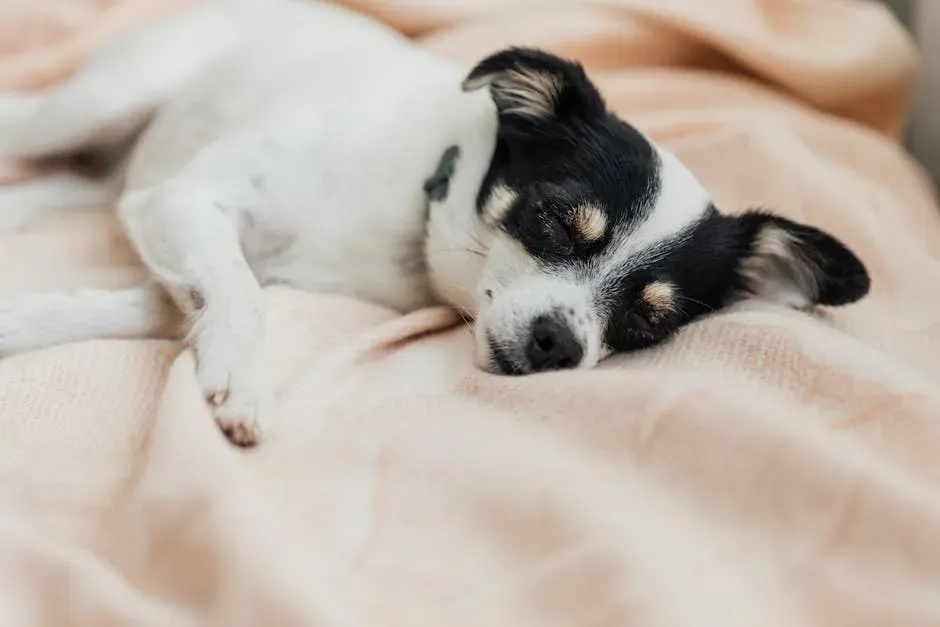
Here’s a sneaky one: many dogs will sleep more or less when something in their body is off, even if they still look relaxed and content when you glance at them. If your normally energetic dog starts napping far more during the day or seems reluctant to get up, that can be your first clue that they’re uncomfortable, in pain, or fighting off something internally. On the flip side, a dog who suddenly paces at night, can’t settle, or frequently changes sleeping spots may also be telling you that lying down hurts or that they feel unwell.
Think of sleep as your dog’s health barometer. A gradual change over years can be normal aging, but a noticeable shift over days or weeks deserves attention. Dogs instinctively hide weakness (it’s a survival behavior), so they rarely “act sick” on their faces in the early stages. If you find yourself saying, “They just seem off lately, but they look fine,” it’s worth listening to that instinct and talking with your vet.
2. Subtle Shifts in How They Walk or Jump
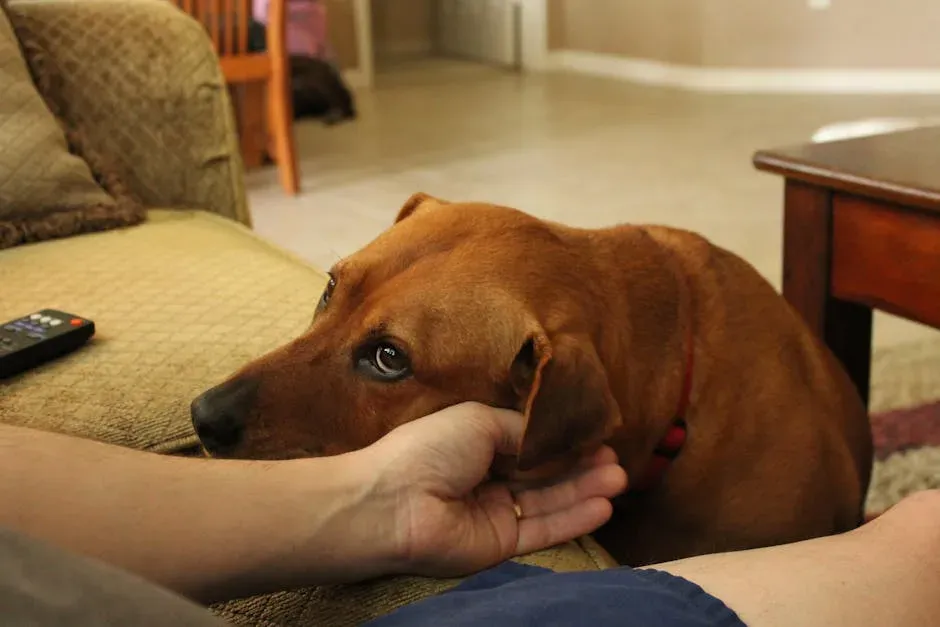
Most dogs do not dramatically limp the moment something starts to hurt. Instead, you’ll often see very small changes: a shorter stride on one leg, a tiny head bob, stiffness when getting up, or hesitating before jumping on the couch or into the car. Their face might still look bright and eager, but their body is trying to avoid movements that cause pain, especially in the hips, knees, back, or elbows.
I’ve seen dogs happily chase a ball with a wagging tail while clearly favoring one side every time they land. To the casual eye, they look “happy,” but happiness and pain can absolutely coexist in dogs. Watch in slow-motion if you can: do they bunny-hop up stairs, shift weight off a paw, or stand with one leg slightly out to the side? Those tiny compensations are often the body’s way of saying, “Something hurts – I’m just not complaining out loud yet.”
3. Changes in Appetite or Eating Style
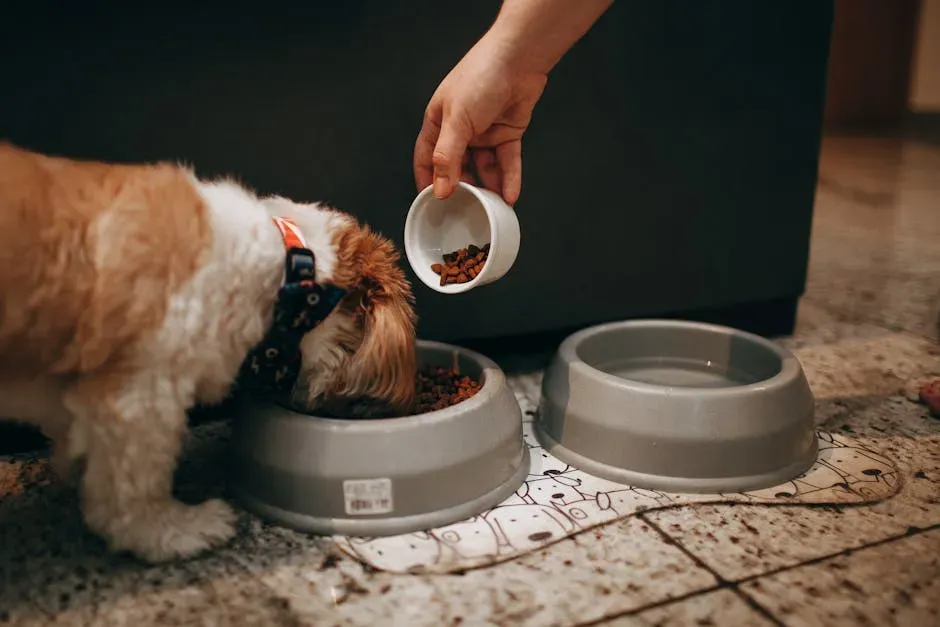
A lot of people only worry when a dog completely stops eating, but the earlier clues are often more subtle. Maybe your dog still eats but does it more slowly, drops kibble from their mouth, chews on just one side, or suddenly becomes picky about certain textures. Sometimes they walk away mid-meal, then come back, almost like they’re negotiating with their own body about whether eating feels good or not.
These shifts can hint at dental pain, nausea, early digestive trouble, or even discomfort swallowing. Dogs are incredibly motivated by food; when their eating style changes, that’s rarely “just being fussy.” The tricky part is that their face might still look fine: no obvious drooling, no dramatic whimpering. If the bowl is emptier than before but the pattern to get there looks different, their body is quietly waving a little red flag.
4. New Licking, Chewing, or Scratching Habits
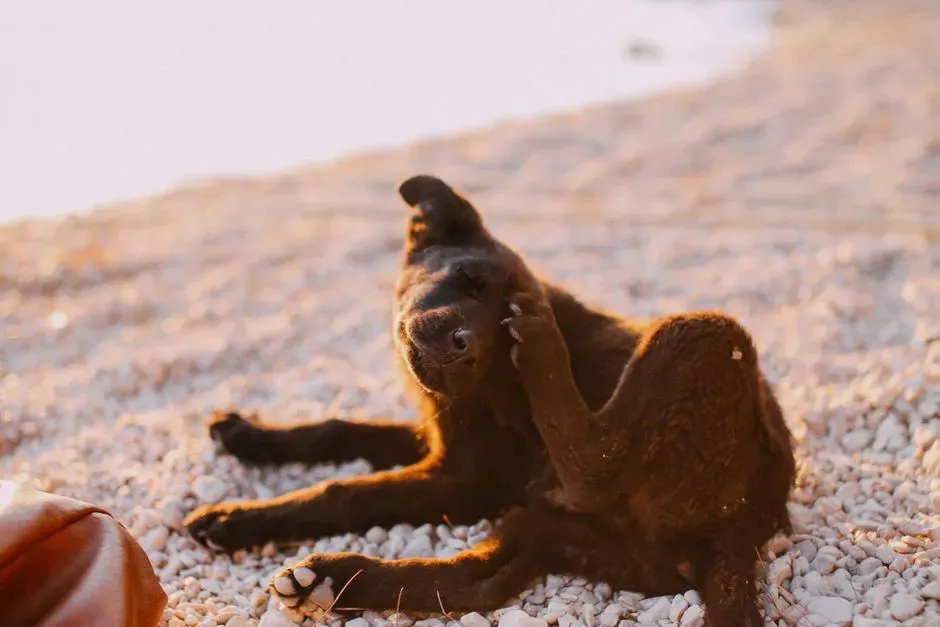
Compulsive licking or chewing is one of those behaviors people often write off as “quirky” or “bored,” but it’s frequently the body’s way of screaming that something doesn’t feel right. A dog who suddenly starts licking one paw every evening, chewing at their tail base, or scratching their ears more often may be dealing with allergies, skin infections, joint pain, or even nerve irritation. The skin might look mostly normal at first, so it’s easy to shrug off.
Here’s a simple rule of thumb: if you notice the behavior, it’s probably already happening a lot. Dogs are experts at quietly tending to discomfort when we’re not paying close attention. By the time you see a bald patch, red skin, or sores, the problem has usually been brewing for a while. Even if their face looks calm and they’re not whining, repeated licking and scratching is your dog using behavior as their body’s language.
5. Subtle Changes in Breathing and Panting
We expect dogs to pant when they’re hot or after a good game of fetch. What’s more concerning is panting that feels out of place – like panting at rest, at night, or in cool temperatures. You might notice their sides moving a bit faster, their breathing sounding a little louder, or them choosing to lie in positions that make their chest look more open. Their expression may still be neutral or even content, but their breathing rate tells another story.
Abnormal panting can signal pain, anxiety, heart or lung issues, fever, or hormonal problems. It can also be a reaction to a new medication. Owners sometimes describe it as “He just seems more restless and pants more, but he’s acting normal otherwise.” In reality, that “acting normal” face is masking a physiological shift. Counting breaths while they sleep (not dreaming) and noticing patterns over a few days is a simple habit that can catch problems much earlier than waiting for dramatic distress.
6. Shifts in Social Behavior and Tolerance
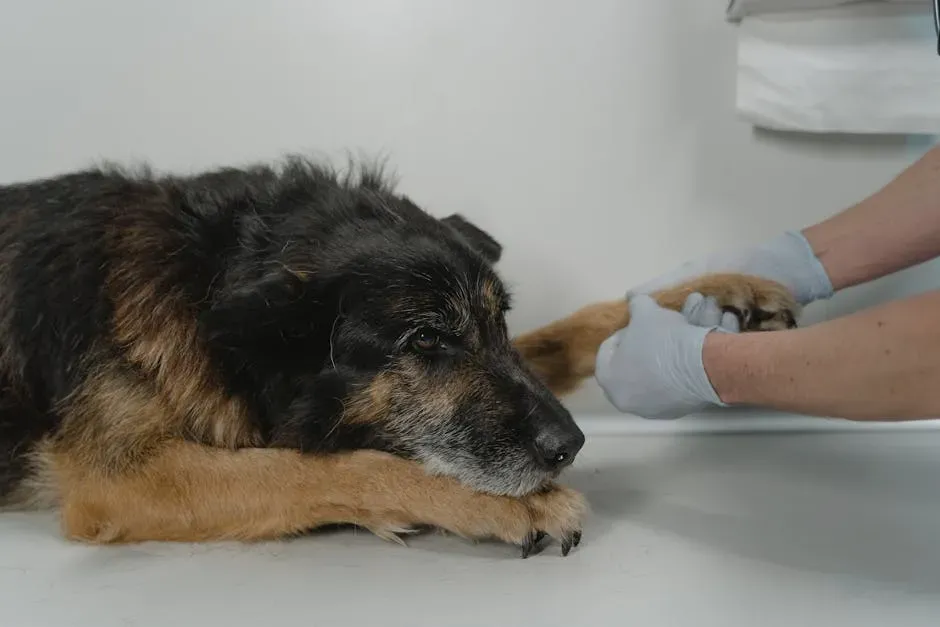
One of the most overlooked red flags is a dog who slowly becomes less tolerant, especially with other dogs, kids, or being handled. A previously cuddly dog who starts moving away when you sit down, or a playful dog who now growls when another dog bumps into them, may not be “getting grumpy with age” for no reason. Very often, it’s discomfort, arthritis, or chronic low-grade pain making physical contact less enjoyable.
It’s easy to blame “bad mood” or “stubbornness,” especially when their face looks the same – eyes bright, ears relaxed, tail still wagging occasionally. But subtle avoidance, flinching when touched in certain spots, or refusing to be picked up are the body’s way of setting boundaries. Instead of viewing it as misbehavior, it’s more accurate – and kinder – to see it as communication. When we listen to that shift, we often catch pain much earlier and protect the relationship instead of letting resentment build on both ends of the leash.
7. Changes in Drinking and Bathroom Habits
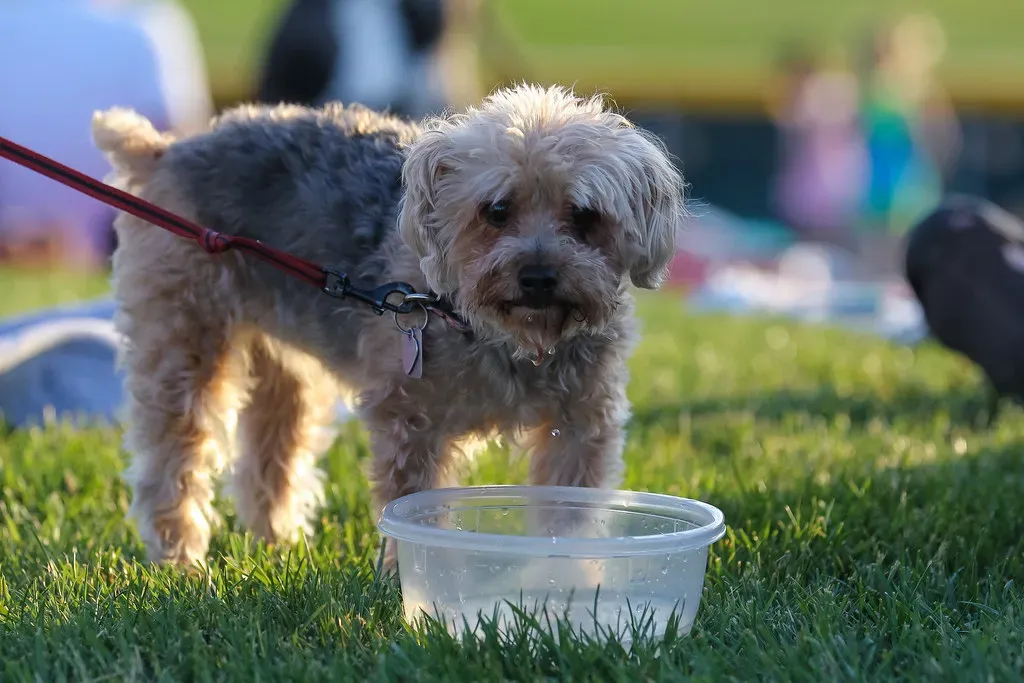
Water bowls and potty breaks tell a surprisingly detailed story about your dog’s internal health, even when their expression looks completely normal. Drinking significantly more or less than usual, suddenly needing to go out at night, straining to pee or poop, or having accidents in the house can all be early signs of kidney issues, urinary infections, diabetes, digestive problems, or hormonal changes. The dog may still greet you happily with wagging tail and bright eyes, masking how strange they feel inside.
Because these changes can creep in slowly, it helps to mentally track what “normal” looks like for your dog: how often you refill the water bowl, roughly how many times they go out, how their stool usually looks. When something shifts, don’t just chalk it up to “getting older” or “drank a bit more today.” The body is often whispering long before it has to shout with obvious illness, and early intervention can make a huge difference in treatment options and comfort.
8. New Resting Positions or Places
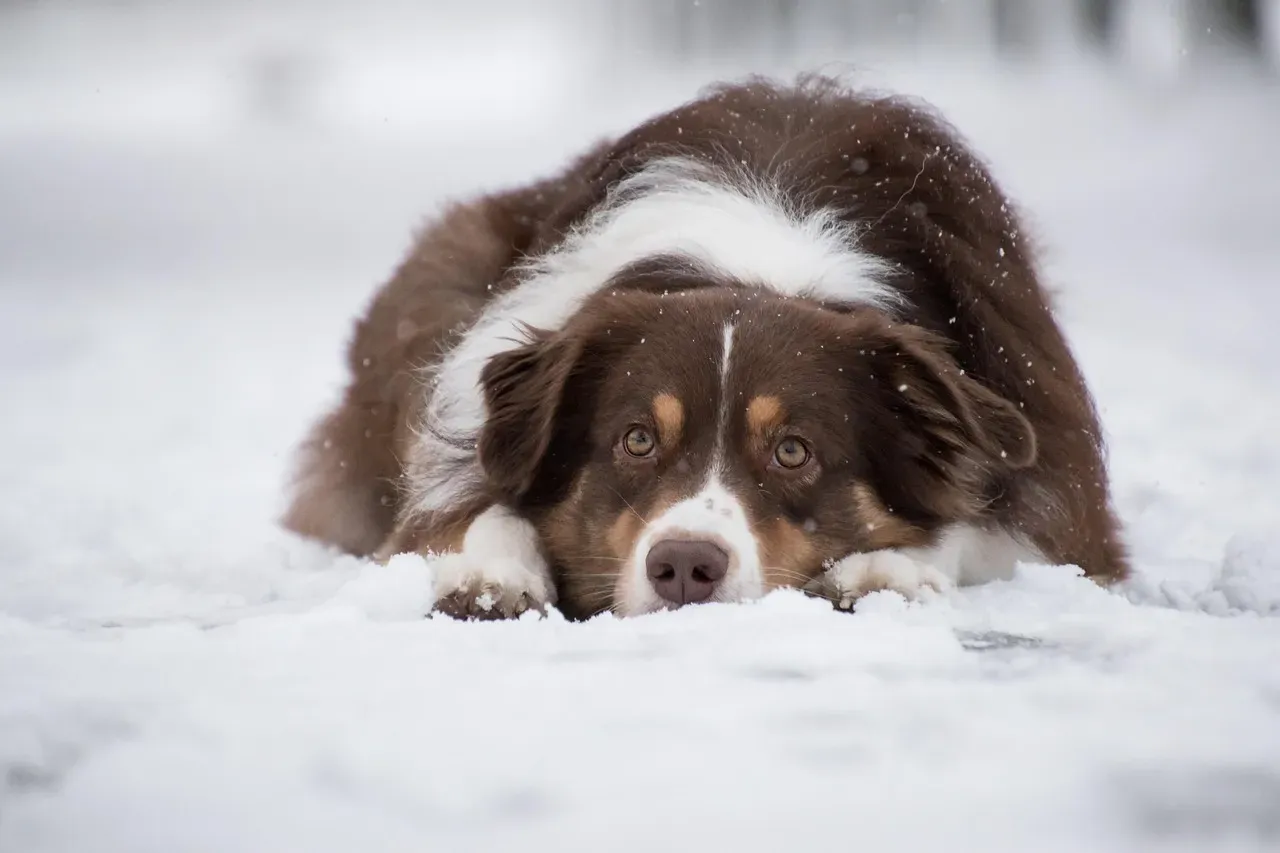
Dogs rarely overthink where they nap – until their body gives them a reason to. A dog who suddenly prefers the cool tile instead of their soft bed, or who starts sleeping with their neck stretched out or front legs wide, might be managing pain, heat, or difficulty breathing. Likewise, a dog who used to sprawl out but now curls up tightly all the time could be nursing a sore belly or trying to protect a tender area.
I once had a dog who randomly started sleeping with his back pressed against the wall every single night. His face looked totally relaxed, but that new habit was him seeking stability for a sore spine. We often ignore these changes because they’re quiet and not dramatic. Yet these are often the earliest signs that something does not feel the same in their body, even when they still look like the same easygoing dog you’ve always known.
9. Coat, Skin, and Odor That Just Feel “Off”
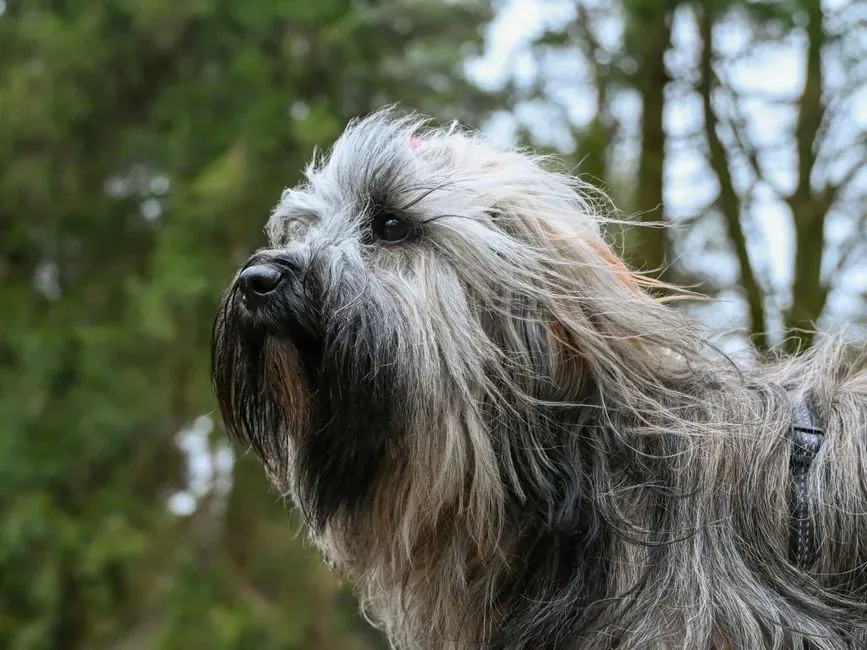
Your dog’s coat is like a health report printed in fur. A previously shiny coat that becomes dull, greasy, flaky, or starts thinning can be tied to nutrition issues, allergies, endocrine problems, chronic stress, or internal disease. You may also notice a new smell – stronger doggy odor, yeasty paws, or a metallic or sour scent from the mouth or skin – even when they’re freshly bathed and outwardly seem fine.
Their face may still beam with the same expression you love, but their skin and coat are revealing an internal shift. Because changes happen over weeks and months, it’s easy to get used to them and forget how they used to look. Comparing old photos can be surprisingly helpful: was the fur fuller, eyes clearer, body condition different? When the outside starts to look and smell different, it’s often a reflection of what’s happening inside long before your dog ever acts like they feel truly sick.
10. That Hard-to-Describe “Something Is Off” Feeling
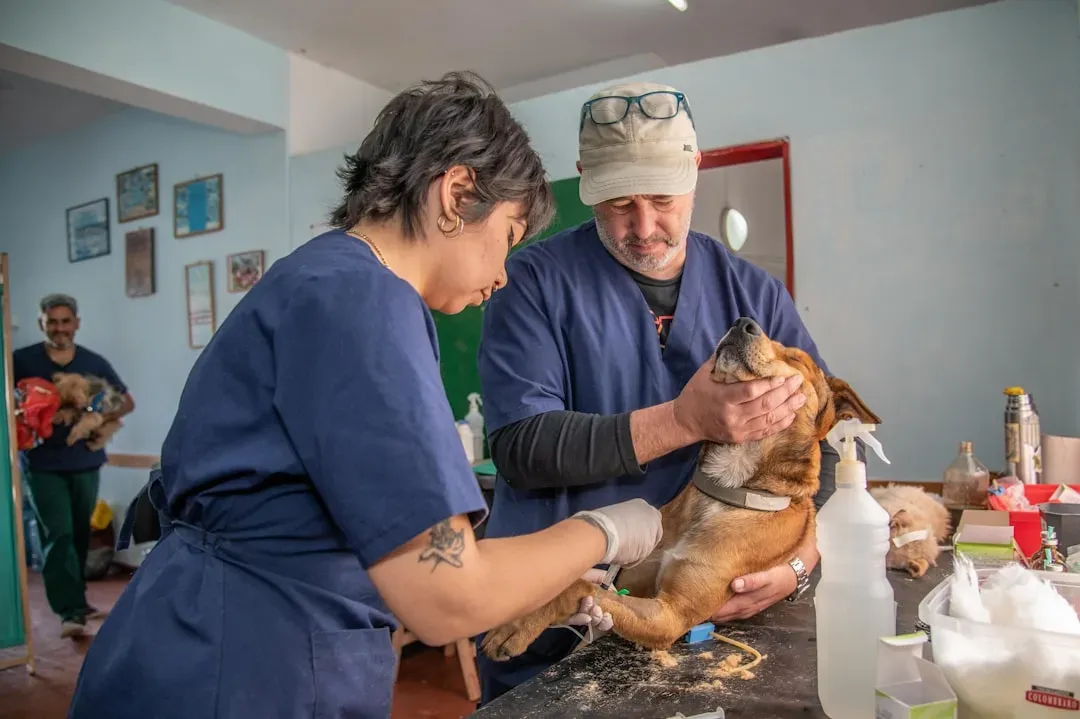
Here’s the one that sounds the least scientific but is often the most important: your gut feeling. You know your dog’s patterns better than anyone – the way they greet you, how they settle at night, the rhythm of your days together. When you catch yourself thinking, “I can’t quite put my finger on it, but they’re just not themselves,” that observation is data. Maybe it’s slightly slower reactions, more clinginess, less interest in favorite games, or a new kind of stare into space.
Because their face might still look totally “normal,” it’s incredibly common to second-guess yourself and wait. But that nagging feeling is you noticing a cluster of tiny changes your brain hasn’t fully named yet. Vets often say they would rather see a dog “too early” for a vague concern than too late for a full-blown crisis. Trusting that quiet alarm in your head is part of honoring how closely bonded you are. You are not being dramatic; you’re being a good observer of the animal who shares your life.
Conclusion: Your Dog’s Body Is Talking – Are You Willing to Listen?
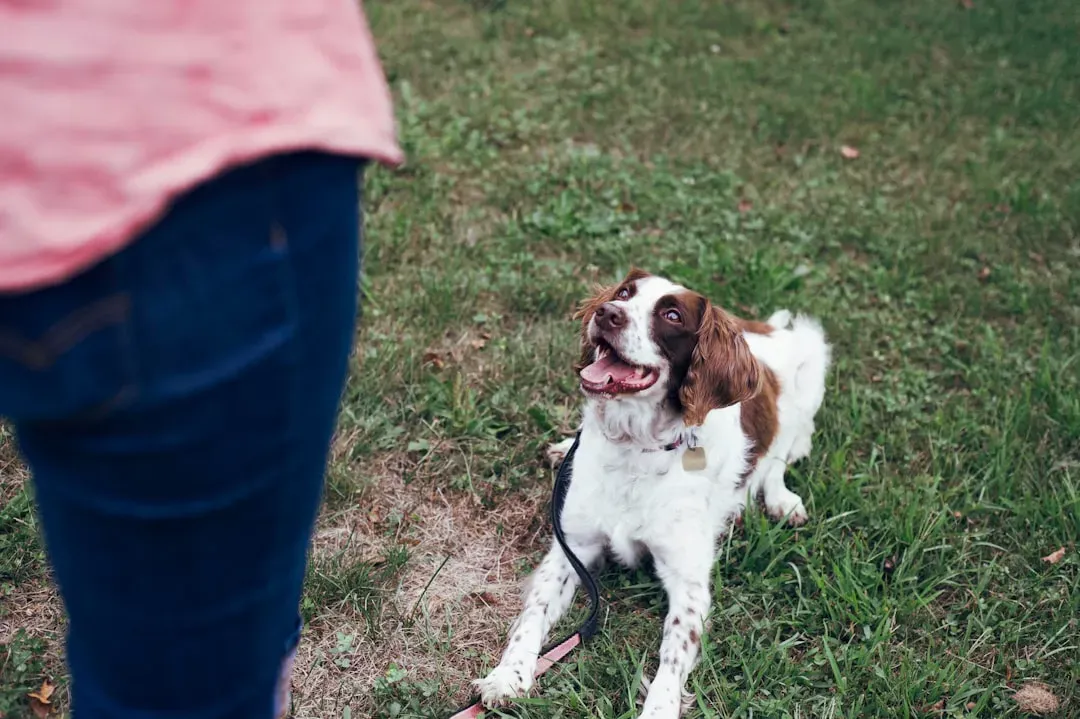
Dogs are astonishingly good at looking okay, even when they are not okay. They wag, they play, they smile with their eyes while their body quietly reroutes around pain, discomfort, or illness. That’s not them being deceptive; it’s just how their species survived long before they moved onto our couches. Our job, especially now that we know better, is to stop relying only on the face and start paying attention to all the small, unglamorous details: how they move, sleep, breathe, eat, and simply exist beside us every day.
In my opinion, the most loving thing you can do for your dog is to take those subtle changes seriously, even when you feel a bit silly bringing them up. You’re not overreacting by noticing a new limp, extra panting, or a different sleeping spot – you’re doing the quiet, boring, absolutely crucial work of early care. Your dog may never be able to say, “Something feels wrong,” but their body is talking all the time. Now that you know how to listen, what recent change in your dog suddenly feels worth a second look?