
There’s a moment every dog owner dreads: that split-second before a peaceful walk in the park turns into a chaotic, alarming encounter between dogs. Most of us have either witnessed it or heard about it from a rattled neighbor. A leash goes taut, a growl erupts, and suddenly the calm afternoon dissolves.
The truth is, some dogs carry deeply ingrained instincts that make them far more likely to react aggressively toward other dogs in shared public spaces. Research has found large and consistent differences among dog breeds in the prevalence and severity of aggression directed at different targets, including unfamiliar dogs. Understanding those differences matters, not to demonize any breed, but to prepare yourself as a responsible owner before you open that park gate.
#1 – Pit Bull Terrier

Few breeds generate as much heated debate as the Pit Bull, and the data around dog-on-dog aggression is particularly pointed. More than twenty percent of Pit Bull Terriers were reported as displaying serious aggression toward unfamiliar dogs in the C-BARQ research survey conducted across more than thirty breeds. That’s a significant finding from a peer-reviewed, owner-survey methodology, not just media hearsay.
Pit Bull Terriers are often at the center of the dog attack debate, originally bred for bull-baiting and later for dog fighting, which has contributed to their reputation for aggression. In an open park environment, where unfamiliar dogs approach unpredictably, these ingrained instincts can surface even in otherwise well-socialized individuals. Early, ongoing socialization and a firm, experienced owner make a real difference, but the base instinct remains something to manage actively.
#2 – Rottweiler
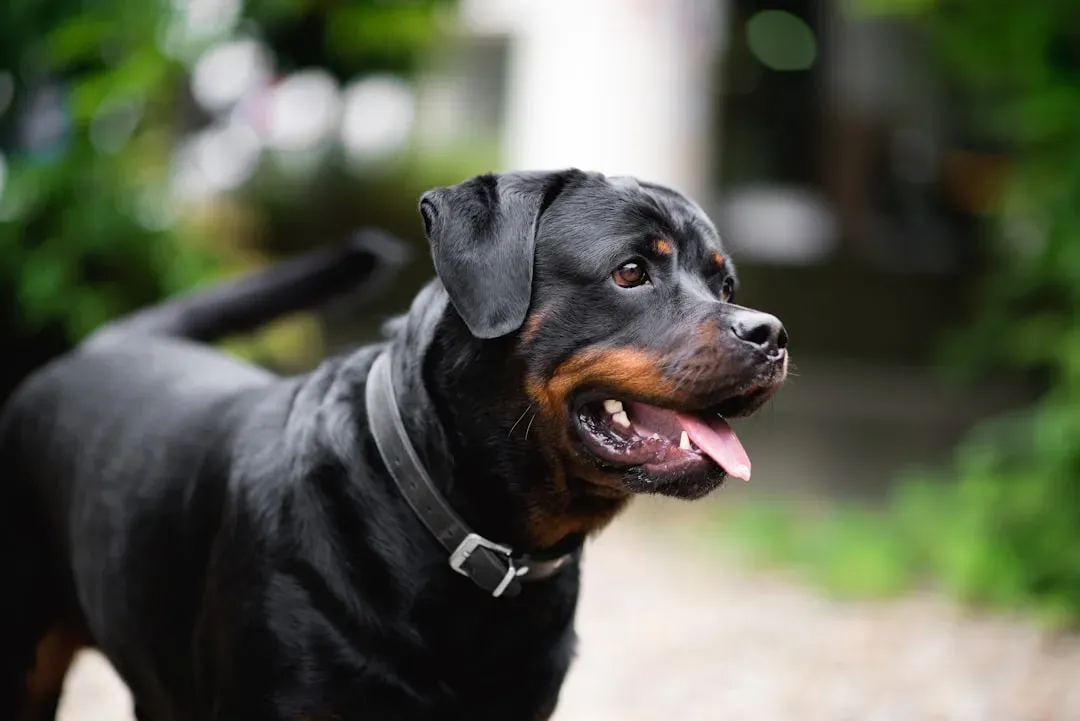
Rottweilers are powerful, confident dogs with a working heritage that includes cattle herding and guarding. Though originally bred to herd cattle and other livestock, today Rottweilers are often used as guard dogs, and they’re known to be protective, which can result in aggressive behavior. That protective streak is one of the core reasons they can be reactive in parks, where strangers and unfamiliar dogs are the norm rather than the exception.
Rottweilers need exercise, mental stimulation, and proper socialization, and without these factors this breed can be destructive and their behavior can get out of control quickly. They are eager to work and please their owners, so dedication to training and stimulation is important. A Rottweiler that receives structured daily exercise and consistent obedience work is a very different animal from one left to its own devices. In a park, the difference between those two scenarios can be dramatic.
#3 – Akita
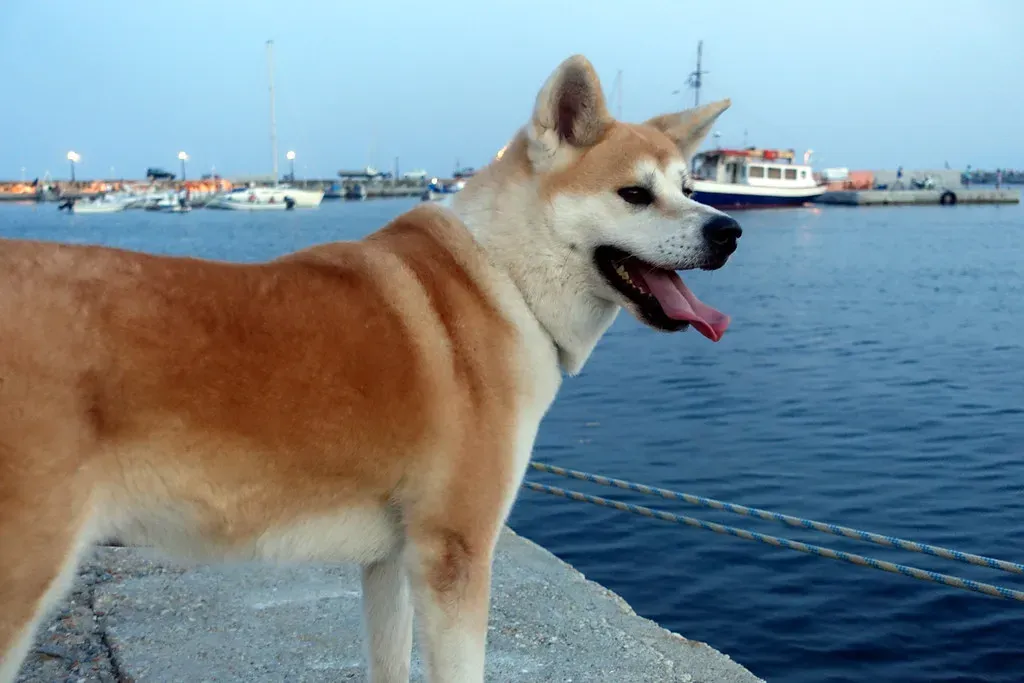
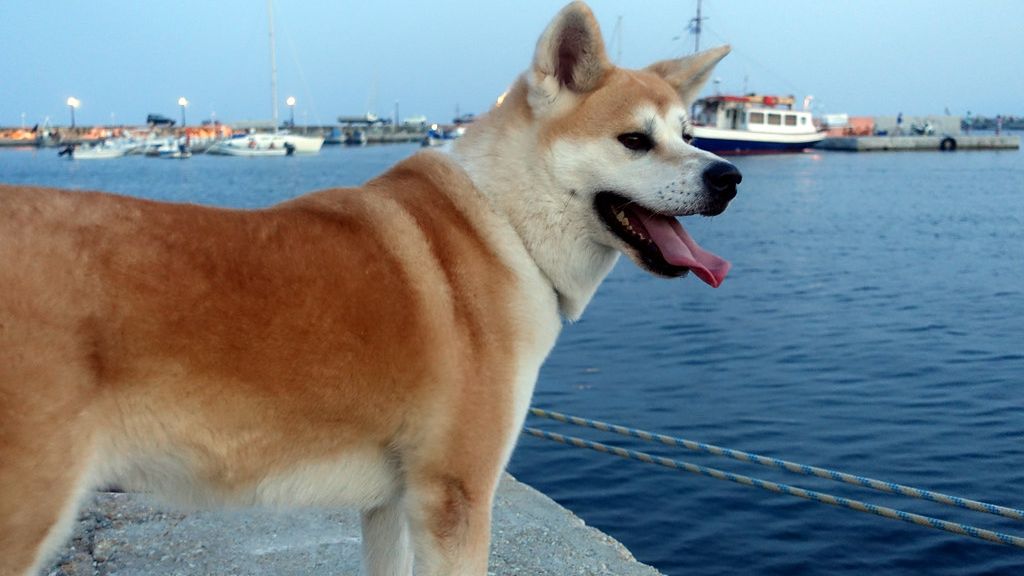
The Akita is a breed that commands respect, and its behavior toward other dogs in public spaces deserves serious attention from any owner. The Akita is a powerful and imposing breed that originated in Japan, historically used for hunting large game and guarding. Akitas have a strong prey drive and can be highly territorial, and while they are known for their loyalty and devotion to their family, these traits can manifest as aggression towards other dogs, particularly if they feel their territory is being encroached upon.
Due to their dominant personalities, Akitas are known to pick fights with other dogs of the same sex, and it is not recommended that owners keep two Akitas of the same sex for this reason. Dog parks, which tend to be full of same-sex pairings and unpredictable greetings, are precisely the kind of environment that can trigger an Akita’s most dominant behaviors. Socialization and training from an early age are crucial to help manage this behavior, but even with proper guidance, Akitas may remain reserved or even hostile towards unfamiliar dogs, making them better suited to experienced owners.
#4 – Chow Chow
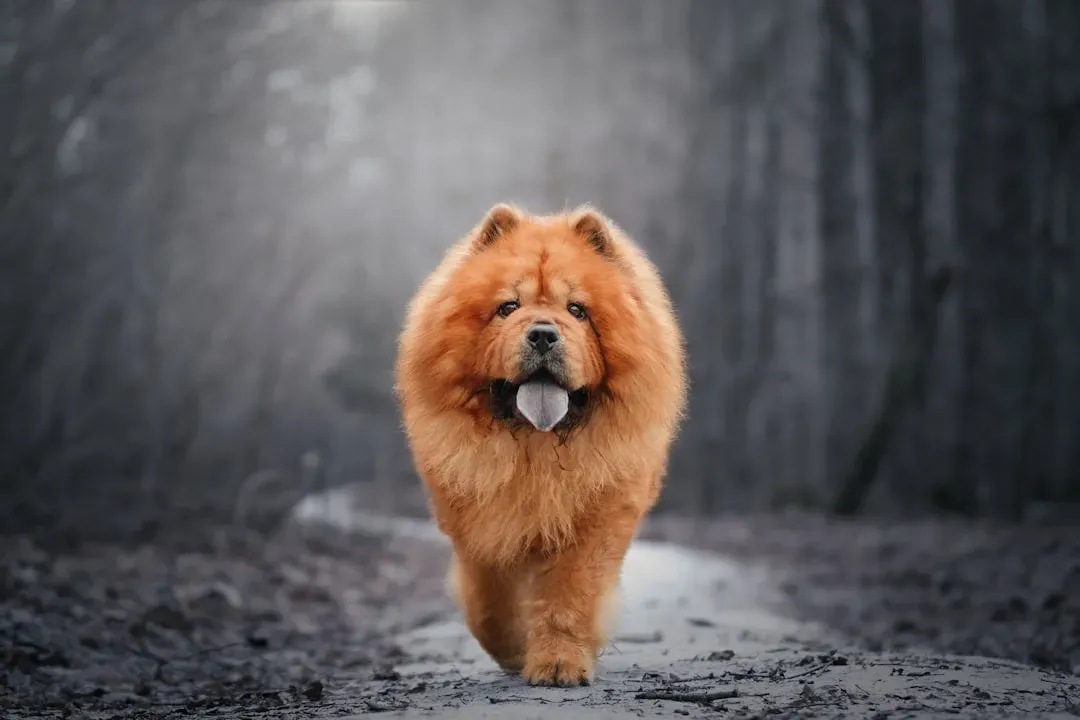
The Chow Chow looks like something between a lion and a teddy bear, which makes it easy to underestimate just how serious their territorial instincts can run. The Chow Chow is widely considered to be one of the most dangerous breeds in the world, a perception mainly due to the fact that they can sometimes turn on their owners – a trait many other dogs do not exhibit. That level of unpredictability becomes especially concerning in crowded park settings.
Those who are familiar with this breed say that their aggression usually stems from boredom, and it is especially important to properly exercise and socialize a Chow Chow. They require a confident handler who can assert themselves over this dominant breed. An under-stimulated Chow Chow brought to an off-leash park is a situation that experienced handlers generally avoid entirely. Early and consistent socialization is essential to help a Chow Chow learn to tolerate other dogs, but they are not typically a breed that will enjoy dog parks or group play sessions.
#5 – German Shepherd
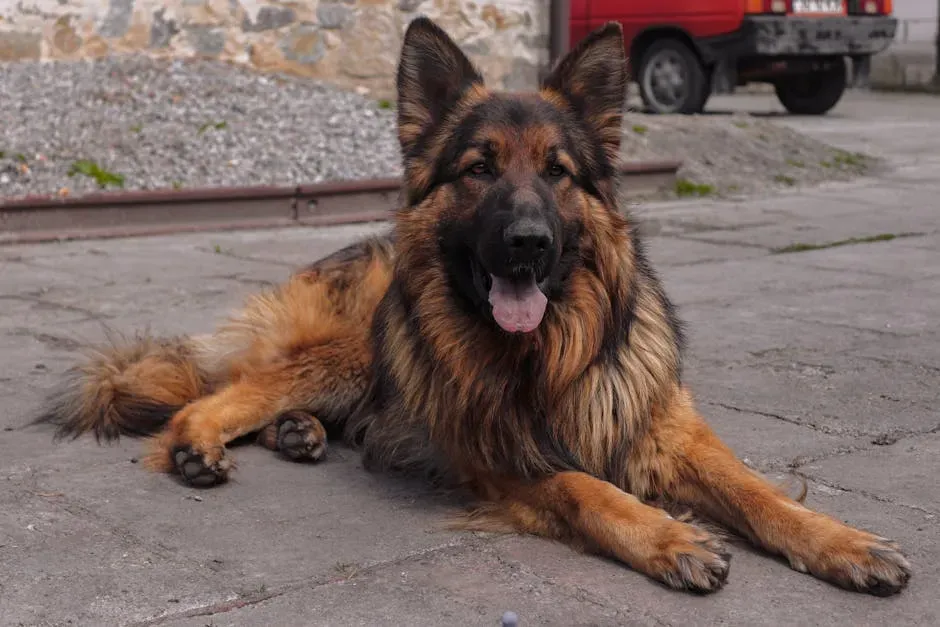
German Shepherds are brilliant, adaptable dogs that excel in a dozen different roles, from search and rescue to police work. But that very intelligence and drive is what makes them capable of quick, decisive reactions. Because they can be aggressive to protect themselves and others, German Shepherds are common choices for police and military roles. Without proper training, a German Shepherd’s protective instincts can quickly turn hostile toward strangers, and what makes them effective guard dogs can also cause significant risks in certain situations.
Parks present a particular challenge because German Shepherds read social cues intensely. A dog they perceive as a threat, even if it’s simply an excitable Labrador bounding over to say hello, can trigger a defensive response. German Shepherds are an extremely intelligent breed, so providing proper training to help mitigate aggressive tendencies is essential. Owners who stay consistent and maintain clear boundaries tend to see far better outcomes, but casual or inexperienced handling of this breed in public spaces is genuinely risky.
#6 – Siberian Husky
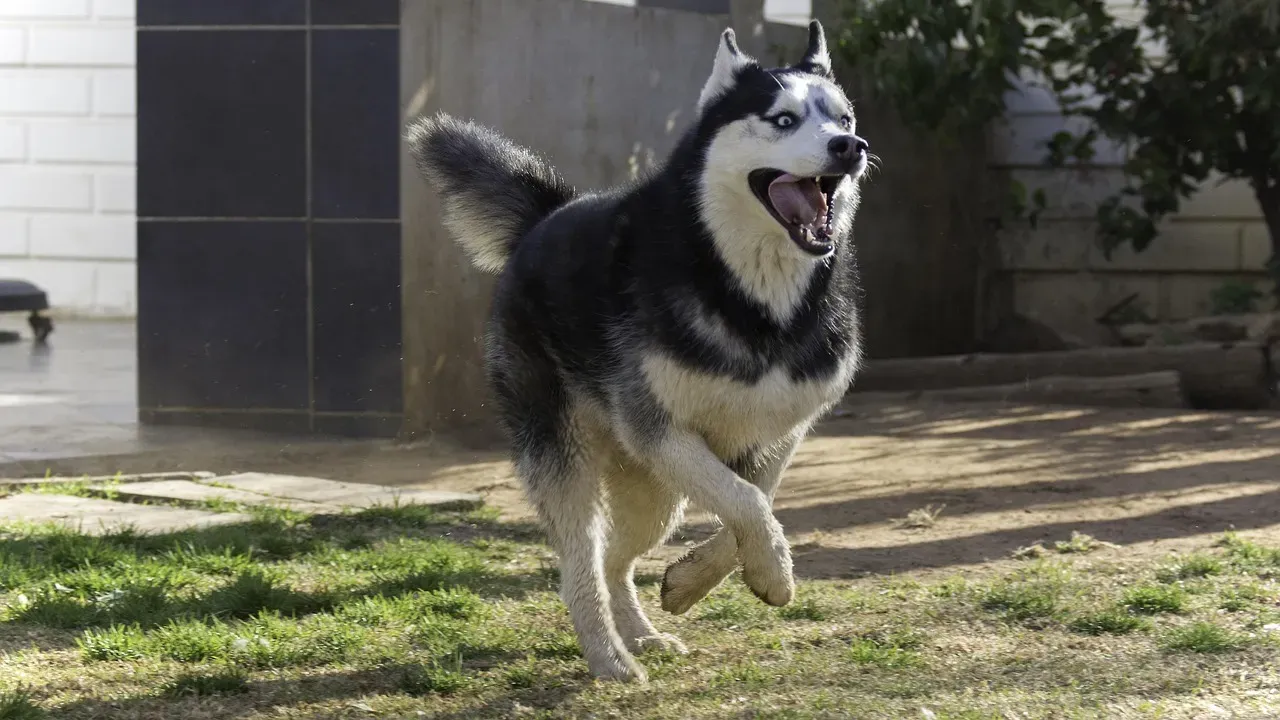
The Husky’s popularity is easy to understand. They’re stunning dogs with outgoing personalities. What catches many owners off guard is the hidden edge that comes with that sled-dog temperament. Bred to pull sleds over vast distances, Huskies are endowed with incredible endurance and independence, and this history has shaped a temperament that doesn’t always fit a typical family lifestyle. They have extremely high energy levels, are independent thinkers, and possess a strong prey drive that can lead them to chase small animals, including neighborhood pets.
Unlike many other dogs, the Siberian Husky isn’t normally aggressive because it’s protective or anxious. Instead, this breed’s aggression is often a result of poor training and socialization. Because Huskies are extremely headstrong, they’re a difficult challenge for even the most experienced dog owners, and they also have a high prey drive, which can often be mistaken for pure aggression. At a dog park, that prey drive can redirect onto smaller dogs in a heartbeat. An owner who underestimates this breed’s intensity is setting up a scenario that’s hard to reverse once it begins.
#7 – Dogo Argentino
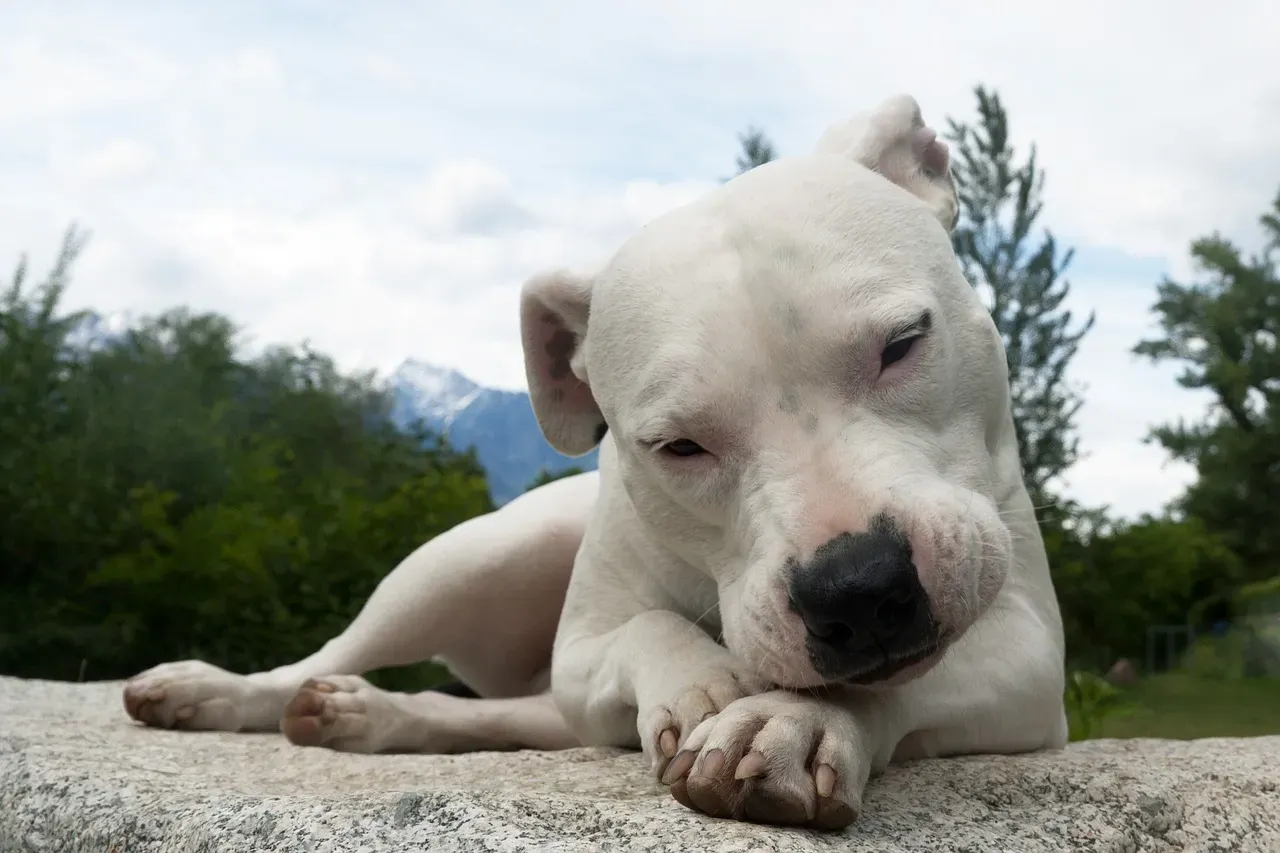
The Dogo Argentino is all white and all muscle. It was purpose-built for big game hunting in South America, which means it comes loaded with natural confidence and a high tolerance for physical confrontation. This breed has a strong prey drive and a natural inclination towards dominance, which can lead to aggressive behavior towards other dogs. Dogos are known for their bravery and protective nature, which can contribute to aggression towards other canines, and they are particularly aggressive towards dogs of the same sex.
High prey drive and bold confidence can become bullying toward dogs if limits are loose, and dog parks are exactly the kind of environment where limits often are loose. Socialization and training are crucial for the Dogo Argentino, but even with proper guidance, they may remain aggressive towards unfamiliar dogs, making them better suited to homes where they are the only dog or where their interactions with other dogs can be closely monitored. The Dogo is a dog that rewards experienced, structured ownership and suffers considerably under casual handling.
#8 – Fila Brasileiro

The Fila Brasileiro, also known as the Brazilian Mastiff, is a breed that many casual dog owners have never even heard of, yet it’s one of the more seriously reactive breeds on this list. Most major kennel clubs don’t recommend the Fila for average or even experienced dog owners. The breed is banned or heavily restricted in several countries, including the UK, due to their unpredictable reactivity and potential for unprovoked aggression. That’s not a casual warning.
Fila Brasileiros possess intense loyalty to family and natural distrust of strangers, and that instinct can appear as severe reactivity without careful socialization, management, and realistic expectations. In a park, where dogs and people approach unpredictably, this breed’s deep suspicion of anything unfamiliar can escalate with alarming speed. Filas are naturally distrustful of strangers and will not hesitate to act upon their instincts, and due to their protective nature, they need extensive training and socialization from a young age to prevent aggression toward other animals and humans.
#9 – Jack Russell Terrier
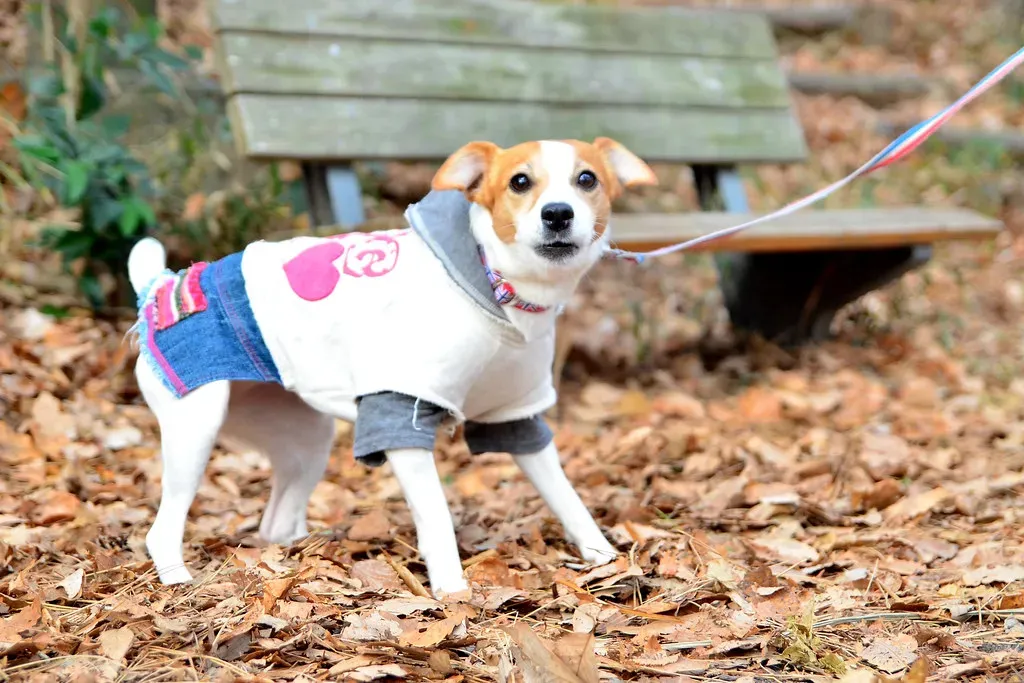
Here’s the one that surprises people. This small, energetic, comically bold little dog consistently ranks among the most aggressive breeds toward other dogs in peer-reviewed research. A University of Pennsylvania study of six thousand dog owners found that small breeds like Dachshunds and Jack Russell Terriers showed higher rates of aggression than many feared breeds. Their bite isn’t powerful, but their willingness to launch themselves at a dog three times their size is genuinely remarkable.
The Jack Russell Terrier is a small but feisty breed known for its high energy levels and strong prey drive. Originally bred for hunting small game, Jack Russells have a natural inclination towards aggression, particularly towards other small animals and dogs. Parks amplify everything that makes this breed reactive. There are unfamiliar dogs everywhere, smells are exciting, and the stimulation level is off the charts. They can be aggressive toward other dogs and animals that resemble prey, and despite their small size, Jack Russell Terriers have a strong sense of self and can display a quick temper. Their bold and fearless nature is a testament to their strong personality.
#10 – Dachshund
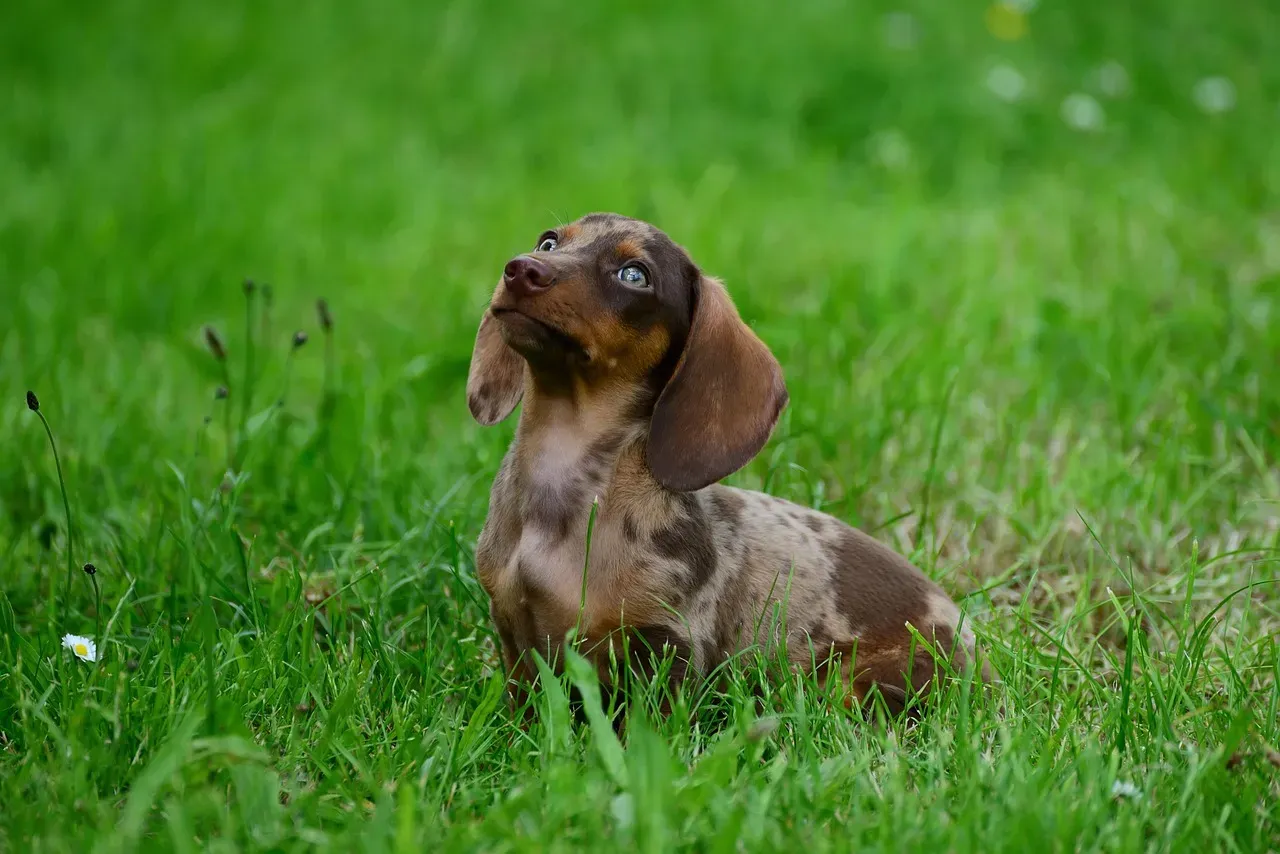
No list about dog-directed aggression is complete without mentioning the Dachshund, and that fact still catches most people off guard. These low-slung sausage dogs were bred to pursue badgers and other tenacious quarry underground, which means they were built for confrontation. Some breeds scored high only for specific targets, with Chihuahuas and Dachshunds scoring higher than average for aggression directed toward both humans and dogs. Their size doesn’t reflect their fight instinct at all.
One in five Dachshunds had bitten or tried to bite strangers in one University of Pennsylvania study, which is a striking statistic for a breed most people dismiss as harmless. Another aggressive dog breed, according to temperament studies, is the Dachshund. This breed presents similar issues to the Chihuahua, and while they’re small and won’t pack much of a bite, they’re often aggressive toward strangers. Dog parks tend to make Dachshunds particularly edgy, since their low height puts them at eye level with the legs and paws of larger dogs, creating a constant sense of being hemmed in and overpowered.
Why Parks Are Trigger Zones for Reactive Breeds
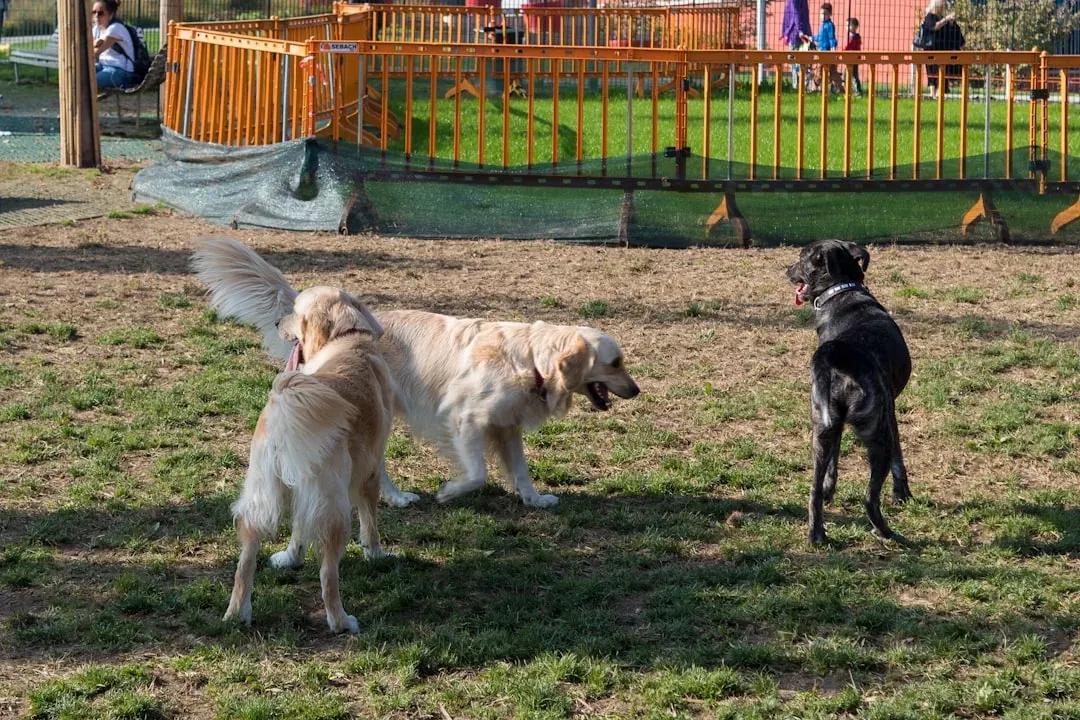
Dog parks concentrate everything that pushes reactive breeds toward aggression: unfamiliar dogs, unpredictable movement, competing smells, and the chaos of off-leash freedom. Not all aggression looks the same. Some dogs move toward a threat with confidence, while others react out of fear and try to protect themselves. Understanding the difference helps you read a dog’s intent long before a bite happens.
Certain breeds have been selectively bred for traits such as guarding, hunting, or fighting, which can influence their behavior. Dogs that are not properly trained and socialized are more likely to exhibit aggressive behavior, and a dog’s living conditions, including the level of care, attention, and exercise they receive, can further impact their behavior. For breeds on this list, the park doesn’t level the playing field. It raises the stakes considerably.
The Role of Genetics vs. Training
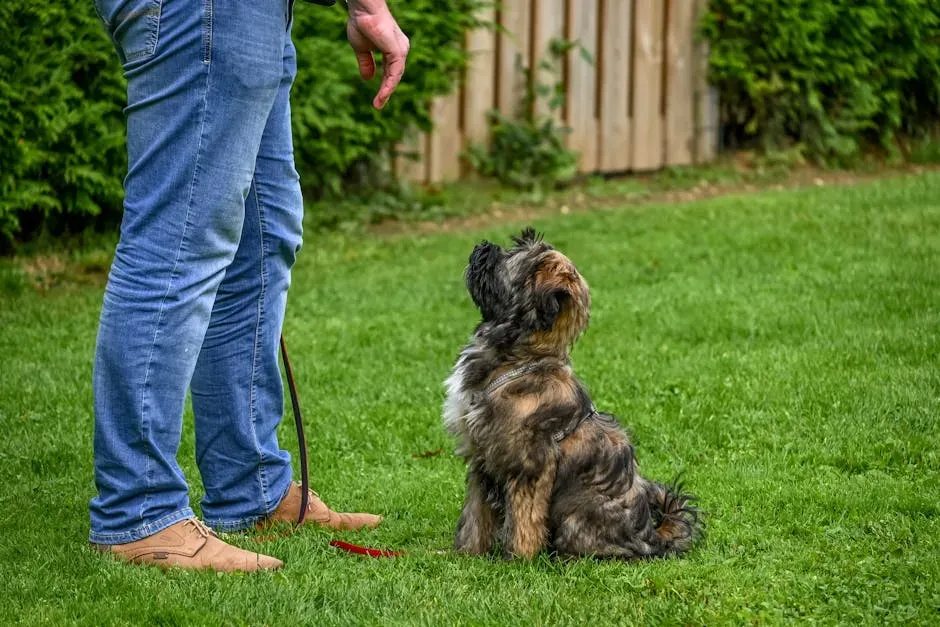
One of the most important things to understand is that genetics set a baseline, but they don’t write the whole story. Large and consistent differences exist among dog breeds in the prevalence and severity of aggression directed at different targets, and reported levels of aggression in some cases are concerning, with rates of bites or bite attempts rising as high as thirty percent toward unfamiliar dogs in some breeds. That’s a genetic predisposition, not a guarantee.
Breed alone does not determine aggression – owner behavior, training, and neglect are the leading factors in most severe and fatal attacks. This is the part that responsible owners genuinely need to sit with. Aggression typically stems from a combination of genetics, early socialization, training methods, and life experiences. A dog from a supposedly “aggressive” breed raised with positive reinforcement and proper socialization can be gentle and obedient, while a typically friendly breed can develop aggression through neglect or abuse.
What the Research Actually Says About Breed Bias

It’s worth being honest about the limits of bite statistics. Bites from larger dogs are more likely to require medical attention and thus get reported, creating a significant reporting bias. This means small breed aggression is systematically undercounted in the data we most often quote. The numbers we have are real, but they’re incomplete.
A questionnaire-based survey revealed that breeds perceived as aggressive are less aggressive than expected, while mixed-breeds tend to exhibit more aggression. The research proposes refraining from categorising specific breeds as dangerous and instead adopting a comprehensive approach. That’s a nuanced finding that deserves more airtime. Both major long-term studies point out that these incidents often reflect the owner’s handling and the dog’s upbringing more than the breed’s inherent nature. In short, individual dogs, not breeds, cause fatal dog bites.
Signs a Dog Is About to Escalate
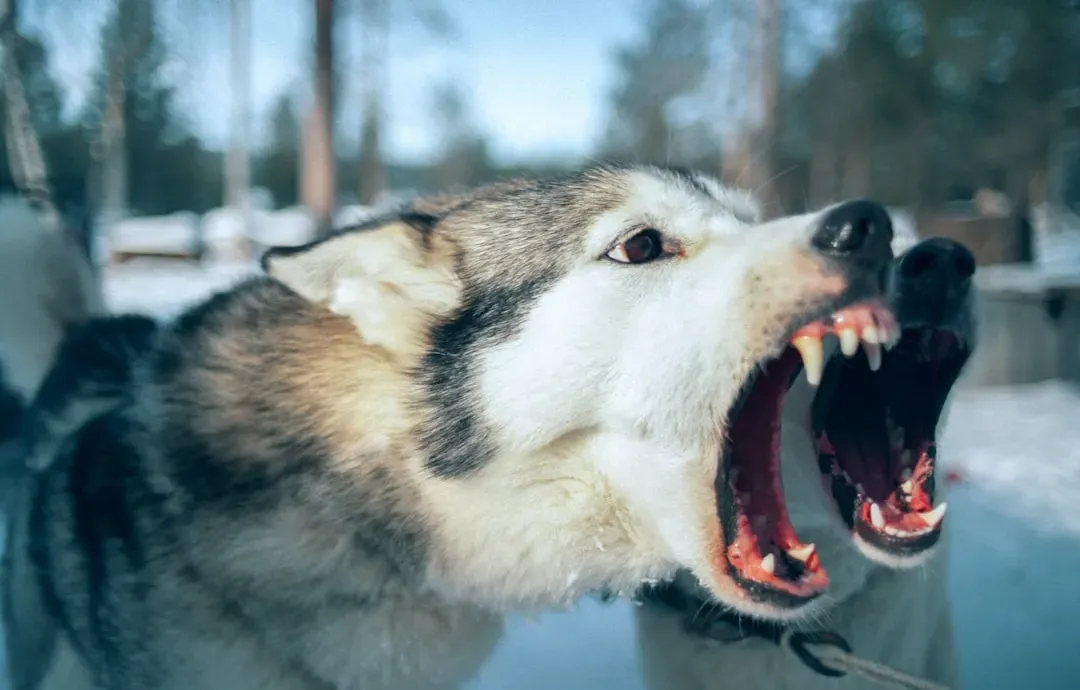
Knowing which breeds carry elevated risk is only useful if you can also read the warning signs in real time. Offensive aggression is forward, assertive behavior meant to control, intimidate, or drive something away. Defensive aggression is fear-based and happens when a dog feels cornered or unsafe. Both can be dangerous, but the body language leading up to each looks very different.
A stiffened body, a fixed stare, a tail held rigidly high, or hackles raised along the spine are all signals worth taking seriously before they escalate. It’s crucial for owners to recognize early warning signals: growling means “I’m uncomfortable, give me space,” while snapping is a clear escalation, and lunging is a sudden forward movement toward a threat, often with barking or growling. The owners who prevent incidents are the ones watching closely, not scrolling their phones on a park bench while the leash goes slack.
Responsible Ownership and Park Safety
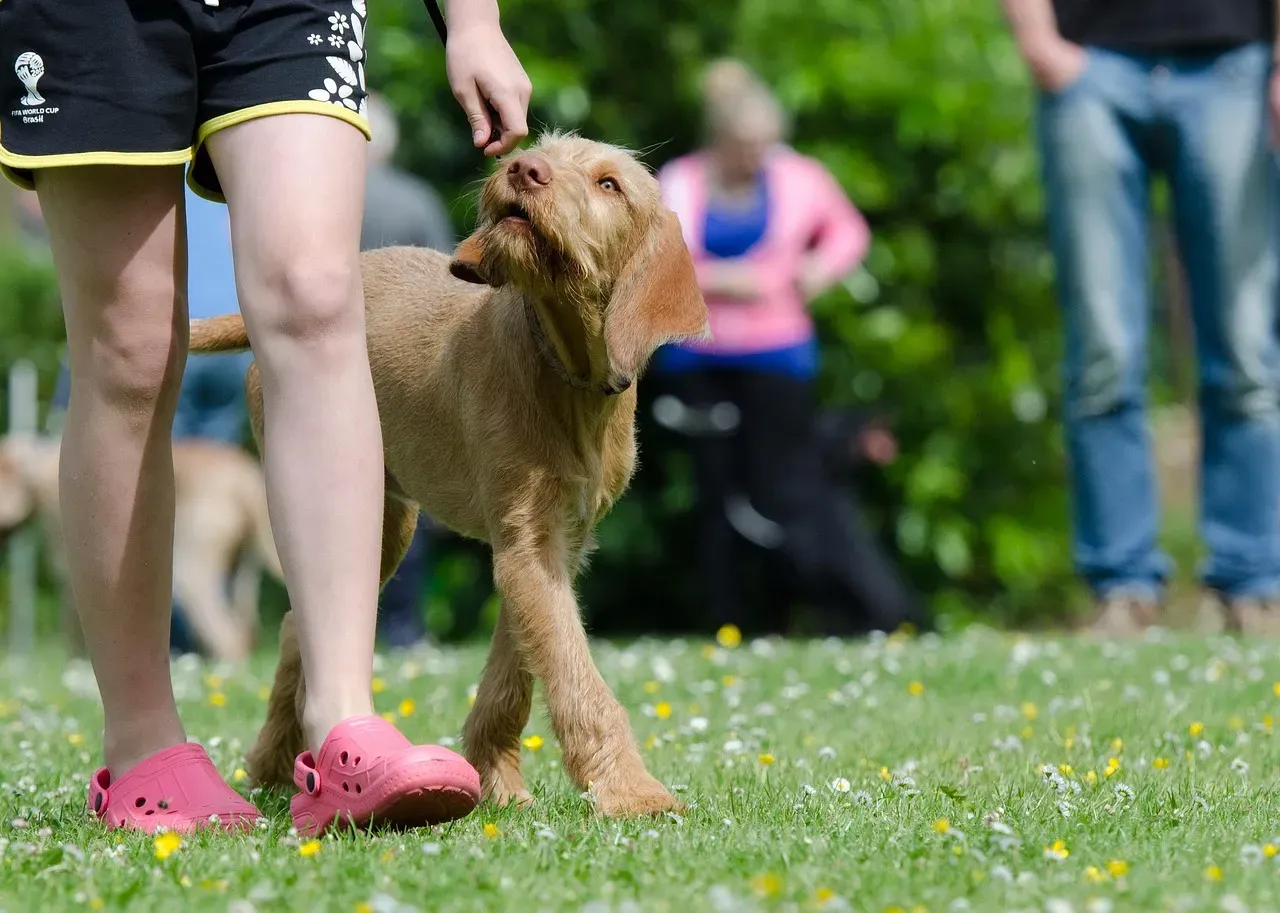
Owning a breed with elevated dog-directed aggression doesn’t mean you’re destined for trouble at the park. It means you have an extra layer of responsibility. Dog aggression arises from a combination of genetic predisposition, life experiences, health status, and environmental factors. There is no quick fix. Preventing and minimizing aggression requires an honest evaluation of breed risks along with thoughtful socialization, training, and healthcare starting from puppyhood.
Not all dog bites are predictable, though; with proper training and education, most fatal dog attacks are preventable. That’s the practical takeaway. Breed alone doesn’t define aggression – owner responsibility, training, socialization, and proper restraint do. With stronger education, consistent enforcement of leash laws, and awareness of high-risk factors, many of these injuries and fatalities could be avoided. The breed you choose matters, but what you do with that breed matters more.
Conclusion
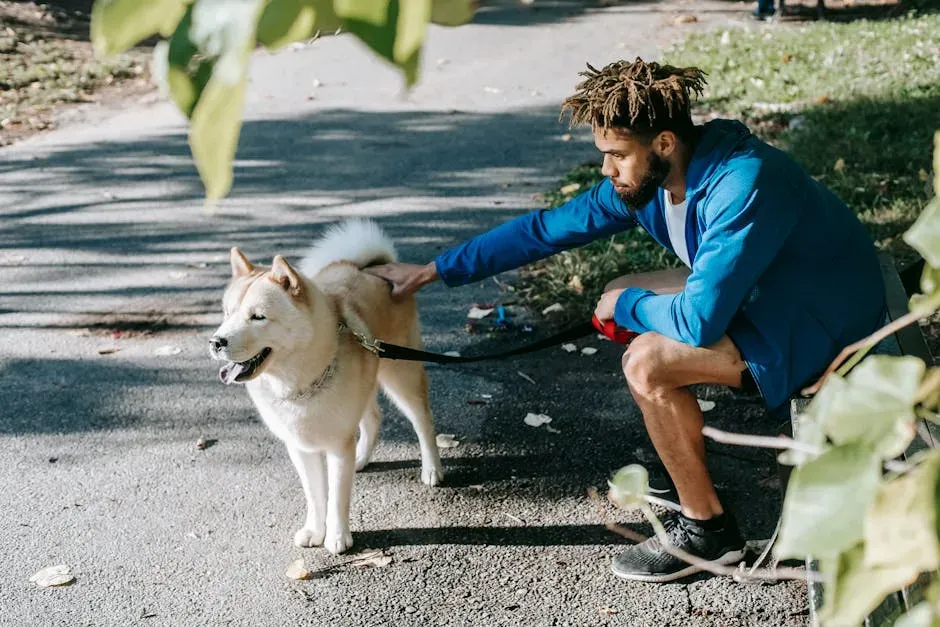
This article isn’t a case against any of these breeds. Some of the most loyal, loving, and impressive dogs in existence appear on this list. The point isn’t that these dogs are broken. The point is that certain genetic histories create specific behavioral tendencies that any honest, informed owner needs to understand before walking into a park full of strange dogs.
Pretending every breed behaves the same in high-stimulation environments is not kindness to dogs. It’s negligence dressed up as tolerance. The breeds here carry real histories, real instincts, and real responsibilities that their owners must rise to meet with training, vigilance, and a clear-eyed understanding of what their dog needs.
The most dangerous dog at any park isn’t a specific breed. It’s the one whose owner wasn’t paying attention. Know your dog. Read the room. And if your breed appears on this list, take that seriously enough to act on it before an incident forces the issue.


