
15 Worst Dog Breeds For People Over 50
There’s a quiet kind of joy that comes with getting a dog after 50. Life has slowed down just enough to really appreciate a companion, and the idea of having a warm, loyal presence around the house sounds about perfect. The trouble is, not every dog fits that picture. Some breeds will have you running across the yard at 6 a.m., untangling a leash from a fence post, or sweeping up what feels like an entire fur coat off the kitchen floor, every single day.
Choosing the right dog breed is essential for anyone seeking a companion that aligns with their lifestyle. While dogs bring love and joy, some breeds may not be the best fit for older adults due to high energy, large size, or grooming requirements. Dogs that demand a lot of exercise or have dominant, independent temperaments can simply be more difficult to manage. The fifteen breeds below aren’t bad dogs. They’re just a genuinely poor match for most , and knowing why could save you a lot of frustration.
#1. Border Collie
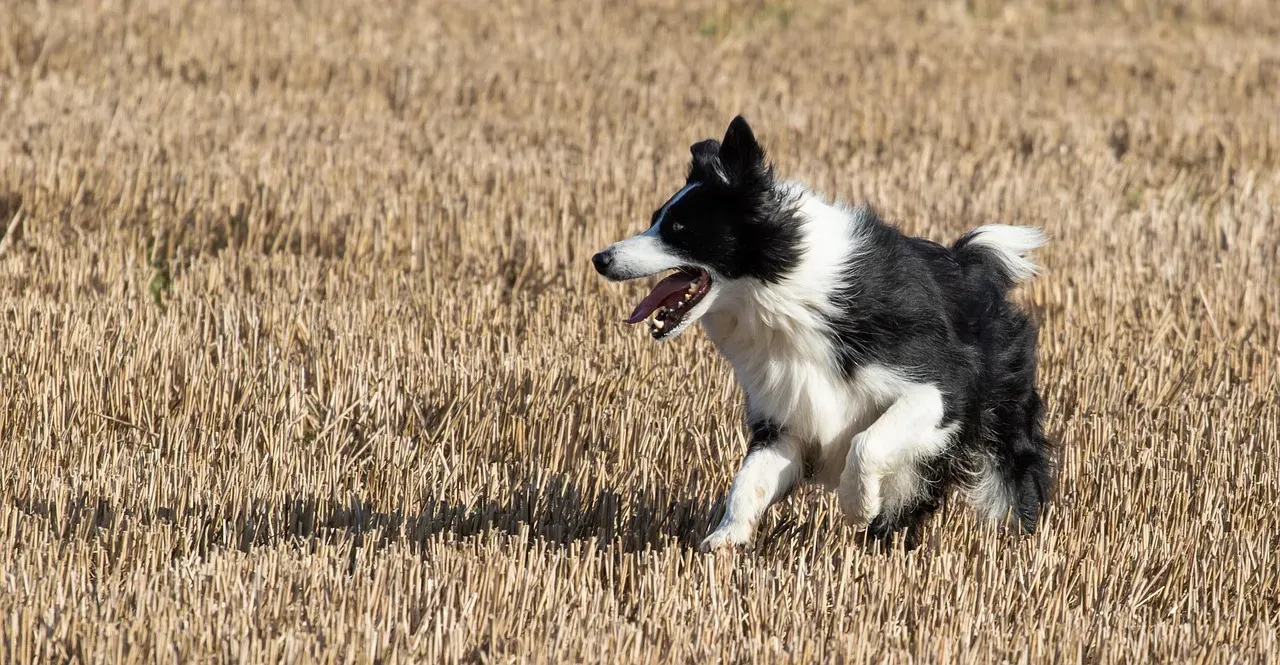
Border Collies are highly energetic and intelligent dogs, often considered the most active of all breeds. They require regular intellectual stimulation and vigorous exercise, which may be too demanding for some seniors. This isn’t just a long walk around the block kind of need. Border Collies are highly intelligent and active dogs that require a lot of physical and mental stimulation, needing a minimum of two hours of exercise daily to keep them satisfied.
Collies also have a tendency to herd, which can lead to nipping at heels and chasing, behaviors that could potentially be hazardous for seniors with balance issues. If they do not receive enough exercise and mental enrichment, they can become bored and may exhibit destructive behaviors. This breed is not suitable for seniors who have a sedentary lifestyle or live in small spaces like apartments. Basically, this dog needs a job, and if you can’t give it one, it will invent one on its own.
#2. Siberian Husky
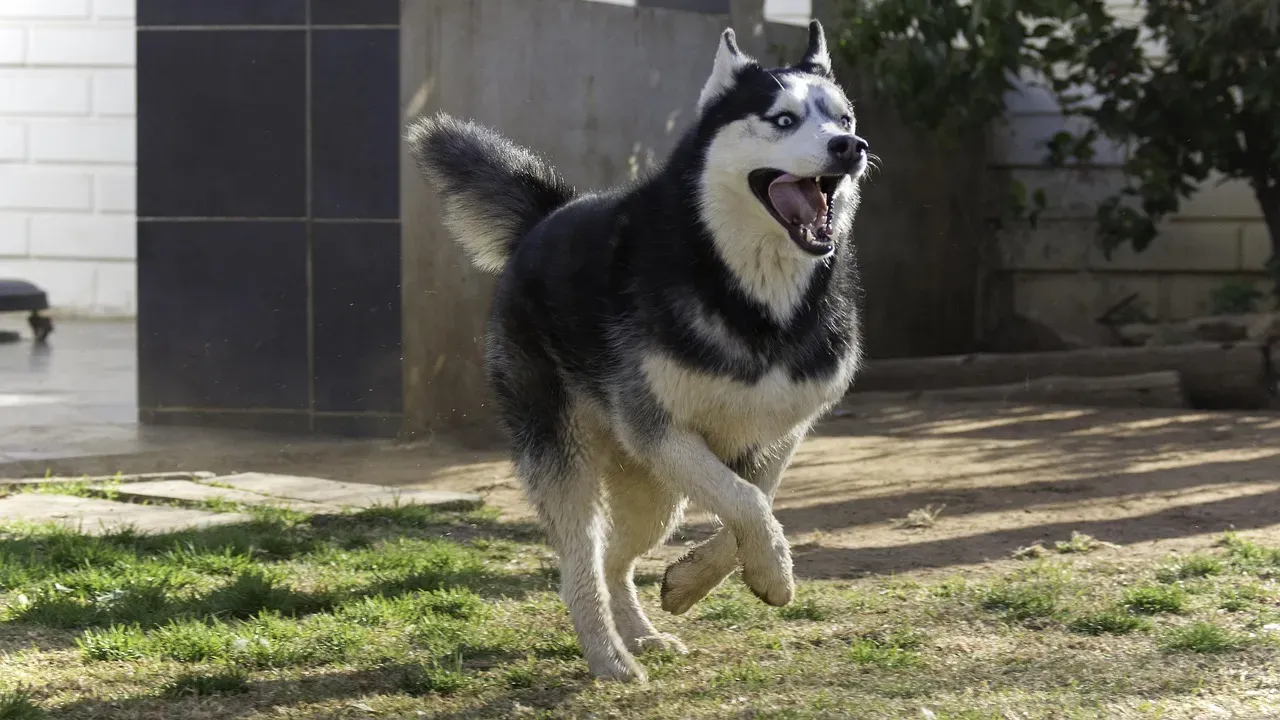
Huskies are large, energetic, high-strung firecrackers. If you are looking for a relaxation buddy, this dog will never give you rest. Huskies require mental and physical stimulation every day, and if they don’t get it, bad things happen. The sheer relentlessness of a Husky’s needs is something that catches many new owners off guard.
Huskies are also known to be escape artists, requiring secure fencing and constant supervision. Their stubborn nature can make training challenging, and their need for mental and physical stimulation may be too much for older adults to manage. Though they do not require as much in terms of bathing, Siberian Huskies do shed a lot and so owners of this dog breed may need to clean regularly to deal with this problem. The fur alone is almost a full-time commitment.
#3. Australian Shepherd
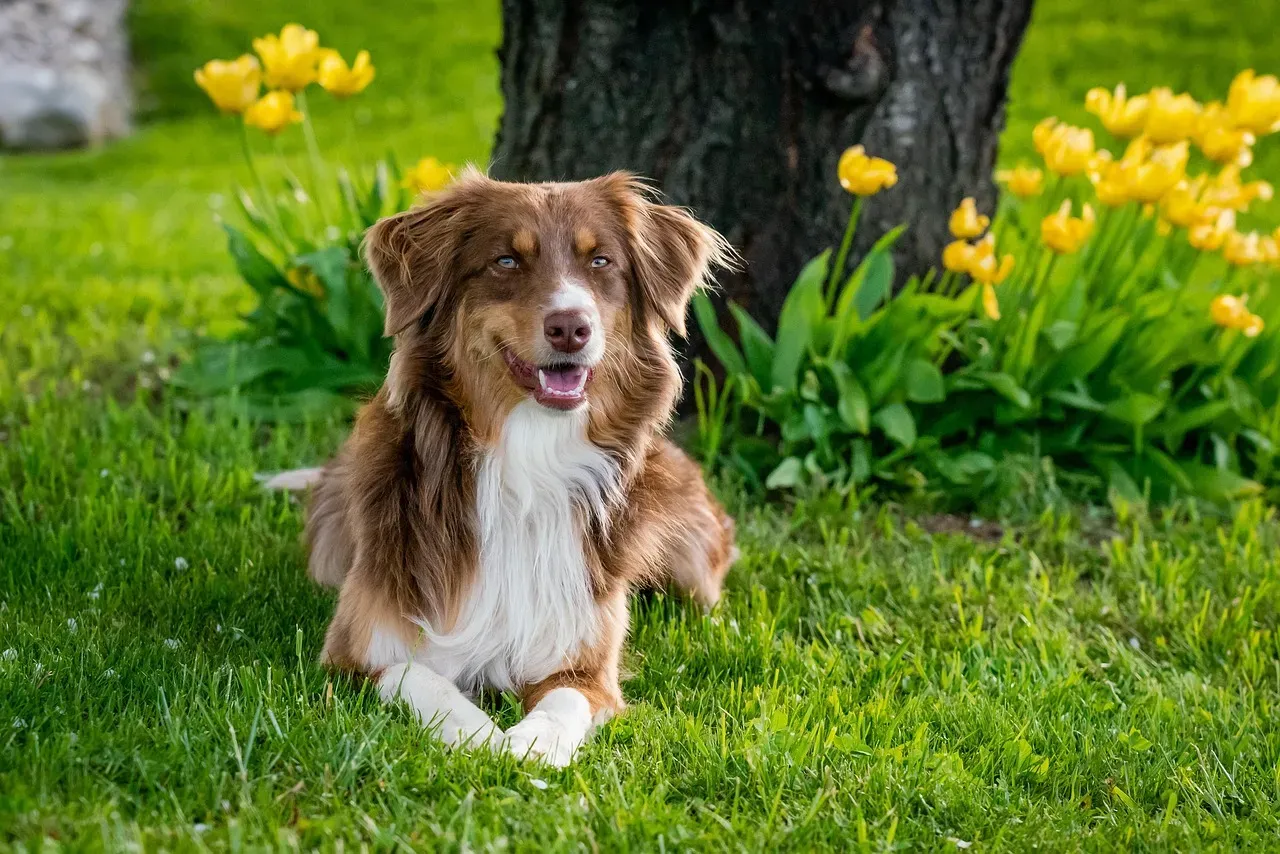
For a senior citizen who’s living alone, the Australian Shepherd is not a good choice as a dog breed. These dogs require a huge amount of maintenance for the first two years of their lives. They must be exercised daily to work out their super-high energy levels. That relentless drive comes from deep in their breeding, not just their personality.
Originally bred to herd livestock, these dogs are happiest when they have a job to do. Without regular exercise and tasks to keep them busy, Australian Shepherds can become anxious and destructive. Seniors who prefer a calm, relaxed lifestyle may find it difficult to keep up with the energy levels of an Aussie. To avoid matting and loose hair, they should be brushed at least once a week, and owners should be prepared for two periods throughout the year of heavy shedding.
#4. Jack Russell Terrier
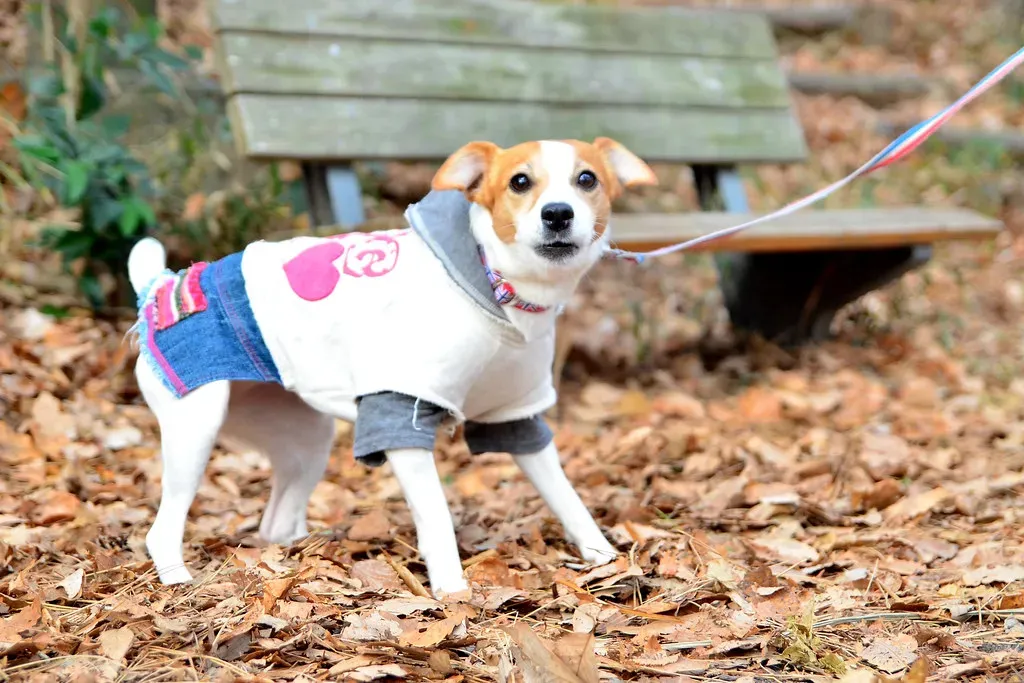
Despite their small stature, Jack Russell Terriers are remarkably energetic and independent. They require ample playtime and can exhibit a stubborn streak, making them quite a handful. Their high energy means they need frequent, vigorous exercise, which might not be feasible for someone who struggles with mobility or cannot commit to daily intense play sessions.
Jack Russells have a stubborn streak, making them difficult to train. Their strong prey drive means they may not get along well with other small animals, and their need for constant stimulation may prove too tiring for a senior looking for a more laid-back companion. Jack Russells also require a lot of exercise and they are diggers, so be careful of unsupervised enclosure stays. Small size, enormous demands.
#5. Rottweiler
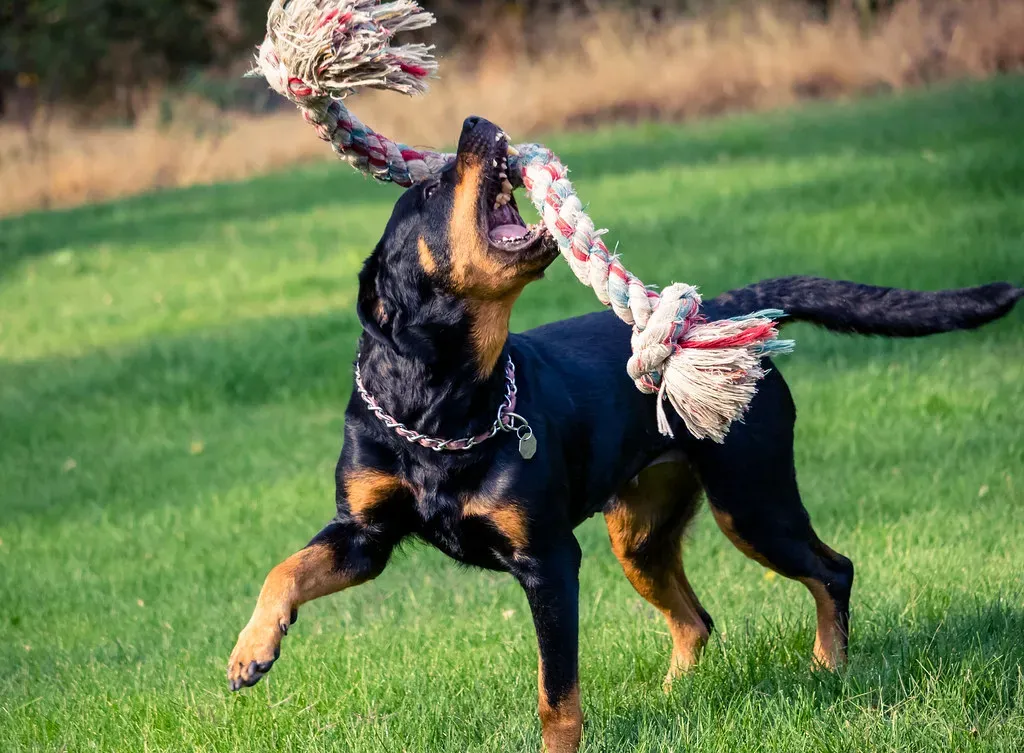
Rottweilers are large dogs with plenty of muscle. This strong breed has the instinct to be protective of their family and devotes themselves to their owners. These are hardworking dogs, but they are gentle and soft around their loved ones. Due to their size and strength, this breed is not ideal for seniors. That protectiveness sounds appealing on paper, but it comes with real physical management challenges.
Beyond their devotion, Rottweilers can be overwhelming for older adults. Their size and physical power make handling difficult, especially for those with limited mobility. They need at least 60 minutes of daily exercise and mental engagement to stay content and avoid destructive or dominant behaviors. This large dog can weigh between 80 and 135 pounds, which means even a casual stumble during a walk can result in a serious fall.
#6. Doberman Pinscher
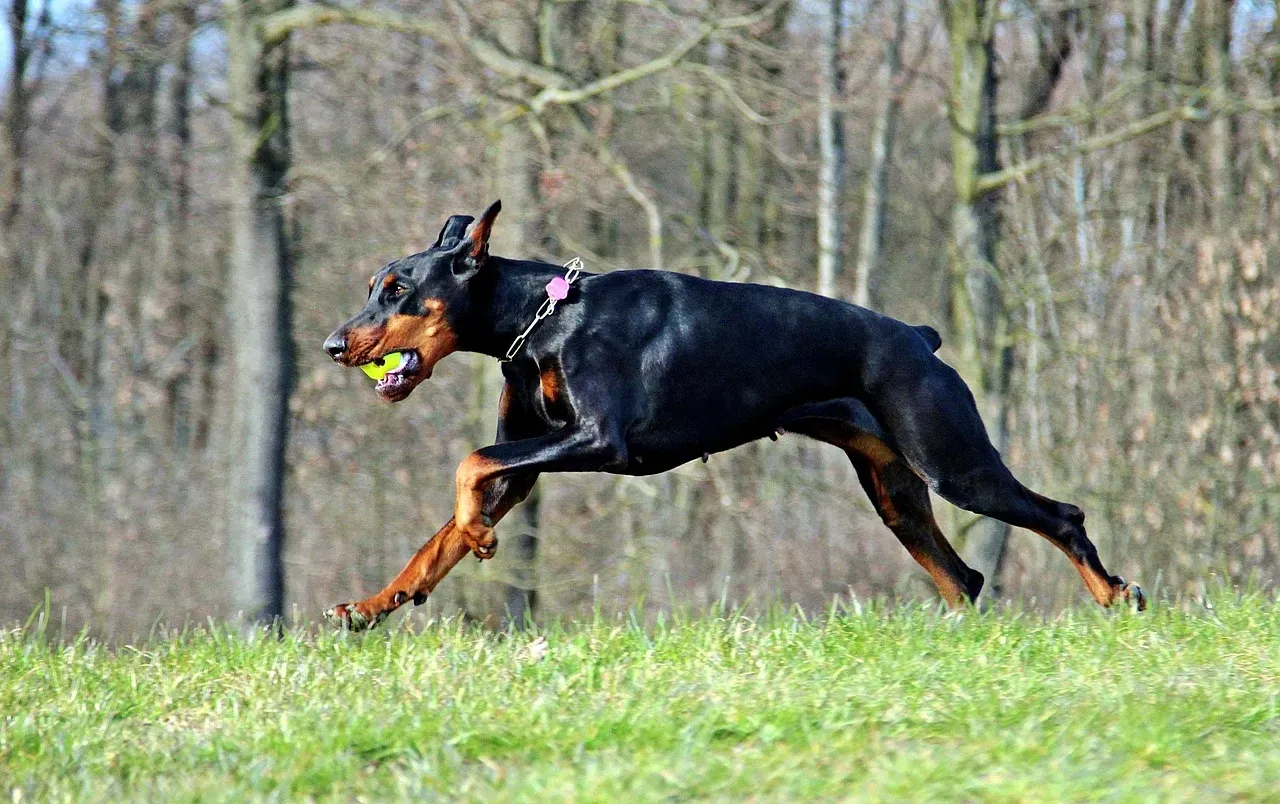
Doberman Pinschers are a powerful and energetic breed that requires daily exercise to keep them physically fit and mentally stimulated. They need a minimum of two hours of exercise every day to meet their energy requirements. Most people over 50 aren’t running two hours a day themselves, let alone with a dog in tow.
Doberman owners need to be highly active in order to keep up with them. This breed wants to run around and play for hours and their owners should be able to keep up. Runners are an ideal owner for Doberman Pinschers because this breed has the energy and stamina to keep up with them. If Dobermans are not raised properly, they can become unmanageable. Due to their strength, it’s crucial that they are trained correctly so the owner has full control over this strong animal.
#7. German Shepherd
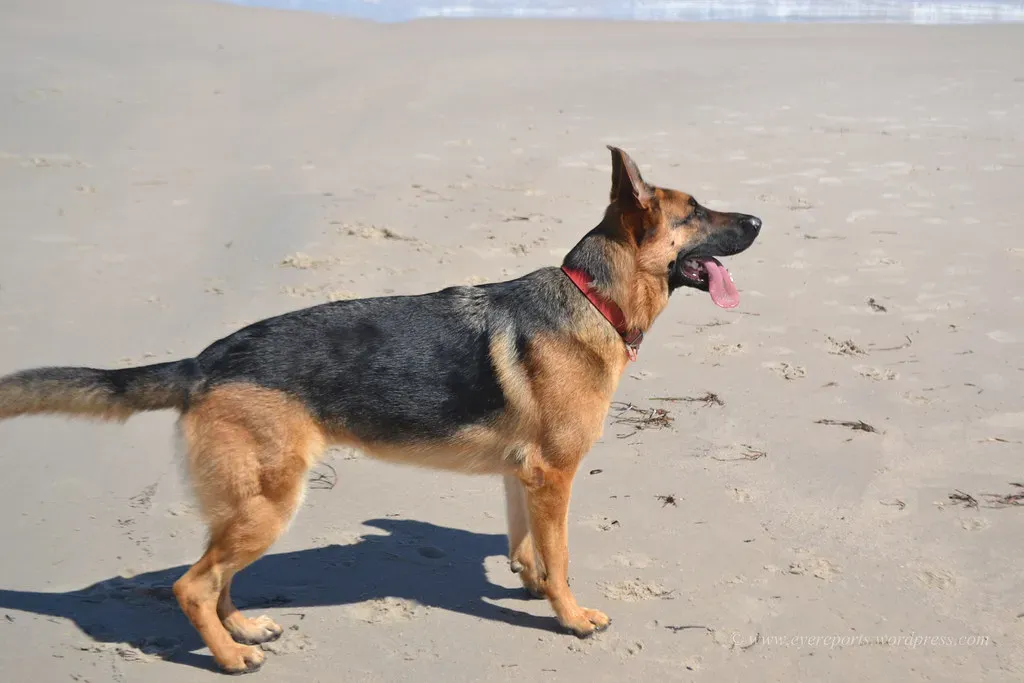
German Shepherds are intelligent and active dogs that thrive on physical and mental challenges. They require a minimum of two hours of daily exercise to keep them physically and mentally satisfied. Regular exercise helps prevent boredom and channel their energy into positive outlets. German Shepherds also require mental stimulation, such as obedience training or interactive games, to keep their minds engaged.
Breeds like German Shepherds, Rottweilers, and Huskies may provide loyalty and intelligence, but can overwhelm older adults with their energy, size, or proper training demands. The irony with German Shepherds is that they’re brilliant enough to follow commands easily, but they’ll also outsmart you if you’re not consistent. Handling and controlling these breeds can be difficult, especially for individuals with limited mobility or strength. The sheer size and power of these dogs may make them unsuitable for seniors who are at risk of being overpowered or knocked over.
#8. Akita
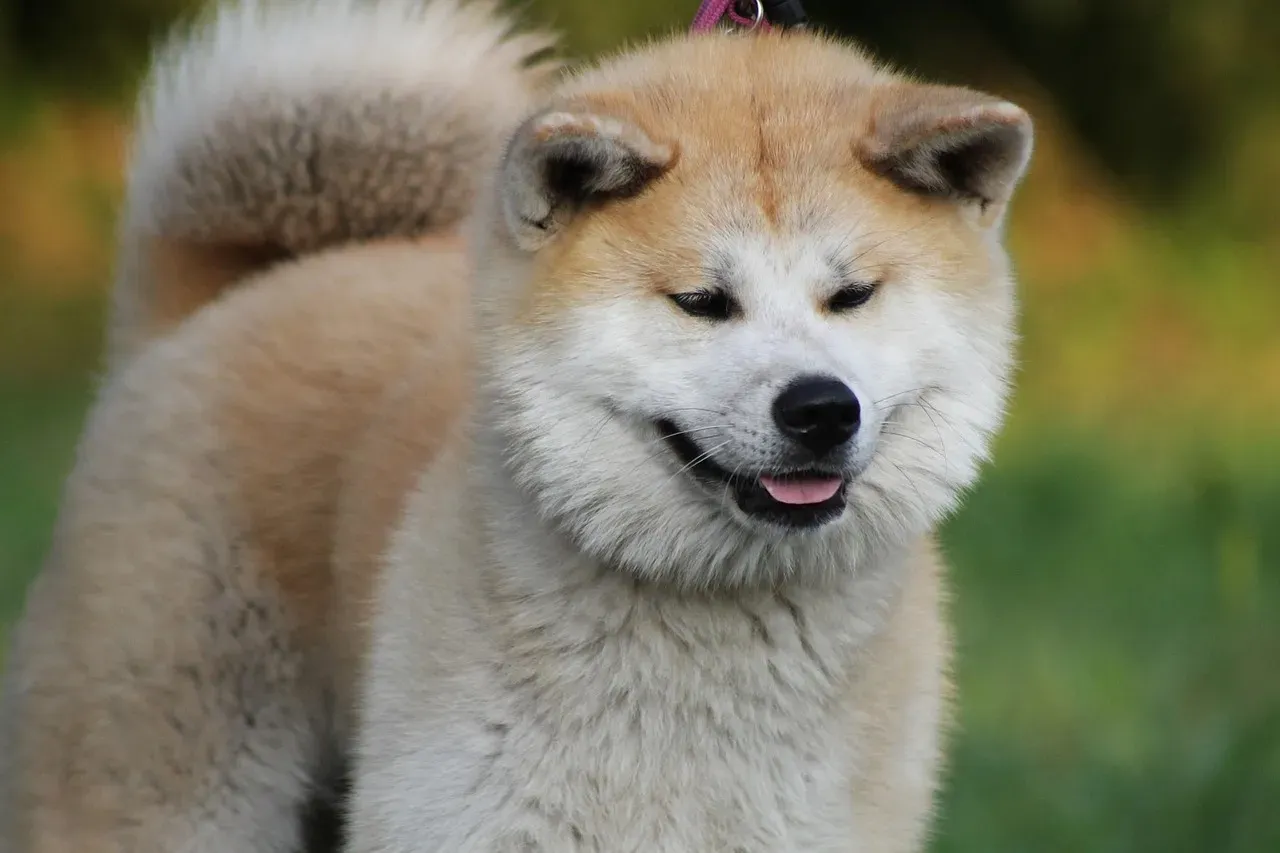
Akitas are a powerful breed that is intense and intelligent. This dog is extremely headstrong and stubborn and they’re usually challenging to train. These courageous dogs can be perfect additions to some homes, but yours might not be one of them. They tend to do as they please and can bolt in a split second.
They have a high prey drive, drawn to things that move quickly. If you aren’t careful on walks, you can easily get knocked down or pulled. Akitas require a firm hand and lots of training. If you don’t have the time or energy to deal with such a high-maintenance and possibly cunning dog, pass this breed up. The Akita has long fur and it doesn’t shed all year round, but if they aren’t regularly groomed by skilled groomers, pet owners will find big piles of fur everywhere.
#9. Weimaraner
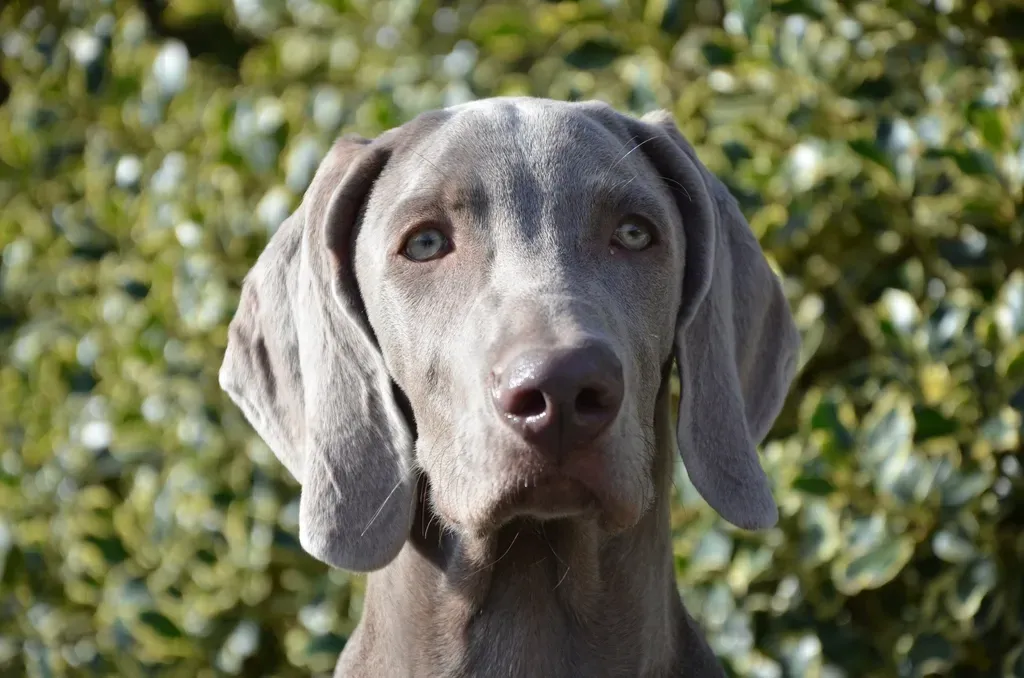
Weimaraners are known for their sleek appearance and high energy levels. These athletic dogs require regular exercise and stimulation, making them a poor choice for seniors who may not have the physical ability to meet their needs. They’re strikingly beautiful dogs, and that often draws people to them without fully understanding what life with one actually looks like.
Weimaraners are also known for their separation anxiety and may become destructive if left alone for long periods. Their strong hunting instincts and need for constant activity mean they are better suited for more active households. The separation anxiety angle is particularly relevant. A dog that can’t be left alone comfortably is a significant daily burden, no matter how much you love it.
#10. Boxer
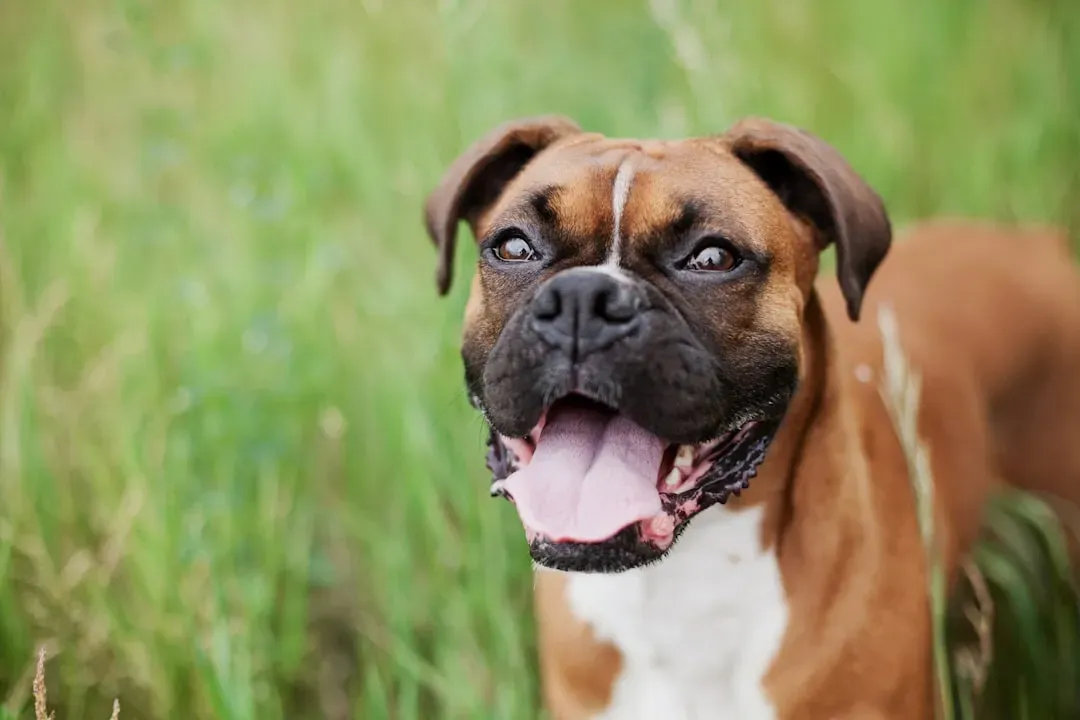
Boxers are wonderful family dogs, but they do have boundless energy. Because of their vitality, they can be challenging for older people to deal with. Puppy years are the worst when it comes to energy. Many Boxers tend to even out over time. The problem is that “over time” can mean several years of genuinely exhausting behavior.
Untrained Boxers are known for pawing and jumping behavior, which can cause accidental falls. Since these dogs are large and athletically built, they can be boulders when they want to be. Their playfulness can be a lot to take in, especially if they haven’t learned to control it yet. Even well-intentioned enthusiasm from a Boxer can send an older adult stumbling. That’s a real safety concern worth taking seriously.
#11. Great Dane
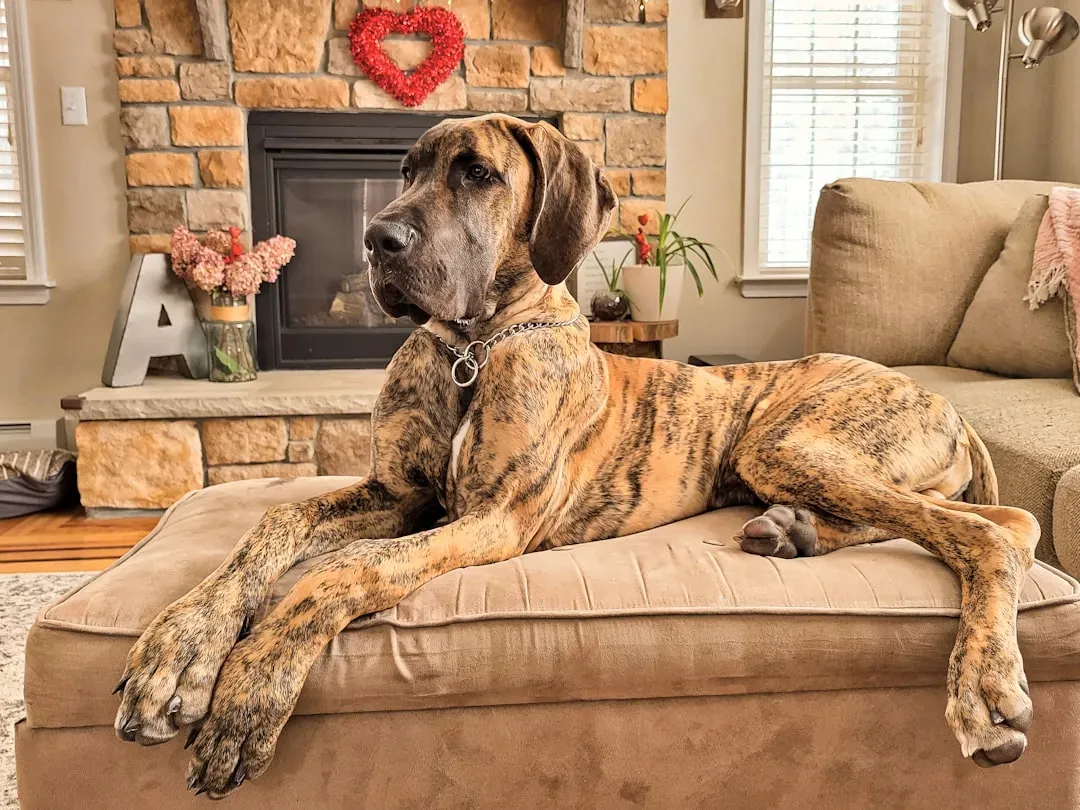
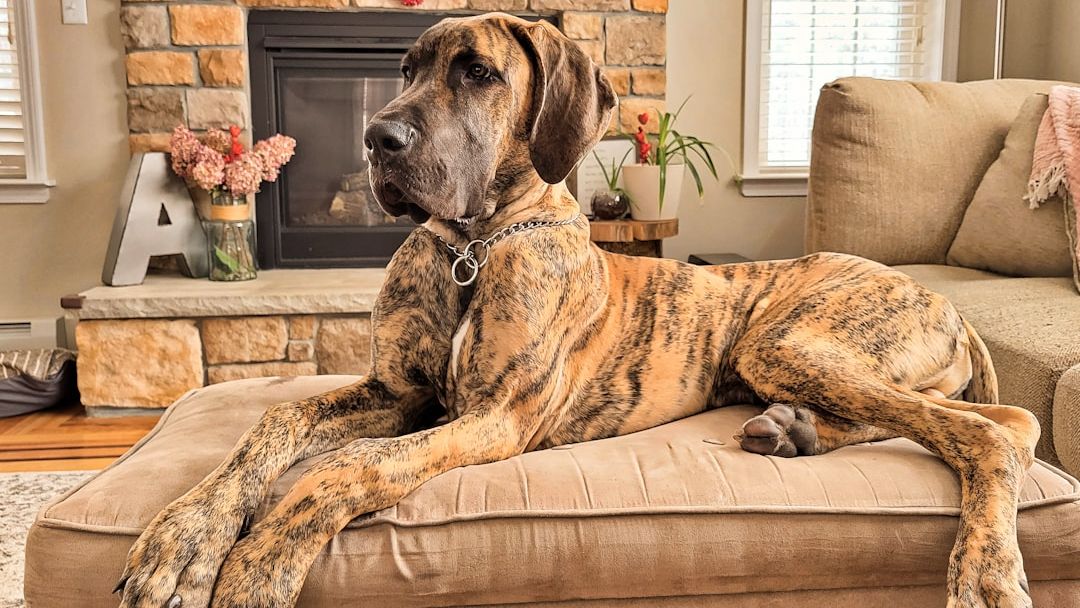
Though Great Danes are known for their gentle disposition, their immense size can be pretty difficult. Their substantial bulk requires a lot of space but also means they need more food which can pose logistical issues. The financial and physical logistics of caring for a dog this size are genuinely underestimated by most people before they commit.
While they might not require as much exercise as high-energy breeds, their sheer size can make them difficult to manage. For instance, a large dog pulling on a leash could lead to falls or injuries. Similarly, these breeds often require more food, larger living spaces, and can be more challenging to transport due to their weight and size. Additionally, their relatively short lifespan can be emotionally taxing, as they might not be with you as long as other breeds.
#12. Chow Chow
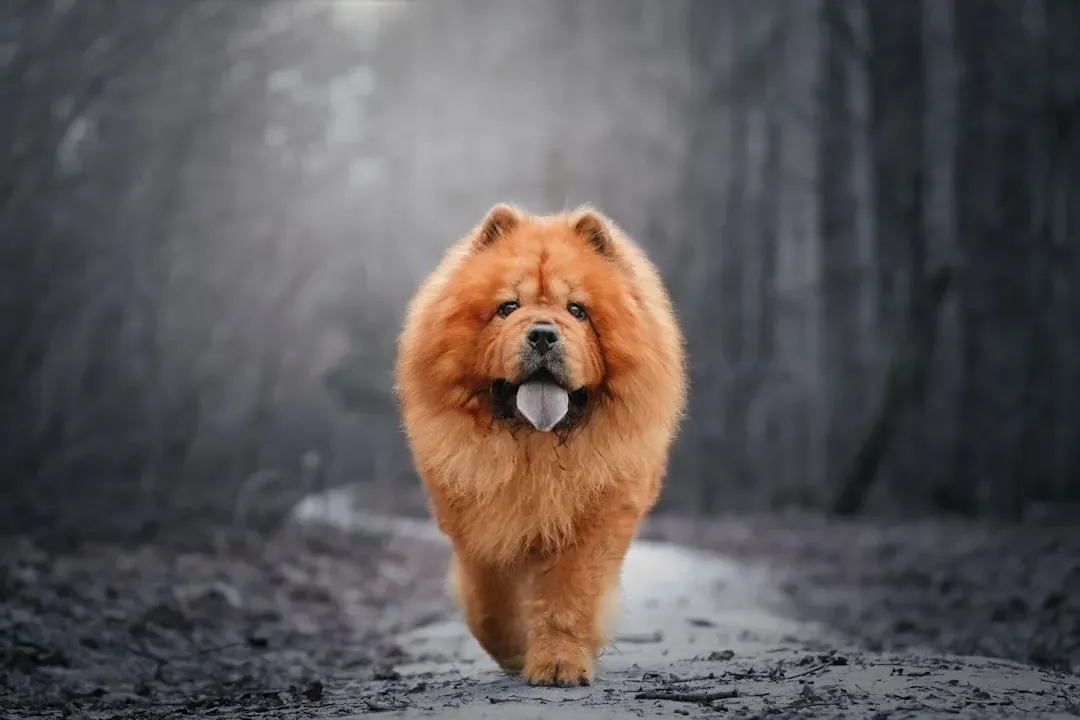
Chow Chows are known for their aloof demeanor and can be challenging to train. Their independent nature means they require a firm and consistent handler. Additionally, they can be territorial and protective, which may be difficult for seniors to manage effectively. For someone hoping for a warm, easygoing companion, the Chow Chow’s natural reserve can feel like a constant uphill battle.
While any dog can show aggression or possessiveness, certain breeds are more prone to such behavior due to their historical roles. Breeds such as the Akita, Chow Chow, and Pit Bull Terrier can be protective and standoffish with strangers if not properly socialized from a young age. The Chow’s dense double coat also demands regular grooming, adding another layer of physical demand that compounds over time.
#13. Pit Bull Terrier
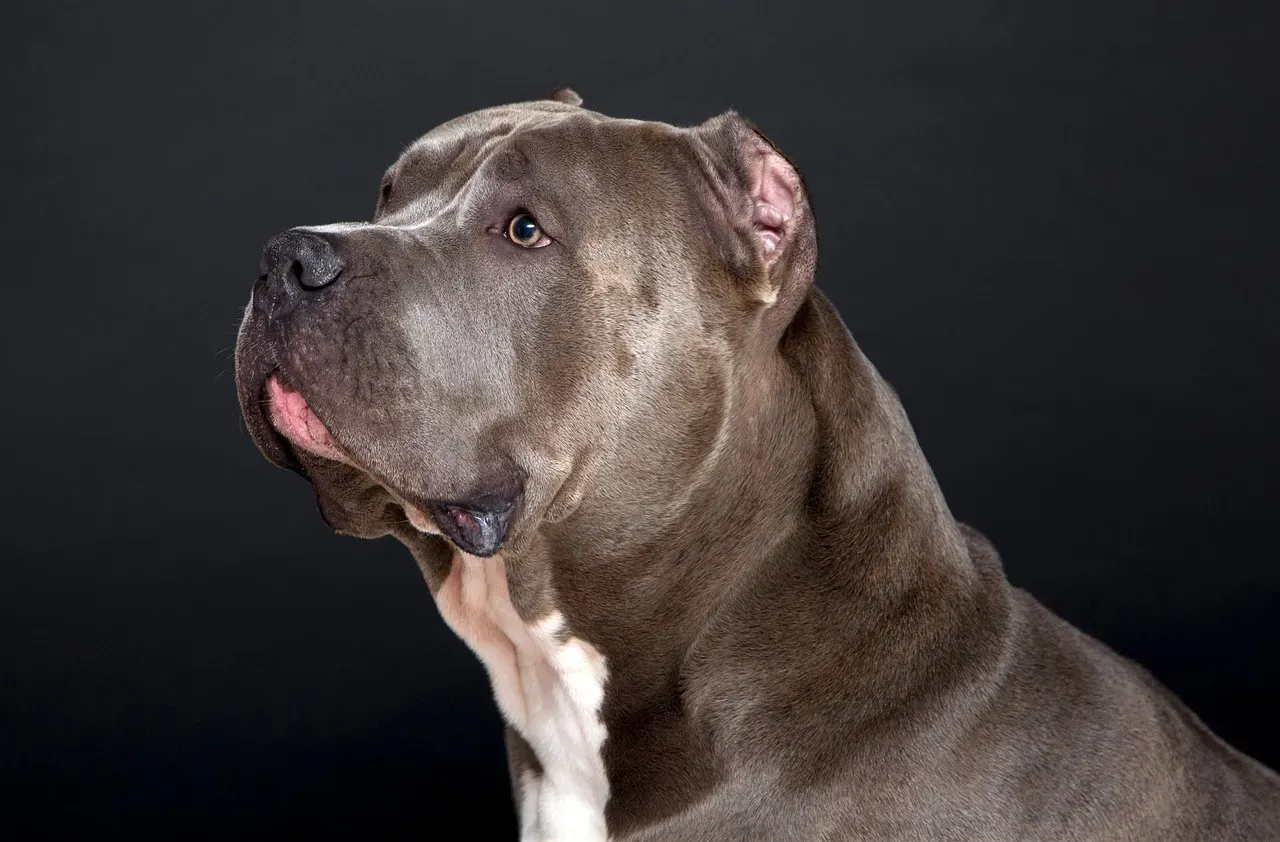
The general temperament of a pit bull can be aggressive, which obviously wouldn’t be a good fit for an older person. They need a lot of activity and plenty of time to get out of the house and run, so a pit bull won’t do well cooped up in an apartment or assisted living community. Beyond the temperament concerns, the physical strength of the breed presents very real daily handling challenges.
Large breeds like Pit Bulls can be too physically demanding for seniors. They require substantial exercise and strength to handle, making them challenging for older individuals. Additionally, their size can be intimidating and pose difficulties in control. It’s worth noting that many housing communities and insurance policies also restrict or prohibit this breed, creating practical obstacles that can complicate ownership for adults over 50 who may be considering a move.
#14. Labrador Retriever
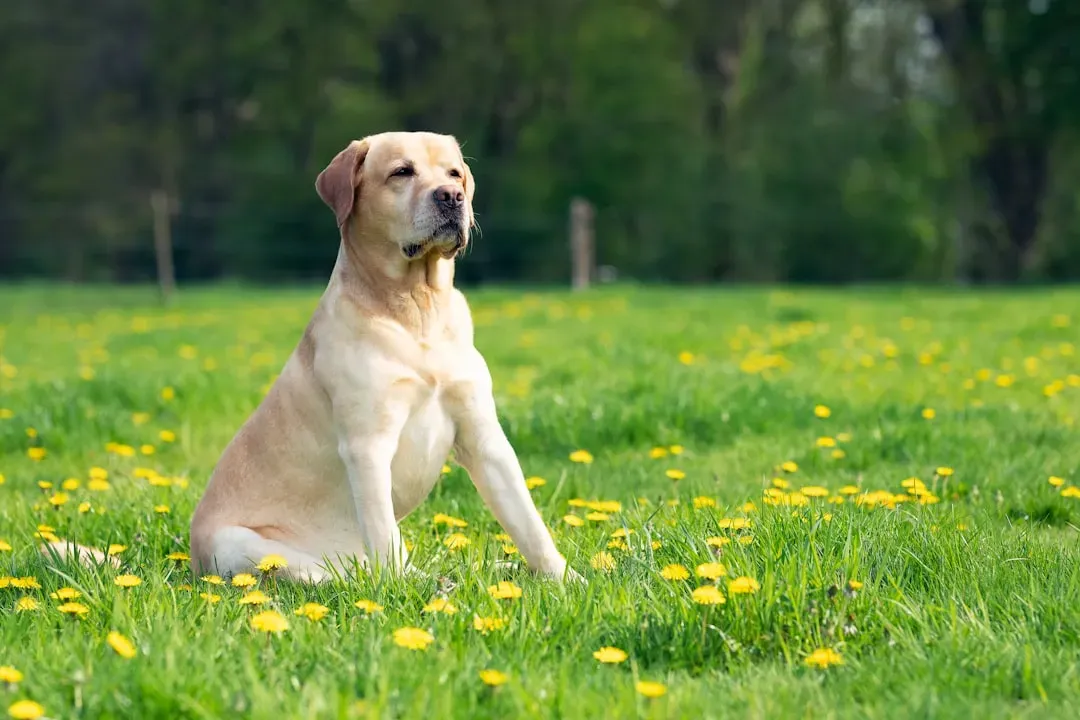
Labrador Retrievers, known for their friendly and outgoing nature, may not be the most suitable choice for seniors due to their high maintenance requirements. These dogs require a significant amount of attention, time, and exercise to stay mentally and physically healthy and happy. The energetic nature of Labrador Retrievers may be challenging for seniors to keep up with, especially if they have limited mobility or energy levels.
This one surprises people. Labs have a reputation as the perfect family dog, and in many ways they are. If Labs get bored, they can be heavy chewers. This destructive behavior is usually only due to no energetic release. With proper stimulation, Labs are truly fantastic pets and can even make terrific service animals. However, without adequate training, Labs are going to be a little difficult to keep up with. The key phrase there is “without adequate training,” and consistent training takes consistent energy.
#15. Shiba Inu

Shiba Inus are noted for their independence and strong-willed nature. Training them can be a struggle, requiring considerable patience. Their stubborn streak means they may not always follow commands, which can be frustrating for older adults who may prefer a more compliant companion. They’re beautiful, fox-like dogs with a devoted following, but their personality is genuinely demanding in ways that are easy to overlook when admiring them from a distance.
Basenjis are intelligent but exhibit a strong-willed and independent nature, and similarly, Shiba Inus’ training can be challenging, and they are also known as escape artists, necessitating secure fencing and vigilant supervision. This can be demanding for older adults who may not have the energy or resources to handle these needs. The Shiba Inu’s independent temperament means that even after years of ownership, obedience can still feel like a negotiation rather than a given.
The Bottom Line: Match the Dog to Your Life, Not Your Wishlist
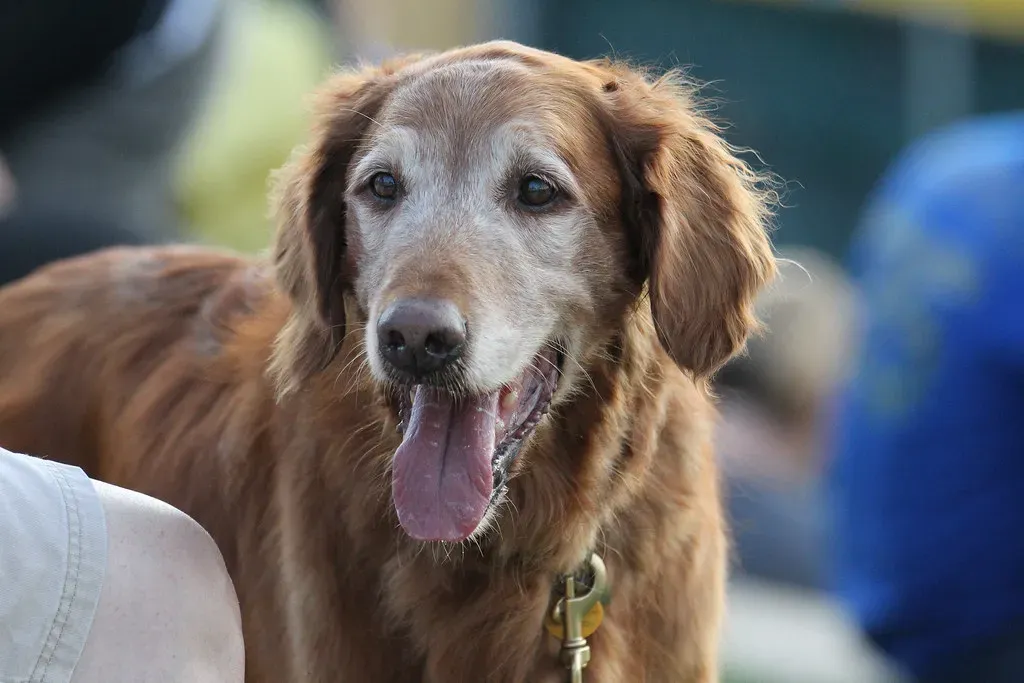
Choosing a dog based on appearance or reputation, rather than actual compatibility, is one of the most common and costly mistakes any dog owner can make. , those consequences tend to show up faster and hit harder. It’s important for seniors to assess their own lifestyle, health, and physical capabilities before deciding on a dog breed. Choosing a pet that matches one’s activity level and living situation can lead to a much more harmonious relationship.
Understanding which breeds to avoid allows older owners to select calm, low-maintenance dogs that suit their lifestyle, ensuring both safety and happiness. The good news is that the right match truly does exist for everyone. For instance, adopting a senior dog changes things entirely; regardless of breed, an older pet might be perfectly mellow. The best dog for your life after 50 isn’t necessarily the most impressive breed in the room. More often, it’s the one sitting quietly in the corner, waiting patiently, perfectly content just to be near you.