
Most people picture city life and assume a dog can’t thrive there without a sprawling backyard or acres of open land to run. It’s a common assumption, and honestly, an understandable one. The size of your living space isn’t the only consideration, because many large breed dogs have lower activity levels and are more than happy to lounge on the sofa. A dog’s temperament is also critically important when considering if they’ll truly thrive in an urban environment.
The good news? Millions of city dwellers are already living proof that apartment life and dog ownership go beautifully together, when you pick the right match. While cities are full of movement, noise, and limited space, certain dogs handle these challenges with confidence, curiosity, and surprising adaptability. Their combination of intelligence, calm focus, and an ability to read their environment makes them natural fits for apartments, shared buildings, and walkable neighborhoods. Whether you’re in a studio apartment or a mid-rise with a rooftop terrace, these ten breeds are worth knowing about.
1. French Bulldog: The Ultimate Urban Companion
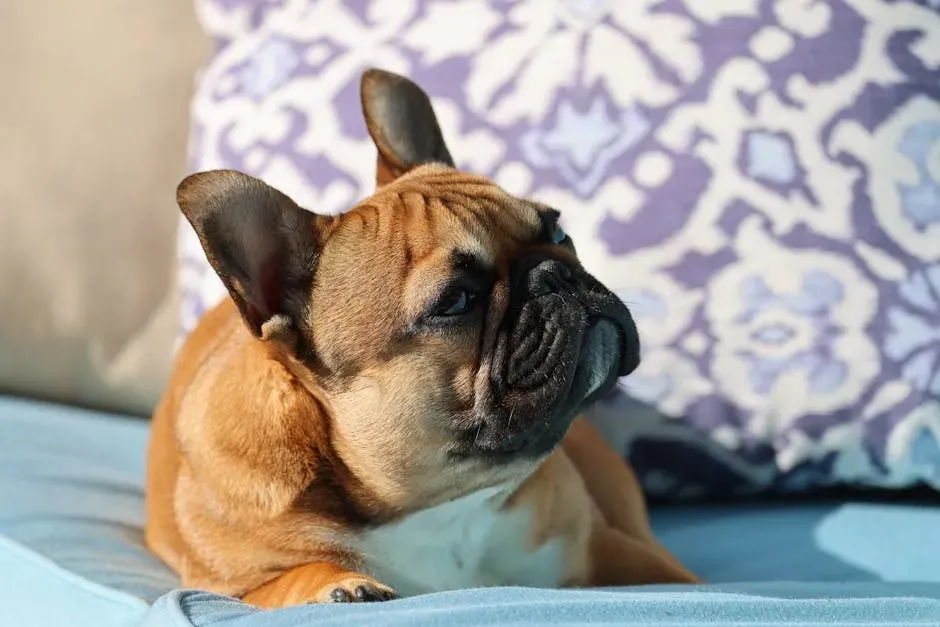
There’s a reason you spot Frenchies on every city block. French Bulldogs are a top choice for apartment dwellers. Their compact size and relaxed demeanor make them ideal companions for indoor living, and they require little exercise but enjoy short walks. Their calm nature fits easily into apartments where space is limited and routines stay busy. This natural ease around city noise allows them to settle into urban life without stress or resistance.
One thing every French Bulldog owner needs to stay mindful of is heat sensitivity. French Bulldogs are sensitive to high temperatures due to their flat noses. Owners of these pets, especially those living in warmer cities, should ensure they are kept cool and well-hydrated. Heat is a serious concern because their short-nosed shape makes cooling down harder. In urban environments, that means careful planning during warm weather and a focus on safe, moderate activity instead of long outings. Air conditioning isn’t a luxury for a Frenchie, it’s practically a necessity.
2. Boston Terrier: The American Gentleman of City Streets
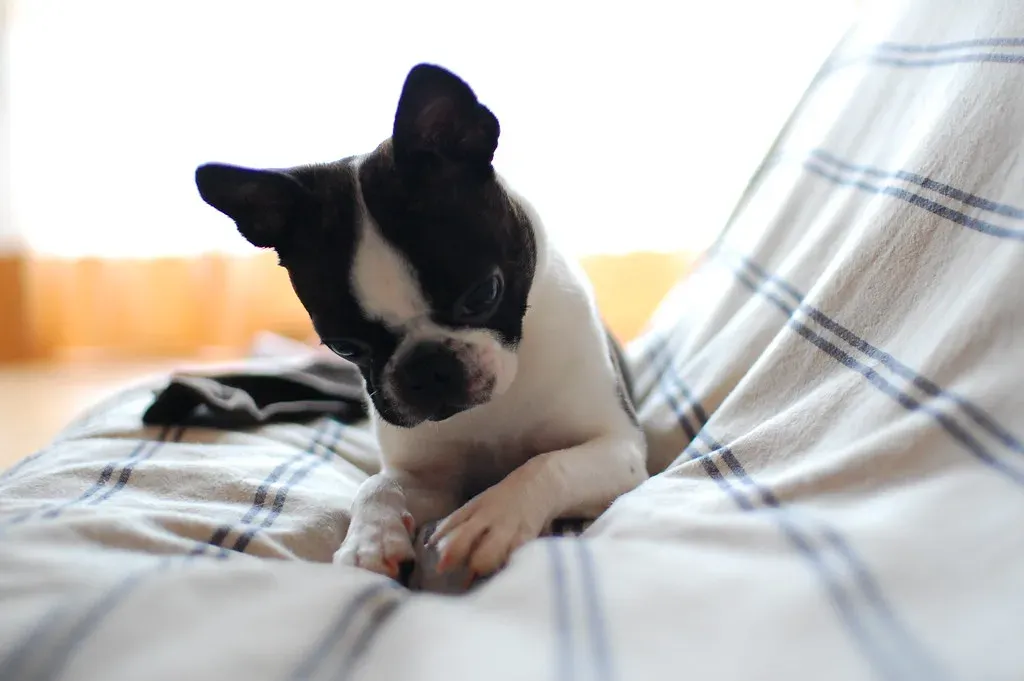
The Boston Terrier, often called the “American Gentleman,” is a compact and stylish breed with a distinctive tuxedo-patterned coat. It was originally developed by crossing the English Bulldog with the White English Terrier. Its friendly personality and adaptable size make it well-suited for urban living. Boston Terriers are super adaptable. They do well in small spaces, don’t need too much exercise, have a gentle nature, and are quiet dogs.
Boston Terriers enjoy daily walks and playtime but are also happy to relax at home. They are known for being relatively quiet, which is beneficial in an apartment setting, and their friendly and adaptable nature makes them great companions for individuals and families. Boston Terriers love to cuddle and lounge in cozy spots, often choosing a favorite sofa or corner. They can be stubborn at times but respond well to consistent positive reinforcement. Their playful antics and short bursts of energy are balanced with long periods of calm indoor relaxation.
3. Cavalier King Charles Spaniel: Born to Be Close to You
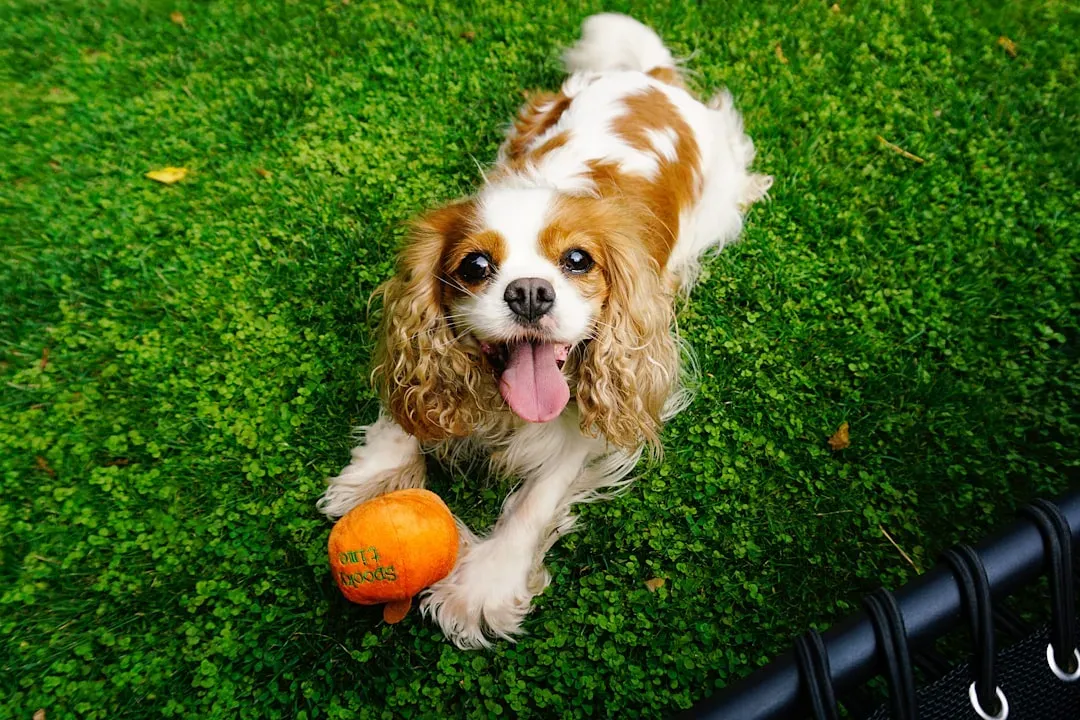
Cavaliers are basically the definition of apartment-friendly. They are calm, adaptable, and have a gentle temperament perfect for close quarters. Cavaliers are not high-energy dogs. The balanced energy level of the Cavaliers is one of the reasons they can succeed in the city’s living space. They like to spend time outside and have their playtime, but are also very happy to rest indoors together with their owners without disturbing neighbors.
The Cavalier King Charles Spaniel is known for its affectionate nature. They form strong bonds with their families and are typically friendly with children, other pets, and even strangers. Their sociable and outgoing personality makes them well-suited for the fast-paced urban lifestyle, where interaction with people and animals is frequent. One health note worth keeping in mind: Cavaliers can be prone to heart conditions as they age, so routine vet checkups are especially important for this breed. Regular veterinary care and responsible breeding practices support long-term wellness, and owners often find that with proper care, Cavaliers make loving and dependable pets.
4. Bichon Frise: Small Dog, Massive Heart
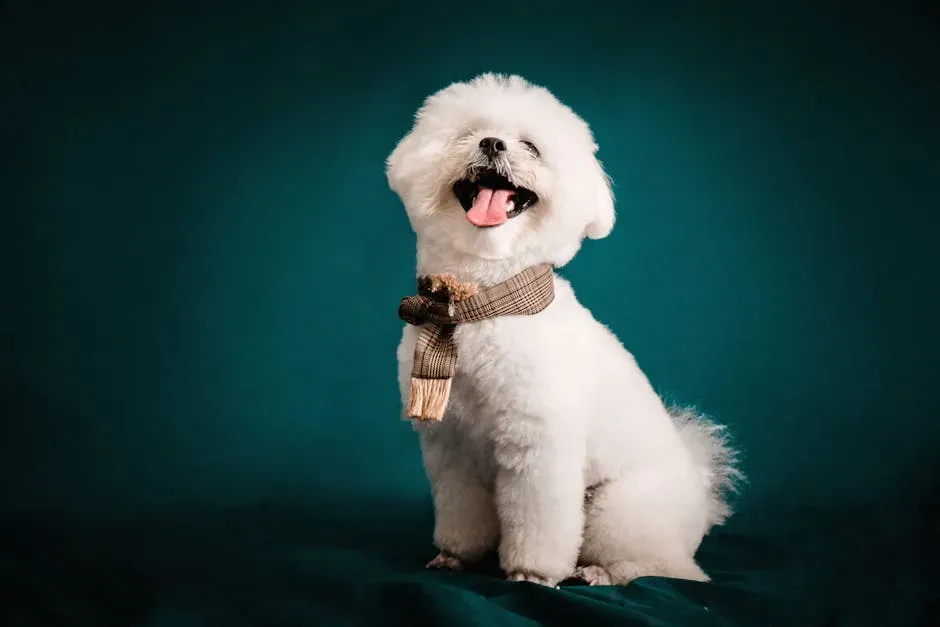
Rarely growing over a foot in height and weighing in at just 15 pounds, the Bichon Frise is a dog seemingly designed for city living. While they need little space, they don’t like being left alone for more than a few hours, which is something that needs to be taken into consideration. Bichons are great apartment dogs because they are calm indoors and genuinely connect with their people. Bichon Frises have a hypoallergenic coat that does not shed much, so these dogs are perfect for apartment dwellers with allergies.
The friendly and sociable temperament of the Bichon Frise is one of its most attractive features. These dogs like to be in human company and do well coexisting with other pets. This flexibility renders them especially fitting for busy urban neighbourhoods. They get along well with other dogs, adapt well to city living, and have a minimal barking nature. They need daily walks and mental stimulation, but their exercise needs are totally reasonable. Regular grooming appointments are a must to keep that signature fluffy coat healthy and tangle-free.
5. Havanese: Cuba’s City-Ready National Dog
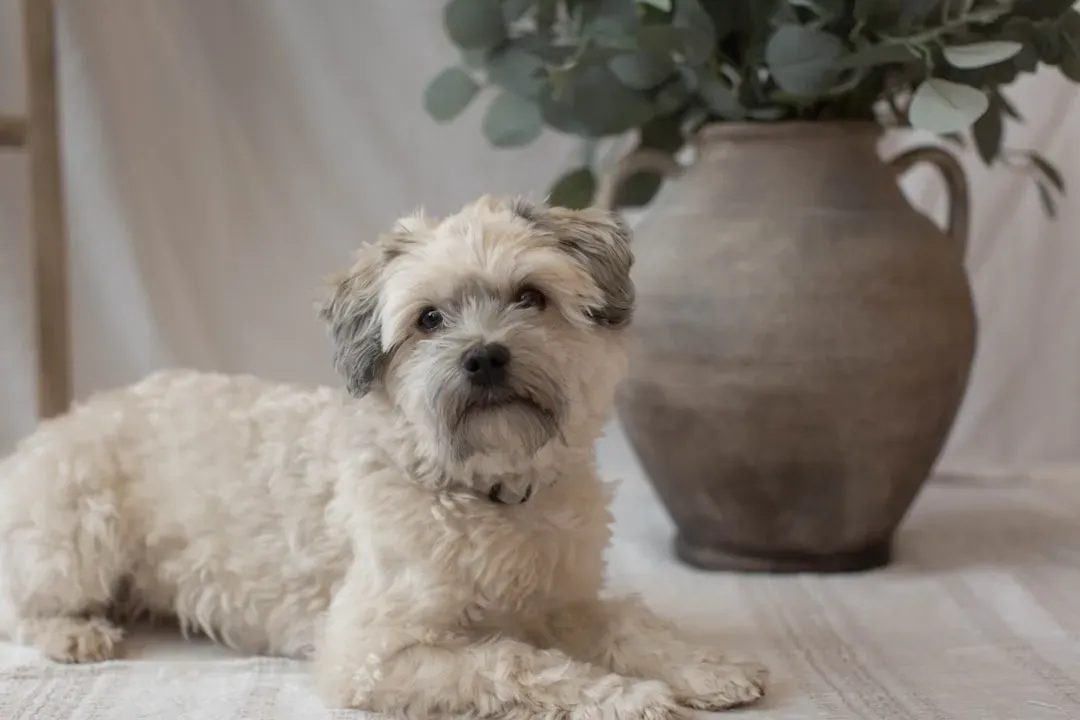
Havanese dogs are one of those small dog breeds that people discover and immediately wonder why they didn’t know about them sooner. These little Cuban dogs are cheerful, adaptable, and thrive in apartment settings. They only need moderate exercise and are otherwise happy to just explore your home. They’re also not big barkers, but shouldn’t be left alone for more than three to four hours.
Havanese are low shedding, which is a genuine bonus for small apartments where dog hair can accumulate everywhere. Regular grooming keeps their beautiful coat healthy and tangle-free. The Havanese is an affectionate, friendly, and devoted companion. The long, silky double coat requires daily grooming, but they shed very little. They are generally quiet and have a loving and playful personality. The Havanese is a great choice if you have a family and live in an apartment, as they really like kids.
6. Pug: The Couch-Loving City Dweller

Pugs are one of the most popular small dog breeds, known for their wrinkled faces, curly tails, and lovable personalities. Their affectionate nature makes them a favorite among apartment dwellers. The key to their success in city living is their calm and friendly demeanor. Pugs aren’t overly demanding when it comes to exercise; they enjoy short walks and indoor play sessions, making them perfect companions for urban environments.
Pugs don’t need extensive exercise or a large breed’s level of space. A cozy space, regular short strolls, and plenty of cuddles, that is genuinely the Pug dream. Watch their diet and weight, as they are prone to obesity, which can cause health issues. A Pug adapts quickly to city rhythms and settles into home life without fuss. Their sociable nature helps them stay cheerful in limited spaces because they seek connection rather than constant activity. Like French Bulldogs, their flat faces make heat regulation tricky, so always prioritize cool environments on warm days.
7. Shih Tzu: Calm, Compact, and Surprisingly Adaptable
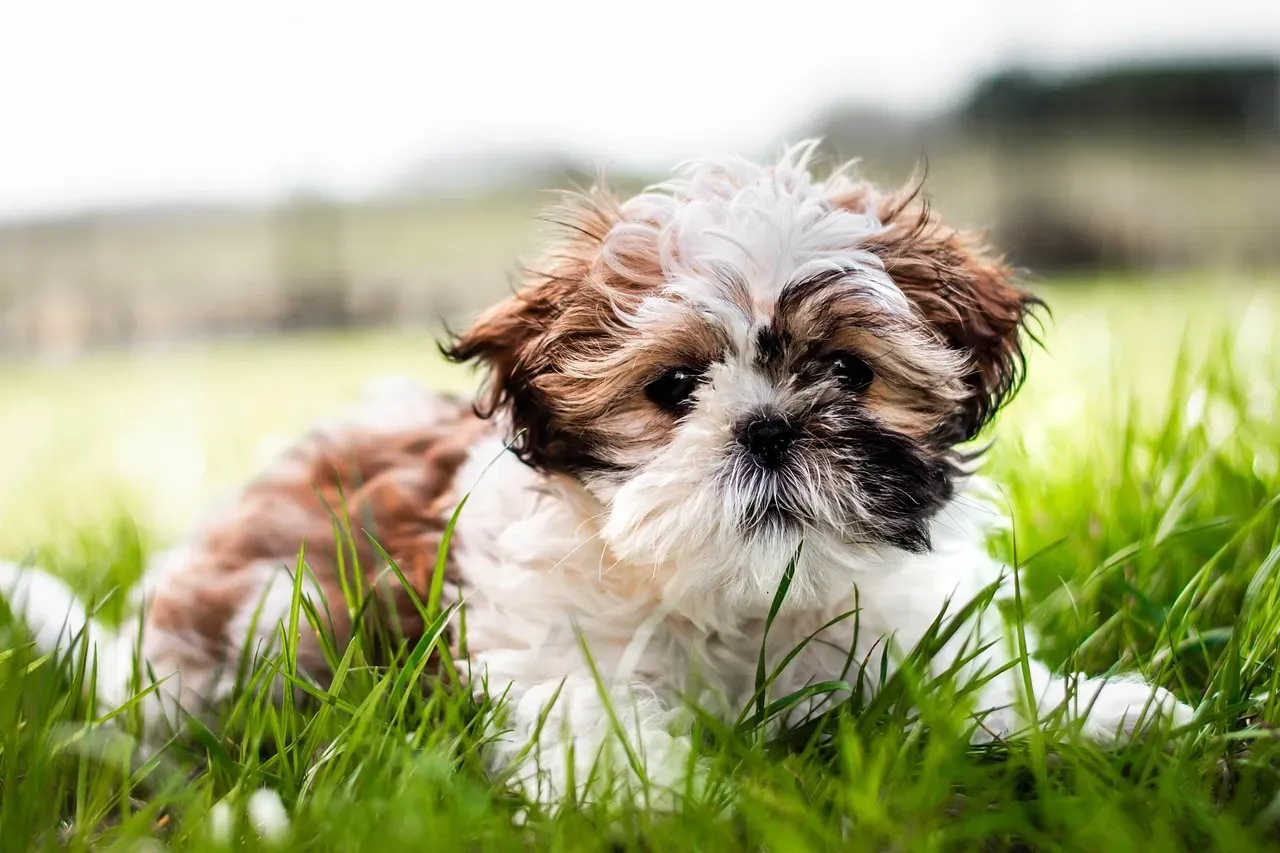
Shih Tzus are charming companions well-suited for apartment life. Their calm demeanor and small size make them adaptable to indoor environments. They are affectionate and thrive on human interaction. These dogs have a luxurious coat that requires regular grooming. They are comfortable in small spaces and enjoy a relaxed lifestyle. Shih Tzus do not require intense physical activity and are happy with short walks. Their affectionate nature and adaptability make them excellent companions for apartment dwellers.
Shih Tzus are well-suited to warm regions when properly cared for, where their low activity level supports easy adaptation. Their cheerful personality and small size make them strong contenders for city living. Their flat muzzle means they share the same heat sensitivity as Pugs and French Bulldogs, so air conditioning and shaded walks during summer months are important. The Shih Tzu can be bold and fairly high-energy, though not in a way that automatically overwhelms apartment life. It has a short muzzle, so hot weather needs caution, and its small size means the home should feel safe and manageable.
8. Greyhound: The Surprising Apartment Athlete
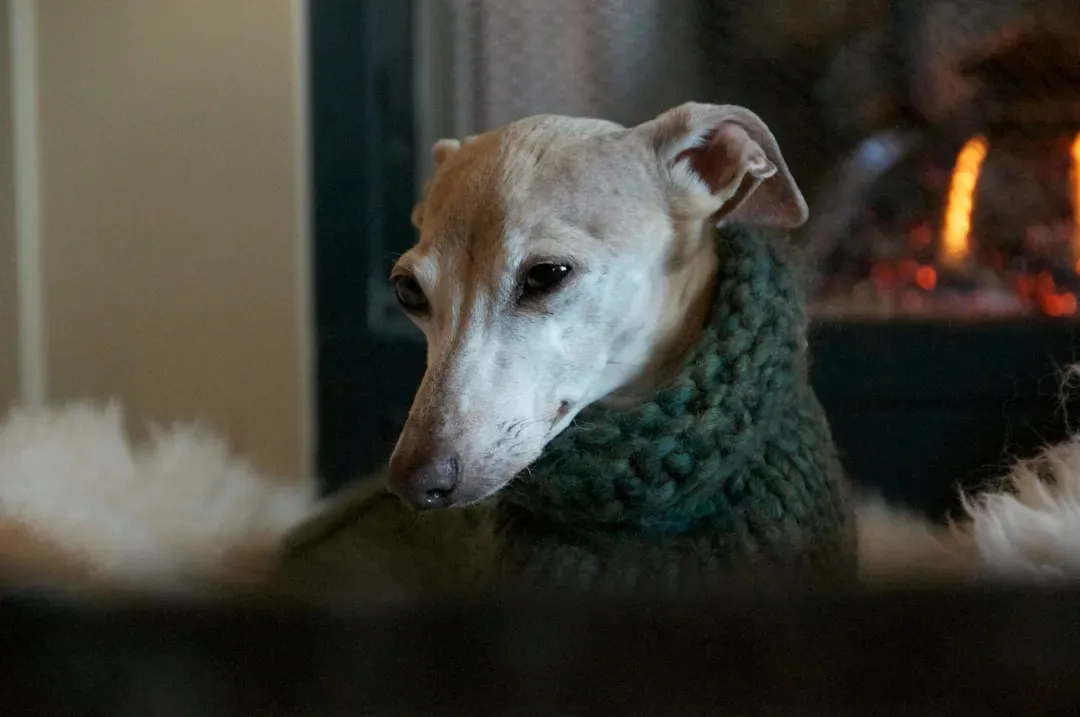
This one always catches people off guard. A Greyhound, in a city apartment? The most common misconception concerning Greyhounds is that they are hyperactive. It is actually the opposite. Greyhounds are an inquisitive, gentle, mild, quiet animal by nature. The Greyhound is basically a quiet dog and will spend much of its time sleeping in the corner of the room, unless you allow it a spot on the sofa. Despite their racing background, retired Greyhounds are among the best dogs for apartment living.
Despite their athletic build, Greyhounds are not high-energy dogs. They need about two 20 to 30 minute walks daily. They love short bursts of running, but generally spend the bulk of their day snoozing. As long as they get their daily exercise, they’re well suited to urban apartment living. One practical health note: the thin skin and coat of Greyhounds make them sensitive to temperature changes. These dogs need warm coats outdoors during winter, and summer calls for dog-safe sunscreen on exposed areas to prevent sunburn. Always keep Greyhounds on a leash in unsecured areas, as their prey drive is strong and their speed is extraordinary.
9. Basenji: The Quietly Fascinating Ancient City Dog
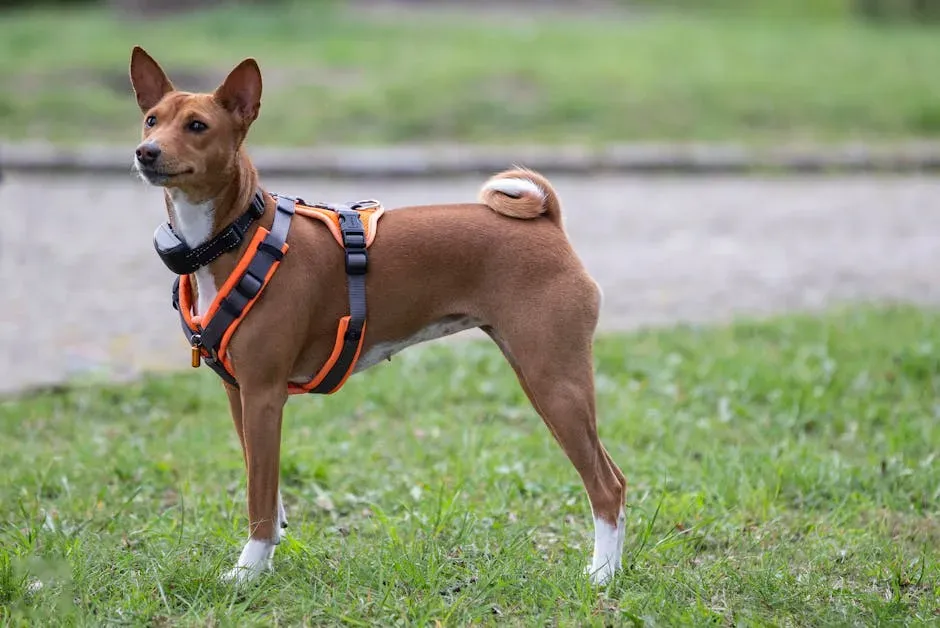
The Basenji, often referred to as the “barkless dog,” is known for its independent and curious nature. The breed does not bark in the traditional manner of most dogs, rather vocalising in an unusual, yodel-like “talking” sound, due to its unusually-shaped larynx. This trait earns the Basenji its nickname of the “barkless” dog. The pros are genuinely unusual: no barking, no shedding to speak of, no odor, and a compact 22 to 24 pound size. They’re fastidiously clean, easy to groom, and endlessly entertaining in their cat-like behaviors.
That said, the Basenji is not for everyone. The Basenji can be aloof and independent, but they also need extended exercise and play sessions to keep them out of trouble. They can be wary of strangers and might not do well with small children, who can make Basenjis anxious with their unpredictable behavior. Early socialization and training are vital for helping a Basenji dog thrive. Without enough exercise and mental stimulation, Basenjis can be destructive. For the right owner, someone experienced with independent breeds, active enough to meet their exercise needs, and able to fully Basenji-proof their apartment, this breed is a fascinating, low-odor, low-noise, and utterly unique companion.
10. Maltese: A Centuries-Old Apartment Dog
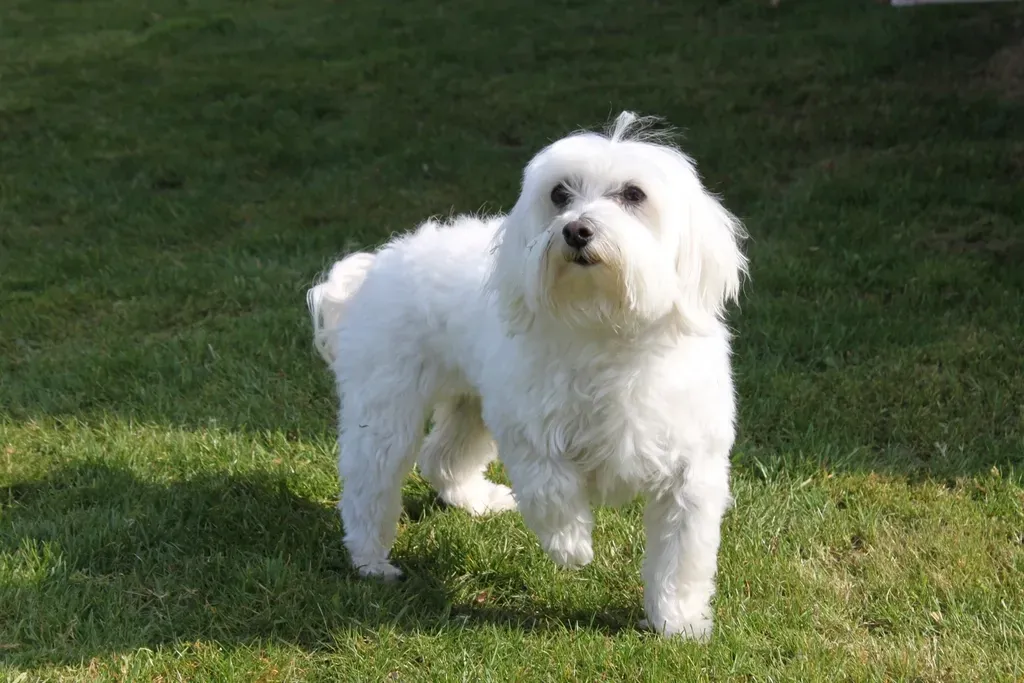
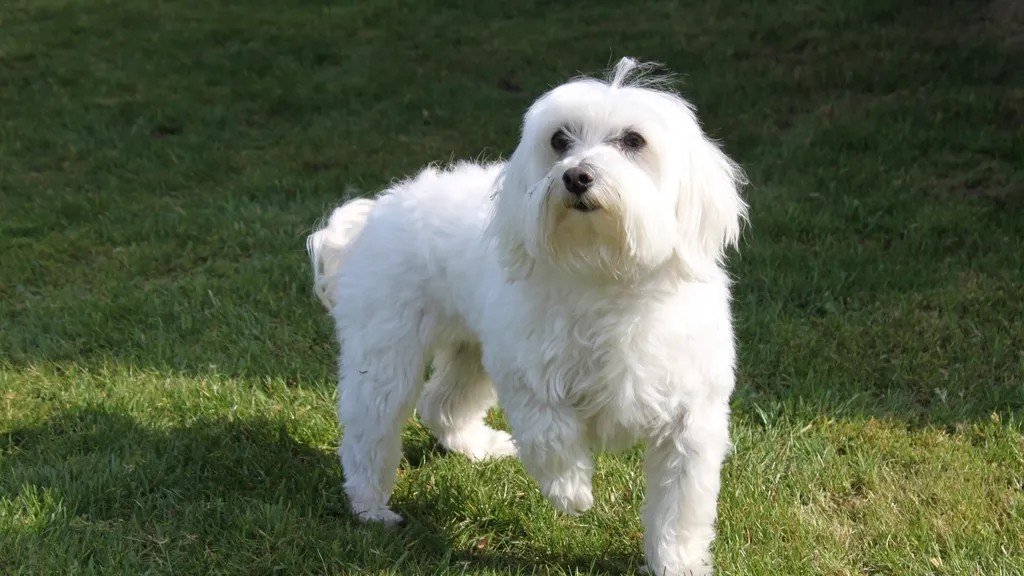
The Maltese is one of those tiny dogs that was literally bred for indoor companion life going back thousands of years. Ancient Greek and Roman nobility kept them as indoor companions. So yeah, small spaces, they are completely at home! These furry companions are especially adapted to apartment living as they do not require much space or exercise. Daily walks of a short duration paired with minimal exercise generally keep them happy and give them a healthy life.
The compact Maltese is a popular choice for apartment living due to its small size, gentle demeanor, and minimal shedding, making them well-suited for indoor living. These furry friends are characterized by strong attachment to their owners. Maltese pets love to spend most of their time with their families. They are very lightweight but surprisingly vibrant and cheerful. Their long, silky white coat is beautiful but does require consistent grooming, so budget for regular professional grooming sessions or make it a part of your own daily routine at home.
What Every City Dog Owner Should Remember
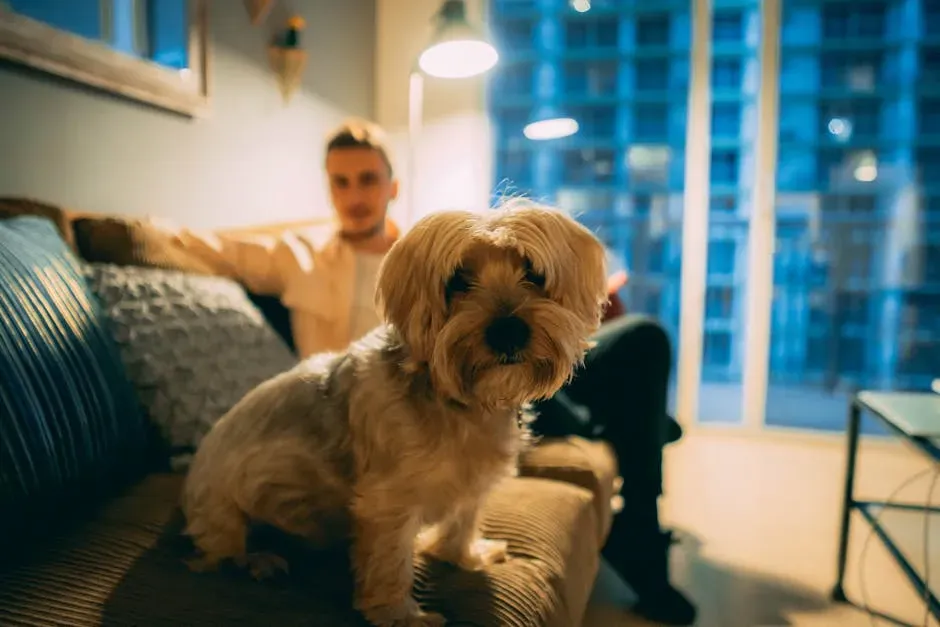
Good apartment dogs share specific traits that make them exceptional companions for urban living: they’re adaptable, relatively quiet, and content with indoor activities supplemented by regular walks. Good apartment dogs usually have moderate to low energy levels and minimal barking tendencies. Urban dogs often need more frequent grooming due to pollution and limited outdoor space for natural coat maintenance.
Smart city dogs adapt well when introduced gradually to new sounds and routines. Early socialization helps them handle noise confidently, and steady human companionship reduces stress. With proper training, many become excellent city companions. Teach calm behavior through short, positive training sessions and slow exposure to busier areas. Living in a big city means that your pup might be more exposed to germs and illnesses because they will likely encounter more dogs. As such, make sure to take your dog for regular vaccinations. These checkups will help keep your pup healthy and can prevent them from getting diseases or parasites they may be exposed to.
Conclusion: The City Is Big Enough for Both of You
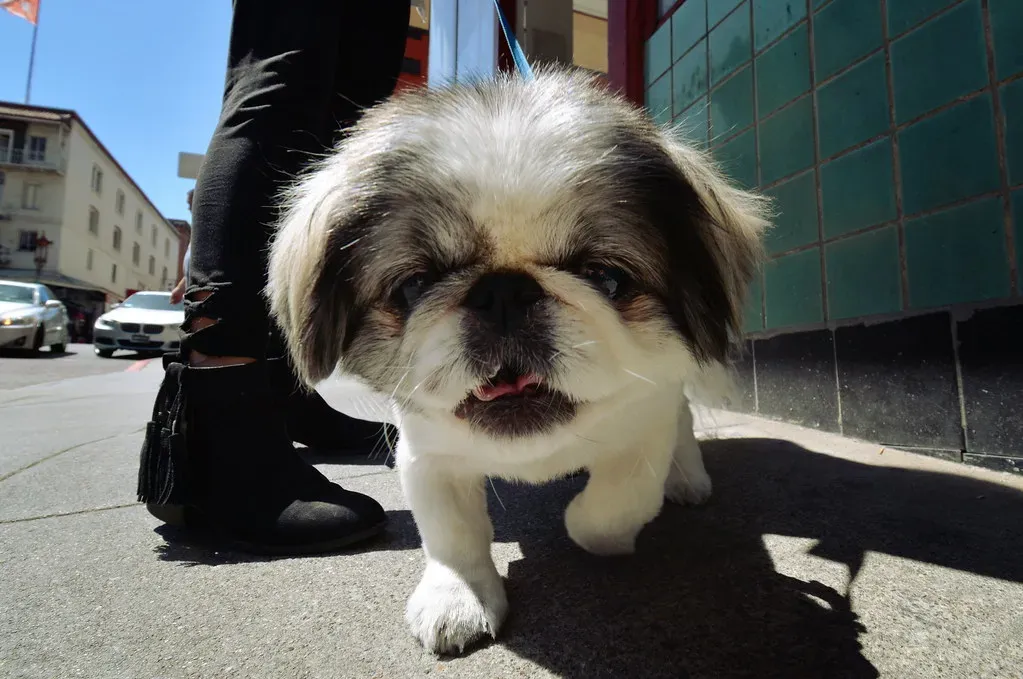
Choosing a dog for urban life isn’t about finding a pet that “makes do” in a small space. It’s about finding one who genuinely fits your world. Certain dogs thrive in smaller living spaces because their temperament, activity levels, and adaptability align naturally with urban life. They settle comfortably into tighter environments while still offering the warmth, loyalty, and personality that make dogs unforgettable companions.
Dogs that receive an appropriate amount of exercise, stimulation, and nutrition will be just as happy in an apartment as a house, including large dogs. As long as you walk and play with your dog enough to satisfy its energy levels, dogs do not mind living in smaller spaces. The ten breeds above show how varied and wonderful urban dog ownership can be, from the snuggly Maltese to the quietly regal Greyhound.
Every dog on this list brings something different to the table. The real question isn’t whether your apartment is big enough. It’s whether you’re ready to be the city-smart, consistent, and caring owner your dog deserves. When that answer is yes, the size of your living room stops mattering almost immediately.


