

You come home after a long day, walk through the front door, and find your favorite throw pillow in seventeen pieces. Your dog looks up at you with innocent eyes, tail slowly wagging. Sound familiar? Before you chalk it up to mischief or bad manners, there’s a good chance your dog was simply trying to cope with a very real problem – boredom.
Studies have found that animals, similar to humans, become bored and can develop signs of depression or anxiety if left understimulated for long periods of time. The tricky part is that dogs can’t tell you they’re bored in words. While your pup might not be able to tell you they’re bored with words, they absolutely let you know through their behavior. Once you know what to look for, you’ll never misread those signals again.
1. Destructive Chewing That Goes Beyond Normal

There’s a difference between a puppy gnawing on an appropriate chew toy and a dog systematically dismantling the leg of your coffee table. Chewing is a natural behavior in dogs, especially in puppies who teethe to help ease their sore gums, but compulsive chewing that isn’t typical of certain breeds may be one of the signs your dog is bored. If you’re noticing the chewing happen more often and on more things, the root cause is almost certainly understimulation.
Dogs that are left alone for extended periods of time without mental stimulation will become bored and may resort to chewing on interesting objects that they find around the house to pass the time. The fix starts with providing safe, appropriate outlets. Offering long-lasting edible chews is a great way to curb bad behaviors – they satisfy the need to chew, promote better dental health, and occupy their time.
2. Excessive Barking or Whining at Seemingly Nothing

Constant barking, whining, or howling at nothing in particular often means your dog is trying to fill a mental void. Vocalizing can help them release tension or get a response from you or passers-by near the fence line. It can feel frustrating as an owner, but understanding the motivation makes it much easier to address.
Barking is an innate behavior in dogs that facilitates communication. Some breeds, like Beagles and Icelandic Sheepdogs, are typically more vocal. Persistent barking for no apparent reason, however, can indicate a lack of stimulation. If your dog is relatively quiet most of the time but suddenly starts barking at walls, fences, or the air, take it as a message rather than a nuisance.
3. Restlessness and Constant Pacing

Does your dog wander aimlessly around the house or pace back and forth near the door? This kind of restlessness is often a sign that they need something to do – whether it’s exercise, playtime, or a good ol’ sniffari in the yard. Pacing without purpose is one of the more telling signs that your dog’s energy has nowhere productive to go.
You may be ready to relax after a walk, yet your dog continues pacing, circling the room, or struggling to settle. This behavior usually reflects leftover physical or mental energy that has not been used up throughout the day. Try adding a short training session or a puzzle feeder before settling in for the evening – it can make a real difference in how quickly your dog winds down.
4. Digging Up the Backyard (or the Furniture)

Digging is inherent to certain breeds. Terriers, for instance, have a natural inclination to dig rooted in their historical role. Digging habitually, however, can indicate a lack of stimulation. When a dog has no meaningful outlet for that drive, the backyard becomes a DIY excavation project.
A bored dog who is left alone will find an available way to keep occupied. If left outdoors, that can translate to excessive digging. A practical solution is to designate a specific digging area in your yard, hide toys or treats in it, and redirect the energy productively. A digging box in the backyard would be a perfect gift for these dogs. Use a doggy swimming pool or build a sandbox and fill it with dirt or sand, then bury special toys for your dog to find.
5. Stealing Your Things and Running Off With Them

Your sock goes missing. Then your TV remote. Then a shoe you were pretty sure you’d put away safely. Changes in a dog’s environment can result in boredom – say, for example, a favorite human is working longer hours and doesn’t demonstrate the typical level of attention to the dog. In these cases, the dog may find a way to seek attention in other ways, which can take the form of stealing items and running away with them to get attention or to start a fun game.
The behavior is clever, really. Your dog has figured out that grabbing your belongings triggers a reaction. Dogs quickly learn how to draw focus back to them, and even unwanted attention feels rewarding when they are bored. Instead of chasing them around the house, redirect with a toy swap and offer praise when they bring the toy instead. Consistency here goes a long way.
6. Over-the-Top Excitement When Anyone Arrives

Jumping, barking, and practically bouncing off the walls whenever anyone comes through the door could be a sign that your pup is under-stimulated and craving more consistent interaction. Sure, dogs love their people – but a well-stimulated dog greets guests with enthusiasm, not frantic desperation.
Think of it this way: if your dog’s entire social highlight of the day is the moment you walk through the door, that’s a lot of anticipation stored up. Socialization isn’t just for puppies. Even adult dogs benefit from being exposed to new people and places. It’s mentally stimulating and a great way to combat doggy boredom. Mixing up their day with walks to new places or short playdates can lower that pressure-cooker level of excitement considerably.
7. Clingy Shadowing Behavior

We all love when our pets are affectionate – but if your dog is sticking to you like glue and shadowing your every move, it may be their way of telling you they’re bored, anxious, or in need of more stimulation. There’s a meaningful difference between a dog who settles near you contentedly and one who follows your every step as though their life depends on it.
Most dogs appreciate everyday affection, but if your pup is following you constantly or trying to get your attention, it might be a sign of boredom. When clinginess is paired with other behaviors on this list, it’s a strong indicator that your dog’s mental and social needs aren’t being met. Short, structured activities throughout the day can help them feel secure enough to relax independently.
8. Compulsive or Repetitive Behaviors

Tail chasing, excessive licking, or spinning in circles can develop into compulsive behaviors when dogs don’t have enough enrichment or healthy outlets to focus their mind and body on. What starts as a quirky habit can slowly escalate into something harder to interrupt. Pets can develop impulsive actions as a form of obsessive-compulsive disorder, and usually as a result of stress, anxiety, or boredom, they will continually repeat a behavior.
An estimated sixteen percent of dogs are known to engage in repetitive behaviors, and it’s often triggered by frustration, stress, or boredom. If you notice your dog spinning, licking paws obsessively, or chasing their tail well into adulthood, it’s worth a conversation with your vet. A vet visit can help rule out underlying health or behavioral issues that can appear similar to boredom, such as skin or neurologic issues, or generalized pain.
9. Excessive Paw Licking or Self-Grooming

Persistent licking or chewing of paws and legs can become a boredom coping habit. While it can be stress related, ongoing grooming should be checked by a vet to rule out allergies, pain, or other medical causes. This one is easy to dismiss as normal grooming, which is exactly why it gets overlooked for so long.
Licking the floor or body areas becomes a potential problem when it lasts longer than a few minutes, is habitual, or is happening more frequently – a repetitive behavior that signals something may be amiss. Context matters here. If your dog is licking themselves constantly, especially when there’s nothing else going on in their environment, boredom is a serious possibility worth exploring before assuming it’s purely physical.
10. Sleeping Far More Than Usual

Dogs do sleep a lot – that’s not news. A healthy adult dog typically sleeps anywhere between twelve and fourteen hours a day. The concern arises when a previously active, curious dog suddenly starts napping through the bulk of their waking hours. A once-playful pup who now sleeps all day? Boredom, not laziness, is likely the cause. Dogs who aren’t mentally or socially engaged may become anxious, withdrawn, or depressed.
Bored dogs who don’t receive adequate enrichment may start to sleep more or engage in repetitive behaviors like chewing, pacing, or barking. Although these behaviors can be indicative of other problems like separation anxiety, fear, or a health issue, they’re also linked to boredom. If lethargy comes on suddenly or is paired with changes in appetite, a vet check is always a smart first step before assuming it’s a boredom issue alone.
11. Getting Into the Trash or Scavenging for Food

Bored dogs might turn to food as a source of entertainment, leading to overeating or scavenging for scraps. Raiding the trash isn’t always hunger – sometimes it’s just the most interesting sensory experience available in a dull environment. Smells, textures, and the sheer activity of rooting through a bin can be surprisingly satisfying to an under-stimulated dog.
Boredom does not stay in the mind alone. Some dogs eat more out of comfort, constantly searching the kitchen for stimulation. Others lose interest in food or sleep far more than usual, appearing withdrawn or flat due to a lack of engagement. Switching to puzzle feeders or scatter feeding at mealtime gives your dog a constructive outlet that channels the same foraging instinct into something appropriate and genuinely enriching.
12. Ignoring Commands They Know Well

If your normally well-behaved dog is suddenly ignoring commands they usually follow or seems to overreact to simple cues, their focus is elsewhere. An over-aroused or understimulated dog finds it hard to concentrate, making training and obedience suffer. It can feel like a step backward, especially if you’ve put real time into training. Try not to take it personally.
A dog whose brain is starved for stimulation simply can’t focus the way a well-exercised, mentally satisfied dog can. Giving your dog’s brain a workout is as important as exercising their body, and it’s equally exhausting. Short, engaging training sessions before asking for obedience can reset their focus and make them far more receptive to your cues. Five minutes of “find it” games can do more than a thirty-minute walk on the same familiar route.
13. Attempting to Escape the Yard
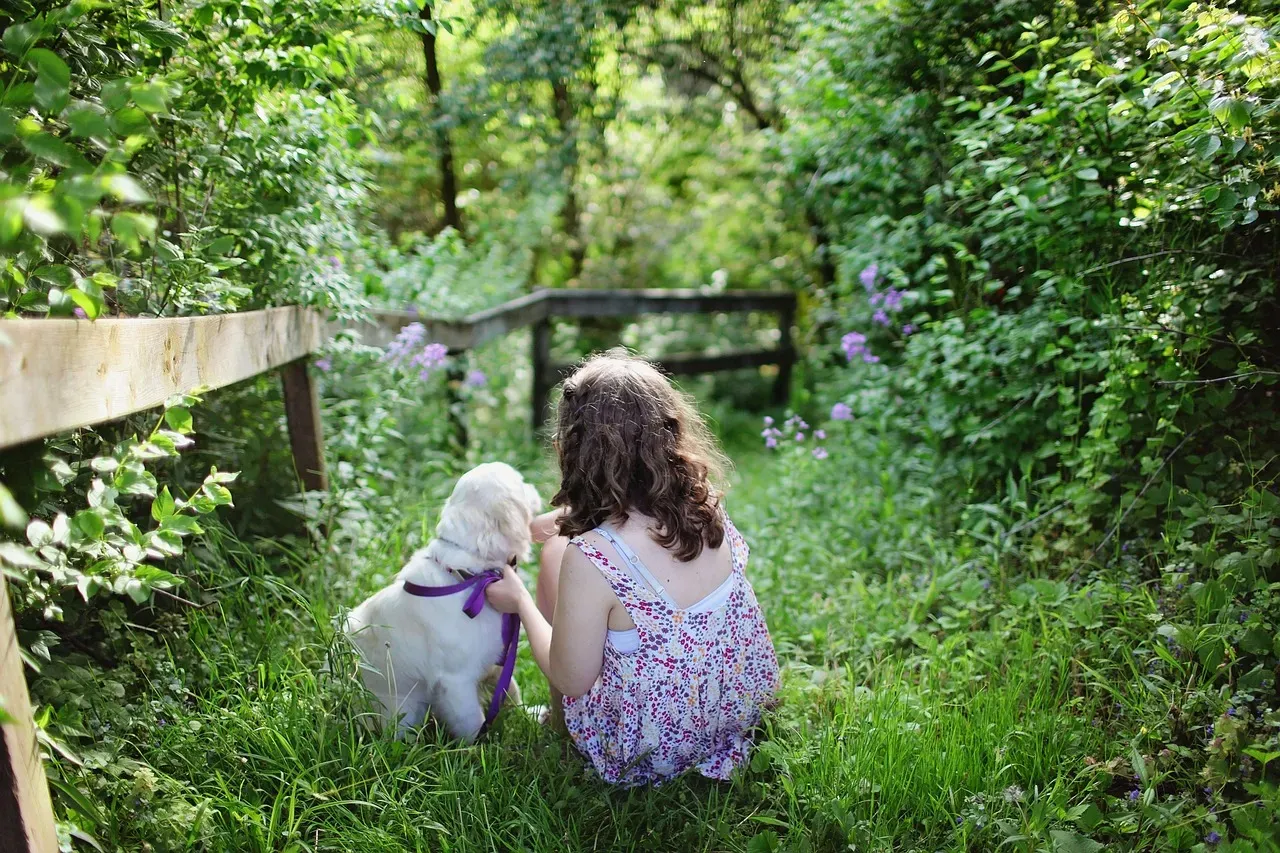
Trying to dig under fences or escape the yard can be a dog’s way of seeking adventure when bored. This one carries real safety risks, which makes it one of the more urgent signs to address. A dog that’s desperate enough to squeeze under a fence or jump a gate is telling you their current environment simply isn’t meeting their needs.
Many dogs respond to understimulation by seeking their own outlets, which can include digging, chewing, shredding objects, or barking for attention. These behaviors are often an attempt to create activity or stimulation when their needs aren’t being met. If boredom persists over time, frustration can build and the behaviors may intensify, sometimes becoming more difficult to manage. Addressing escape attempts early, before they become habits, is far easier than breaking a well-practiced routine later.
14. Random Bursts of Frantic Energy (Zoomies That Won’t Quit)

Most dog owners have seen the zoomies – that delightful sprint around the living room that seems to come from nowhere. Occasional zoomies are perfectly healthy. It’s usually harmless, but when those zoomies happen five times a day or turn into destructive behavior, your dog might not just be excited – they might be bored. There’s a distinction between a happy release of energy and a sign that too much is being stored up with nowhere to go.
Mental work is more tiring than physical activity. Mental stimulation can tire a dog faster than a walk alone. So if your dog’s zoomies feel frantic rather than playful, try adding a brain-focused activity before the walk rather than relying solely on physical exercise. Mental stimulation can take many forms, and the best options depend on your dog’s age, personality, and energy level. Activities such as food-puzzle toys, snuffle mats, scent-work games, and short positive-reinforcement training sessions are excellent ways to engage your dog’s mind.
What to Do When You Spot These Signs

Recognizing the signs is genuinely half the battle. Once you can read what your dog is trying to communicate, you can respond in a way that actually helps. Treating boredom is more than adding toys or going on longer walks – it involves a thoughtful plan that meets a dog’s mental, physical, and social needs while supporting their ability to relax and engage appropriately with their environment.
Dogs who are bored often improve with increased enrichment and structured activity, while dogs with anxiety may continue destructive or repetitive behaviors even in a stimulating environment. If you’ve made genuine changes to your dog’s routine and the behaviors persist, a veterinary check is always worth it. If you notice signs of boredom in your dog, see a veterinarian to rule out any health issues not related to boredom, and if your dog gets the all-clear, chat with your vet about how to create more enrichment in their lives.
A consistent daily routine can help establish clearer transitions between rest, activity, and feeding times, reducing frustration and making it easier for dogs to settle between activities. Variety within structure is the sweet spot – predictability makes dogs feel safe, while novelty keeps them engaged.
Conclusion: Your Dog Is Talking. Are You Listening?

Boredom in dogs isn’t a character flaw or a training failure on your part. It’s a signal – one that every dog sends in their own particular way. Some shred pillows. Some pace. Some just stare at you with a weight in their eyes that no amount of scrolling on your phone can make you ignore. Boredom in dogs is more common than most pet parents realize. By recognizing the signs early and giving your pup new ways to stay active and engaged, you’ll be investing in their overall well-being.
The good news is that most of these behaviors don’t require expensive solutions or dramatic lifestyle changes. Typically, beating boredom doesn’t require a full-time schedule of activities – just the right mix of mental and physical enrichment. A new walking route, a puzzle feeder, ten minutes of training, a backyard sniff session – small changes stack up. Your dog doesn’t need a packed calendar. They just need to feel like their world is worth paying attention to. That’s a gift you’re more than capable of giving them.


