
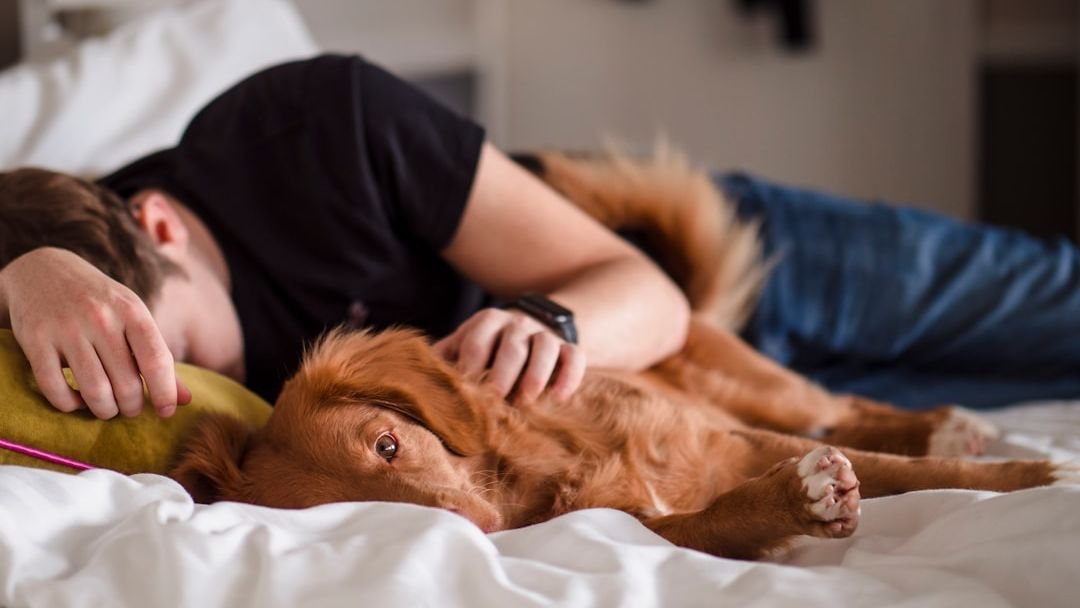
Most of us say thank you with words, a card, or a warm smile. Dogs can’t do any of those things. What they can do is something arguably more honest: they show it with their whole body, their habits, and the way they choose to spend their time close to you.
The tricky part is that most of these signals pass by completely unnoticed. A slow tail sweep, a heavy sigh on the couch beside you, a favorite toy dropped at your feet – these aren’t random behaviors. They’re a language. If you pay close attention to their facial expressions and body language, there are many ways in which dogs show gratitude and appreciate you. Once you start recognizing them, you’ll realize your dog has been saying “thank you” on a regular basis.
1. The Full-Body Tail Wag That Takes Over Their Entire Rear End
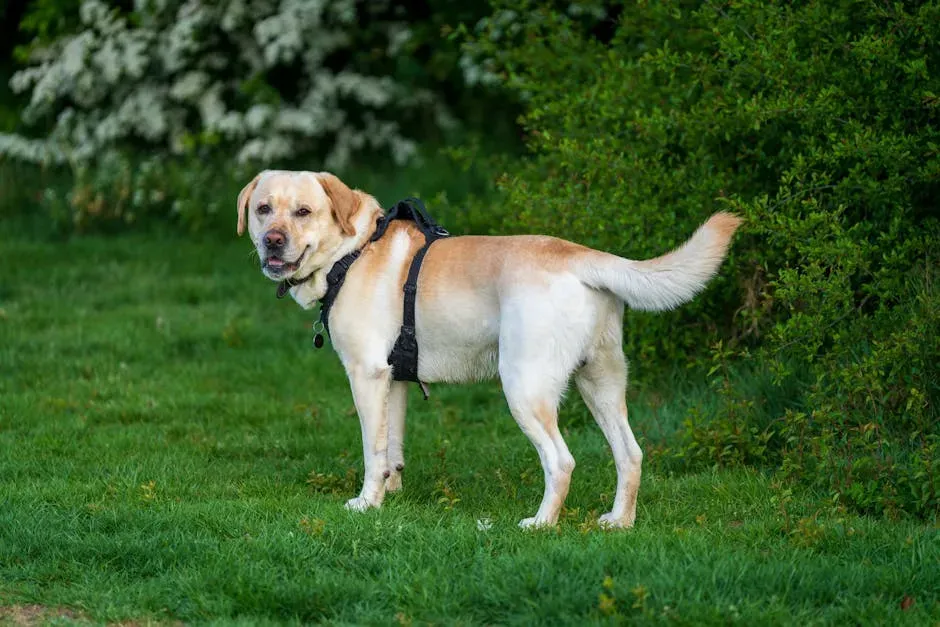
Not every tail wag means the same thing, and that distinction matters more than most people realize. To interpret your dog’s emotions and intentions, look at the speed and direction of the wag, as well as the position of the tail. Basically, the faster the wag, the more aroused the dog. Those long, slow, side-to-side tail sweeps your dog makes when greeting you – the type that wags the dog’s whole body – signal a relaxed dog.
One of the most common ways dogs show happiness and gratitude is through tail wagging, but not all tail wags are the same. When your dog’s tail wags in broad, sweeping motions paired with a relaxed body posture, it’s a clear sign of joy and thankfulness. This kind of tail wag often happens when your dog is excited to see you or after you’ve done something they love, like giving them a treat or taking them on a walk. Watch for the whole-body wiggle in particular. A tail held at a natural height that wags in wide, sweeping motions shows contentment and trust. The famous “helicopter tail” or full-body wiggle when you come home proves your dog is genuinely happy to see you.
2. Soft, Lingering Eye Contact
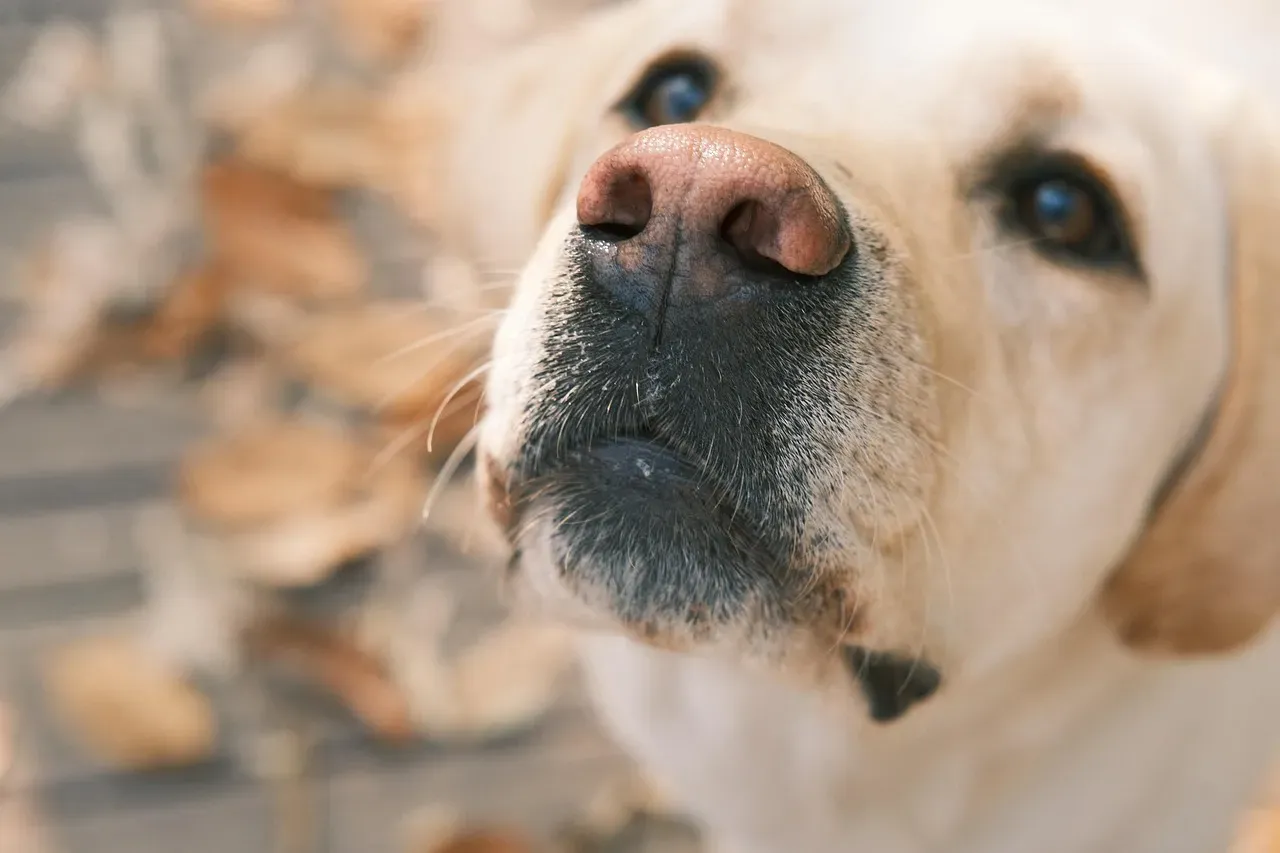
Dogs express trust and gratitude through eye contact. If your dog gazes softly into your eyes, it’s a loving sign of appreciation. Research shows that eye contact releases oxytocin – the “love hormone” – in both dogs and humans, strengthening your bond. That’s not a small thing. The same hormone tied to parental bonding in humans is being released when your dog simply looks at you.
Research from Japanese scientists has revealed that sustained eye contact between dogs and their trusted humans triggers the release of oxytocin in both parties. Mutual gazing between dogs and trusted humans strengthens emotional bonds, and this type of eye contact is different from the challenging stare dogs use with threats. If your dog holds your gaze with soft, relaxed eyes, that’s genuine connection, not coincidence.
3. Bringing You Their Favorite Toy
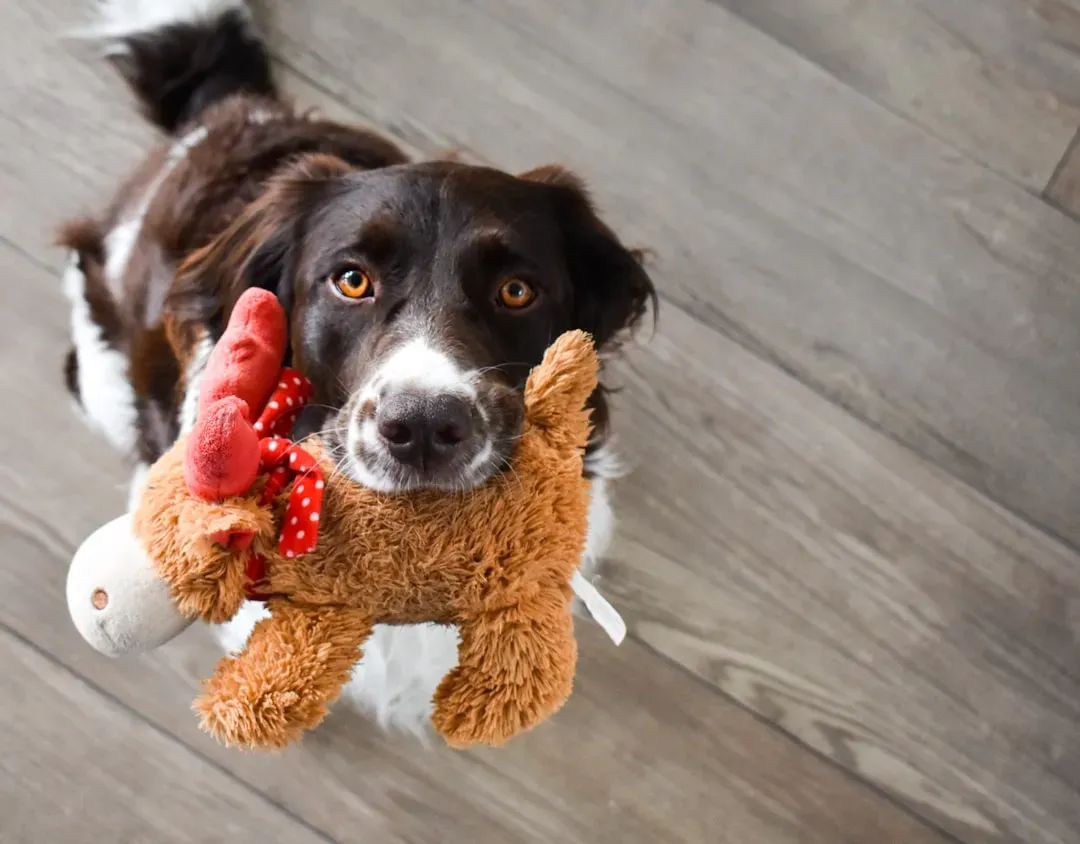
If your dog ever brings you their favorite toy, they’re not just asking to play. Dogs often share their prized possessions as a way to say “thank you.” It’s a sign of trust and appreciation, especially when they offer up something that’s valuable to them. Think about it from your dog’s perspective: that squeaky toy is essentially their most treasured item in the house.
Dogs have strong instincts that trace back to their wild ancestors, and many of their behaviors still reflect those deep-rooted tendencies. In a pack setting, canines share resources, bring food to one another, and use objects to strengthen their bonds. Bringing a toy to their human may be a modern expression of that instinct, representing an act of trust and companionship. This is particularly meaningful when a dog brings a favorite or well-worn toy, as it suggests that they view their owner as someone worthy of their most treasured possessions.
4. Leaning Their Body Against You
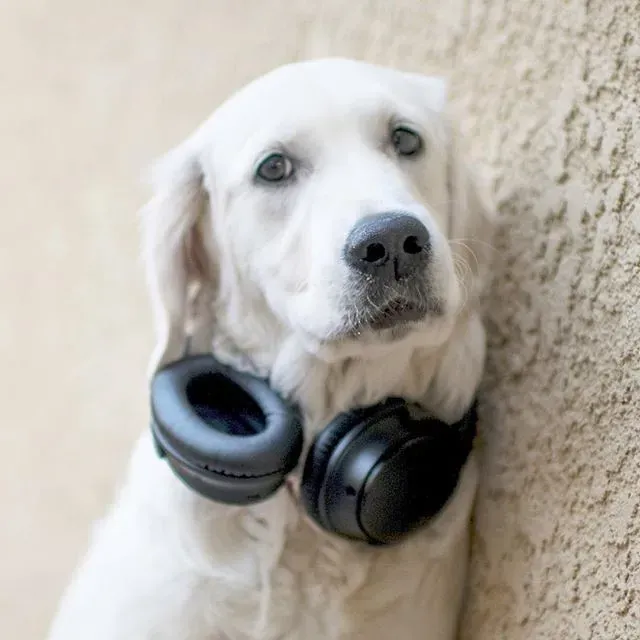
When your dog leans against you or presses their body close to yours, they’re saying they feel safe and trust you. This act of leaning is a subtle but powerful gesture of gratitude. It’s your dog’s way of thanking you for being their protector and providing them with a secure, loving environment.
You might notice this most after a walk, during a quiet evening on the couch, or after something slightly stressful like a vet visit. The lean isn’t incidental; it’s intentional physical closeness. Many dogs show their gratitude just by staying close to their owner. When your dog chooses your side over any other spot in the room, that choice is meaningful.
5. A Deep, Contented Sigh Next to You
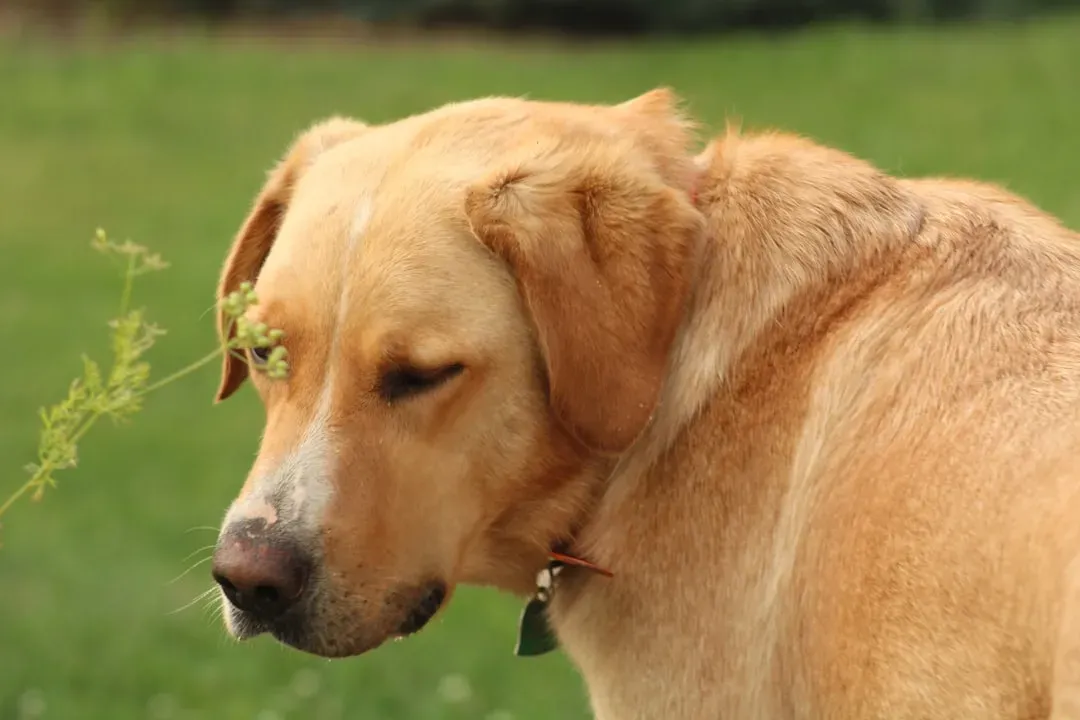
When a dog lets out a big sigh or takes a deep, contented breath next to you, it’s a sign of complete relaxation and happiness. This behavior often happens after a long day or a comforting moment, and it’s their way of showing gratitude for feeling safe and loved. When your dog sighs next to you, it’s their peaceful “thank you” for being their trusted companion.
This is one of the easiest signs to overlook precisely because it’s so quiet. There’s no action, no jump, no excitement. Your dog simply settles beside you and exhales completely. Happy dogs will typically face forward, sometimes with their mouth open, a loosely wagging low tail, soft eyes and relaxed ears. Content dogs have a relaxed body with a slight curve, alert ears, soft eyes, and a low tail wag. A full, slow sigh with all of those features combined tells you everything you need to know.
6. Face Licks and Gentle “Kisses”
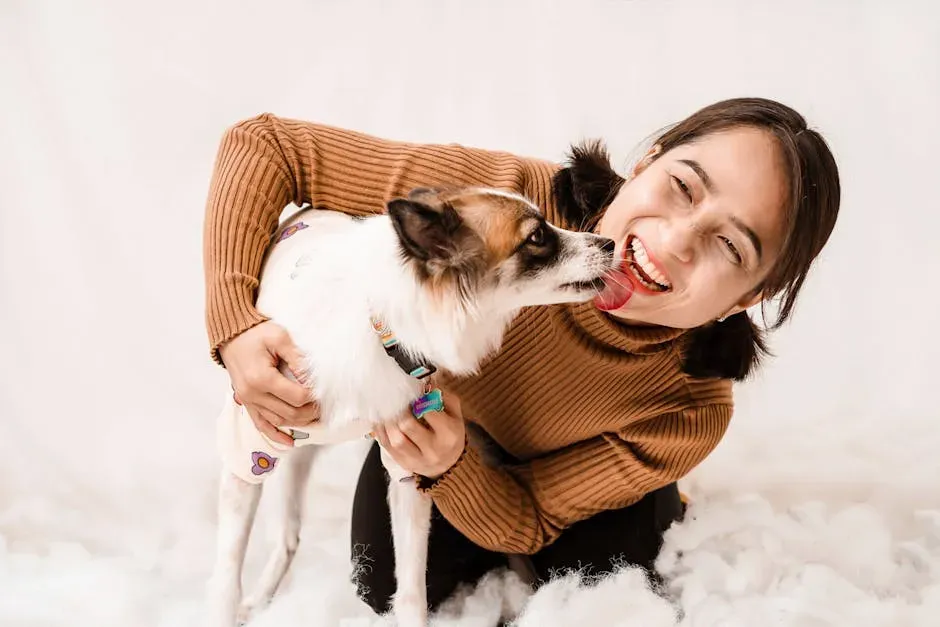
Licking is another way dogs express their gratitude. Whether it’s a gentle lick on your hand, face, or even your feet, your dog offers “kisses” as a form of appreciation. This behavior stems from puppyhood when dogs lick their mothers to show affection and bond. The next time your dog gives you a wet kiss, think of it as their way of saying “thank you” for all you do.
Licking another dog or human’s face is normal social behavior for dogs. Puppies lick their mother’s face to ask for food, or it can be a way for your dog to show affection, appeasement, or solicit attention. Licking your face is a way dogs show their love and gratitude to you. It’s also worth noting that your dog is choosing to be that close to your face – which in dog terms is a significant display of comfort and trust.
7. Following You From Room to Room
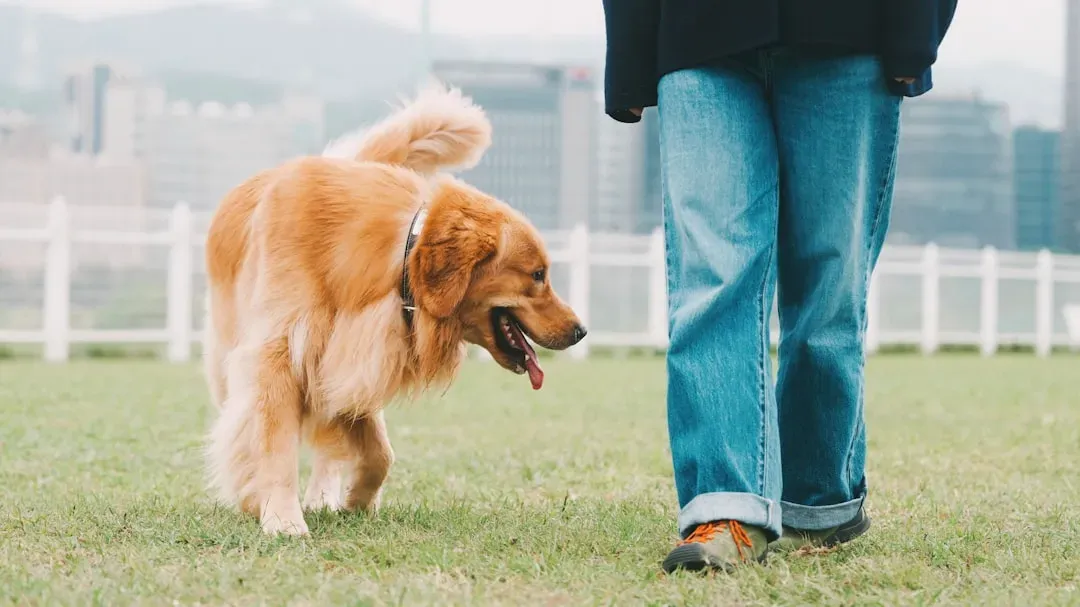
This behavior is their way of showing they’re thankful for you and enjoy your company. Dogs are pack animals by nature, so sticking by your side is their way of saying, “I love being with you, thank you for letting me be a part of your life.” It can feel a little comical at times, that shadow following you to the bathroom and back, but the intent behind it is deeply social.
You’re never alone when you have a dog, sometimes even when you want to be! The next time you trip over your dog while you’re cooking or listen to them scratch at the bathroom door, think of it as just another way to show they’re grateful to you. Trust behaviors include choosing to sleep near you, exposing their belly, bringing toys for play, eating calmly in your presence, and following you from room to room.
8. Exposing Their Belly to You
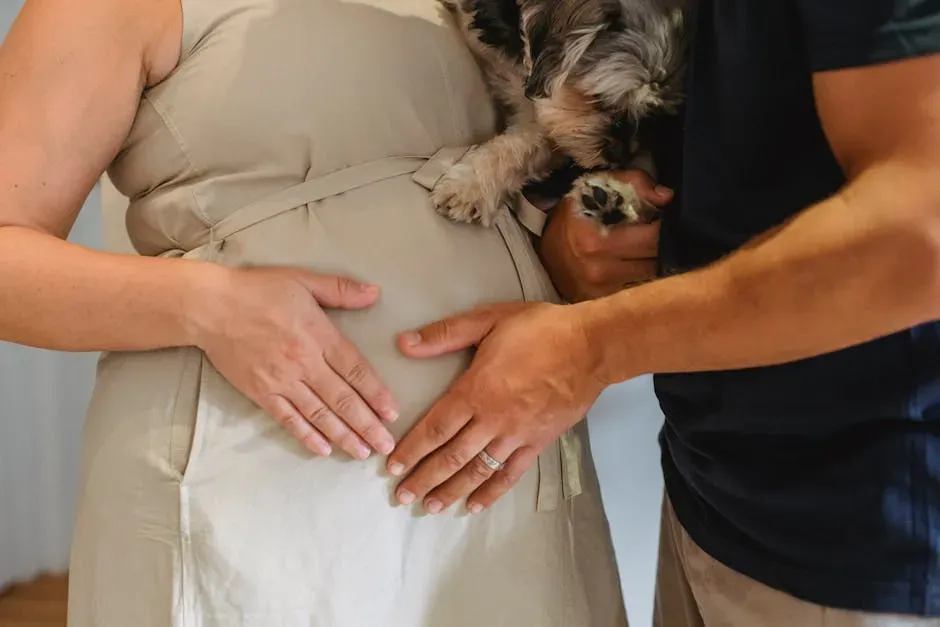
In the wild, showing one’s belly – the most vulnerable part of the body – is not something one does when on edge. So, when dogs expose their bellies to us, they say, “I trust you enough to show you my weakest spot.” This gesture communicates something that words never could: complete, unguarded safety in your presence.
Research conducted by the University of Lethbridge in Canada found that dogs who have positive relationships with their owners are more likely to show their belly as a sign of trust and affection. It’s worth noting, though, that context matters. A relaxed dog who wants a belly rub will have loose, wiggly body language – tail wagging, eyes soft, mouth slightly open. A dog who’s showing submission or stress will look tense, with a stiff body, tight mouth, and possibly avoidant eyes. The key is to read the full picture, not just the pose.
9. Seeking You Out When They’re Scared or Uncertain
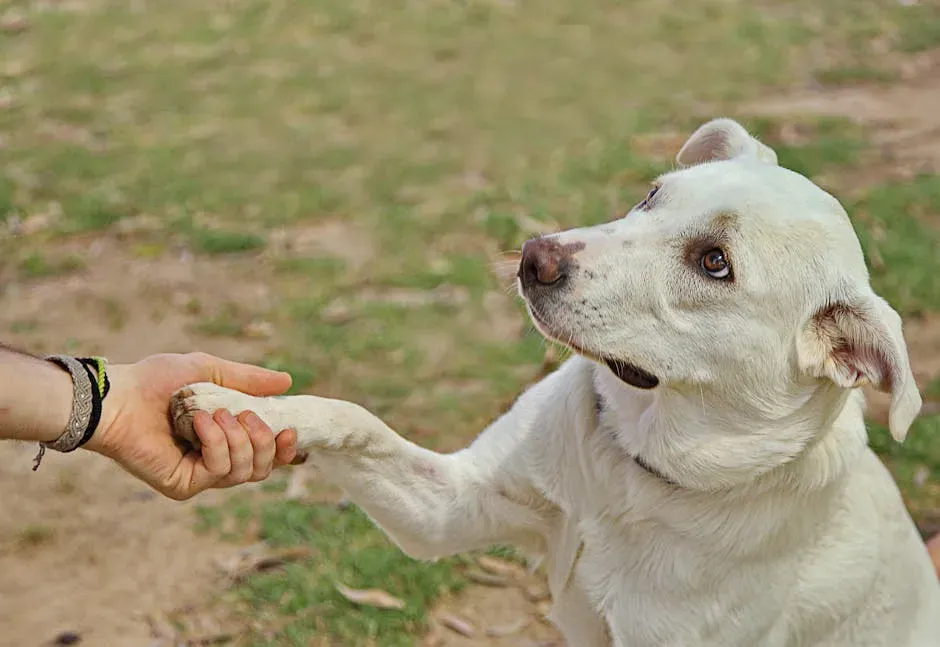
In new or potentially stressful situations, a trusting dog will look to their owner for cues about how to react. This “social referencing” behavior shows they value your judgment and rely on you for safety signals. When a thunderstorm rolls in or a strange noise startles them, your dog doesn’t run under the bed – they come to you. That says a lot.
A trusting dog sees you as a dependable source of food, safety, comfort, and guidance. They don’t flinch when you reach toward them, they come when called even in distracting situations, and they look to you for direction when uncertain. This kind of trust builds slowly through hundreds of small, positive interactions. Every calm response you give to their anxiety is essentially a deposit into the trust they place in you.
10. The Play Bow – Their Most Joyful Invitation
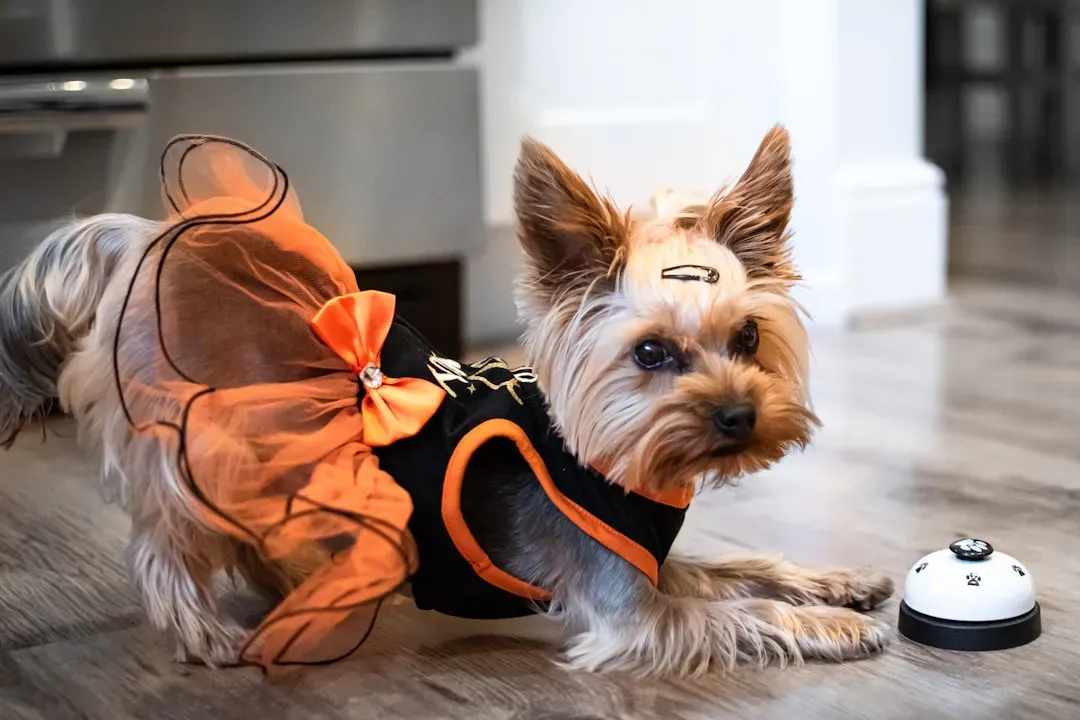
When your dog lowers their front legs, wags their tail, and gives you a playful look, it’s called a play bow. This gesture means your dog wants to play and have fun with you, which is one of the highest forms of appreciation. They’re saying, “I trust you, and I’m so happy to spend time with you.”
Dog play bowing is when the rear end of the dog is up while the front end is down. The play bow often means: “I want to play.” Dogs don’t invite just anyone to play. When your dog throws a play bow specifically at you, they’re expressing happiness and choosing you as their preferred playmate. That’s a compliment in its purest form.
11. Cuddling Up Close After a Meal or Long Day
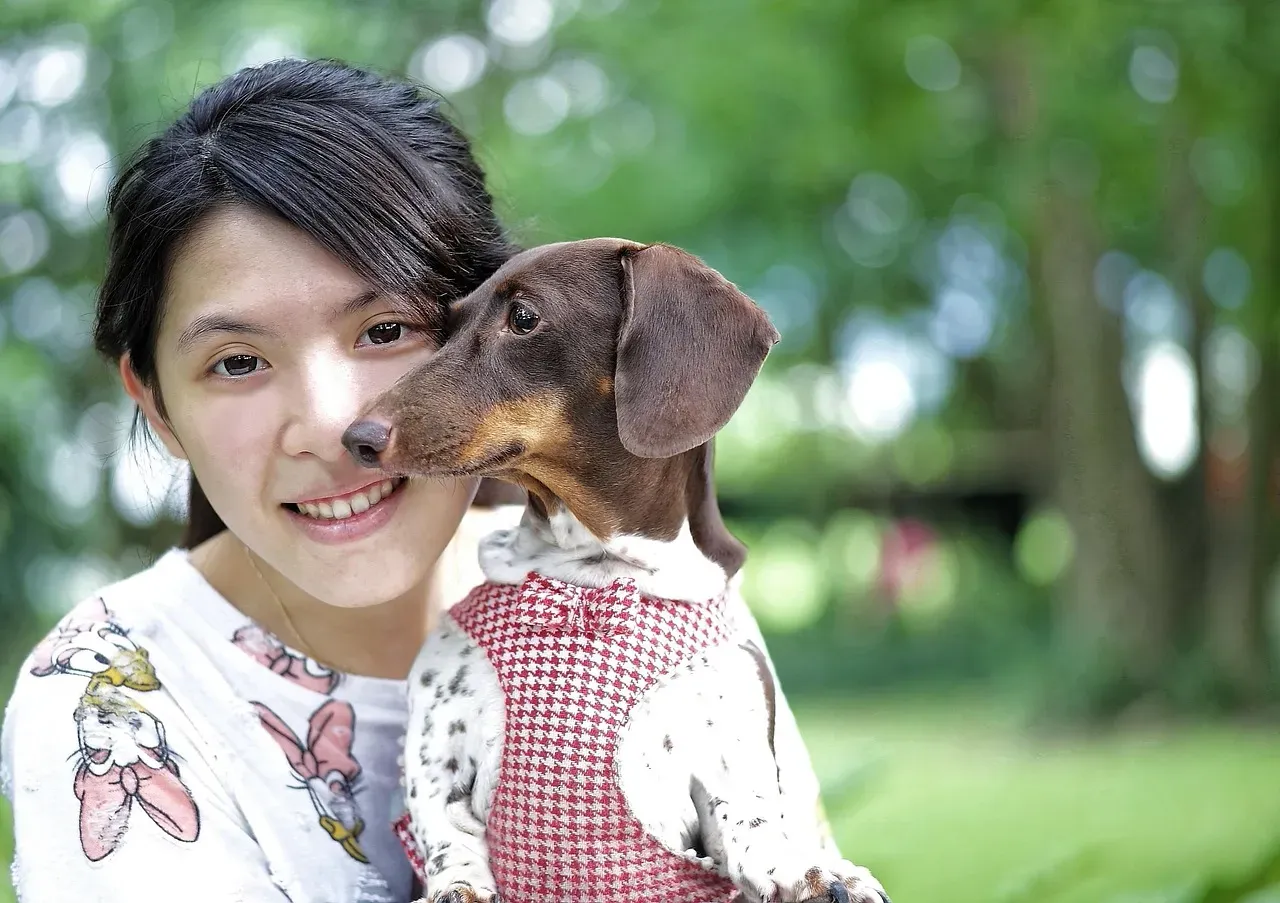
Dogs love to snuggle up close to their owners, especially after meals or a long day. This act of cuddling is a way for your dog to say “thank you” for your companionship and care. By curling up next to you, your dog is showing that they feel comfortable and loved in your presence, making snuggle time their quiet way of saying “thank you.”
Dogs like it when their owners hug them – it makes them feel loved and cared for. Similarly, dogs also cuddle you to say thank you. If you give them a treat or praise them, they will come to you for a cuddle. Notice which moments trigger this behavior in your own dog. Many owners find it happens consistently right after feeding time, which is one of the most natural expressions of post-care appreciation a dog can show.
12. Protecting You Around Strangers
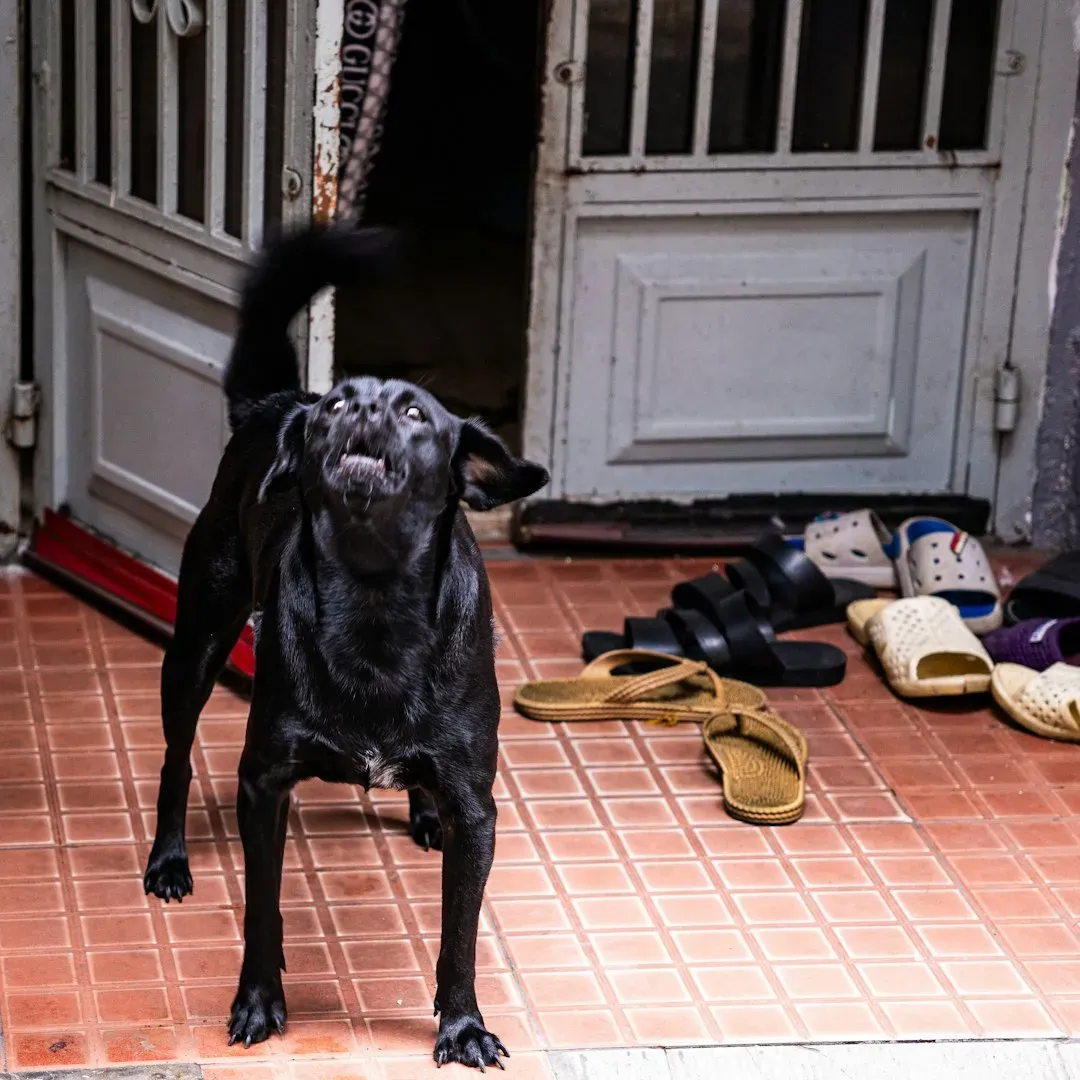
One way your dog demonstrates this bond and their gratitude for it is by protecting you. Some breeds are naturally more protective than others, but almost every dog shows a special closeness and awareness of their owner. They bark if someone they do not know comes to the door and stick close if a stranger stops to talk to you during their daily walk. They all have their ways of alerting their humans to potential danger, and many will do their best to protect you from harm.
A dog’s sense of loyalty is one of the species’ greatest qualities. Many of the dogs we train are rescue dogs, and there is strong reason to believe that most of them know they have been rescued, and are keen to show their new owners just how grateful they are. Whether trained or not, protective attentiveness toward you is one of a dog’s most instinctive ways of saying: “You matter to me.”
13. The Zoomies Right After Something You Did for Them
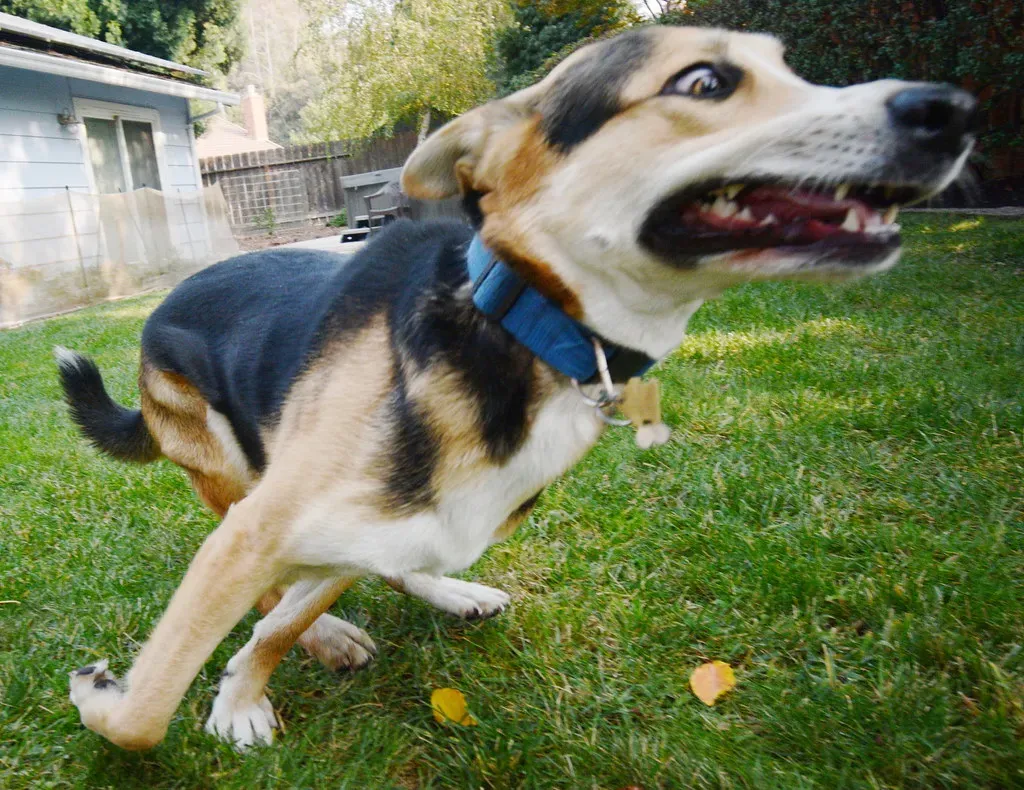
The zoomies – those random, high-speed bursts of energy – are often triggered by excitement and happiness. After receiving a special treat or after an enjoyable outing, your dog might suddenly start running around with glee. These energetic outbursts are their way of expressing pure joy and excitement, a fun and lively “thank you” for making them feel so happy.
Pay attention to when the zoomies happen. If they consistently follow a bath, a walk, a play session, or a tasty meal, it’s not random at all. Your dog is responding to something you provided, and they have exactly one way to express total, uncontained delight. Famed dog trainer Cesar Millan notes that dogs can’t lie, and that their feelings are immediately expressed through their body language, so you can tell exactly how they are feeling based on what they are doing.
14. Sleeping Near You or Making Physical Contact While Sleeping
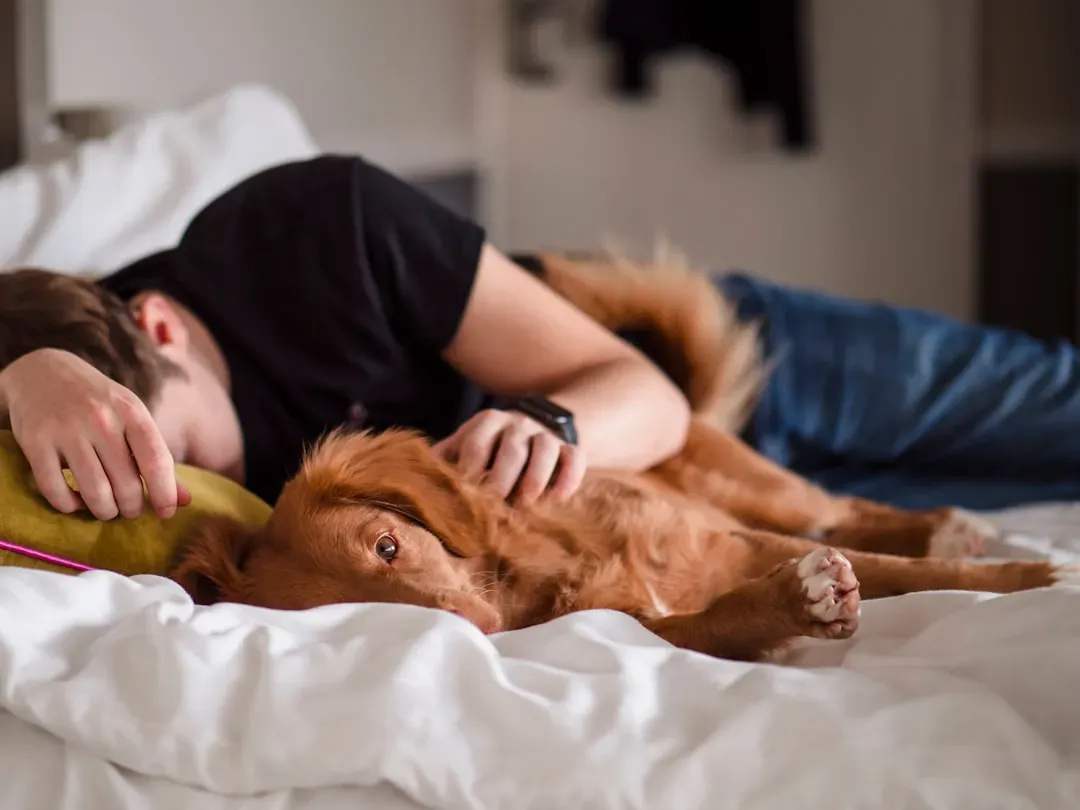
Dogs who trust their owners often choose to sleep in close proximity, whether that’s in your bedroom or actually against your body. This behavior stems from their pack mentality and indicates they view you as a protective, trustworthy figure. Sleep is among the most vulnerable states any living being can be in, and dogs understand that instinctively.
Sleeping near you or even touching you while sleeping shows deep trust. You’ll know you’ve earned deep trust when your dog shows you their most vulnerable self: sleeping deeply near you, exposing their belly freely, coming to you for comfort when scared, and staying relaxed during handling or medical care. When your dog chooses to rest pressed against your leg rather than on the comfortable bed you bought them across the room, that preference is a quiet but clear vote of confidence in you.
15. Calm, Relaxed Body Language Around You
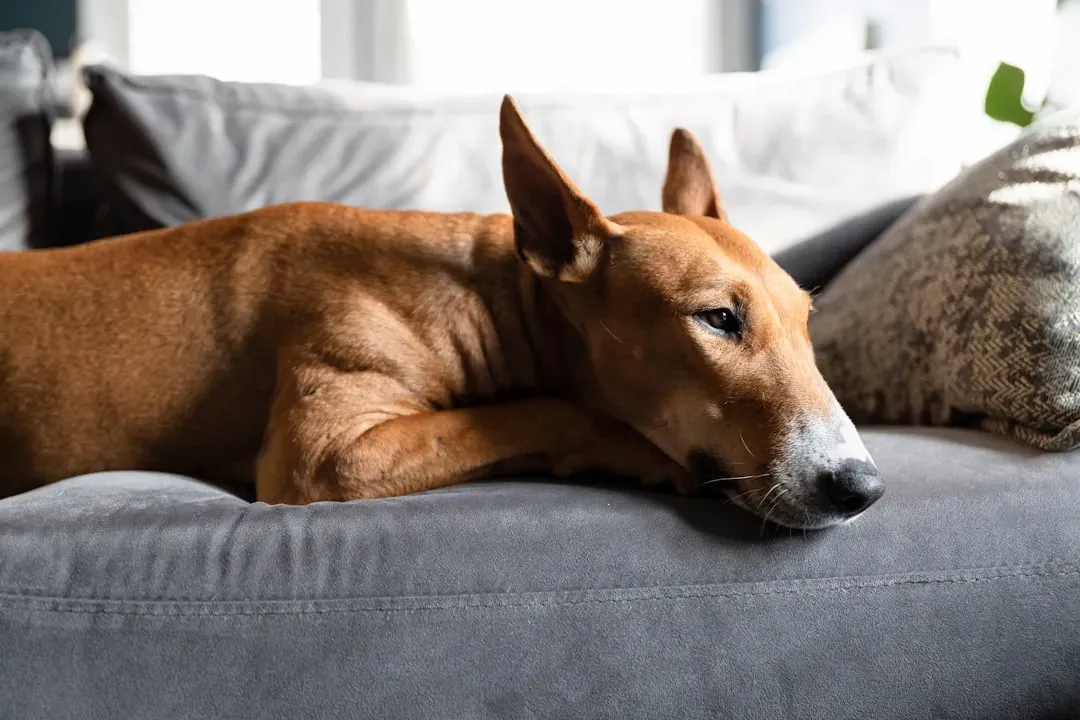
A relaxed body posture is one of the clearest signs your dog trusts you. When your dog stands or sits near you with loose muscles, a slightly open mouth, and soft eyes, they’re showing they feel safe and comfortable. This might seem too ordinary to count as a “thank you,” but consider how many dogs live in a state of low-level tension. Genuine relaxation is earned, not assumed.
Understanding our dogs’ basic body language allows us to gain insight into their thoughts and feelings about the world around them and what they are experiencing. Dogs that are calm, confident and relaxed should be interested in what’s happening around them and responsive to their owners, but also able to settle. A dog who can genuinely unwind in your presence is giving you one of the quietest and most sincere compliments in the canine vocabulary.
16. The Gentle, Specific Way They Greet You When You Come Home
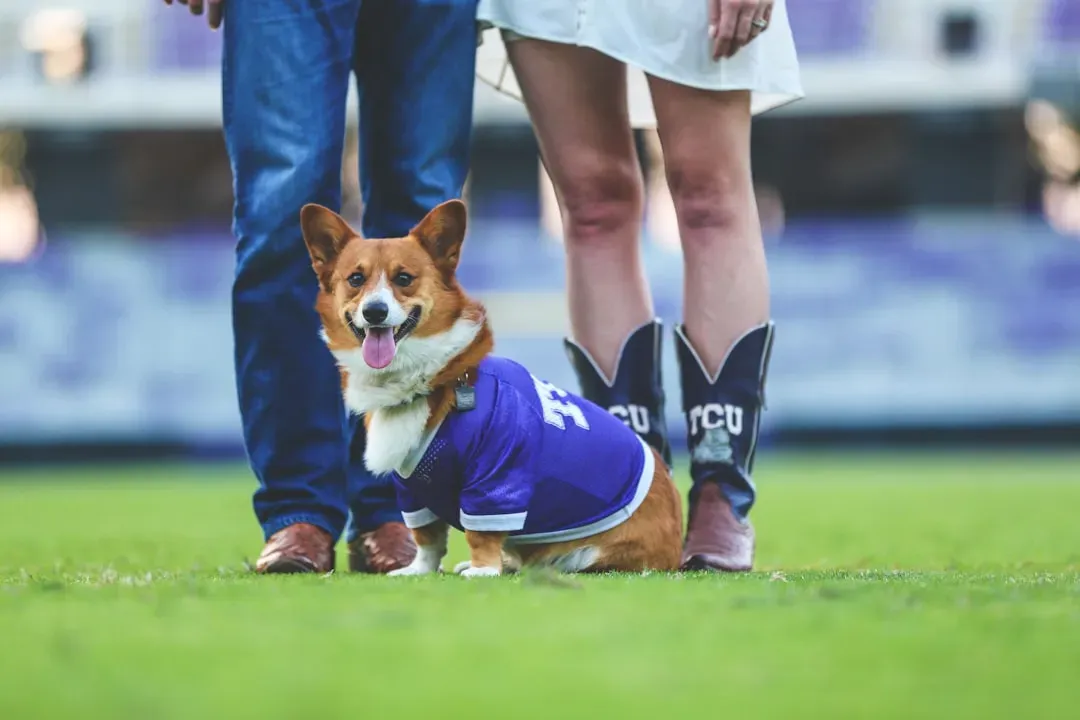
As dog owners, we don’t need a scientific journal to tell us that our dogs appreciate us. We can feel it in their eager greetings when we come home, their comfort when we’re sad, and their companionship in our daily lives. That homecoming ritual, whatever shape it takes for your dog, is never really about the moment itself. It’s about the accumulation of every good thing you’ve done for them.
One fascinating study, published in Current Biology, found that when dogs receive care, attention, and affection, their brains release oxytocin – the same hormone responsible for feelings of love and bonding in humans. This hormone not only helps to create a bond between dogs and their owners but also indicates that dogs are capable of experiencing positive emotions in response to kindness. So that wild greeting at the door, with the spinning and the whimpering and the total loss of composure, has a real neurological basis. It’s not theater. It’s chemistry and love combined.
What These Signs Mean for How You Care for Your Dog
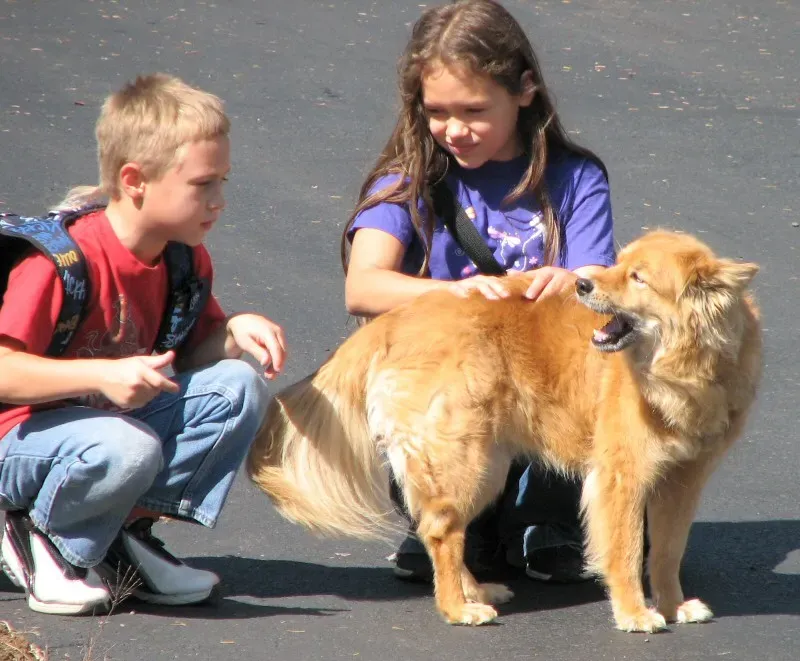
Your dog is “talking” to you all the time. If you learn what your dog is saying, you will develop a deeper bond of trust and respect. Plus, your newfound understanding of your dog’s emotional state can help you predict their behavior and prevent problems before they arise. Reading these signals correctly also helps you catch early signs of stress or discomfort that might otherwise go unnoticed.
Trust builds slowly through hundreds of small, positive interactions. Every time you feed your dog on schedule, speak calmly during stressful moments, or play together, you’re making deposits in your trust account. The signs above aren’t just sweet to observe – they’re a feedback loop. When your dog feels cared for consistently, these behaviors appear more frequently and more freely.
The number one way to show gratitude back to your dog is by providing them with a safe and secure home where they will be loved, cared for, fed, and kept safe. Treats and toys are always a surefire way to make your dog happy, but there is one thing that virtually all dogs crave the most: time with you. It really does come back to that.
Conclusion
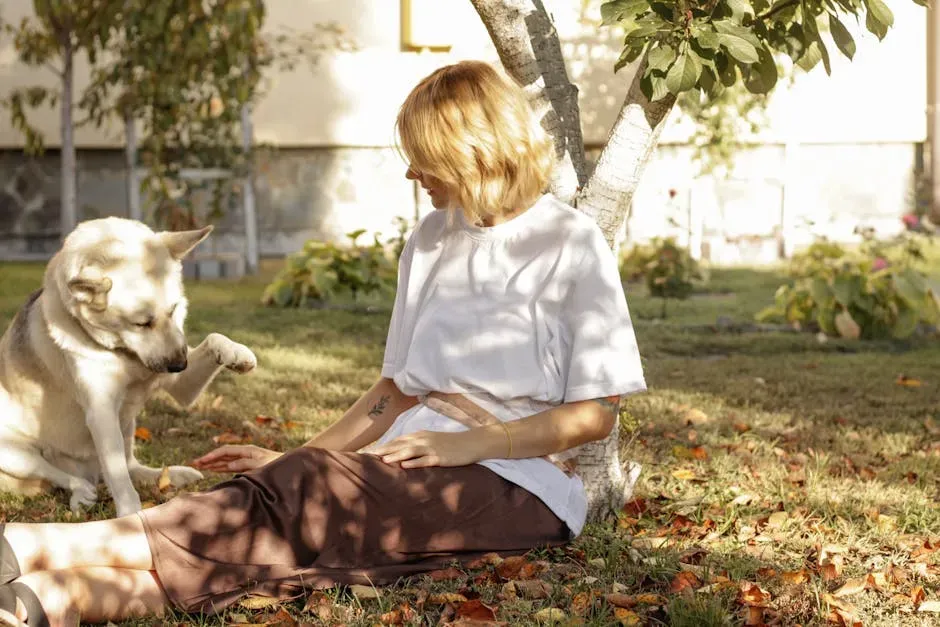
Dogs have no vocabulary for gratitude, no greeting cards, no gestures borrowed from human social norms. What they have instead is arguably more sincere: a whole body, a whole life, oriented toward the person they trust most. The slow tail sweep, the belly offered up in total vulnerability, the sigh that says “I’m exactly where I want to be” – these are their words.
You’ve probably been receiving these “thank yous” for as long as you’ve had your dog. The difference is simply in knowing how to hear them. Once you do, the ordinary moments – a dog curled against your feet while you read, a toy placed in your lap for no apparent reason, a soft gaze from across the room – start to feel like exactly what they are.
Your dog isn’t waiting for a grand gesture. They’re already grateful, every single day. All you have to do is look.


