
- You grab your keys. Your dog’s ears perk up. You reach for your coat, and suddenly there’s a weight on your feet, a pair of soulful eyes following your every move. That moment, so ordinary and yet so loaded, happens in homes everywhere, every single day.
Separation anxiety is triggered when dogs become upset because of separation from their guardians, the people they’re attached to. It’s not misbehavior. It’s not manipulation. It’s a genuine emotional response, and for many dogs, it’s closer to a panic attack than a sulk. Research suggests that roughly eight out of ten dogs find it hard to cope when left alone, yet nearly half won’t show any obvious signs, making it easy for owners to miss.
Understanding what your dog is actually communicating before and after you leave can change everything. These 15 signs are your dog’s way of saying, as clearly as any bark or whimper ever could: please don’t go.
1. The Shadow Walk: Following You From Room to Room
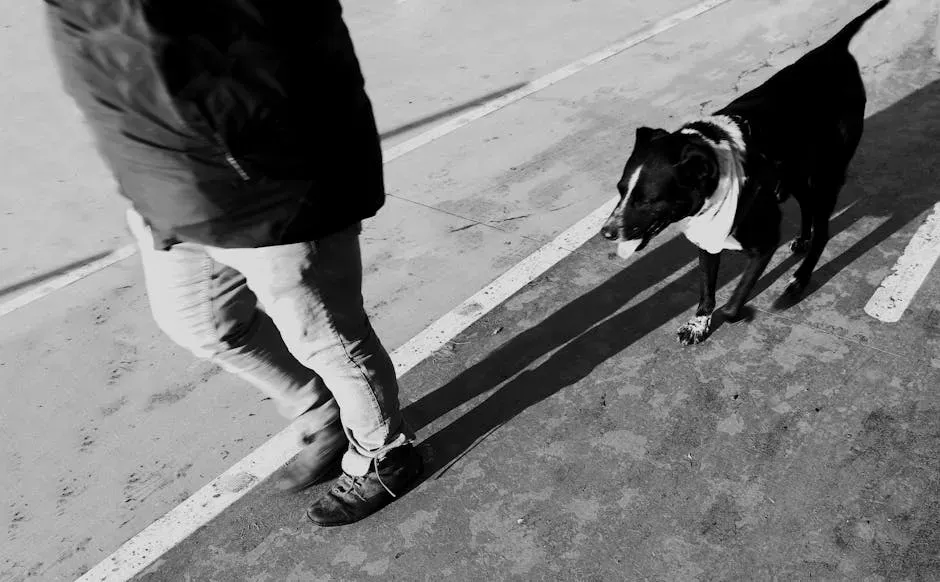
There’s something undeniably sweet about a dog who trails you to the kitchen, the bathroom, and back again. It feels like love, and honestly, a lot of it is. If your dog follows you everywhere, it’s a sign they trust you, love you, and that you make them feel safe.
The concern comes when the following intensifies as you approach the door. Dogs with separation-related problems will often show signs of excessive attachment to their owners, following them around when they are home, and when their owners are preparing to leave the house. If your dog escalates from casual follower to frantic shadow the moment you grab your bag, that shift matters.
A dog with healthy attachment might follow you around the house but settles down when you leave. They might greet you happily when you return but don’t show signs of distress. A dog with separation anxiety, on the other hand, experiences genuine panic when separated from you. Pay attention to whether your dog can relax independently when you’re home. That ability, or the absence of it, tells you a lot.
2. Pre-Departure Panic: Reacting to Your Departure Cues
A dog might start to pace, pant, and whine when he notices his guardian applying makeup, putting on shoes and a coat, and then picking up a bag or car keys. This is called pre-departure anxiety, and it can begin long before you’ve even touched the door handle.
Triggers like the sound of keys or grabbing your scarf can alert your dog that you’re leaving, which means they’re well on their way to a full-blown panic by the time you’re out the door. Dogs are extraordinary readers of human routine, and over time they map your departure ritual with remarkable precision.
The good news is that this pattern can be interrupted. Get the items, such as keys, shoes, or a jacket, that normally signal your departure, and walk to the door. However, do not exit the house. The dog will be watching and possibly get up, but once you put everything away, your dog should lie down. Repeating this over days and weeks teaches your dog that your departure cues don’t always mean goodbye.
3. The Guilt-Trip Gaze: Intense Eye Contact Before You Leave
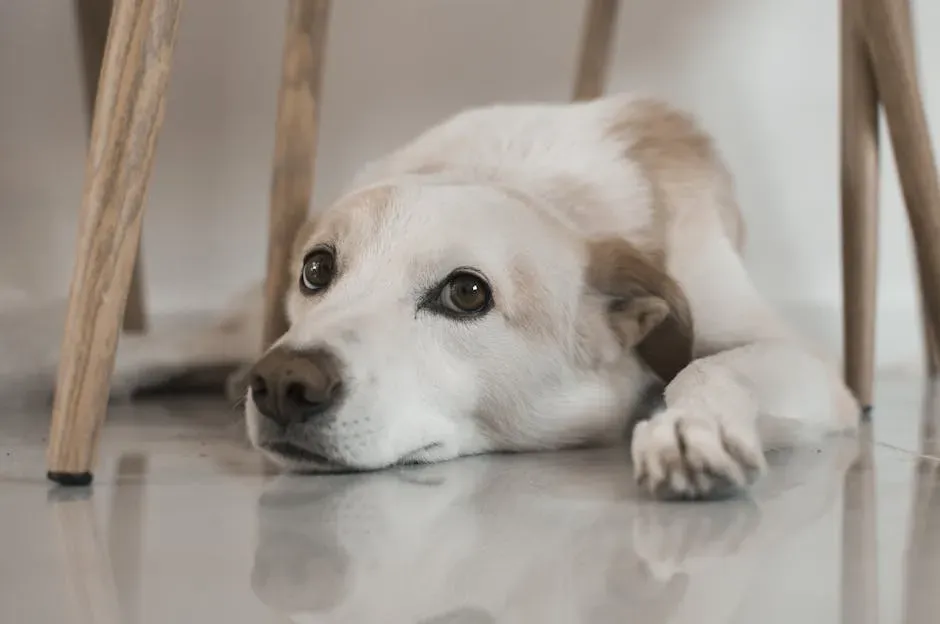
You’re heading out and your dog just stares at you. Not playfully. Not curiously. With a slow, soft, almost heartbreaking gaze. That look has a purpose. Dogs use eye contact as a social bonding tool, and in moments of stress, that gaze becomes a plea for reassurance.
Some dogs suffering from separation anxiety become agitated when their guardians prepare to leave. Others seem anxious or depressed prior to their guardians’ departure or when their guardians aren’t present. The intense stare often accompanies other signs, like a lowered head or a tucked tail, that together form a clear picture of emotional distress.
Resist the urge to make prolonged eye contact and launch into a long, emotional goodbye. When saying goodbye, just give your dog a pat on the head, say goodbye, and leave. Drawn-out departures tend to amplify the anxiety rather than soothe it.
4. Whining and Howling: Vocalizing Their Distress
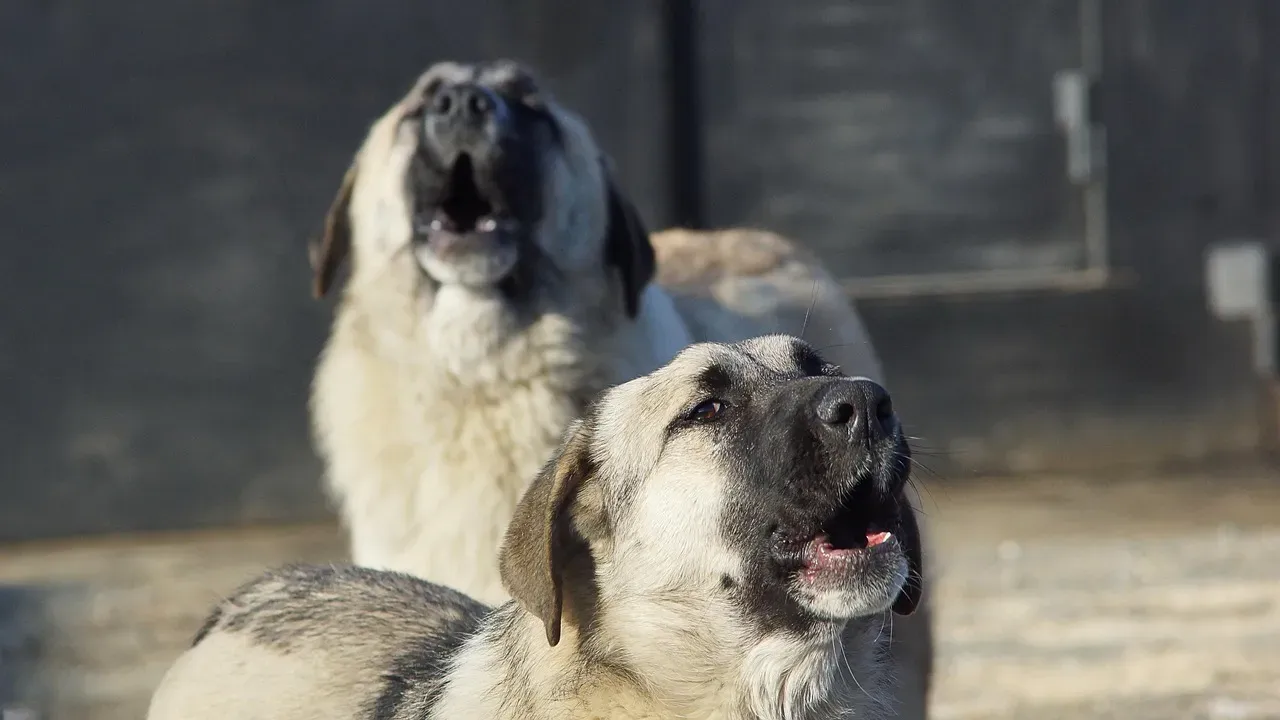
A mournful howl echoing through a quiet house is one of the most recognized signs of separation anxiety in dogs. The vocalization is due to distress and may therefore consist of howling or whining. It’s your dog’s version of calling out, hoping you’ll hear and come back.
Usually, right after a guardian leaves, a dog with separation anxiety will begin barking and displaying other distress behaviors within a short time after being left alone, often within minutes. Neighbors may hear it long before you ever do, which is one reason a home camera setup can be so revealing.
Sadly, some dogs learn that calling for their owner to come back doesn’t work, so they learn to suffer in silence. Silence, in this case, is not contentment. If your dog was once vocal and has suddenly gone quiet during your absences, that change is worth investigating, not celebrating.
5. Destructive Behavior: Chewing, Scratching, and Destroying
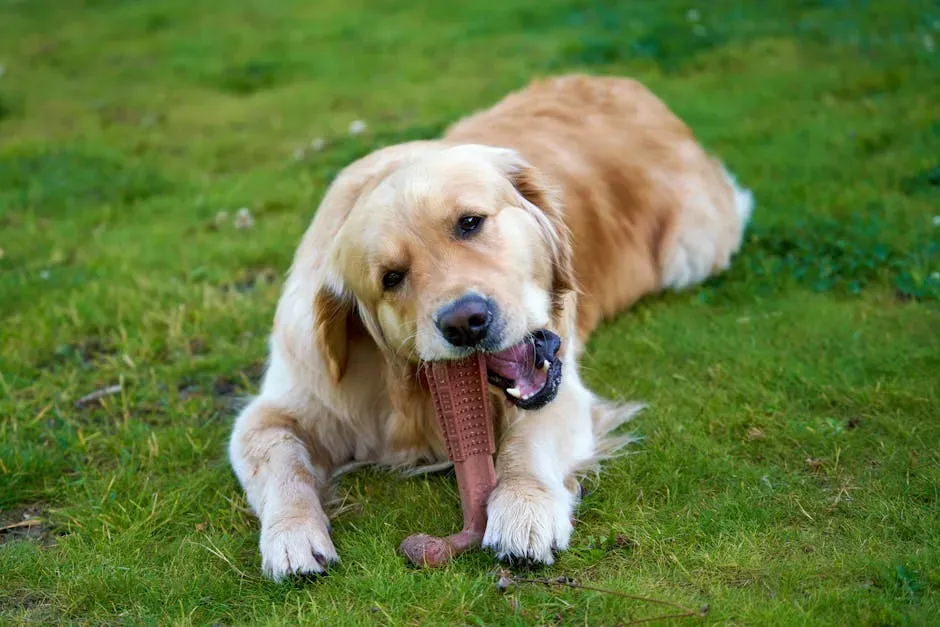
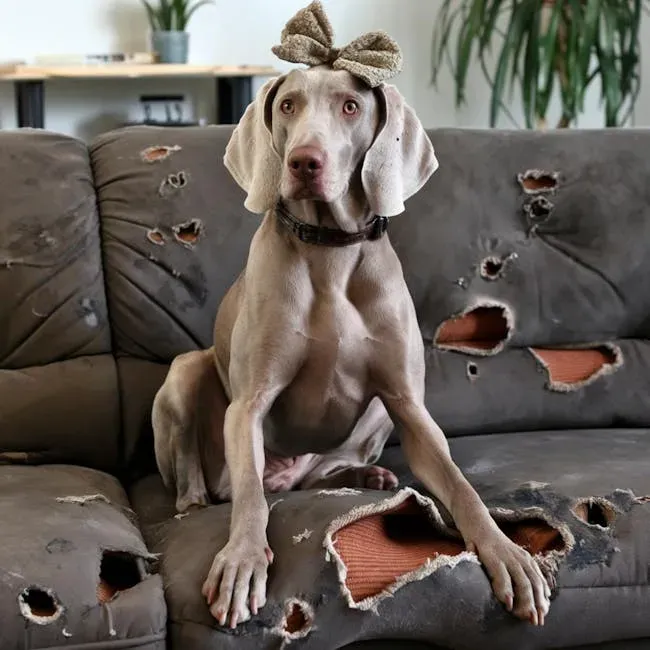
You come home to a shredded pillow, chewed door frames, or scratch marks along the window sill. It’s tempting to label this as naughtiness, but the context matters enormously. Destructive activity is often focused on owner possessions, or at the doors where owners depart or where the dog is confined, and most often occurs shortly after departure.
Some dogs with separation anxiety chew on objects, door frames, or window sills, dig at doors and doorways, or destroy household objects when left alone. These behaviors can result in self-injury, such as broken teeth, cut and scraped paws, and damaged nails. This is serious and needs attention well beyond a scolding.
If your dog does something undesirable while you’re out, it’s important you don’t show any signs of disapproval. Raising your voice or showing your disappointment might scare your dog and make the situation worse. Your dog will become anxious about what you’ll do when you return the next time you go out, making the behavior worse. Punishment, in short, backfires.
6. Indoor Accidents: House-Training That Seems to Disappear
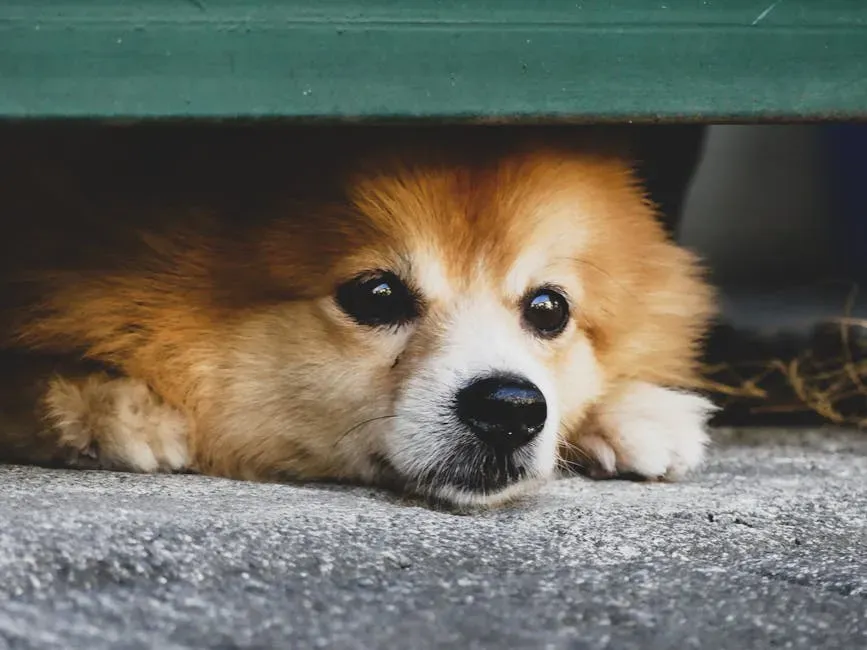
A house-trained dog who suddenly has accidents only when you’re gone isn’t being defiant. Separation anxiety is when a dog that’s very attached to its owner gets highly stressed when left alone. Signs include excessive barking or howling, indoor accidents, chewing or scratching, pacing, drooling, and trying to escape, mostly when the owner is away.
The key distinction here is timing. If the dog destroys, vocalizes, or eliminates both while the owners are at home and when they are away, other causes should first be considered. Dogs that eliminate when owners are at home may not be completely house-trained or may have a medical problem.
If accidents happen exclusively during your absence, especially in the early minutes after you leave, that pattern points strongly to anxiety. A vet check is a wise first step to rule out any underlying medical reasons, and then behavioral support can be put in place.
7. Frantic Greeting: The Over-the-Top Welcome Home
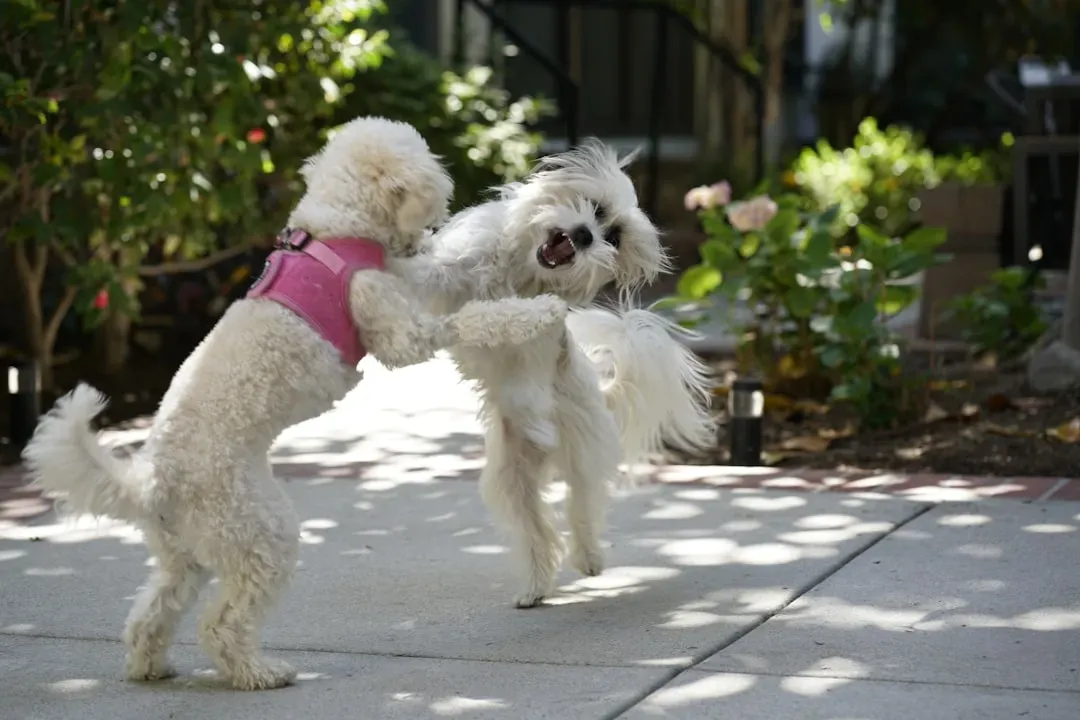
Most dog owners enjoy a warm welcome home. The tail wag, the happy spin, maybe a bark of excitement. What’s worth noticing is when that greeting crosses from joyful into frantic. Dogs with separation-related problems tend to engage in excessive excitement when the owner returns.
When the guardian returns home, the dog acts as though it’s been years since he’s seen his mom or dad! Research has also shown that dogs left for longer periods display more intense greeting behavior, including higher heart rates and more frequent body shaking and lip licking upon reunion. The level of greeting can actually reflect the level of distress the dog experienced while you were gone.
When arriving home, say hello to your dog and then don’t pay any more attention to him until he’s calm and relaxed. The amount of time it takes for your dog to relax once you’ve returned home will depend on his level of anxiety and individual temperament. Keeping arrivals calm and low-key is one of the simplest tools you have.
8. Pacing and Restlessness: The Anxious Patrol
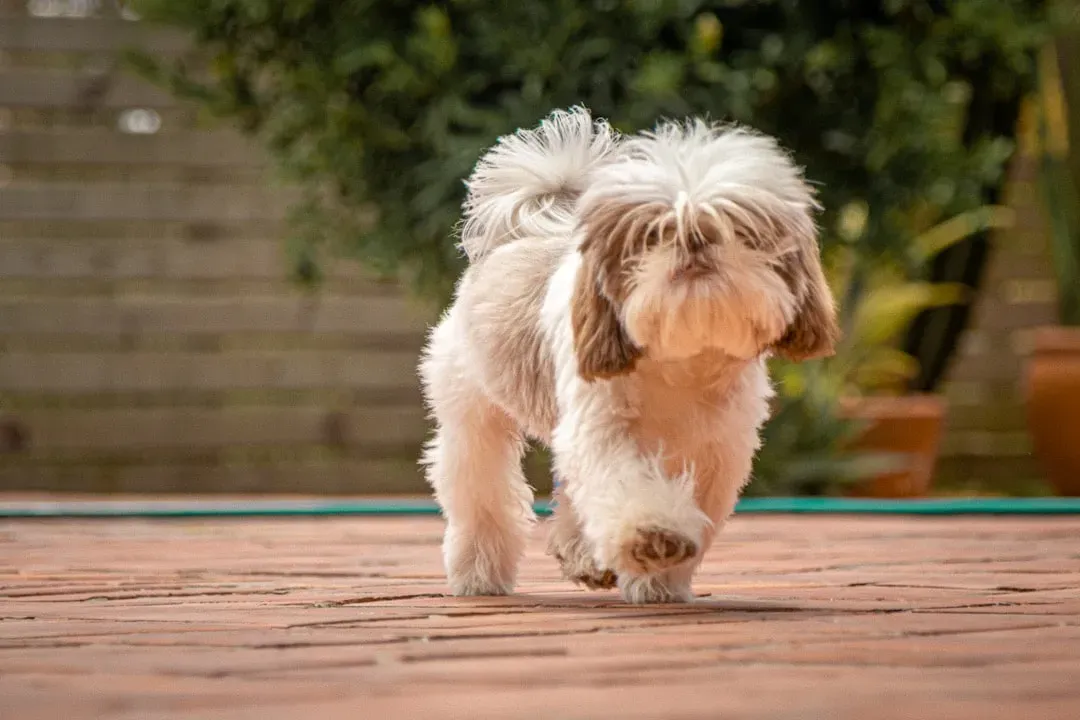
Some dogs walk or trot along a specific path in a fixed pattern when left alone or separated from their guardians. Some pacing dogs move around in circular patterns, while others walk back and forth in straight lines. If a dog’s pacing behavior is caused by separation anxiety, it usually doesn’t occur when his guardian is present.
Pacing is a displacement behavior, a way the nervous system burns off tension it can’t otherwise release. Recording dog behavior using video cameras mounted in the home can be a useful way of both diagnosing separation-related disorders and of monitoring improvement, capturing subtle signs of stress such as pacing, panting, mouth licking, body shaking, and stereotyped behavior.
If you suspect your dog paces while you’re out, setting up a simple home camera can be genuinely eye-opening. Many owners are surprised by what they see, and that awareness is the starting point for meaningful change.
9. Drooling, Panting, and Physical Stress Signs
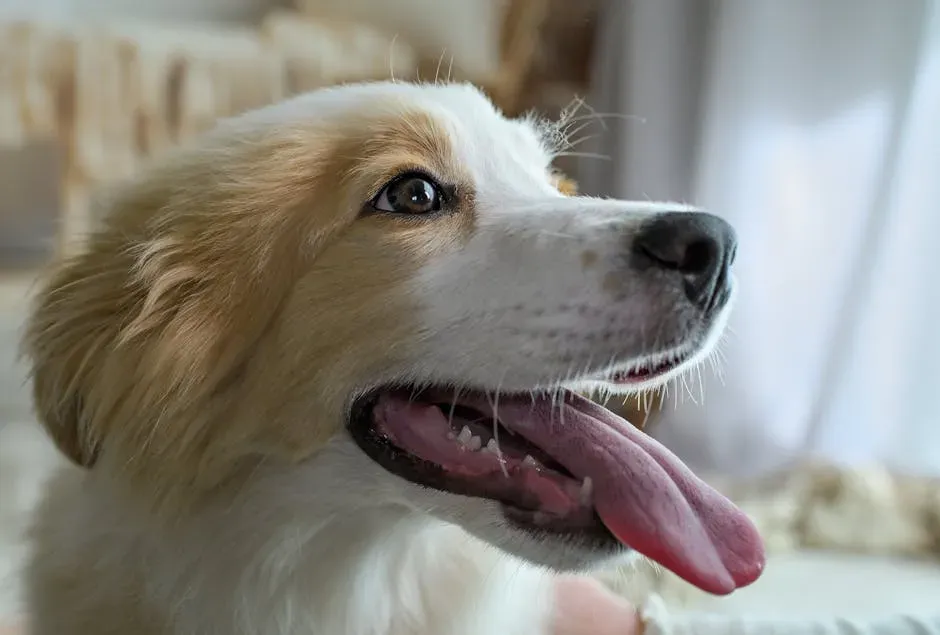
Separation anxiety isn’t just an emotional experience for dogs. It’s a full-body one. All the physiological signs of fear may be present, including an increase in heart and breathing rate, panting, salivating, increased activity, and sometimes a need to go to the toilet.
During departures or separations, in addition to vocalization, destruction, and elimination, dogs may be restless, shake, shiver, salivate, refuse to eat, or become quiet and withdrawn. These are not mild discomforts. The body is responding as it would to a genuine threat.
Every time your dog becomes highly distressed, stress hormones occur in the body which can take days to reduce. This can cause negative, long-term effects on your dog’s body and mental state. Repeated exposure to this level of stress, without intervention, takes a real toll on your dog’s physical health over time.
10. Escape Attempts: Trying to Find You
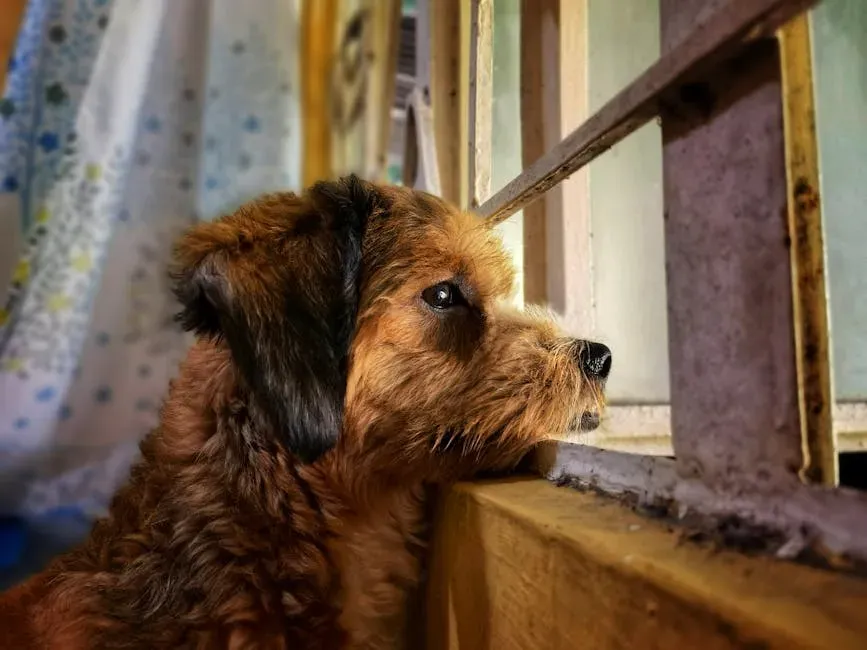
Escape attempts by dogs with separation anxiety are often extreme and can result in self-injury and household destruction, especially around exit points like windows and doors. A dog digging under a fence or launching itself at a window isn’t being adventurous. It’s desperately trying to follow you.
A dog with separation anxiety might try to escape from an area where he’s confined when he’s left alone or separated from his guardian. The dog might attempt to dig and chew through doors or windows, which could result in self-injury, such as broken teeth, cut and scraped front paws, and damaged nails.
This is one of the more urgent signs to address, both for your dog’s safety and for your peace of mind. Management strategies like puzzle toys, enrichment activities, and gradual desensitization training can significantly reduce the urgency your dog feels to escape.
11. Refusing to Eat When You’re Gone
You leave a full bowl of food. You come home and it’s untouched. For a dog who normally loves mealtime, this is a quiet but meaningful signal. During departures or separations, dogs with separation anxiety may be restless, shake, shiver, salivate, refuse to eat, or become quiet and withdrawn.
A dog in a heightened state of anxiety simply can’t relax enough to eat. The body’s stress response suppresses appetite, just as it does in humans before a big exam or an important event. If your dog reliably skips meals while you’re away but eats normally when you’re present, anxiety is very likely at play.
Toys can serve two purposes in helping treat mild to moderate separation anxiety in dogs. They can be a distraction that helps your dog focus on something else so that they don’t feel stressed. They can also help your dog learn to associate time alone with something they enjoy, especially when the toy is combined with a food treat. A puzzle toy stuffed with something delicious is worth trying before you leave.
12. Trembling or Shaking Before You Leave
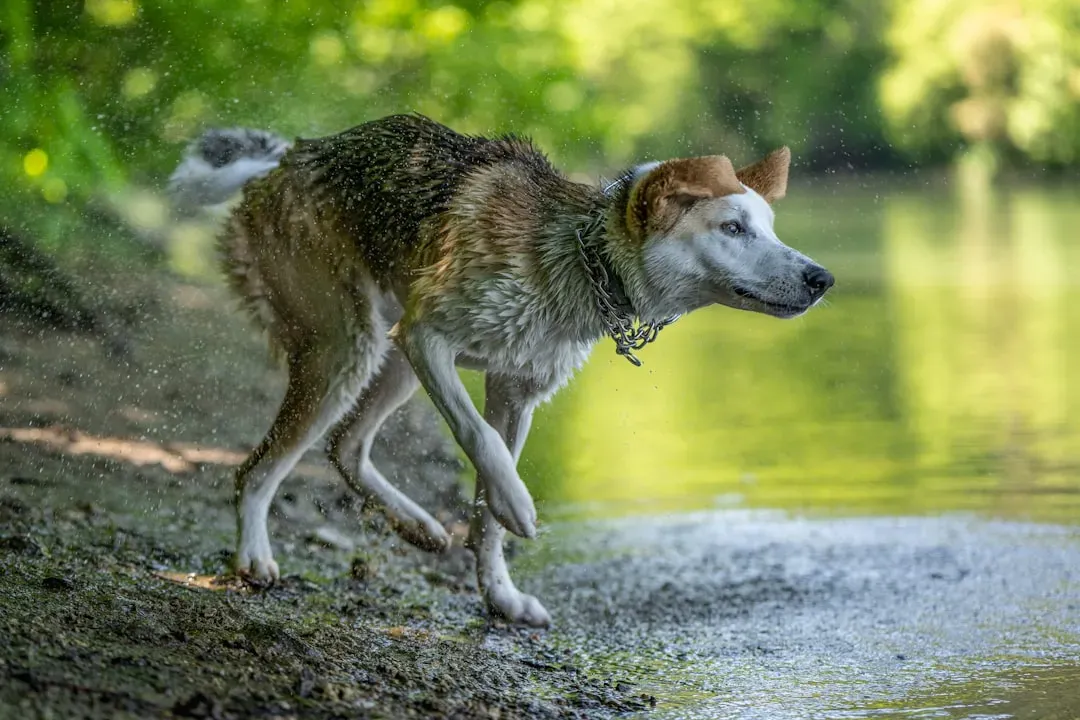
A dog who begins to tremble when you put on your shoes isn’t cold. That shaking is a physical expression of anticipatory anxiety, the dread of something they know is coming. Some dogs will begin to whine, pace, pant, or freeze as their owner’s departure becomes imminent.
Whether in a puppy or an adult dog, separation anxiety is when your dog exhibits extreme stress from the time you leave them alone until you return. The symptoms can vary, but they will act as if they are terrified to be in the house on their own. Trembling before departure is one of the clearest indicators that a dog is not coping well with the anticipation of solitude.
If you notice this, it’s worth pausing your departure routine temporarily and working through predeparture desensitization exercises. The goal is to break the learned association between your departure cues and an incoming period of fear. This takes patience, but it genuinely works for many dogs.
13. Attention-Seeking Behaviors Right Before You Leave
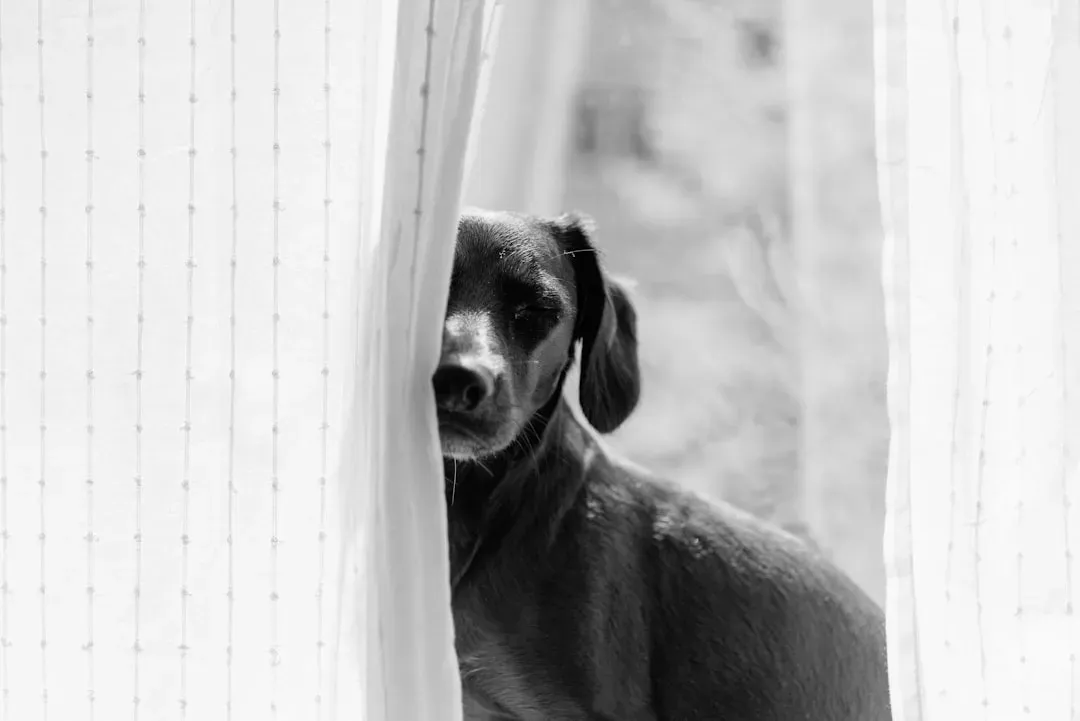
Suddenly nudging your hand, pawing at you, jumping up, or dropping a toy in your lap the moment you reach for your coat, these are all attempts to redirect the situation. Separation anxiety describes dogs that are overly attached or dependent on family members. They become extremely anxious and show distress behaviors when separated from owners. Most dogs with separation anxiety try to remain close to their owners, follow them from room to room, and rarely spend time outdoors alone. They often begin to display anxiety as soon as owners prepare to leave.
These attention-seeking behaviors can feel endearing, but when they’re driven by anxiety rather than affection, reinforcing them can make the problem worse. With separation anxiety you must reinforce your dog for settling down, relaxing and showing some independence, while attention-seeking and following behaviors should never be reinforced.
This doesn’t mean ignoring your dog cruelly. It means calmly and consistently rewarding calmness, so your dog learns that quiet, settled behavior is what gets your loving attention. Over time, that shift in what gets rewarded reshapes the whole dynamic.
14. Sudden Changes in Behavior After Routine Shifts
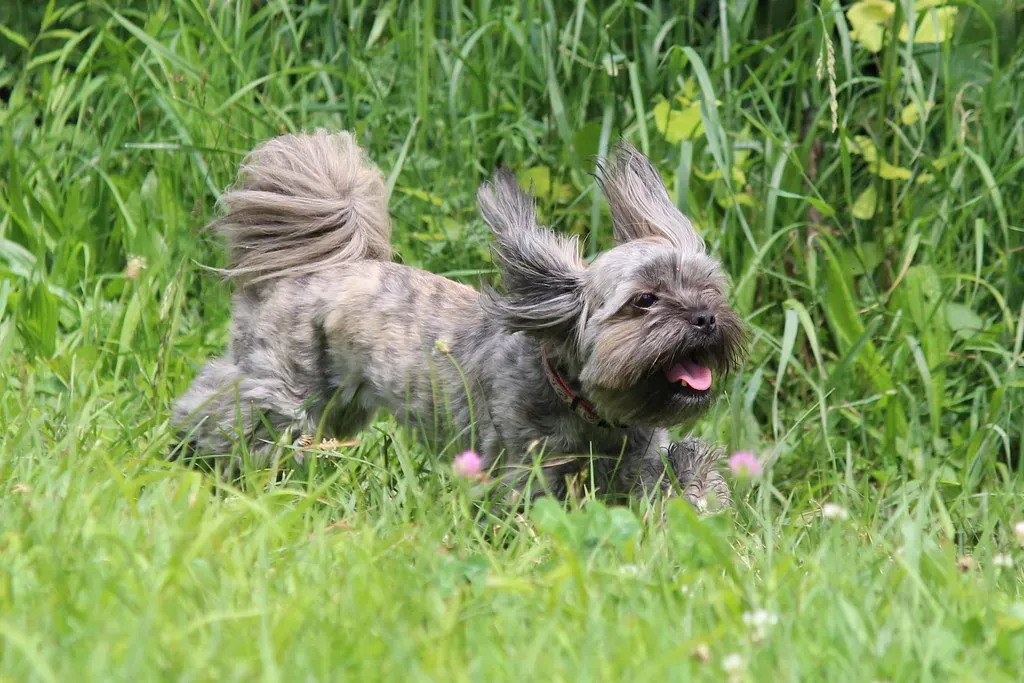
Other triggers to watch for involve life changes like a sudden switch in schedule, a move to a new house, or the sudden absence of a family member, whether it’s a divorce, a death in the family, or a child leaving for college. Dogs are deeply attuned to the rhythms of their households, and disruption can surface as separation anxiety even in previously confident dogs.
There is some evidence that canine separation anxiety can be triggered or exacerbated by a change in the household such as a new human resident, a job change, a change in the routine of owner’s absences from the home, or a single traumatic event. A dog who was fine for years may develop sudden distress behaviors when something in their world shifts significantly.
If a sudden schedule change is necessary, such as having to go back into the office after working from home, or you anticipate a major lifestyle change, you may see a shift in your dog’s behavior. If possible, gradually acclimate them to the change, instead of expecting them to adapt suddenly. Gradual transitions are almost always kinder and more effective than abrupt ones.
15. Excessive Lip Licking, Yawning, and Body Shaking
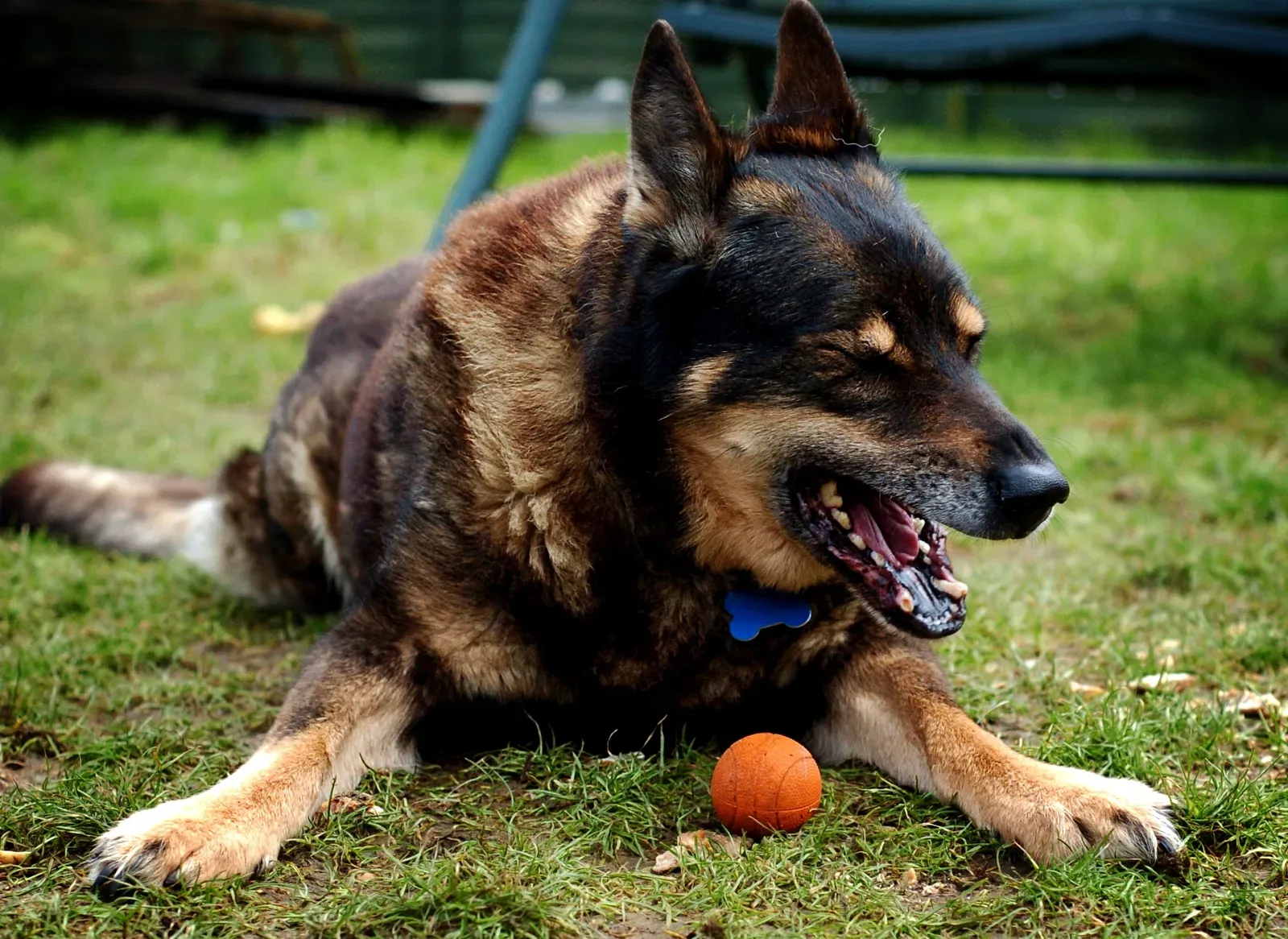
These are the subtle signs, the ones most owners miss entirely. Many behaviors that were exhibited by puppies when left alone were compatible with anxiety or fear, such as vocalizing, yawning, scratching, licking their lips, and a heightened sense of awareness. Lip licking and yawning are well-documented canine stress signals, and body shaking after your departure is a physiological release of built-up tension.
Capturing dog behavior on video can reveal more subtle signs of stress and anxiety, and signs that do not leave physical evidence, such as pacing, panting, mouth licking, body shaking, and stereotyped behavior. These signs are easy to dismiss in isolation, but when they cluster around the time you leave, they paint a consistent picture.
Dogs can exhibit stress in many ways, so there is no one defining sign of separation anxiety. Instead, there are a variety of symptoms. One or two of them, especially if they only happen occasionally, may not be a sign of separation anxiety. But if your dog shows multiple symptoms on a regular basis, they may be suffering from separation anxiety. The pattern, not any single behavior, is what matters most.
What You Can Do: Taking Action With Empathy
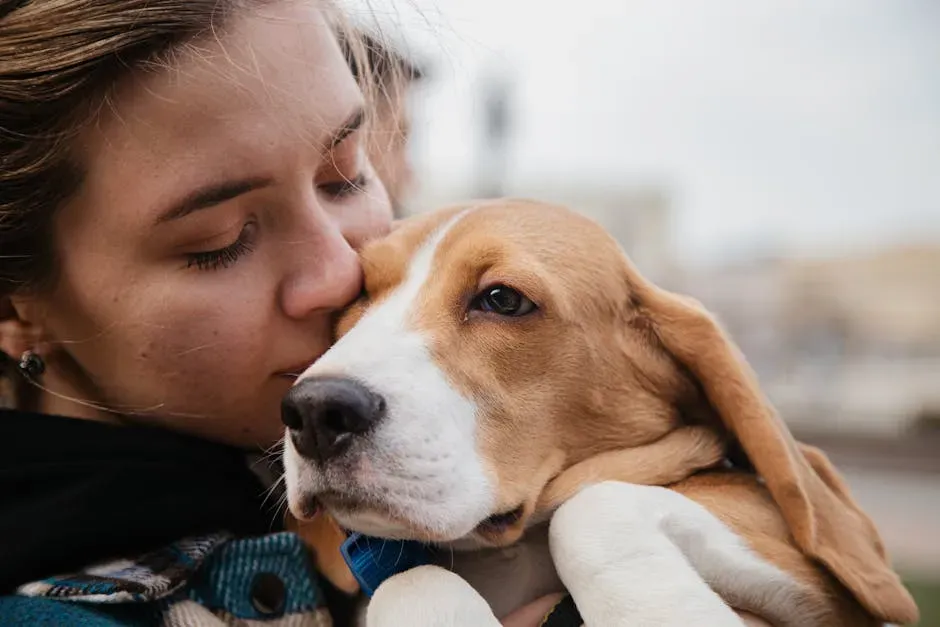
Make sure your pet gets lots of exercise every day. A tired, happy dog will be less stressed when you leave. It’s also key that you challenge your pet’s mind. Physical and mental enrichment are foundational, not optional extras. They build the kind of calm confidence that makes solitude more manageable.
If your dog is suffering from severe separation anxiety, an individual evaluation with a canine behavior specialist is recommended. Together, you can create a plan to relieve your dog’s anxiety and keep them safe. Resolving separation anxiety can require months of work, but don’t give up. If your dog continues to struggle, you can also speak with your veterinarian about anti-anxiety medications to help alleviate the stress.
Protective factors include ensuring a wide range of experiences outside the home and with other people, stable household routines and absences from the dog, and the avoidance of punishment. These aren’t complicated interventions. They’re steady, caring habits that add up over time.
A Final Thought: Your Dog Isn’t Broken
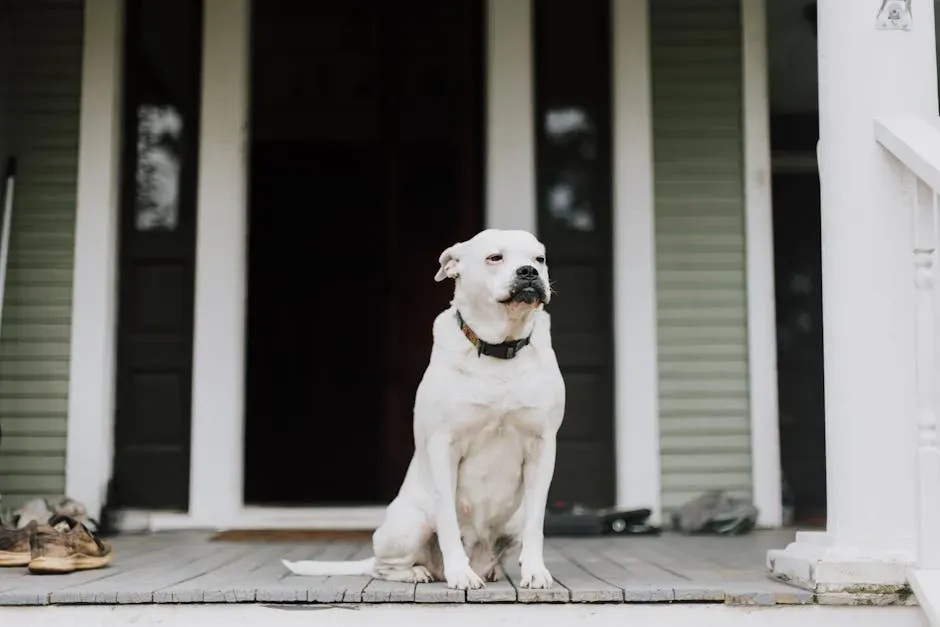
Separation anxiety is one of the most common behavioral disorders in dogs. That means you and your dog are far from alone in this. Millions of loving owners navigate exactly these moments, these guilty departures and frantic reunions, every single day.
What your dog is expressing, in every whine and shadow and chewed corner, is a bond so strong it becomes uncomfortable in your absence. That’s worth something. The work of helping them feel safe on their own doesn’t weaken that bond. If anything, it deepens it.
Every small step you take toward understanding your dog’s language, recognizing the signs, responding with patience rather than frustration, and seeking support when you need it, is an act of love that your dog will absolutely feel. Even if they can’t quite say so.


