
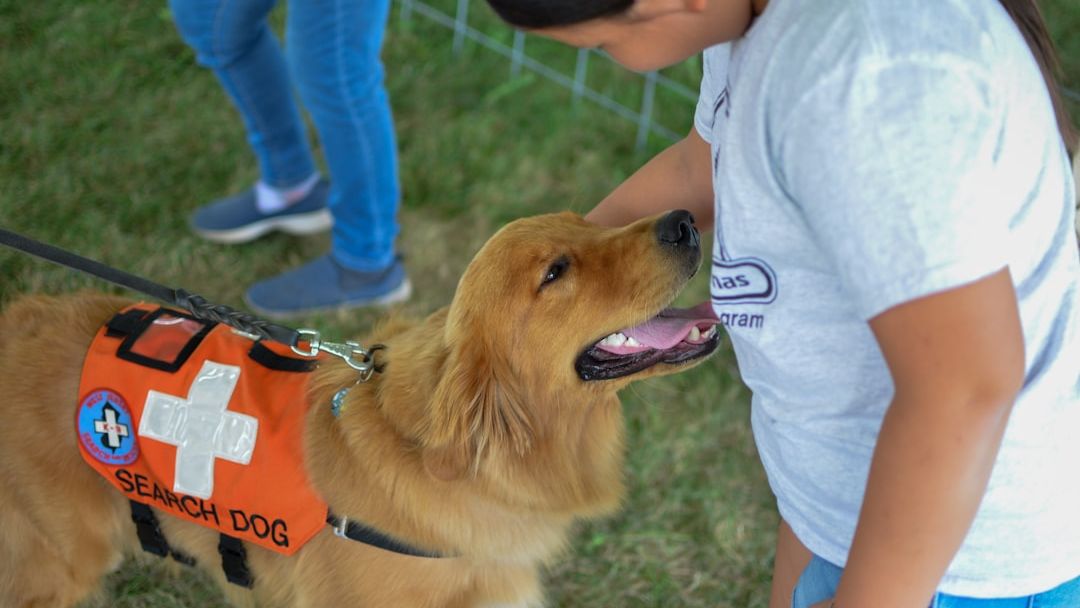
#1: The Beagle – The Nose That Started It All
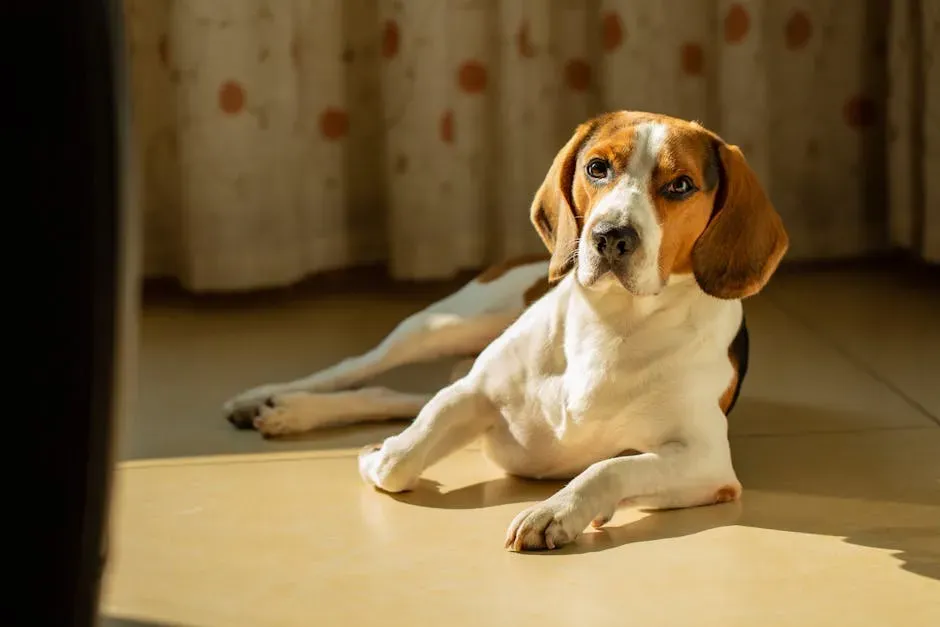
The Beagle is arguably the most well-documented breed in cancer detection research, and the data behind its abilities is genuinely hard to dismiss. After just eight weeks of training, Beagles chosen for their superior olfactory receptor genes were able to distinguish between blood serum samples taken from patients with malignant lung cancer and healthy controls with ninety-seven percent accuracy. That’s not a quirky animal trick. That’s a diagnostic result that rivals many clinical screening tools.
Research published in The Journal of the American Osteopathic Association found that three Beagles were nearly ninety-seven percent accurate in distinguishing blood serum samples of patients with malignant lung cancer from healthy control samples. Beagles were originally bred as scent hounds, meaning every instinct in their biology is oriented around smell. Their relatively small size also makes them easy to work with in clinical settings, which is a practical advantage that researchers openly value.
#2: The German Shepherd – Precision in Every Sniff
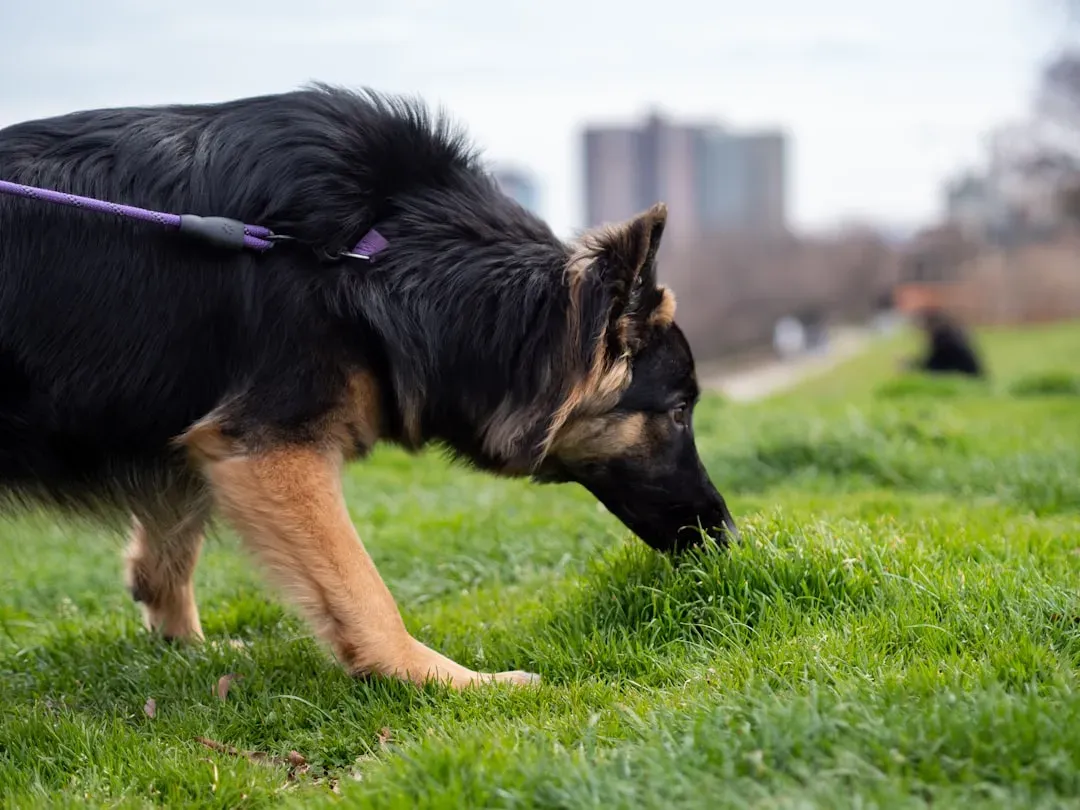
German Shepherds have long been trusted with tasks that require both sharp intelligence and extraordinary sensory capability, from tracking fugitives to detecting explosives at airports. That same combination makes them exceptional candidates for cancer detection work. In one trial, two German Shepherds were very successful at detecting prostate cancer. Their ability to focus under pressure and follow training protocols with consistency gives them a real edge in controlled clinical environments.
In a lung cancer scent detection study, two of the four trained dogs were German Shepherds, alongside an Australian Shepherd and a Labrador Retriever, and there was one hundred percent accuracy in detecting Stage I cancer samples. Catching cancer at its earliest stage is where detection matters most. A Stage I diagnosis transforms the trajectory of treatment in ways that a later-stage discovery simply cannot, which makes the German Shepherd’s role in this research far more than academic.
#3: The Labrador Retriever – From Search and Rescue to Lifesaving Diagnosis
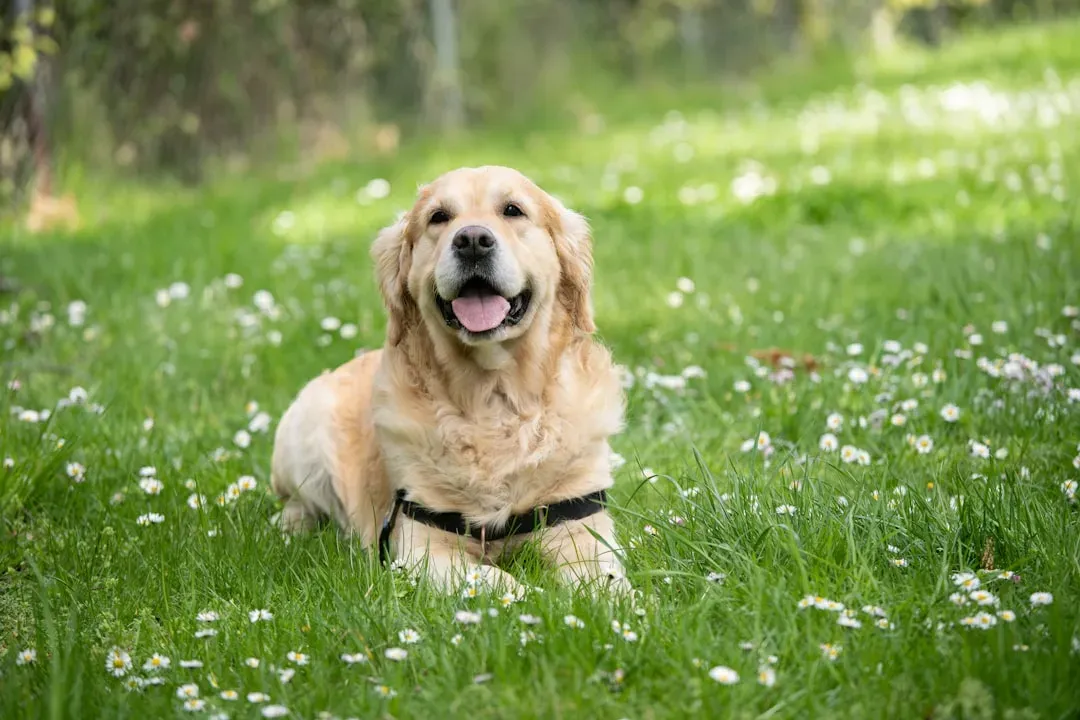
Labrador Retrievers have earned their place in working-dog history through decades of service in search and rescue, narcotics detection, and guide work. Their reputation for being both highly trainable and deeply motivated to please makes them natural candidates for the precision demands of cancer screening. Labradors in particular have featured in studies on prostate, lung, and bladder cancer detection. Their consistent performance across multiple cancer types is what separates them from many other breeds in this space.
In a study conducted in 2021, a trained female Labrador Retriever was able to detect breast cancer in urine samples with almost one hundred percent accuracy, and their noses are sensitive enough to identify cancer markers at concentrations as low as one part per trillion. Results like that shift this from a scientific curiosity into something deserving serious clinical attention. Labrador Retrievers named Mars, Moon, and Pluto contributed to SpotitEarly’s research and continue to be involved in research and development even after the formal study concluded, and these dogs aren’t just research tools – they’re pioneers in a field that is still finding its footing.
#4: The Bloodhound – Built by Nature for This Exact Job
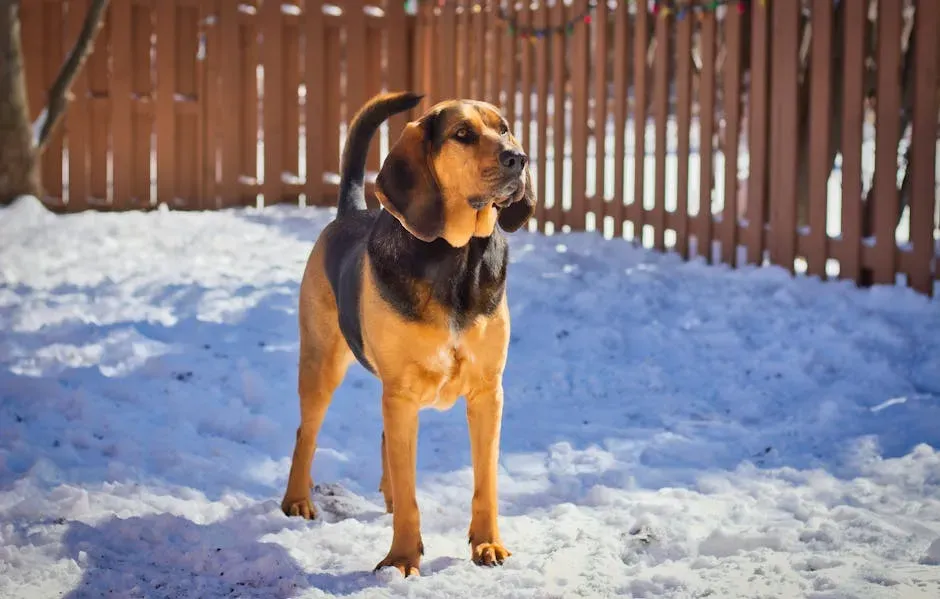
If any breed was biologically designed for scent detection, it’s the Bloodhound. With a face full of wrinkles that help funnel scent molecules toward the nose and ears that drag the ground to stir up odors, everything about its anatomy is built around olfaction. Dogs have smell receptors that are ten thousand times more accurate than humans’, making them highly sensitive to odors we simply cannot perceive, and in the Bloodhound this sensitivity is amplified even further by sheer physical design. Their tracking record in law enforcement is unmatched by any other breed.
Bloodhounds, with their unparalleled sense of smell, are often used in cadaver recovery, which means they’re already trained to detect biological compounds in the most demanding conditions imaginable. Applying that capacity to cancer biomarker detection is a logical and compelling extension. While formal cancer detection trials specifically involving Bloodhounds remain limited in number, the underlying olfactory anatomy makes a compelling scientific case for their inclusion in future research programs.
#5: The Belgian Malinois – The Military’s Secret Weapon Against Disease
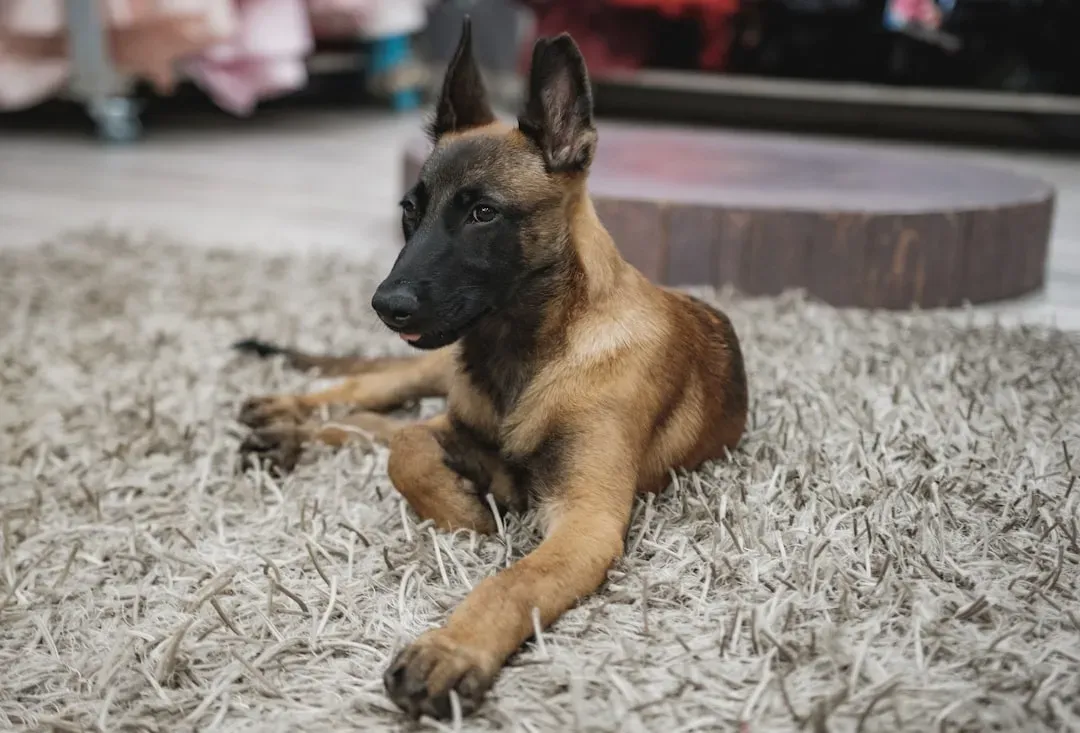
The Belgian Malinois has quietly become one of the most capable working dogs in the world. Widely revered as an exceptional military working dog, the Belgian Malinois has been used to sniff out explosives, blood, DNA, and other scents, and has now been trained to sniff out cancer. Its intensity and drive, qualities that can make it a handful as a pet, become extraordinary assets in a detection context where focus and persistence are everything.
According to the American Kennel Club, the Belgian Malinois is recognized among the ten dogs with the best sense of smell, alongside the Beagle, Bloodhound, German Shepherd, and Labrador Retriever. That olfactory ranking matters when you’re trying to detect a chemical compound present at concentrations invisible to every human instrument. Dogs specifically trained to sniff out cancer as biodetection dogs need more than just a good nose, they need to be readily trainable, motivated, and easy to work with, which is why Belgian Malinois are among the most common breeds selected for this purpose.
#6: The English Springer Spaniel – A Nose Calibrated for Subtle Detection
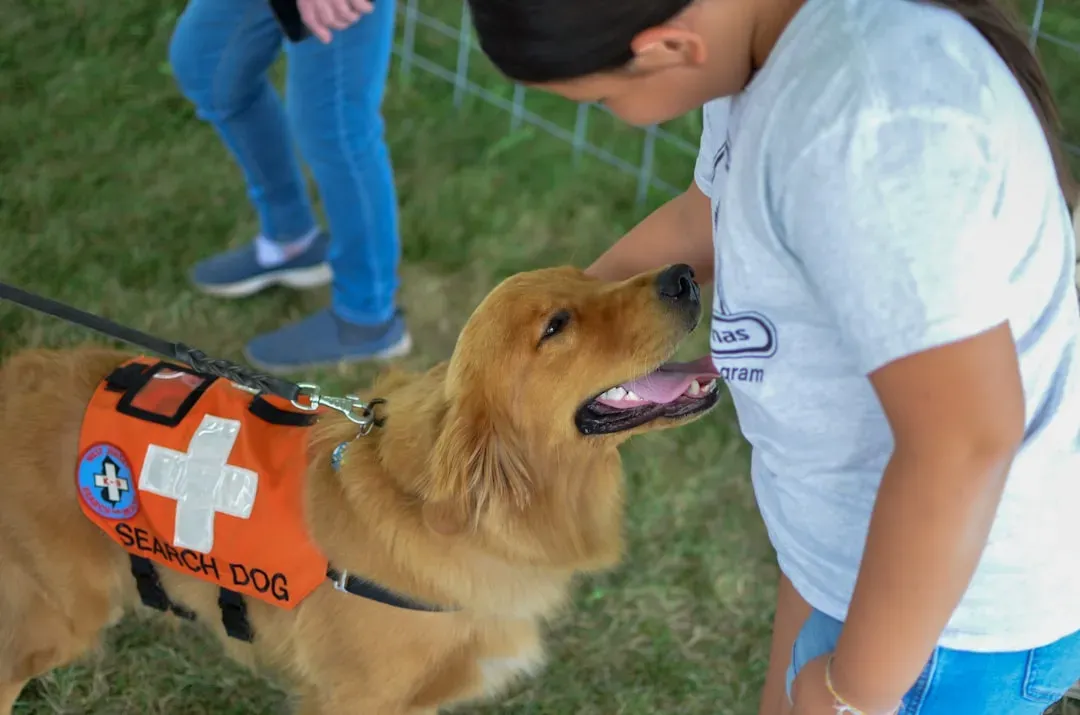
English Springer Spaniels may not have the same name recognition as German Shepherds or Labradors in the world of working dogs, but within cancer detection research they’ve earned a notable and consistent presence. Their combination of an exceptional nose, a calm temperament, and a genuine eagerness to engage with training exercises makes them reliable in clinical settings where dogs need to work methodically through samples over long periods. Spaniels were originally bred to flush birds from dense cover, a task that demands sustained olfactory effort, not just brief bursts of scent work.
It is more common to see Springer Spaniels, Labrador Retrievers, German Shepherds, and Belgian Malinois being trained for cancer detection purposes. The Medical Detection Dogs organization in the United Kingdom, one of the most established groups conducting this research, has frequently worked with Springer Spaniels on both cancer and disease detection projects. Their smaller stature and gentle demeanor also make them easier to use in hospital and clinic environments, where calm behavior around patients matters as much as accuracy.
#7: The Golden Retriever – The Gentle Dog With an Extraordinary Nose
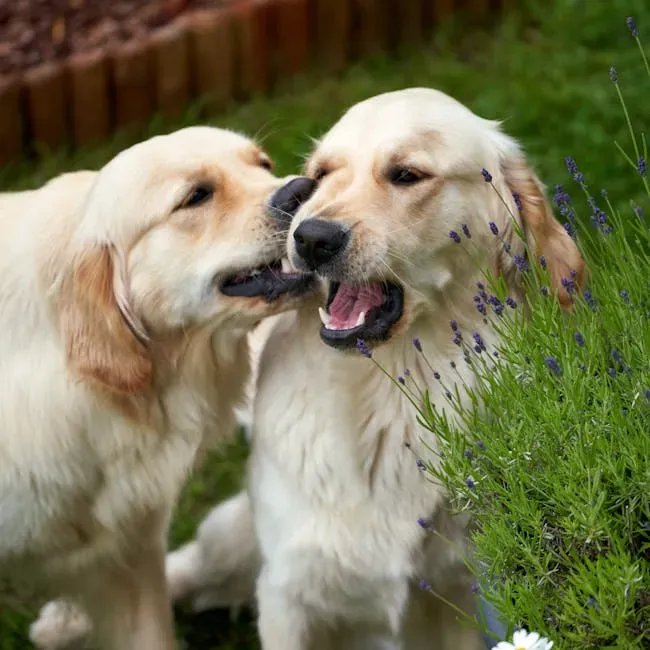
Golden Retrievers are widely beloved as family dogs, but beneath the friendly surface lies a working dog with serious sensory capabilities. The Golden Retriever appears on the American Kennel Club’s list of the ten dogs with the best sense of smell, which is a distinction that surprises many people given the breed’s reputation as a companion animal rather than a working one. Their trainability, patience, and sensitivity to human cues make them particularly well-suited for the nuanced demands of medical detection work.
Scientists believe that when dogs smell cancer, they are noticing volatile organic compounds that are basically altered proteins, and it’s possible that cancer cells release these compounds, or that bodies release them in response to cancer growth. Golden Retrievers appear especially adept at detecting these subtle biochemical shifts, perhaps because they’ve spent generations attuned to human behavior and physiology as working companions. Anecdotal accounts of Goldens alerting their owners to illness, including the widely cited story of a Golden Retriever repeatedly nuzzling and pawing at a mole that later turned out to be malignant, appear throughout medical literature and have helped push researchers toward formal study.
#8: The Poodle – Underestimated Intelligence Meets Remarkable Olfaction
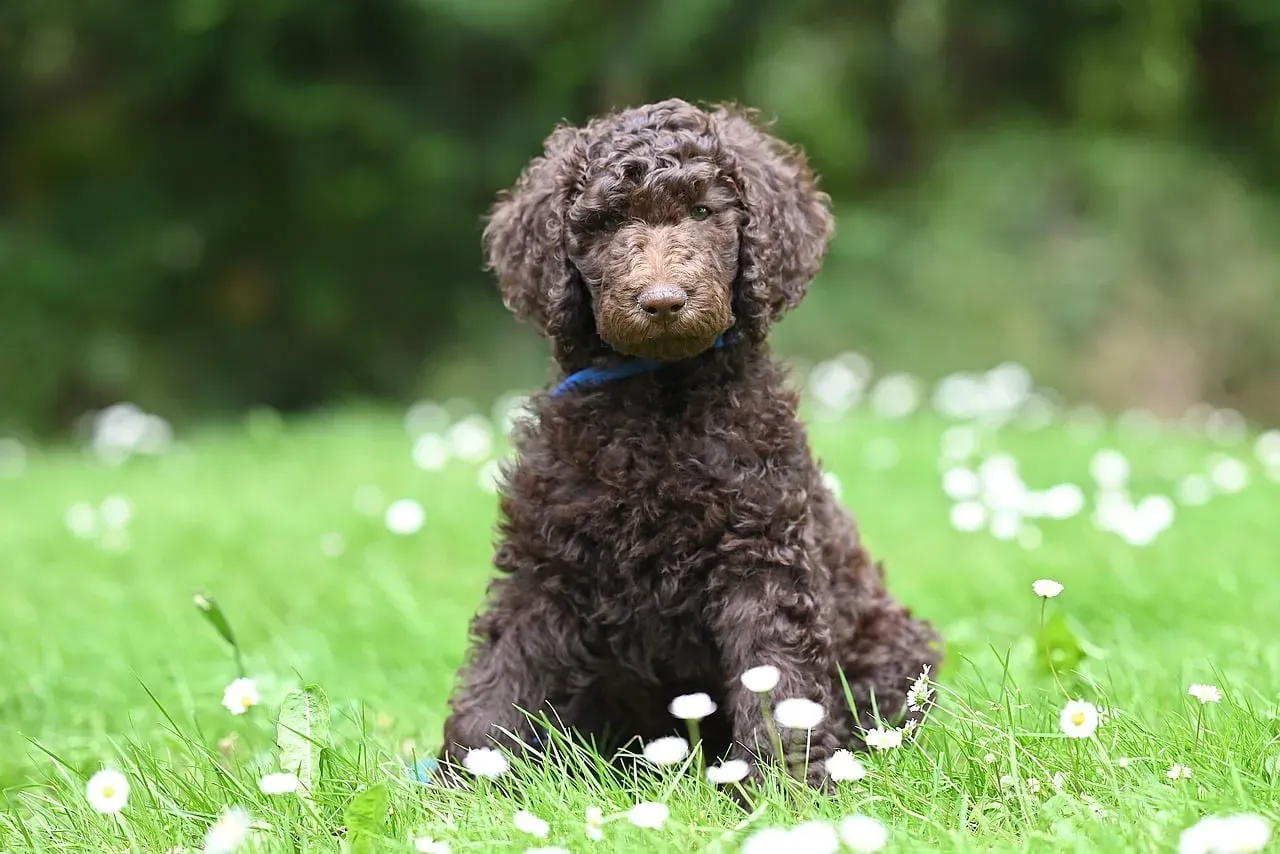
Standard Poodles carry an unfair reputation built on grooming aesthetics rather than working ability. In reality, Poodles were originally bred as hunting dogs, specifically trained to retrieve waterfowl. Their intelligence ranks among the highest of all dog breeds, and their olfactory system is every bit as capable as many of the more celebrated scent breeds. What sets them apart in detection contexts is a combination of focus, adaptability, and an almost uncanny sensitivity to human emotional and physiological states.
Multiple studies have shown that dogs are capable of being trained to detect some cancers in humans by perceiving specific odor signatures in samples of urine, sweat, breath, and blood serum. Poodles, with their sharp learning curve and strong handler bond, have appeared in training programs as capable participants in scent work research. Dogs vary greatly in their olfactory accuracy, and researchers are increasingly finding that disease-sniffing prowess may come down to individual dogs’ personality and how well their handlers know them, a finding that plays well to the Poodle’s deep attunement to its human partner.
#9: The Border Collie – Cognitive Power Meets Sensory Sensitivity
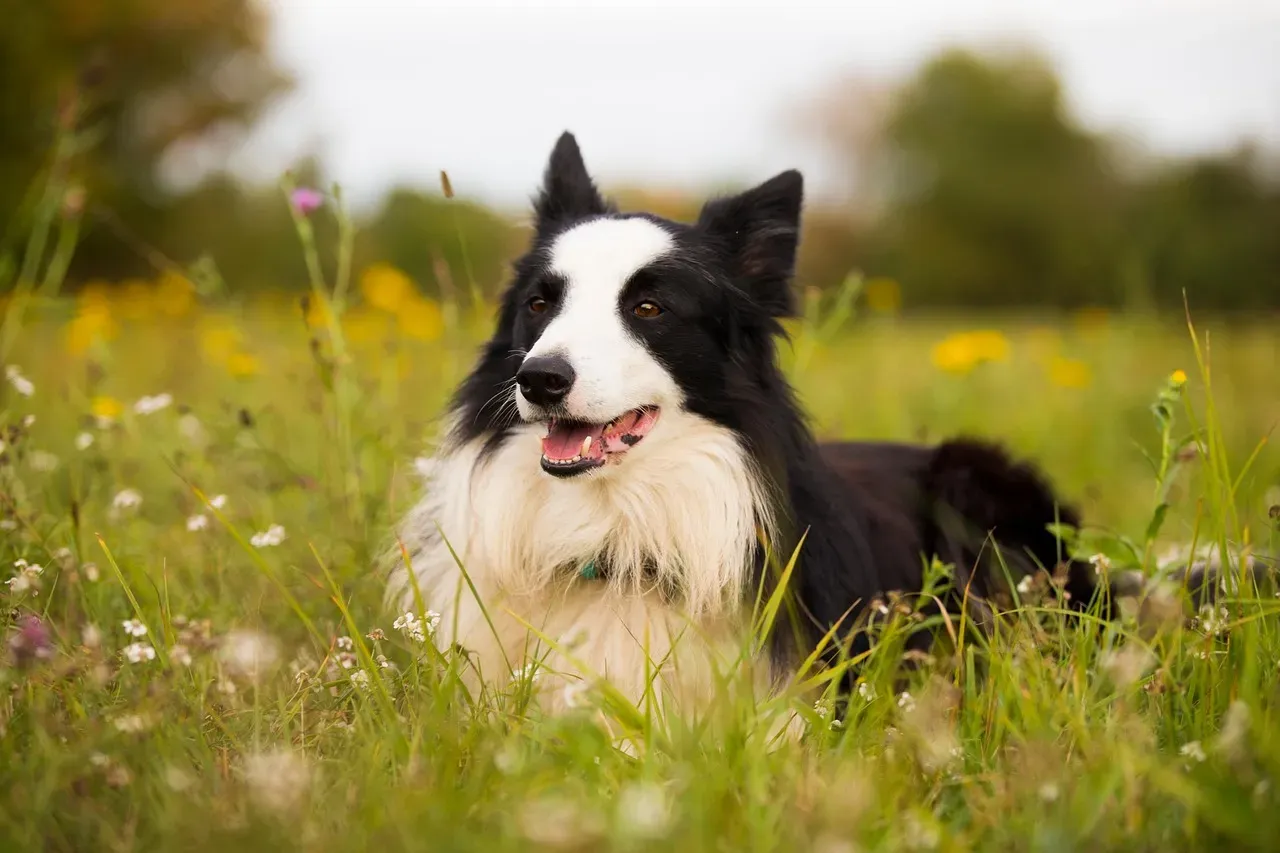
Border Collies are widely regarded as the most intelligent dog breed in the world, and that cognitive horsepower translates directly into detection work. Training a Border Collie is a different experience from training most other breeds. They learn faster, generalize better, and retain behavioral cues with remarkable precision. Dogs appear to detect the overall pattern of cancer-related chemical compounds rather than any single molecule, which is part of what makes their ability so difficult to replicate with technology, and Border Collies may be especially effective at this pattern-recognition aspect of scent work.
Their herding origins required them to process complex, dynamic sensory environments and make split-second decisions. That same capacity for rapid sensory processing carries over into detection tasks. New research efforts are focused on figuring out which dogs would be best for the job and on interpreting dogs’ behaviors during a smell test, and the Border Collie’s behavioral transparency, the fact that its reactions tend to be legible and consistent, makes it a valuable subject for exactly that kind of interpretive research. They’re not widely deployed in cancer detection yet, but the scientific interest is growing.
#10: The Basset Hound – Low to the Ground, High on Results
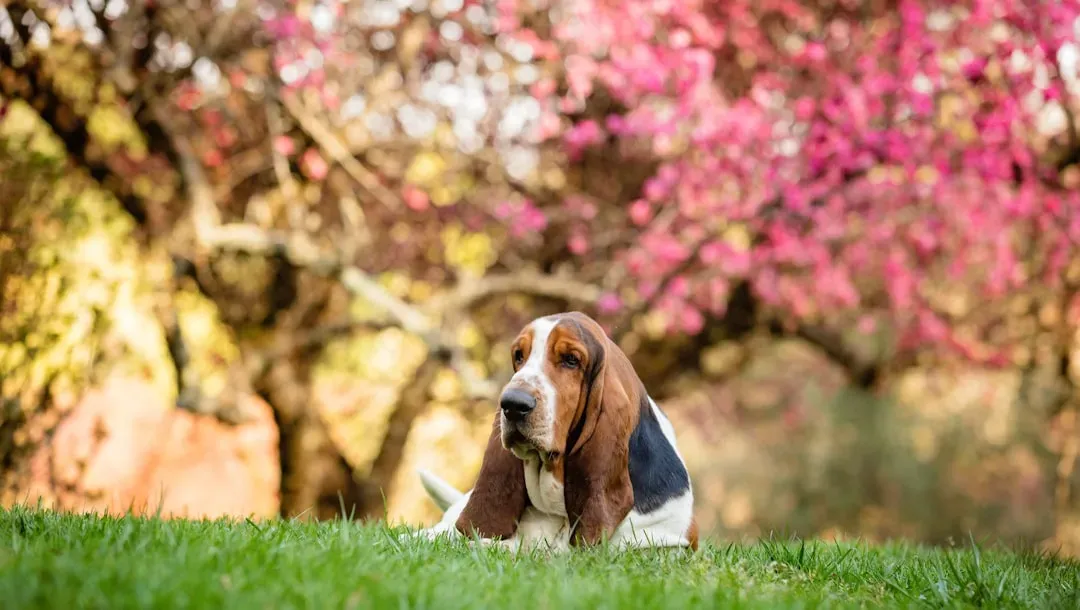
The Basset Hound’s drooping ears, long muzzle, and unhurried gait can make it seem like an unlikely candidate for precision medical detection work. The truth is more interesting. The Basset Hound is recognized by the American Kennel Club as one of the ten dogs with the best sense of smell, placing it in elite olfactory company alongside the Bloodhound and Beagle. Its enormous nasal cavity and the large number of scent receptors packed into it give the Basset a sensory profile that demands more scientific attention than it currently receives in cancer detection contexts.
Like the Bloodhound, the Basset was bred to track scent trails across long distances, often through undergrowth and varying terrain, which demands both staying power and exceptional nose sensitivity. According to sensory scientists, the olfactory acuity of dogs enables them to detect odorant concentration levels at one to two parts per trillion, roughly ten thousand to a hundred thousand times that of a human, and the Basset Hound sits at the upper end of that range. With the right training protocol, this breed has clear potential that researchers are only beginning to explore formally.
What This All Means for the Future of Cancer Detection
Peer-reviewed studies have demonstrated that trained dogs can identify at least seven types of cancer: lung, breast, prostate, ovarian, bladder, melanoma, and colorectal. That is not a fringe claim anymore. It is a documented, peer-reviewed pattern that is reshaping how some researchers think about early detection. Researchers are currently exploring the possibility of using specially trained medical detection dogs in diagnosing and tracking cancer, and canine cancer detection is a simple, noninvasive procedure with potentially fewer side effects for people.
A dog with specialized odor detection training can diagnose histologically confirmed cancer with approximately ninety-three and a half percent sensitivity and ninety-one and a half percent specificity. Those numbers are competitive with conventional screening tools, and in some early-stage scenarios they exceed them. Studies on special training of dogs to detect different cancers using various odor samples, including breath, urine, and cancer tissue, have provided promising results, and several lines of evidence suggest that dogs may play a critical role in cancer research and diagnosis.
There’s something worth sitting with here. The creature you take for a walk every morning, the one who waits by the door when you leave, may be carrying a biological capability that medical science is still struggling to fully decode. Further investigation is necessary to validate this method for use in clinical practice, and that’s honest and fair. Science shouldn’t rush past its own standards.
Still, the direction of the evidence is unmistakable. Dogs don’t lie about what they smell. They simply alert. And increasingly, those alerts are proving to be worth listening to. The best cancer-screening technology we’ve ever built might have been sleeping at the foot of your bed the whole time.


