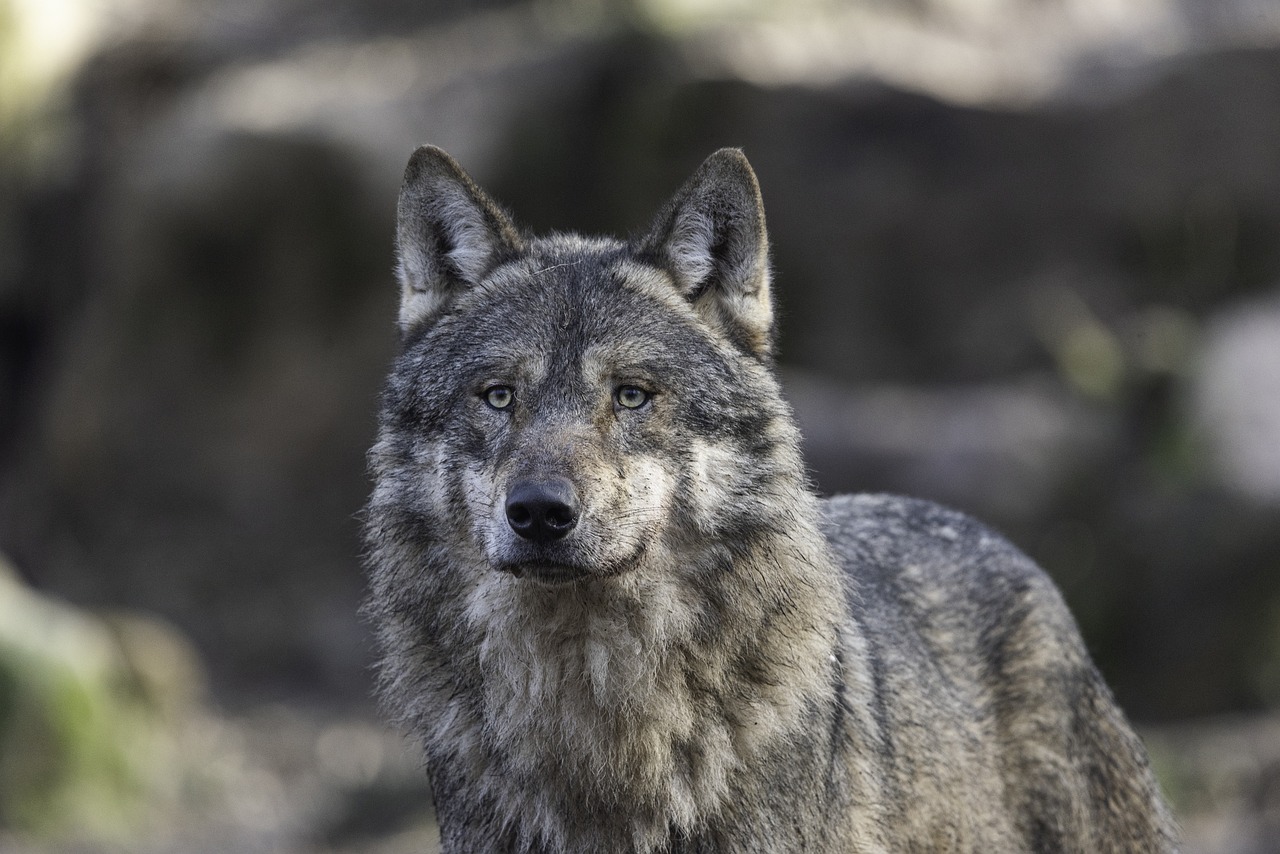
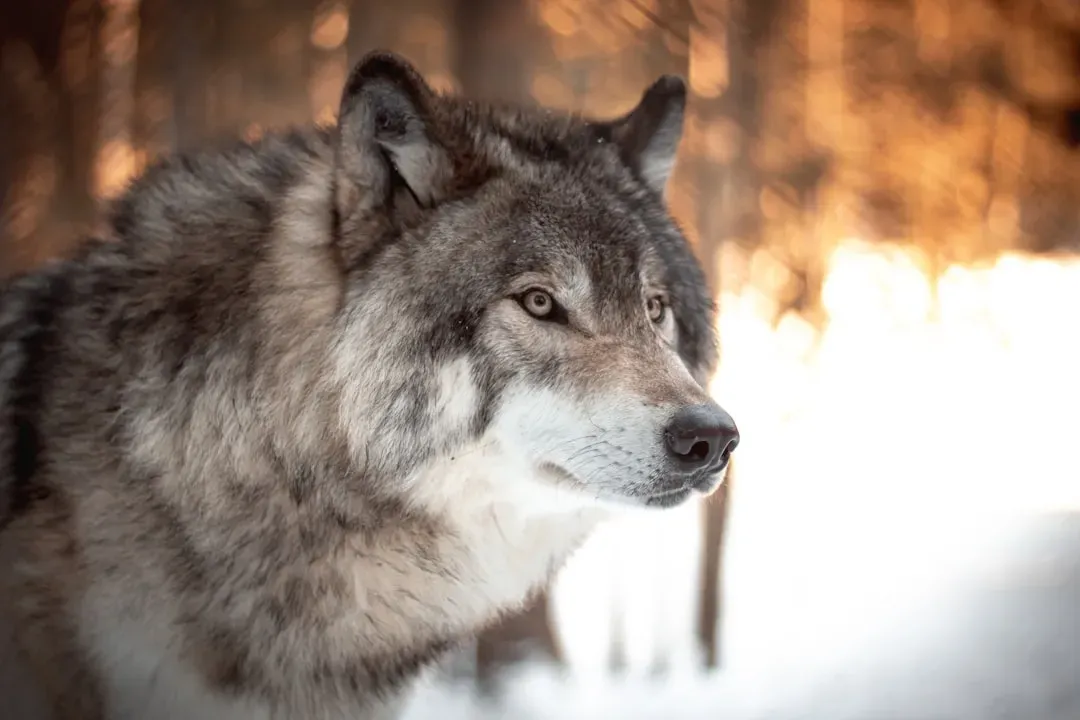
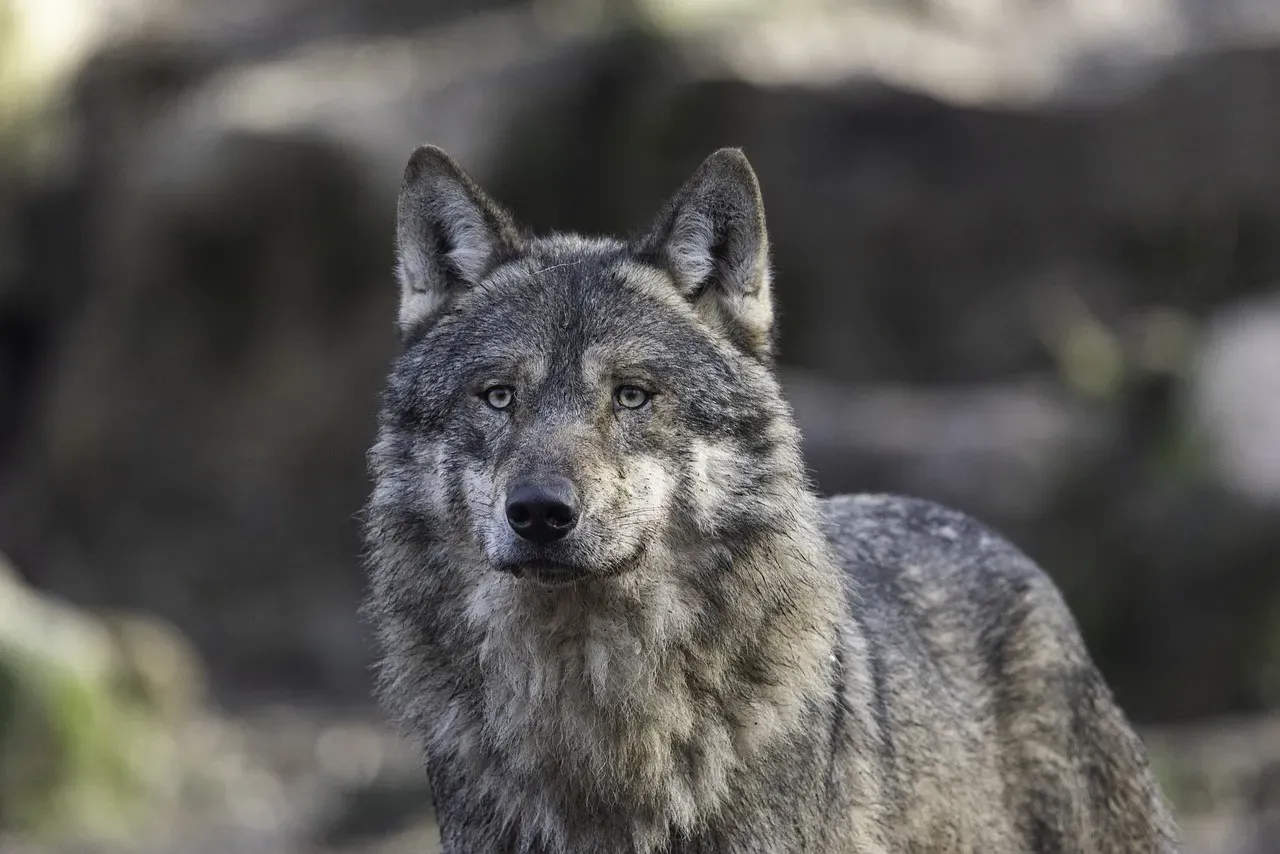
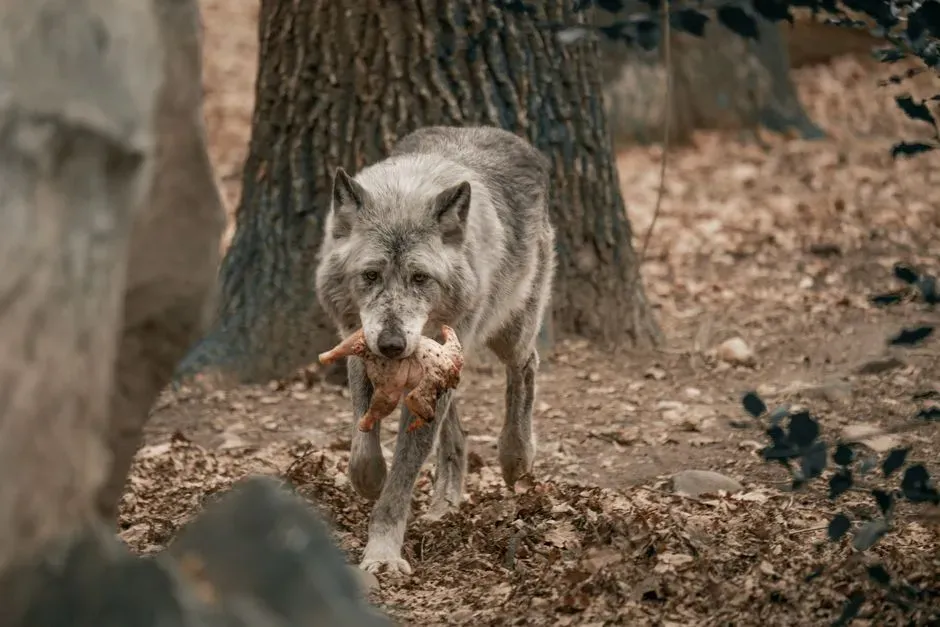
Gray wolves, often shrouded in mystery and folklore, are among the most fascinating creatures in the animal kingdom. While many Americans recognize their iconic howls and pack behaviors, there are numerous intriguing aspects of these animals that remain largely unknown. Let’s delve into 15 incredible facts about gray wolves that might surprise you.
Gray Wolves Are the Largest Members of the Canine Family
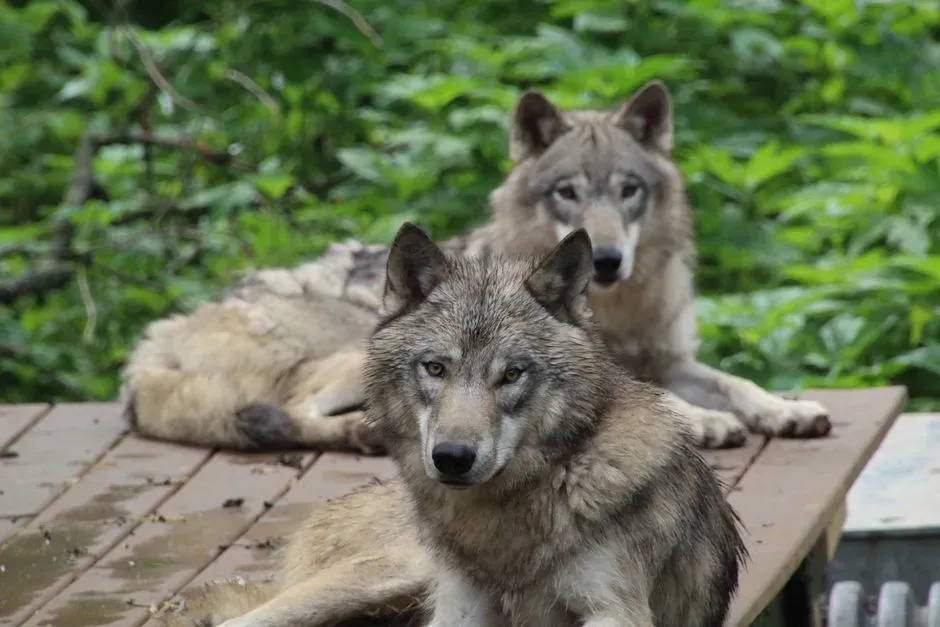
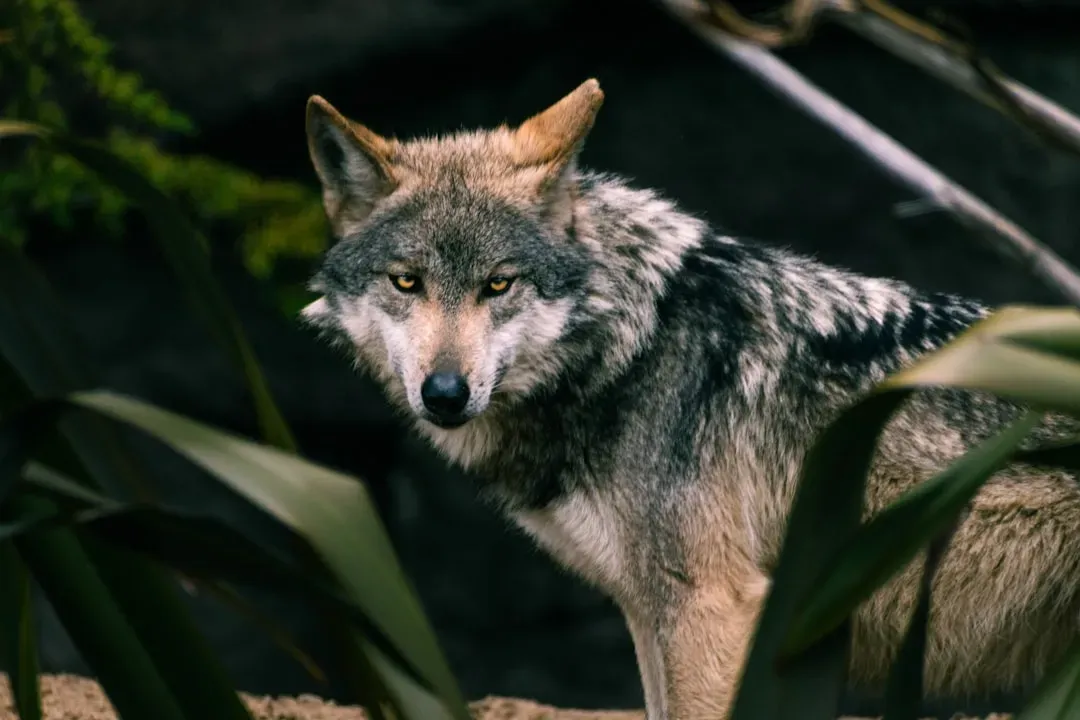
Gray Wolves Are the Largest Members of the Canine Family (Image Credits: Unsplash)Standing tall and commanding, gray wolves hold the title as the largest wild members of the dog family, Canidae. Males typically weigh between 70 and 145 pounds, while females range from 60 to 100 pounds. Their impressive size equips them for the challenges of hunting large prey across vast territories.
They Possess a Remarkable Range of Coat Colors
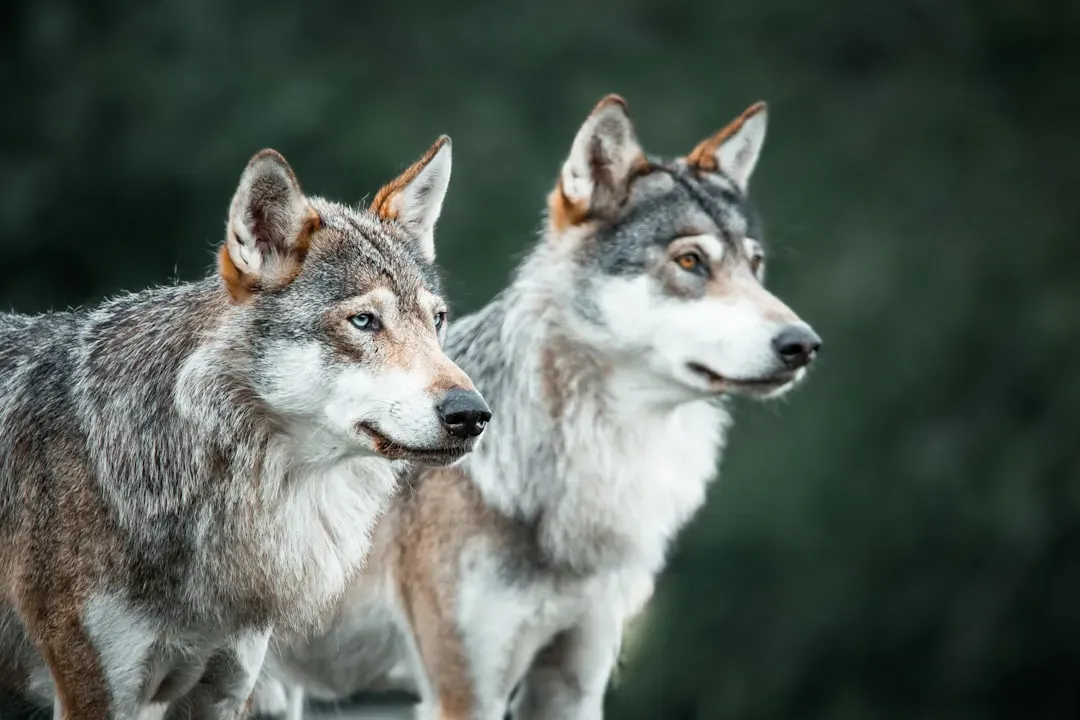
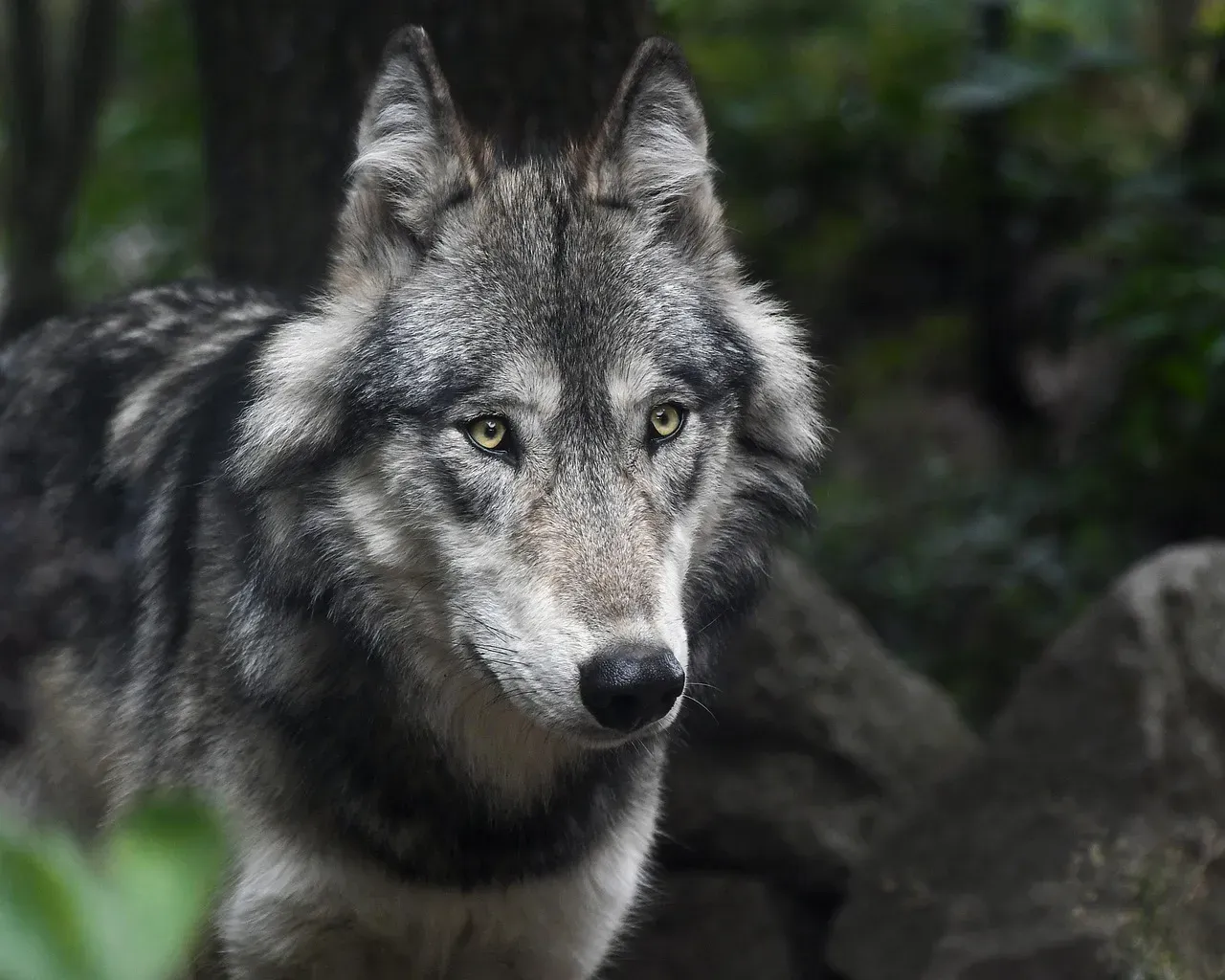
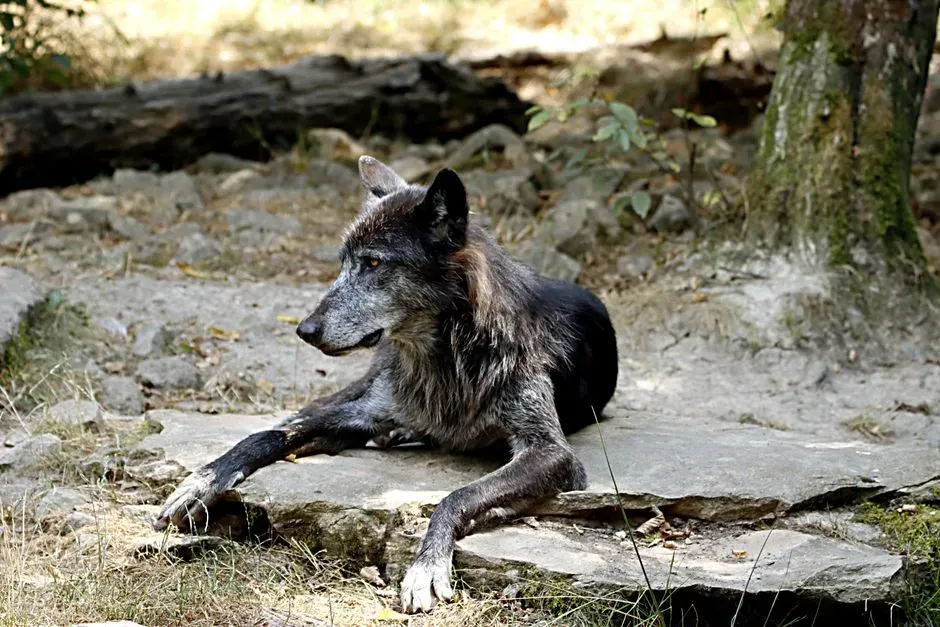
They Possess a Remarkable Range of Coat Colors (Image Credits: Pixabay)Despite their name, gray wolves exhibit a diverse palette of fur colors. Their coats can range from pure white in Arctic regions to shades of gray, brown, black, and even reddish hues. This variation not only adds to their mystique but also provides camouflage in different environments.
Wolves Have a Feast-or-Famine Eating Pattern
Wolves Have a Feast-or-Famine Eating Pattern (Image Credits: Pexels)When food is abundant, a single wolf can consume up to 20 pounds of meat in one sitting. However, they can also endure periods without food, sometimes going several days between meals. This adaptability allows them to survive in environments where prey availability fluctuates.
They Play a Crucial Role as Keystone Species
They Play a Crucial Role as Keystone Species (Image Credits: Pexels)Gray wolves are apex predators, meaning they sit at the top of the food chain. Their hunting activities help regulate the populations of large herbivores like deer and elk, preventing overgrazing and promoting biodiversity within their ecosystems. This balance ensures the health and sustainability of their habitats.
Wolves Exhibit Complex Social Structures
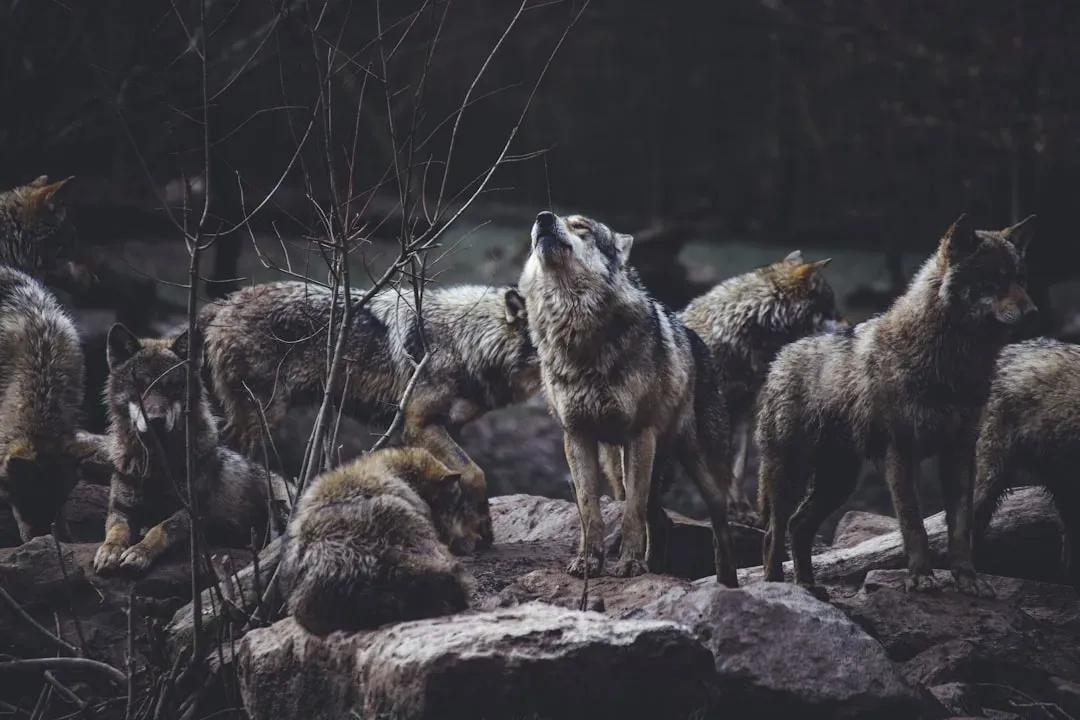
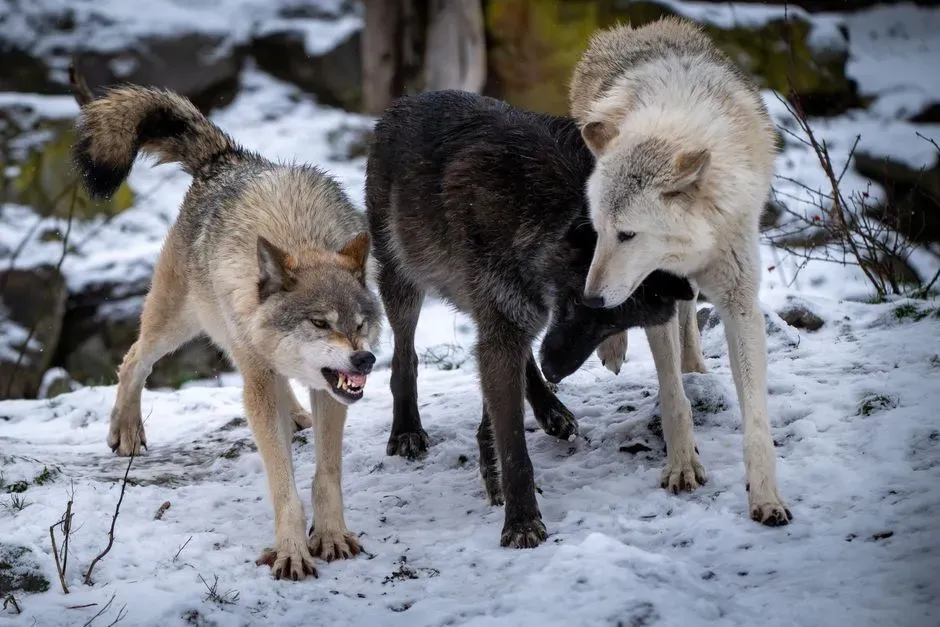
Wolves Exhibit Complex Social Structures (Image Credits: Unsplash)Living in packs that typically consist of 6 to 10 members, wolves have intricate social hierarchies. Each pack is usually led by an alpha pair, and roles within the group are clearly defined. This organization facilitates cooperative hunting and rearing of young, showcasing their advanced social behaviors.
They Communicate Through a Symphony of Sounds
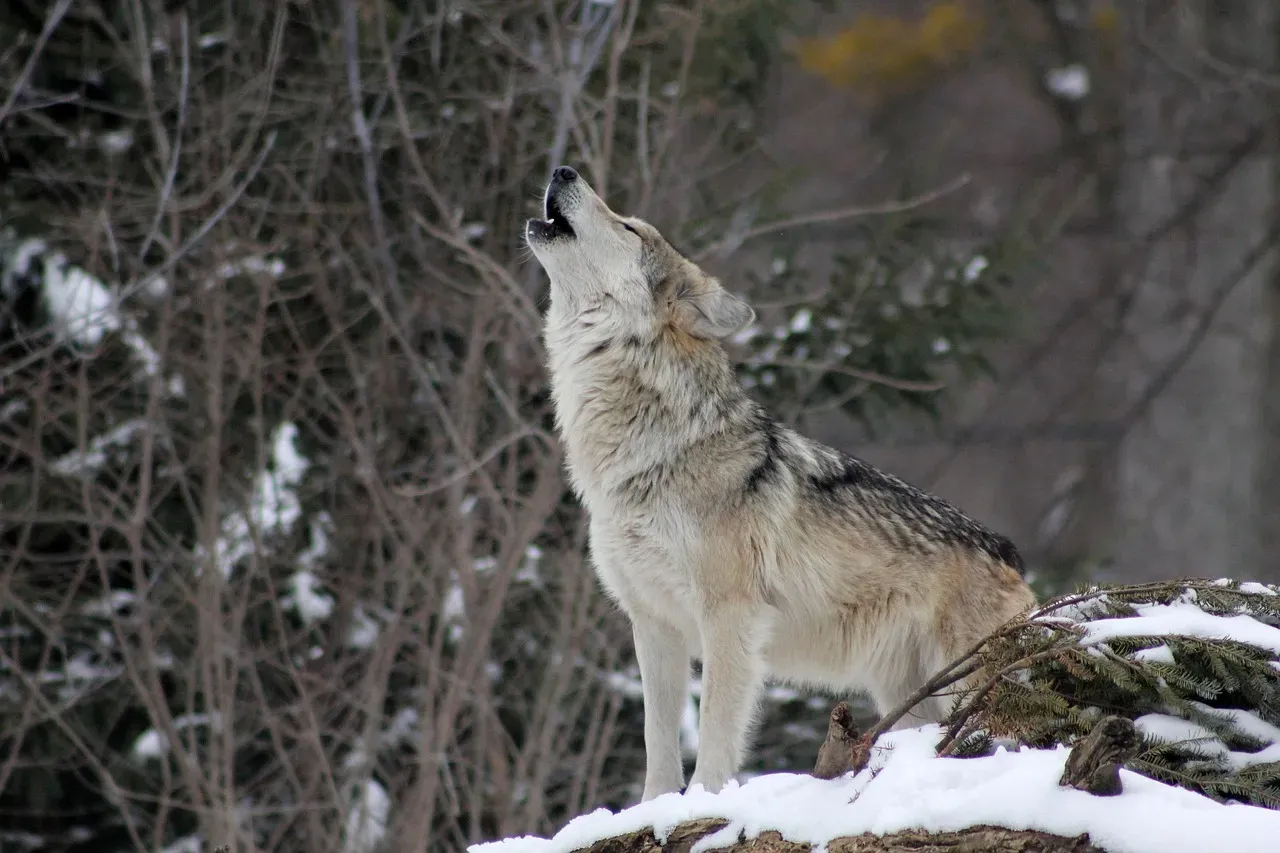
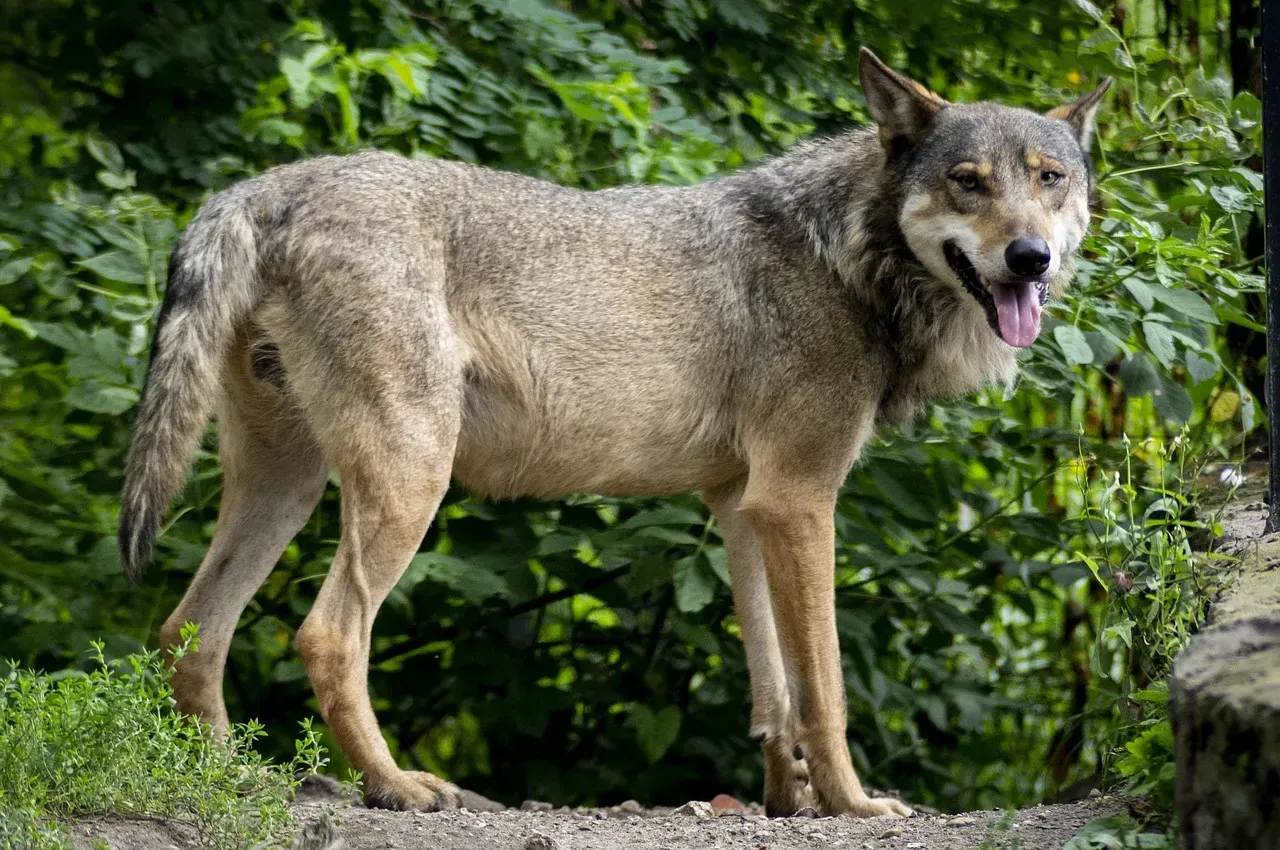
They Communicate Through a Symphony of Sounds (Image Credits: Pixabay)Beyond their iconic howls, wolves utilize a range of vocalizations, including barks, growls, and whines. Each sound serves a purpose, from coordinating hunts to reinforcing social bonds within the pack. Their howls can travel distances of up to 10 miles, ensuring communication across vast territories.
Wolves Are Monogamous and Mate for Life
Wolves Are Monogamous and Mate for Life (Image Credits: Unsplash)The alpha pair within a wolf pack typically mates for life, forming a strong bond that serves as the foundation of the pack’s social structure. This lifelong partnership ensures stability and continuity within the group, as they collaboratively raise their offspring and lead the pack.
They Have an Exceptional Sense of Smell
They Have an Exceptional Sense of Smell (Image Credits: Unsplash)A wolf’s sense of smell is estimated to be up to 100 times more sensitive than that of humans. This acute olfactory ability allows them to detect prey from great distances, track scent trails, and communicate through scent marking, which is vital for establishing territories and social bonds.
Wolves Can Cover Vast Distances
Wolves Can Cover Vast Distances (Image Credits: Pixabay)Gray wolves are known for their endurance and can travel up to 30 miles in a single day while searching for food or patrolling their territory. This remarkable stamina enables them to adapt to various habitats and ensures the survival of the pack by locating sufficient resources.
They Exhibit Alloparental Care
They Exhibit Alloparental Care (Image Credits: Pixabay)In wolf packs, it’s not just the biological parents who care for the pups. Other adult wolves, often older siblings, participate in feeding, guarding, and playing with the young. This communal approach to rearing ensures higher survival rates for the pups and strengthens pack cohesion.
Wolves Have a Diverse Diet
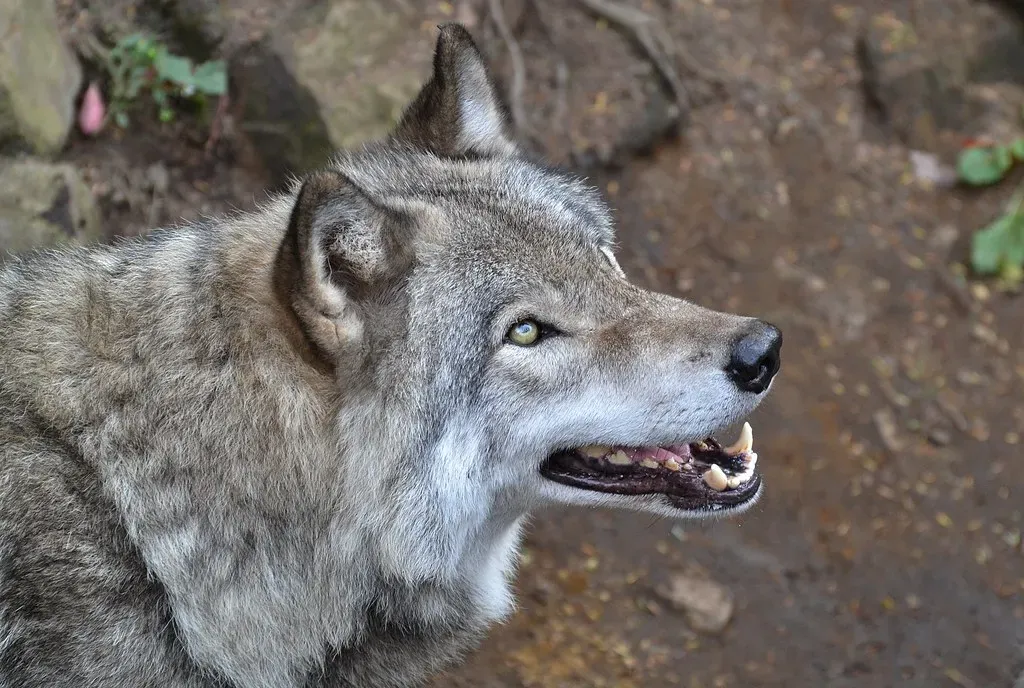
Wolves Have a Diverse Diet (DaPuglet, Flickr, CC BY-SA 2.0)While large ungulates like deer and elk are primary prey, wolves are opportunistic feeders. They also consume smaller mammals, birds, fish, and even fruits and berries when available. This dietary flexibility allows them to thrive in diverse environments and adapt to seasonal changes in food availability.
They Possess a Unique Gait
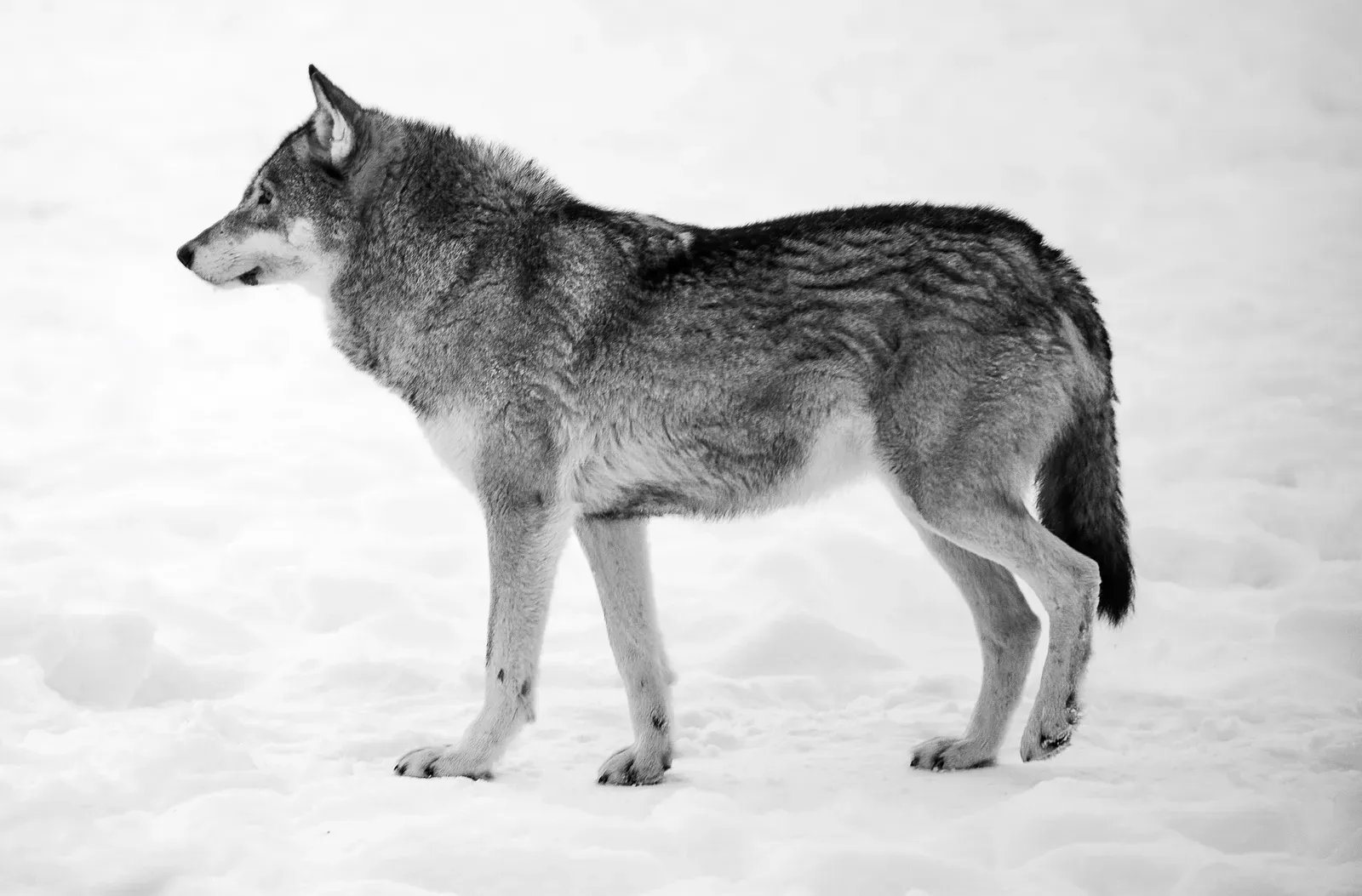
They Possess a Unique Gait (Image Credits: Pixabay)Wolves have a distinctive trotting gait that allows them to cover long distances efficiently. This movement conserves energy, enabling them to traverse their expansive territories in search of food and mates without excessive fatigue.
Wolves Are Known to Adopt Orphaned Pups
Wolves Are Known to Adopt Orphaned Pups (Image Credits: Pexels)Demonstrating their strong social bonds, wolf packs have been observed adopting and raising orphaned pups. This behavior underscores their cooperative nature and the importance of pack unity in ensuring the survival of the species.
They Have a Rich Presence in Human Culture
They Have a Rich Presence in Human Culture (Image Credits: Pexels)Throughout history, wolves have been prominent in myths, folklore, and literature. From being revered as symbols of strength and loyalty to being feared as villains in fairy tales, wolves have captivated human imagination, reflecting our complex relationship with these enigmatic creatures.
Wolves Are Making a Comeback in the U.S.
Wolves Are Making a Comeback in the U.S. (“The strength of the wolf is the pack, and the strength of the pack is the wolf” – Rudyard Kipling, CC BY 2.0)After facing near extinction in the contiguous United States due to hunting and habitat loss, gray wolves have been reintroduced in areas like Yellowstone National Park. These efforts have led to growing populations and have had positive ripple effects on ecosystems, demonstrating the resilience of nature when given a chance.Gray wolves are not just symbols of the wild; they are vital components of our natural world. Understanding and appreciating these incredible facts about them can foster a deeper respect and a commitment to coexistence. After all, isn’t it time we see the wolf not as a villain, but as a vital thread in the tapestry of our ecosystems?