
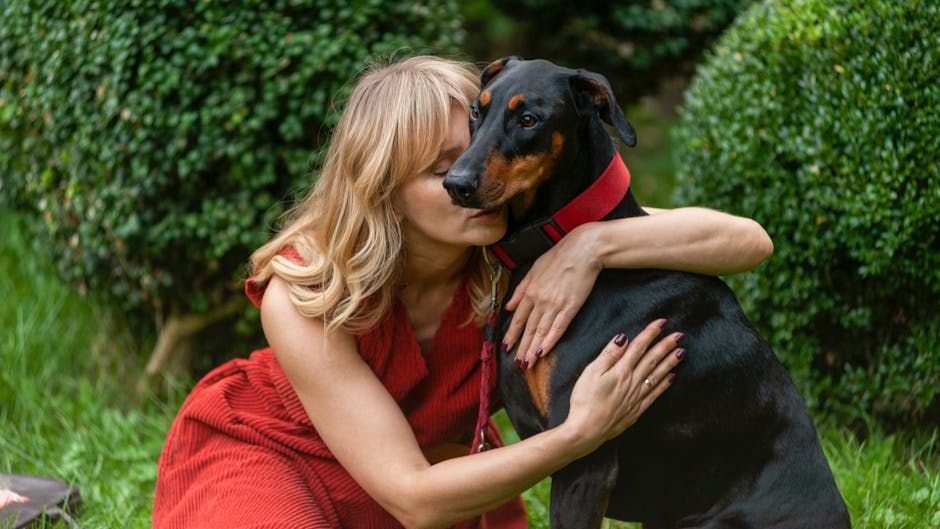
There’s a reason certain dog owners joke that they haven’t used the bathroom alone in years. Some dogs don’t just love you – they need to be physically near you, pressed against your leg or draped across your lap, at essentially all times. Others are perfectly content watching the room from across the hallway, bonded to you in spirit but not especially interested in your lap.
The difference isn’t about how much a dog loves its owner. It’s something deeper – wired into the breed’s history, its original job, and how it was shaped over generations. Whether you’re looking for a shadow that follows your every step or a calm companion who respects your space, knowing which camp a breed falls into before you bring one home can change everything about the relationship.
#1: Vizsla – The Ultimate Velcro Dog
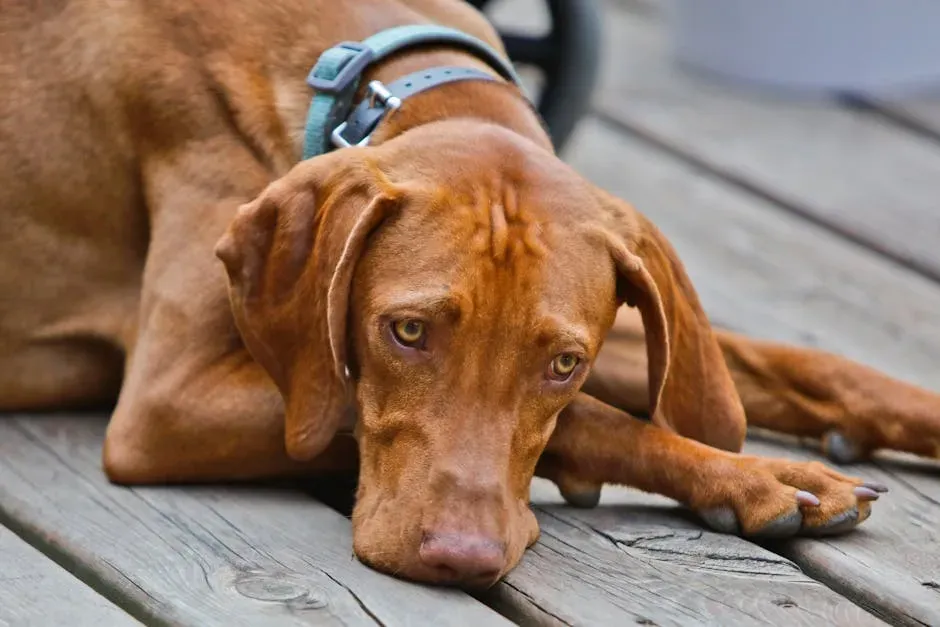
The Vizsla, originally bred in Hungary to work as a pointer and retriever, is often referred to as a “velcro dog” due to its extremely affectionate nature. This breed craves physical contact and forms strong emotional bonds with its family members. What makes the Vizsla especially intense is that this isn’t simply a personality quirk – it’s the result of centuries of breeding that required the dog to stay in constant sync with a human hunting partner.
Vizslas are highly active and thrive on companionship, becoming anxious if left alone for long periods. Their gentle demeanor and eagerness to please make them perfect for families and individuals seeking a dog that truly becomes a part of their lives. They’re not lap dogs in the traditional sense – they’re more like a devoted teammate who also happens to want physical closeness at every opportunity. For active households, this breed is essentially unmatched.
#2: Labrador Retriever – America’s Affectionate Favorite
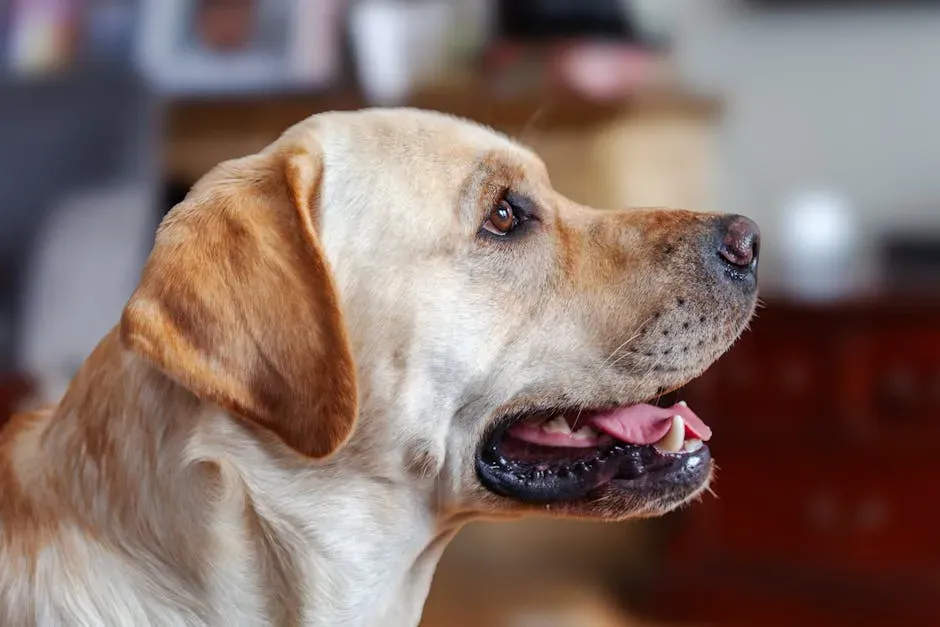
Endlessly affectionate and famously friendly, the Labrador Retriever is the most popular breed in the United States for good reason. Many people don’t realize that this social butterfly can be on the needy side. Labs have a reputation for being easygoing, but their need for connection goes well beyond a casual tail wag at the door.
Labs are known for their “clinginess,” always wanting to be involved in family activities and often following their owners from room to room. They are happiest when participating in group activities, whether it’s a family dinner, watching TV, or outdoor adventures. There’s something genuinely joyful about a Lab’s approach to togetherness. They don’t demand affection so much as they simply assume everyone in the room wants to share it with them – and they’re usually right.
#3: Golden Retriever – The Warm-Hearted Shadow
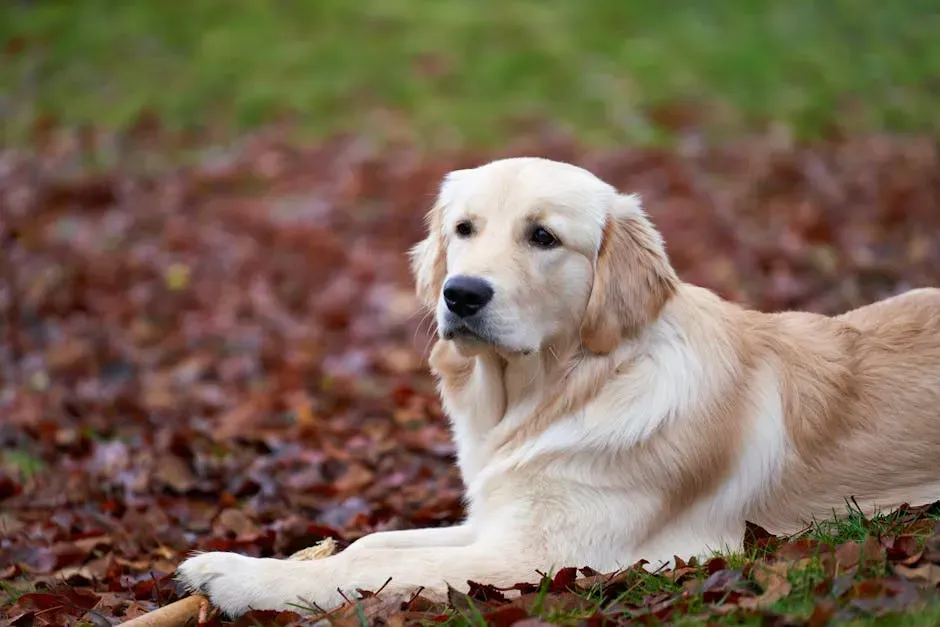
The loveable Golden Retriever is considered a clingy family dog. It’s their eager-to-please personality and need for praise that makes them so in need of human affection. Goldens were developed to work in close partnership with hunters, and that collaborative instinct never left. They don’t just want to be near you – they want to be useful to you, emotionally and physically.
Golden Retrievers are family-oriented dogs that love to be with their family as much as possible. This can make them seem clingy or needy if they don’t get enough exercise or mental stimulation throughout the day. If they can’t get their energy out in a healthy way, they’ll look to you to satiate their boredom. Not naturally anxious, Golden Retrievers are inclined to be confident family pets so long as you give them enough exercise and mental stimulation via training, games, walks, and doggy play dates. The takeaway is simple: a well-exercised Golden is a content one, but they always want you nearby while they’re at it.
#4: Cavalier King Charles Spaniel – Born for the Lap
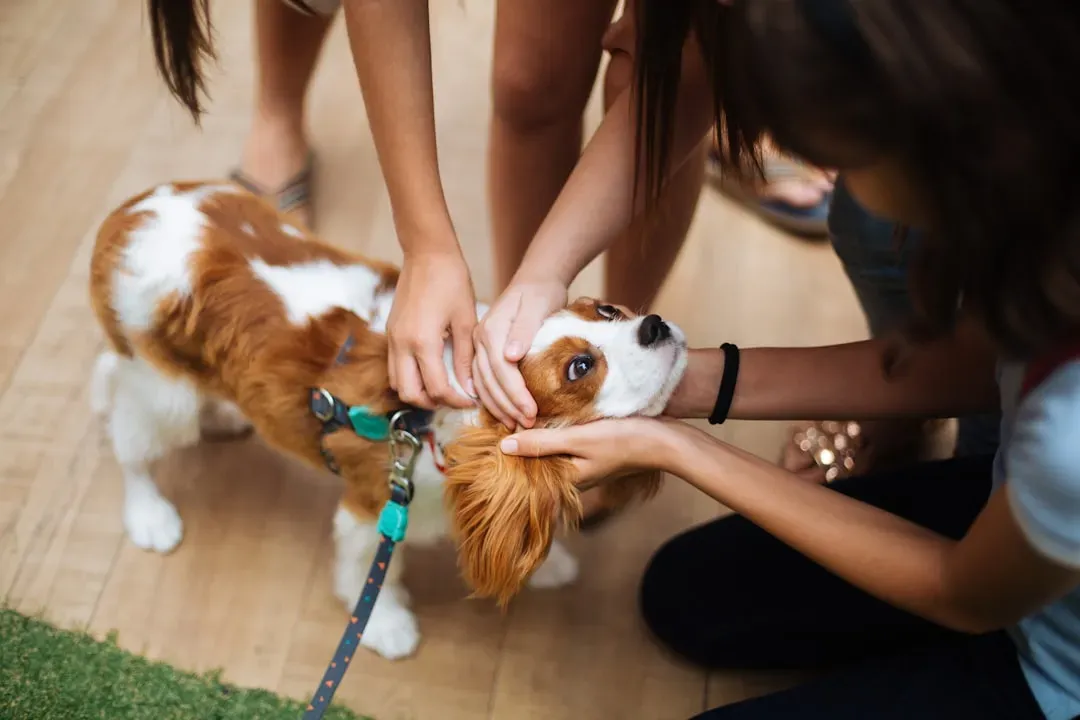
The Cavalier King Charles Spaniel is a superb lap dog. Their smaller size, kind demeanor, and constant desire to snuggle with pretty much anyone who will snuggle back makes them total lovers, though needy. These playful dogs with big, beautiful eyes adore having fun and crave constant human affection, totally devoted to their owners. Few breeds wear their emotional needs as openly as the Cavalier does.
Cavalier King Charles Spaniels are the epitome of a lap dog, known for their gentle and affectionate demeanor. They form strong emotional bonds with their owners and dislike being left alone. Cavaliers are happiest when snuggling with their family and can become anxious if they feel neglected. Their need for constant companionship makes them ideal pets for retirees or homebodies who can provide them with the attention they crave. It’s a breed that rewards slow-paced, present living. They tend to thrive most in households where someone is consistently home.
#5: French Bulldog – The Compact Companion Who Demands Presence
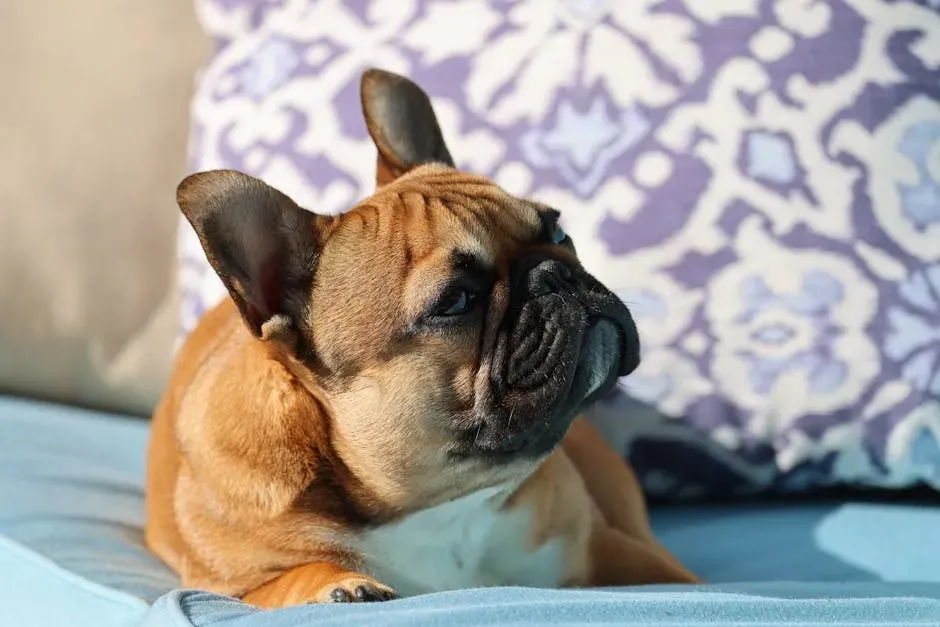
The Frenchie nearly demands affection, making it one of the most needy and loving dog breeds. French Bulldogs are very even-tempered and naturally curious and playful, ideal for a single person who has the time to devote all their attention to them. They do not do well when left on their own for long periods of time. Their compact size is deceptive. There’s nothing low-maintenance about the emotional requirements of a French Bulldog.
Frenchies are another breed known for being innate lap dogs. They don’t need much in the way of activity, so they are more than happy to spend all their time lounging with their people. They are very sociable, are happy to adapt to any lifestyle their families choose, and form very tight-knit relationships with their humans. They suit city dwellers, apartment life, and people who work from home – as long as “from home” means the Frenchie can be on or near you most of the time.
#6: German Shepherd – The Loyal Protector Who Needs You Close
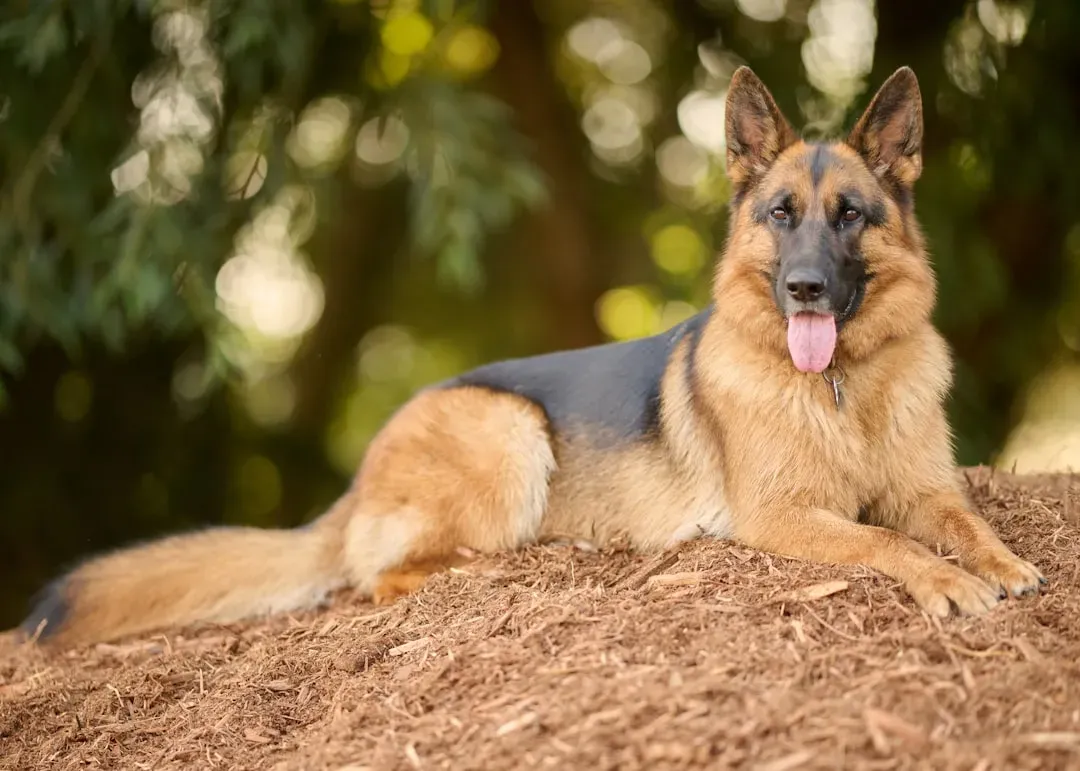
German Shepherds are one of the most versatile and intelligent dog breeds, and their loyalty to their human family is unmatched. They were originally bred for herding but have adapted to various roles, including companion animals. German Shepherds are known for their deep connection to their owners, often anticipating their needs and moods. Their protective nature can sometimes make them wary of strangers, but they are incredibly affectionate and clingy with their family members.
Originally bred for herding, German Shepherds excel as working dogs but can become “needy” when not challenged. One veterinarian notes that “The German Shepherd is surprisingly clingy, and in modern society can develop severe separation anxiety if not properly trained and socialized.” This separation anxiety can lead to destructive behaviors around the home, or attempts to escape, which can lead to injury. The key with German Shepherds is channeling their loyalty productively – a bored, under-stimulated Shepherd who misses you is a recipe for chaos.
#7: Doberman Pinscher – Tough on the Outside, Tender Within
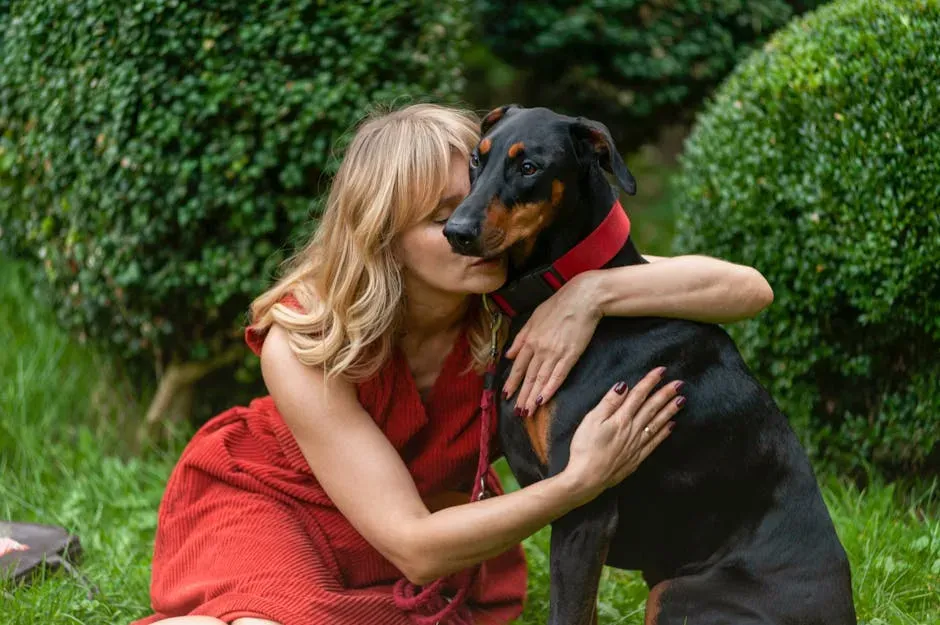
Dobermans are powerful, intelligent dogs known for their loyalty and protective instincts towards their owners. Despite their fierce reputation, they are often big softies with their families. Dobermans are known to be particularly clingy, always staying close to their human pack, especially around children. The contrast between their imposing appearance and their genuine need for human closeness is one of the most striking things about the breed.
Dobermans literally embody loyalty. They are born fierce protectors and widely known as excellent guard dogs, which is why they have such a strong desire to stay near their humans – to stay vigilant and ensure they’re safe. Make no mistake though, these dogs are also extremely loving. They are also remarkably smart and athletic, so they will need a good deal of time and attention to be physically and mentally fulfilled. Owning a Doberman means committing to a relationship, not just a pet. They give deeply and expect the same in return.
#8: Chihuahua – Small Dog, Enormous Attachment
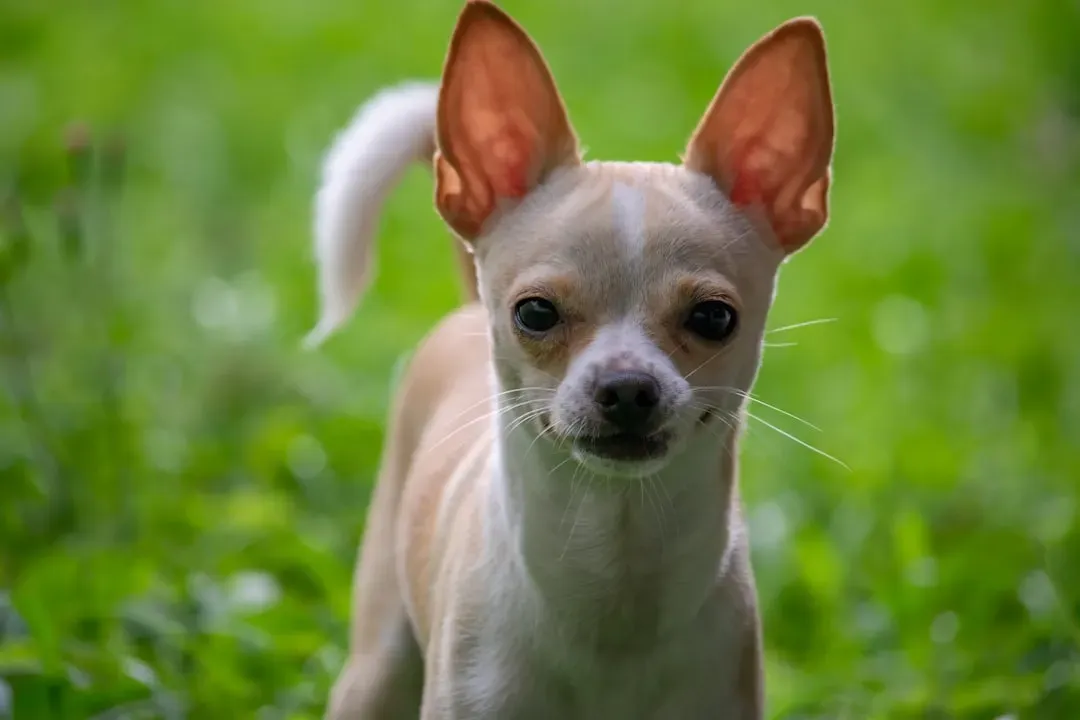
The Chihuahua is the smallest dog in the world, yet ironically, their owners say they have the biggest personalities. This tiny companion is fiercely loyal to its owner and expects to be included in all family activities. They can be jealous too – Chihuahuas are so devoted to their owners that they can be nippy to strangers or other animals vying for your attention. Their size makes the intensity easy to underestimate, but it genuinely shouldn’t be.
Chihuahuas may be tiny in size, but their dependency on their owners is immense. This breed often bonds strongly with a single person, showing immense loyalty and affection. Chihuahuas can be suspicious of strangers, preferring the familiar comfort of their owner’s lap. Their clingy nature makes them excellent companions for those who desire a constant sidekick, although their protective attitude requires careful socialization to manage. They’re essentially big-dog personalities packed into a tiny frame, and they’ll remind you of that daily.
#9: Shih Tzu – The Ancient Lap Dog With Royal Expectations
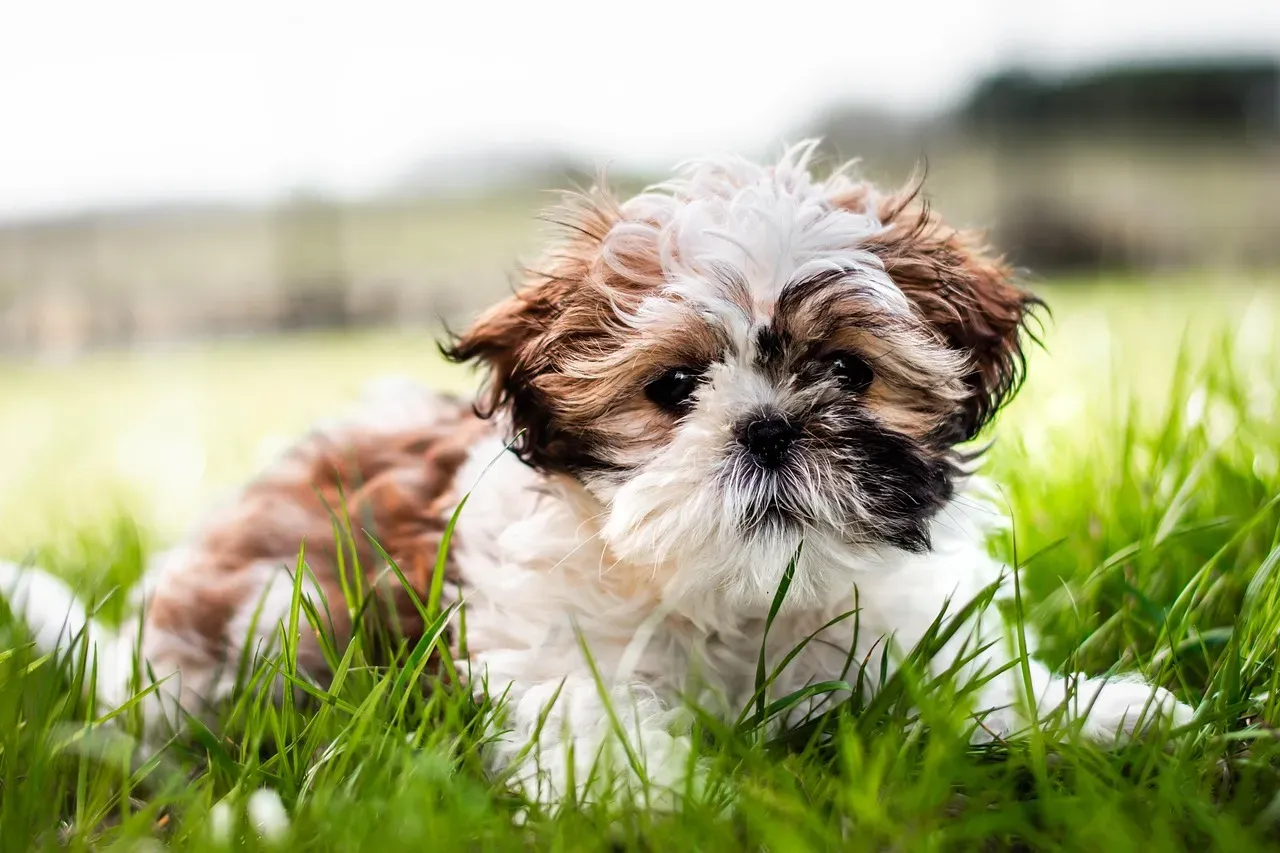
Historically, Shih Tzus were a house pet for most of the Ming Dynasty, and their role as a companion dog has not changed much over the centuries. They are known for their friendly nature and the strong bonds they form with their owners. Shih Tzus are true companion dogs and demand to be a central part of the family. They enjoy following their people from room to room, sitting on laps, and generally participating in all aspects of domestic life.
Originating from royal Chinese lineage, Shih Tzus are bred to be companions and lap dogs. They adore human contact and are always ready for a cuddle or a gentle stroke. The Bichon Frise-like desire to be the center of attention is deeply embedded in this breed’s DNA. Living with a Shih Tzu is a bit like being followed by a small, fluffy ambassador of affection who assumes you’re delighted by the company – which, honestly, most owners are.
#10: Italian Greyhound – Graceful, Delicate, and Surprisingly Dependent
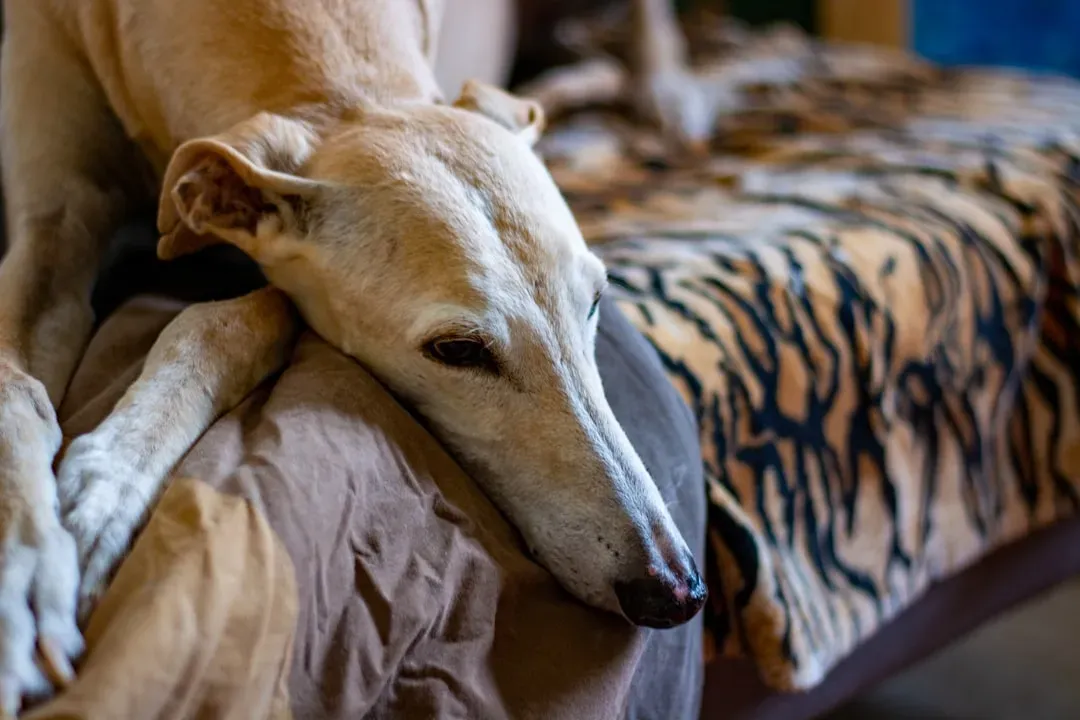
Italian Greyhounds are the epitome of a lap dog, embodying grace, affection, and a preference for sticking close to their favorite human. This breed is known for its slender build and elegant appearance, but don’t let their delicate looks deceive you. Italian Greyhounds possess a playful spirit and form strong, clingy bonds with their owners. They carry themselves with an almost aristocratic air, yet they’d happily spend the entire day tucked under a blanket with you.
Italian Greyhounds are slender, delicate dogs known not only for their physical grace but also for their deep attachment to their owners. They love to cuddle and often seek the warmth and comfort of their human’s touch, making them frequent bed companions. Due to their sensitive nature, Italian Greyhounds can become overly dependent, experiencing distress when separated from their family. They’re not for households where long stretches of alone time are routine. Their emotional wiring simply isn’t built for it.
#11: Shiba Inu – Loyal, but on Its Own Terms
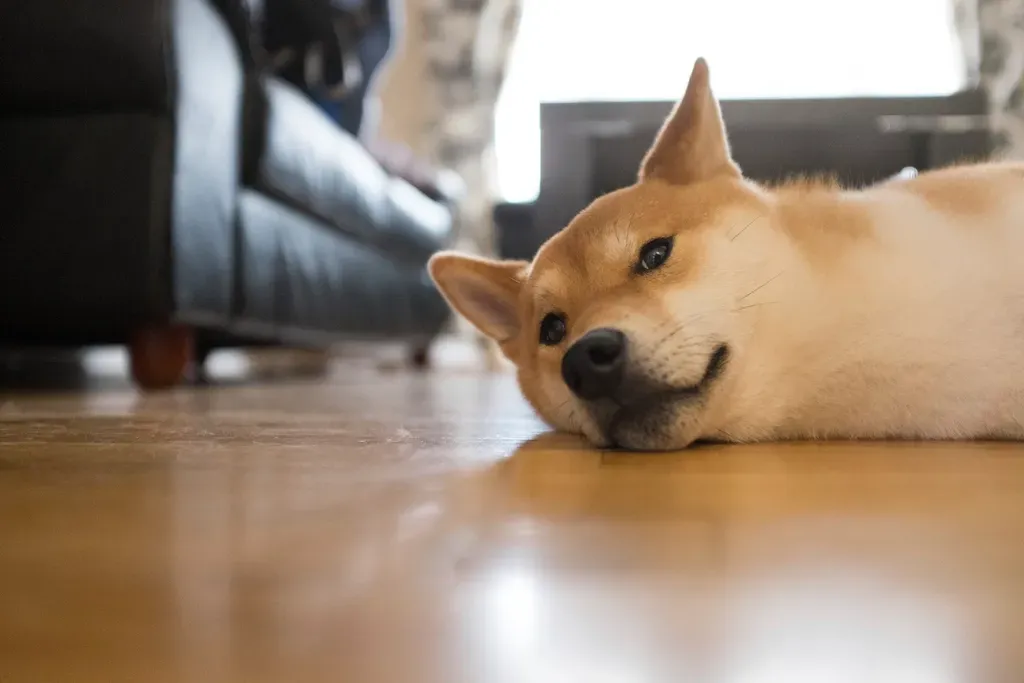
The Shiba Inu was originally bred for hunting small animals in Japan’s rugged terrain, which shaped its ability to think and act independently. Shiba Inus are happiest when they have structure, exercise, and a bit of freedom to do things on their own devices. Despite their independence, Shiba Inus remain loyal to their families, forming strong bonds built on respect rather than constant affection. They are clean, quiet, and dignified dogs who prefer observing rather than following.
Shiba Inus are known to be inherently loyal and independent – they are not needy dogs. They have a reputation for not being overly affectionate, but that is balanced by being happy in their own company. They can be stubborn, so training them may be more challenging than others. The Shiba Inu is the kind of dog that watches everything from a comfortable distance, fully aware of your presence, choosing carefully when to engage. There’s a quiet dignity to it that their owners genuinely love.
#12: Chow Chow – The Calm Observer With a Lion’s Mane
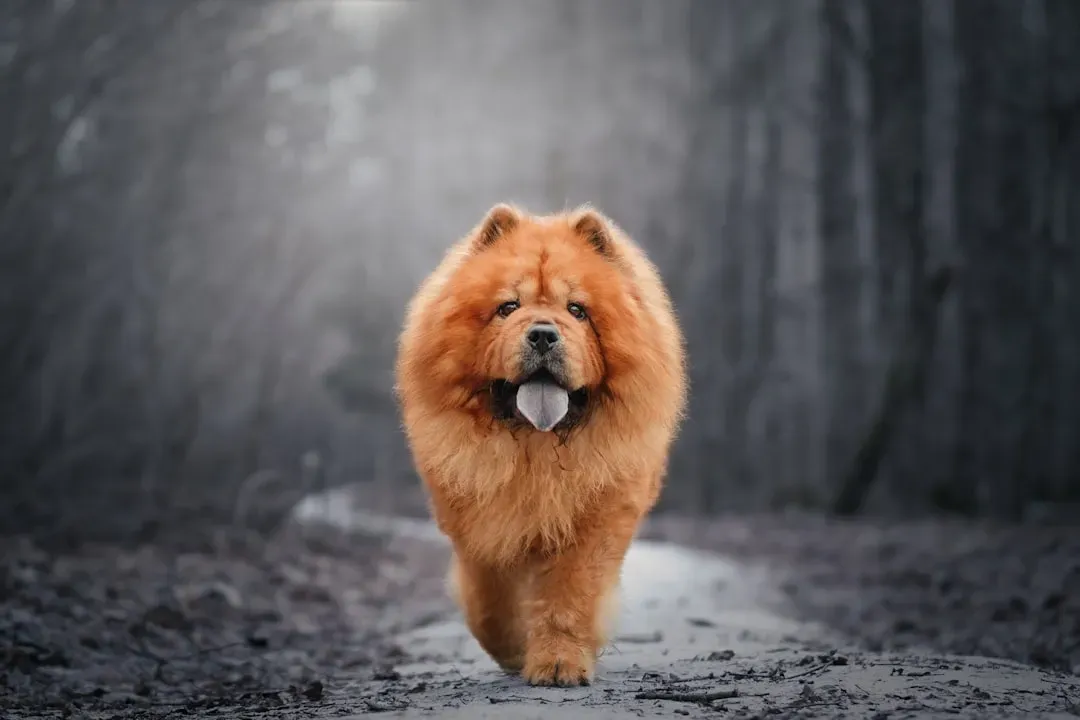
The Chow Chow is a breed that walks with quiet dignity and enjoys its own company just as much as your attention. Known for their lion-like mane and serious expression, Chow Chows are among the most independent dogs you can own. They don’t crave constant cuddles or attention; instead, they prefer calm spaces where they can observe quietly. People often describe them as cat-like, and it’s a fair comparison.
Chow Chows are often described as aloof and reserved dogs. They form strong bonds with their owners but generally do not seek out constant affection. Their independent nature means they require socialization from an early age to help them interact well with others. Chow Chows can become overly cautious or suspicious of strangers and other animals without proper socialization. They show loyalty through calm, steady presence rather than physical closeness – and for owners who appreciate that quieter kind of bond, the Chow Chow is deeply rewarding.
#13: Basenji – The Barkless Watcher From Central Africa
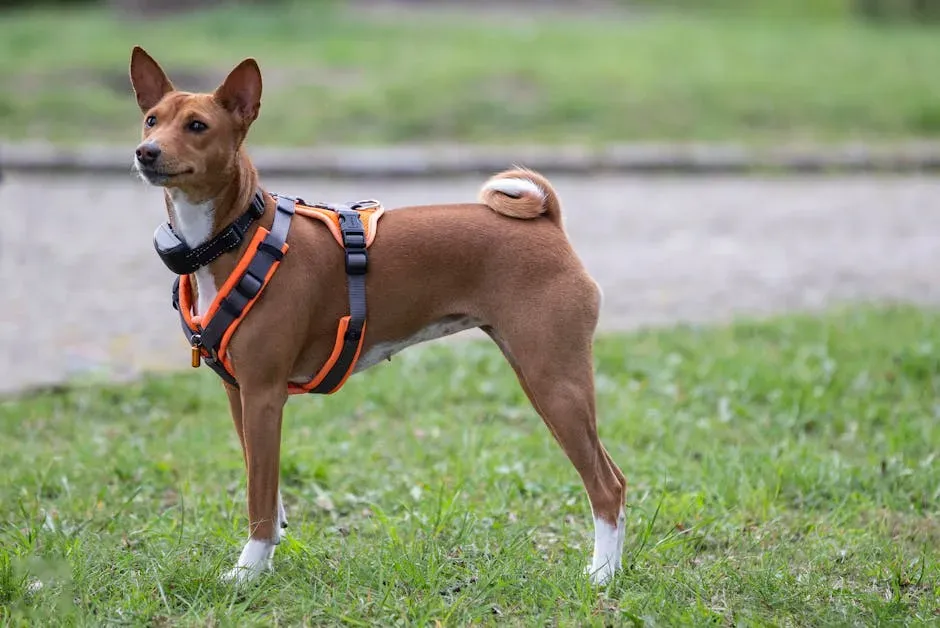
The Basenji, often called the “barkless dog,” is a small, elegant breed known for its independence and unique personality. Originating from Central Africa, this breed was initially bred for hunting, where self-reliance was crucial. Basenjis are highly intelligent and curious, but they tend to be aloof, often preferring to observe rather than engage actively with their humans. They are loyal to their families but are not overly affectionate or demanding of attention. Their independent spirit means they can thrive with some alone time, making them well-suited for owners who appreciate a less needy companion.
The Basenji is mysterious, charming, and strikingly self-reliant. It is one of the oldest known breeds, originally bred in Central Africa to hunt and guide without human command. This history explains its independent nature and clever thinking. Unlike clingy dogs that crave attention, this barkless dog prefers its own company. It’s known for being tidy, quiet, and emotionally balanced – a perfect match for owners who have busy schedules or spend a few hours away from home. Don’t mistake the distance for coldness. Basenjis observe everything and miss nothing.
#14: Akita – The Reserved Guardian Who Respects Space
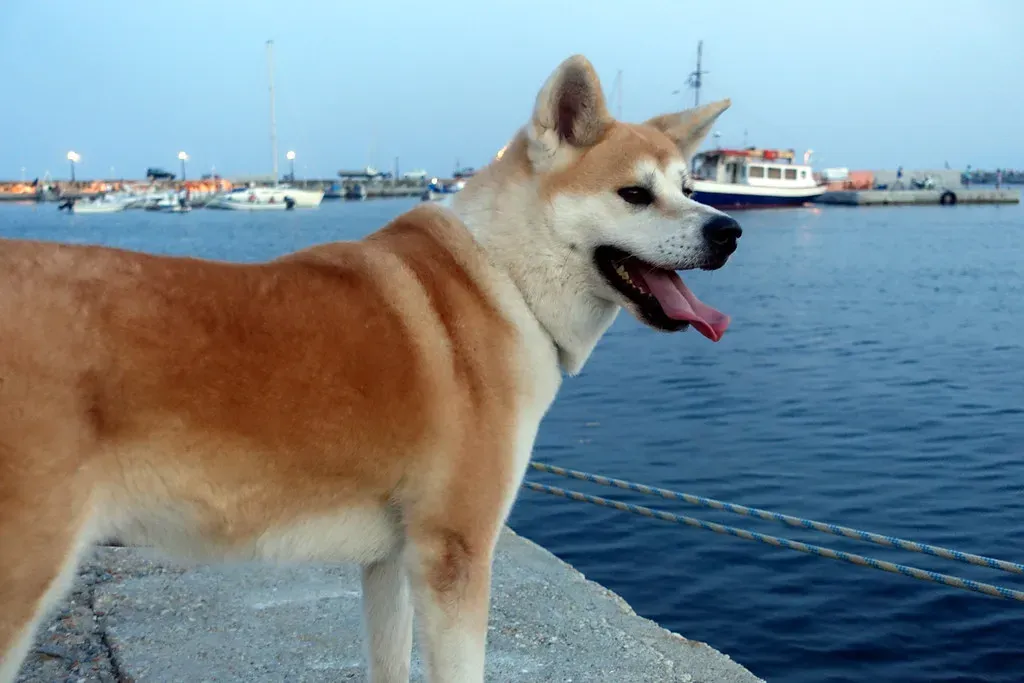
The Akita is a large and powerful breed known for its loyalty and independence. Originally bred in Japan for hunting and guarding, Akitas are incredibly self-sufficient. They have a strong sense of territory and can be reserved with strangers, often preferring to stay close to their home base. Akitas thrive on routine and structure but are content to spend time alone when their humans are busy. Their independent mindset means they don’t constantly seek attention, allowing them to be dignified companions who are satisfied with their own company.
The Akita is a dignified and powerful breed that originated in Japan. Traditionally used for guarding and hunting, Akitas are known for their quiet confidence and strong protective instincts. These dogs are naturally independent, forming deep bonds with their families while remaining aloof with strangers. While they can be affectionate with family, they prefer limited interaction and need space to feel comfortable. The Akita’s loyalty is genuine and fierce – it just looks very different from a Labrador’s version of the same thing.
#15: Afghan Hound – Elegant, Ancient, and Beautifully Aloof
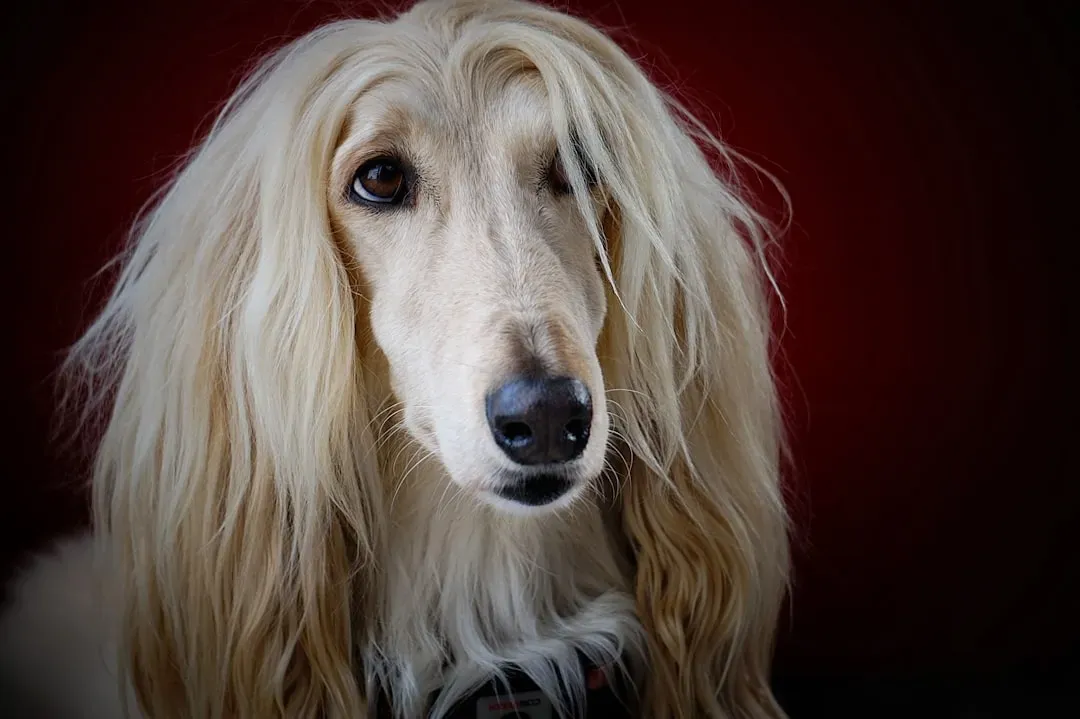
Afghan Hounds are generally independent dogs that have a reserved personality. With their family members, an Afghan Hound shows affection. Toward strangers, however, the breed can be rather aloof. They’re one of the oldest dog breeds in existence, and they carry that ancient self-possession with them in everything they do – from the way they move to the way they assess a room before deciding whether to engage.
The Afghan Hound stands out with its elegant appearance and graceful movement. Hailing from the mountainous regions of Afghanistan, this breed was developed to hunt large prey in challenging terrains. Afghan Hounds had to rely on their own judgment, which contributes to their independent mindset. These dogs are often described as aloof and selective in their affections. They love on their own schedule, in their own way. You earn an Afghan Hound’s closeness gradually, and there’s something oddly satisfying about that when it finally comes.
The Bottom Line: Match the Dog to Your Life, Not Your Wishlist
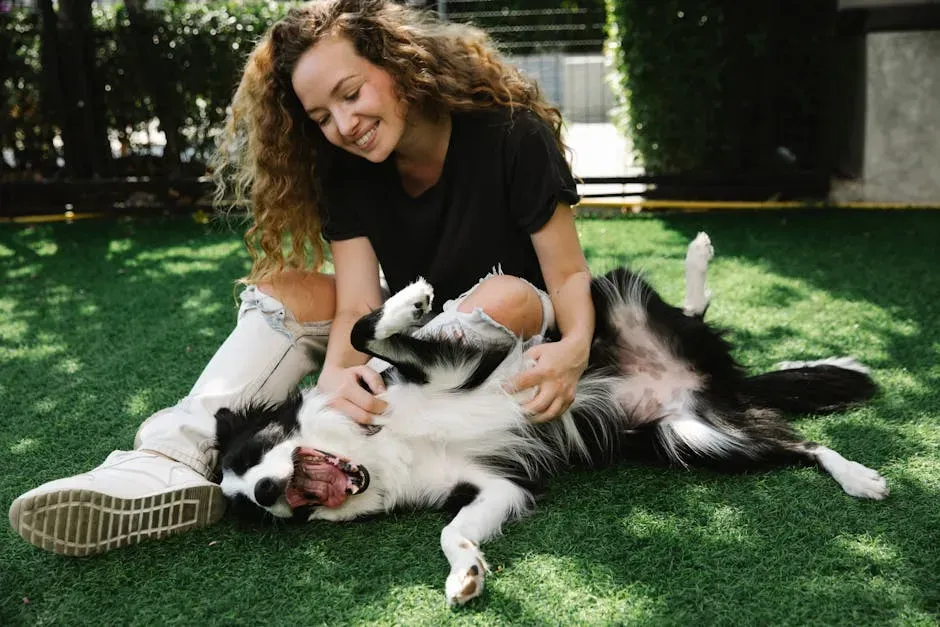
The difference between a velcro dog and an observer isn’t about which type is better – it’s about which type fits who you actually are. While clingy behavior can be endearing, it may become problematic if it leads to separation anxiety, causing stress and disruptive behaviors in dogs. Knowing what you’re walking into before you commit is the most responsible thing a future dog owner can do.
Dogs are often described as man’s best friend, but that doesn’t mean every dog prefers to constantly be at your side or in your lap. Some dogs are more reserved, seeking less attention from humans and preferring to spend some time by themselves. While a dog’s personality isn’t defined only by breed, some breeds have a reputation for being more independent-minded. That’s not a flaw – it’s a feature, for the right owner.
The most honest thing to say is this: the breeds that crave contact will fill your home with warmth in a way that’s genuinely hard to describe until you’ve experienced it. The breeds that prefer observation will earn your respect in a quieter, more measured way. Both types of relationships are real, both are meaningful, and both deserve an owner who chose them with open eyes. The only wrong choice is picking a clingy dog when you need space – or picking an aloof one when what you actually need is something warm pressed against your side at the end of a long day.


