
Dogs have a remarkable way of making life feel a little warmer. For seniors, a good canine companion can mean fewer lonely afternoons, a reason to step outside, and that unmistakable sense of purpose that comes with caring for another living thing. The science actually backs this up. Senior dog owners walk an average of 22 more minutes per day compared to non-dog-owning peers, and seniors who own pets are significantly less likely to report feeling lonely.
The problem, though, is that not every dog is the right dog. Some breeds are so physically demanding, so relentlessly high-energy, or so behaviorally complex that they can quickly turn a heartwarming idea into an exhausting daily struggle. Not only is owning the wrong dog breed bad for the human, but it’s also bad for the dog. When seniors are gifted or purchase inappropriate breeds, dogs often end up under-stimulated, under-exercised, and prone to behavioral issues that make them even less manageable. Before you fall for a pair of puppy eyes at the shelter, here are 15 breeds worth thinking twice about.
#1. Border Collie
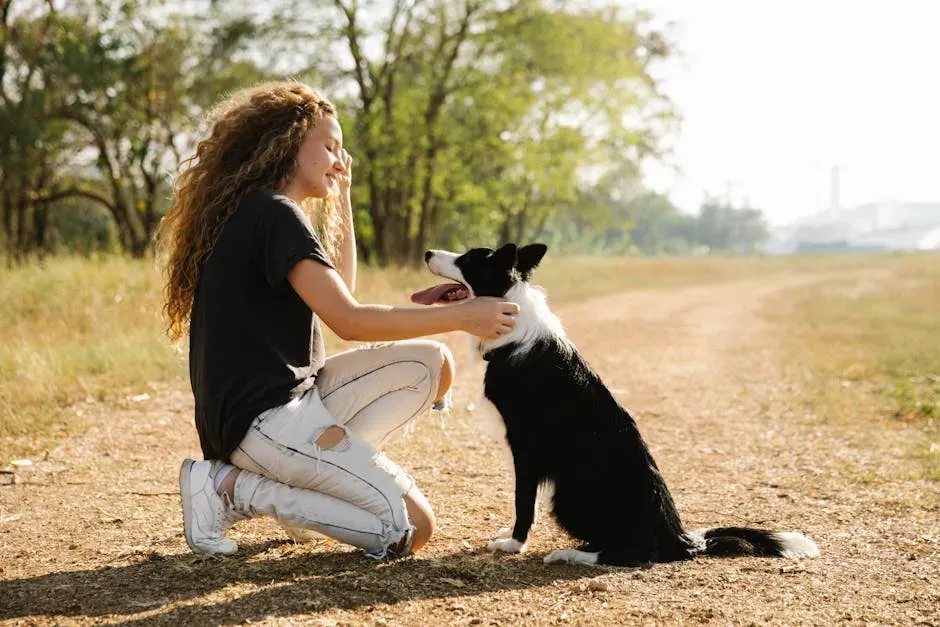
Border Collies are considered the most intelligent dog breed in the world, which sounds appealing on the surface. These workaholic dogs are always on the go and need constant mental and physical stimulation, or they can become destructive. That’s not an exaggeration. A bored Border Collie will find something to do with all that nervous energy, and it usually involves your furniture or your nerves.
Border Collies require a minimum of two hours of exercise daily to stay satisfied. Regular exercise, long walks, playtime, and mental challenges are all necessary to prevent boredom and destructive behavior. When training a Border Collie, early socialization with other people and dogs is critical – and this can be particularly challenging for seniors who are unable to take them to social environments regularly.
#2. Australian Shepherd
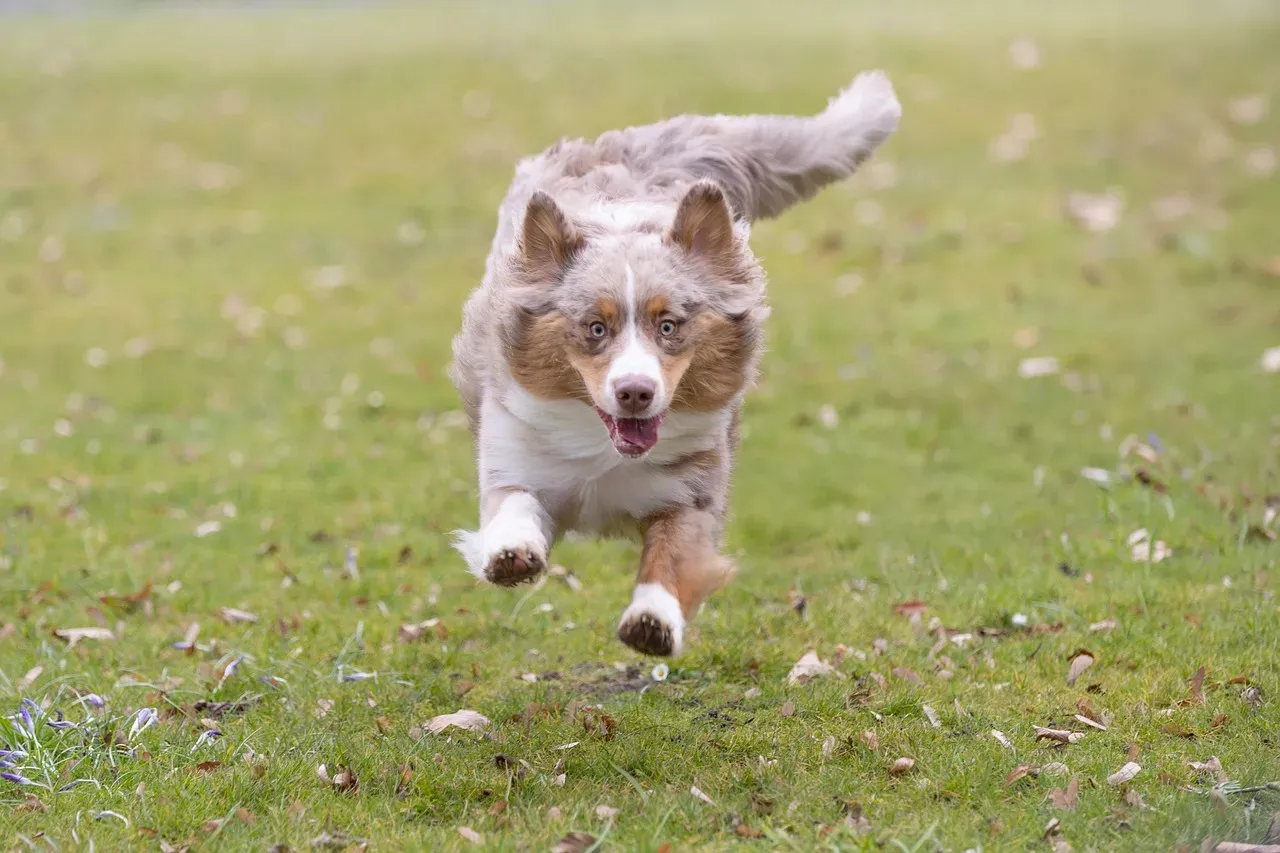
Easily bored with extraordinarily high energy levels, Australian Shepherds need an active lifestyle. They are a herding breed, after all, and were built for life on a farm. Apartment living, quiet mornings, and slow evening walks simply won’t cut it for this breed. They’ll let you know about it, loudly and persistently.
Sometimes prone to anxiety and quick to take out frustration with redirected aggression, the Australian Shepherd is not an appropriate breed for a senior. Their herding instincts may even lead them to try herding family members, especially children or other pets, which can create chaotic and even dangerous situations in the home.
#3. Siberian Husky
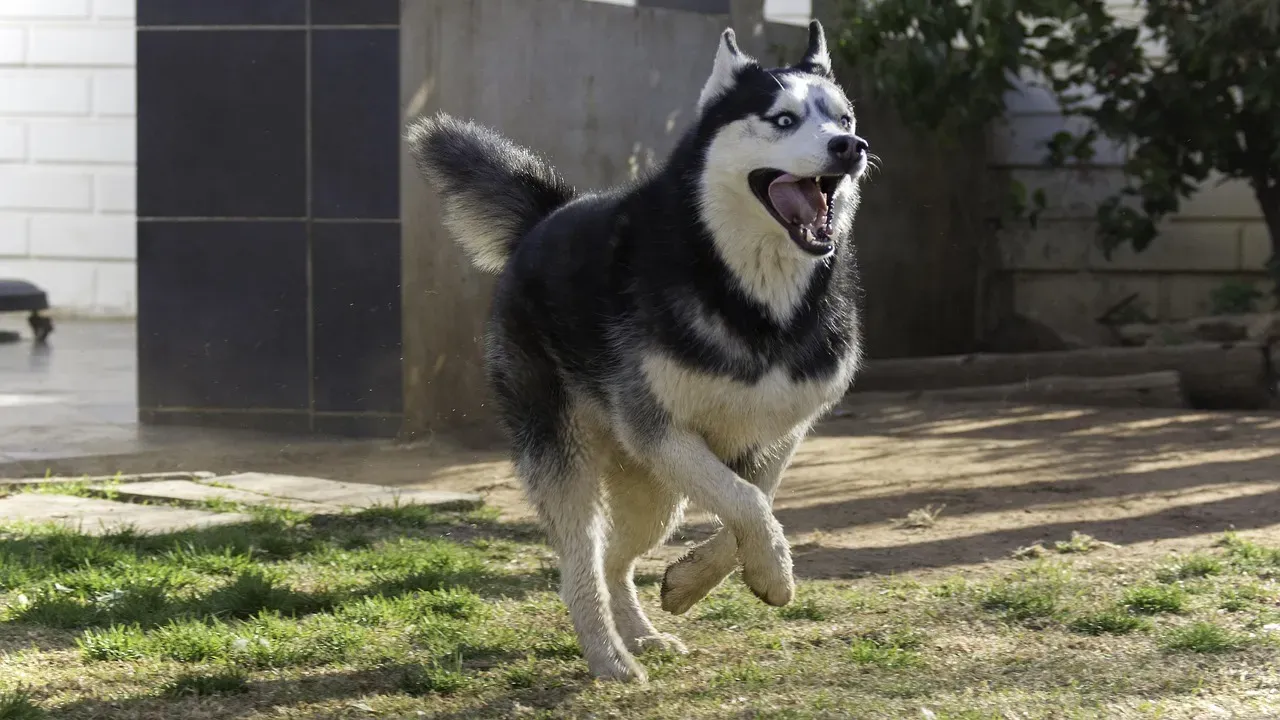
Siberian Huskies are beautiful dogs, but they are full of energy and have a strong need for physical activity. These dogs were bred to pull sleds, and they retain that desire to run and explore. Huskies require extensive exercise, making them less than ideal for seniors who may not have the energy or space to meet their needs.
These large dogs require a fair amount of playtime, exercise, and activity to keep them mentally stimulated and physically fit. Huskies can be somewhat more stubborn than other breeds when it comes to training, which may pose real challenges for seniors who need a more obedient companion. Their tendency to howl and escape securely fenced yards adds yet another layer of difficulty.
#4. German Shepherd
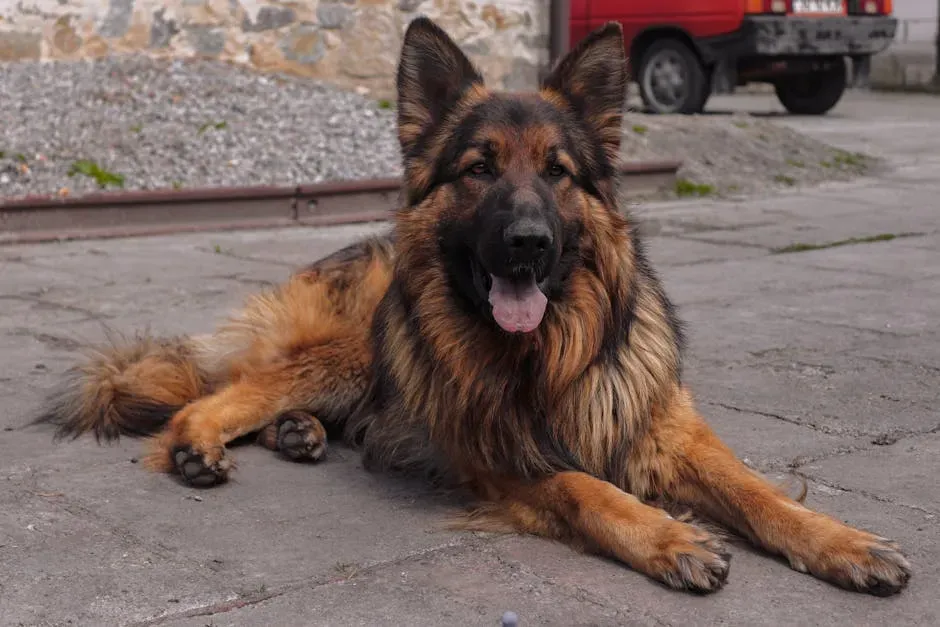
German Shepherds are alert, high-energy, protective dogs that require extensive training and hours of daily exercise, rough play, and mental stimulation. Extremely strong and known to be reactive when not properly trained, German Shepherds are not a good choice for seniors. Their loyalty is admirable, but their intensity can be relentless.
One major reason German Shepherds are a poor fit for seniors is their shedding. They shed constantly all year round, requiring daily cleaning to keep a living space free of hair. Pet hair carries dander that may spread dust mites, pollen, and mold. For seniors with respiratory sensitivities or allergies, this alone can be a deal-breaker.
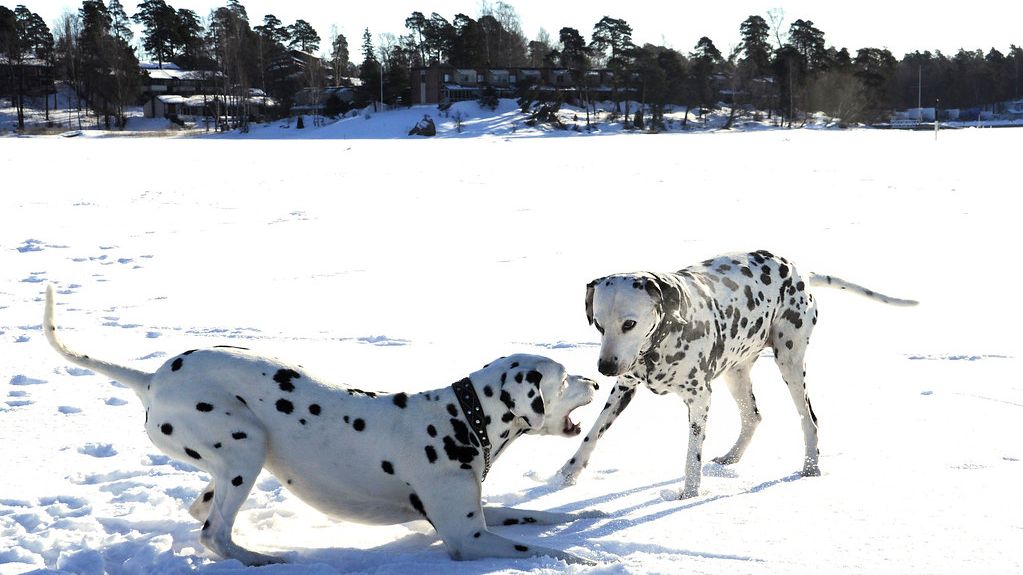
#5. Dalmatian
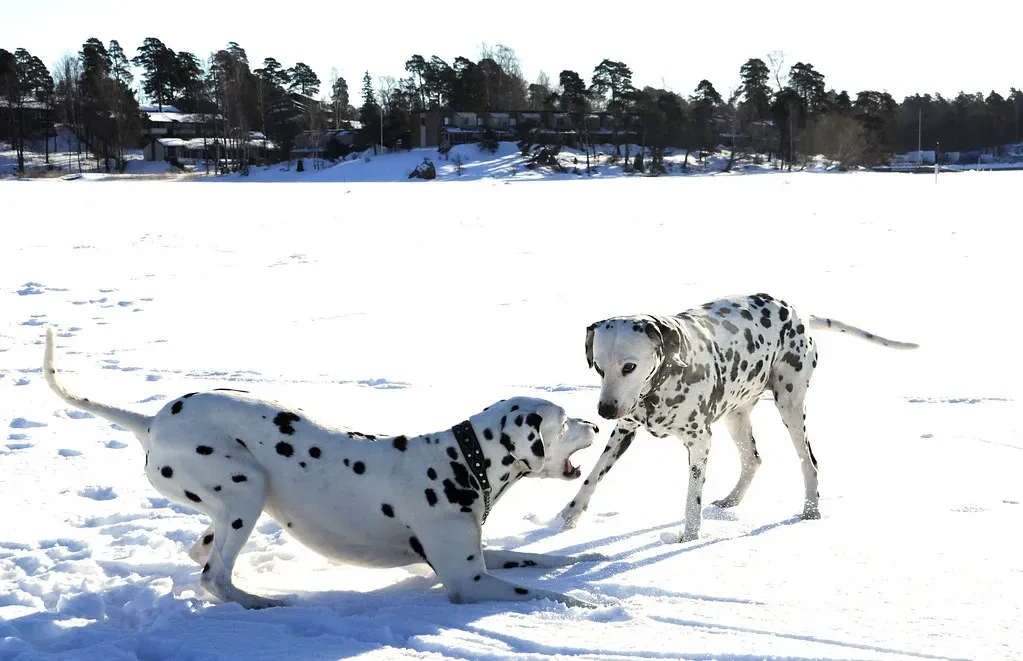
Dalmatians are energetic dogs that require a lot of exercise and stimulation to stay happy. These dogs were bred to run alongside carriages, and they retained that love of physical activity. Dalmatians need plenty of space to run and play, making them less than ideal for apartment living or for seniors who prefer a low-energy companion.
Dalmatians need lots of outdoor exercise, and they can be destructive and difficult to train. They are also very high-maintenance, and they shed all throughout the year. They can be strong-willed and may require consistent training and socialization, which might be taxing for some seniors. The combination of high physical demands and a stubborn streak makes this breed a challenging partner for older adults.
#6. Jack Russell Terrier
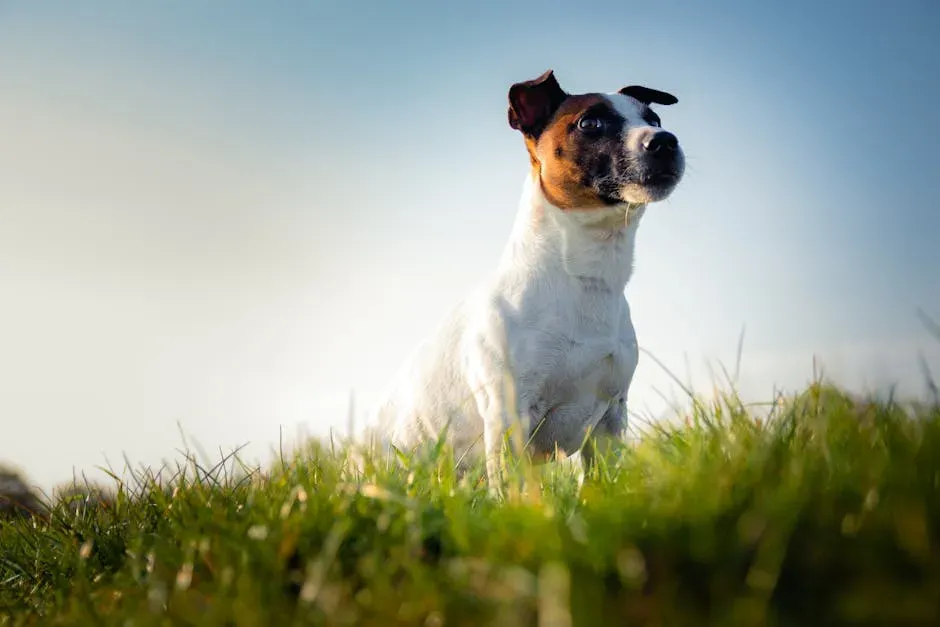
Jack Russells are easily one of the most high-energy terrier breeds, and they’re known to be mouthy, alert, and reactive. These little dogs are fierce and not only require lots of exercise but are simply not interested in being lap dogs. Don’t let the small size fool you. A Jack Russell in a calm senior household is a bit like a fire alarm in a library.
Jack Russells require plenty of exercise and mental challenges to stay happy, and their strong-willed personalities can make them difficult to manage in a quieter, more relaxed environment. Their energy levels may simply be too much for a senior lifestyle. Seniors who may not have the physical stamina or space to accommodate their exercise needs may find it especially difficult to meet the requirements of this breed, and their feisty, independent nature may not be suitable for seniors looking for a laid-back companion.
#7. Labrador Retriever
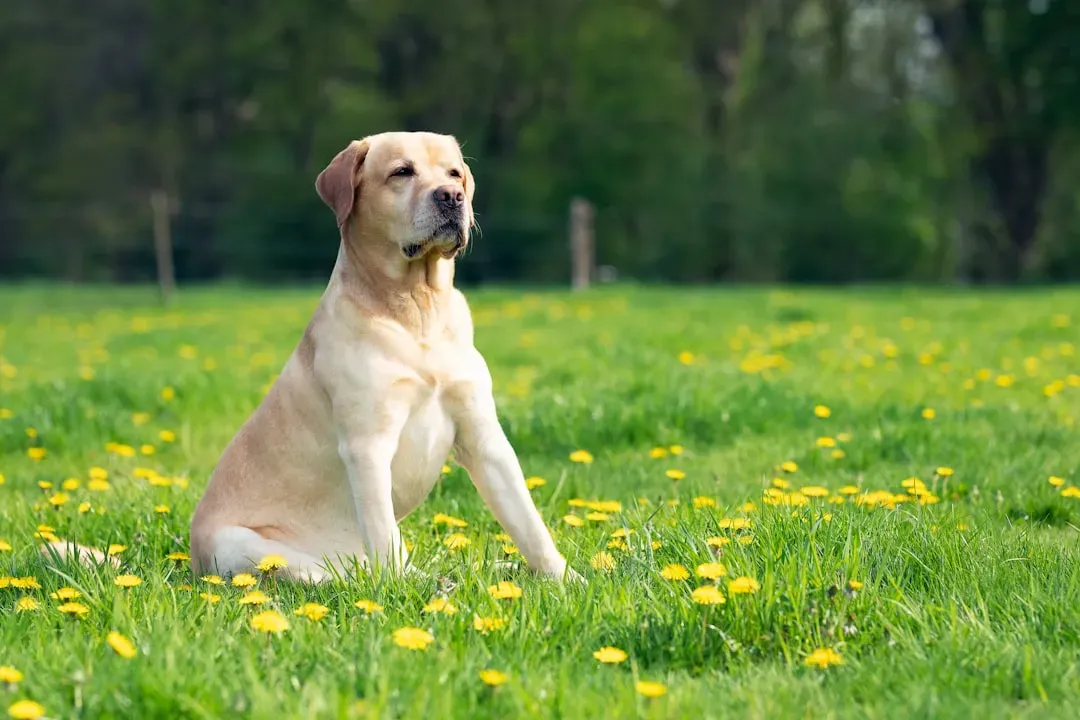
Though well-trained Retrievers make amazing companions and service dogs, Labrador Retrievers as pets can be extremely high-energy, and may accidentally bowl their senior owners over while experiencing the zoomies. That burst-of-madness running phase is genuinely dangerous for anyone with mobility concerns or balance issues.
While Labs do have excellent temperaments, they require a lot of time, attention, and space to run. Labrador retrievers shed more than many other breeds, and golden Labs have a double coat, which means even more shedding. Because of their size and strength, it may be difficult for some seniors to control them while walking. The maintenance alone, from exercise to grooming, makes this breed genuinely challenging to manage solo.
#8. Boxer
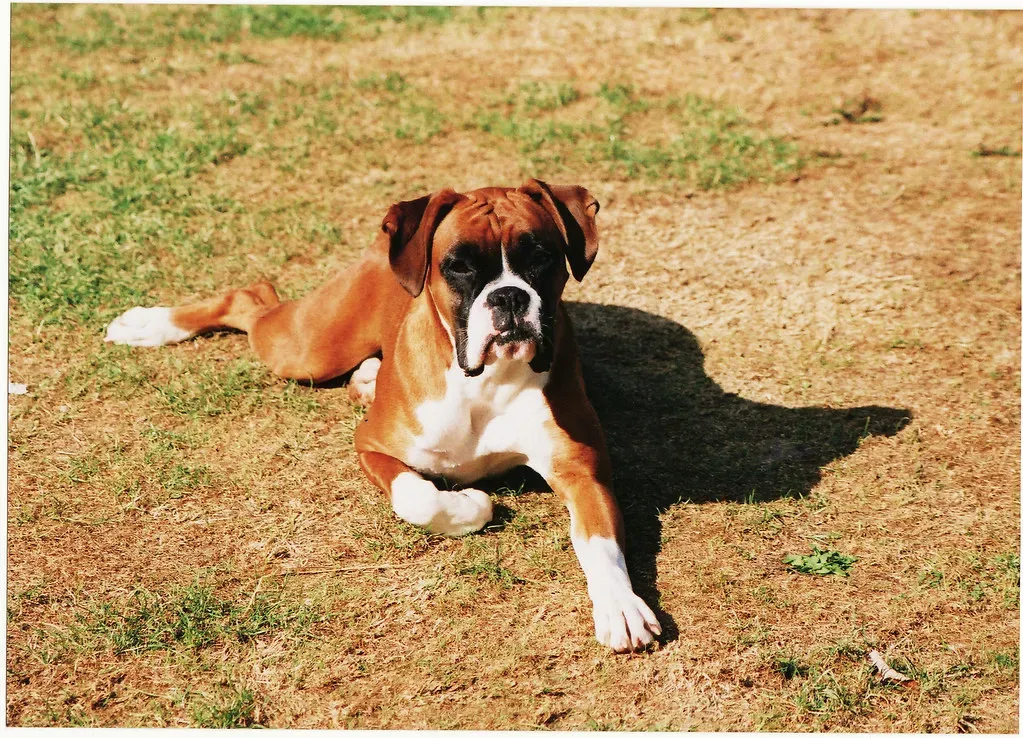
Boxers are adorable dogs who love to live life to the fullest. Their bouncy and lively nature can be too much for older adults to handle. These breeds need a lot of exercise and playtime daily, which seniors with mobility or stamina issues simply cannot always provide.
Untrained Boxers are known for pawing and jumping behavior, which can cause accidental falls. Since these dogs are large and athletically built, they can be quite forceful when they want to be. Their playfulness can be a lot to take in, especially if they haven’t learned to control it yet. Boxers can also develop health issues like bad hips and heart problems, meaning expensive vet bills and emotional difficulty for older owners.
#9. Rottweiler
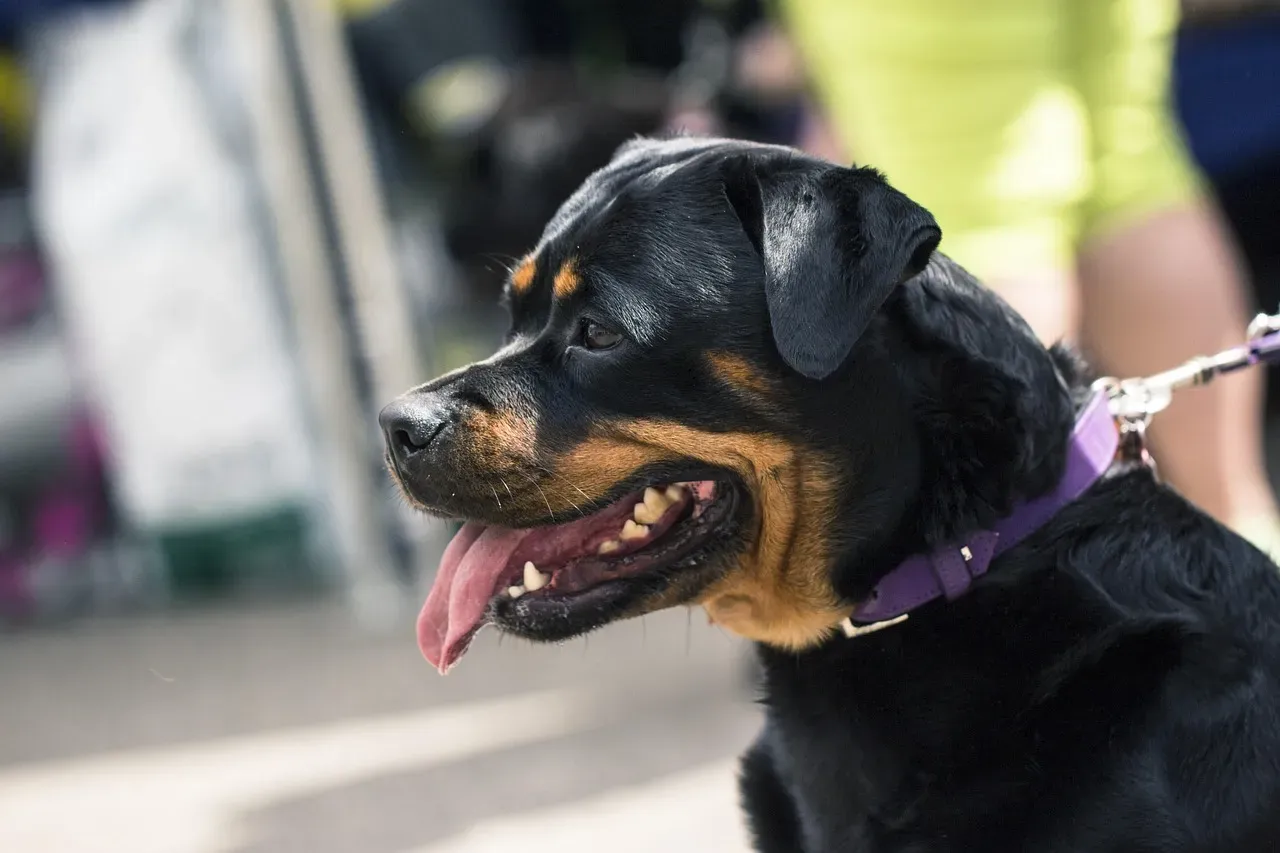
Rottweilers are strong, sturdy working dogs that have a natural instinct to protect their owner and their territory. While properly trained Rottweilers can be good family pets, they can display an aloof attitude toward strangers. Because of their strength and large size, Rottweilers are not suited to apartment living and are not a match for first-time dog owners or most seniors.
These dogs are very protective, and they may respond aggressively to visitors or those who seem threatening to them. These behaviors can be a particular challenge for seniors, especially those living in community settings where their dog will frequently encounter unfamiliar people. Managing and training an aggressive or territorial dog requires a level of physical strength and assertiveness that some seniors may lack.
#10. Australian Cattle Dog (Blue Heeler)
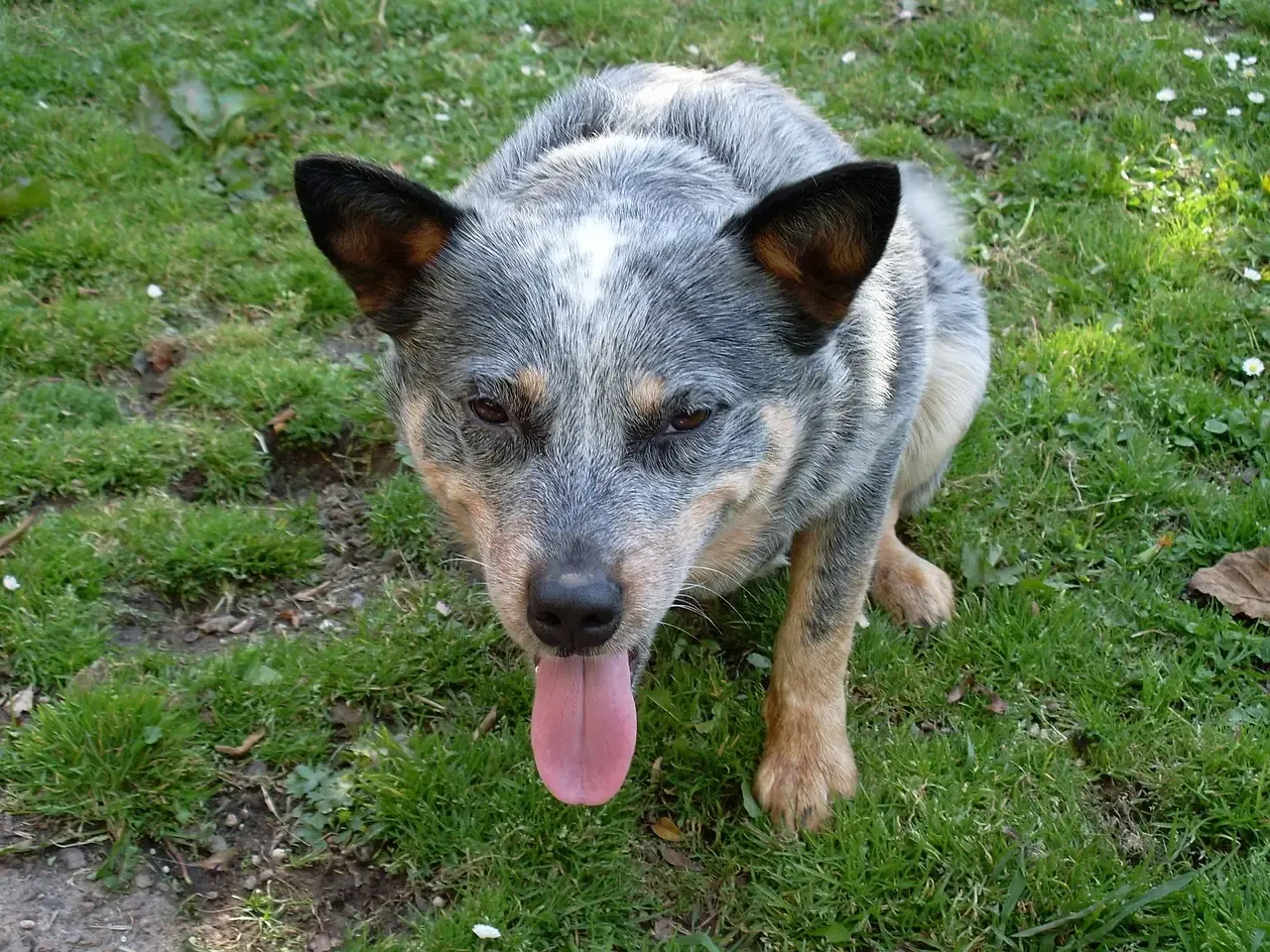
Intelligent and loyal, Australian Cattle Dogs are also highly energetic, relentless herders who need lots of exercise and mental work every day to keep them from getting destructive. Their strong herding instinct can also cause them to nip and chase, making them a poor choice for older people who have mobility problems or who entertain often.
This breed was developed for extreme conditions on Australian cattle stations, and that working drive hasn’t softened much with domestication. They require ample playtime and can exhibit a stubborn streak, making them quite a handful. Their high energy means they need frequent, vigorous exercise, which might not be feasible for someone who struggles with mobility or cannot commit to daily intense play sessions.
#11. Saint Bernard
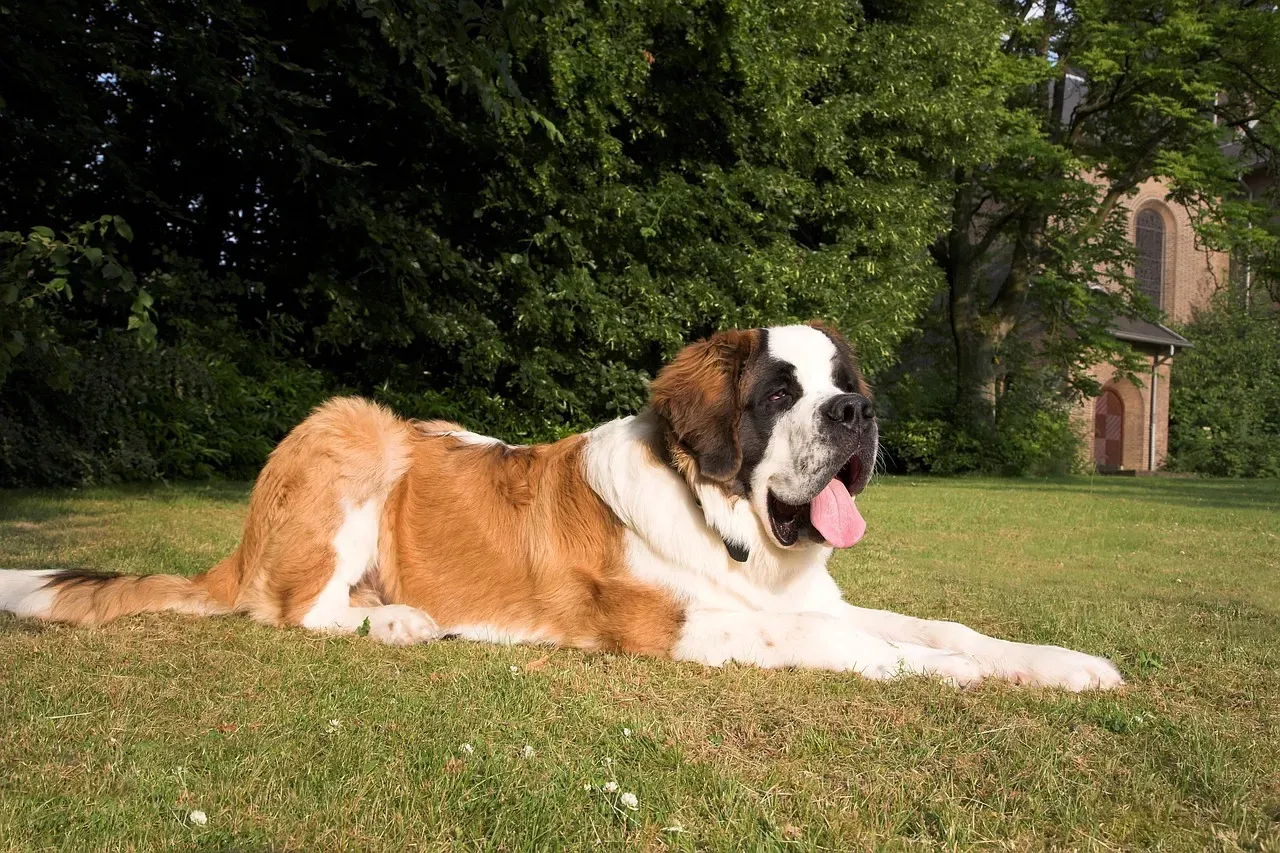
Saint Bernards hold a reputation for being big sweethearts, and that is very true. They are also massive animals that are slow to mature. Because they just don’t recognize how big they are, they can easily knock down just about anyone. For a senior with any degree of balance difficulty, an affectionate Saint Bernard launching itself at you can be a genuine fall risk.
Saint Bernards eat, slobber, and shed a lot. You have to be prepared to wipe strings of spit and tufts of hair off your furniture, clothes, and bed. Their substantial bulk requires a lot of space and also means they need more food, which can pose logistical challenges. Their relatively short lifespan can also be emotionally taxing, as they might not be with you as long as other breeds.
#12. Weimaraner
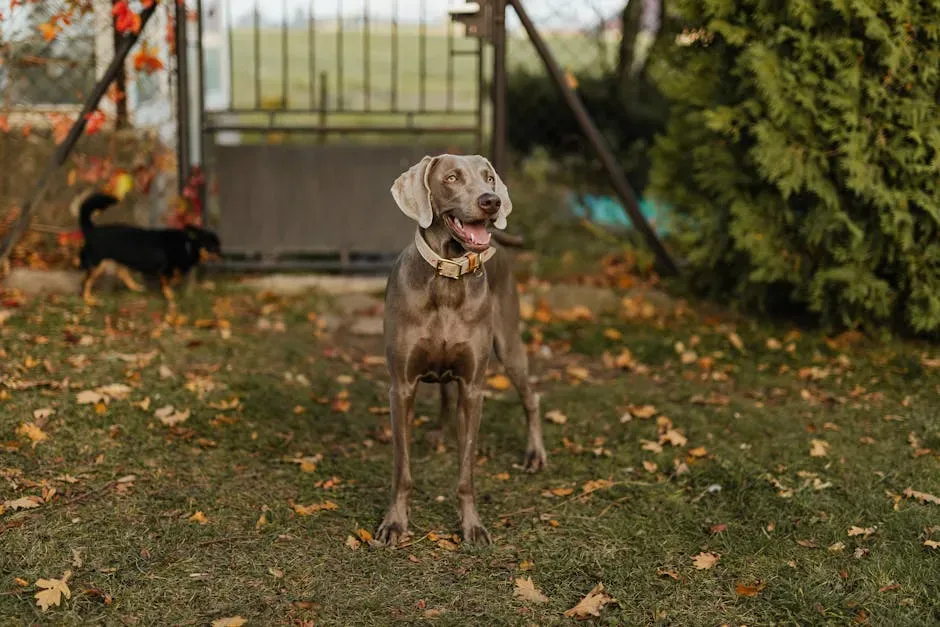
Weimaraners are called “velcro dogs” because of their strong attachment to their owners. Although this loyalty is a beautiful trait, when left alone, they suffer from separation anxiety and become destructive. A senior who enjoys time alone, runs errands regularly, or visits family often may come home to chaos they simply can’t deal with.
They require regular exercise and mental engagement to manage their high energy levels and anxiety. Additionally, they can be prone to separation anxiety, which can be a barrier for older pet owners who are often away from home. The emotional dependency of this breed, while endearing to some, can quickly become overwhelming for anyone who can’t commit to near-constant companionship.
#13. Beagle

The Beagle was developed as a scent hound for hunting, and they have an amazing sense of smell. They naturally like to track things, which is why owners must keep this dog on a leash when they go out for walks. One whiff of something interesting and a Beagle will follow its nose without a second thought, making off-leash time nearly impossible and stressful for any owner.
Beagles are a popular family pet for households with children because they’re small and have a good temperament. They’re not the easiest dog to train, however, and their independence can make them less than ideal as a pet for elderly people. Couple that stubbornness with their famously loud howl, which can disrupt neighbors and community living, and Beagles can become an unexpectedly taxing companion.
#14. Cocker Spaniel

Despite being gentle and affectionate, Cocker Spaniels are considered among the worst dogs for seniors. They are sporting dogs, so they must be engaged in many physical activities. Besides, they require mental stimulation and have a highly demanding nature. These dogs are also vulnerable to getting ear infections very quickly.
While Cocker Spaniels are generally playful and non-aggressive, they have specific needs that may not be well-suited for some seniors. These dogs require regular grooming to maintain their coat and are prone to shedding. Additionally, they have a lot of energy and training needs, and seniors who may not have the time or energy for grooming or training may find it challenging to meet their requirements.
#15. Chihuahua
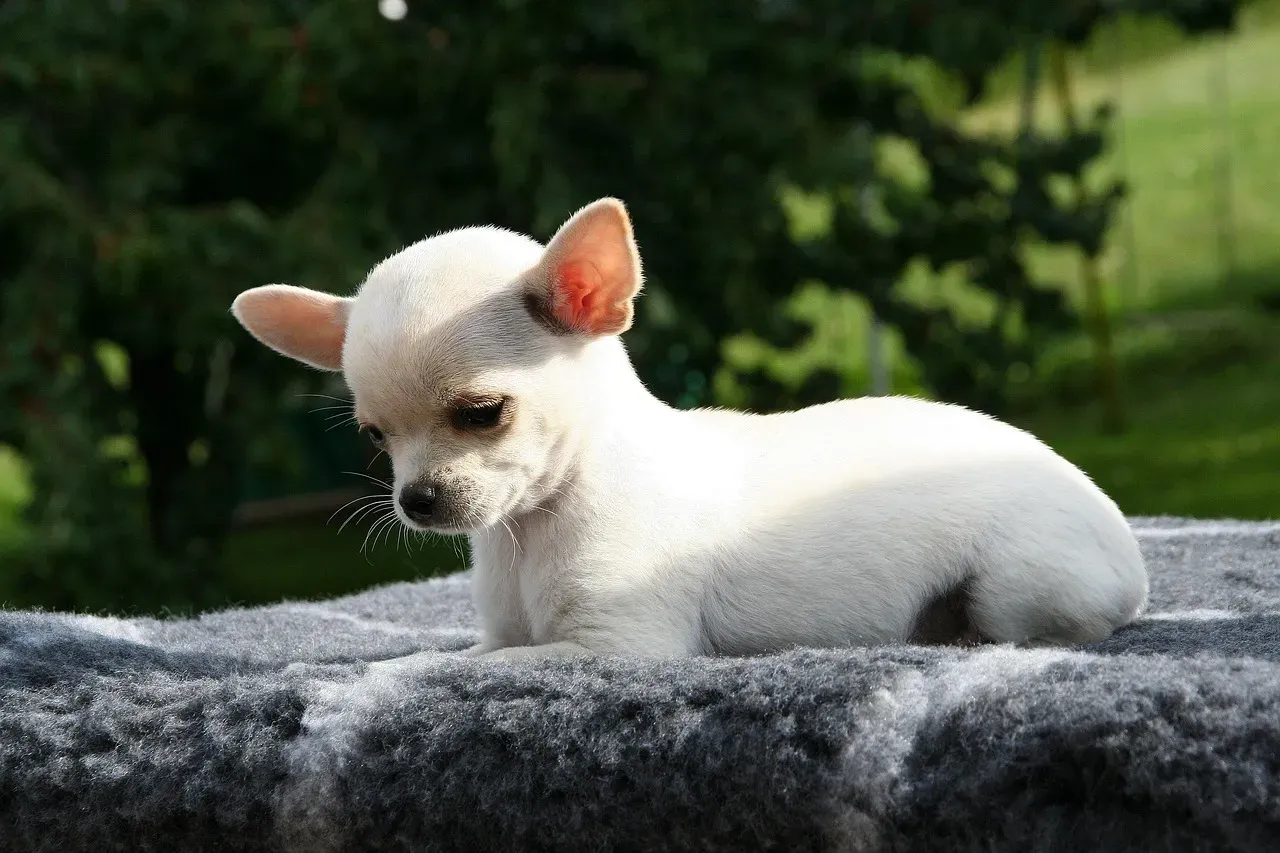
It might surprise some people to see the world’s smallest dog breed on this list. The assumption is that tiny equals easy, but that logic falls apart quickly with a Chihuahua. Chihuahuas can be spunky and stubborn, but also very affectionate. Small breeds like Chihuahuas can be quite high-energy and demanding, and they require a lot of attention, making them less well-suited for seniors looking for a more relaxed companion.
The Chihuahua requires special attention to dental care and should be checked regularly for heart problems and eye disease. Their high health needs are another reason to stay away from this breed for senior citizens. They can also be snappy with strangers and difficult to manage around visitors, which makes them a poor fit for social seniors or those living in community settings.
The Bottom Line: Choosing a Dog That Fits Your Life
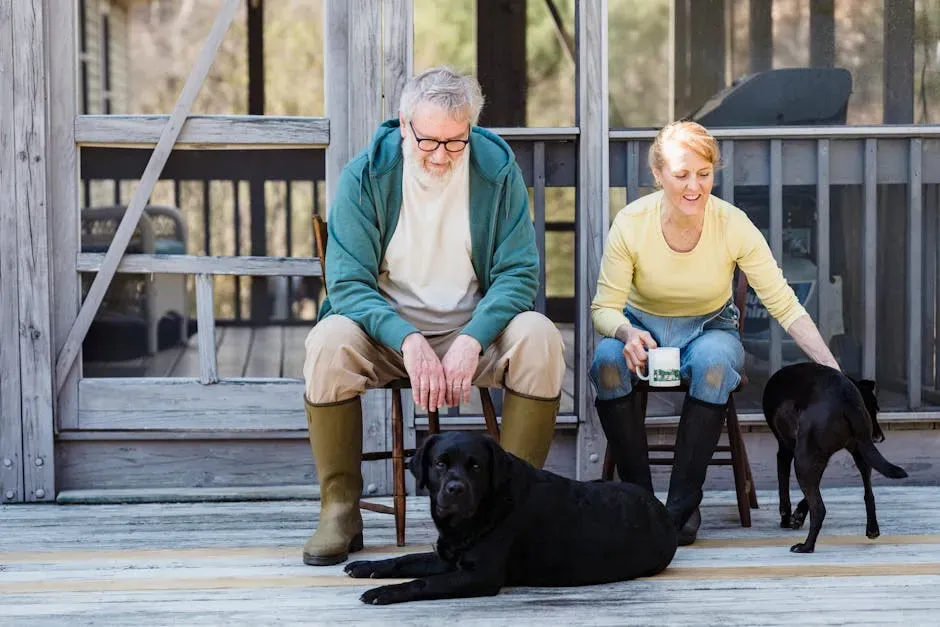
None of the breeds on this list are bad dogs. That’s worth saying plainly. Every breed here has its loyal fans, its rescue advocates, and its perfectly happy owners. The issue isn’t the dog itself, but rather the mismatch between what the dog needs and what a senior can reasonably provide day in and day out.
Dogs can be incredible companions during retirement, but some breeds are a better match than others. As routines shift and priorities change, retirees often prefer dogs that are easier to manage and fit comfortably into a more relaxed lifestyle. Large or high-energy breeds can require more time, strength, and activity than many people are looking for at this stage of life.
The real takeaway here isn’t to avoid dog ownership. It’s to choose deliberately. Older adults should look into adopting an adult dog rather than a puppy. Puppies require a lot of energy, training, and patience, while adult dogs are often calmer and already trained, making them easier to manage. A well-matched dog and owner is one of the genuinely beautiful things in life. Getting the match right is the whole game.


