

There’s something miraculous about the way a dog can walk into a room and instantly change the atmosphere. I’ve seen it happen in hospitals, nursing homes, and my own living room. Some dogs seem born to soothe with just a gentle presence, while others bring pure joy through boundless energy and mischief. Understanding which breeds naturally lean toward calm comfort versus playful chaos can help you find the perfect match for your lifestyle.
Let’s talk about the dogs who heal hearts and the ones who keep them racing.
1. Labrador Retriever: The Gold Standard of Therapy Work
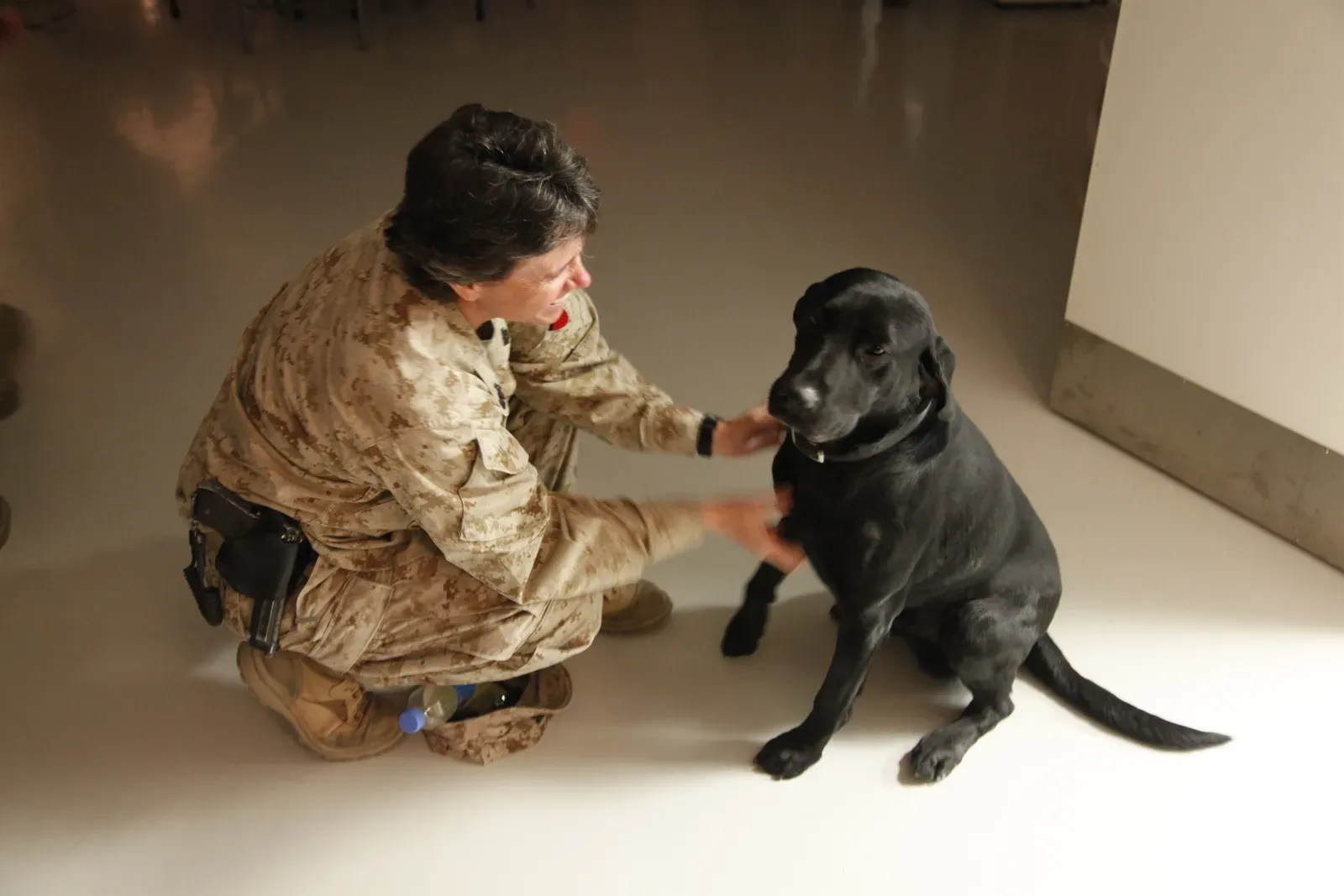
Labrador retrievers are arguably the most popular choice when it comes to therapy dogs, possessing qualities that would be beneficial to those seeking out pet therapy. These dogs have an almost supernatural ability to read a room. When you walk into a hospital with a Lab, they instinctively know who needs them most.
Labrador Retrievers are bright, friendly, sociable dogs who love a job to do and are easy to train. Their calm temperament makes them ideal for sitting quietly beside a hospital bed for extended periods. Their calm temperament means they’re happy sitting still for long periods, but they do love a lively game or two when they’re allowed.
2. Golden Retriever: Gentle Souls With Healing Hearts
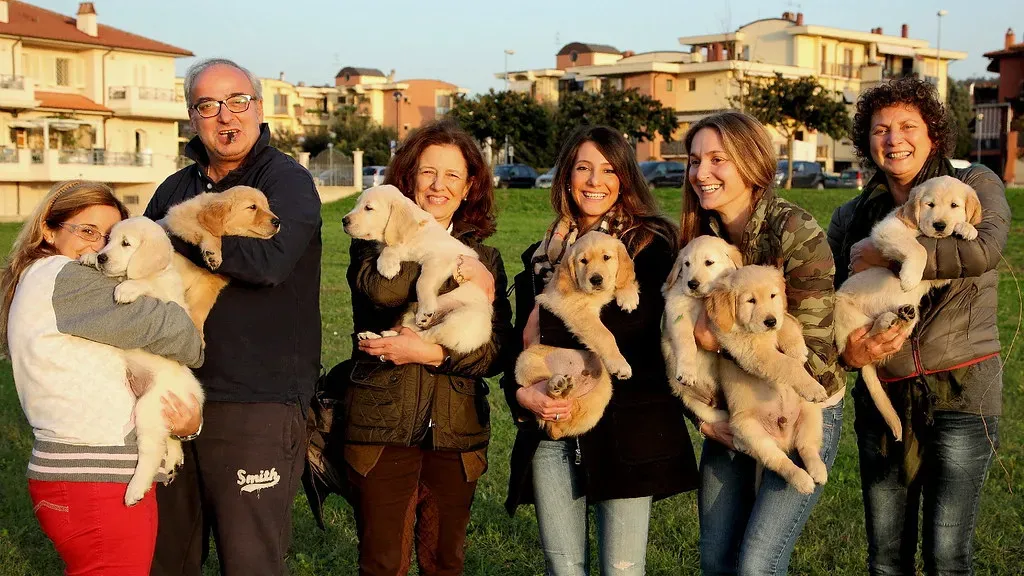
A Golden Retriever is also an extremely comforting dog, and they have even been used to help people, especially children, recovering from trauma after tragedy. Their soft coats and even softer eyes create an instant sense of safety. I think that’s why you see so many Goldens working with children in traumatic situations.
These dogs possess an intuitive understanding of human emotion. Golden Retrievers are renowned for their gentle nature, adoring affection and instinctively putting people at ease. Their intelligence combined with an eager-to-please attitude makes training feel effortless, which is crucial for therapy work where consistency matters.
3. Poodle: Smart, Hypoallergenic, and Surprisingly Therapeutic
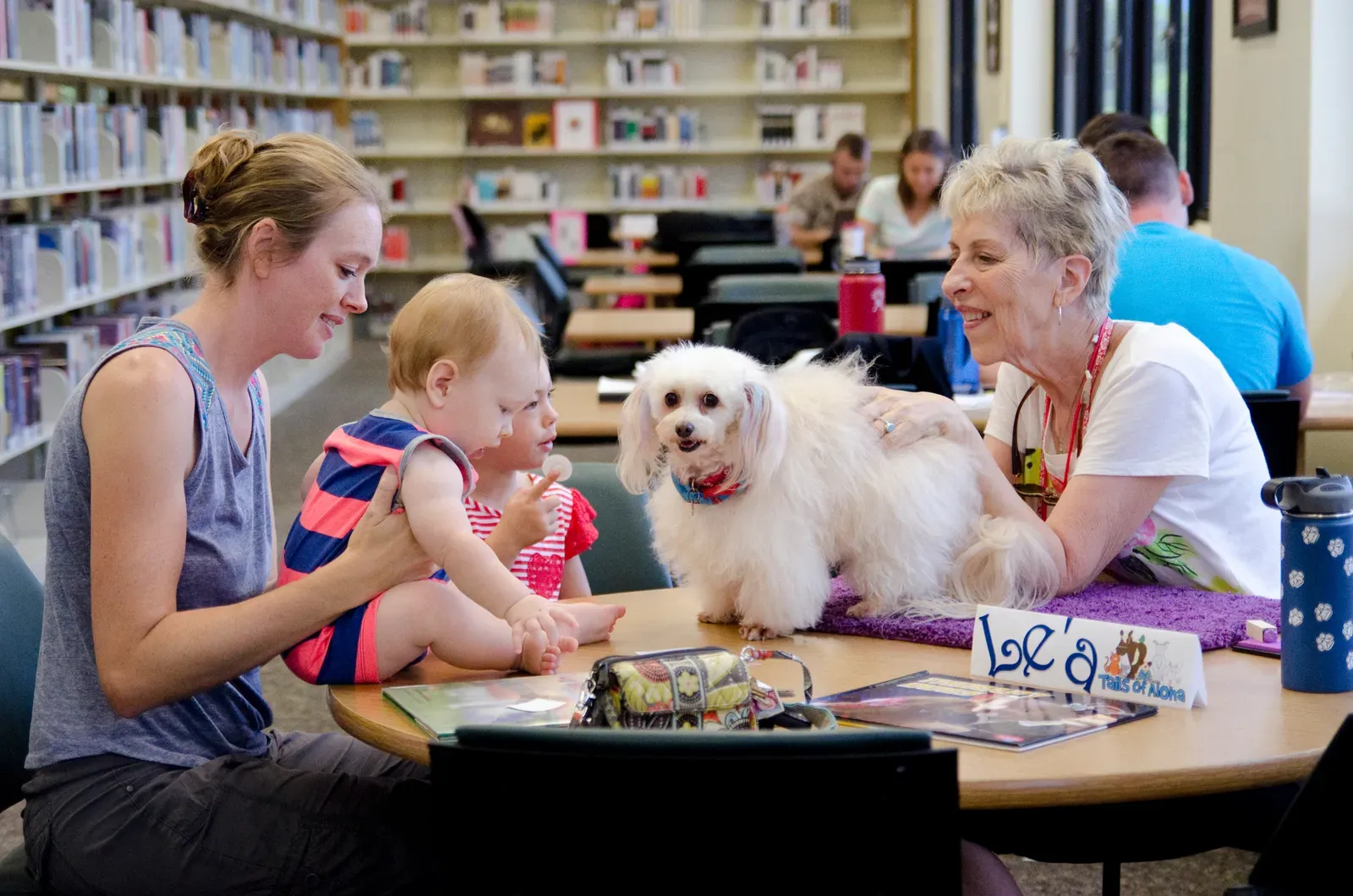
People underestimate Poodles as therapy dogs, probably because of their fancy haircuts and show dog reputation. Poodles may seem like an unlikely choice for therapy dogs, but they are a very intelligent dog breed, and their eager-to-please personality is a definite standout in a therapy setting.
Poodles are exceptionally intelligent and receptive to training, with their low-shedding coat also making them a good option for therapy settings. This makes them perfect for people with allergies who still need that emotional connection. Their alertness means they pick up on subtle cues that someone needs comfort.
4. Cavalier King Charles Spaniel: Compact Comfort Specialists
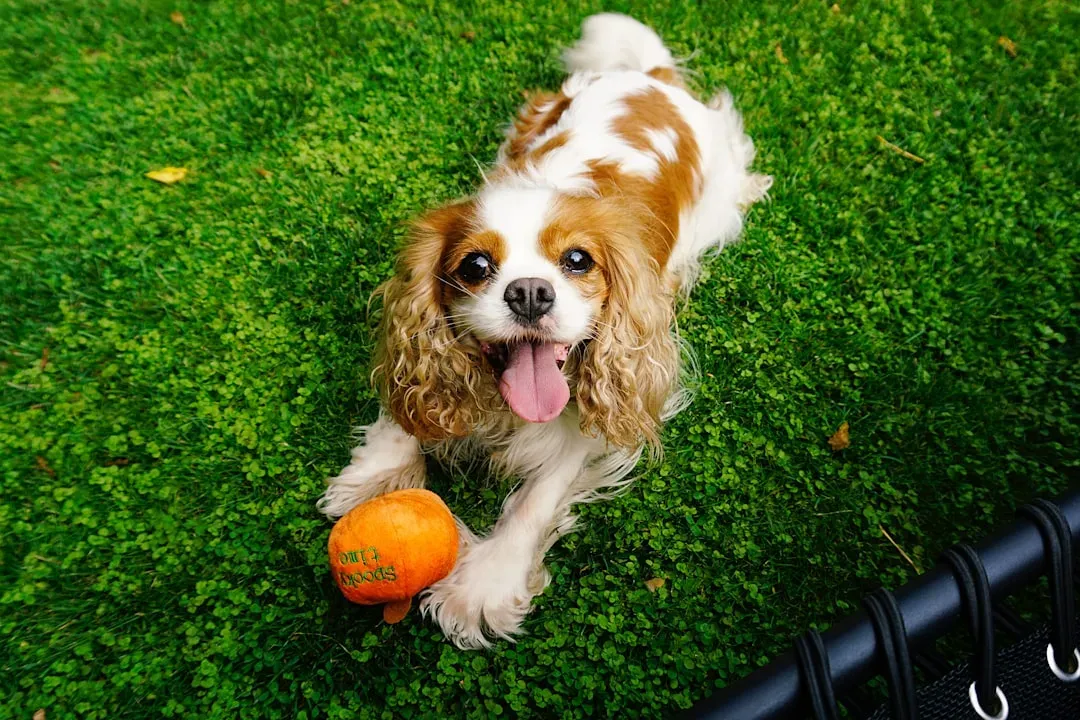
This breed exudes affection and has a natural ease with people of all ages. Cavaliers seem designed specifically for laps and cuddles. Their small size makes them perfect for bedridden patients who can’t reach down to pet a larger dog.
Cavaliers are innately friendly and accepting of human contact, seeking it out, and are considered one of the best therapy dog breeds for their intelligence and trainability. They’re quiet, naturally calm, and seem genuinely happy just being close to humans. That’s a rare and beautiful quality.
5. Beagle: Small Packages With Big Hearts
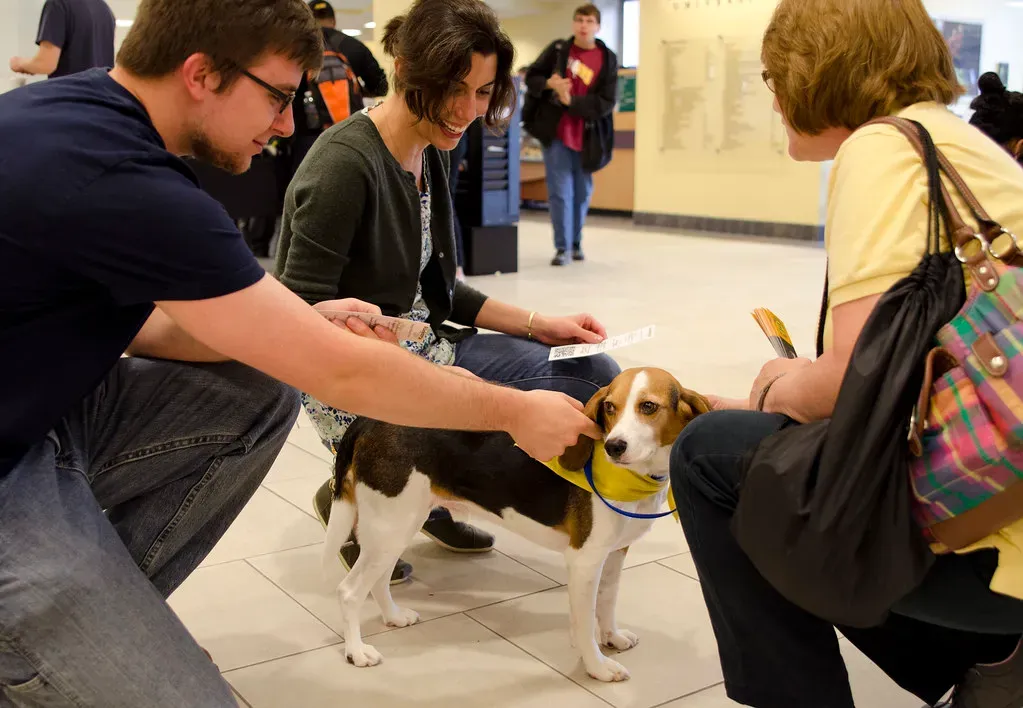
Lovable and friendly dogs, they can be energetic and social, but also are just as content to cuddle up and rest, making them one of the best therapy dogs for those who are immobile. Beagles bring a special kind of cheerfulness that’s contagious without being overwhelming.
Their compact size and bouncy nature make them excellent at lifting spirits. A beagle’s bouncy nature makes them excellent at cheering people up. They work particularly well in nursing homes and schools where their playful energy can break through isolation.
6. German Shepherd: Intelligent Protectors Who Care Deeply

Intelligent, dedicated, and protective, German Shepherds are wonderful therapy dogs in the right setting and with an experienced handler. Their imposing presence might seem intimidating, but a well-trained German Shepherd radiates calm confidence that many people find reassuring.
These dogs excel in specific therapy situations, particularly with veterans or individuals who need that sense of security alongside emotional support. Their loyalty runs deeper than most breeds, creating powerful bonds with those they’re assigned to help.
7. Bernese Mountain Dog: Gentle Giants With Patient Souls
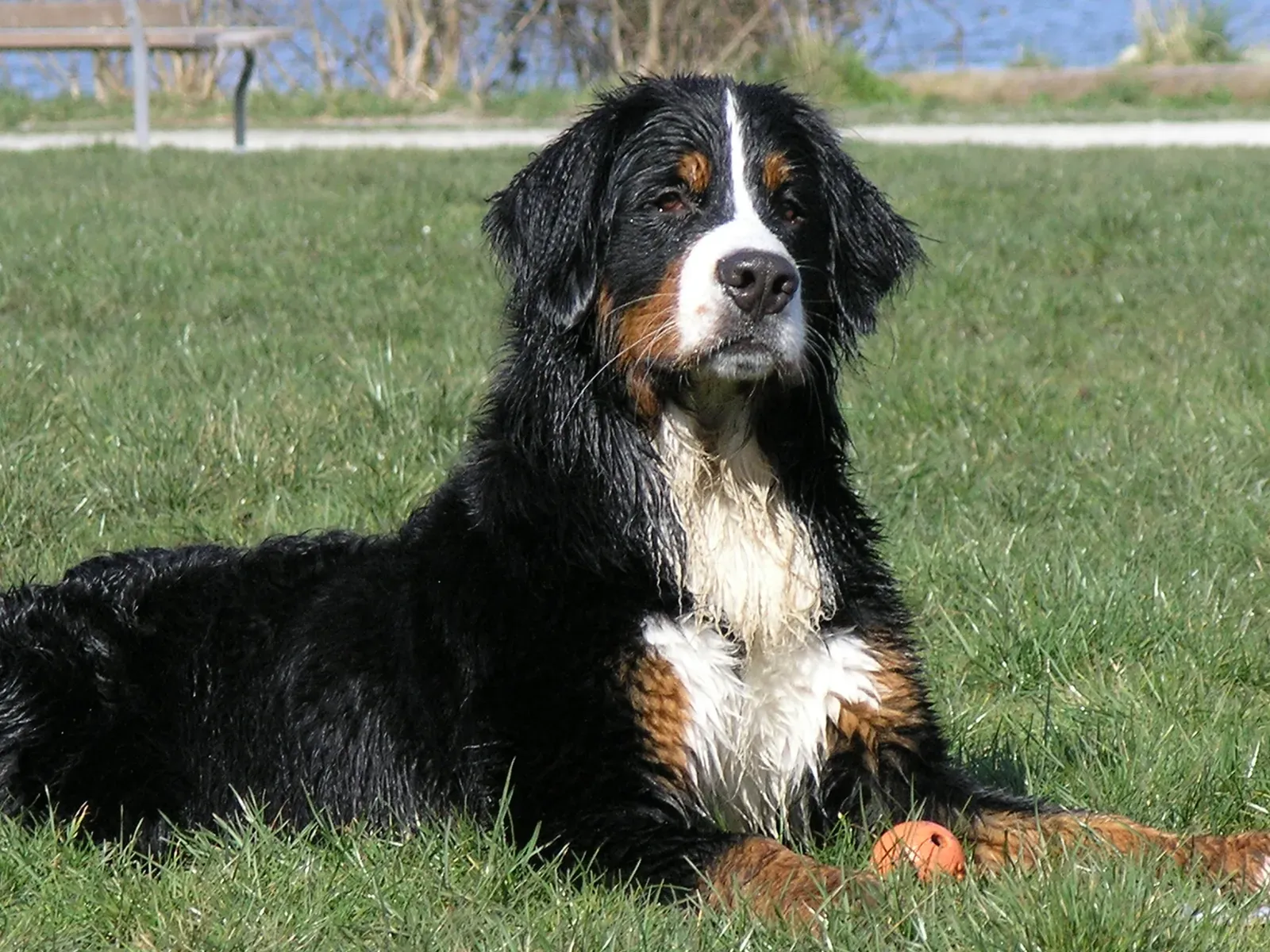
These gentle giants are known for their sweet temperament and loyalty. There’s something about a massive dog being incredibly gentle that touches people profoundly. Bernese Mountain Dogs move slowly and deliberately, never rushing or startling anyone.
Their size actually becomes an advantage in therapy settings. Patients can lean against them, rest a hand on their broad backs, and feel physically grounded. That weight and warmth provides a unique type of comfort that smaller breeds simply cannot offer.
8. Newfoundland: Sweetness in XXL Form
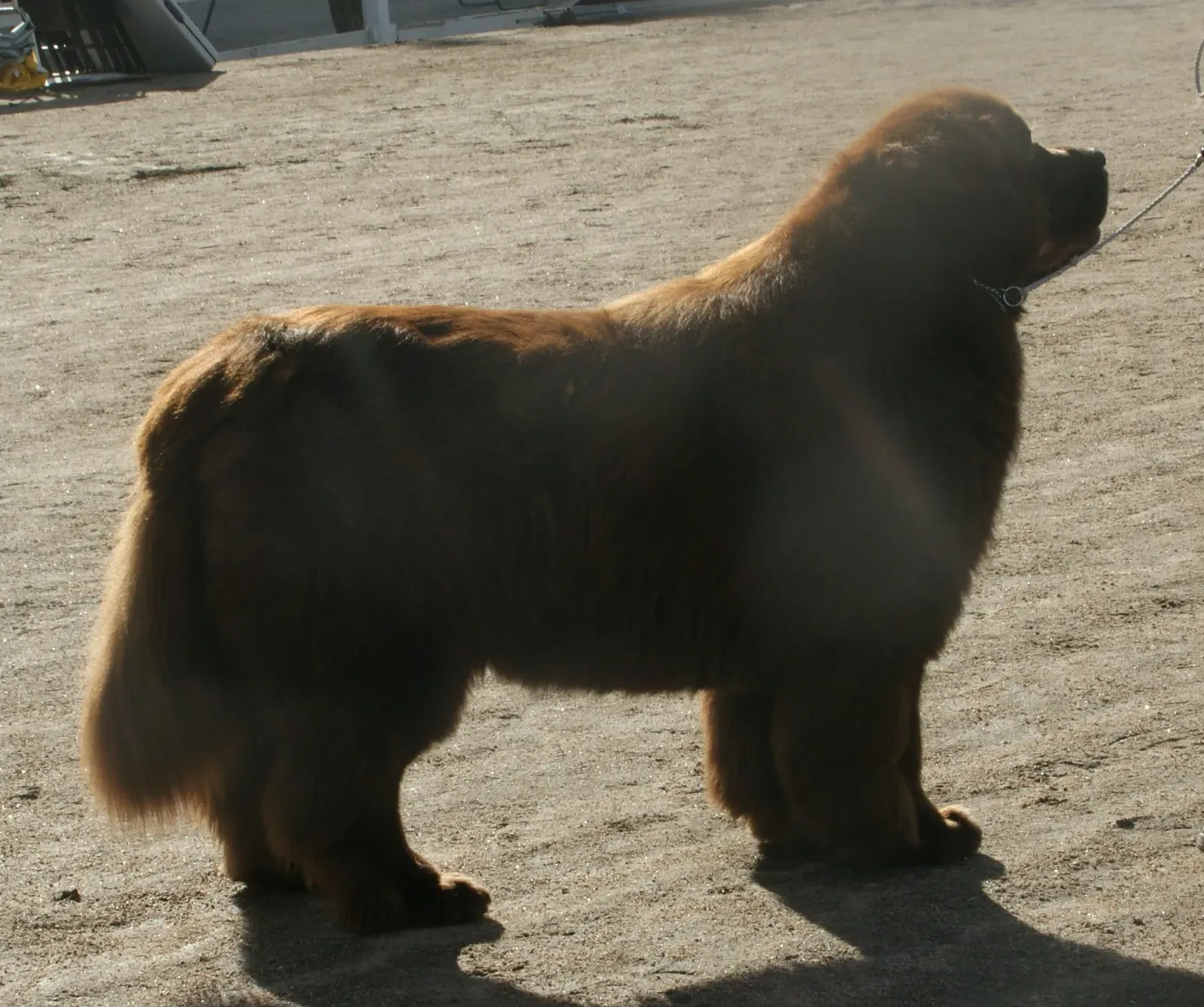
Newfoundlands these days make excellent therapy dogs, described as affectionate with a great coat for petting in a therapy setting, good around other dogs, calm, and good with children. Their thick, soft fur invites touch, which is precisely what therapy work requires.
Sure, they drool a bit. Most handlers carry towels, and honestly, it’s a small price to pay for their incredible temperament. Their natural sweetness combined with their massive size creates an oddly perfect combination for certain therapy environments.
9. Bichon Frise: Cheerful Little Clouds of Joy
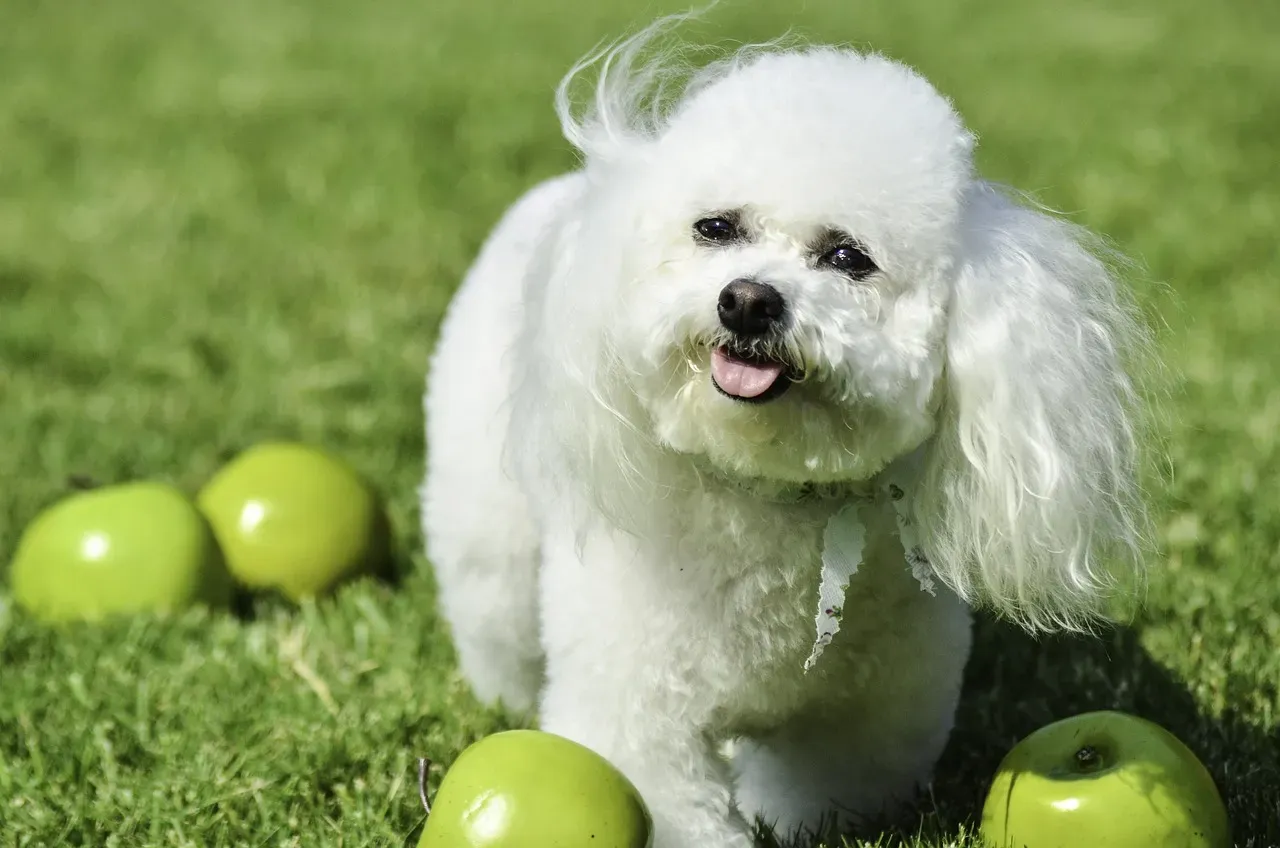
Bichon frisés are smart and learn quickly, and this breed is also friendly, gentle with people, and aims to please. These fluffy white dogs look like animated cotton balls, which immediately brings smiles wherever they go.
Their small size makes them incredibly portable and perfect for visiting places where larger breeds might struggle to navigate. They’re gentle enough for elderly patients yet playful enough to engage children, striking that difficult balance beautifully.
10. Cocker Spaniel: Soothing Spirits With Manageable Size

Affectionate and eager to please, Cocker Spaniels have a soothing temperament, with their manageable size and loving nature making them effective therapy dogs for both children and adults needing emotional support. Their soft ears practically beg to be stroked, providing a calming tactile experience.
These dogs move through therapy sessions with quiet grace. They’re not pushy or demanding, just present and willing. That subtle approach works wonders with people who might feel overwhelmed by more exuberant breeds.
11. Jack Russell Terrier: Tiny Tornadoes of Endless Energy

Jack Russells are the most playful dog breed, packed with enough energy to power a small city, and if you don’t believe in perpetual motion, just watch one for five minutes. These little dynamos were bred for hunting, and that fearless, tireless nature remains fully intact.
Jack Russell terriers are loved for their never-ending energy and playfulness, and these lively and agile dogs are a whirlwind of activity, always eager for a game of fetch or a romp in the backyard. They excel at agility courses and can jump shockingly high for their size. If you want a dull moment, get literally any other breed.
12. Australian Shepherd: Brainy Athletes Who Need Jobs
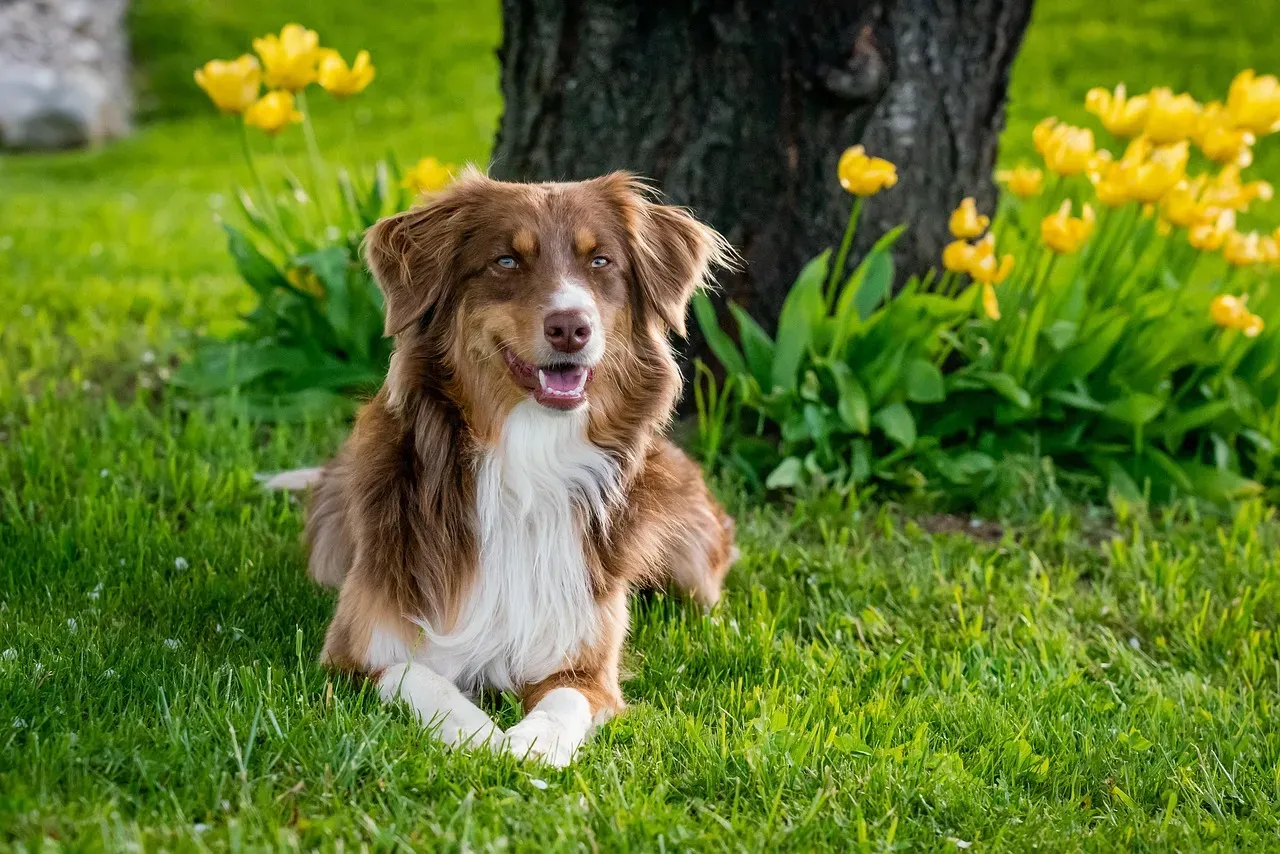
The Australian Shepherd is a breed that lives life at full speed, making them one of the most highly energetic dogs you’ll ever meet, known for their sharp minds and friendly personalities. These herding dogs possess intelligence that can actually work against them if they’re bored.
These intelligent, loyal, and energetic dogs were originally bred for their herding instincts, and their eager-to-please personalities mean they’re always game for a romp outside, needing to stay busy and stimulated with daily exercise. They’re perfect for active families who hike, run, or engage in dog sports. Just know they might try herding your children.
13. Border Collie: Workaholics Who Never Stop Thinking
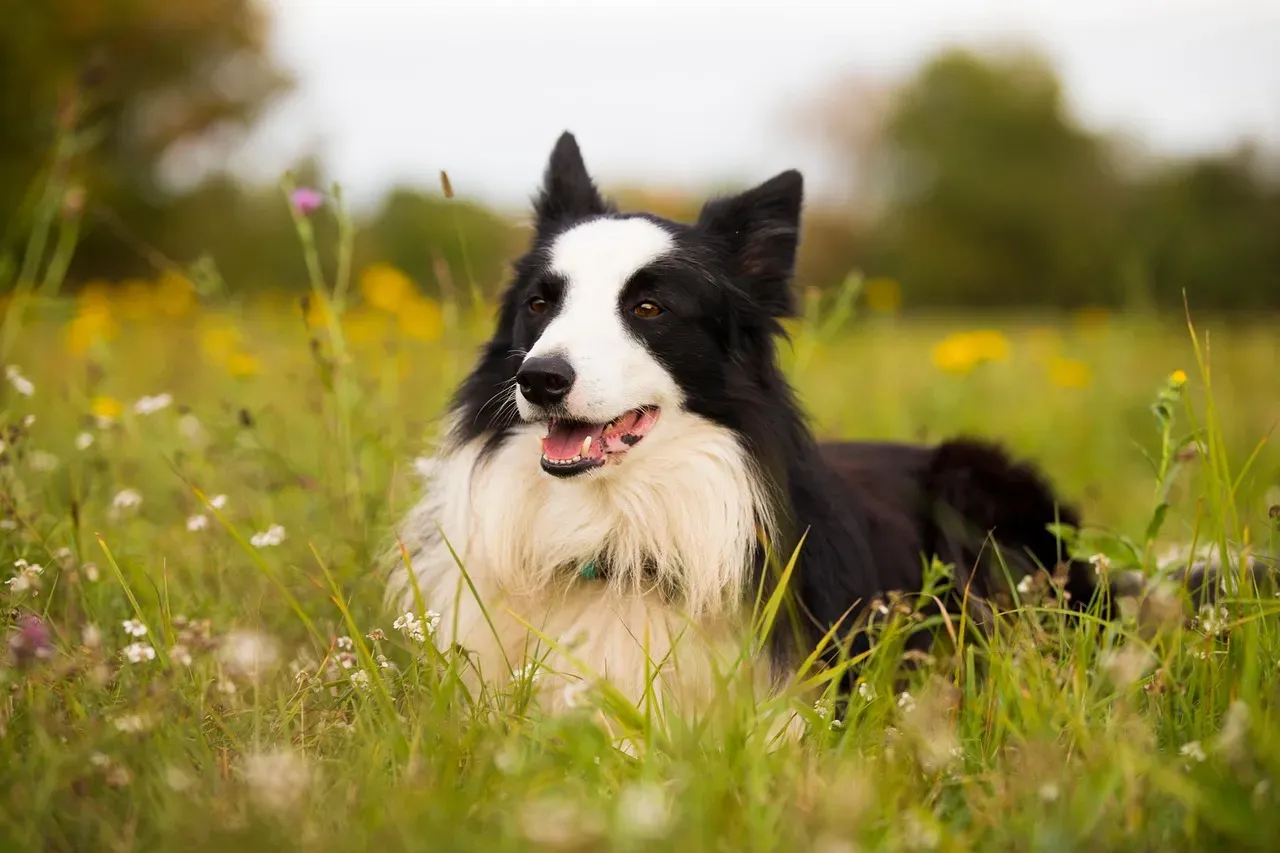
The Border Collie has earned its place among the happiest, energetic dog breeds because of its unmatched combination of intelligence and stamina, thriving in homes where owners lead a highly active lifestyle. These dogs are so smart they can actually outsmart their owners.
They need constant mental challenges along with physical exercise. A simple walk won’t cut it. A lot of physical exercise and mental stimulation are important for this active dog. Puzzle toys, agility training, and jobs to do keep them satisfied. Otherwise, they’ll invent their own entertainment, usually involving redecorating your furniture.
14. Dalmatian: Spotted Runners With Historic Endurance
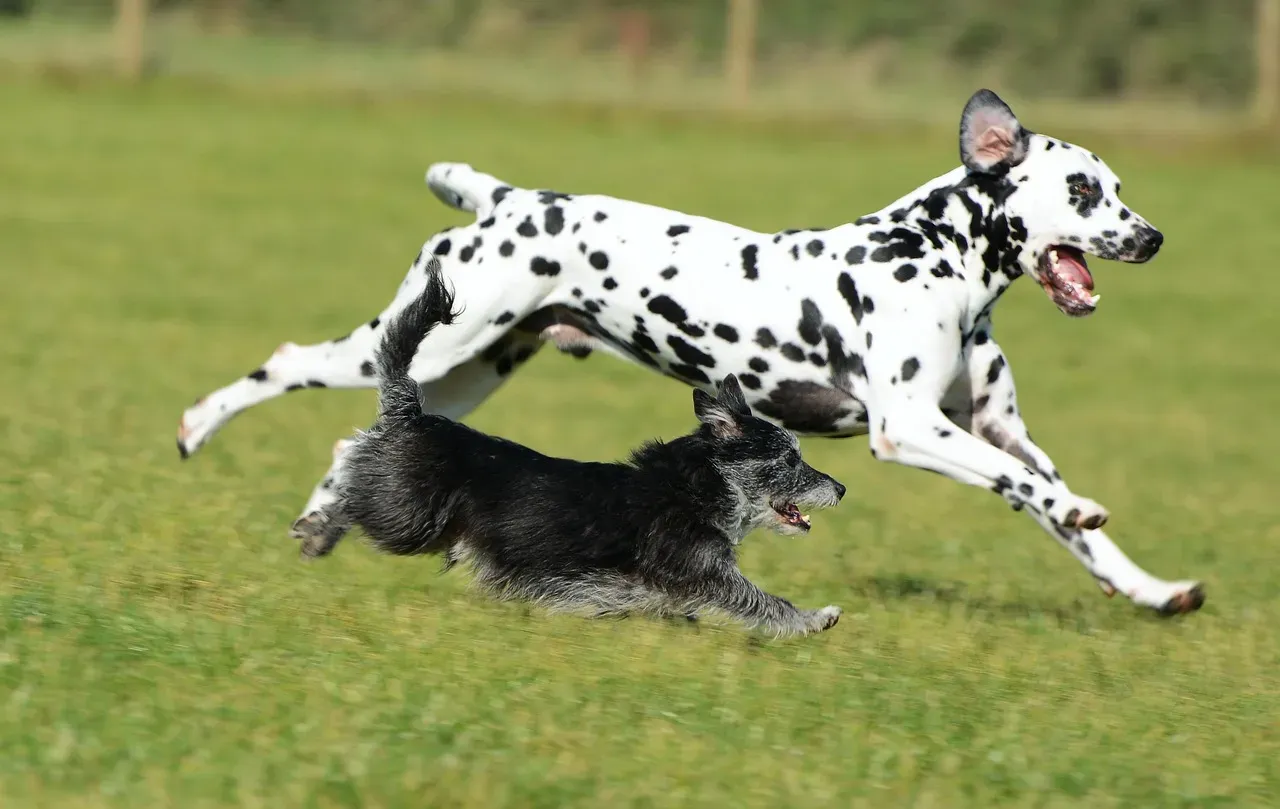
Enthusiastic companions with a playful personality, these old carriage dogs used to run for miles alongside horses, and these excitable pups can easily play for over an hour at a time. Their history as coach dogs means they were literally bred to run all day.
The Dalmatian is instantly recognizable thanks to those signature spots, but this high-energy dog breed is more than just a pretty face – it’s a true bundle of stamina and spirit, with Dalmatians described as very high in energy. They need multiple family members willing to engage them in activities throughout the day.
15. Siberian Husky: Drama Queens With Endless Stamina

Siberian Huskies are famous for their striking appearance and high-energy temperament, and these dogs were originally bred to pull sleds, so they have a natural love for running and outdoor activities. Their vocal nature means you’ll always know what they’re thinking, whether you asked or not.
Energetic with a dash of mischievous playfulness, Siberian Huskies will keep you on your toes, and as pack members through and through, they must be included in all family activities, making them loyal but persistent if you try going out without them. Their independent streak combined with intelligence creates entertaining challenges for training.
16. Boxer: Clownish Athletes With Puppy Energy Forever
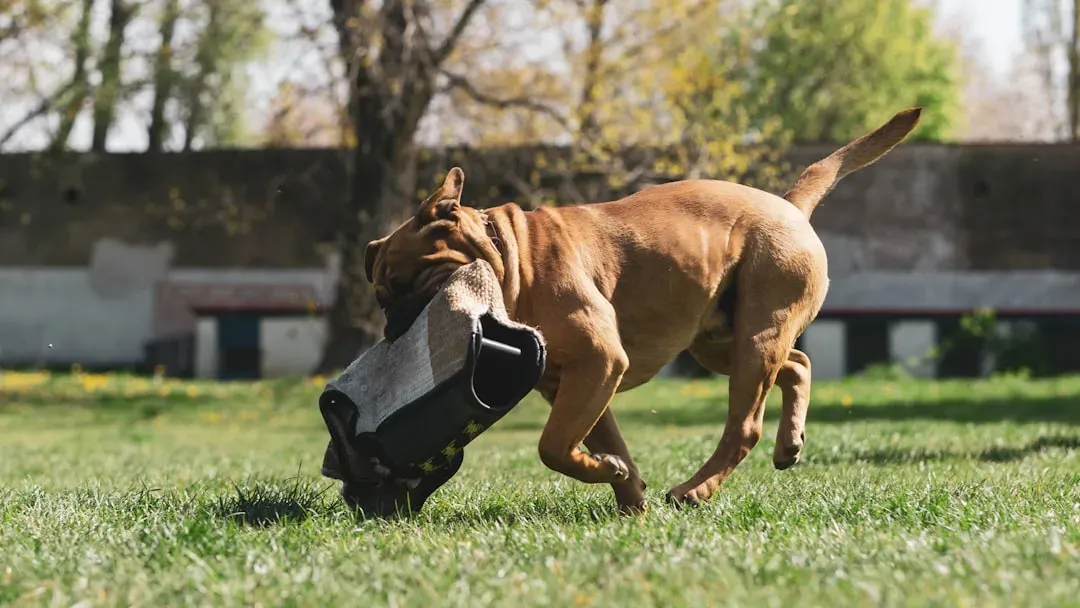
The Boxer is a high-energy dog breed that combines playfulness with loyalty, making it a natural fit for families who enjoy active lifestyles, known for their spirited personality and thriving on interaction, movement, and consistent engagement. They earned their name from striking out with their front paws in playful, boxing-like moves.
Their youthful exuberance often lasts well into adulthood. Boxers are more than just active companions; they are also known for their deep devotion to family, often described as “Velcro dogs” who bond strongly with their owners and prefer to stay close. That combination of goofiness and loyalty makes them irresistible to active families.
17. Vizsla: Velcro Dogs for Outdoor Enthusiasts
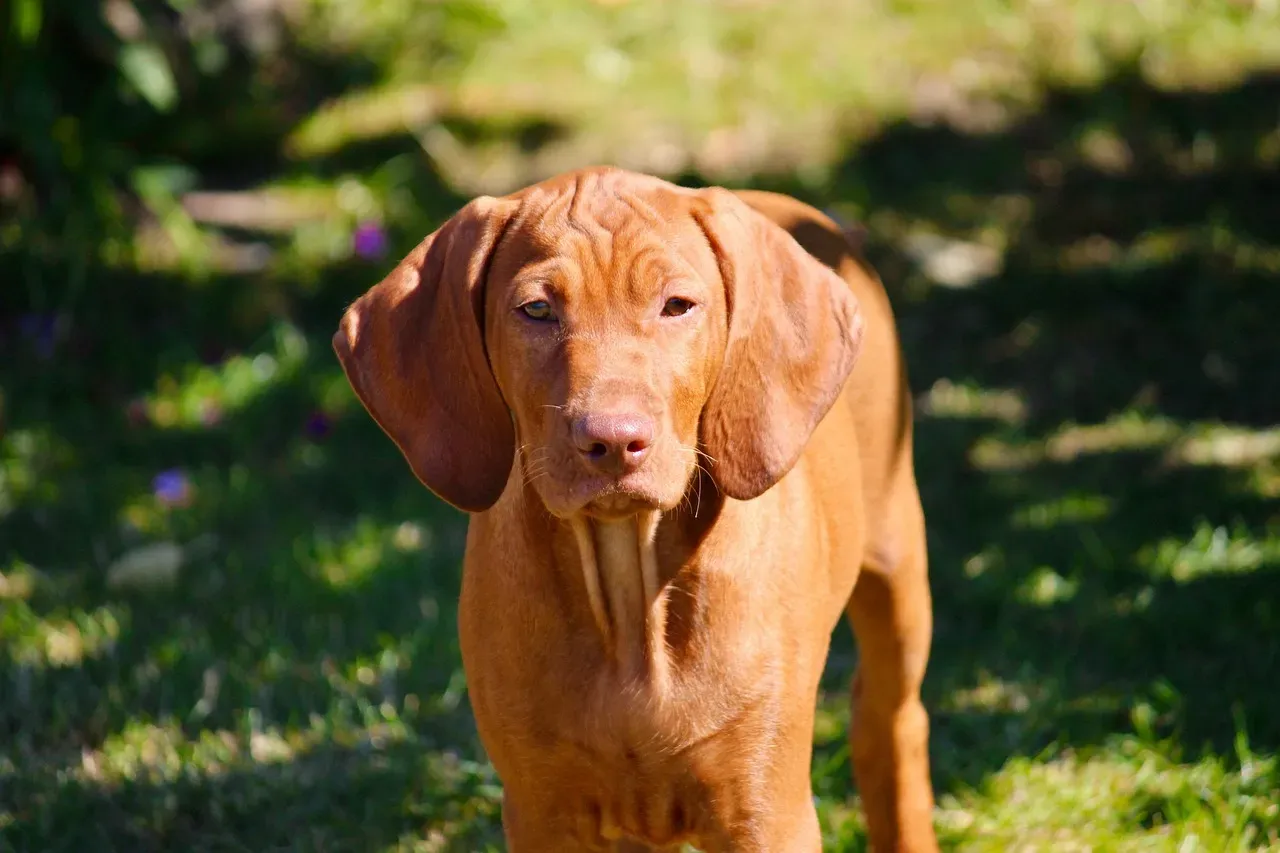
If you’re an outdoor enthusiast, then a Vizsla is the right breed of dog for you, as these pups will keep up with you no matter what your outside activity is and can stay active consistently for at least an hour and a half. They’re sleek, elegant, and absolutely tireless.
Weimaraners were bred to be hunting dogs, chosen for their speed, dedication, and intelligence, and these short-haired and sleek pups don’t get over-heated quickly and have energy that will last them hours when they are playing. Their affectionate nature means they form incredibly strong bonds, staying close during all adventures.
18. Weimaraner: Silver Ghosts With Hunting Drive
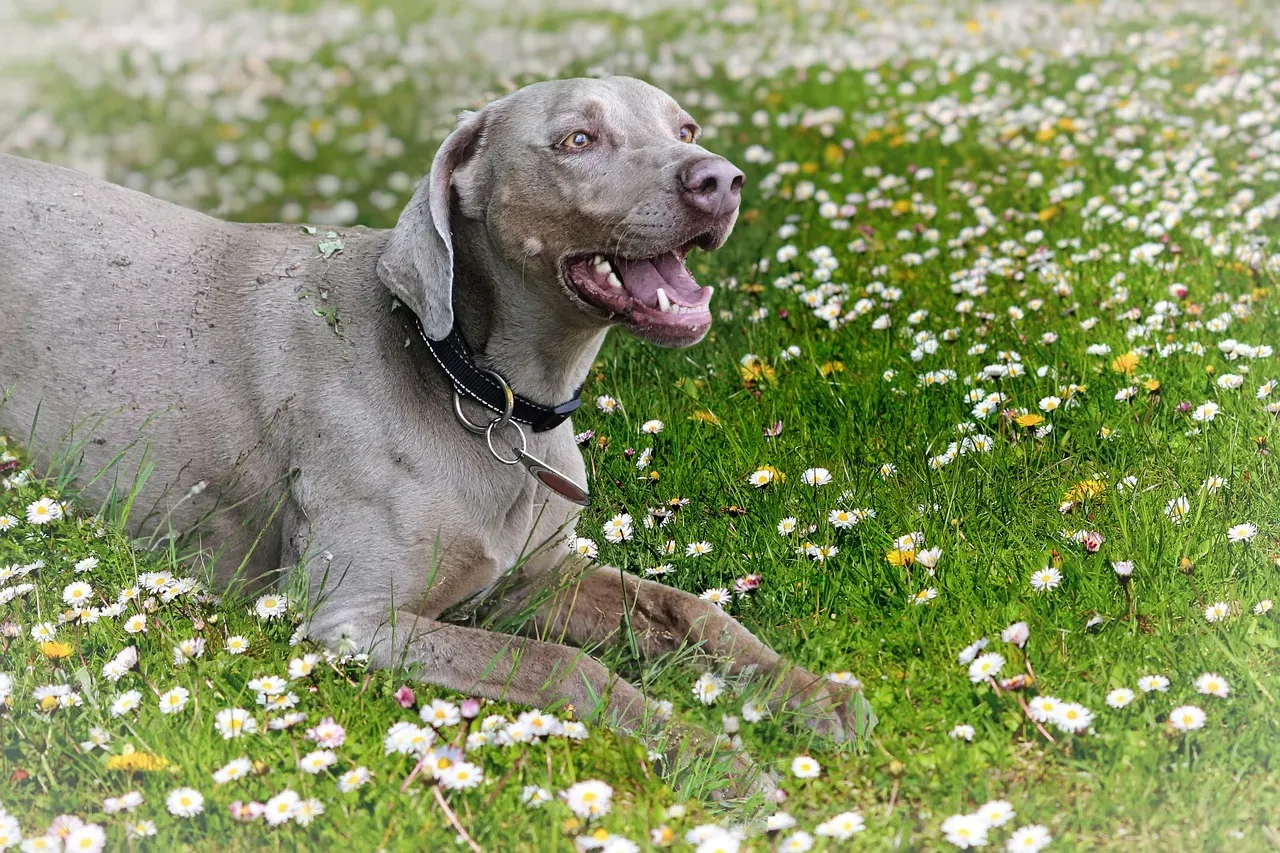
Weimaraners possess an almost otherworldly elegance with their silver-gray coats and striking eyes. Their hunting heritage means they need substantial daily exercise to stay mentally balanced. Short walks won’t satisfy them.
These dogs form deep attachments to their families, sometimes becoming anxious when left alone. They need owners who understand that their energy isn’t hyperactivity but rather a need for purposeful activity. Give them tracking games, long runs, or swimming sessions and watch them thrive.
19. Belgian Malinois: Working Dogs Who Need Serious Jobs
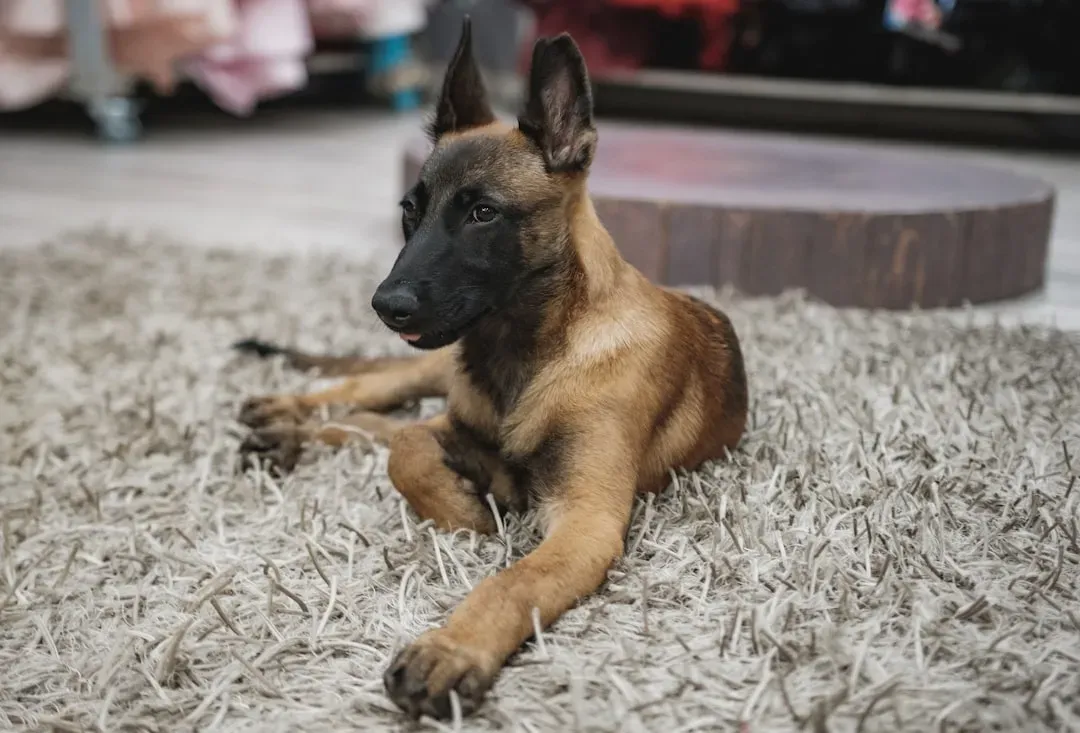
This is a working breed who thrives on human companionship, and you shouldn’t even think about leaving your Belgian Malinois home when the crew heads out. These dogs are intense, focused, and require experienced handlers who understand working breeds.
It’s highly recommended to engage these dogs in obedience training, teaching your pup tricks and learning right along with him, with skills like tracking being exciting for Belgian Malinois to learn and perform, requiring at minimum hikes, bike rides, and long walks. They excel in dog sports, protection work, and search and rescue.
20. Beagle (Playful Companion Version): Curious Explorers

Beagles are not only adorable, but they are also highly energetic and playful, known for their love of exploration and able to keep up with active families who love to hike or explore the outdoors. Their nose leads them everywhere, following scent trails with single-minded determination.
Their playful personality and love of social interaction make them great companions for kids, always ready to play fetch or chase after a ball, and Beagles are the ideal mix of playfulness and intelligence. They bring that perfect combination of curiosity and cheerfulness that keeps families entertained daily.
Conclusion: Finding Your Perfect Match
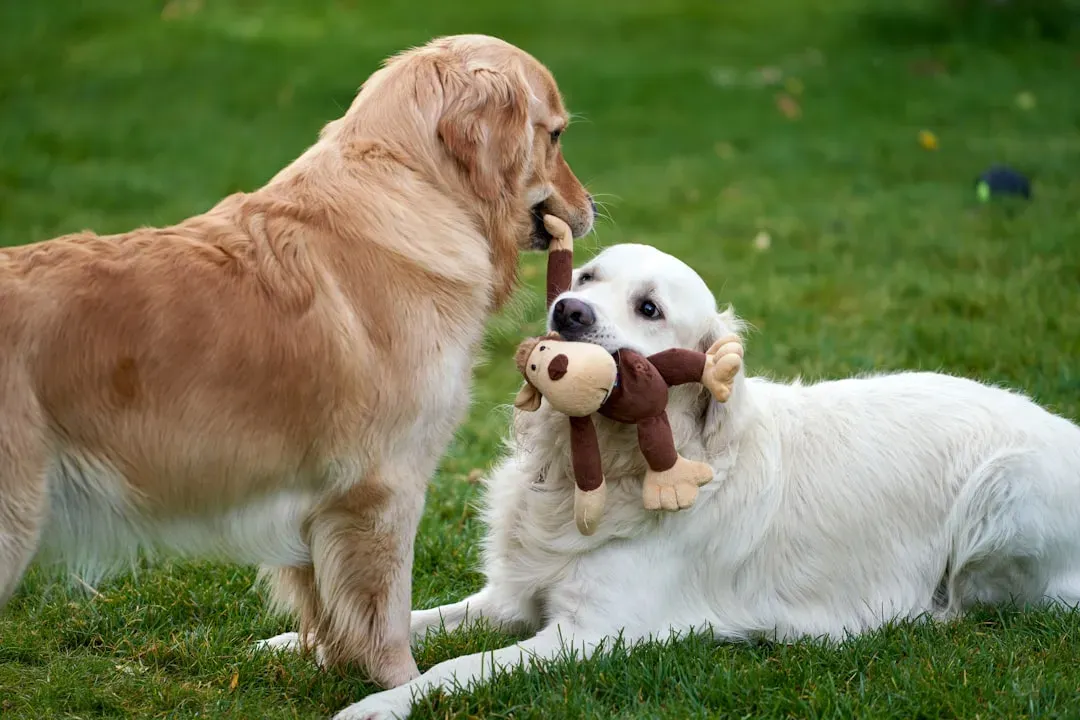
Choosing between a therapy dog and a playful companion comes down to honest self-assessment. Therapy breeds need calm environments where their gentle nature shines, while playful companions thrive with active families ready for adventure. Neither is better, just different.
The most important characteristic of a therapy dog is its temperament, and a certified therapy dog must be friendly, patient, confident, gentle, and at ease in all situations. Playful breeds, meanwhile, need outlets for their boundless energy or they’ll channel it destructively.
The beautiful truth is that both types of dogs offer immeasurable gifts. Some heal through stillness and presence. Others heal through movement and joy. What kind of healing does your heart need? That answer will guide you to your perfect canine companion.


