
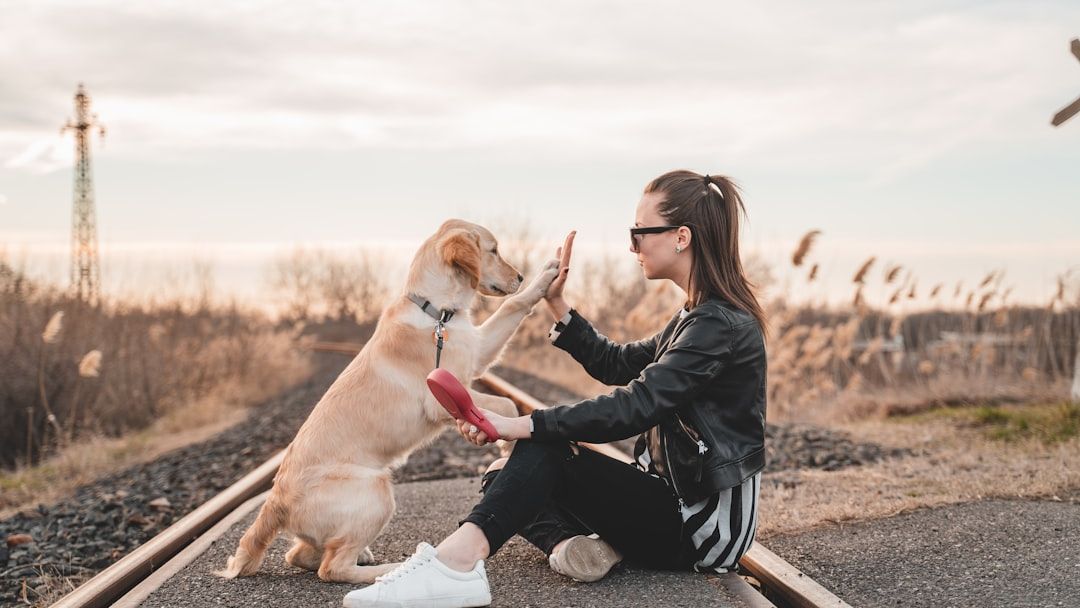
You missed the morning walk. Again. The evening cuddle session got swallowed by deadlines. Weeks blurred together, and somewhere in the back of your mind, a quiet guilt settled in – the kind that whispers, does my dog even still feel close to me? Most people assume a dog’s affection quietly fades when schedules collapse, homes change, or attention thins out. The truth is almost the opposite – and it will genuinely surprise you.
Dogs form bonds that hold through neglect, upheaval, and long stretches of emotional distance far more stubbornly than we give them credit for. Their loyalty was never a transaction to begin with. What follows are 14 real, specific signs that your dog never stopped loving you – even when life made you feel like you’d let them down. Some of these are obvious. Several will stop you mid-scroll.
#14 – They Still Greet You at the Door After Weeks of Short Visits
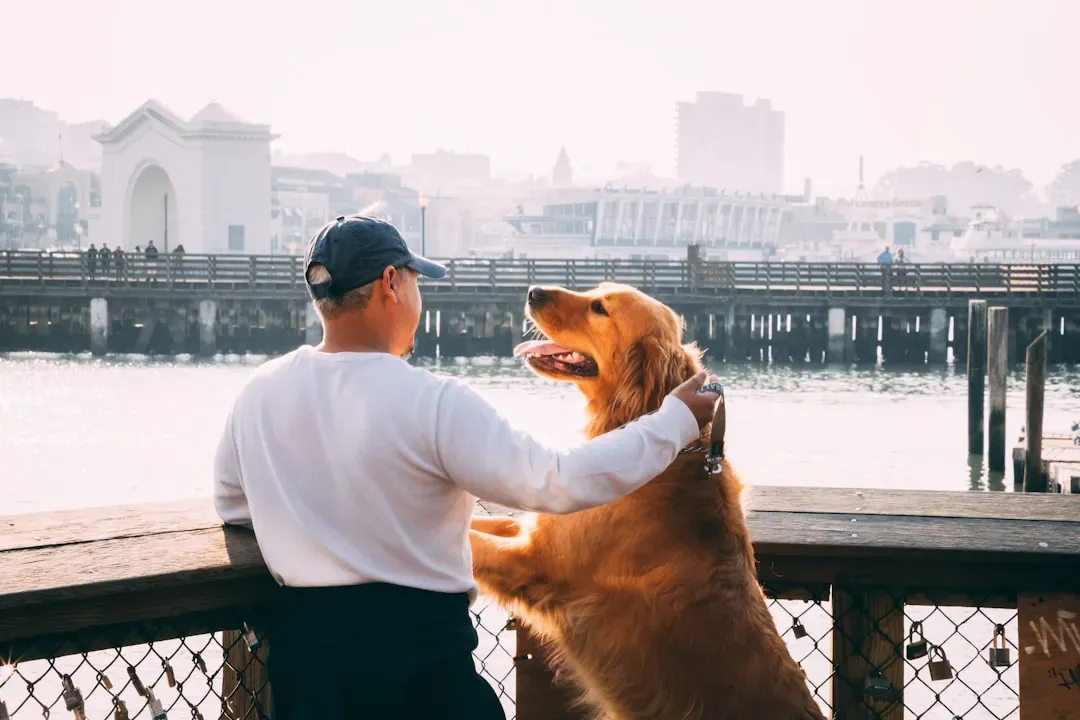
Most owners chalk a quick tail wag up to habit or hunger, but dogs that have endured months of rushed hellos still produce a full-body greeting when you finally walk in. Their whole rear end gets involved. Research on canine separation shows their oxytocin – the same bonding hormone humans release – spikes at your arrival even after wildly inconsistent routines. The greeting doesn’t scale down just because the visits did.
What surprises people most is the precision of it. Dogs remember your specific scent signature for years, and they don’t just react to any human presence – they single you out within seconds. Even after a work trip that stretched into weeks, that door greeting isn’t reflexive. It’s a deliberate, biological choice to reconnect. They’ve been waiting, and now you’re here, and that’s enough for them.
Fast Facts
- Oxytocin – often called the “love hormone” – rises in both dog and owner during reunions, not just in one direction.
- A 2022 Current Biology study found dogs’ tear volume increases significantly when reunited with their owner, but not with a familiar non-owner.
- Dogs can distinguish their owner’s scent from hundreds of other humans with remarkable reliability.
- The full-body door greeting – wiggles, jumps, vocalizations – is a distinct social behavior reserved for primary attachment figures.
#13 – They Choose Your Side of the Bed Even When You’re Rarely There
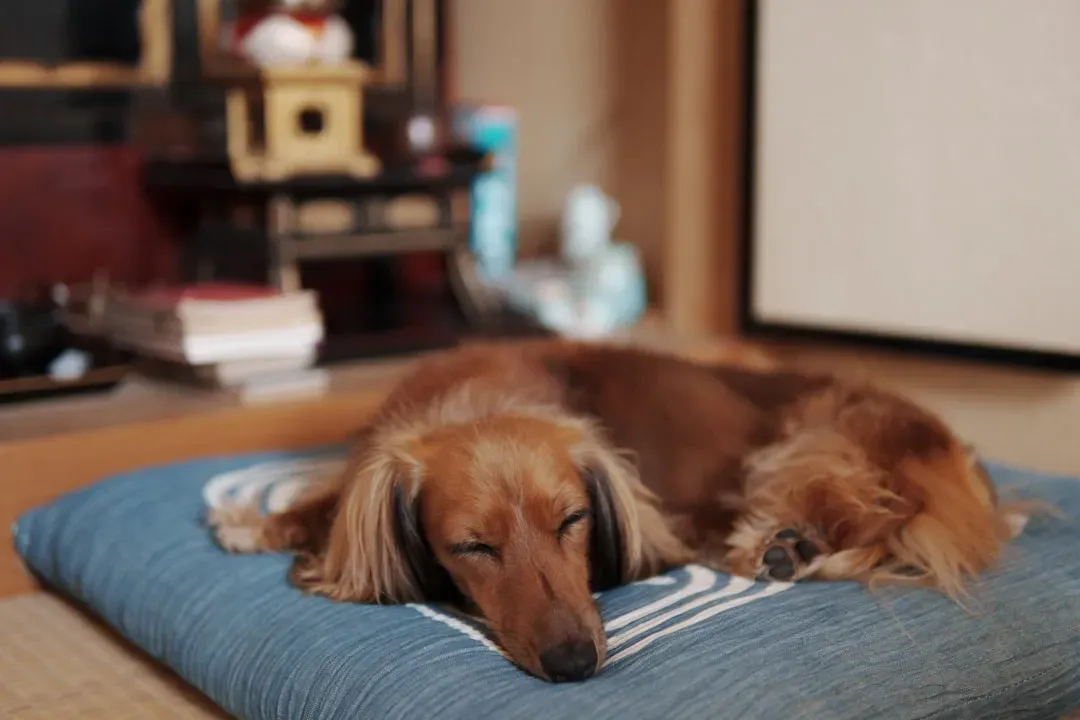
There’s a perfectly comfortable guest bed down the hall. There’s a soft couch closer to the kitchen. And yet, your dog is curled directly on your pillow – pressed into the exact spot where your scent is strongest. This isn’t stubbornness or coincidence. Trainers consistently note that this behavior spikes during household upheaval: new jobs, moves, renovations, babies. The more your presence becomes unpredictable, the harder your dog anchors to the evidence that you exist.
They’re not claiming territory. They’re claiming you – or the closest thing to you available. Your scent becomes a surrogate for your presence, a way to stay connected across the hours you’re not home. Dogs with weaker bonds don’t do this. The ones who press their nose into your pillow on a Tuesday night when you’re working late are telling you something precise: you are still their safe place, even when you’re not in it.
#12 – They Bring You Their Favorite Toy After You’ve Ignored Playtime for Days
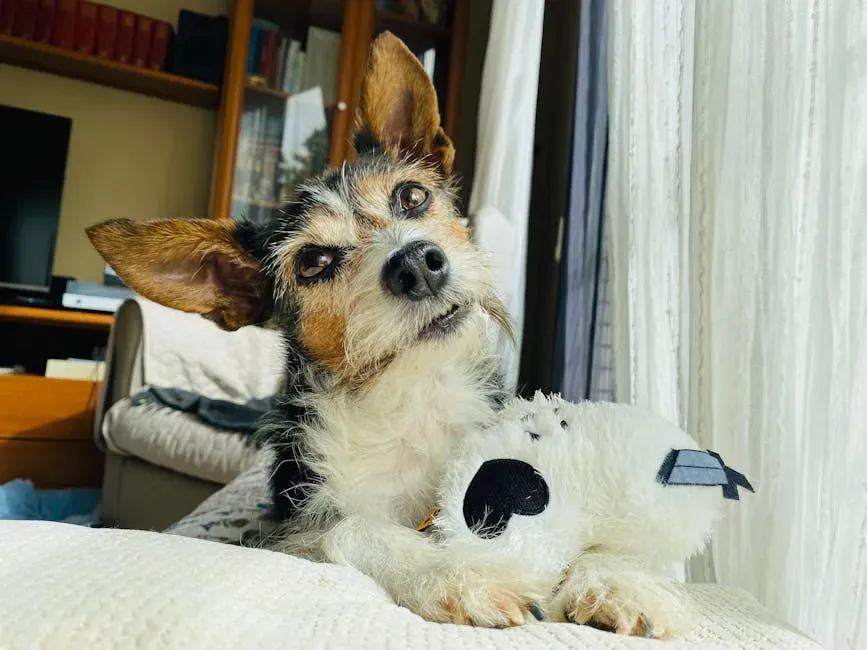
When life piles on, play sessions are usually the first thing to go. And yet, there it is – a soggy tennis ball dropped directly on your foot. A squeaky toy nudged against your laptop. Most people read this as begging, but behaviorists describe it differently: it’s called “offering,” and it means your dog is trying to restore the old bond on their terms, without any guarantee you’ll respond. There’s something quietly brave about that.
The detail most people miss is in the toy choice itself. Dogs often select the specific object that used to make you smile – not their personal favorite chew, but the ball you used to throw in the backyard before the overtime started. They’re reaching back into your shared history. That kind of targeted gesture isn’t about immediate need. It’s memory wearing the shape of hope.
#11 – Their Tail Wags in a Specific Pattern Only for You
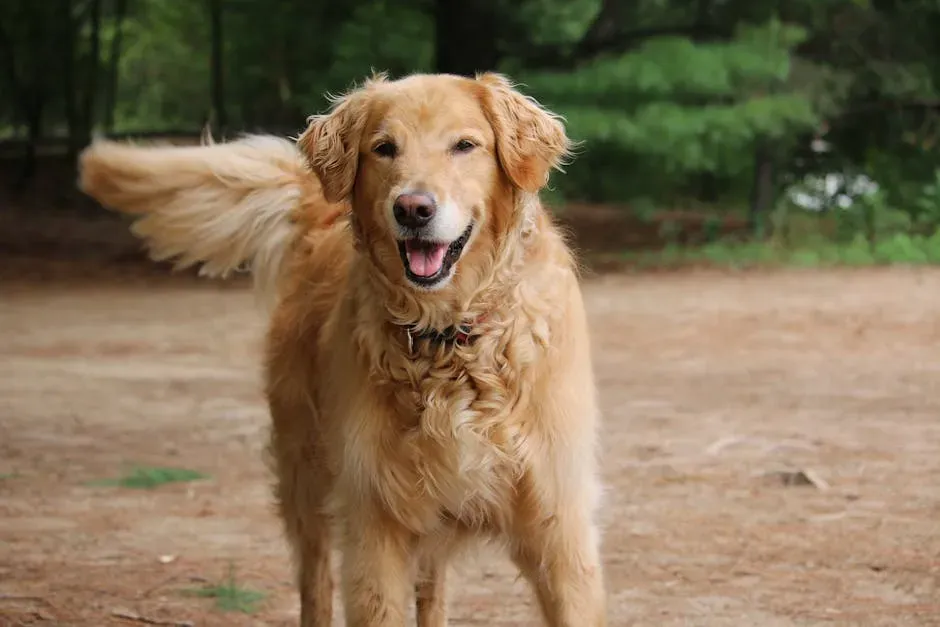
Not all wags are equal, and scientists can now measure the difference. Dogs produce a right-side biased tail wag when greeting their primary person – a neurological signature of positive emotional arousal – even after long stretches of minimal interaction. This asymmetry shows up in heart-rate studies and holds during some of the most stressful transitions imaginable: moves, new family members, extended absences. The pattern doesn’t reset just because attention thinned out.
What floors most owners is learning that other family members often get a neutral or left-biased wag – or no wag at all. Your dog has kept a private biological code for you alone, written in the way their tail moves before they’re even fully conscious of it. Life interruptions didn’t erase the code. They just made it more visible when you finally walked back through the door.
Worth Knowing
- Italian neuroscientist Giorgio Vallortigara’s research confirmed owners trigger a strong right-side tail bias – while strangers produce only a slight one.
- The right-side wag reflects left-brain activation, the hemisphere linked to positive, approach-oriented emotions.
- Other dogs can actually read this difference – studies show dogs observing a left-biased wag show increased heart rate and anxious behavior.
- Research also found tail wagging shifts progressively rightward over just three days of repeated dog-human interaction, marking it as a live indicator of growing familiarity.
#10 – They Position Themselves Between You and Strangers During Stressful Periods
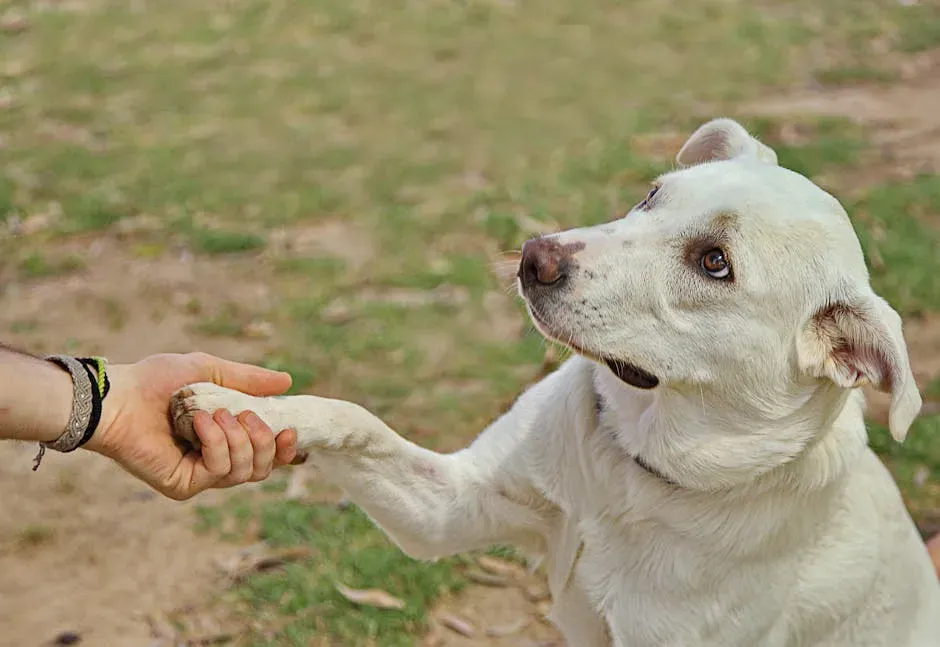
Life chaos brings new faces into the home – contractors, unfamiliar relatives, rotating roommates. And suddenly your dog, who used to sprawl lazily in the corner, is pressing their body between you and whoever just walked in. This isn’t aggression, and it isn’t anxiety. It’s an old loyalty reflex that reactivates without any prompting the moment the social landscape feels uncertain. They’ve appointed themselves your quiet security detail.
The part that goes unnoticed: they do this more often when your own stress levels are visibly elevated. Your dog is reading micro-changes in your posture, your voice pitch, the speed of your breathing – things a stranger in the room wouldn’t catch. Their positioning isn’t a reaction to the new person. It’s a response to you. It’s a vote of confidence that says, whatever is happening right now, I’m still with you.
#9 – They Match Your Sleep Schedule Even When It Changes Constantly
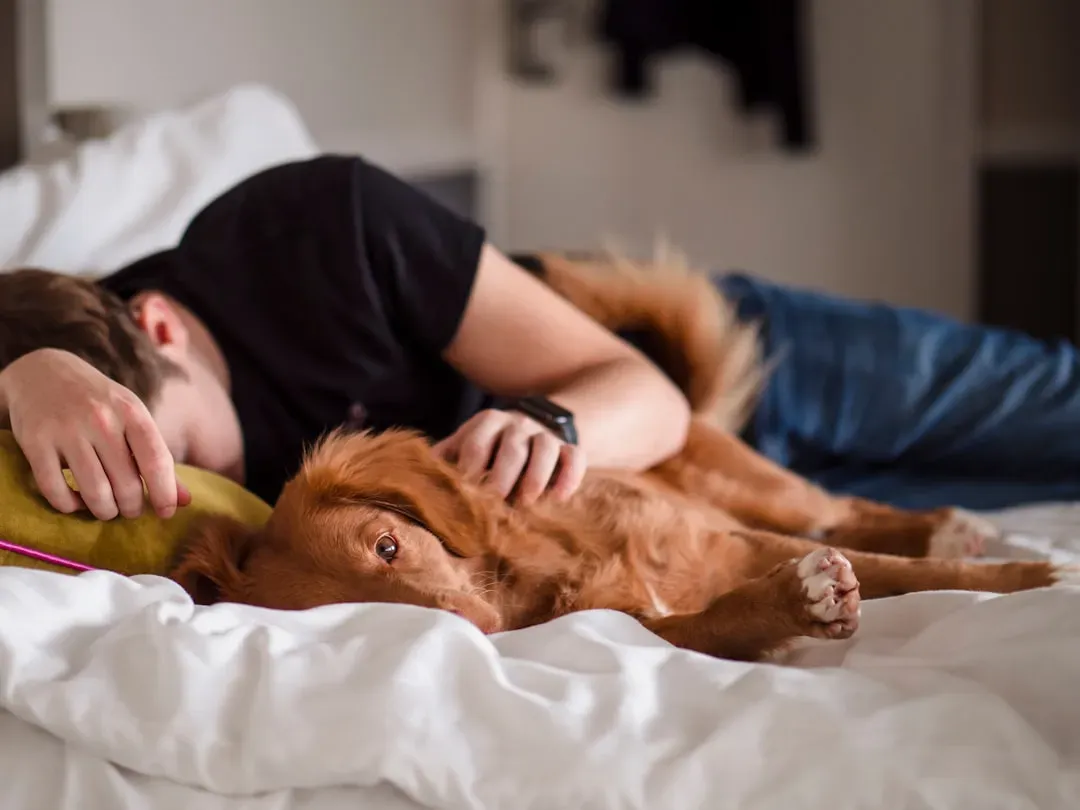
Shift workers and new parents notice this first. Dogs that once had reliable 10 p.m. walk routines suddenly adapt to 2 a.m. bedtimes, 5 a.m. wake-ups, and everything in between – without complaint, without demanding the old schedule back. They don’t insist on their rhythm. They fold themselves into yours, however irregular it becomes, because being near you is more important than comfort.
The evidence behind this is striking: cortisol levels in dogs stay measurably lower when they sync with their owner’s schedule versus following their own natural rhythm. They are, in a documented biological sense, choosing the relationship over their own well-being. That kind of flexibility doesn’t appear in dogs with surface-level attachments. It only shows up when the bond runs deep enough to cost them something.
#8 – They Remember Old Commands You Haven’t Used in Months
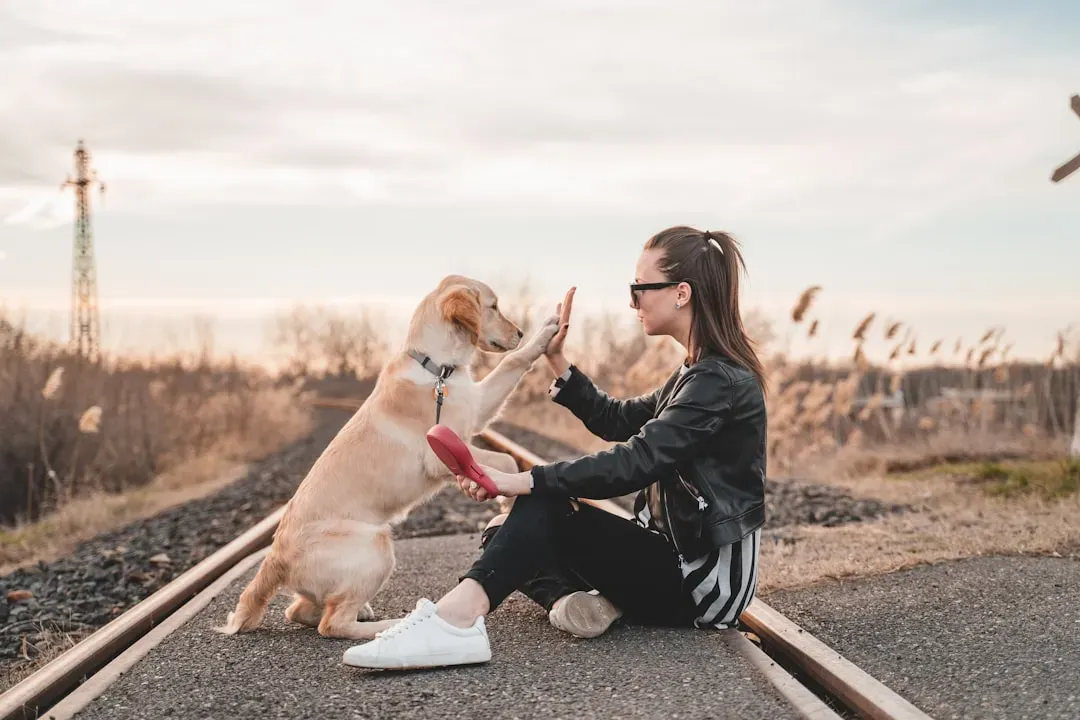
The word “settle” hasn’t left your mouth in four months. Training went out the window somewhere around the third life upheaval in a row. And then one evening, exhausted, you say it almost to yourself – and your dog folds calmly to the floor like no time has passed. This isn’t a parlor trick. It means the command stayed linked to you in their memory, not just to the treat that used to follow it.
Trainers find this detail telling: dogs who’ve gone months without practicing a cue often perform it more reliably for their original person than for anyone else attempting the same word with treats in hand. The association isn’t about the reward. It’s personal. The gaps didn’t dissolve it. Your voice, your timing, your particular way of saying that word – all of it stayed filed away, waiting for you to need it again.
At a Glance: What Their Memory Is Really Storing
- Your voice tone – dogs distinguish their owner’s voice from other humans and respond more reliably to it regardless of the command.
- Your scent – olfactory memory in dogs is exceptionally long-lasting; your unique scent signature is one of the most durable things they retain.
- Shared rituals – the specific rhythm of how you trained together is stored separately from the cue itself, which is why the response feels personal.
- Emotional context – dogs encode how they felt during learning, not just the behavior, making owner-taught cues emotionally sticky in a way treat-based repetition alone can’t replicate.
#7 – They Lean Against Your Leg the Moment You Sit Down
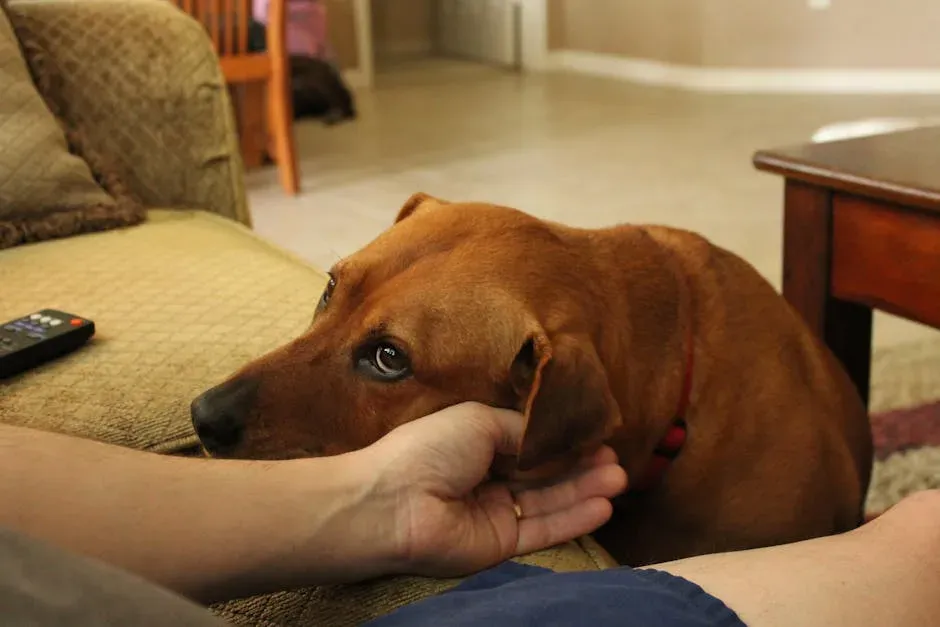
You collapse onto the couch after a brutal day and within thirty seconds there’s a warm, solid weight pressed against your calf. No fanfare, no demand – just full, quiet contact. This physical leaning spikes when routines fracture. Dogs that once sprawled freely across the room begin pressing themselves against you the moment you stop moving, as if your stillness finally gives them permission to close the distance that’s been building for weeks.
The timing is the tell: most dogs stop the lean the moment you stand back up, almost like they only needed the brief confirmation that you were really, solidly there. They’re not being clingy. They’re checking in – running a quick emotional diagnostic on the relationship, making sure the connection held. That precise, contained gesture reveals an ongoing awareness of your presence that never actually went dormant.
Dogs are not our whole life, but they make our lives whole.
Roger Caras
#6 – They Alert You to Household Changes You Missed
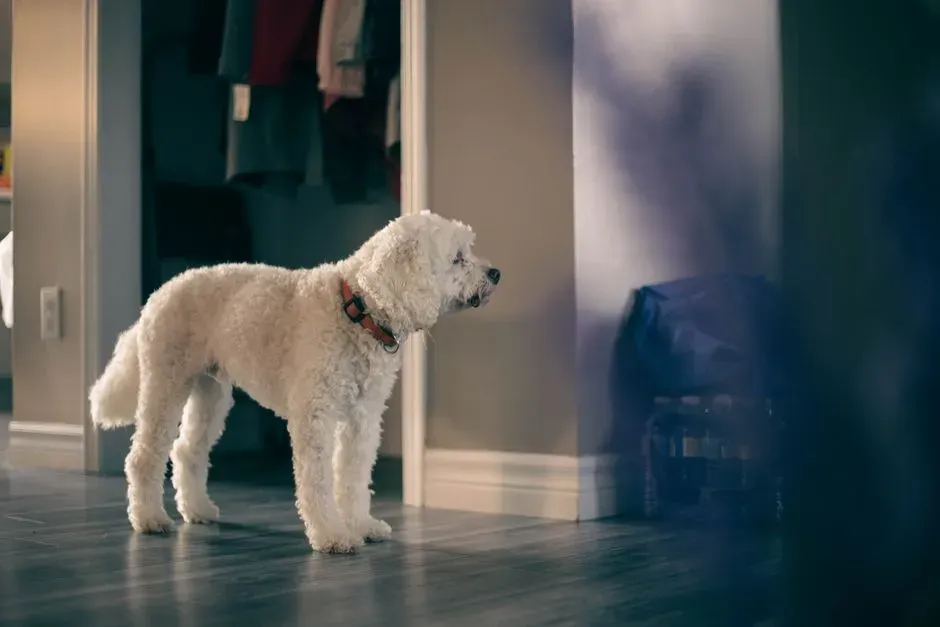
A strange creak in the wall. A smell that shifted near the back door. Your dog heard or sensed it before you did, and instead of sounding a general alarm, they walked specifically to where you were and communicated it to you. During hectic stretches when you’re half-present and distracted, these alerts become more targeted, not less. They’re not broadcasting to the room – they’re reporting to their person.
What stands out in the behavior is what happens next: the alerting almost always decreases the moment you acknowledge the change. A glance toward the window, a murmured “I hear it” – and they settle. They weren’t anxious. They were communicating. The fact that they still direct this information toward you, even after weeks of distraction, reveals that their sense of who’s in charge of this partnership never shifted. That role still belongs to you.
#5 – They Forgive Scolding Faster Than Any Other Family Member
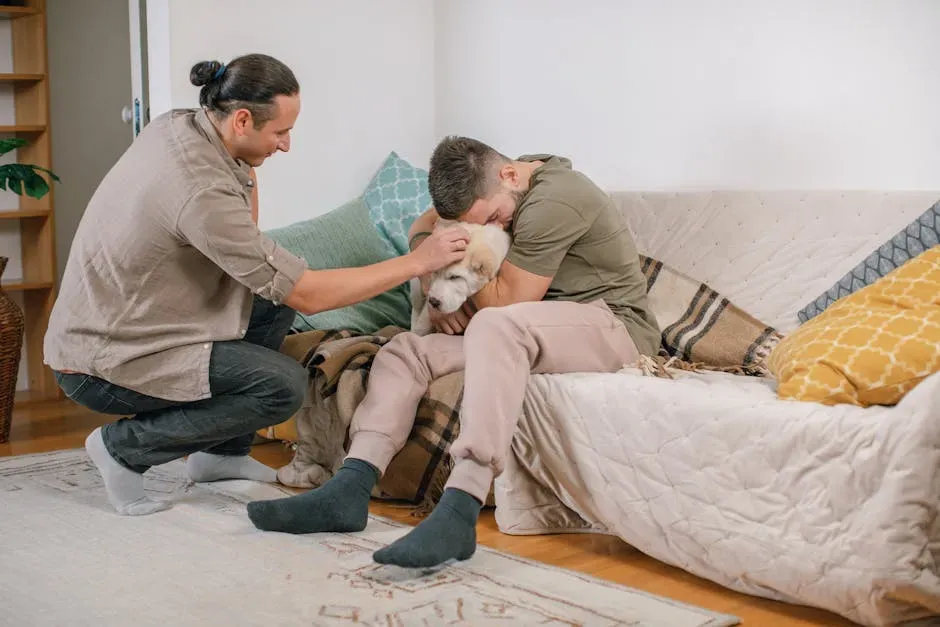
You snapped. It was a rough evening, the dog was underfoot at the worst moment, and the words came out sharper than they should have. And within three minutes, maybe five, they’re back – pressed against your knee, making soft eye contact, ready to continue as if it didn’t happen. This isn’t submission or fear. Behaviorists are clear about the difference. This is a deliberate, emotionally costly choice to keep the bond intact despite your mood.
The part that quietly recalibrates everything: this rapid recovery holds after repeated scolding over months. Their threshold for relational damage stays remarkably, almost uncomfortably high. Most people underestimate how asymmetrical that forgiveness actually is – how much they absorb so the connection doesn’t break. It would be easy to take for granted. It’s worth not doing that.
#4 – They Seek You Out First When Something Frightens Them
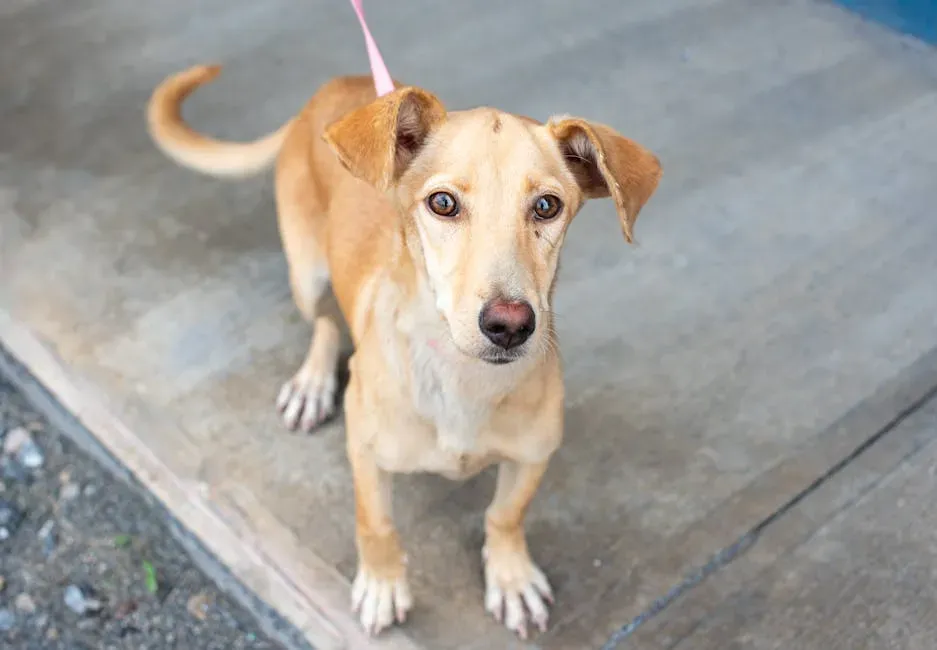
Thunder rattles the windows. A car backfires on the street. A stranger rings the doorbell. And your dog, who could run to anyone in the house, who could wedge themselves under the nearest bed, comes specifically to find you. They bypass closer family members, more available laps, better hiding spots. The choice is deliberate. You are still, in their nervous system’s estimation, the secure base – the place where fear becomes manageable.
Attachment research reveals something counterintuitive here: this preference holds strongest in dogs whose owners have been inconsistently available. It’s as though the dog has done the math, weighed every option through months of observing the household, and still arrived at the same conclusion – you are the reliable constant. Inconsistency didn’t damage that designation. It confirmed it.
Quick Compare: Surface Bond vs. Deep Bond
- Surface bond: Dog seeks whoever is nearest during fear — Deep bond: Dog bypasses everyone to find their specific person
- Surface bond: Scolding causes prolonged avoidance — Deep bond: Forgiveness kicks in within minutes
- Surface bond: Alerts the room generally — Deep bond: Alerts you directly, then settles once you acknowledge
- Surface bond: Greets any returning family member equally — Deep bond: Reserves the full-body reunion for one person
#3 – They Initiate Eye Contact During Quiet Moments You Almost Missed
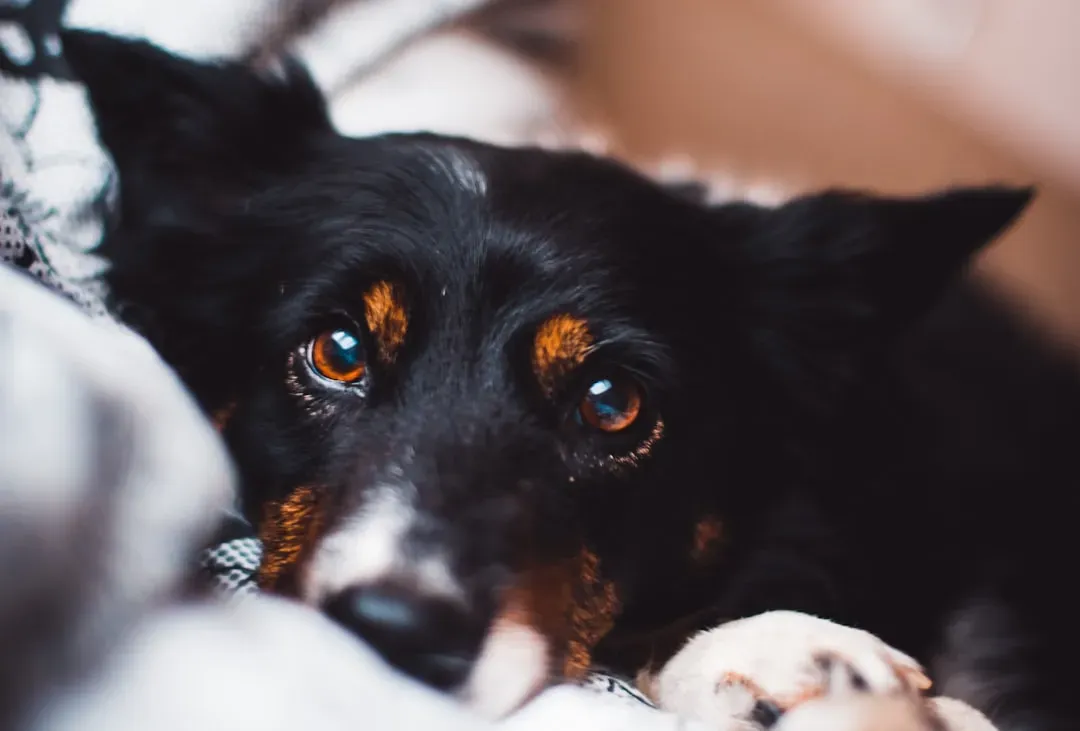
You’re scrolling. You’re staring at a report. You’re somewhere between awake and asleep on the couch. And from across the room, without touching you, without making a sound, your dog is simply looking at you. Soft, steady, unhurried. Not asking for anything. Just watching. Dogs that maintain this habit through busy seasons consistently show stronger long-term attachment scores in observational studies. The look itself is the data.
The most telling detail comes in what happens a few seconds after: a small tail wag, a quiet exhale, a gentle shift of their weight. No reinforcement needed. They’re not doing it for a treat. It’s a private ritual they’ve kept alive through months of you being half-present – a small, repeated act of devotion that asks for nothing back. Most people only notice it once they slow down enough to actually look up and meet it.
#2 – They Adjust Their Energy to Match Your Lowest Days
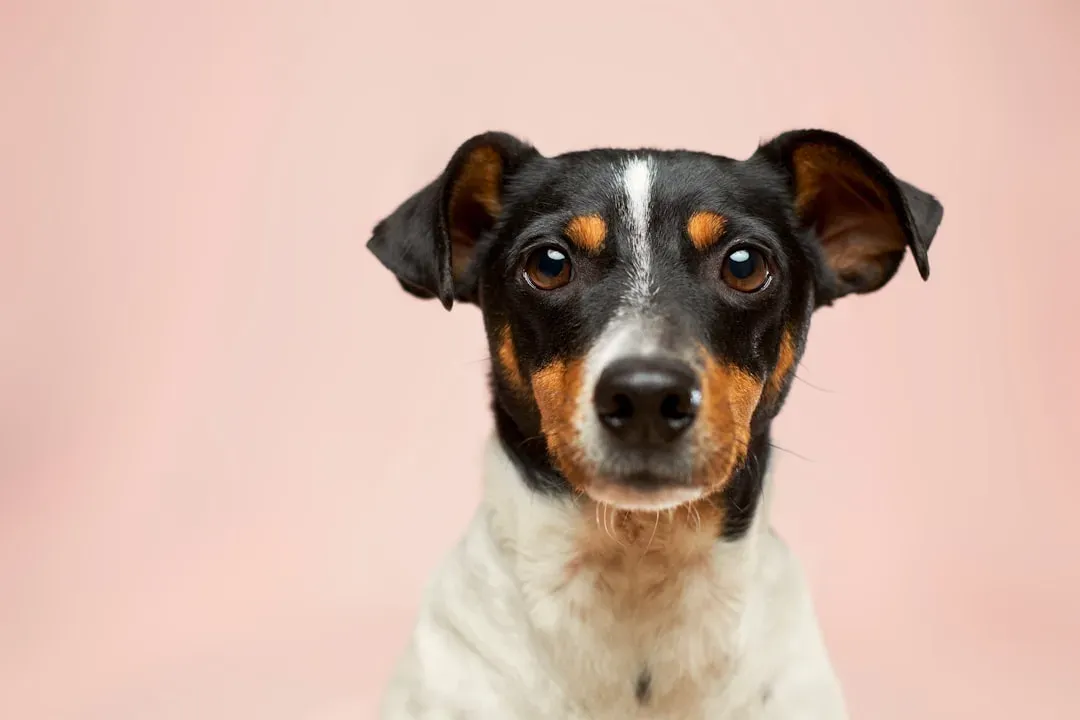
On the days when you can barely get off the couch, something changes. The dog who usually bounces off the walls around 6 p.m. goes quiet instead. They don’t demand the walk. They don’t nudge toys at you. They just come and lie down nearby, close enough to touch, calm enough not to need anything. This isn’t laziness or boredom. It’s attunement – one of the most sophisticated emotional skills in the animal kingdom, and your dog is performing it for free, without being asked.
What makes this genuinely remarkable is the timing: behavior logs show dogs often initiate this low-energy mode before you consciously signal that you’re struggling. Before the tears, before the silence, before you’ve even admitted it to yourself – they already know. They read something in the way you moved through the door, the way your shoulders sat, the pace of your breathing. And they adjusted. That calibration is an act of love. There’s no other word for it.
#1 – They Still Dream About You
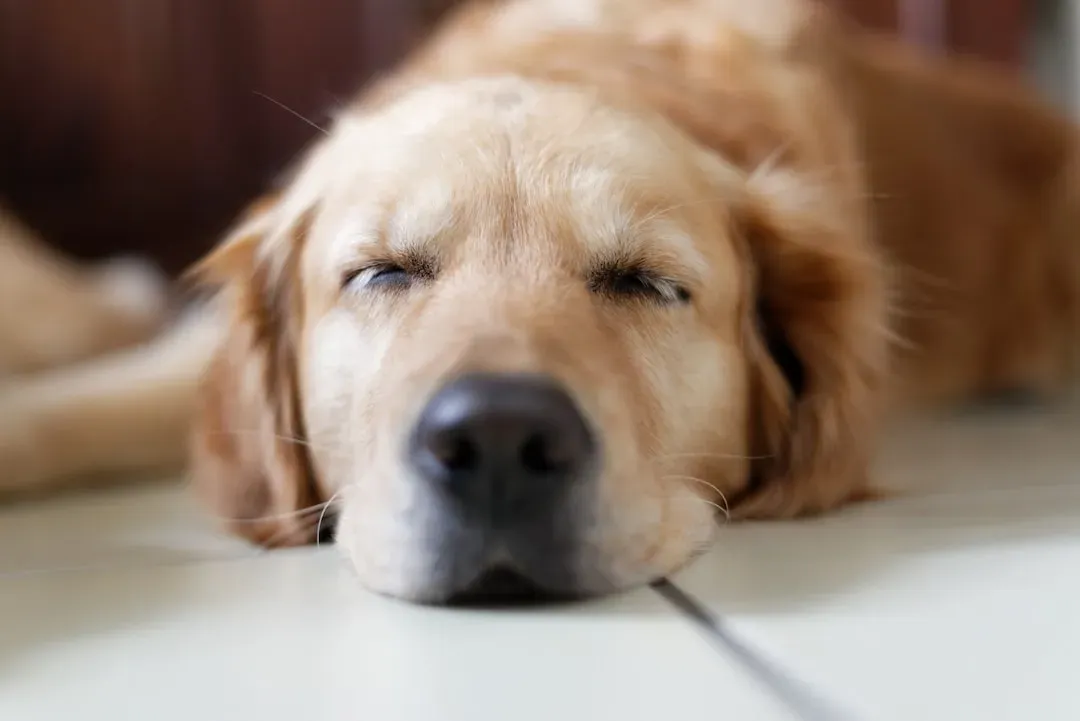
EEG studies show that dogs enter REM sleep and replay interactions – real, specific interactions – with the people they’re bonded to. You can sometimes watch it happen: paws twitching, small vocalizations, the ghost of a tail wag moving through their body while they sleep. This neurological evidence appears even in dogs whose daily contact has been significantly reduced for months. Their sleeping brain is still running the relationship. Still practicing it. Still keeping it warm.
The detail that reframes everything is what they’re replaying. Harvard psychologist Dr. Deirdre Barrett has proposed that since dogs are so emotionally attached to their humans, owners are likely to feature prominently in their dreams – not generic dog activities, but the specific rhythm of your shared greetings, your voice, your scent. Their brain has reserved dedicated neural real estate for you specifically. Not for the family broadly. Not for the person who fills the bowl most often. For you. Even while they sleep, in the deepest part of their biology, you are the one they keep returning to.
Fast Facts: Dogs and Dreaming
- Dogs enter REM sleep roughly 20 minutes into a nap; active dreaming typically lasts 2–3 minutes per cycle.
- Smaller breeds dream more frequently (as often as every 10 minutes) while larger dogs have less frequent but longer dream episodes.
- MIT researchers confirmed that animals replay real, specific waking experiences during REM sleep – the same neural patterns light up that were active during the original event.
- Physical signs of dreaming include twitching paws, soft vocalizations, and tail movements – all visible evidence of an active, emotionally engaged sleeping brain.
- Experts advise not waking a dreaming dog mid-cycle, as sudden interruptions can cause momentary confusion or a startle response.
The Truth About What Dogs Actually Ask of Us
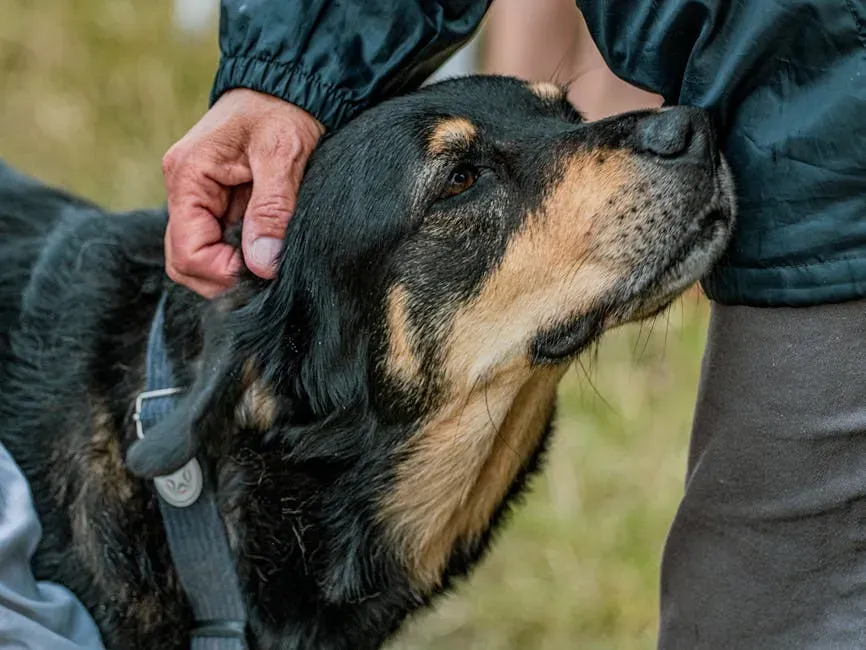
Here’s what this list is really saying, underneath all the behavior science: dogs don’t love on a points system. They don’t keep a running tally of missed walks and short evenings and distracted weekends. The bond they form isn’t contingent on your consistency – it’s woven into how their brains are built, how they process memory and attachment and safety. Busy seasons don’t erase that. Emotional distance doesn’t dissolve it. Even neglect, heartbreakingly, doesn’t kill it as fast as it should.
That’s not a reason to take them for granted – if anything, it’s the opposite. The fact that your dog forgives faster than you deserve, anchors to your scent when you’re gone, dreams about you in their sleep, and still brings you the same tennis ball after weeks of silence should feel like a debt worth paying attention to. Not with guilt. With presence, when you can find it. The relationship is still there, exactly where they left it, waiting for you to catch up.


