
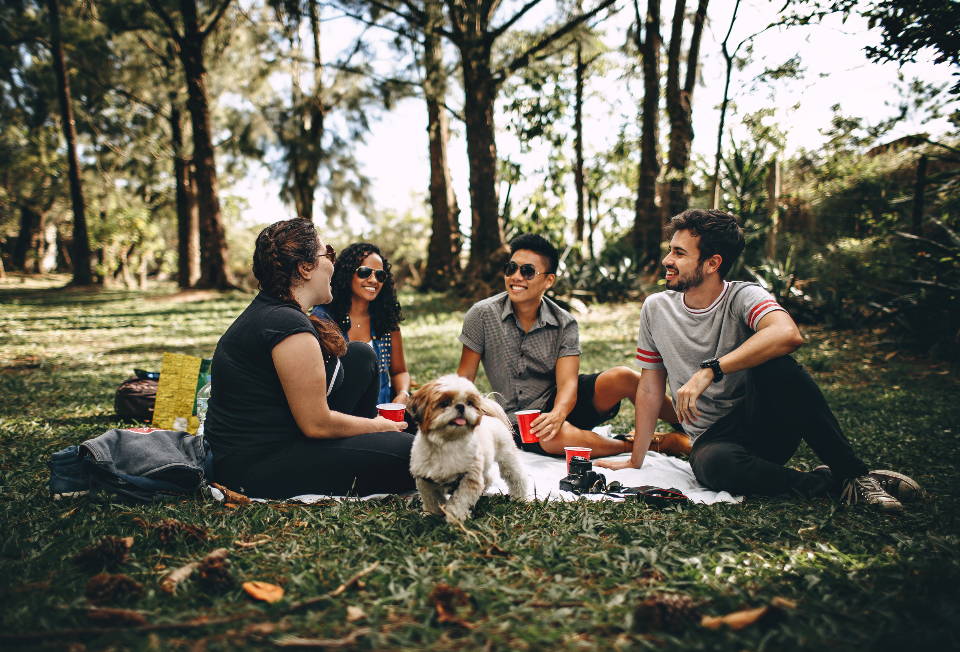
Ask any dog person, and they’ll tell you their dog never really forgets them. That feeling you get when your old dog lights up at your voice after months apart isn’t just wishful thinking; it’s rooted in how a dog’s memory and emotions work together. Dogs may not replay scenes in their minds the way we do, but they build deep, sticky emotional associations that can last for years.
What makes this so powerful is that many of the moments we’ve long forgotten are quietly etched into our dog’s nervous system: the way we move when we’re angry, the sound of our laugh, the routine of late-night walks. As someone who once had a dog recognize me after more than a year apart, I’m convinced these bonds run far deeper than we usually admit. Let’s look at some of the emotional things dogs tend to remember about their humans for an impressively long time.
The Sound Of Your Voice And The Way You Say Their Name
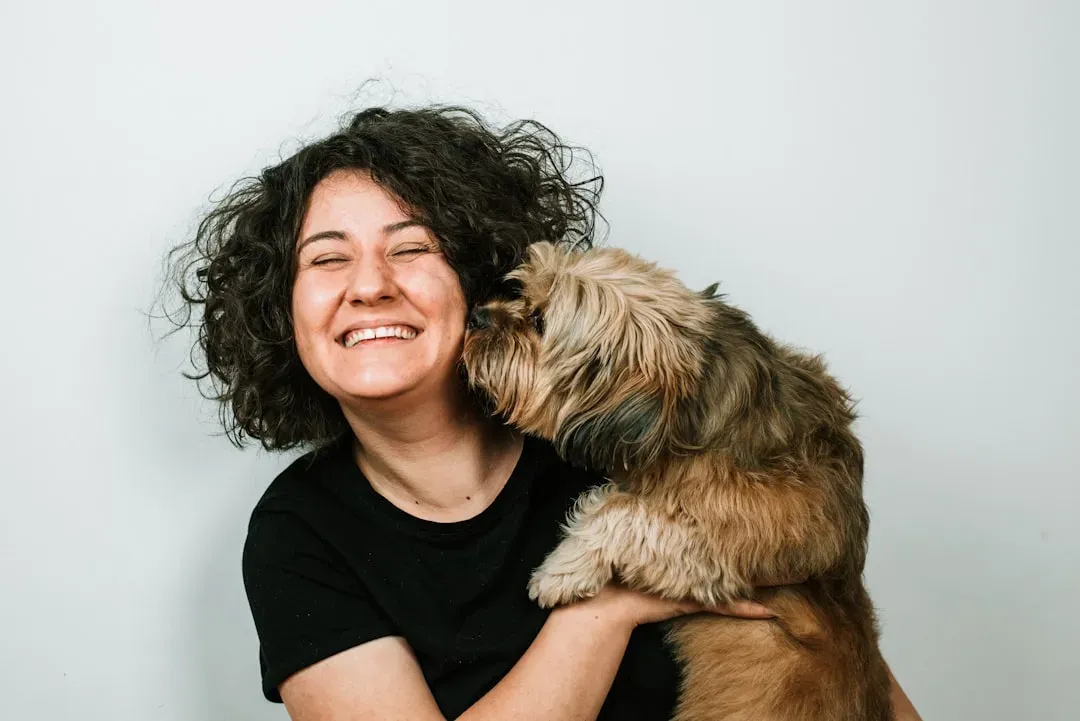
It’s almost shocking how fast a dog’s head snaps around when they hear their name in a crowded park, and it’s not just the word itself they’re picking up on. Dogs are extremely sensitive to tone, pitch, and rhythm, and over time they build a strong emotional file in their brain tied to your particular voice. That’s why an excited “let’s go!” can send them spinning, even if you barely whisper it.
Studies using brain imaging have shown that parts of a dog’s brain actually light up more for their owner’s voice than for strangers. They don’t just recognize a sound; they connect it to safety, food, affection, and all the messy, emotional history they have with you. That’s also why a tense, sharp voice can cause a dog to shrink back, even if they don’t “understand” the words like we do.
Your Scent, Even After A Long Time Apart
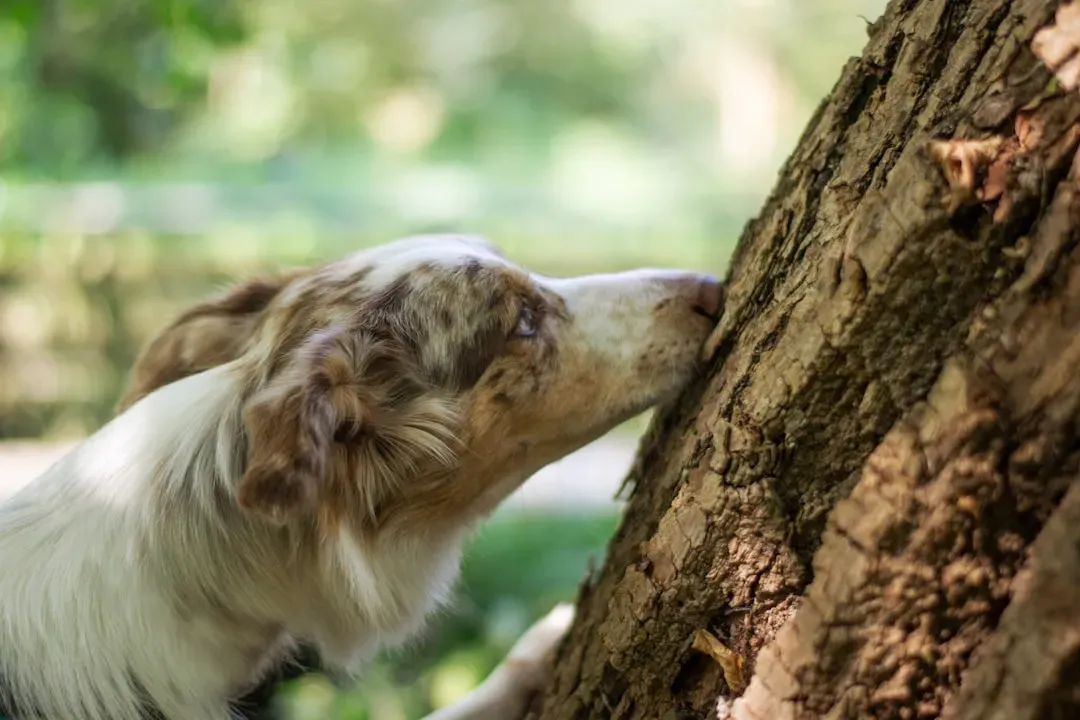
If you’ve ever come home after a trip and watched your dog bury their face in your clothes, you’ve seen their scent memory in action. A dog’s sense of smell is dramatically more sensitive than ours, and they form powerful emotional associations through it. Your specific scent becomes a kind of emotional signature that says “this is my person, I’m safe.”
Dogs have been shown to respond differently to the scent of their humans compared to other familiar people and strangers, even when no person is in the room. That suggests your smell alone carries a kind of emotional comfort and recognition for them. It’s one reason leaving a worn T‑shirt behind can help ease separation anxiety a bit; to your dog, it’s like a quiet, invisible version of you is still there.
The Routines You Share: Walks, Meals, And Bedtime Rituals
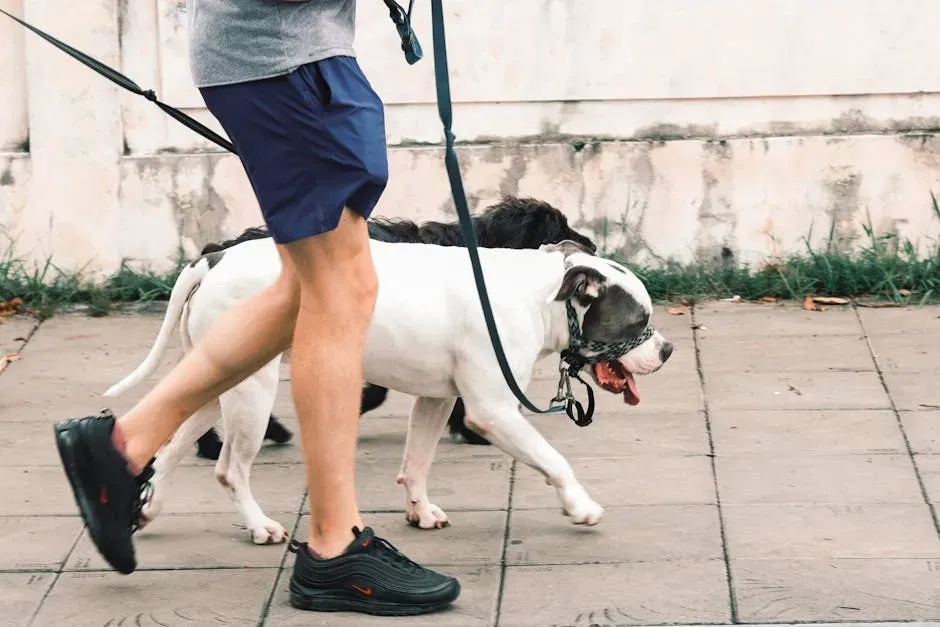
Dogs may not read calendars, but they’re masters of pattern. The daily rhythm you create together – morning walks, mealtimes, the way you settle in at night – becomes deeply familiar and emotionally charged. When those routines involve safe, predictable care, they act like an ongoing reassurance that their world is stable.
Over time, a dog can start anticipating these events down to the minute, especially if they’re tied to strong emotions like excitement or comfort. That’s why they may pace or stare at you before dinner time or start yawning and stretching when you usually head to bed. When routines change suddenly or disappear, it can unsettle them, because emotionally they remember “this is when we always did our thing together.”
Moments Of Comfort During Fear Or Pain
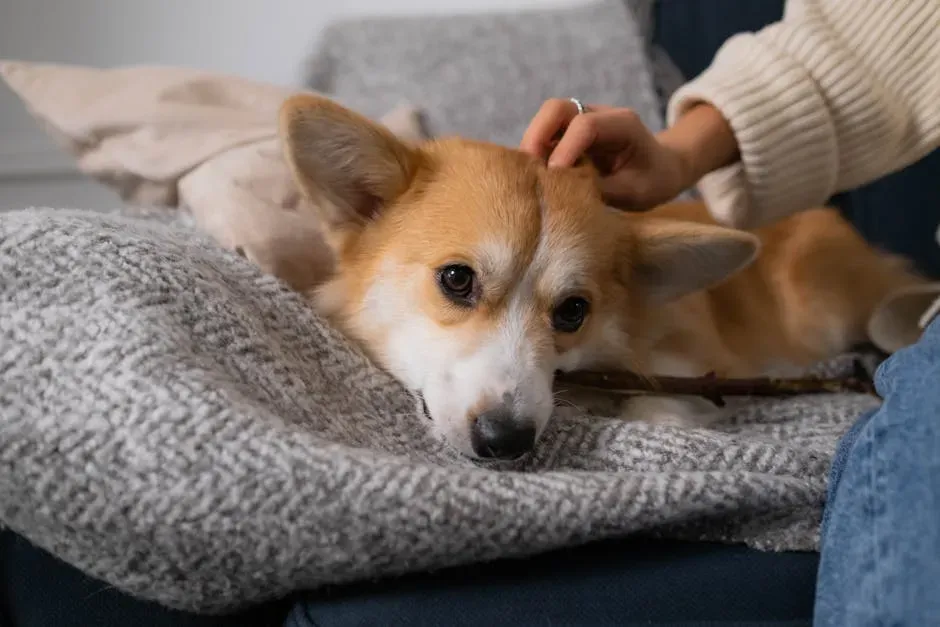
Think back to a time your dog was terrified during a storm or shaking at the vet, and you just sat there, hand on their fur, quietly staying with them. Dogs are very good at forming emotional memories around moments of fear or pain, and what you do in those moments sinks especially deep. Your scent, your touch, and your calm presence can get wired into their brain as the thing that made the scary time survivable.
This is also why negative experiences in those contexts can be so lasting. If a dog is yelled at when they are already afraid, they don’t forget that mix of terror and helplessness easily. On the other hand, when they repeatedly experience you as the one who shows up when they’re vulnerable, it strengthens a core sense of trust that carries into other parts of your relationship.
How You React When They Make A Mistake
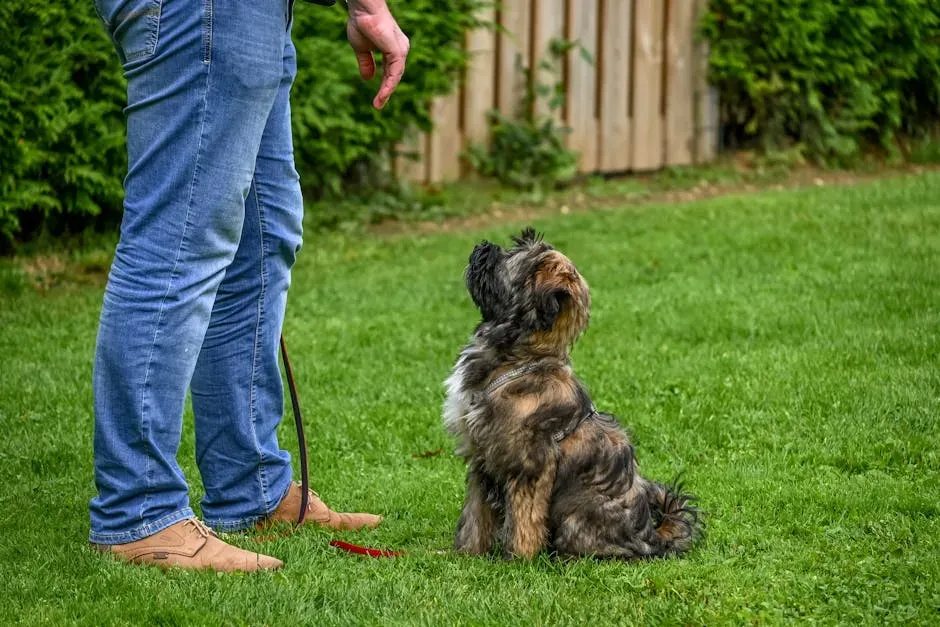
Dogs absolutely remember the emotional climate around their “oops” moments – chewing a shoe, having an accident, barking at the wrong time. While they do not replay the event step by step the way we might, they store the emotional tone of how you responded. Over time, they learn whether you are generally fair, patient, and predictable, or explosive and confusing when things go wrong.
If your usual pattern is to redirect gently, reward what you want, and avoid harsh punishment, your dog learns that mistakes do not mean the relationship is at risk. But if they often experience yelling, physical corrections, or long periods of being ignored afterward, they can begin to associate you with anxiety in those situations. That emotional memory can linger even if your training style changes later, which is why rebuilding trust sometimes takes a while.
The Games You Play And The Way You Have Fun Together
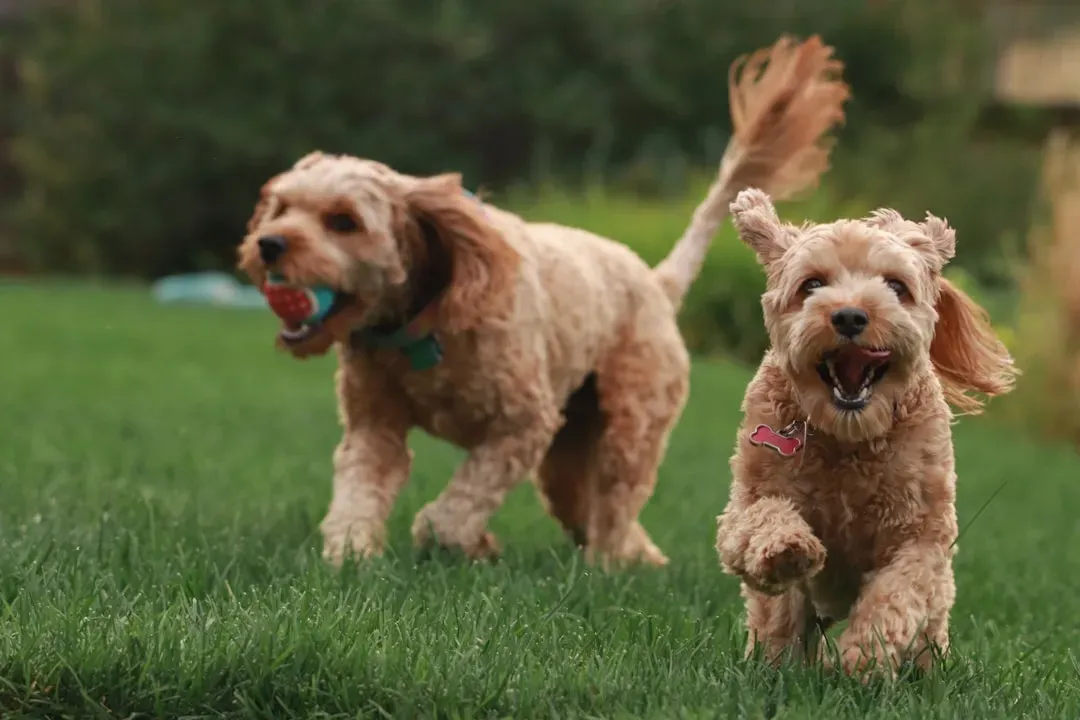
Play is one of the easiest ways to see a dog’s emotional memory at work. Shake a certain toy, say that special phrase you always use before fetch, and watch their entire body switch into party mode. Dogs remember not just the games themselves, but the shared joy, the feeling of teamwork, and the way you move and sound when you’re truly present with them.
Over the years, those patterns of fun become a big part of how they “know” you. A dog who has spent years playing gentle tug-of-war with you may light up when they see a rope toy, even if they are older and less able to play for long. On the flip side, a dog who only sees their human being serious or distracted may not develop that same playful emotional file, which is honestly a bit of a loss for both sides.
Your Emotional Energy: Calm, Stressed, Or Angry

Dogs are surprisingly sharp readers of human emotion, often picking up on subtle cues before we are fully aware of them ourselves. They notice how you walk when you are stressed, how your facial muscles change when you are frustrated, and how your breathing slows when you are relaxed. Over time, they form emotional memories that link those patterns to what usually happens next.
If you live with chronic tension or frequent shouting, a dog can become hyper‑vigilant, constantly scanning you for signs of another outburst. On the other hand, if your general emotional “weather” is calm and affectionate, that becomes the baseline their body expects around you. This is one reason some dogs seem to become more relaxed and affectionate after their human’s lifestyle changes; they are not just living in the present, they are updating layers of emotional memory built over years.
The Places You Went Together That Felt Safe Or Scary
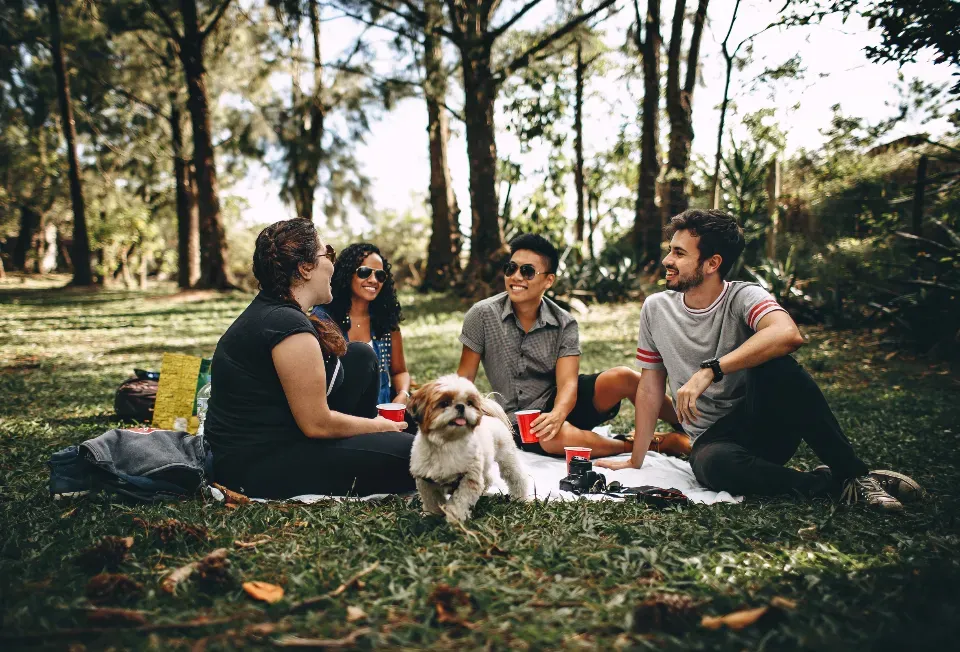
Dogs are brilliant at mapping emotions onto locations. A certain park might mean freedom and adventure, while a particular street corner where something frightening happened might cause them to suddenly freeze. When those places are strongly linked to you – like a hiking trail you visit every weekend – your presence becomes part of that emotional package.
Even years later, a dog may show excitement or tension when revisiting a familiar place with you. They remember how they felt there and how you behaved when they were either joyful or frightened. That is why taking the time to create a lot of positive, low‑pressure experiences in various environments, with you as the steady anchor, can pay off for the rest of their life.
The First Time You Truly Bonded
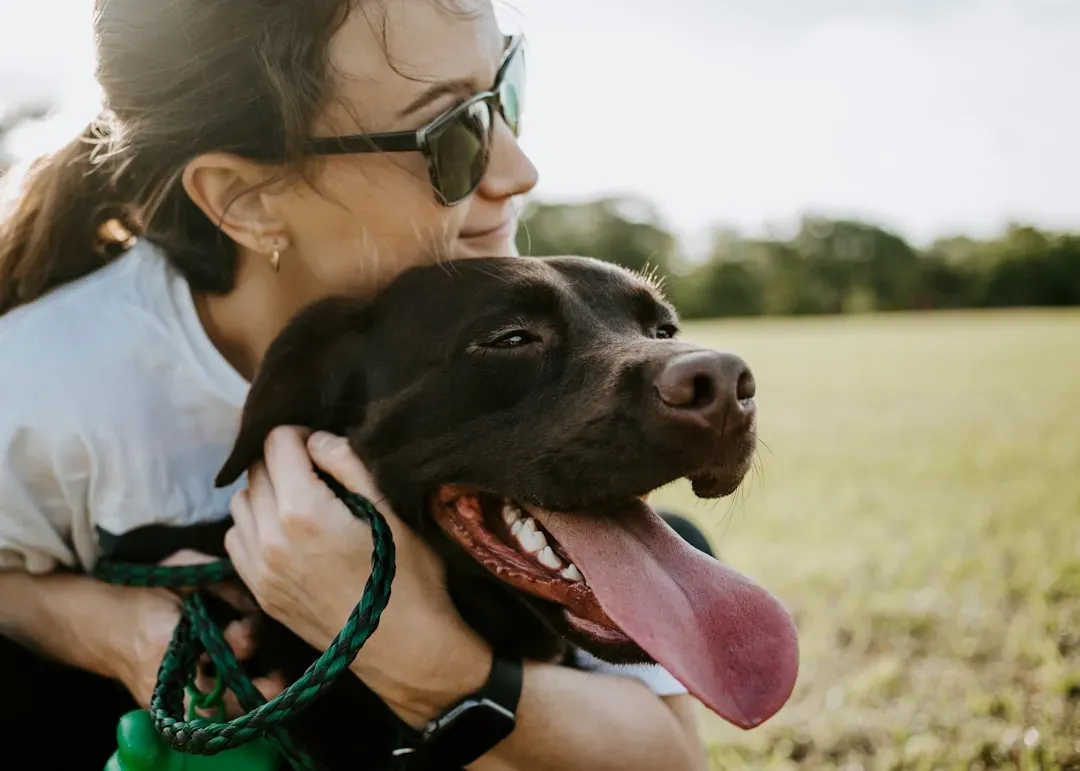
Most dog guardians can point to a sort of turning point – the moment it felt like the dog finally trusted them, or the day a shy rescue dog climbed onto the couch for the first time. Emotionally, those early bonding experiences tend to leave strong traces in both human and dog. For the dog, it might be the first night they slept without trembling or the first time you came back just like you promised.
These early milestones are especially powerful if your dog had a rough start in life. When you become the first consistent, kind, and predictable human they have, your behavior during those first weeks or months becomes a foundational emotional memory. That can help explain why some dogs remain deeply attached to a particular person even if they later meet many other kind humans.
Acts Of Care During Illness, Aging, Or Hard Times
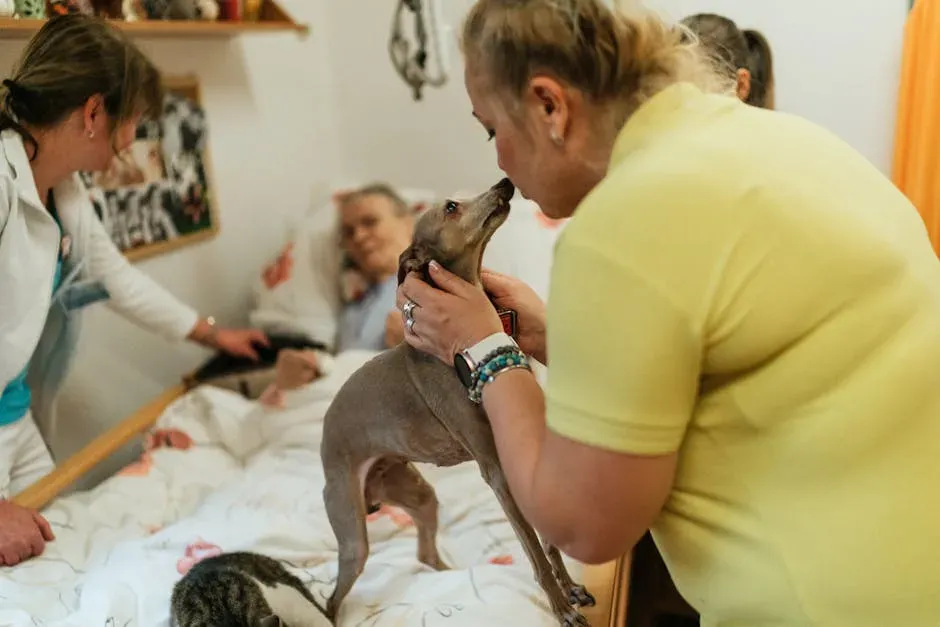
There is a quiet, almost sacred way dogs seem to remember who stood by them when they were weak. That might mean hand‑feeding them when they were sick, lifting them gently up the stairs when their joints started to fail, or simply lying on the floor with them when they were too tired to move. Those experiences are loaded with emotion for both of you, and dogs are highly sensitive to that energy.
As dogs age, they may not remember every trick they once knew, but they often grow softer and more attached to the humans who consistently care for them. Your patience during messy, inconvenient stages sends a clear and repeated message to their nervous system: you are still loved; you are still safe. In my experience, the bond forged in those seasons of caretaking feels different – quieter, deeper, and strangely more human than anything that came before.
The Feeling Of Home They Associate With You
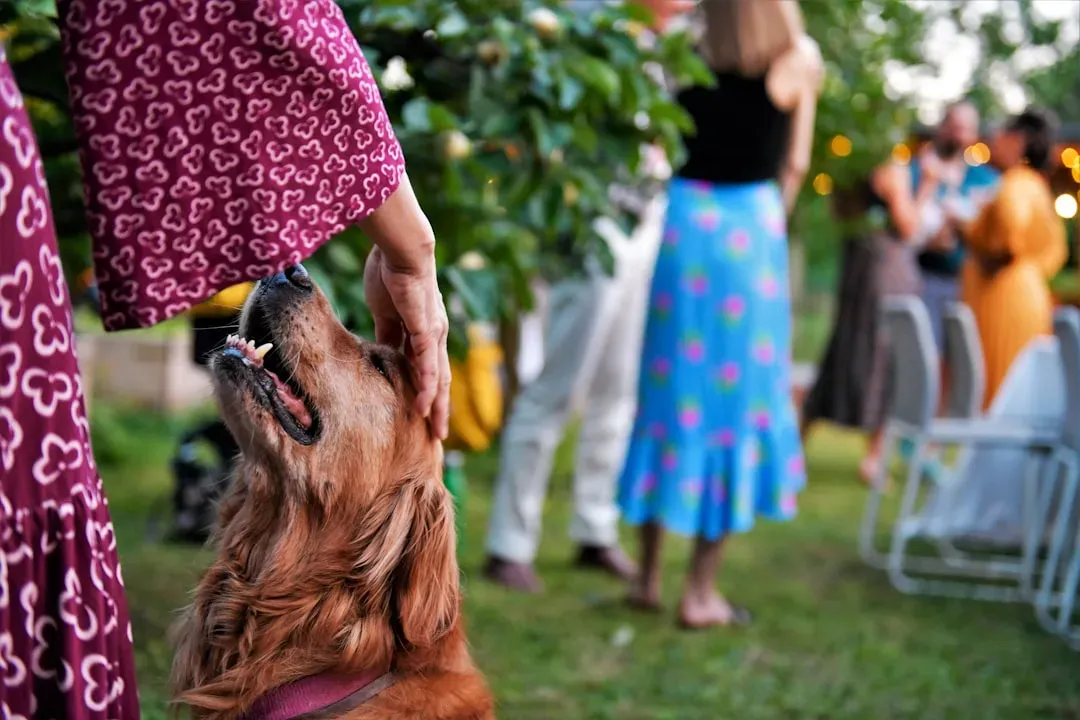
More than any single event, dogs seem to remember the overall feeling of what “home with you” is like. It is not just a house or an apartment, but a blend of smells, sounds, touch, routines, and emotional patterns that forms a kind of living memory. When you walk through the door, they are not just reacting to the moment; they are responding to years of accumulated experience of what it means when you are near.
That is why a dog can settle more easily in a strange hotel room if you are there, or why they might struggle even in a familiar house if the human they are bonded to is gone. In a way, you are the constant in their world, the moving piece of “home” that travels with them. It is a huge responsibility, but also a strangely beautiful one – your very existence becomes their favorite place.
Conclusion: Your Dog Is Keeping Emotional Score, In The Best Possible Way
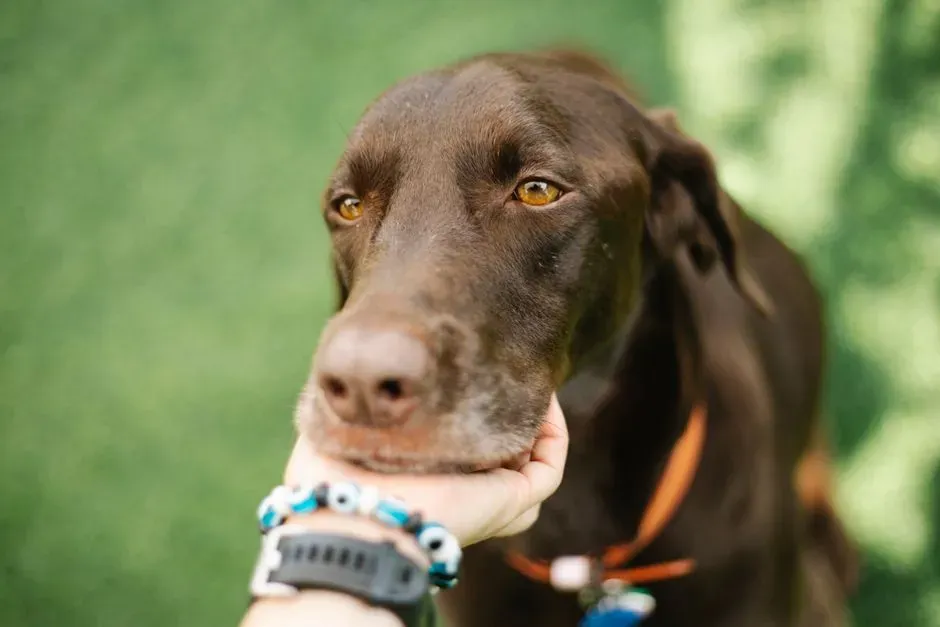
When you step back and look at it, dogs are not just living from treat to treat or walk to walk. They are building a complex emotional history around you: how you speak, how you touch them, how you show up when life is messy or painful. They keep a kind of score, not in a petty way, but in a quiet, bodily way that shapes how safe and loved they feel in your presence.
To me, that makes every small interaction feel a little more meaningful. The extra patience on a bad day, the gentle response to a mistake, the silly game you play for the hundredth time – all of it is being stored somewhere in that warm, watchful brain. Years from now, when your dog’s muzzle is gray and their steps are slower, you will both be living inside the emotional story you wrote together. Knowing that, what kind of memories do you want your dog to be carrying around about you?


