
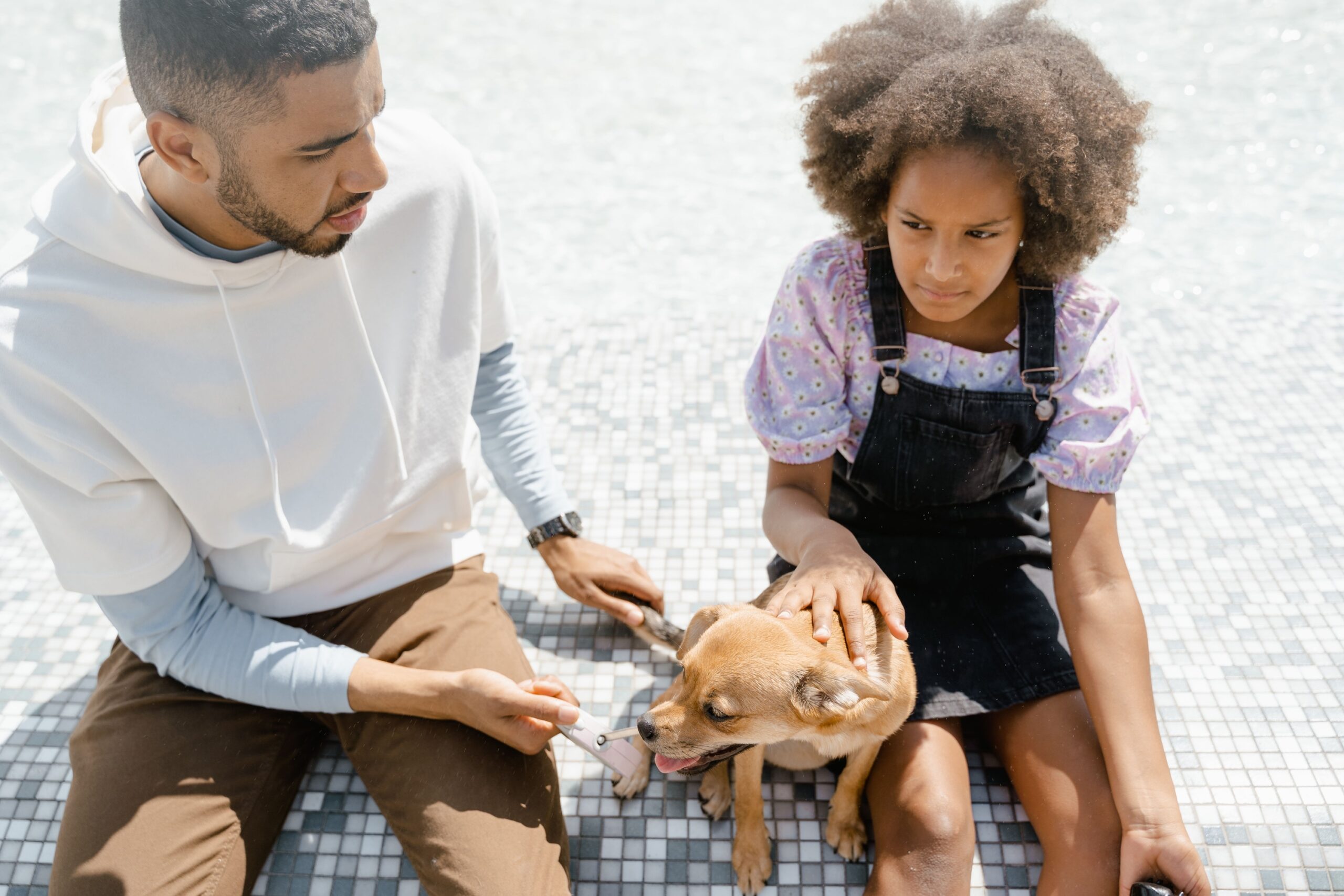
You know that look your dog gives you when you hug someone else or pick up your phone instead of the leash? Many owners shrug it off as clinginess or bad manners, but sometimes, there’s something deeper going on. Dogs can absolutely experience jealousy-like behaviors, and they often show it in ways that are subtle, confusing, or easy to blame on training alone.
The tricky part is that jealousy in dogs does not look exactly like human jealousy, and it can overlap with fear, anxiety, or simple excitement. That means a lot of owners accidentally punish a jealous dog instead of understanding what the dog is trying to say. Let’s dig into the signs that often fly under the radar, and how to see your dog’s behavior with clearer, kinder eyes.
1. Wedge Behavior: Squeezing Between You and Someone Else
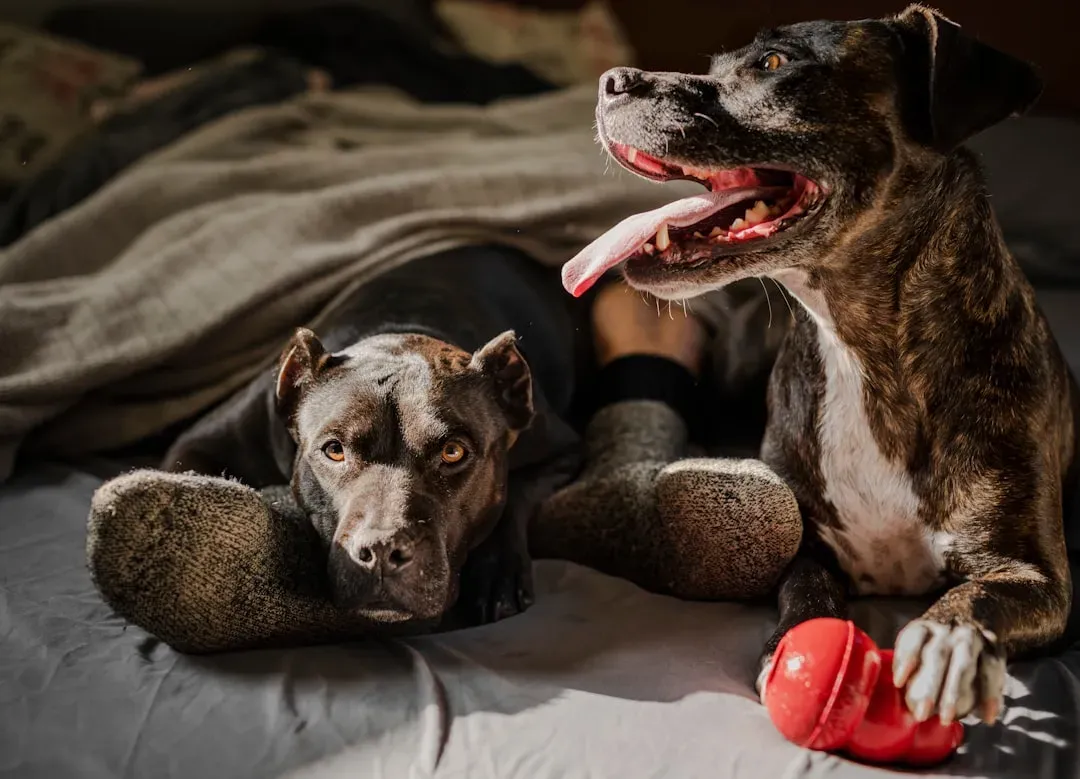
One of the most classic jealousy-style moves is when a dog physically inserts themselves between you and another person, child, or pet. You might be hugging your partner, petting another dog, or just sitting close to someone on the couch when your dog suddenly pushes their body in the middle. Many people laugh it off as cute or “needy,” but it can be your dog’s way of saying they feel left out or uncertain about the attention you’re giving away.
This wedge behavior is often gentle, like leaning or nudging, but it can also escalate to pawing, whining, or even blocking another pet from getting too close. It’s not always aggression; sometimes it’s more like a toddler reaching up when a parent picks up another child. If your dog does this often, especially in emotionally charged moments, it’s worth seeing it as a communication of discomfort rather than simple pushiness.
2. Guarding Your Attention Like a Resource
Resource guarding is usually talked about in terms of food, toys, or sleeping spots, but your attention can become a resource too. A jealous dog might stiffen, stare, or move to block another dog or person when they approach you. You might see subtle body language: a frozen posture, a hard look, or a still, tight mouth whenever someone else reaches for you or asks for your time.
Owners often misread this as “dominance” or plain rudeness when, in reality, the dog is anxious about losing a valued connection. Think of it as them saying, “This person is mine; please don’t take them away.” If you only correct the behavior without addressing the feeling behind it, your dog may get more stressed and more protective over time. Understanding that your affection can become a guarded resource is a big shift in perspective.
3. Sudden Clinginess When a Rival Appears
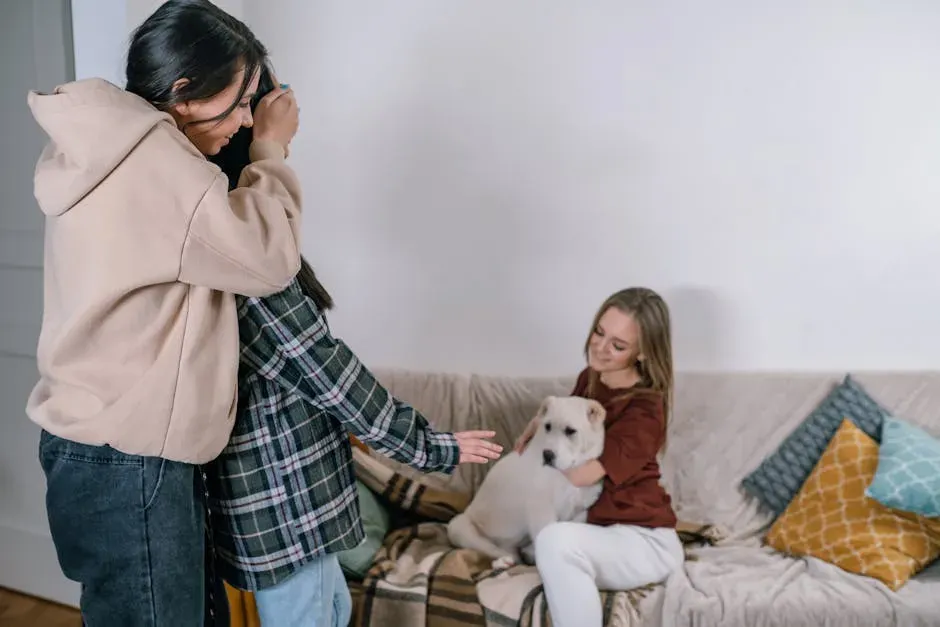
Almost every dog is affectionate sometimes, but a jealous dog often changes their behavior dramatically when a perceived rival is nearby. Maybe your dog is normally pretty independent, but the second you sit down to cuddle your partner, the dog is suddenly in your lap, pawing at you, or demanding to be included. It can also kick in when a new baby arrives, a new puppy comes home, or a visiting dog steps into the picture.
This sudden clinginess is often misread as “Oh, now you want me?” or just a random burst of affection. But timing matters. If your dog only becomes extra needy when your attention is clearly focused on someone else, it is a huge clue that jealousy could be at play. It’s not that your dog is being manipulative; they simply notice that their usual sense of security around you feels threatened, and they rush in to restore it.
4. Attention-Seeking Mischief: Acting Out to Steal the Spotlight
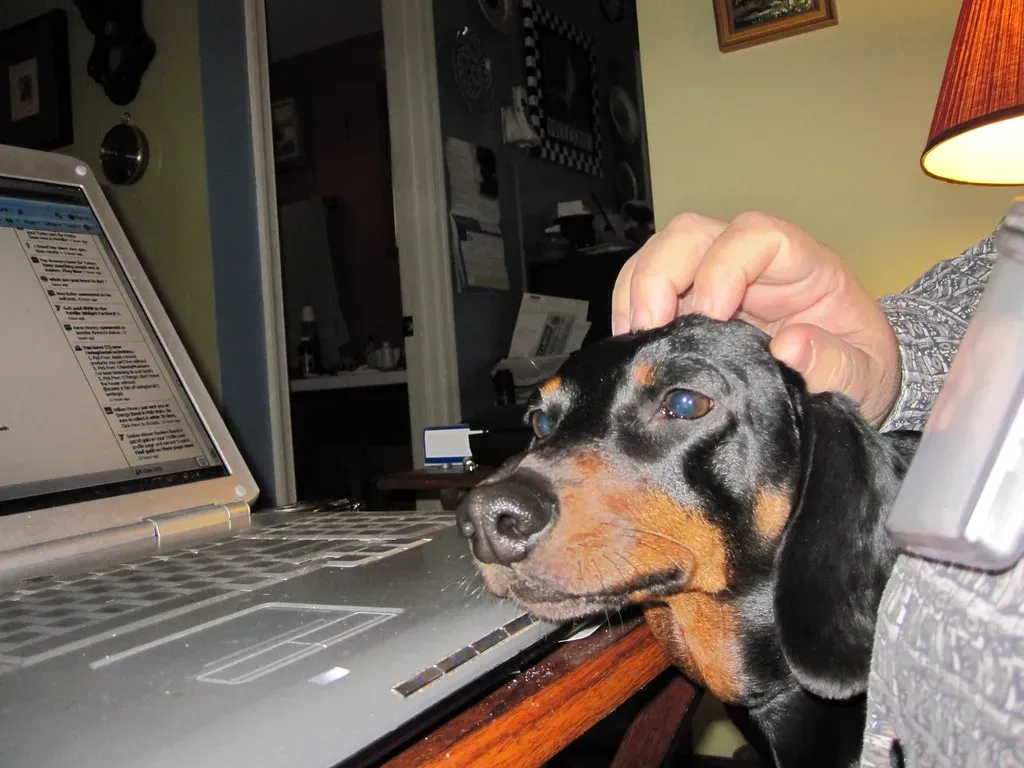
Dogs are excellent pattern readers, and they learn quickly what gets a reaction. Some jealous dogs figure out that when you are focused on someone or something else, all they need to do is misbehave to drag your attention back. Chewing shoes, stealing items from tables, nudging your arm repeatedly, or barking at nothing are all common “hey, look at me” tactics that often show up at very specific times.
Owners usually label this as being naughty or untrained, but if it consistently happens when your attention is on the TV, your phone, a guest, or another pet, it might be more emotional than defiant. From the dog’s point of view, even a scolding is still engagement. That doesn’t mean you should reward bad behavior, but it does mean you should notice the emotional pattern behind it instead of writing your dog off as a troublemaker.
5. Subtle Bullying of Other Pets Around You
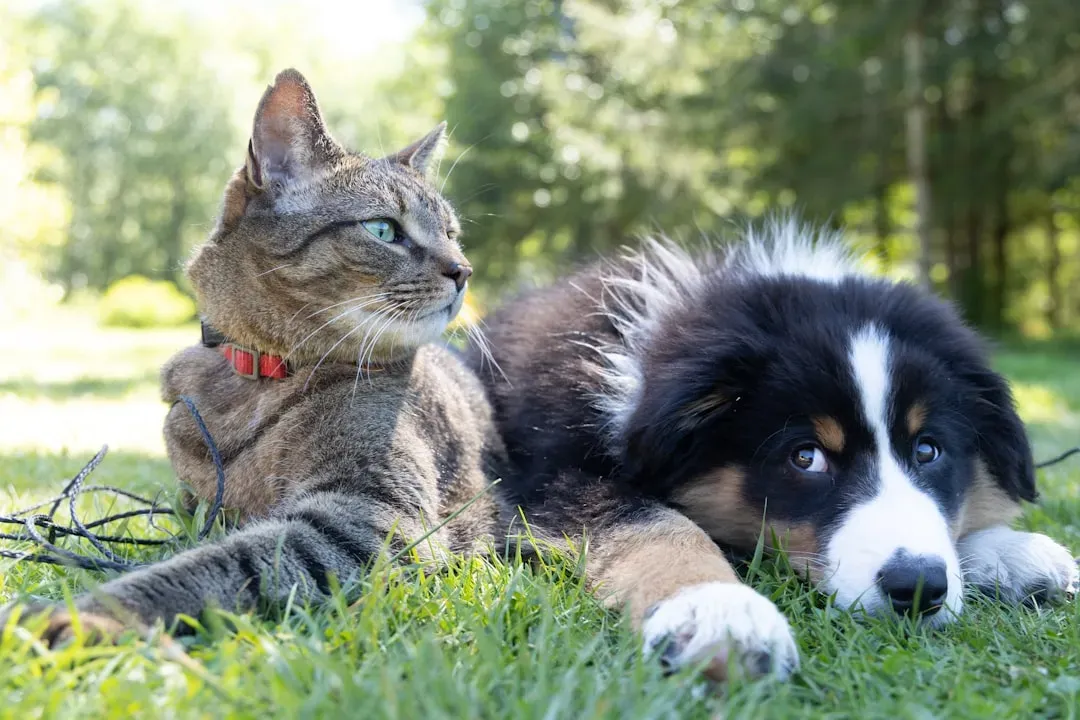
Jealousy in multi-pet homes can look surprisingly diplomatic on the surface. Your dog might not launch into fights, but they might crowd another dog out of your lap, gently shoulder them away, or always rush to be first when you call, sit down, or offer petting. This low-level pushing and posturing often gets missed because it does not always look dramatic or obviously aggressive.
Sometimes the more sensitive dog in the home simply backs away and gives up on trying to get affection when the “jealous” dog is there. Over time, that can create a quiet, unfair imbalance in your household where one pet always gets more of you, while the other learns not to even try. If you notice one dog repeatedly displacing another whenever you interact, jealousy is a reasonable possibility to consider.
6. Mood Swings When You Touch or Praise Someone Else
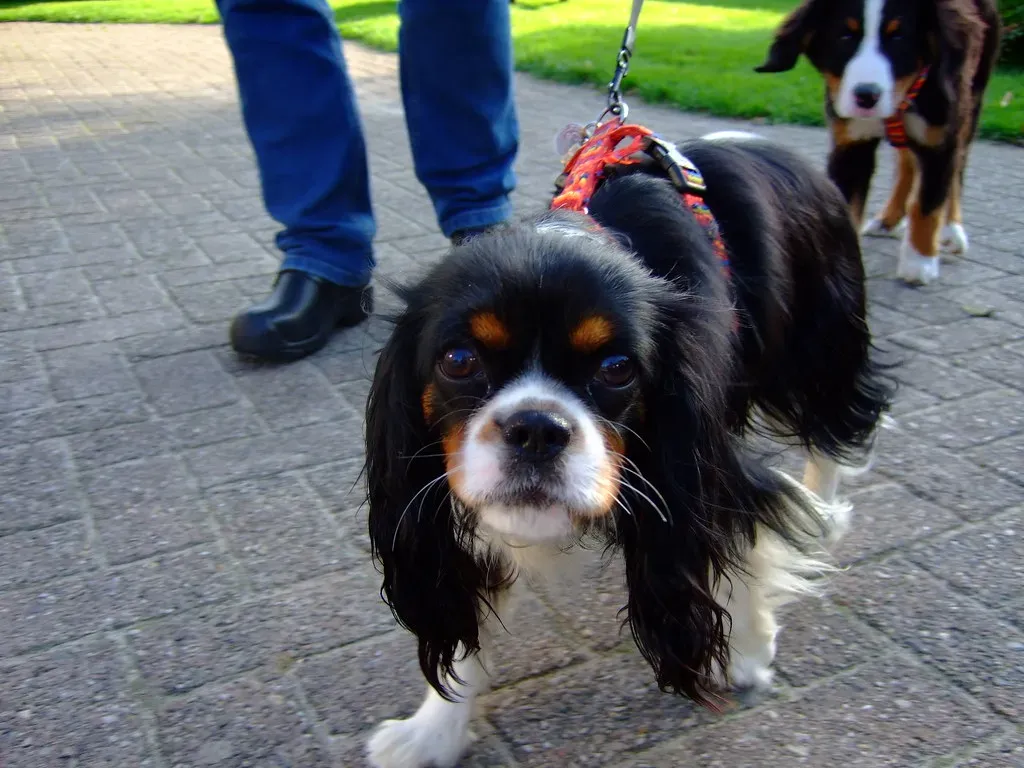
Another easy-to-miss sign is a visible mood shift in your dog when you give affection or praise to someone else. A dog that was relaxed might suddenly look tense, walk away, or stare at you with what many owners describe as an offended expression. Some dogs huff, flop down with their back to you, or move to another room after watching you cuddle, kiss, or fuss over another being.
People often interpret this as sulking or stubbornness, but emotional withdrawal can be a dog’s version of saying they feel hurt, confused, or displaced. In some cases, the dog might also start offering behaviors you’ve previously rewarded, like sits or tricks, as if they are trying to “earn back” your focus. When your compliments to someone else consistently trigger a downshift in your dog’s energy, that’s not random; that’s communication.
7. Over-The-Top Greeting Rituals After You Ignore Them
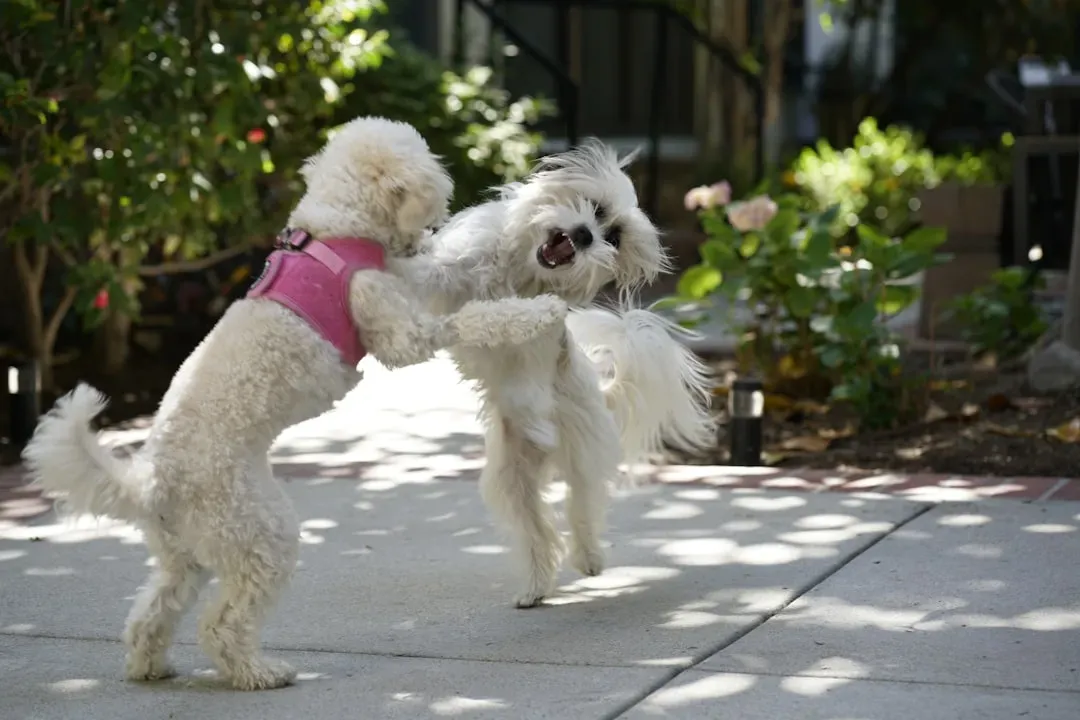
Most dogs get excited when you come home, but jealousy can turbocharge that greeting, especially if the dog feels you’ve been investing attention elsewhere. For example, if you’ve been playing with another dog at the park, visiting a friend with pets, or spending more time with a new partner or baby, your own dog might greet you with crazed intensity. Jumping, whining, frantic licking, and circling can all show up more strongly after periods where they seem to have been “second place.”
Owners often think, “Wow, they must have missed me,” and that’s partly true. But if your dog’s greeting intensity changes depending on what you were doing or who you were with, jealousy may be woven into that reaction. Seen through that lens, their out-of-control welcome is not just happy chaos; it is an emotional overflow of relief and anxiety that you’re back and available again.
8. Regression in Training When a New Pet or Baby Arrives
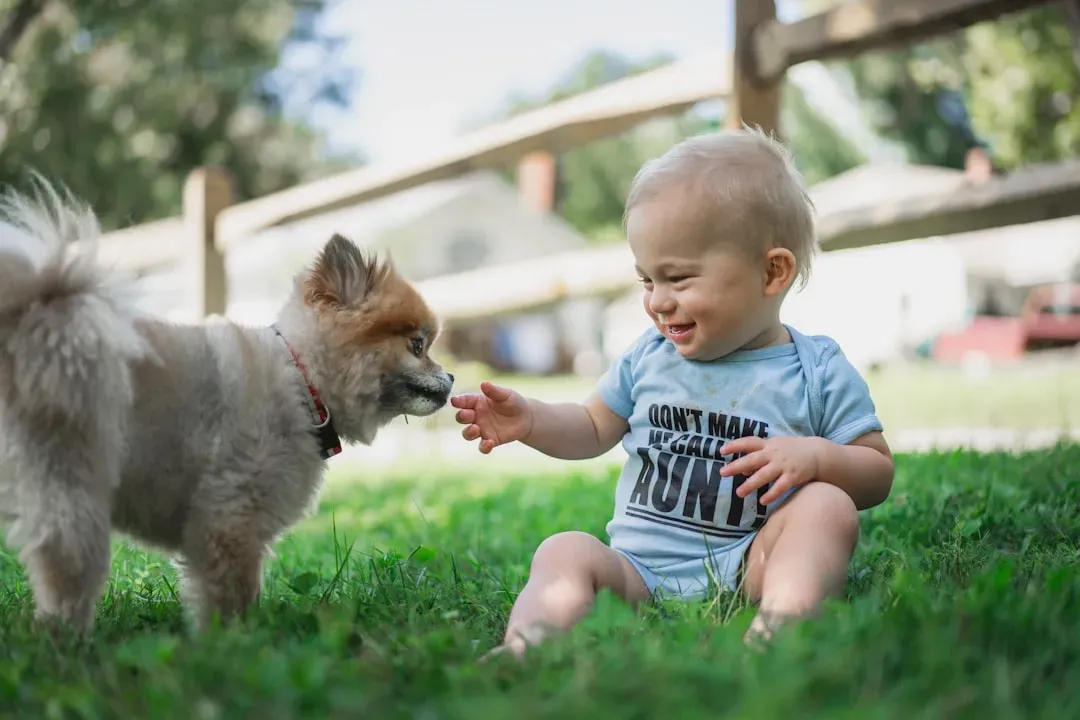
One of the most heartbreaking patterns is when a perfectly well-trained dog starts having “mysterious” accidents, ignoring cues, or getting destructive right after a major life change. A new baby, a new partner moving in, or a new pet joining the family can all trigger this. It is very easy to blame hormones, defiance, or age, but often the emotional root is jealousy mixed with stress and insecurity.
From the dog’s perspective, their whole world has just been rearranged, and your attention has suddenly become fragmented. That perceived loss can show up as clinginess, frustration, and what people call “acting out.” Instead of treating the dog as if they suddenly forgot everything they knew, it helps to see these setbacks as a signal: their emotional needs are not keeping pace with the changes in your life.
9. Vocal Protests: Whining, Barking, or Grumbling at Rivals
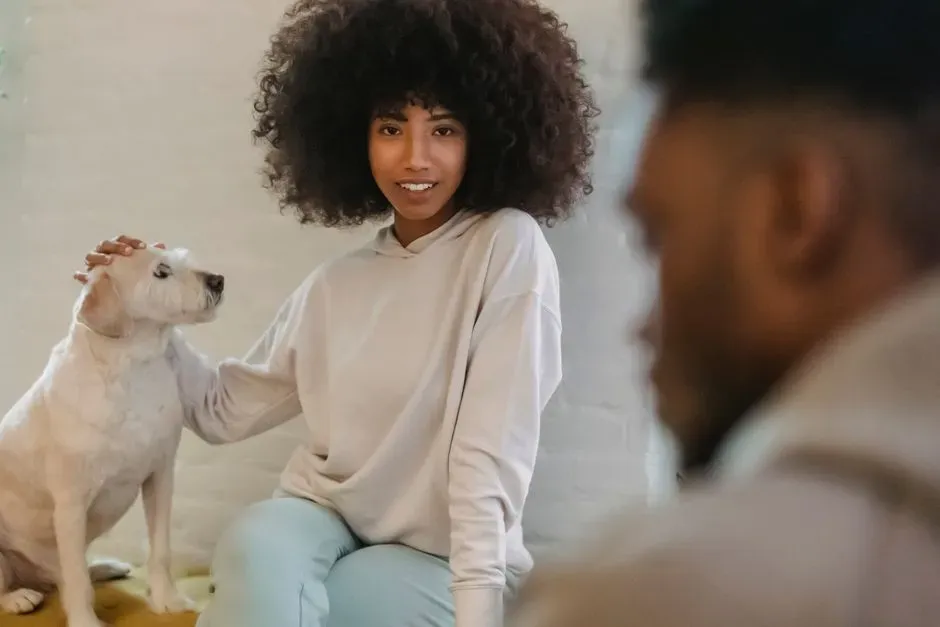
Some dogs are not subtle at all; they vocalize their jealousy. You might notice whining when you hold another dog, barking when someone hugs you, or low grumbles when a different pet hops up beside you. Many owners interpret these noises as simple excitement or general reactivity and try to shush the dog without reading the social context around the sound.
In reality, those protests often have a clear message: they are not comfortable with how the social attention is being distributed. That does not mean you cater to every complaint, but ignoring the emotional meaning can backfire. If a dog repeatedly protests in situations that involve you giving affection elsewhere, that pattern deserves more thoughtful attention than just a quick “quiet” command.
10. Mirror Behaviors: Copying Others to Compete for Your Praise
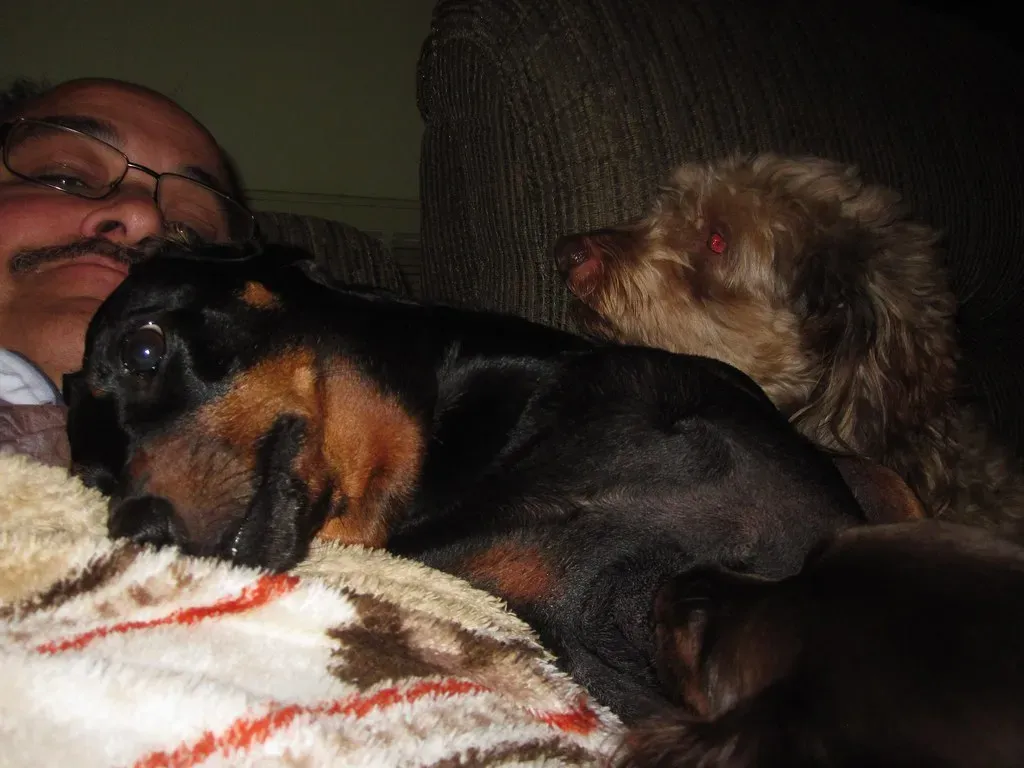
A more subtle, almost charming sign of jealousy is when your dog imitates the behavior of a rival to get the same response from you. If you praise another dog for sitting, your dog rushes in to sit, too. If your child cuddles you on the couch, your dog wedges in and lies in the same spot. It looks funny and endearing, but it can also reveal how closely your dog is monitoring what behavior earns your attention.
This mirroring is not manipulative in a human sense; it is their way of competing with what they see taking your focus. Over time, some dogs become little attention accountants, constantly scanning who is doing what with you and trying to match or outdo it. When almost everything in their environment seems to revolve around getting back into your spotlight, jealousy is a fair and honest word for what’s going on emotionally.
How to Respond to a Jealous Dog Without Making Things Worse
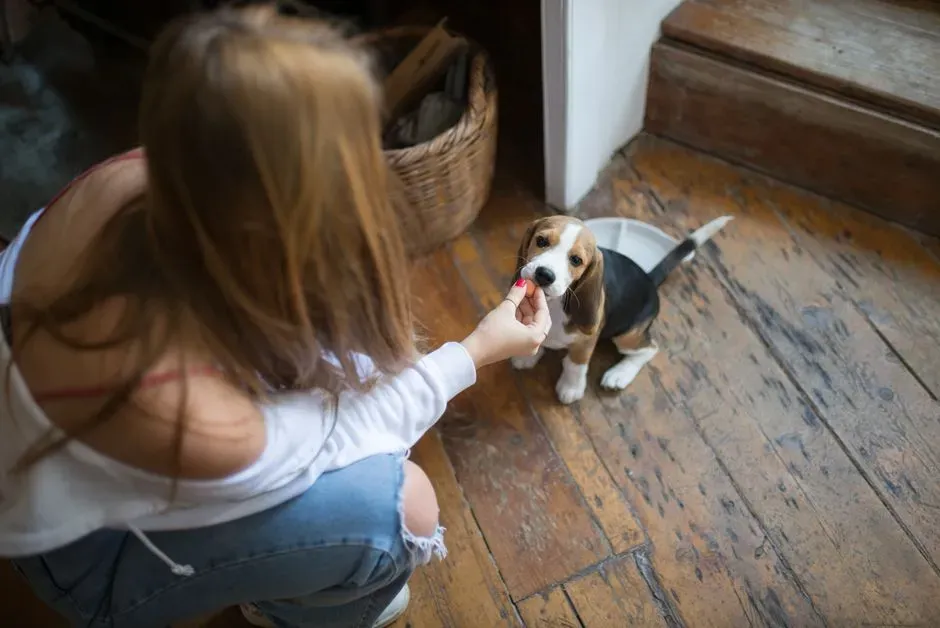
Once you start recognizing these signs, it is tempting to feel guilty or to overcompensate, but swinging to either extreme usually backfires. Punishing jealous behaviors can make your dog feel even more insecure, while constantly catering to them can reinforce the very behaviors you are trying to reduce. The sweet spot is to acknowledge the emotion but reward calm, polite ways of seeking attention instead of pushy or disruptive ones.
That often means deliberately giving one-on-one time to your dog, teaching cues like “wait your turn” and “go to your place,” and paying attention to the quiet, good moments when your dog shares you peacefully with others. In my own life, I have seen dogs relax dramatically when their person finally noticed the difference between bratty behavior and anxious jealousy. When we treat jealousy as an understandable emotion instead of a moral failing, our training becomes kinder and far more effective.
Conclusion: Jealousy Is Not Naughty, It’s Information
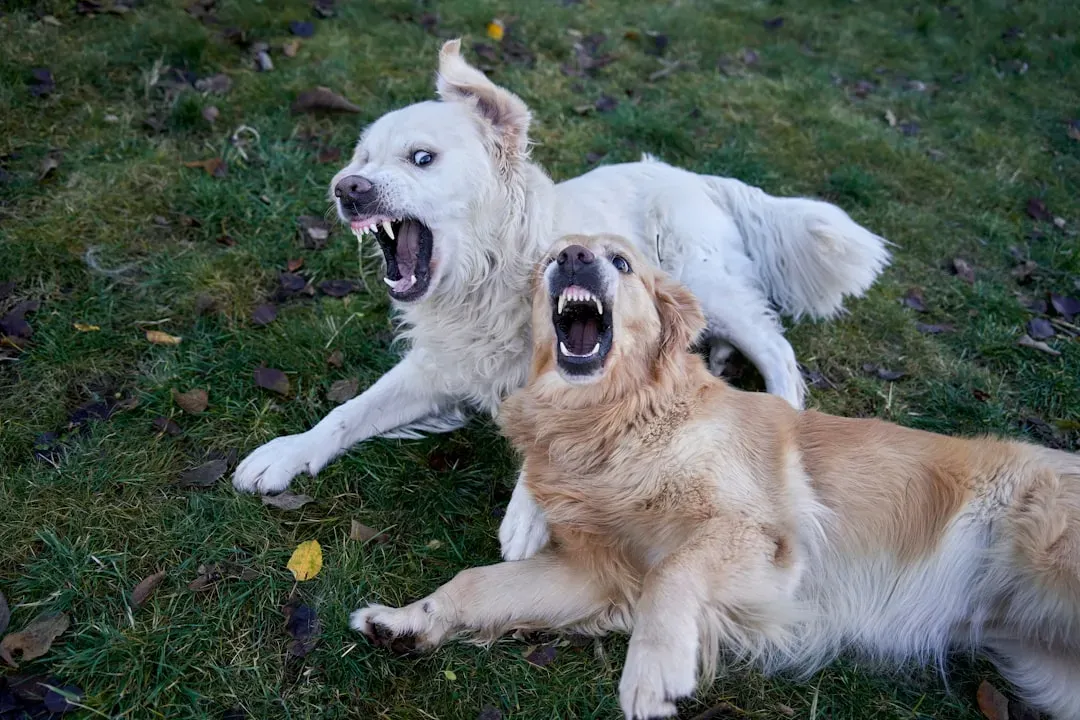
Jealousy in dogs is not a sign of a bad dog; it is a sign of a dog who is deeply invested in their relationship with you and worried about losing it. The behaviors might look like pushing, guarding, sulking, or acting out, but underneath, they usually come from confusion and insecurity, not spite. When owners misread those signals as simple disobedience, they miss a chance to reassure their dog and build a more trusting bond.
In my opinion, we underestimate just how emotionally observant dogs really are, and we owe it to them to take their feelings seriously without turning every moment into drama. If you start seeing jealousy as information instead of a problem, you can respond with structure, patience, and genuine empathy. Your dog is already working hard to keep their place in your heart; the real question is, are you listening as carefully to them as they are to you?


