
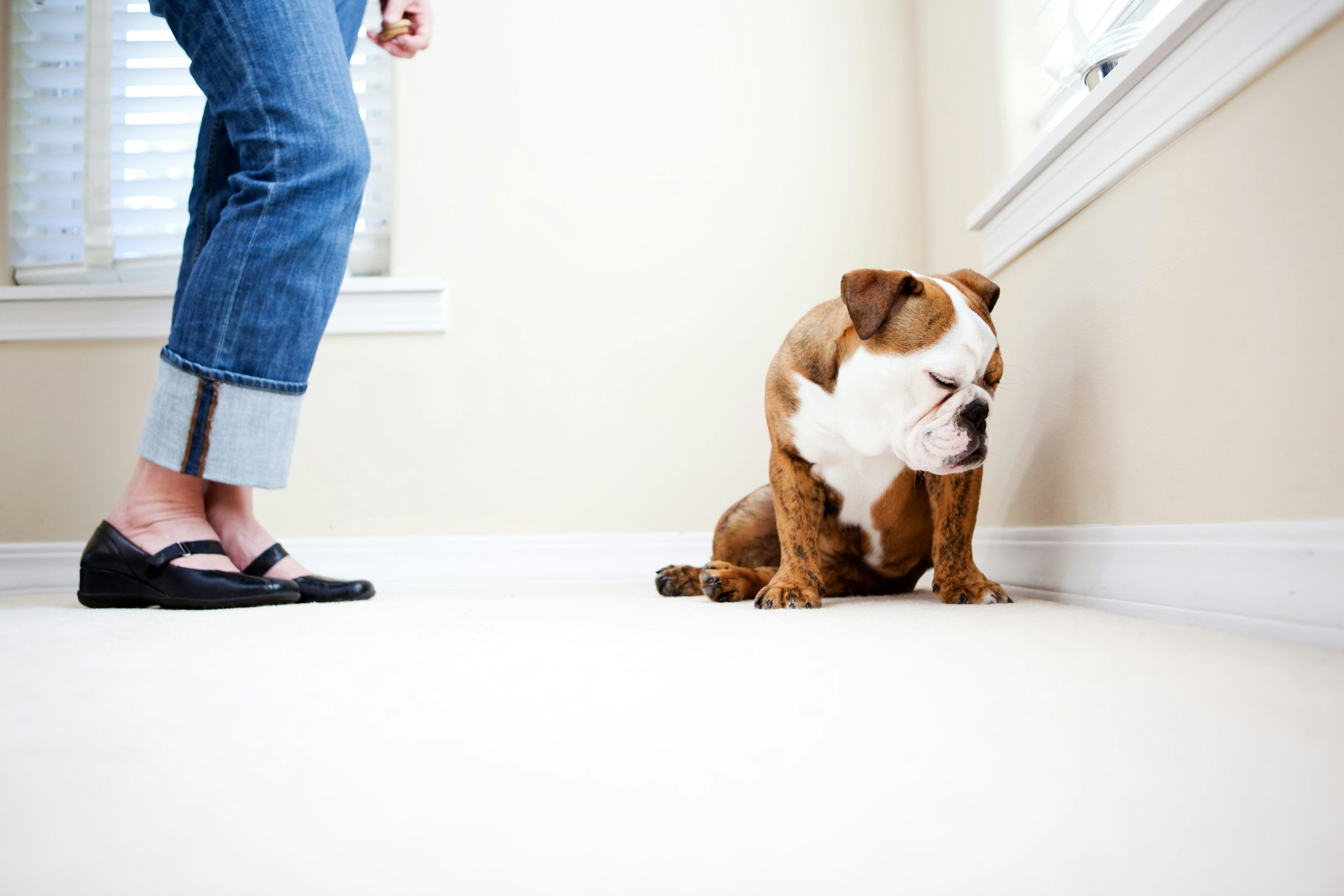
You might think your dog lives for your every move, but sometimes your favorite four‑legged roommate is quietly thinking: you’ve got to be kidding me. Dogs are usually forgiving, but they absolutely do get annoyed, overstimulated, and flat‑out done with us. The trouble is, they rarely “shout” about it. Instead, they use subtle signals that are easy to miss if you are not paying attention.
Once I realized my own dog was not being “dramatic” but was actually stressed and irritated, a lot changed in our home. Walks got calmer, cuddles got better, and there was way less side‑eye from the sofa. When you learn to read these signs of annoyance, you stop taking things personally and start responding like a real teammate. Let’s dig into the most common ways dogs show they’re annoyed with you, and what they wish you would do instead.
1. The Dramatic Sigh and Turning Away
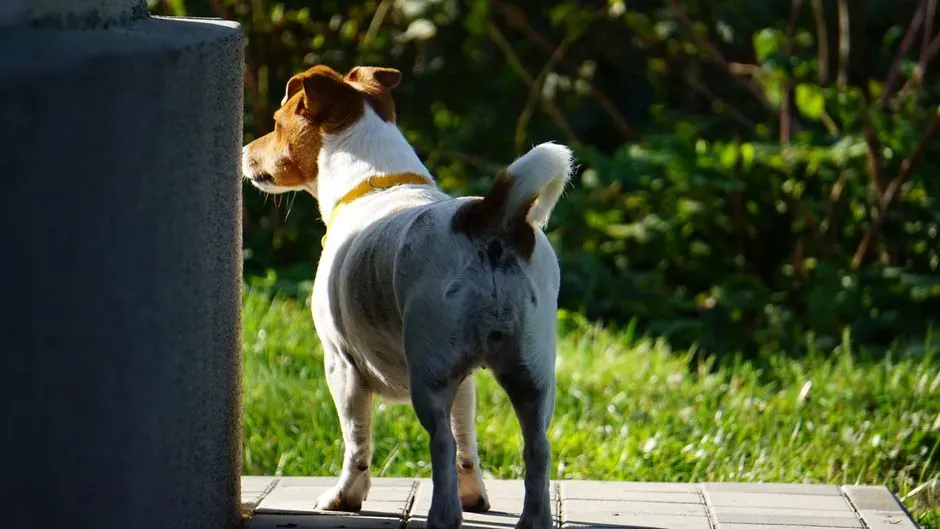
That big, theatrical exhale your dog does when you sit next to them and start fussing? That is not always a sound of contentment. Many dogs sigh loudly, shift their weight, and deliberately turn their head or entire body away when they feel pestered or overstimulated. It is the canine version of someone putting in their earbuds on the subway.
Turning away is part of what behaviorists call calming or distance‑increasing signals. Your dog is trying to diffuse their own frustration and gently tell you they need a bit of space. When you hear that long sigh followed by a head turn or your dog presenting their back to you, take it as a polite request: please stop, I am over it for now.
2. The Slow Blink and Side‑Eye Stare
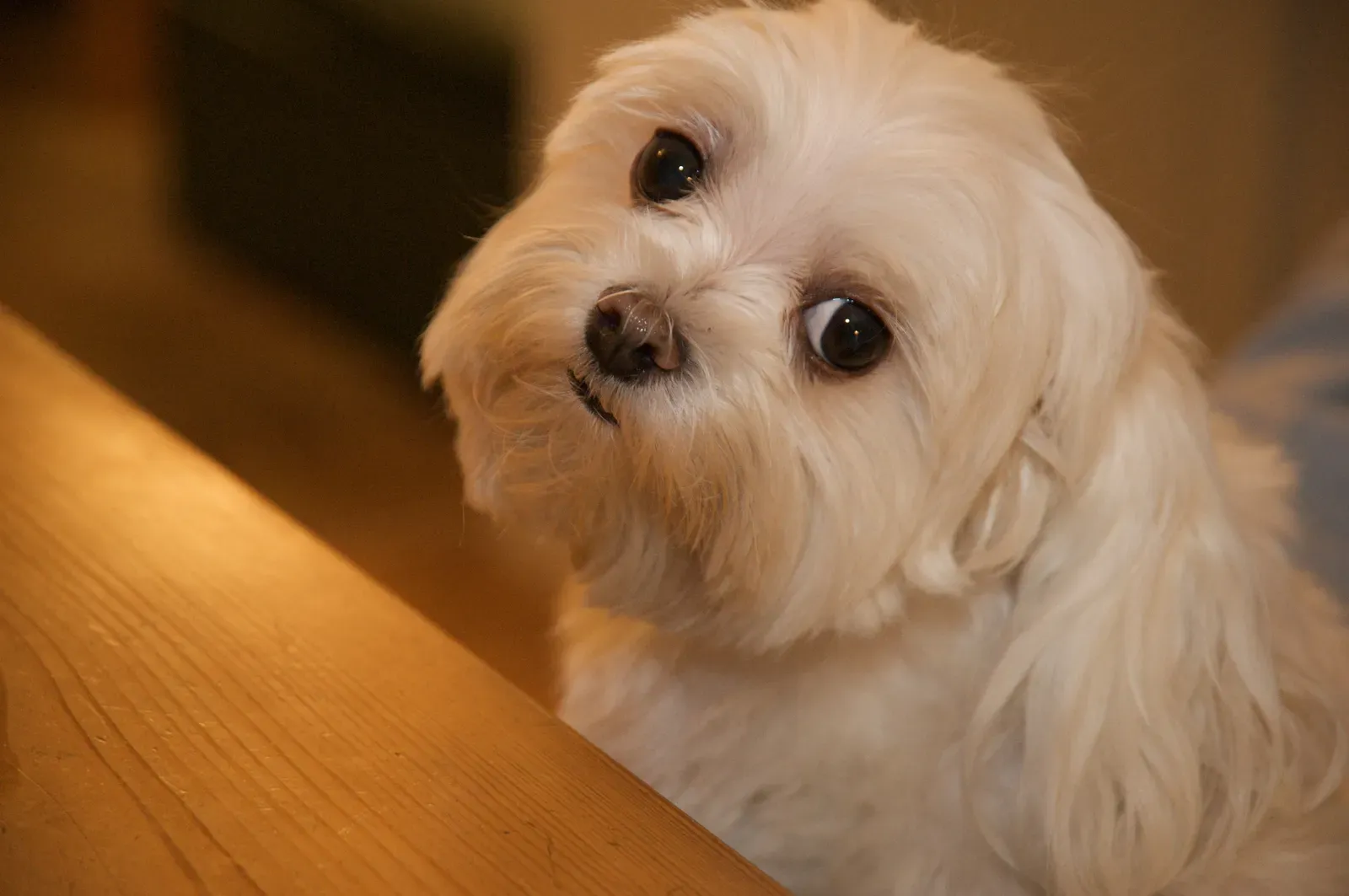
Many people misread hard stares as “attention” and side‑eye as “funny personality,” but in dog language, context matters a lot. If you are in your dog’s face with a camera, hugging them tightly, or scolding them, and they respond with a slow blink, a turned head, and whites of the eyes showing, that is not affection. That “whale eye” look often means they’re uncomfortable and trying to avoid conflict.
Think of it like someone who will not look directly at you when they’re irritated but trying not to start an argument. The slow blinking and side‑eye are ways to cool things down and signal that the interaction is not enjoyable. When you see this, ease up, give them a bit of distance, and let them choose if they want to re‑engage.
3. Tail Swishing Like a Cat (Not the Happy Wag)
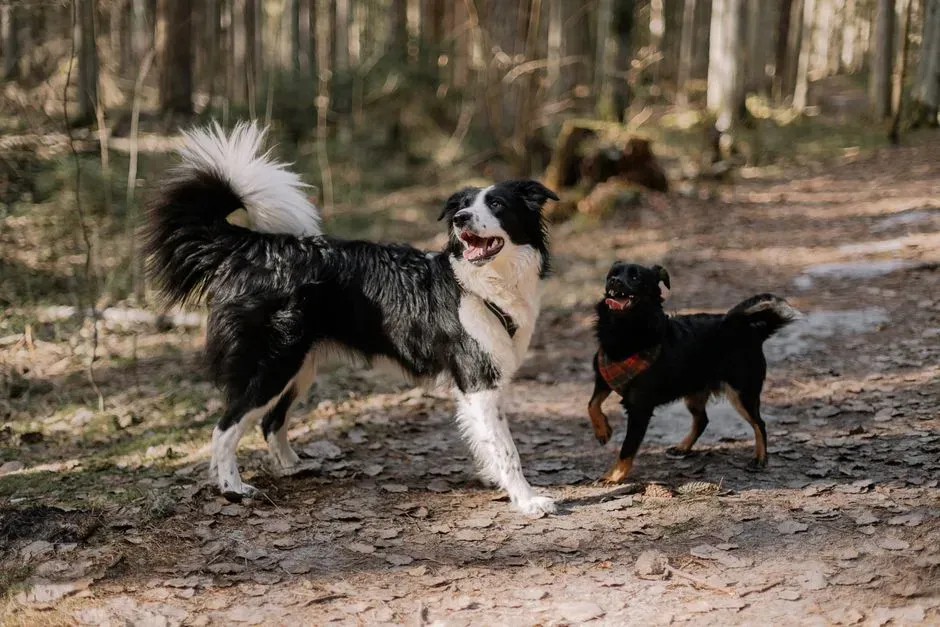
We are taught that a wagging tail always means a happy dog, and that is one of the biggest myths in dog behavior. A stiff tail held high and swishing back and forth like a metronome can signal tension, arousal, and annoyance, especially if the rest of the body is rigid. This is very different from that loose, whole‑body wiggle when you walk through the door.
If you reach for your dog, move their toy, or pick them up and their tail goes high, tight, and quick, it is worth slowing down. Pair that with a closed mouth, narrow eyes, or a frozen posture, and your dog is telling you they are not having a good time. In that moment, backing off calmly is safer and far more respectful than pushing the interaction.
4. Lip Licking, Yawning, and “I’m So Over This” Body Language
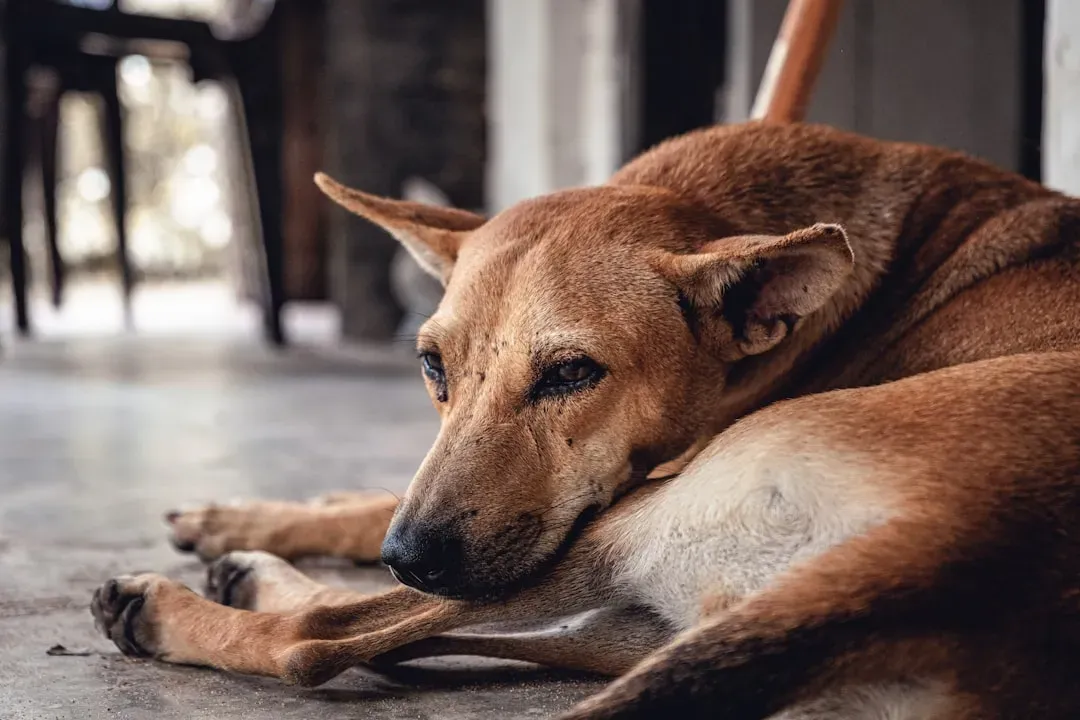
Ever notice your dog start licking their lips repeatedly, yawning, or scratching as if suddenly itchy right when you are trying to make them pose for photos or endure a long cuddle from a stranger? Those are classic stress signals, not signs of sleepiness or random grooming. Dogs often do this when they feel trapped, overwhelmed, or slightly annoyed but not yet pushed to a full reaction.
It is like nervously laughing during an awkward conversation you can not escape. The body might look a little stiff, the ears might pull slightly back, and the dog may lean away while offering these small signals. If you treat these as early warnings and adjust what you are asking – shorter sessions, more breaks, more choice – you often prevent your dog from reaching full‑blown frustration.
5. Ignoring You on Purpose (Strategic Selective Hearing)
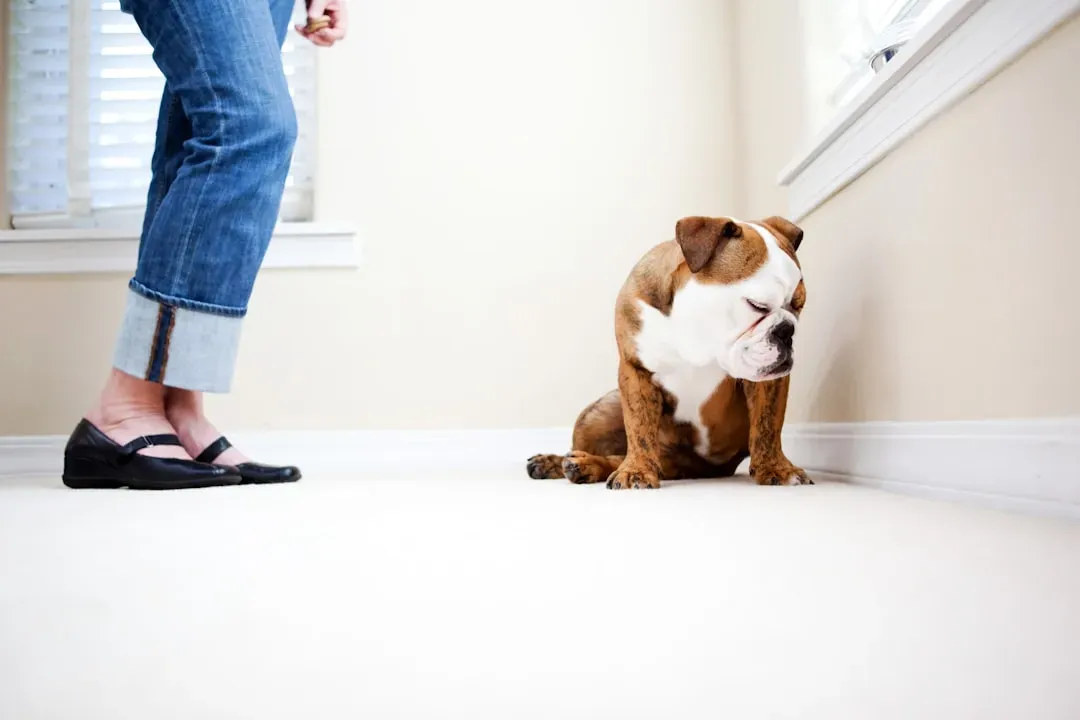
Sometimes your dog does not come when called because your training needs work. Other times, they absolutely heard you and are consciously choosing not to respond. If your dog listens well most of the time but suddenly “forgets” their name when you nag, overhandle, or repeatedly interrupt them, they might be annoyed enough to opt out.
Watch their body: do they flick an ear back when you call, maybe glance your way, then deliberately look away or keep sniffing? That tiny ear twitch tells you they heard. Choosing not to move is a quiet protest, a little canine version of, “I heard you, I am just not interested in cooperating right now.” It is your cue to rethink how often you’re interrupting them and whether you are making coming to you actually worth their while.
6. Moving Away When You Reach for Them
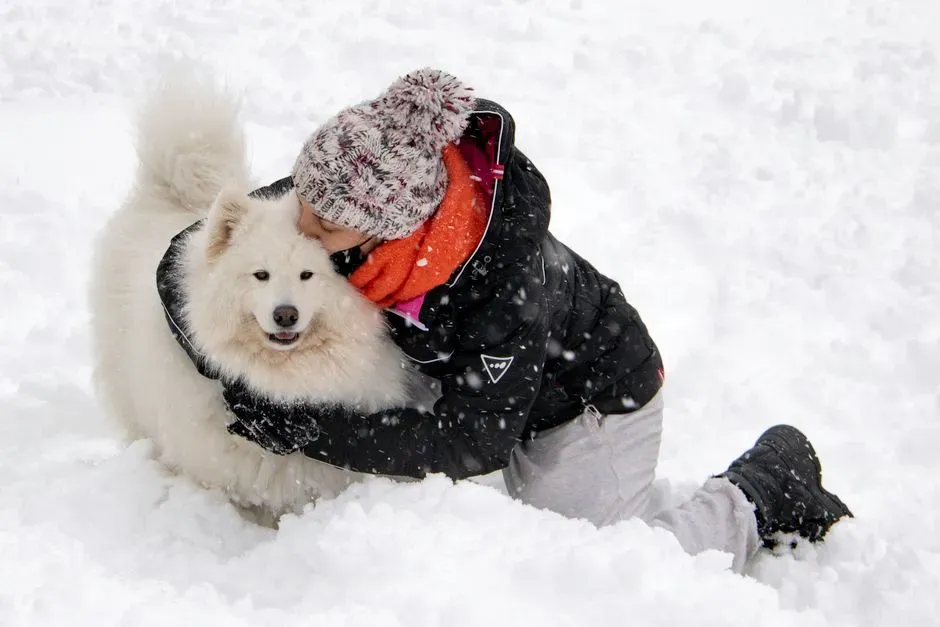
Dogs that are annoyed or uncomfortable with how they’re being handled will often respond in the simplest way possible: they just leave. You reach for a hug, they slip off the couch. You go in for one more pat, they stand up and walk to their bed. Many people brush this off as the dog being “independent,” but repeated avoidance is usually a pretty clear message.
Imagine you are trying to work and someone keeps poking your shoulder. After a while, you would move desks, right? Dogs do the same. If they consistently get up and leave when you touch certain areas, use a particular tone, or approach too quickly, take it seriously. That is not them being dramatic, that is them protecting their own comfort and hoping you notice.
7. Play That Turns Rough and Short‑Tempered
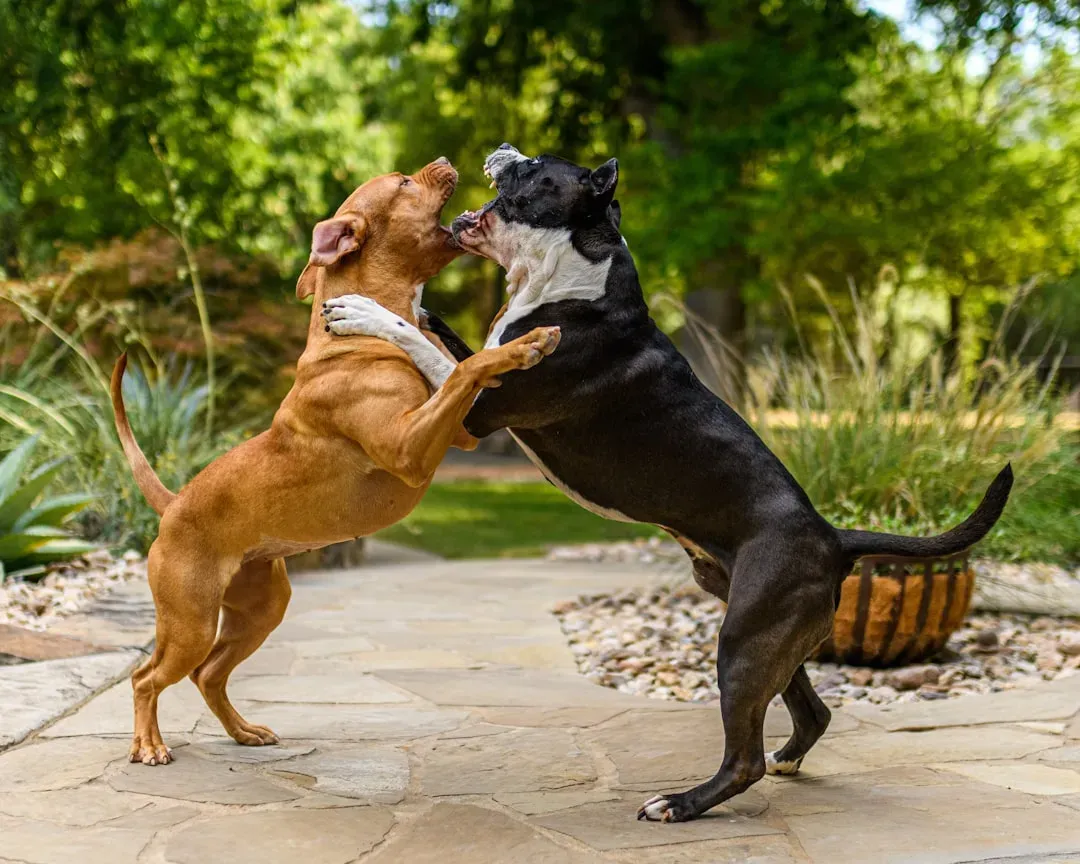
Annoyance in dogs often shows up in how they play with you. Maybe your dog is usually gentle when playing tug or fetch, but when they’re irritated they start grabbing more roughly, snatching toys from your hand, or mouthing your skin a little too firmly. The play might speed up, get louder, and then end abruptly when they stalk off with the toy.
This switch can happen when we overhype them, do not give them a chance to calm down, or keep pestering when they are trying to rest. Think of a kid who was having fun at first but, after the tenth tickle attack, starts pushing harder and yelling. If your dog’s play gets choppy and sharp, it is your job to lower the intensity, give them a break, and let them reset.
8. Low Grumbles, Huffing, and Under‑Their‑Breath Complaints
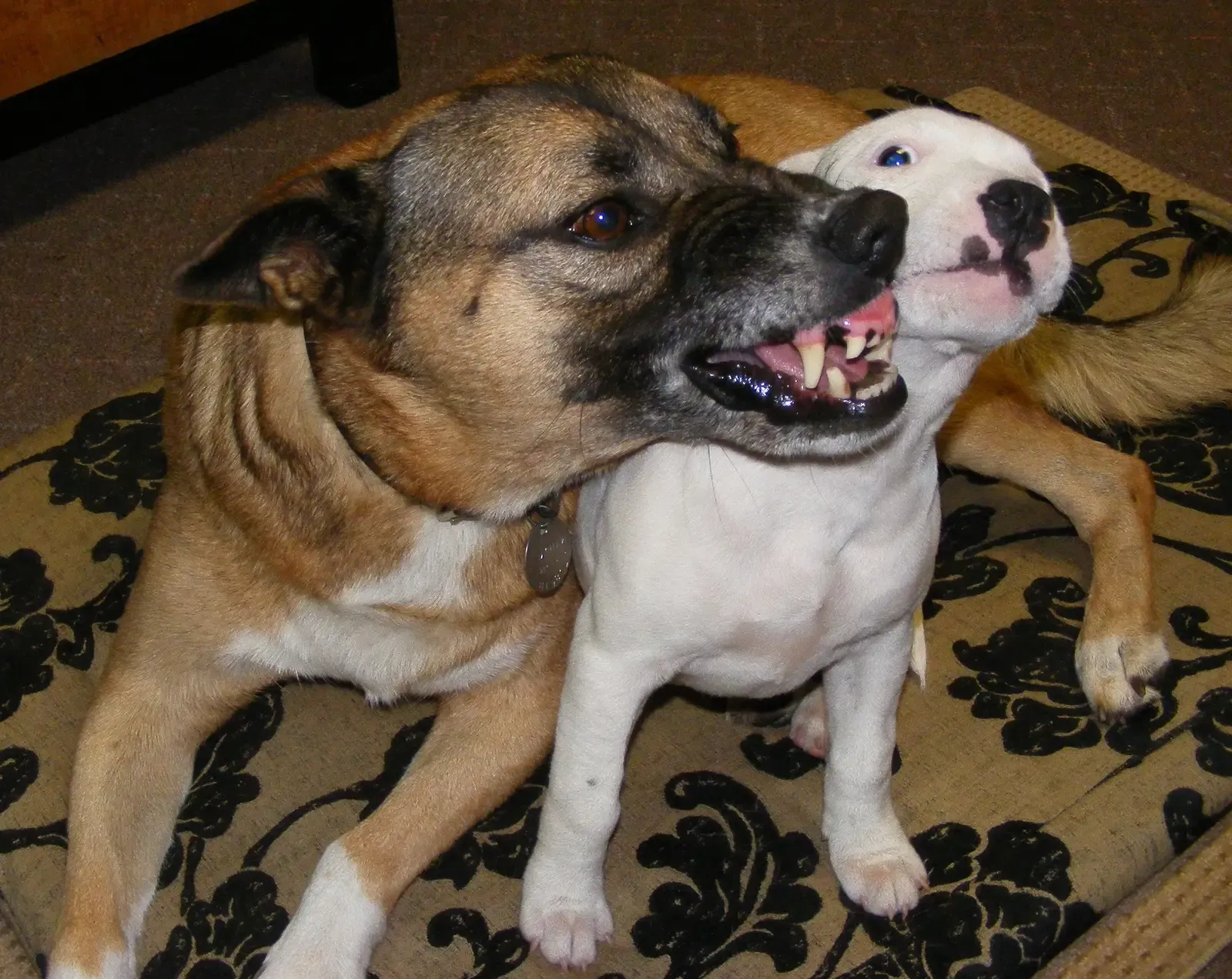
Not every growl is a full‑on warning of aggression. Sometimes it is more like a dog mumbling under their breath. You might hear a low, brief grumble when you shift them in bed, take away a bone without warning, or try to brush out a knot. Paired with a tense body or a quick freeze, that little vocalization is a clear message: I do not like this.
Many people scold dogs for this, but punishing the grumble just removes the early, safer warning sign. Instead, treat it like valuable feedback. Your dog is communicating in the most honest way they know how. Step back, adjust what you are doing, use more gradual desensitization, and appreciate that they told you before things escalated.
9. Destructive “Revenge” Behaviors That Are Really Frustration
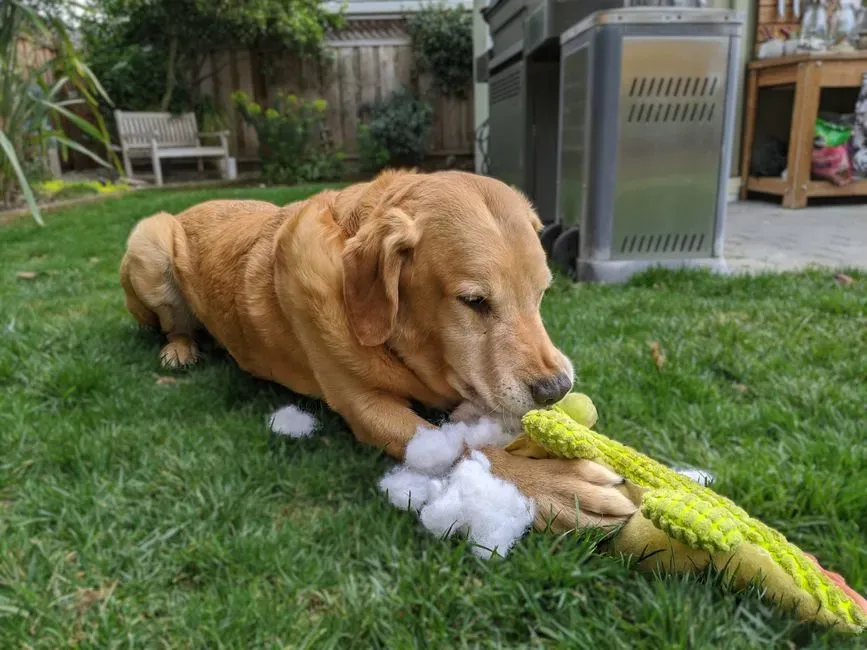
Chewed shoes after you leave, shredded pillows when you ignore them, or sudden digging at the couch when you say no can look like pure spite. In reality, dogs do not plot revenge the way humans do. Those destructive bursts are usually a messy mix of stress, boredom, pent‑up energy, and yes, frustration with the situation you have created for them.
If your dog routinely destroys things right after a conflict or a long stretch of being ignored, that is a sign their needs are not being met and their emotions are overflowing. Instead of labeling them as “naughty,” look at the bigger picture: enough exercise, mental stimulation, chances to chew appropriate items, and predictable routines. Fixing those often turns the “revenge” into relaxation.
10. The Cold Shoulder After You Cross a Line
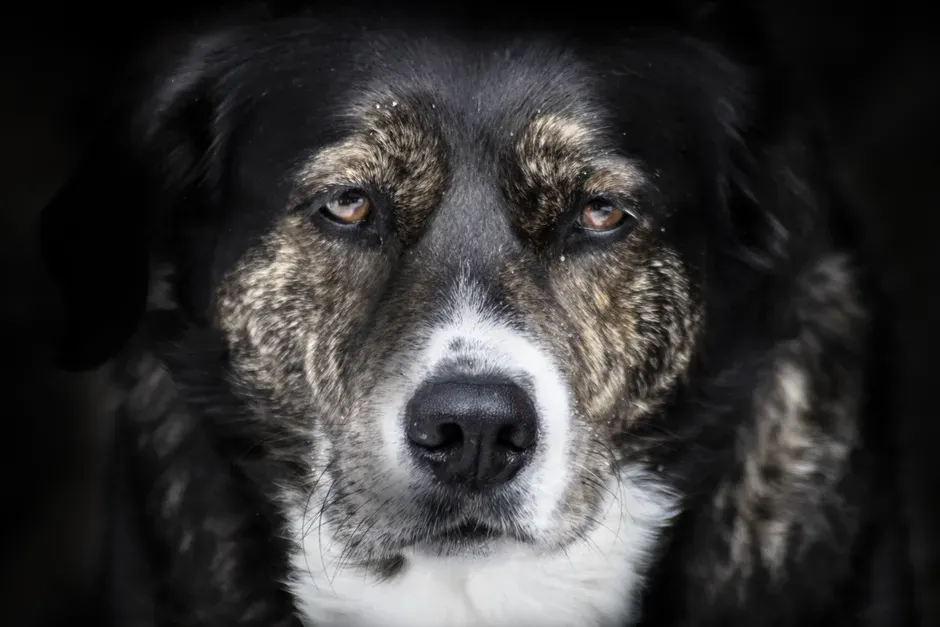
Some dogs are surprisingly expressive about holding a grudge, at least for a little while. Maybe you trimmed nails too short, scolded harshly, or forced them into a bath. Afterwards, they refuse to look at you, choose to lie with another family member, or pointedly stay in another room. It can feel almost like living with a very furry, very quiet roommate who is over your nonsense.
This cold shoulder is not about being dramatic; it is often a sign that trust took a tiny hit. Your dog might need time, gentler handling next time, and lots of predictable kindness to feel safe again. When you notice this shift, resist the urge to chase them for affection. Let them come to you, repair the relationship with calm, positive experiences, and learn from what annoyed them in the first place.
Conclusion: Annoyance Is a Message, Not a Moral Failing
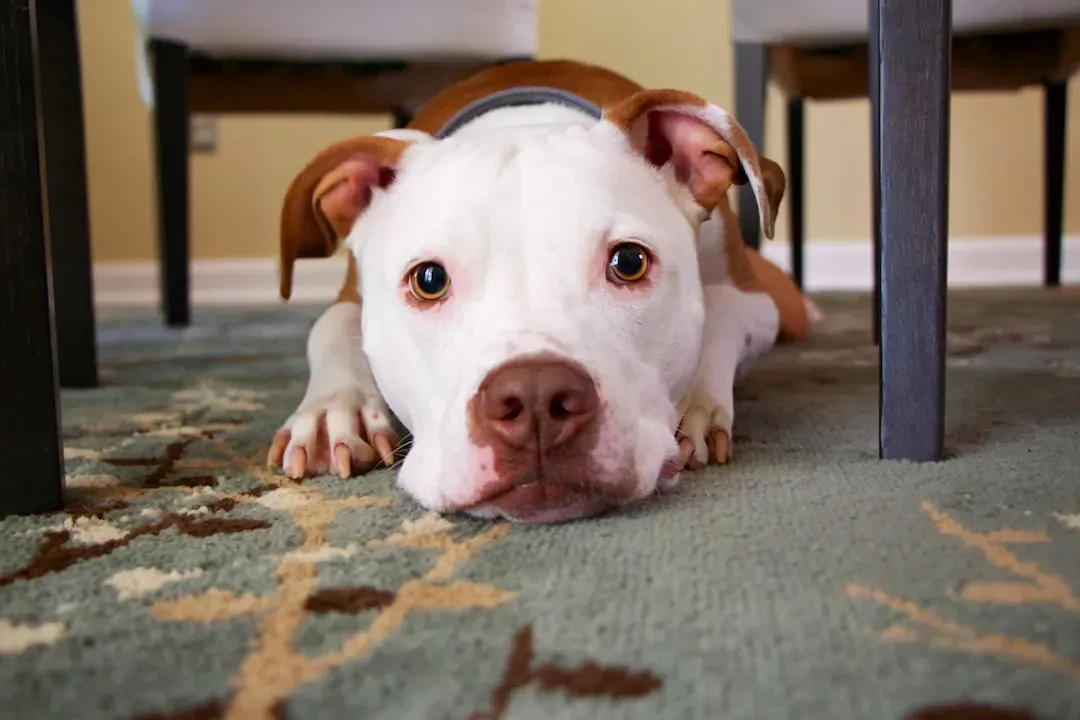
Once you start seeing all these signals of annoyance, it can feel a bit uncomfortable, because you realize how often you have accidentally pushed your dog past their comfort zone. But that discomfort is actually a gift. It means you are paying attention, you care, and you are willing to adjust how you interact instead of assuming your dog should just “deal with it.”
Dogs are not robots; they are emotional, opinionated, and sometimes a little salty, just like us. When you respect their signals – those sighs, side‑eyes, and quiet walk‑aways – you build a relationship based on trust instead of constant pressure. Your dog does not need you to be perfect; they just need you to listen when they say, in their own way, “I have had enough for now.” So, now that you know what to look for, how many of these signs have you been missing in your own dog?


