
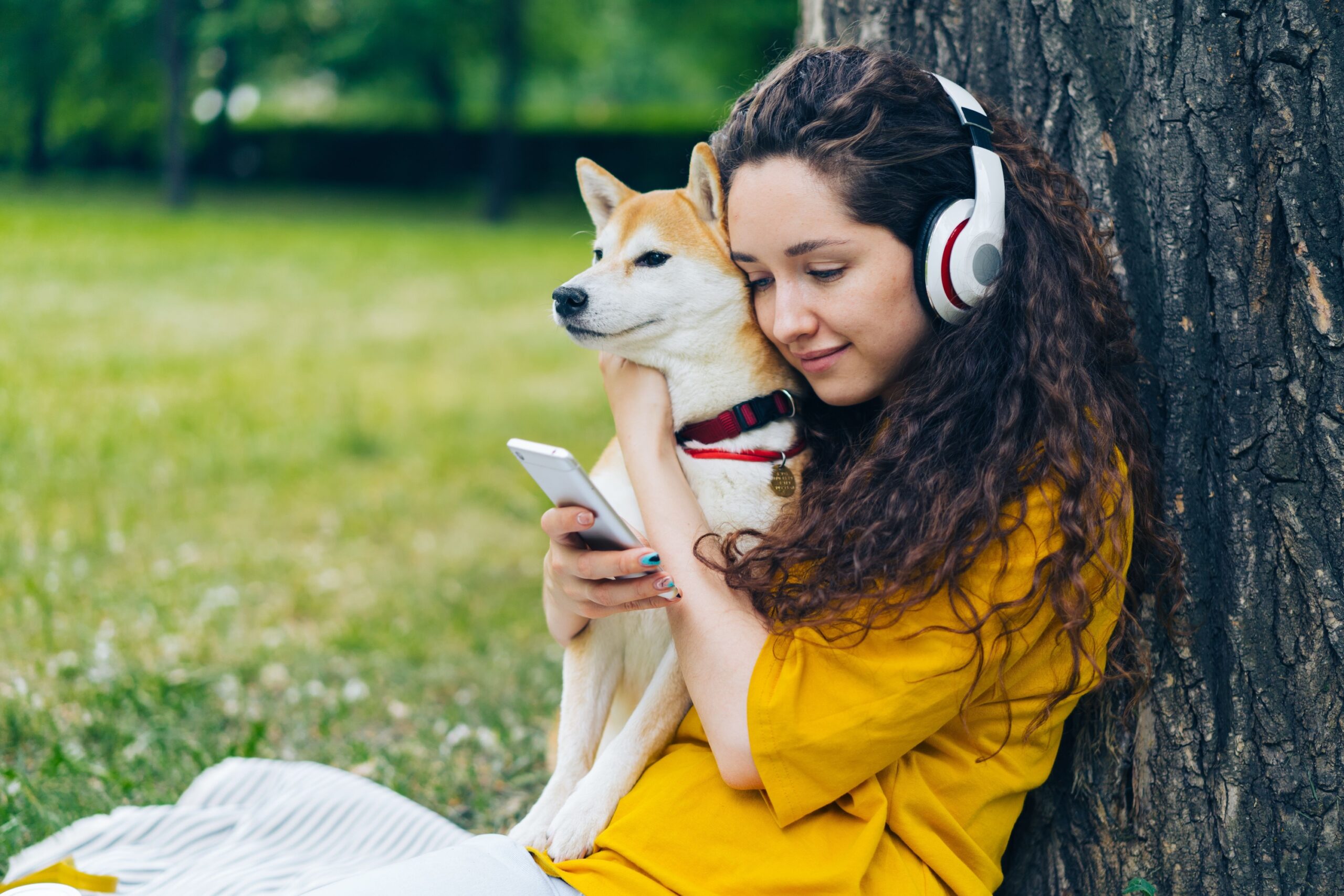
You know that split second when someone walks through your front door and your dog reacts before anyone has even said hello? Maybe the tail snaps into a stiff wag, maybe there’s a low growl, or maybe your dog launches into full-body wiggles like a furry greeting committee. It can feel almost spooky, like dogs have some secret early-warning system about people. In a way, they do.
Dogs live in a world of scent, subtle movement, and tiny emotional cues that we humans usually miss. While we’re still thinking about whether we recognize the car outside, your dog has already built a rough profile of the person walking up the path. Let’s look at what they pick up on first – and why they sometimes seem to know a visitor better than you do.
1. The Visitor’s Emotional State
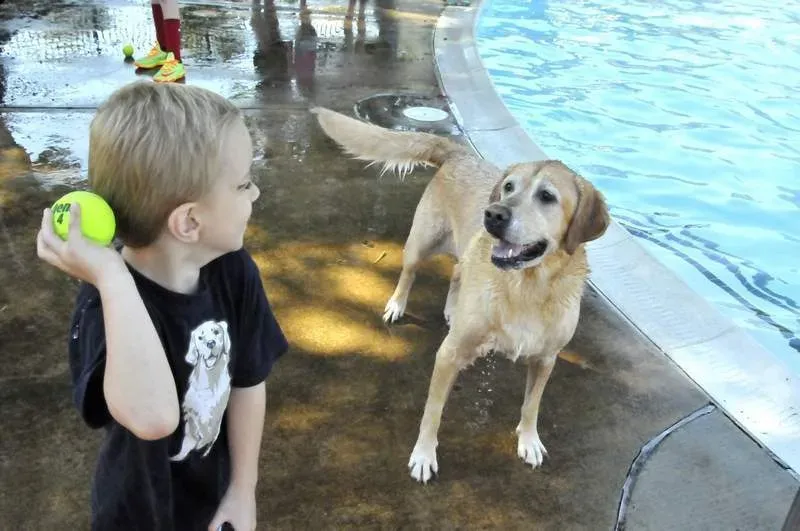
The most surprising thing dogs notice almost instantly is how a person feels, not just how they look. Long before a visitor says a single word, dogs read shifts in posture, breathing, and muscle tension that often go right over human heads. Someone who is anxious might move a little faster, breathe a little shallower, and carry themselves in a tight, guarded way – and many dogs react to that before we’ve even registered it.
On top of that, dogs are extremely tuned in to emotional energy in the room, almost like social thermometers. If a visitor is frustrated from traffic or quietly upset about something, a sensitive dog might avoid them, bark more, or become extra clingy to their owner. I’ve had my own dog hide behind me when a guest walked in with a forced smile but clearly tense shoulders, only to find out later they were having a really bad day.
2. Familiar vs. Unfamiliar Scents
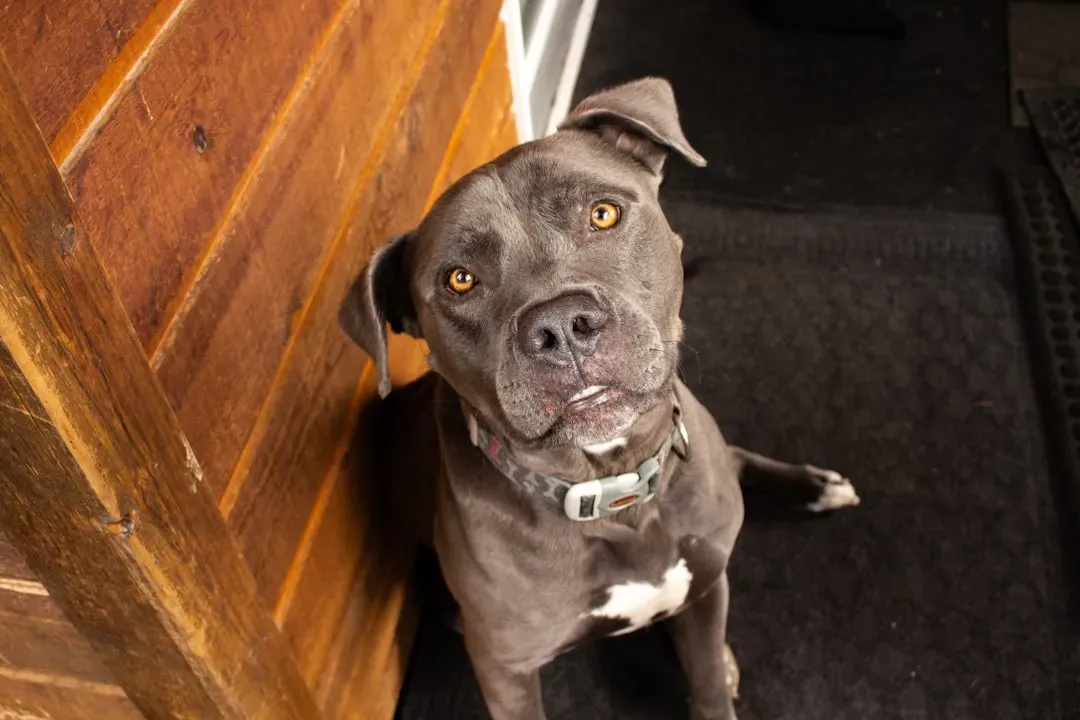
To a dog, every person is basically a walking scent story. Your visitors carry traces of where they’ve been – other dogs, cats, parks, workplaces, food, even the laundry detergent they use. Dogs can tell in a heartbeat if a visitor smells like home, like a regular, or like a complete stranger. That’s often why your dog reacts differently to a neighbor than to a delivery driver, even if they arrive in the same kind of vehicle.
Dogs can also pick up on changes in a familiar person’s scent that you would never notice. A friend who just adopted a new puppy, started smoking, or changed medication might smell completely different to your dog. What feels like “my dog suddenly doesn’t like you” may just be your dog reacting to a new and confusing scent profile that doesn’t match the memory they have of that person.
3. Subtle Body Language and Posture
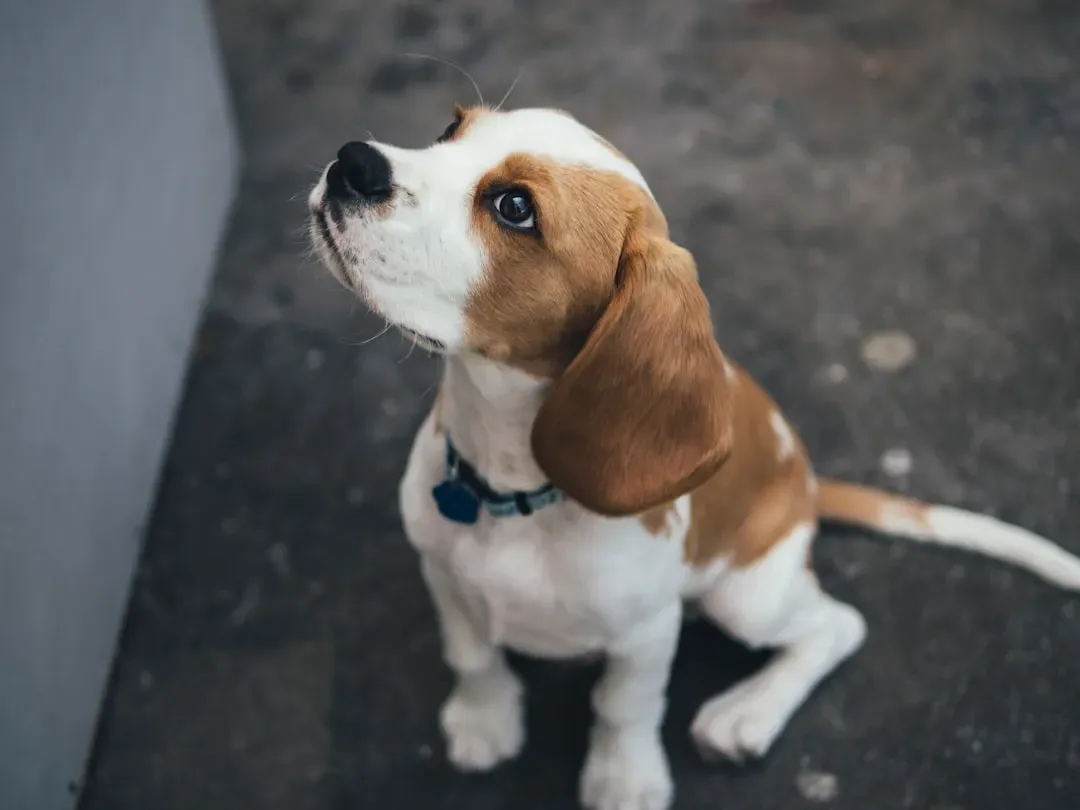
Most humans notice the big stuff – if someone is towering over a dog or flailing their arms. Dogs, on the other hand, watch the quiet details. They notice whether a visitor leans in or turns slightly away, whether their shoulders are relaxed or stiff, and whether their movements are smooth or jerky. Many dogs feel safer with people who move calmly and bend slightly at the side rather than walking straight at them like a tank.
Posture also says a lot about confidence and intent, and dogs are masters at decoding it. A person who hesitates in the doorway, stares directly at the dog, and nervously pats their leg might be trying to be friendly, but to the dog that can feel a bit intense. Meanwhile, someone who casually stands sideways, lets the dog approach first, and keeps their hands relaxed often gets a much warmer welcome – without even trying.
4. The Visitor’s Voice and Tone
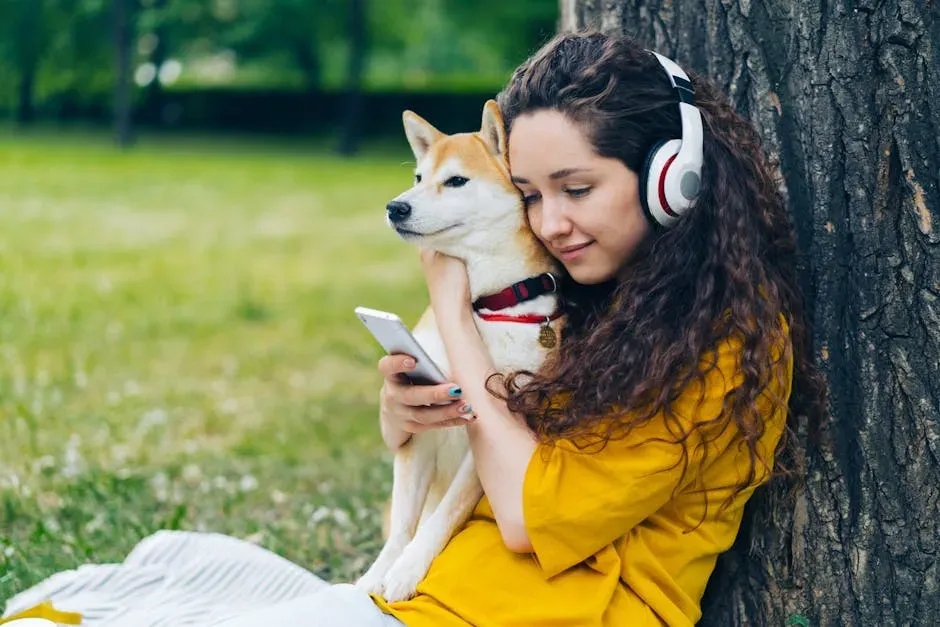
Even before the words make sense, dogs are listening to how a voice feels. High, excited tones can wind some dogs up into a frenzy, while others find them overwhelming or even stressful. Deep, booming voices may come across as threatening to more sensitive or shy dogs, even if the person is perfectly kind. Dogs pick up on rhythm, speed, and volume far faster than we do – and they react accordingly.
Dogs also learn to connect certain tones with past experiences. A calm, steady voice might remind them of training sessions and praise, while a harsh or sharp tone might bring up memories of being scolded. So when a visitor steps in and speaks in a particular way, your dog is instantly comparing that sound to their internal library of good, neutral, and not-so-good experiences, long before you notice anything unusual.
5. Confidence vs. Fear of Dogs
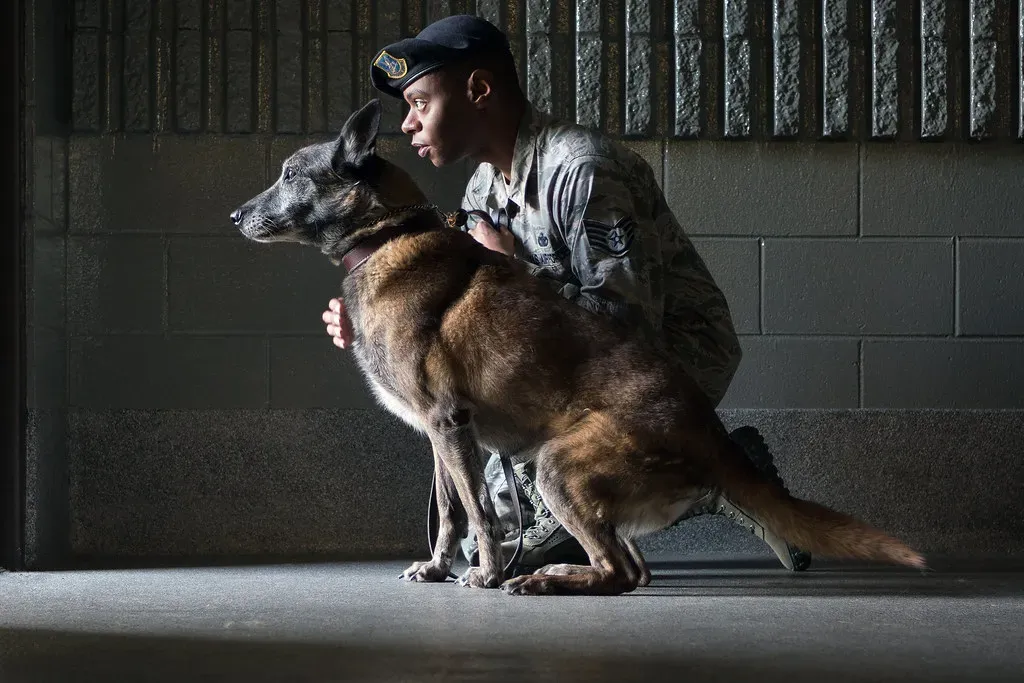
Dogs are surprisingly quick at spotting who is comfortable around them and who is secretly a bit scared. People who fear dogs often make less eye contact, hold their arms close, and move carefully or stiffly, like they’re walking past a fragile alarm system. Dogs interpret this guarded behavior very differently depending on their own personality – some dogs get curious, others get pushy, and some become nervous too.
Confident dog people tend to move more naturally, offer their hand at the right moment, and give the dog appropriate space instead of staring or reaching in quickly. Many dogs visibly relax around those people. The twist is that fearful behavior can sometimes accidentally trigger more interest – like when a visitor shrinks back and your friendly dog takes that as an invitation to get closer, making the whole thing more intense than it needed to be.
6. Hidden Health or Physical Changes
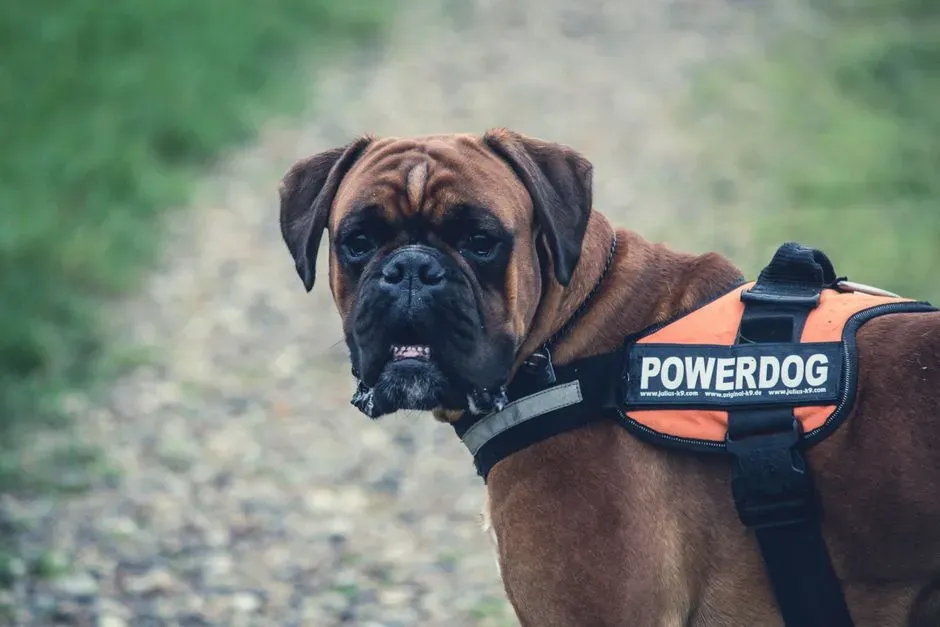
There’s growing evidence that dogs can pick up on certain health-related changes in humans, often through smell. While this is most famous in medical alert or detection dogs, even regular family dogs sometimes seem drawn to or wary of visitors who are unwell, in pain, or simply moving differently. A limp, a slight imbalance, or a change in breathing can stand out to a dog long before a human comments on it.
Dogs may hover around a visitor who has had surgery, had a recent injury, or is pregnant, even if no one has mentioned anything. They might sniff specific areas, sit closer than usual, or act gently curious. On the flip side, if a person’s movement looks awkward or unpredictable – using a cane for the first time, wearing a big brace – some dogs get unsettled until they’ve had time to process the new pattern.
7. Previous Experiences and “Type” of Person
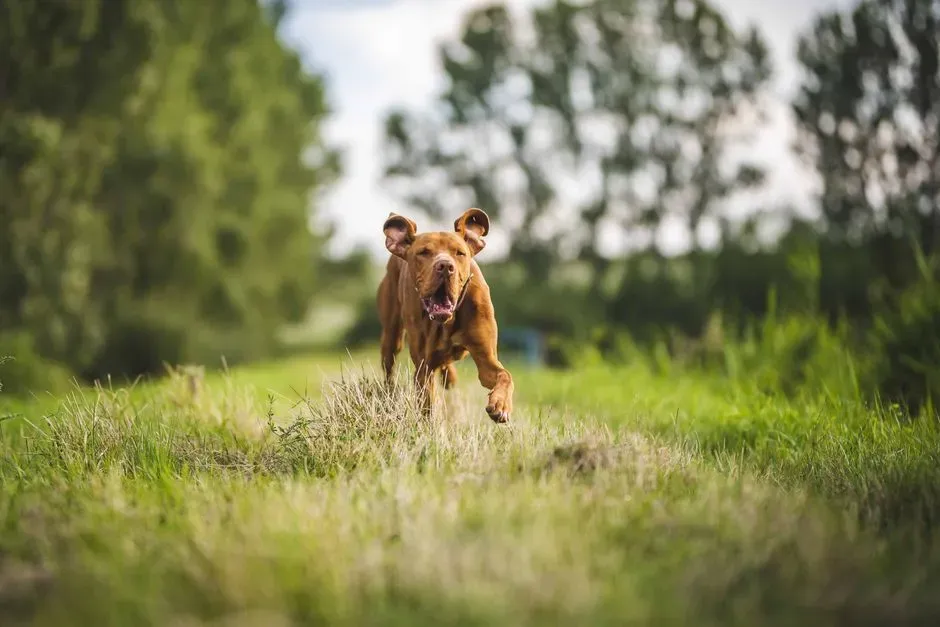
Dogs are great at pattern matching. If a dog has had a bad experience with, for example, a tall person in a dark coat and hat, they might generalize that feeling to visitors who fit a similar type. That does not mean dogs are judging people’s character, but their brains are constantly scanning for familiar patterns that were once linked to safety or danger. Humans do this too; dogs just do it faster and more instinctively.
On the positive side, dogs also remember good patterns. If kids who visit are usually gentle and bring treats, your dog might light up the second they hear little footsteps outside. If your dog has grown up with older relatives who move slowly and offer long belly rubs, they might gravitate toward visitors with similar vibes right away. What looks like instant trust or instant dislike is often your dog’s personal history quietly shaping their first impression.
8. Household Tension and Your Own Reactions
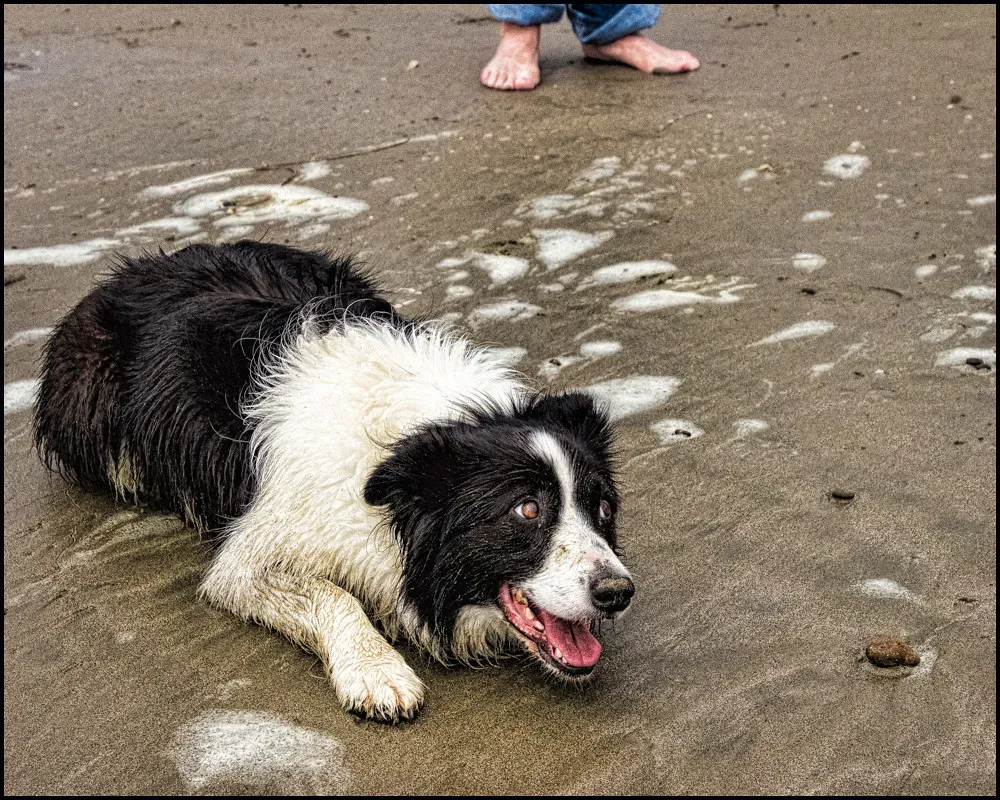
Dogs are always watching their humans, especially in tense or uncertain moments. If you stiffen up when a particular visitor arrives, even if you smile on the surface, your dog notices that mismatch. They may bark more at that person or stay glued to your side because, to them, your body just signaled that something is off. It’s not that they magically know someone is bad news – they just know you are not fully relaxed.
Dogs also pick up on the overall emotional climate when someone visits. If visits from a certain person are often followed by arguments, raised voices, or stressed energy, your dog can start associating that visitor with conflict. So when they react strongly the next time that person shows up, they might just be bracing for the emotional storm they’ve learned to expect, even if this particular visit starts out calm.
Conclusion: Trust the Dog, But Use Your Head
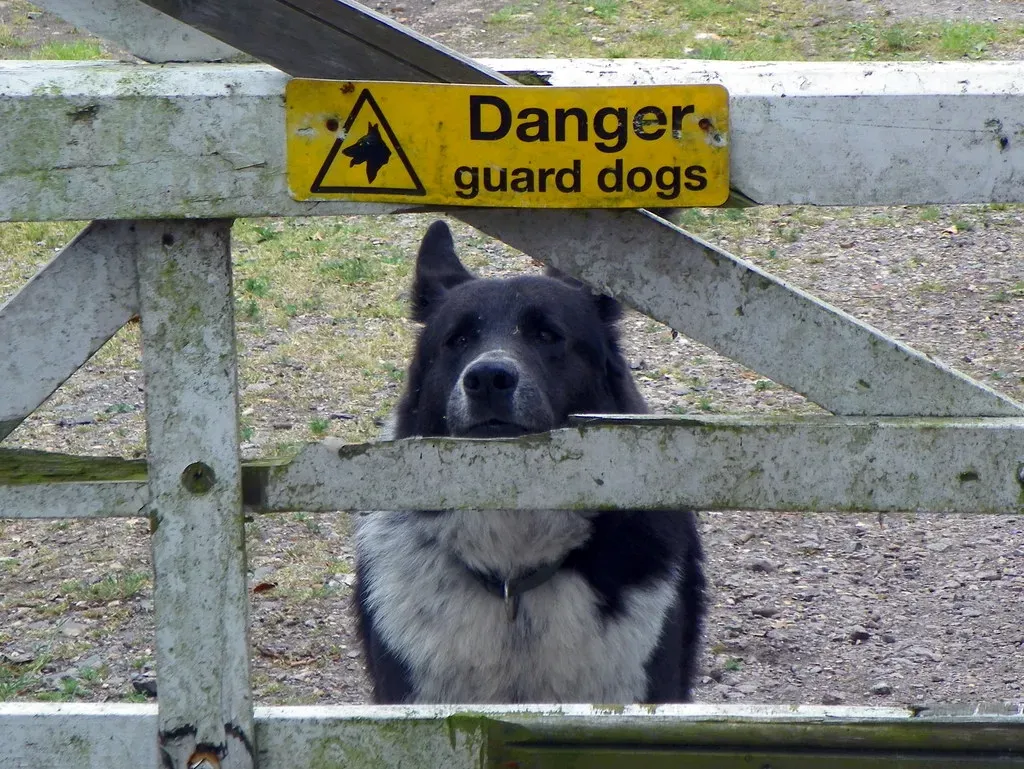
When your dog reacts strongly to a visitor, it is tempting to think they have some mystical sixth sense about human character. The reality is a bit less magical but still pretty amazing: they’re incredibly skilled at reading scent, posture, movement, and mood long before we consciously catch up. In many cases, your dog is just responding to patterns and signals you are not wired to notice, not passing moral judgment on the person at your door.
That said, a dog’s reaction is still a valuable piece of information, especially if it is out of character or consistently negative around the same individual. It should not replace your own judgment, but it is worth paying attention to. Next time your dog seems to size someone up before you even say hello, maybe take a moment to look through their eyes: what might they be noticing that you are missing – and what do you think they are trying to tell you?


