
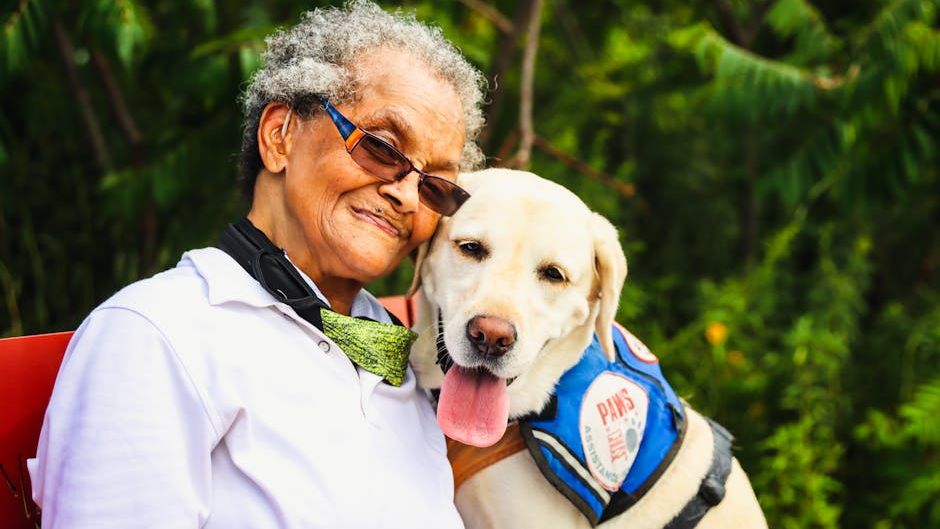
There’s something quietly extraordinary about the bond between an older adult and the right dog. It doesn’t announce itself with dramatic gestures. It shows up in small, steady moments: a warm weight on the lap during a restless afternoon, a soft nose pressing against a hand during a sleepless night, the rhythm of a slow walk that pulls someone back into the present moment when their mind has drifted somewhere far away.
Pet ownership provides measurable improvements in mental health through reduced anxiety and depression, and these benefits stem from the consistent companionship and daily routines that pets provide. For seniors in particular, the right dog can do something that no medication fully replicates: it can make someone feel genuinely needed and loved, all at once. What you might not expect is just how much the breed matters. Not every dog is suited for this kind of quiet companionship. The ten breeds below have earned their place on this list for very specific reasons.
#1: Cavalier King Charles Spaniel
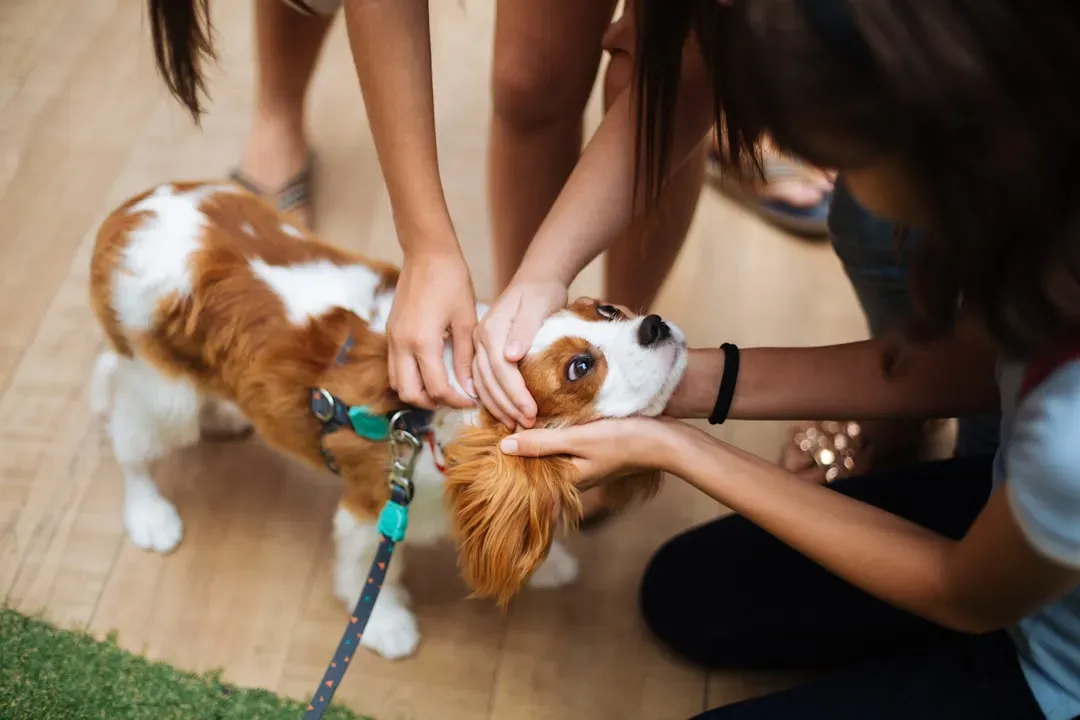
The Cavalier King Charles Spaniel is a natural fit for seniors and calm households, thanks to its gentle demeanor and deeply affectionate nature. This breed thrives on human companionship, forming strong emotional bonds and showing a constant eagerness to please. Few dogs are as intuitively tuned to their owner’s emotional state.
Cavaliers are particularly well suited for apartment living and adapt beautifully to their owner’s energy level. They’re happy with moderate walks but equally content spending quiet time indoors. That kind of easy flexibility is genuinely rare in the dog world. A dog that enjoys physical proximity and contact with their owner can ease loneliness, and breeds like the Cavalier King Charles Spaniel provide a constant reminder of companionship.
#2: Golden Retriever
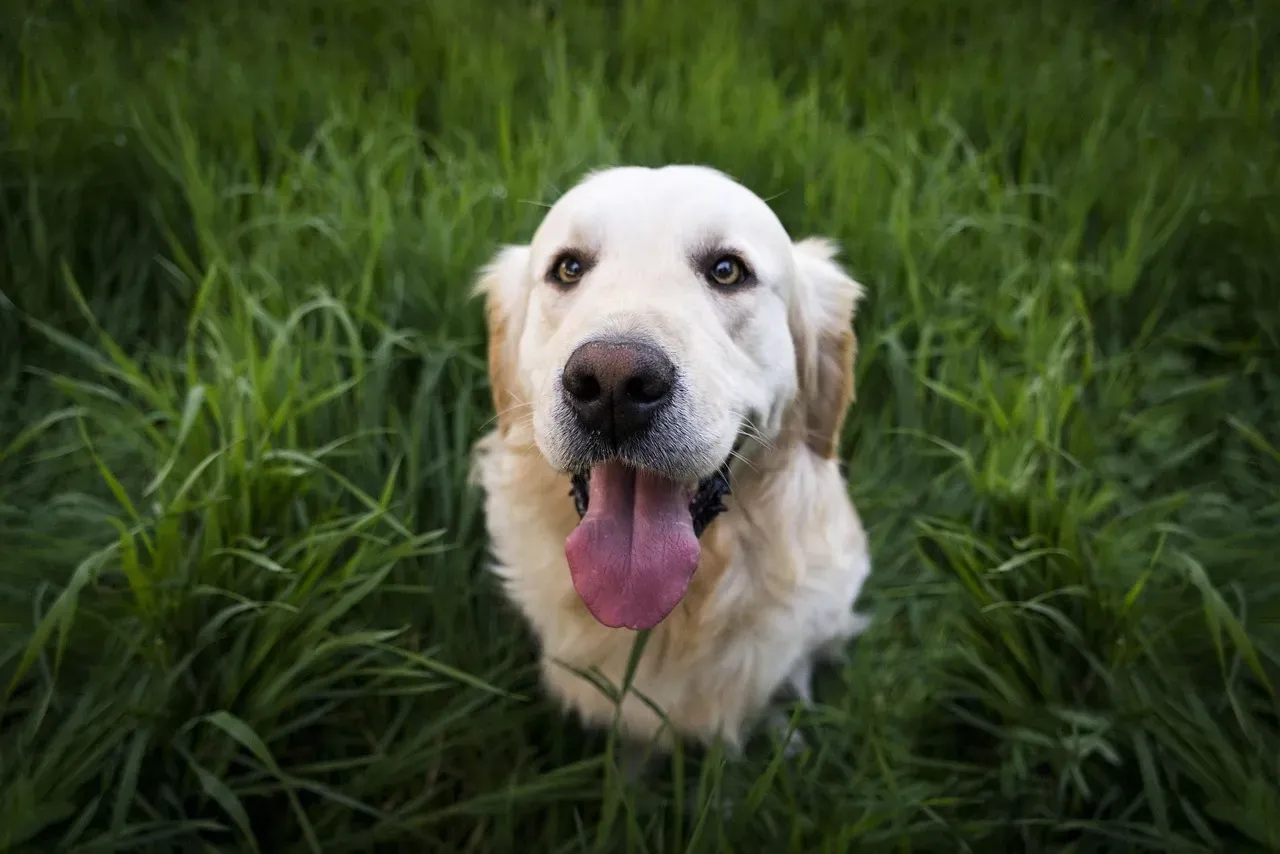
Like Labs, Golden Retrievers are kind, friendly people-pleasers who respond well to training and are well-attuned to humans’ emotional needs, making them among the most popular therapy dog breeds. Their patience is almost legendary. They seem to have an innate sense of when to be playful and when to simply sit close and stay still.
If they get enough outdoor exercise, they can be fairly mellow indoors. They thrive on companionship and are renowned for their patience with all types of people. Because of their social and outgoing personalities, it’s hard to be around a Golden and remain sad. That’s not a small thing for someone navigating loneliness or anxiety in their later years. It’s actually kind of remarkable.
#3: Labrador Retriever
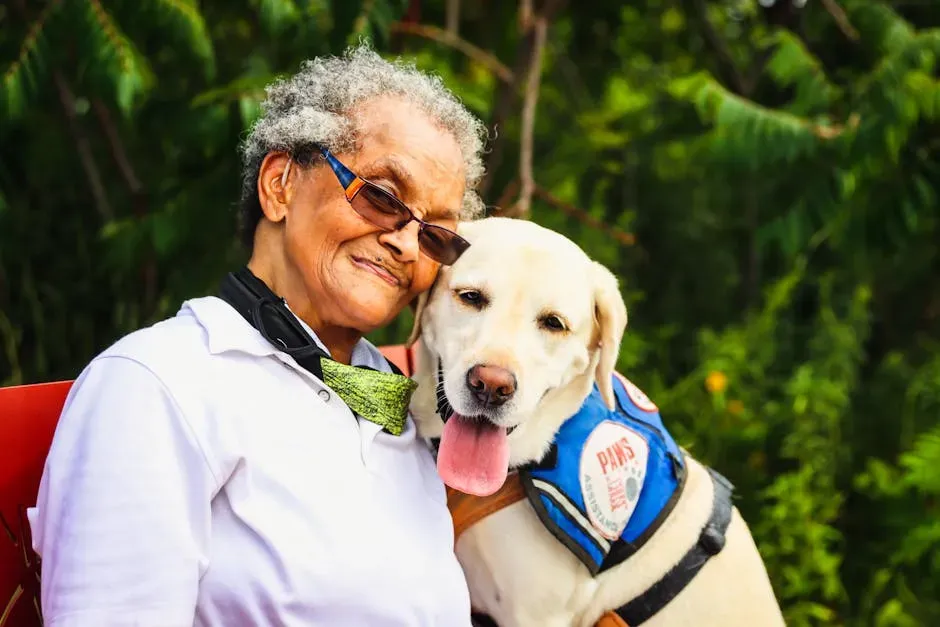
Labrador Retrievers are one of the most popular dog breeds in America, and with their warm, friendly disposition, outgoing personality, and love of human camaraderie, Labs make excellent companions. They adapt well to training as service dogs and are among the best dog breeds for anxiety sufferers.
Labrador Retrievers have long been the gold standard for therapy work, and for good reason. Known for their friendly, intelligent, and empathetic nature, Labradors excel in providing emotional support and comfort. Their calm demeanor and ability to sense when someone is in distress make them ideal therapy dogs for people of all ages. Their even temperament means that even on a senior’s most difficult days, a Lab tends to respond with patience rather than excitement.
#4: Shih Tzu
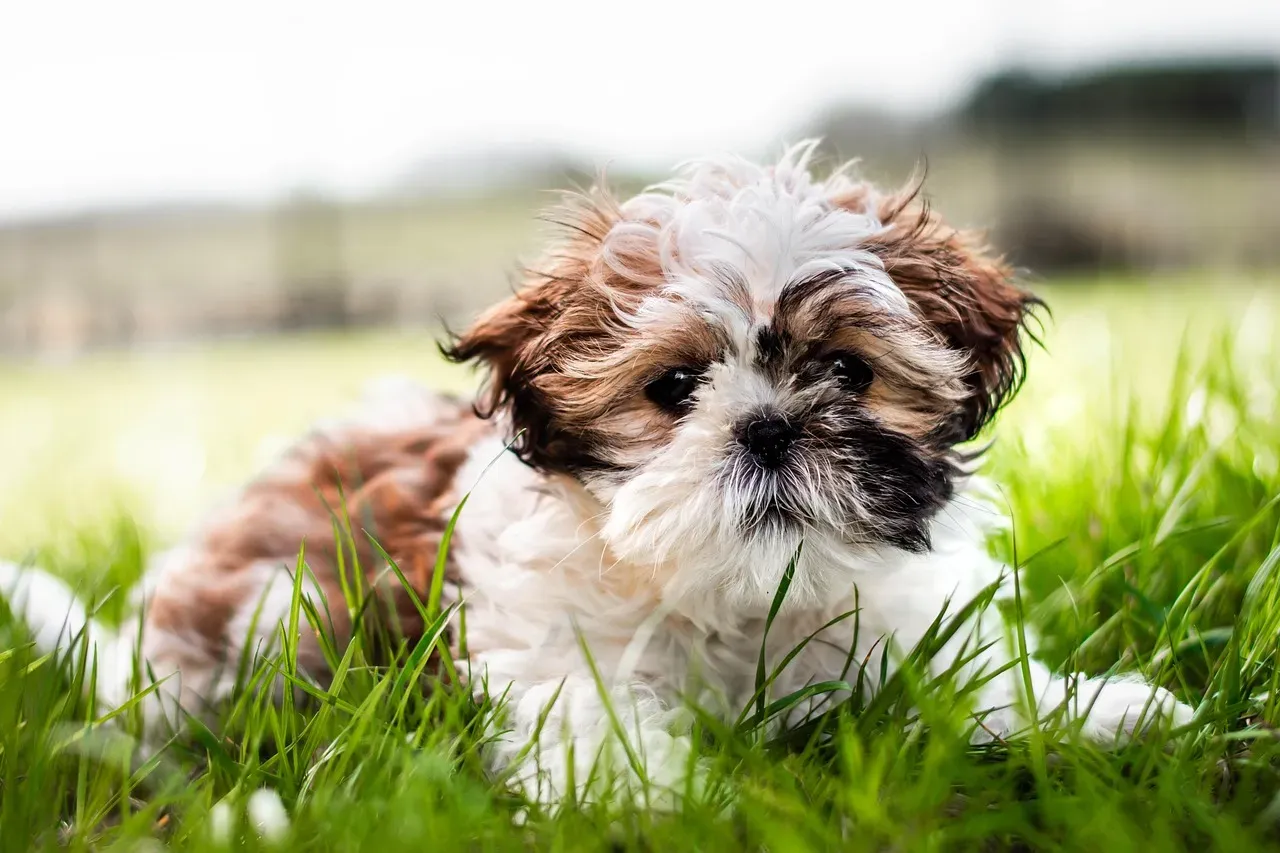
Shih Tzus are small, calm, and devoted companions. They were bred to be lap dogs, making them ideal for retirees looking for a loyal shadow. While they require grooming, their exercise needs are minimal. There’s a certain comfort in a dog that simply wants to be near you, all day, without complication.
Shih Tzus are highly attuned to your emotions, like sadness or stress, through scent. The Shih Tzu is wonderful with respectful children who visit your home and always seems to understand your feelings. Their calm energy makes them easy for older adults to care for, and because these dogs adore attention, they will happily sit on your lap for hours on end. That unhurried devotion is exactly what many seniors need most.
#5: Pug
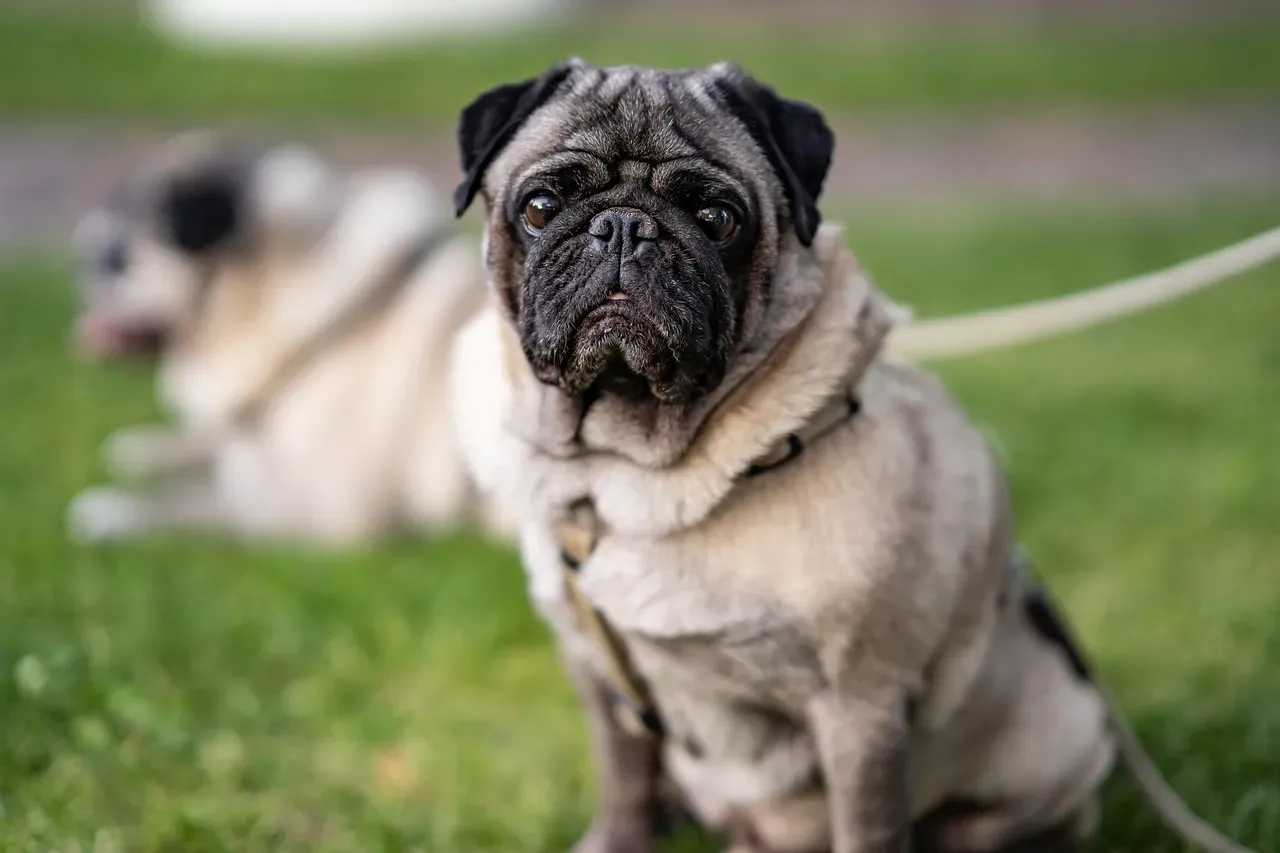
The Pug is a charming, affectionate companion perfectly suited for seniors and peaceful, relaxed homes. Known for its playful yet easygoing personality, this breed thrives on human closeness and often earns the nickname “shadow” for its habit of staying right by its owner’s side. The Pug loves attention and happily entertains with its clownish behavior, making everyday life feel a little brighter without demanding too much activity.
These sensitive dogs quickly sense and comfort the moods of older adults. Unlike high-energy, larger breeds, Pugs are laid-back companions that prefer a quiet, serious life. A Pug rarely engages in annoying behaviors like digging or chewing. While they enjoy short daily walks, they are equally content lounging on a cozy chair or curling up beside their favorite person. For seniors who need calm companionship without unpredictability, a Pug tends to deliver exactly that.
#6: Bichon Frise
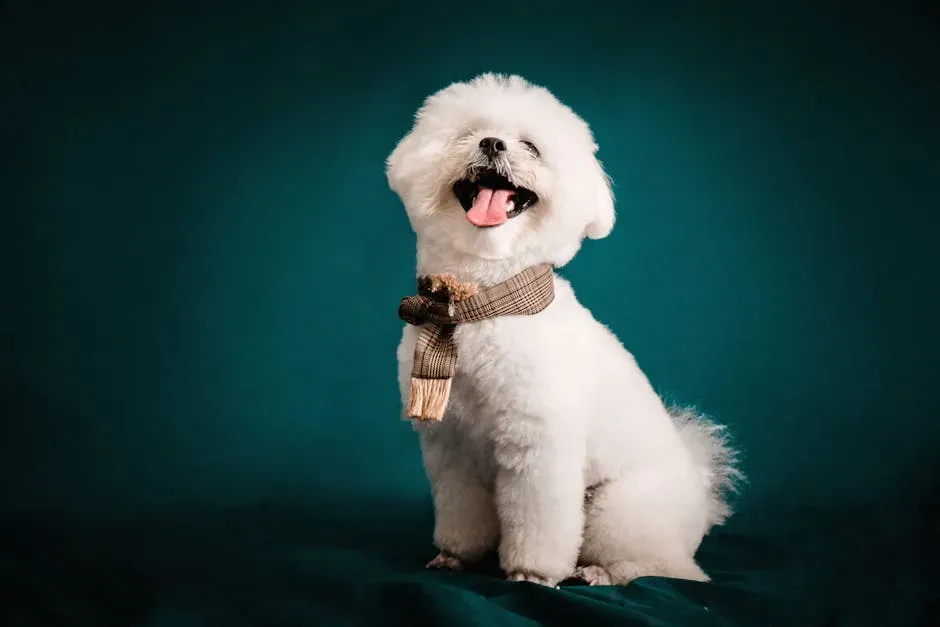
Bichon Frise dogs are cheerful companions with a gentle spirit and a love of people. Their hypoallergenic coat can be kept in a manageable trim, which many seniors appreciate. They enjoy playful moments and brisk but short walks, then settle happily for cuddles and quiet time.
With their sweet expression, hypoallergenic coat, and a personality full of cheer, Bichons are often considered one of the best breeds for therapeutic settings. Their temperament is a perfect blend of playfulness and calm, making them especially effective in environments like hospitals, classrooms, or elder care facilities. Bichons have a natural ability to sense when someone needs comfort and will often stay close to offer their warmth and companionship. Their joyful personalities make them ideal for bringing smiles to those going through tough times.
#7: Maltese
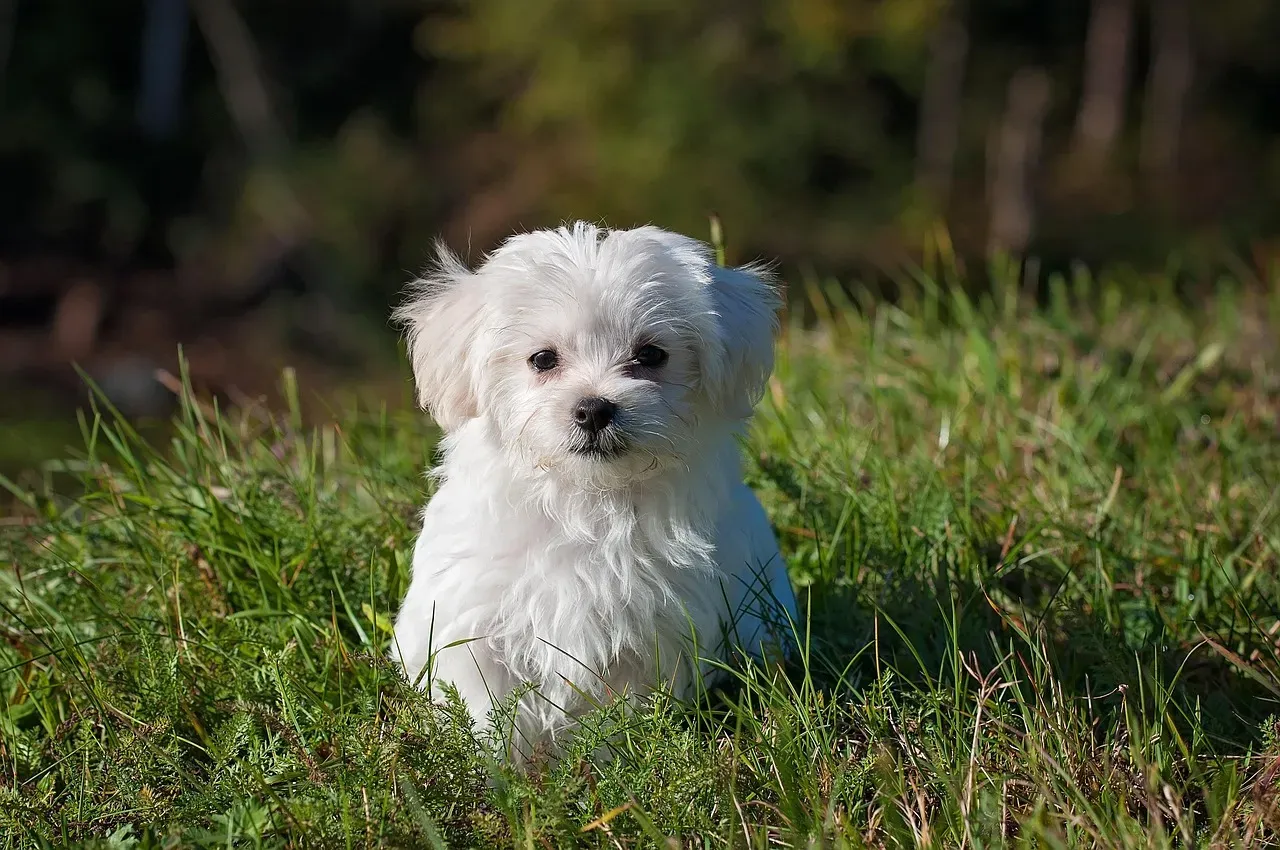
The Maltese is a charming and deeply affectionate breed that forms incredibly strong bonds with its family. Although they are quite active and playful, they are exceptional lap dogs boasting a long, silky, hypoallergenic coat. Their compact size makes them ideal for apartments, assisted living spaces, or smaller homes where a large breed simply wouldn’t fit.
The Maltese is a small, affectionate dog that thrives on attention. Their compact size makes them easy to carry and manage. A Maltese thrives on human companionship and loves to snuggle. They are the quintessential lap dog when you are resting in your easy chair. For seniors who live alone and simply need a warm, close presence nearby, a Maltese rarely disappoints.
#8: Bernese Mountain Dog
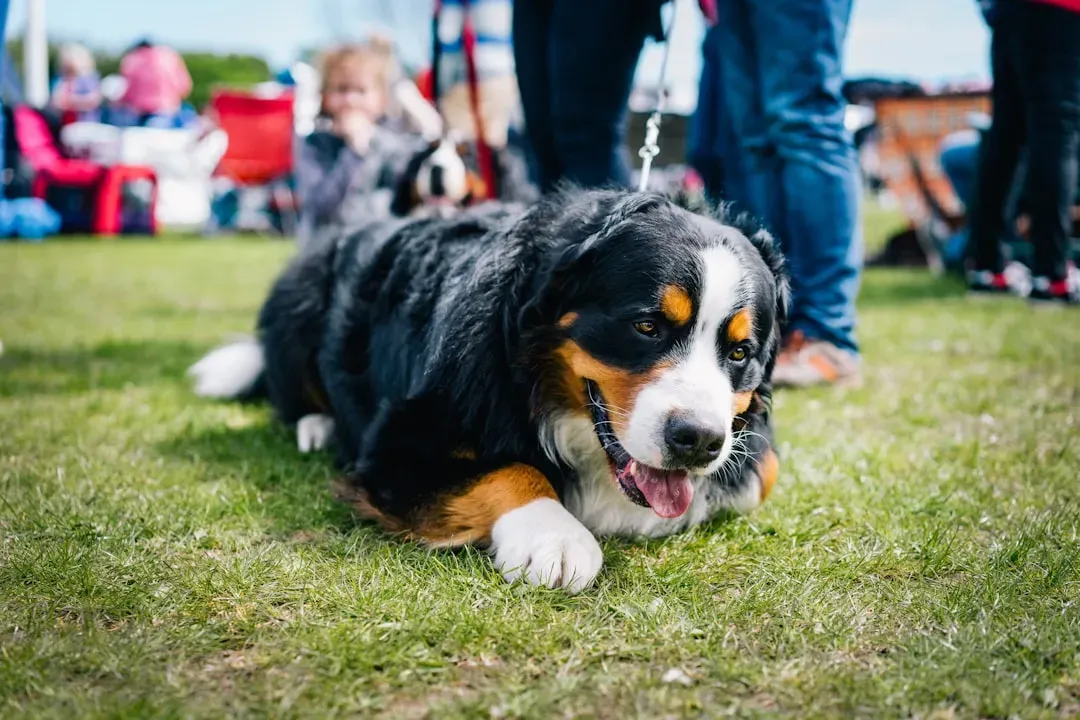
With their serene and composed disposition, Bernese Mountain Dogs have a calming effect on individuals. Their presence can help alleviate stress, anxiety, and even symptoms of depression, providing a reliable source of emotional stability. They are, in the truest sense, a grounding force in a home. With their gentle temperament and striking tri-color coats, Berners exude a calm temperament ideal for therapeutic settings, and their affectionate nature and love for human interaction make them superb candidates for therapy work, particularly in senior care homes.
The Bernese Mountain Dog temperament is defined by a combination that’s genuinely rare: physical calm, emotional depth, intuitive attunement, and an attachment to their people that is consistent and total. It’s worth noting that Berners are a larger breed and suit seniors who have some mobility, space, and access to outdoor walks. Bernese Mountain Dogs possess an innate ability to sense and empathize with human emotions. They are highly perceptive, making them skilled at providing support during difficult times and offering a comforting presence when needed the most.
#9: Havanese
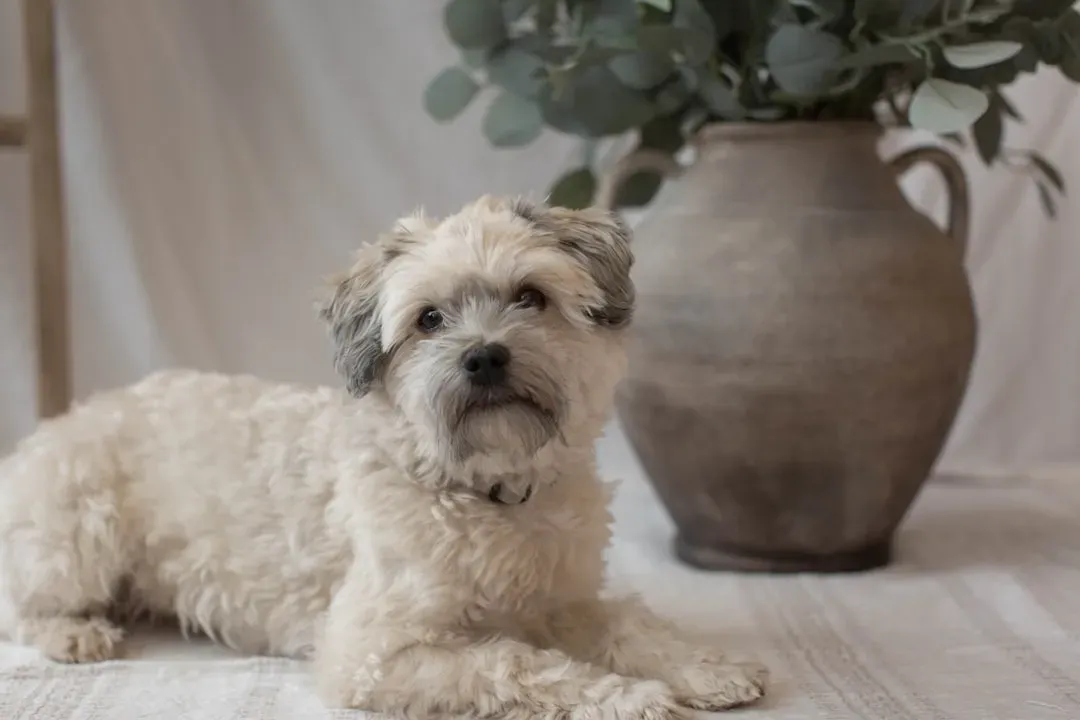
Small, fuzzy, and eager to please, the Havanese is an excellent choice for retirees who can spend lots of time with their pets. These dogs get along with everybody but are happiest in their owners’ company. They are smart animals that are easy to train; many work as therapy dogs. Their adaptability to small living spaces is a quiet but real advantage for many older adults.
Havanese dogs have a gentle temperament and are highly sociable, thriving on interaction with humans. They are particularly good with children and can bring joy and comfort to those going through tough times. Havanese are also hypoallergenic, which makes them suitable for individuals with allergies. Their happy and loving nature ensures that they can lift the spirits of anyone they meet, providing comfort and emotional healing through their presence.
#10: Greyhound
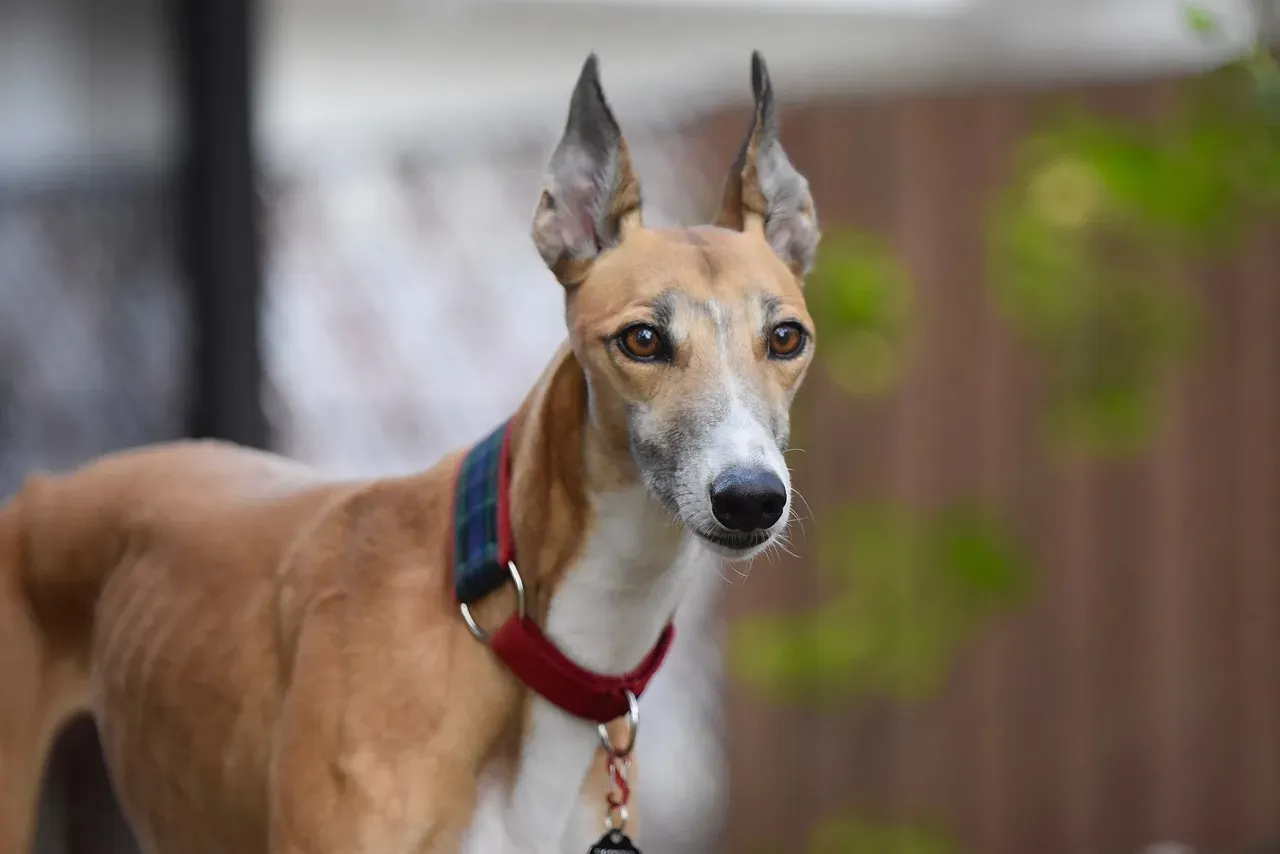
It might come as a surprise that rescued racing Greyhounds are calm, quiet, and easy to manage. They’re sprinters but not joggers. As long as they get a chance to run all out for a short time, they are generally happy to loaf around and take it easy for the rest of the day. This makes them one of the most counterintuitive but genuinely excellent choices for seniors seeking a peaceful household companion.
Surprisingly, Greyhounds are among the most low-maintenance large breeds. Known as “couch potatoes,” they enjoy lounging indoors but appreciate a daily walk. Their calm nature makes them wonderful for retirees seeking a peaceful companion. They are friendly and gentle, though they have a strong drive to chase prey and should never be off-leash in an unconfined area. For a senior who wants the quiet elegance of a larger dog without the demands of a high-energy breed, a retired Greyhound is a surprisingly perfect fit.
Why the Right Dog Changes Everything
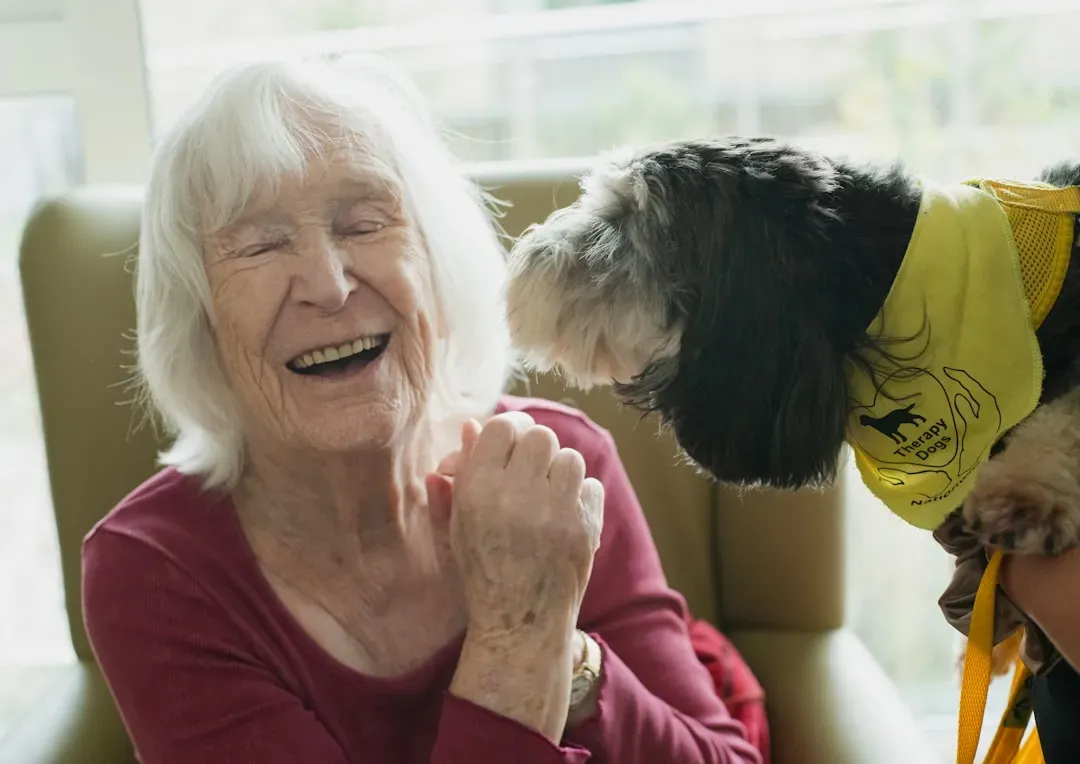
Physical contact with a pet, such as petting or cuddling, can help reduce stress hormones like cortisol and norepinephrine and release oxytocin, which produces feelings of relaxation and comfort. This physical contact and emotional bond can provide a sense of companionship and security, which can help seniors cope with difficult emotions like anxiety and fear.
This increased awareness helps people stay grounded in the present moment rather than dwelling on worries or negative thoughts. The routine of caring for a pet provides structure and purpose, while the companionship offers emotional support and mental stimulation. These aren’t minor perks. They are, for many older adults, the difference between a day that feels manageable and one that doesn’t.
Dogs can help alleviate negative feelings, including depression, grief, or anxiety, providing a calming presence that softens the emotional challenges many seniors face. Every breed on this list brings its own particular version of that gift. The key is honest self-assessment: matching a dog’s energy level and size to what a senior can realistically provide in return. When that match is right, the relationship that follows is one of the most quietly profound ones a person can have.
A Final Thought
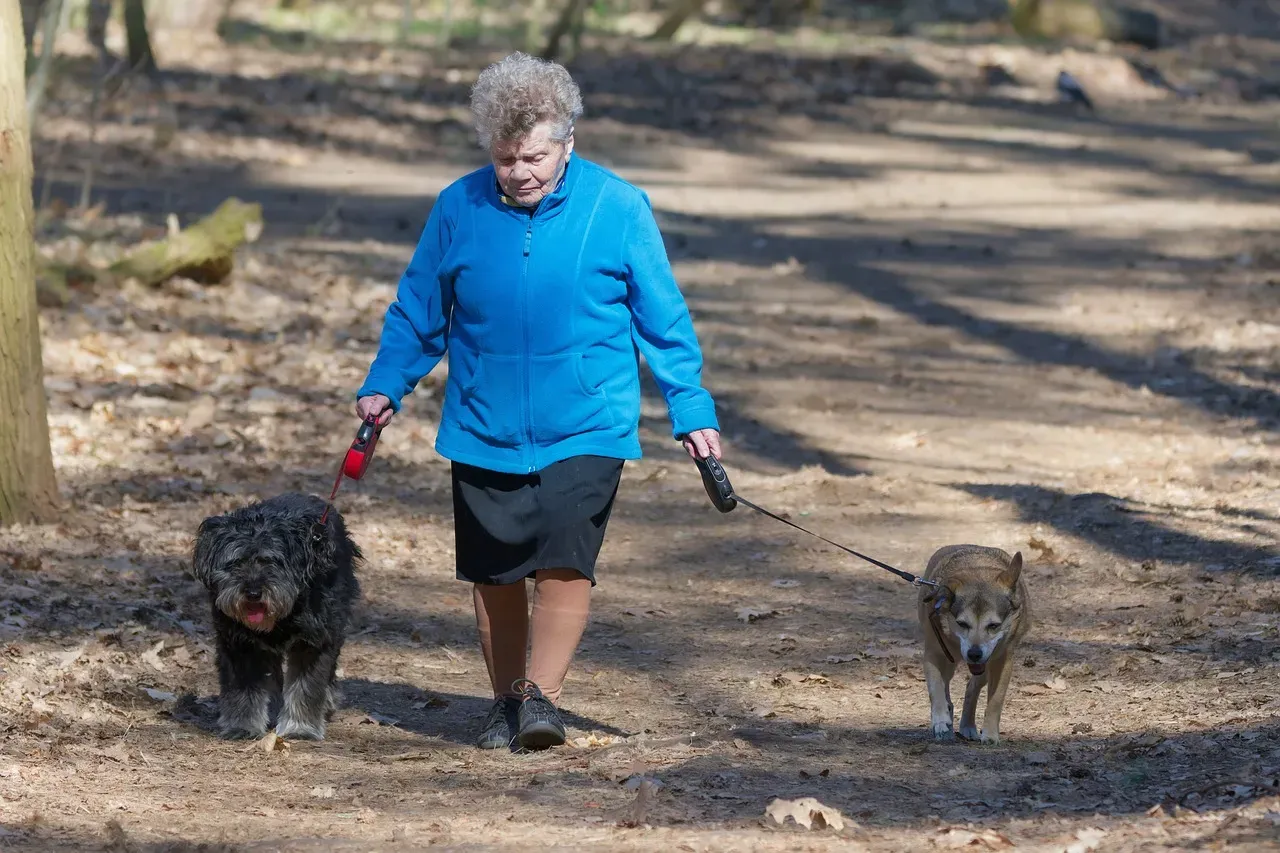
There’s a certain kind of calm that only comes from being unconditionally accepted. Dogs don’t care about a senior’s age, health condition, or the number of quiet days that have stacked up since retirement. They show up the same way every morning, tail moving, eyes warm, asking for nothing more than presence.
The breeds explored in this article represent some of the most reliable paths to that kind of steadying companionship. Some are small enough to curl into a lap, others large enough to lean into like a soft wall on a hard day. What they share is the thing that matters most: a temperament built for closeness, calm, and the kind of loyalty that genuinely grounds a person.
In a world that can feel increasingly fast and noisy, there’s real wisdom in choosing a companion that helps you slow down. For many seniors, that companion has four legs, a gentle face, and a way of knowing when you need them most.


