
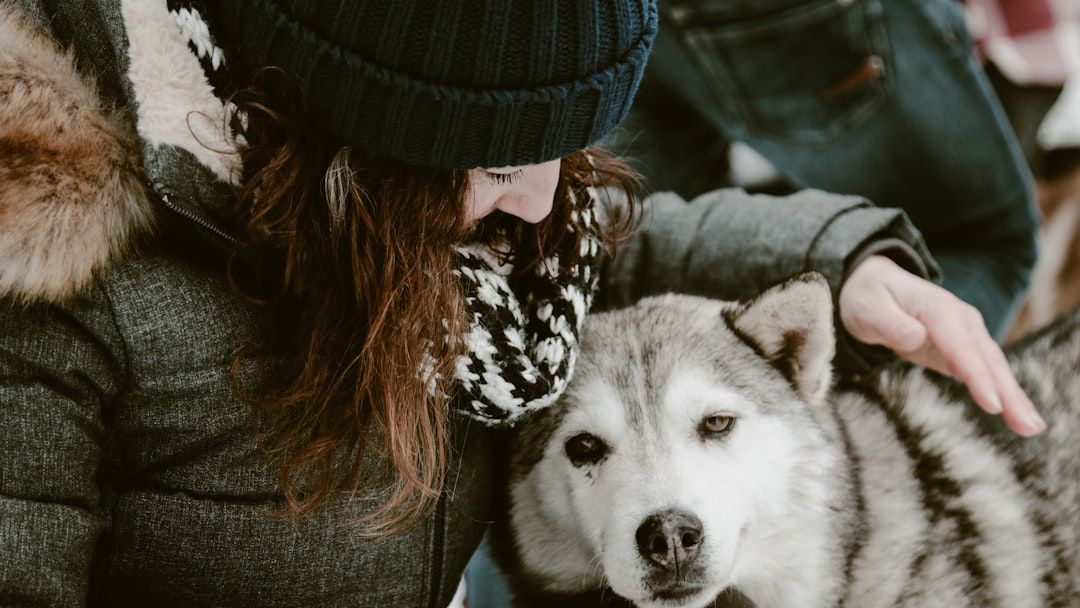
You get up for thirty seconds to grab a drink from the kitchen, maybe answer the door. You come back. Your dog is already there. Curled into your exact spot, eyes half-closed, not even slightly embarrassed. It happens so fast you start to wonder whether they were waiting, watching, timing it.
Most people laugh it off as a silly quirk, maybe file it under “dogs being dogs.” But this behavior is more layered than it looks. It connects to warmth, scent, instinct, pack bonding, and a surprisingly deep emotional intelligence that dogs have developed alongside humans over thousands of years. There’s real science here, and honestly, once you understand what’s actually happening, it changes how you see that little spot-stealer entirely.
The Warmth Factor: Your Spot Is Already Perfect
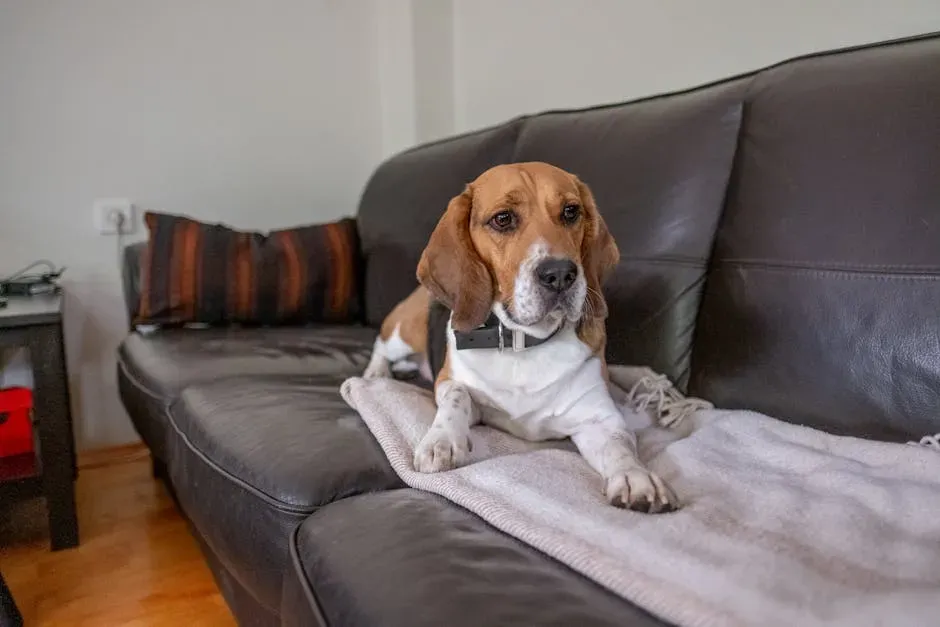
Warmth is a simple but powerful motivator. Your body heat, recently retained in the cushions or bed linens, makes the spot physically appealing the very moment you leave it. Dogs are drawn to warm surfaces by instinct, and a pre-heated seat is basically the canine equivalent of a heated blanket someone else already switched on.
From an evolutionary perspective, it’s actually a wise move. Your dog is taking advantage of the warmth you’ve provided to save the energy of generating it themselves. In the wild, conserving body heat was a survival strategy. Your couch cushion is just the modern version of that same logic.
When you finally stand up, you leave behind what could be described as a “thermal nest.” For a dog, this is the ultimate luxury. The simplest explanation is also the most humbling: the chair feels deliciously warm to them. Your body essentially acts like a heat source, creating a version of those high-tech heated chairs that would cost a small fortune in any home goods store.
The Scent Connection: You’re Still There, Even When You’re Not
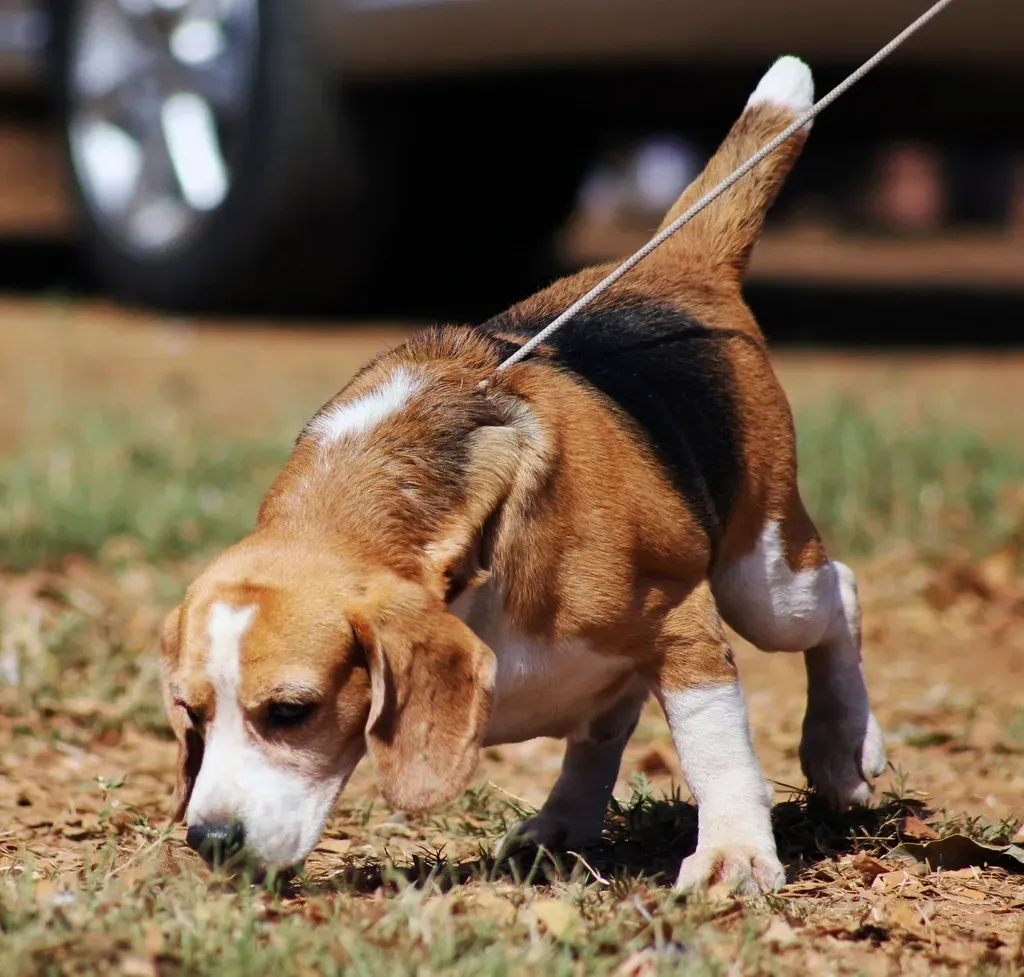
Dogs possess an extraordinary sense of smell, with up to three hundred million olfactory receptors compared to our mere six million. Your recently vacated spot is rich with your personal scent, which provides your dog with a powerful sense of security and connection. This isn’t a minor detail. It’s the entire operating system of how your dog understands the world.
Research has shown that an owner’s scent activates the parts of a dog’s brain associated with pleasure. A dog encountering its owner’s smell could feel something like a person reacting to the perfume or cologne of a loved one. That’s not a small thing. That’s your dog literally experiencing a neurological reward just from being in your spot.
This scent-seeking behavior is particularly important for dogs with separation anxiety or those who are strongly bonded to their owners. Your spot becomes a source of comfort when you’re not immediately present, almost like a security blanket carrying your familiar smell. By settling into your spot, your dog is essentially surrounding themselves with your comforting presence, even when you’re not physically there.
Pack Instincts and the Deeper Bond Behind the Behavior
Dogs are pack animals, and their evolutionary history is built on the concept of closeness. In a pack, huddling together in the same space ensures safety and reinforces social bonds, and dogs also derive heat from each other. Your living room sofa may not look like a wolf pack’s den, but to your dog, the same ancient logic applies.
When your dog jumps into your spot, they’re expressing their desire to be part of your “inner circle.” In their mind, the spot is high-value because you, their person, chose it. They’re validating their membership in your family unit. It’s a gesture of belonging, not a power move.
The resting place of their human companion represents safety and security to a dog, who still operates on a pack mentality drilled into them by their ancestors. Most spot-stealing behavior isn’t about dominance. Instead, it’s typically an expression of trust, affection, and the desire to be where you are, even when you’re not there.
The Comfort Factor Goes Beyond Just Temperature
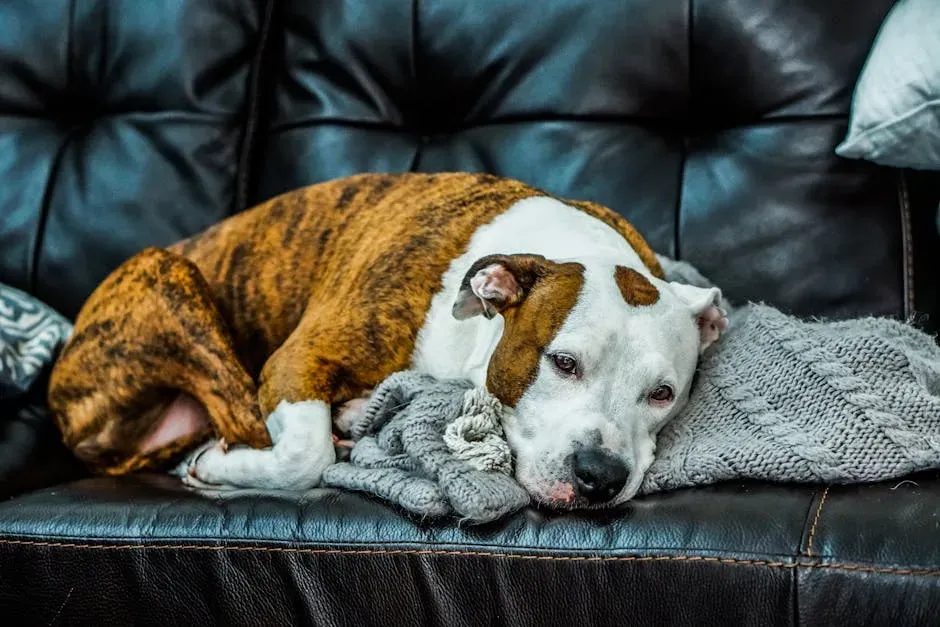
Your dog may also appreciate how your body creates a customized indentation on the couch. That contoured, pre-shaped spot is perfect for snuggling. Add in the fact that it’s warm and smells like you, and it becomes your dog’s favorite place on Earth the moment it becomes available.
The soft indentation left by your body creates a perfectly shaped nest that’s both physically comfortable and psychologically comforting for your dog. This natural attraction to warm, body-shaped spaces is deeply rooted in their den-dwelling ancestry. It’s the same instinct that makes dogs circle before lying down, or seek out small enclosed spaces during storms.
There’s always the possibility that your dog steals your spot for the same reason you habitually sit there: it’s simply more comfortable. It may be more broken in than other seats, or maybe it catches a nice sunbeam in the afternoon. Sometimes there’s no deeper mystery. Your dog just has excellent taste in seating.
When to Smile, and When to Pay Closer Attention
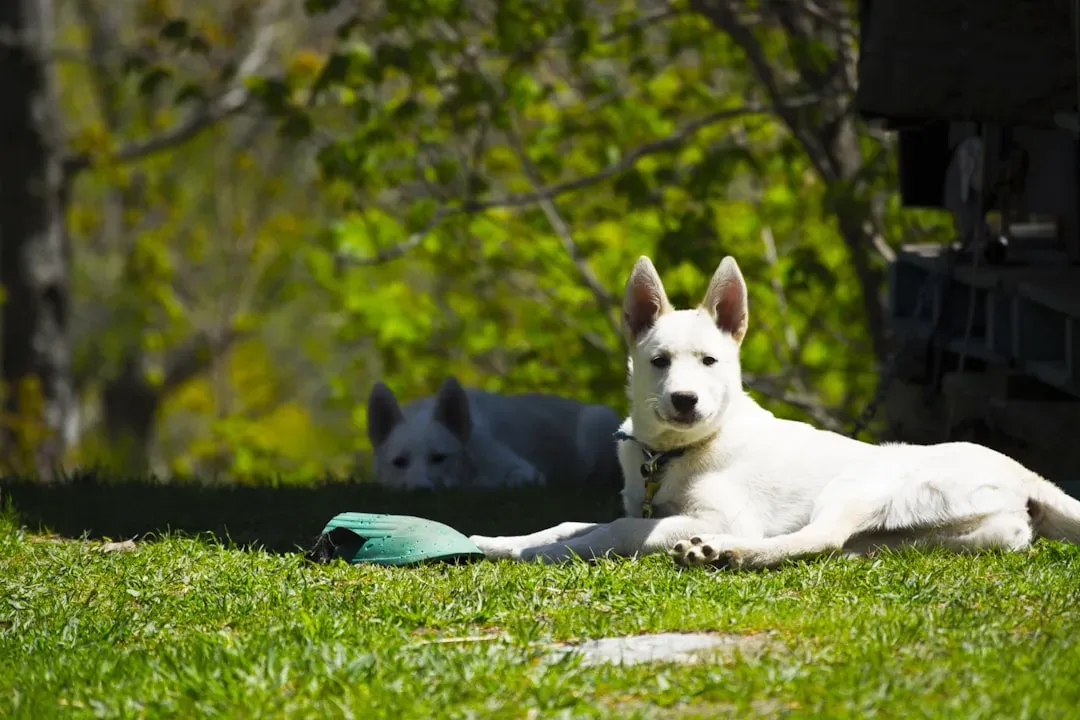
Dogs steal spots primarily for comfort, warmth, and the security of your scent. This behavior usually indicates trust and affection rather than any concerning behavioral issues. It’s a natural expression of their desire to be close to you and enjoy spaces that remind them of you. The vast majority of spot-stealing is completely harmless and, genuinely, quite sweet.
If your dog readily moves when asked and shows no signs of aggression or resource guarding, the behavior is likely affectionate. However, if they growl, refuse to move, or show signs of tension when approached, this could indicate dominance issues that may benefit from professional guidance. That distinction matters. A dog who slides off the cushion with a yawn is very different from one who stiffens and growls.
Dogs dealing with separation anxiety often seek comfort in locations heavy with their owner’s presence. If your pup tends to lie in your seat when you’re out of the room or out of the house, this can be a coping mechanism, with your smell and space helping to reduce their anxiety. If you’re genuinely concerned, investing in a small camera to see how your dog behaves when left alone is worth considering, and an accredited behaviorist can help develop a plan to help them feel more settled.
Conclusion
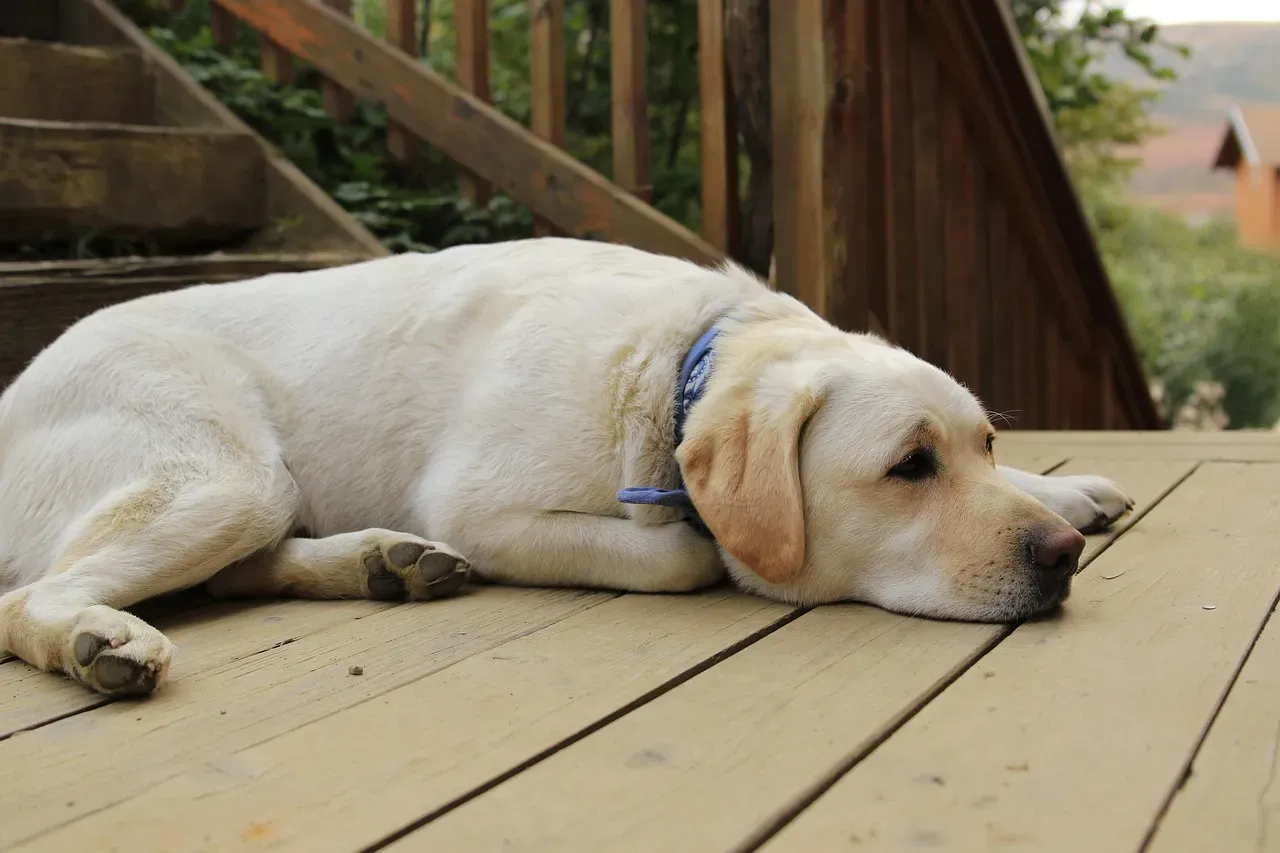
What looks like a minor act of canine opportunism is really something much quieter and more meaningful. Your dog isn’t plotting a household takeover. They’re doing the most dog thing possible: moving toward what feels safe, warm, and like you.
The warmth you leave behind isn’t just physics. To your dog, it’s evidence that you were there, that you’ll come back, and that this spot in the world is a good one. That’s not a bad message to leave behind every time you get up for a snack.
If anything, the next time you return from the kitchen and find those sleepy eyes blinking up at you from your cushion, maybe take a moment before reclaiming your seat. They weren’t stealing it. They were keeping it warm.


