
There’s a quiet kind of joy in having a dog that actually matches your pace. Not every dog owner wants to be out the door at six in the morning for a five-mile run. Some of us are happiest with a slow morning coffee, a book on the couch, and a dog that has absolutely no objections to that plan. The good news is that plenty of wonderful breeds were practically designed for exactly that kind of life.
Low-energy dog breeds are some of the easiest dogs to live with for the right household. They are often calmer indoors, more content with moderate exercise, and better suited to apartments, seniors, busy professionals, and anyone who wants a dog without building their whole day around nonstop activity. Still, it’s worth knowing this upfront: low energy does not mean no energy. Even calm dogs still need walks, mental stimulation, training, and healthy routines. With that balance in mind, here are ten breeds that genuinely thrive in a slower, steadier life.
1. English Bulldog: The Original Couch Companion
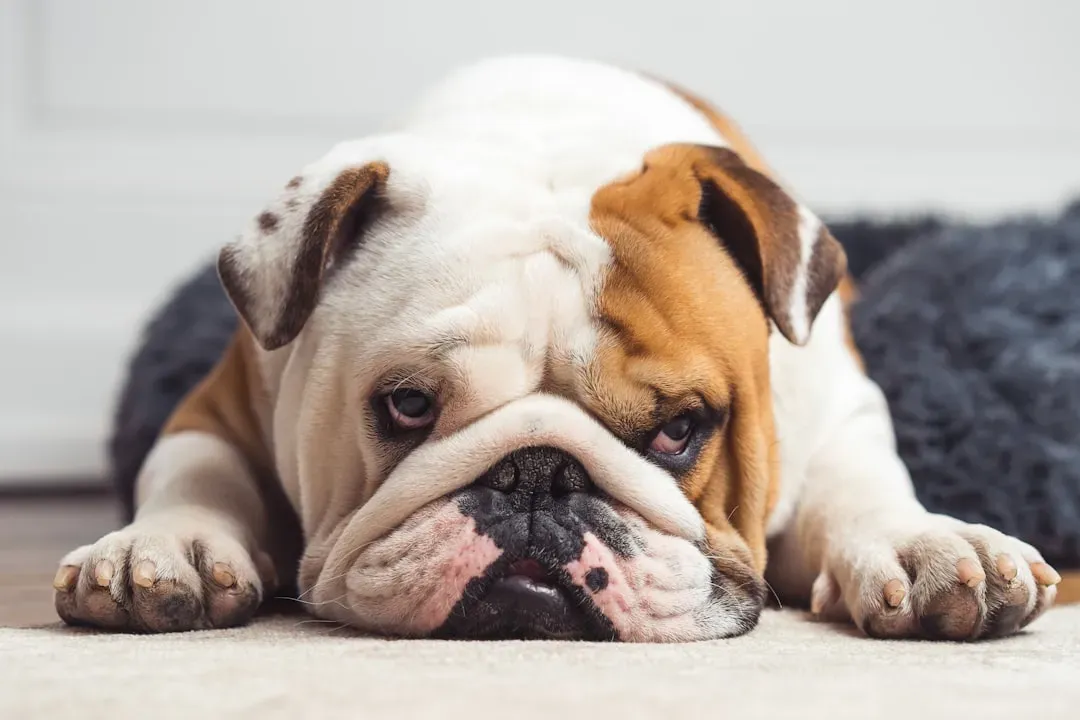
If there were a canine mascot for the slow-and-steady lifestyle, the English Bulldog would be running unopposed. The English Bulldog is an easygoing companion with a docile temperament. This breed has a brachycephalic anatomy, which naturally limits its stamina during physical activity. Bulldogs’ short-nosed structure prevents them from engaging in excessive exercise. Consequently, these dogs are perfectly happy with indoor relaxation time.
English Bulldogs may look tough, but they’re actually gentle, affectionate, and can be downright lazy. Their short bursts of energy are often followed by long naps, making them a great choice for less active households. They do need daily short walks for health reasons but are otherwise more than happy to chill on the couch. One health tip worth remembering: they are sensitive to heat and extreme temperatures, so avoid walking them during the hottest parts of the day. Early morning or evening strolls work best for this breed.
2. Basset Hound: Born to Sniff, Happy to Nap
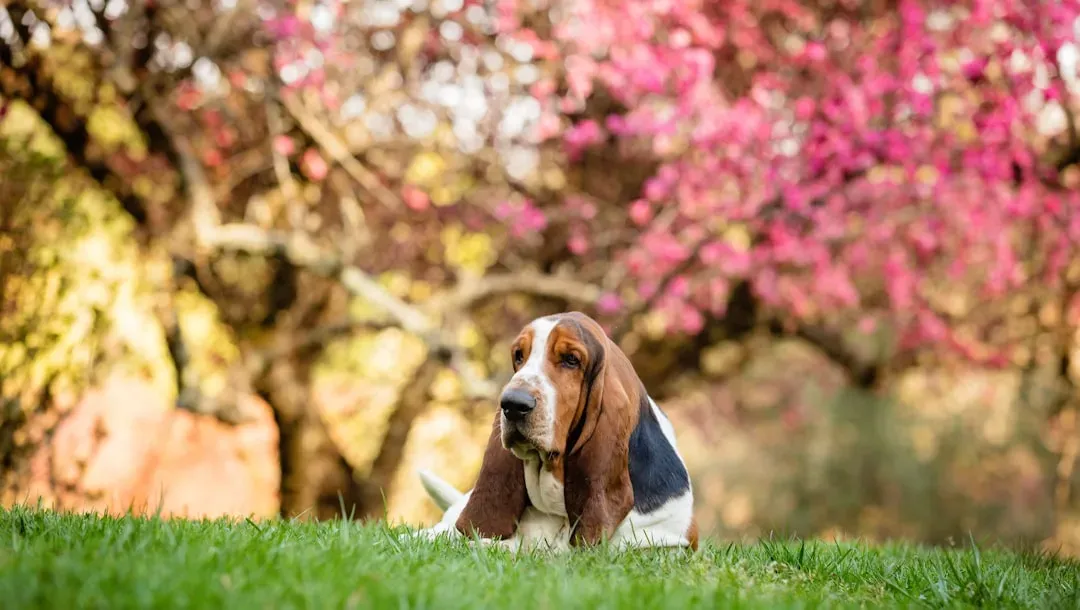
Basset Hounds, with their distinctive droopy eyes and long ears, are renowned for their affectionate and laid-back nature. They prefer napping over yapping, making them ideal for calm households. Known for their long ears, droopy expressions, and calm demeanor, Basset Hounds are true couch potatoes. Though they were originally bred for scent tracking, modern Bassets are more interested in lounging than chasing.
Basset Hounds are known for their low stature and floppy ears. They’re also very low energy and have an independent streak, which can make exercise and training activities a challenge. Patience with training pays off though. Basset Hounds may take longer to train, but the wait is worth it. These friendly dogs develop a tight bond with their owners over time and are known to be loyal and attentive. One health note to keep in mind: their long, heavy spine makes them prone to back problems, so avoid letting them jump from heights and keep their weight in check.
3. Cavalier King Charles Spaniel: Lap Dog Royalty
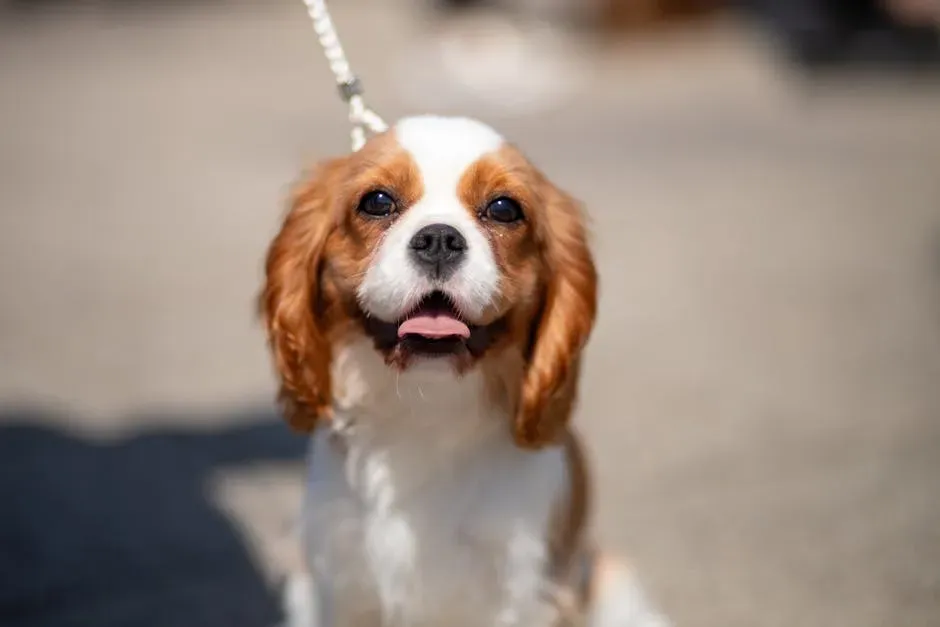
The Cavalier King Charles Spaniel is known for its gentle, sweet nature and calm temperament. With a cheerful expression and a constantly wagging tail, this affectionate lap dog makes a delightful family pet. Gentle, affectionate, and adorably regal, the Cavalier King Charles Spaniel is a favorite for good reason. These small, silky-coated dogs love curling up next to their humans and are typically happy with one or two short walks per day and some light indoor play. They bond deeply with their families and adapt well to apartment living.
A good combination for lightly active families, Cavalier King Charles Spaniels have an adaptable nature that can see them fit in with the lifestyles of the humans they love. Cavs can be a little athletic, due to their hunting lineage, but they also love snuggles and hate to be away from you for long. One thing to monitor: their insatiable need for human companionship means the Cavalier King Charles Spaniel may sometimes suffer from anxiety and they dislike being left alone for long periods. Also, this breed is known to be prone to heart conditions, so regular veterinary checkups are genuinely important.
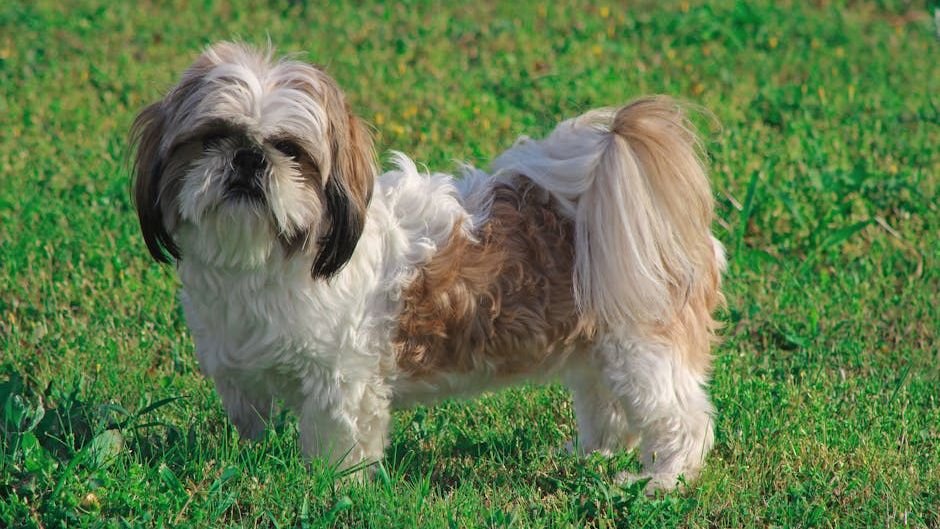
4. Shih Tzu: Small Dog, Enormous Chill
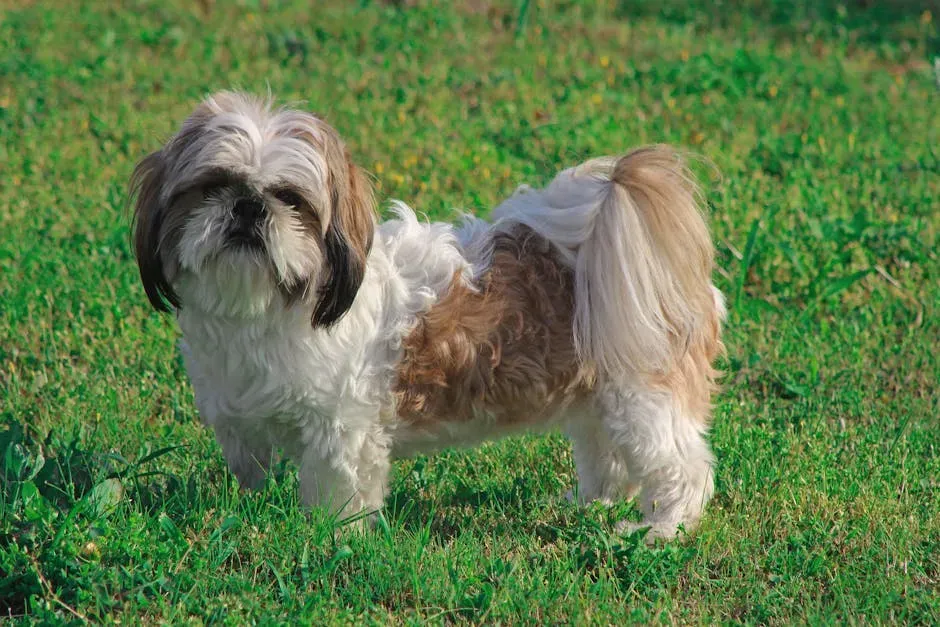
Shih Tzus were developed as companion dogs, and their lower exercise needs make them a natural fit for many low-energy households. This toy breed was bred to be a lap dog, and they haven’t forgotten it. Shih Tzus are happy spending the day snoozing near you, making them ideal for people who work from home or prefer a quiet lifestyle. They do enjoy playtime and walks, but they don’t need much to be satisfied.
On average, a Shih Tzu weighs 9 to 16 pounds when full-grown, which means that a short walk or some indoor play will suit their need for exercise. One health reminder: the breed’s flat face can increase the likelihood that they will experience heatstroke or overheating, so prioritize indoor activities during periods of hot weather. Their gorgeous long coat requires regular grooming, but many owners find that trimming it short makes daily maintenance much more manageable without sacrificing any of the breed’s charm.
5. Greyhound: The Surprising Couch Potato
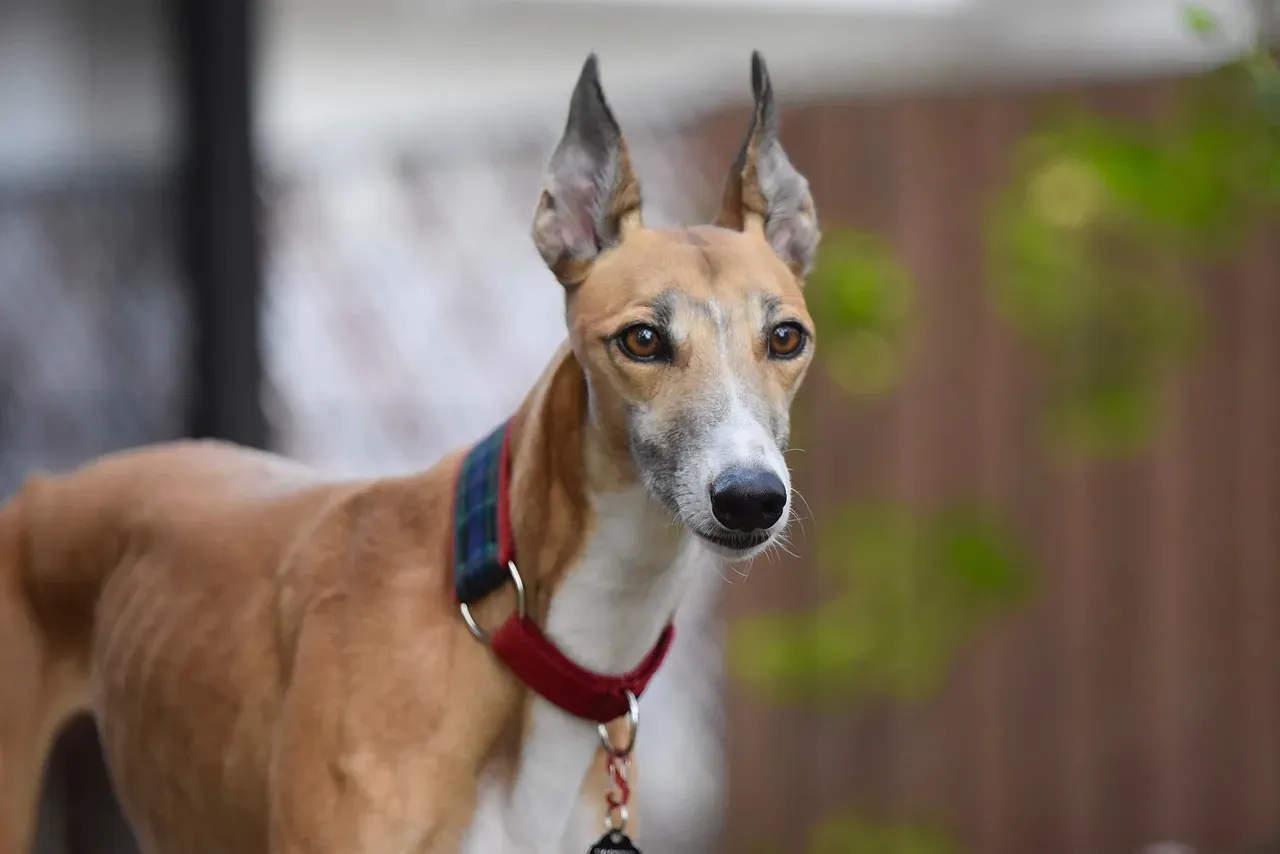
Most people hear “Greyhound” and picture a racing dog. The reality at home is almost the opposite. While these dogs are famous for their speed, they are sprinters rather than endurance athletes. This means the Greyhound often enjoys short bursts of activity followed by long rest periods of quiet relaxation. Despite being built for running, it’s known for being one of the quietest and most relaxed dogs once indoors. Whippets rarely bark and spend most of their day lounging peacefully around the home.
While these dogs are famous for their speed, they are sprinters rather than endurance athletes. This means the Greyhound often enjoys short bursts of activity followed by long rest periods of quiet relaxation, as noted by the AKC. A daily walk and occasional access to a securely fenced area to stretch is all they truly need. Provide soft dog beds to support their lean bodies, as Greyhounds have very little body fat and can develop pressure sores without proper cushioning. One thing to note is their natural prey drive, which can make them tricky around smaller animals.
6. French Bulldog: Urban Calm in a Compact Package

French Bulldogs are popular partly because their lower exercise needs and compact build fit modern urban living very well. According to the AKC, the French Bulldog is a compact, easygoing breed that thrives in quiet, low-maintenance homes. Known for its signature bat ears and affectionate personality, this small dog enjoys being near its owner without requiring constant activity.
The French Bulldog is a low energy breed that doesn’t need a huge amount of exercise. They’re happiest when they can spend time with their family, whether it’s a short stroll or simply relaxing by your side. Like all flat-faced breeds, Frenchies can struggle with heat and humidity. Brachycephalic dogs face breathing difficulties, joint problems, and heat sensitivity, so keeping them cool and scheduling regular vet visits is essential. Their overall health should always factor into the decision to bring one home.
7. Newfoundland: The Gentle Giant Who Prefers Stillness
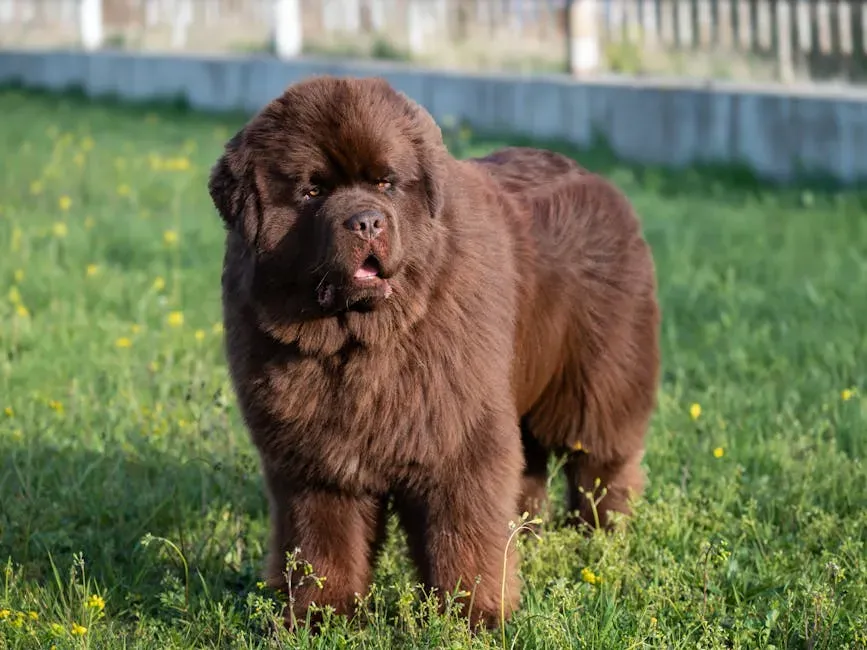
A Newfoundland, or Newfie, is a lovable and large low-energy dog breed. A calm and loyal disposition is a hallmark of this breed, which was bred for heavy work and water rescues in their namesake homeland of coastal Canada. Despite that impressive working history, today’s Newfoundlands are famously mellow housemates. Newfoundlands are large, gentle dogs that are often lower energy than their size suggests and are excellent low-energy giant dogs for families who have enough room and accept the maintenance tradeoffs.
While this dog may look intimidating, Newfoundlands are actually some of the sweetest canines around. In fact, all this lovely soul truly wants is to be welcomed into your family and feel at home. Their thick double coat requires consistent grooming and they do shed considerably, so be prepared for that commitment. Many giant breeds are known for their calm demeanor, but also for short life spans. These big dogs may be particularly prone to several health conditions, including hip dysplasia, dilated cardiomyopathy, and bloat, making proactive veterinary care a real priority for Newfie owners.
8. Pekingese: Small, Regal, and Wonderfully Unhurried
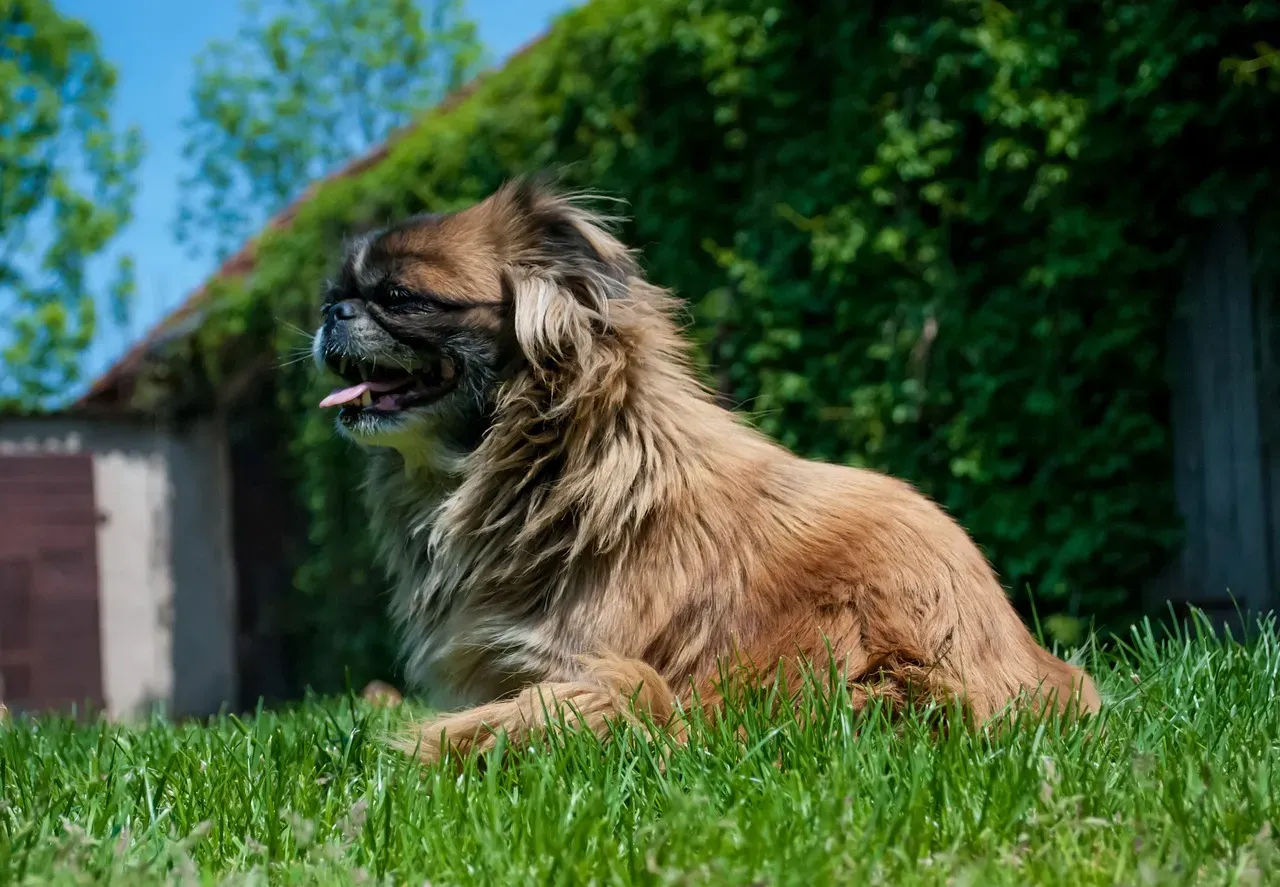
The Pekingese is a regal, independent toy breed with a surprisingly low-energy lifestyle. Once cherished by Chinese royalty, these small dogs are known for their calm temperament and tendency to spend hours lounging near their owners. Despite their royal heritage, Pekingese are surprisingly low-maintenance when it comes to exercise. They prefer quiet companionship over rough play and rarely bark unless truly necessary. This makes them ideal for apartment dwellers or retirees seeking a peaceful pet.
Pekingese are affectionate but not clingy, content to relax near their humans without demanding constant attention. Their steady nature makes them reliable and easy to live with. Their long, flowing coat adds to their majestic appearance, and while it needs regular brushing, the grooming routine becomes an enjoyable bonding experience. Worth noting for new owners: their flat face places them in the brachycephalic category, meaning hot weather and strenuous activity should both be limited, particularly in summer.
9. Bernese Mountain Dog: Calm, Loving, and Built for Cool Days
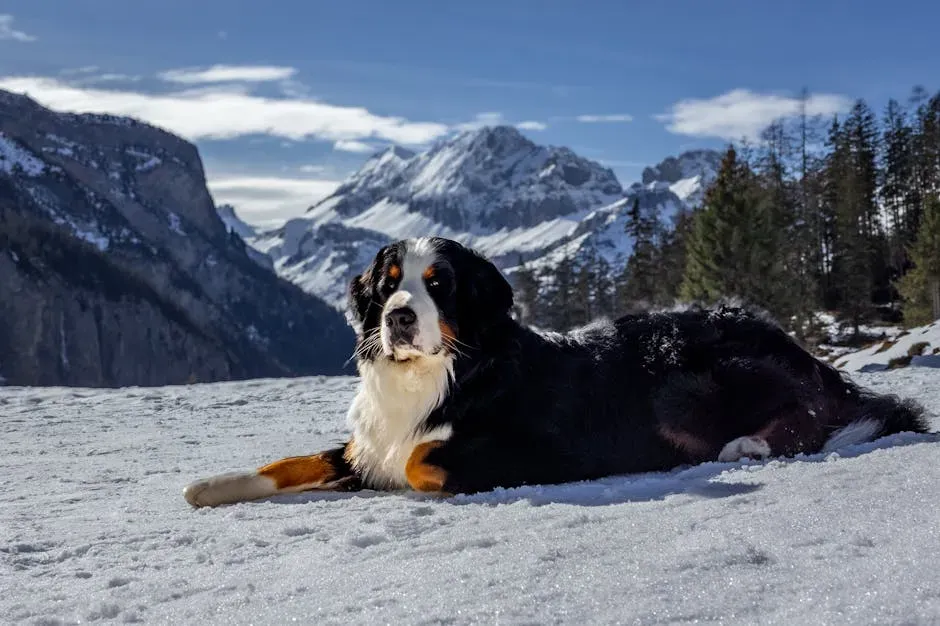
Bernese Mountain Dogs are the majestic big dog of the Swiss Alps. If they have to be active, they prefer cooler weather for sure. They’re a low-energy dog with a calm nature who loves to lean in for a good fuss and are great with children and bustling families. Despite a history as a working farm dog, most Bernese Mountain Dogs prefer to spend the majority of the day on the sofa or a cushy bed. The breed is known for being good-natured and patient and will readily play with their human family.
Keep in mind that the thick double coat of a Bernese Mountain Dog can cause overheating issues, so use caution when exercising these dogs outdoors in warm weather. Because of their size, they are a very calm breed that enjoys affection from people and can be considered low activity. They prefer a quiet life and like to indulge themselves in moderate physical exertion in fresh air. They are kind and often patient, making them excellent partners for people of all ages. Their lifespan, typically around seven to ten years, is shorter than smaller breeds, so cherish every slow, steady day with them.
10. Saint Bernard: The Mountain-Sized Napper
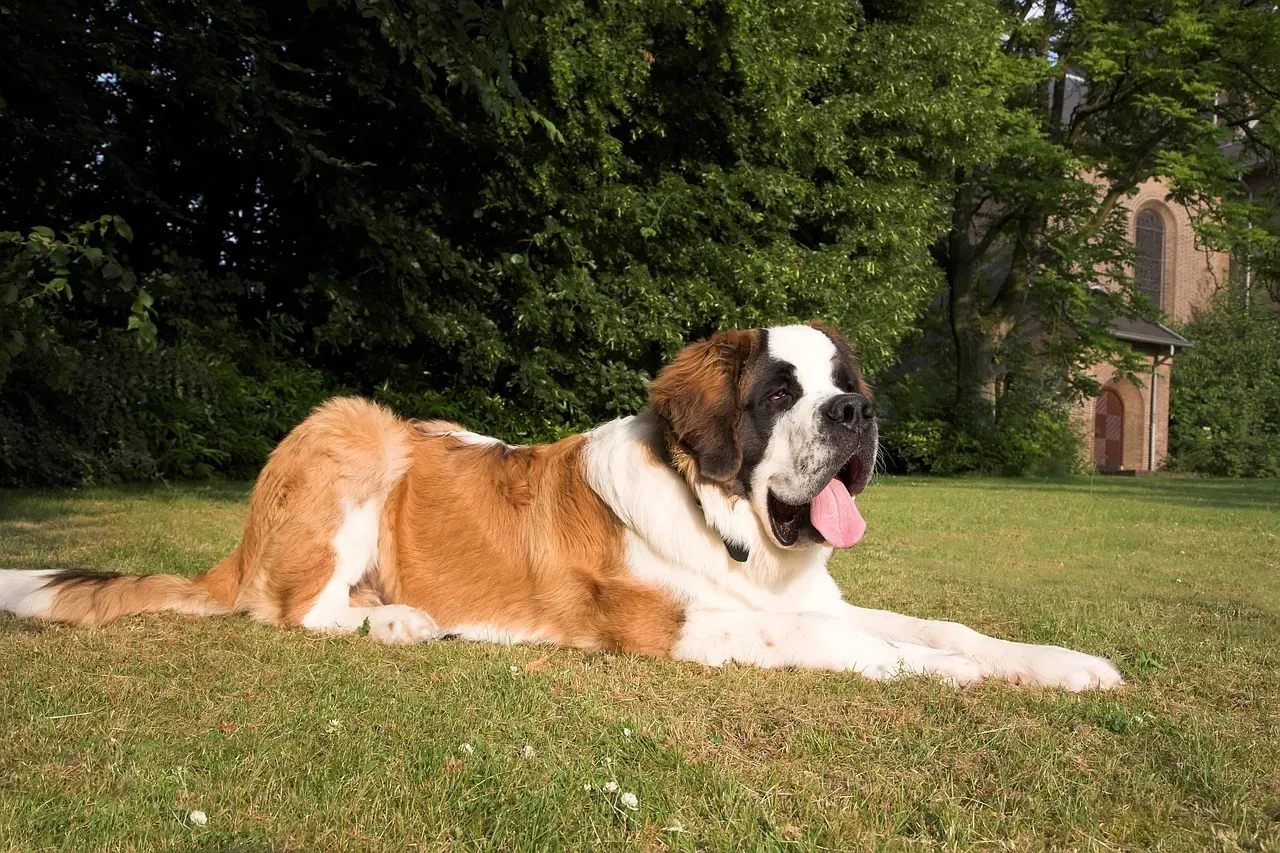
Among the most low-energy large dog breeds is the Saint Bernard. These gentle giants reach up to 150 pounds in size but have a laid-back demeanor and are known to be one of the calmest dog breeds. Saint Bernards are massive dogs with a generally calmer pace and lower exercise demands than many people expect, and they are good low-energy dogs for homes that want a giant calm presence and can handle the logistics.
These giant dogs are sensitive creatures who thrive in relaxed homes with laid-back humans. A Saint Bernard loves learning and is eager to please. They make friendly family dogs that enjoy all household activities. Originally bred for rescue work, they are now known for their loving and calm nature. They need space due to their size but don’t require intense exercise. Drool management is a real part of Saint Bernard life, as is monitoring their diet closely since their size puts them at risk for joint stress and bloat if they carry excess weight.
Conclusion: Finding Your Perfect Slow-Paced Partner
Choosing a dog that genuinely fits your lifestyle isn’t settling. It’s smart. The goal is to choose a dog whose healthy exercise needs match your realistic lifestyle. Whether you’re drawn to the snoring charm of an English Bulldog or the gentle mountain warmth of a Saint Bernard, there’s a calm, devoted companion on this list ready to match your rhythm.
Regular exercise is vital for the physical health and mental well-being of all dog breeds, even if they are considered to be low-energy. A dog that isn’t getting enough exercise is prone to health and behavioral issues. The sweet spot is a dog that doesn’t demand more than you can give, while still receiving everything they need to thrive. Choosing a low energy dog can be one of the best decisions for individuals or families seeking a relaxed companion. These breeds offer affection, loyalty, and calm temperaments without the demands of high-intensity exercise. By understanding their traits and meeting their basic needs, you can enjoy a fulfilling, stress-free relationship with a furry friend who matches your lifestyle perfectly.
The slow life, it turns out, is something dogs can be exceptionally good at. Sometimes the best thing a dog teaches you is how to actually rest.


