
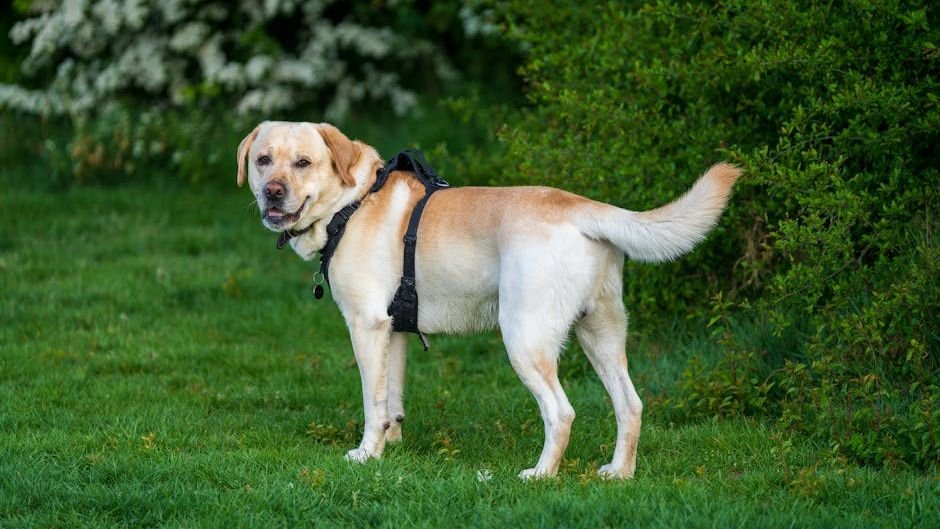
There’s something almost elemental about the sight of a Lab bounding across a Georgia field at dawn, or shaking off river water at the edge of a South Carolina dock. It doesn’t feel like a coincidence. It feels like the dog belongs there.
The South has its own distinct way of life, and few dog breeds have woven themselves into that fabric as completely as the Labrador Retriever. The question isn’t just why Labs are popular across the country. It’s why they feel so specifically, almost stubbornly at home in this particular corner of it.
A Deep Connection to Southern Hunting Traditions
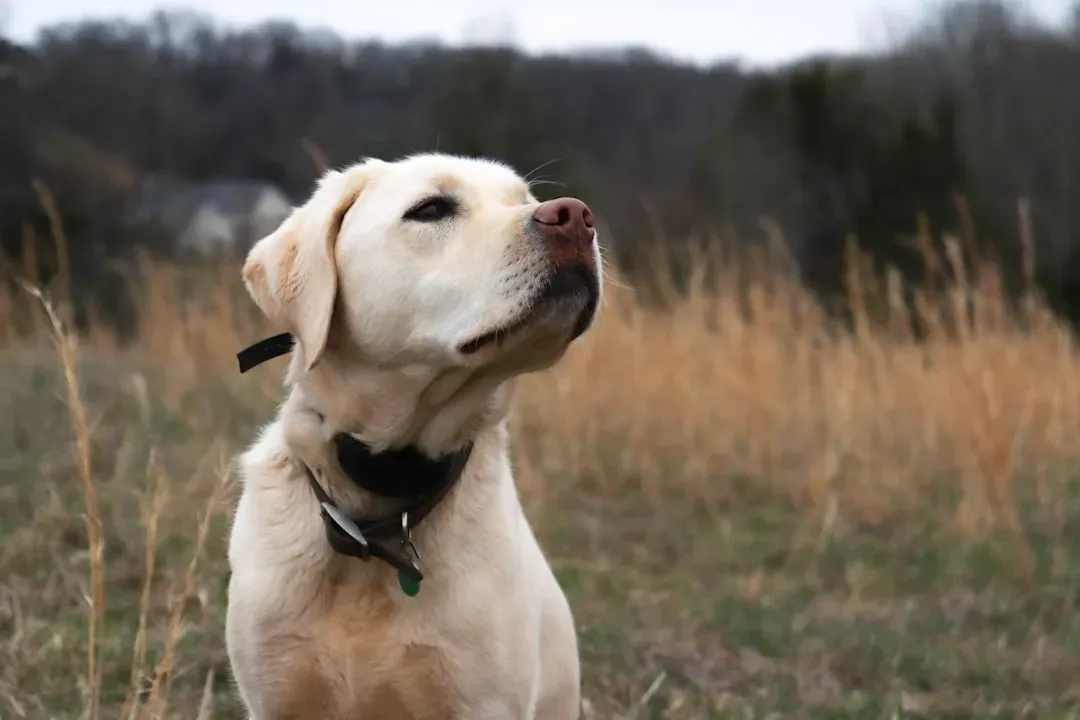
Georgia and the Carolinas sit in the heart of some of the finest waterfowl habitat in North America. For hunters who spend their early mornings in flooded timber or coastal marshes, a reliable retriever isn’t a luxury. It’s a working partner.
Labradors are natural swimmers, and their water-repellent double coat and webbed feet make them exceptionally adept at retrieving game from water – a skill that is invaluable for waterfowl hunting, where they may need to navigate through lakes, rivers, and marshes. That physical toolkit was shaped by centuries of working in cold, wet environments, and it translates perfectly to the wetlands of the Lowcountry and the coastal flats of Georgia.
Suited mentally as well as physically to the demands of the hunt, the Labrador Retriever possesses an intelligence and a willing temperament that make it highly trainable. Labs are predisposed to learn new skills and accept directives, and the skills associated with hunting are among its most deep-seated.
That tradition of competitive field work is alive and active across the South, with Georgia in particular drawing serious retriever enthusiasts during peak field trial season. For families where hunting is a generational ritual rather than a weekend hobby, the Lab isn’t just the right dog. It’s the only dog that makes sense.
The Temperament That Fits Southern Family Life
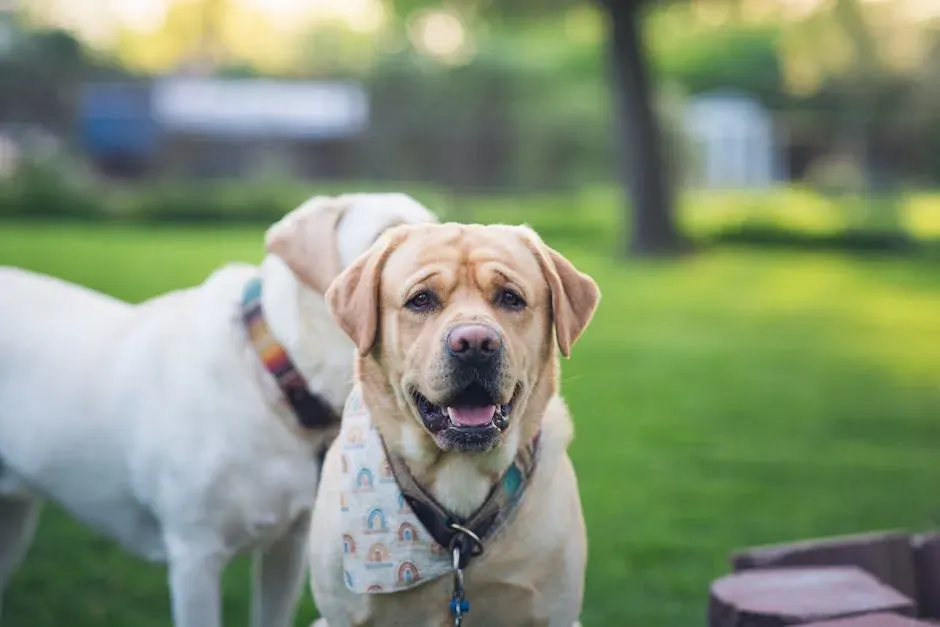
Southern family culture tends to be warm, social, and outdoors-oriented. It’s a lifestyle that calls for a dog that can move fluidly between the backyard, the neighborhood, the dock, and the deer camp. The Lab does this with an ease that few other breeds can match.
The Lab’s temperament is often described as having an “on/off switch,” allowing it to be calm and composed indoors while being energetic and playful outdoors, seamlessly integrating into various family dynamics. That balance matters enormously in a household where school-age kids are chasing each other through the yard one minute and everyone’s settled in for dinner the next.
Labrador Retrievers are not only warm to their owners but tend to get along well with strangers and other dogs too, with their playful and easygoing nature helping them adapt to different environments. It’s a trait that makes them a natural choice for families who entertain often or have multiple pets under one roof.
These dogs are known for their friendly demeanor, making them excellent companions for children, adults, and even other pets, with their warm nature encouraging social interactions. In communities where front porches, neighborhood gatherings, and big extended families are the norm, a dog with that kind of social ease fits right in.
Built for the Outdoors: Physical Traits That Match the Region
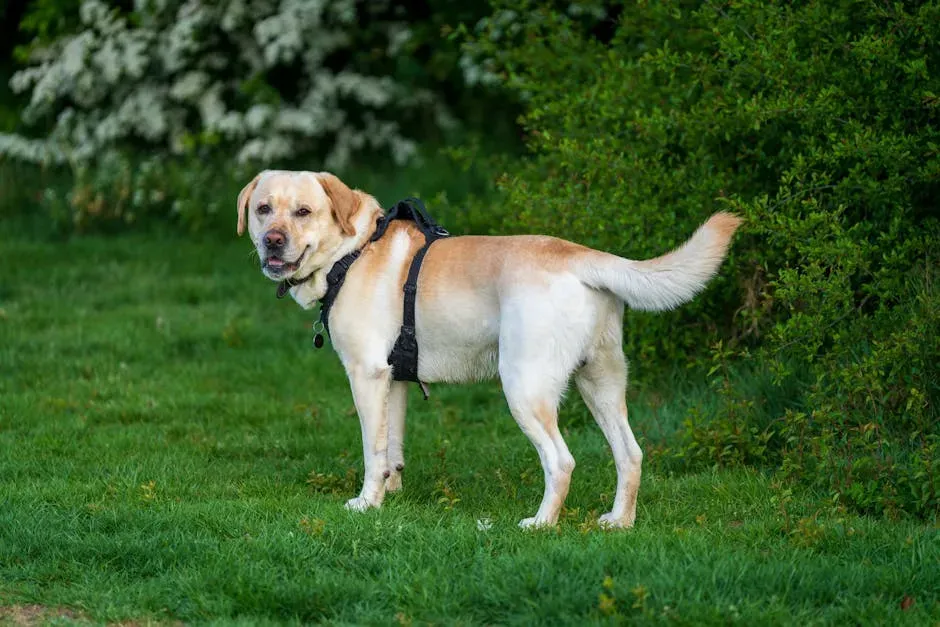
Despite their somewhat muscular build, Labs are agile. Well-conditioned Labrador Retrievers can reach top speeds of 30 miles per hour while maintaining flexibility to jump and bend with ease. This makes a Lab an excellent choice for an active outdoor lifestyle.
Labs are bright, sociable, companionable, biddable, outgoing, and even-tempered. Adaptable to many living and working situations, they have excellent stamina and a fine work ethic. For Southern dog owners who spend genuine time outdoors – hiking, paddling, fishing, or just roaming acres of backwoods – that stamina is not a minor feature. It’s the whole point.
This area lends itself well to the life of a Labrador – duck hunting, lake activities, dock diving, fishing, jogging, and retrieving are just about anything that a Lab can accompany you with. The breed’s physical design and the region’s terrain seem made for each other. Few other breeds cover that much ground – both literally and figuratively – with such reliable enthusiasm.
Health Realities Every Southern Lab Owner Should Know

Common health issues include hip dysplasia, obesity, ear infections, and bloat, but a balanced diet and exercise can help prevent these. Being aware of these risks early isn’t pessimistic. It’s what responsible ownership looks like in practice.
Labs are prone to several joint conditions, including elbow and hip dysplasia, where the joints don’t develop properly, causing instability and abnormal wear over time. They are also at risk for cranial cruciate ligament tears, a common injury that can cause sudden pain and limping. These joint issues often lead to arthritis, a chronic condition that results in stiffness, discomfort, and reduced mobility, especially as your Lab ages.
Labrador Retrievers’ lovable floppy ears and soft coats are part of what makes them so endearing, but they can also make these dogs more prone to health issues like ear infections and skin problems. Their ears can trap moisture, dirt, and debris, creating a warm, humid environment where bacteria and yeast thrive. Likewise, their skin can be sensitive and prone to hot spots or allergic reactions, especially in warm or damp conditions. Given the heat and humidity of a Georgia or Carolina summer, this is something every Lab owner in the region should watch for year-round.
Prevention tips matter here: clean their ears weekly and dry them after swimming. If your Lab is scratching at their ears or skin, shaking their head, licking or chewing at certain areas, or seems generally uncomfortable, it might be time for a check-up. Catching these issues early keeps a small problem from becoming a chronic one.
A Thriving Breeder Culture That Raises the Standard
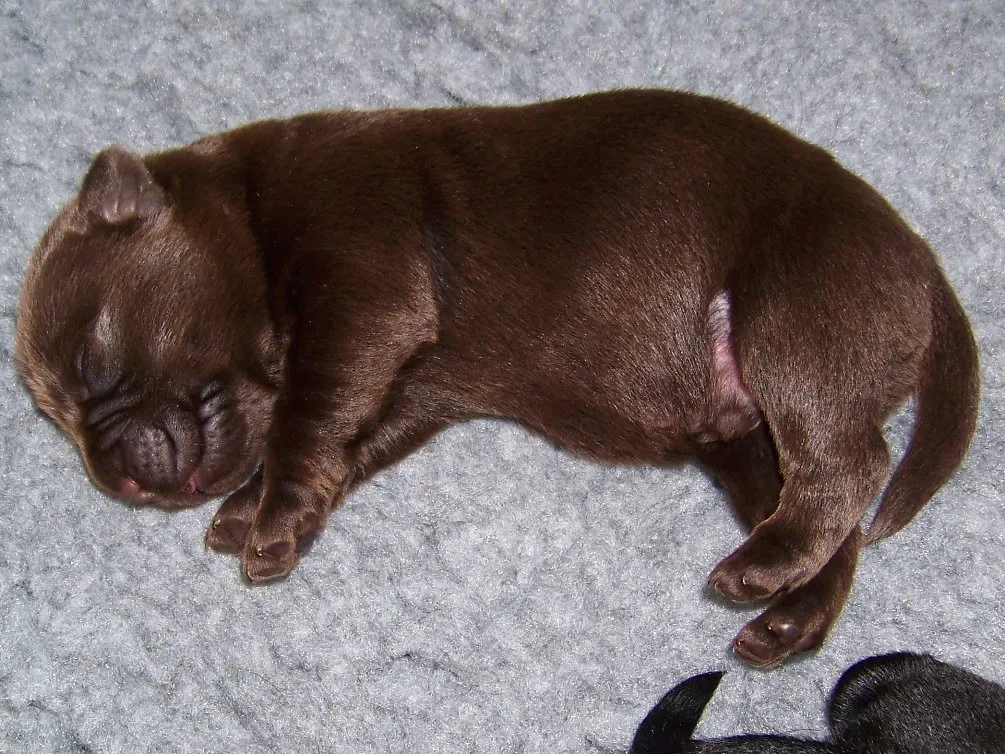
The strength of the Labrador’s presence in Georgia and the Carolinas isn’t accidental. The region has developed a genuine community of dedicated breeders who take the breed seriously, producing dogs for working hunters, show competitors, service roles, and family homes alike. That kind of depth means buyers have real options – and real accountability from the people raising these dogs.
Health clearances covering OFA hip, elbow, and eye evaluations, as well as EIC and CNM testing, are considered essential standards that serious buyers should not compromise on. If a breeder can’t provide these, keep looking. The short-term savings rarely justify the long-term cost of preventable health problems.
Raised on large farm properties, many regional puppies are produced to be used as hunting, search and rescue, and therapy dogs, as well as pets, with breeders using stringent screening processes to find the best homes and owners for their puppies. That screening goes both ways. Good breeders want to know your lifestyle, your household, and how you plan to raise the dog. That mutual accountability is a healthy sign.
Labrador Retrievers are highly intelligent and generally easy to train, responding well to positive reinforcement methods such as treats, praise, and consistency. Early training and socialization are especially important to help them develop good manners and confidence. Starting that work early – ideally from the first week home – sets the foundation for everything that comes after.
Conclusion: More Than Just Popularity
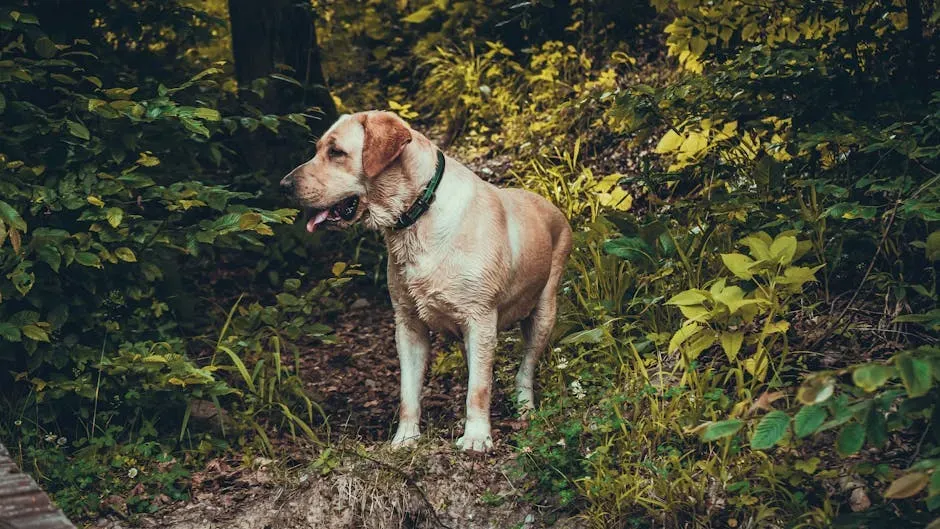
The Labrador Retriever’s grip on Georgia and the Carolinas isn’t purely about numbers or national popularity polls. It’s rooted in something more specific. The region’s terrain, its hunting culture, its family values, and its unhurried relationship with the outdoors all seem to call for exactly the kind of dog the Lab is.
None of that means Labs are a perfect fit for every Southern household. They need real exercise, consistent training, attentive health care, and a family that genuinely engages with them. A bored or undertended Lab will let you know about it, usually through your furniture.
Still, for the families in Georgia, North Carolina, and South Carolina who already know the feeling of a yellow Lab pressed against their leg at the end of a long day outdoors, the explanation is simpler than any article can capture. The right dog in the right place just feels like home.


