
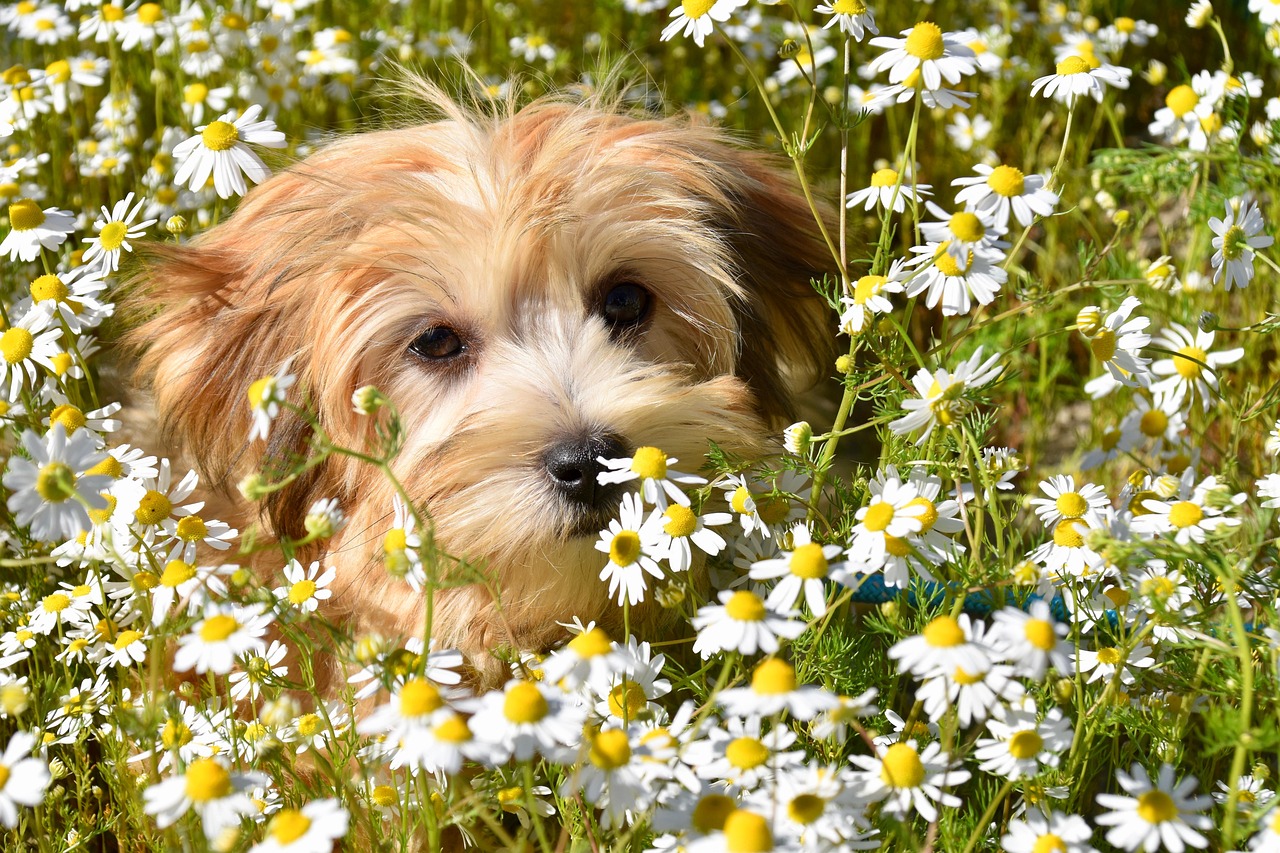
If you’ve ever found dog hair in your coffee mug, stuck to your black jeans, and somehow embedded in your phone case, you know that loving dogs and loving cleanliness can feel like a constant tug-of-war. The good news is you don’t have to choose between a fur-covered home and having a canine best friend – some breeds are simply much lighter shedders than others.
These dogs are not magically “no maintenance,” but they can make life a lot easier if you’re tired of vacuuming every other day or you’re worried about allergies. Let’s walk through ten popular, low-shedding breeds that keep the love and lose most of the loose hair, along with what it really feels like to live with each one.
Poodle (Toy, Miniature, and Standard)
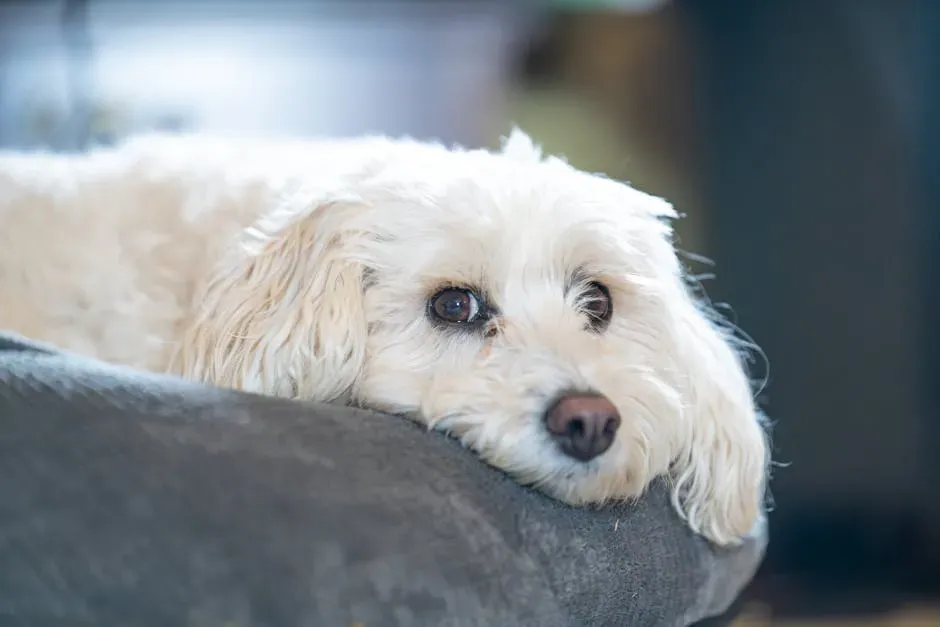
Ask groomers which breed shows up most in “hypoallergenic” mixes and the answer is almost always the Poodle. Poodles have a single, curly coat that holds onto loose hair instead of dropping it all over your furniture, which is why you don’t usually see clouds of fur after they shake. That makes them a favorite for people who want less visible shedding without giving up a smart, trainable dog.
The trade-off is that their coat needs regular care: brushing, trims, and professional grooming every few weeks if you want that tidy, iconic look. I once fostered a Miniature Poodle who barely shed at all, but if I skipped brushing for even a few days, his curls turned into tiny dreadlocks. If you like the idea of a dog that sheds less but don’t mind a bit of beauty maintenance, a Poodle can be the perfect balance of clean house and big personality.
Bichon Frise
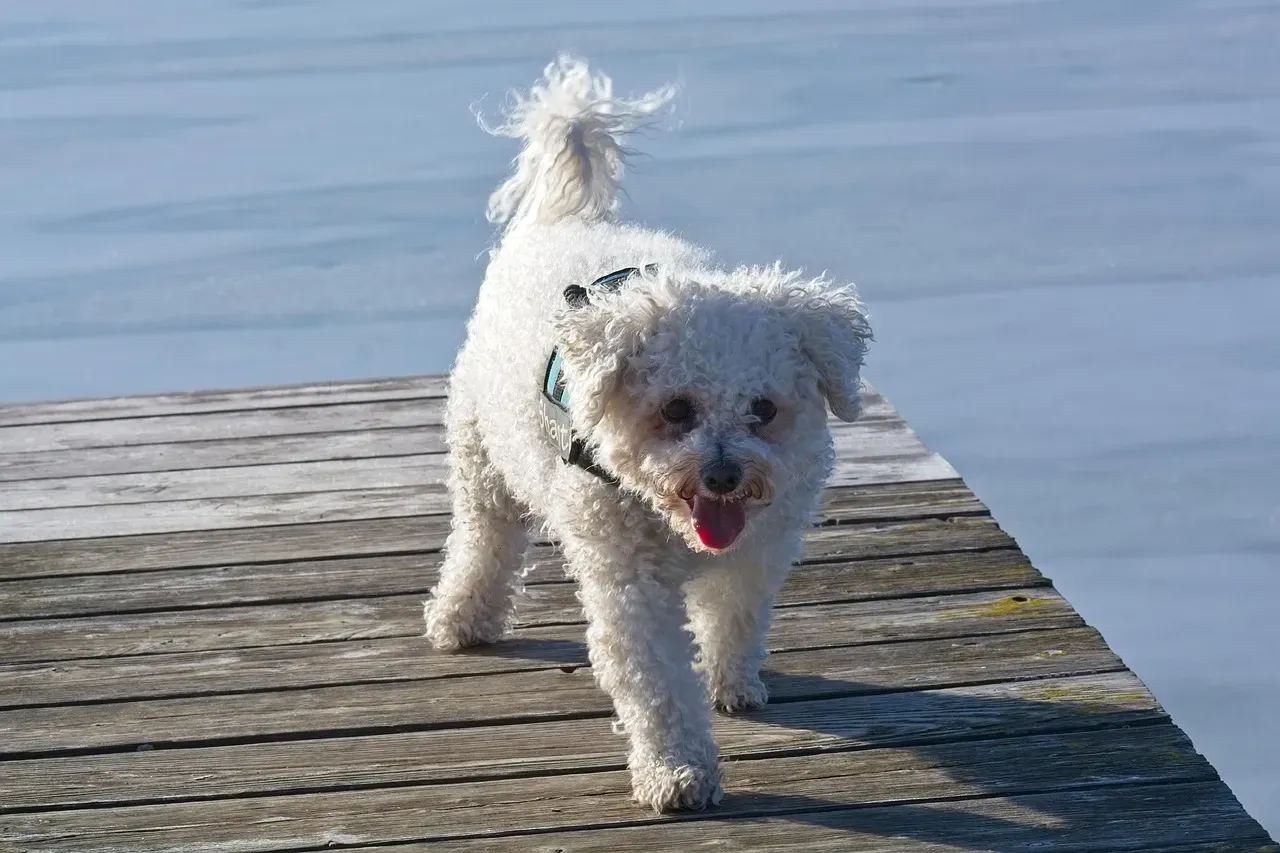
Bichon Frises look like little clouds with legs, and in a way, they behave like sunshine too – cheerful, social, and constantly ready to make you smile. Their soft, dense, curly coat sheds very lightly, with most loose hair getting trapped in the undercoat rather than drifting across your floors. That makes vacuuming easier, especially compared to heavier-shedding small dogs like Pomeranians or Corgis.
However, that cottony coat needs some commitment. You’ll be brushing several times a week to prevent tangles and taking them in for regular grooming to keep that round, teddy-bear face. If you want a happy-go-lucky lap dog who won’t leave much hair on your couch but you’re okay with a standing grooming appointment, the Bichon is a charming choice that rarely feels like a “messy” dog.
Maltese
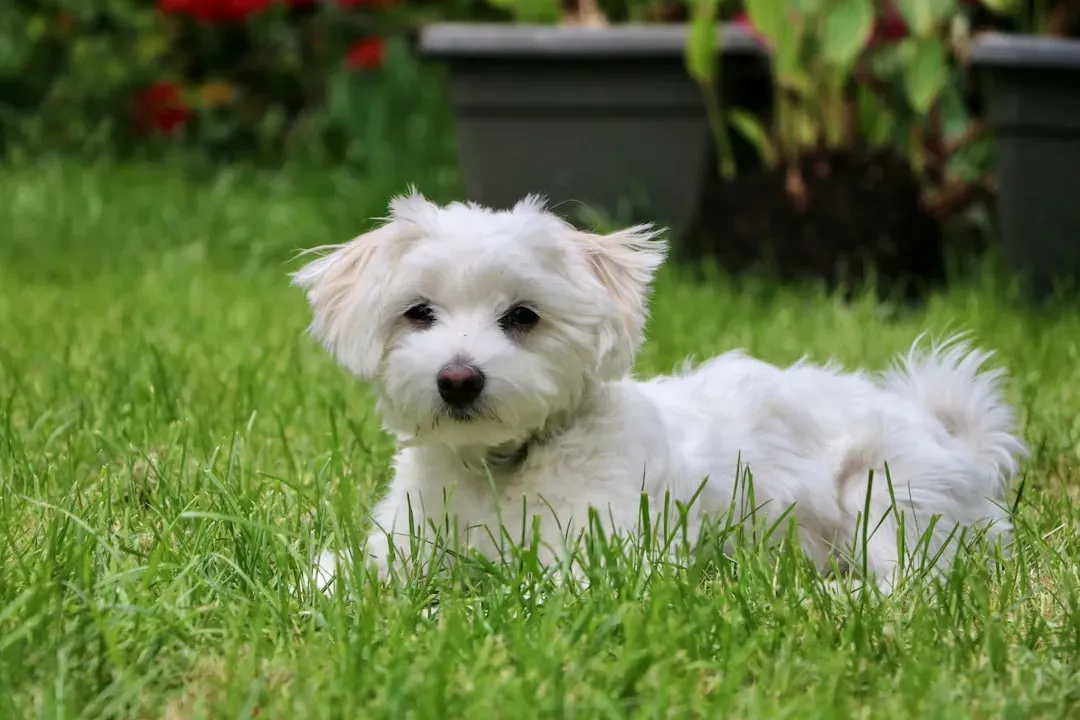
The Maltese is the tiny, elegant companion people picture in old paintings: long, silky white hair and big, dark eyes. Unlike many fluffy breeds, the Maltese coat is more like human hair than traditional dog fur, and it sheds very little throughout the year. You won’t usually find tumbleweeds of Maltese hair rolling through the hallway, which is a relief if you like a tidy home.
The flip side is that while they don’t shed much, their fine hair can tangle and mat if you skip brushing. Many owners choose a “puppy cut” to keep the coat short and practical, which still looks adorable and keeps shedding minimal. If you want a small, affectionate dog that fits easily into apartment life and doesn’t snow your floors in hair, the Maltese is a gentle, low-shedding gem.
Shih Tzu
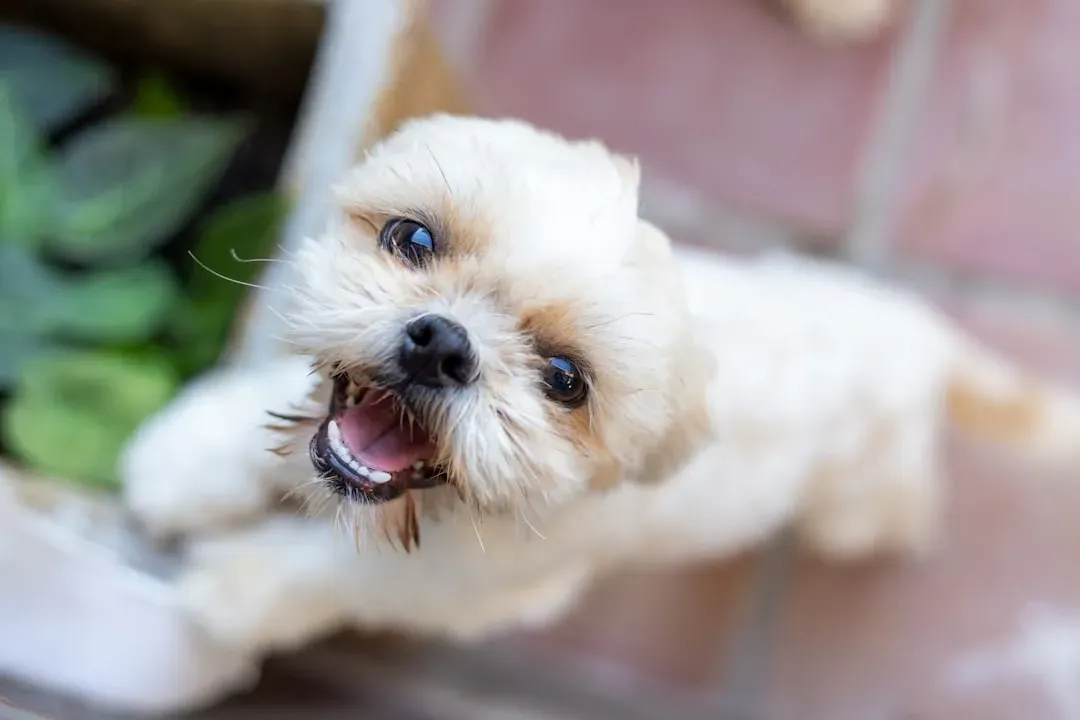
Shih Tzus were originally bred as companion dogs in royal palaces, and they definitely still carry themselves like little aristocrats. Their long, flowing coats might look like they’d shed everywhere, but surprisingly, they are light shedders, with much of their hair staying in place rather than ending up on your furniture. The texture of their coat, like the Maltese, is closer to hair than traditional fur.
You do have to pick your trade-off: less vacuuming, more brushing. Shih Tzus benefit from daily combing and fairly regular grooming visits, especially if you keep their coat long. Many people go for a shorter, low-maintenance haircut, which keeps them comfortable and still keeps shedding under control. If you love the idea of a calm, people-oriented lap dog and don’t mind combs and clippers, a Shih Tzu fits that “less mess, more cuddles” vision very well.
Portuguese Water Dog
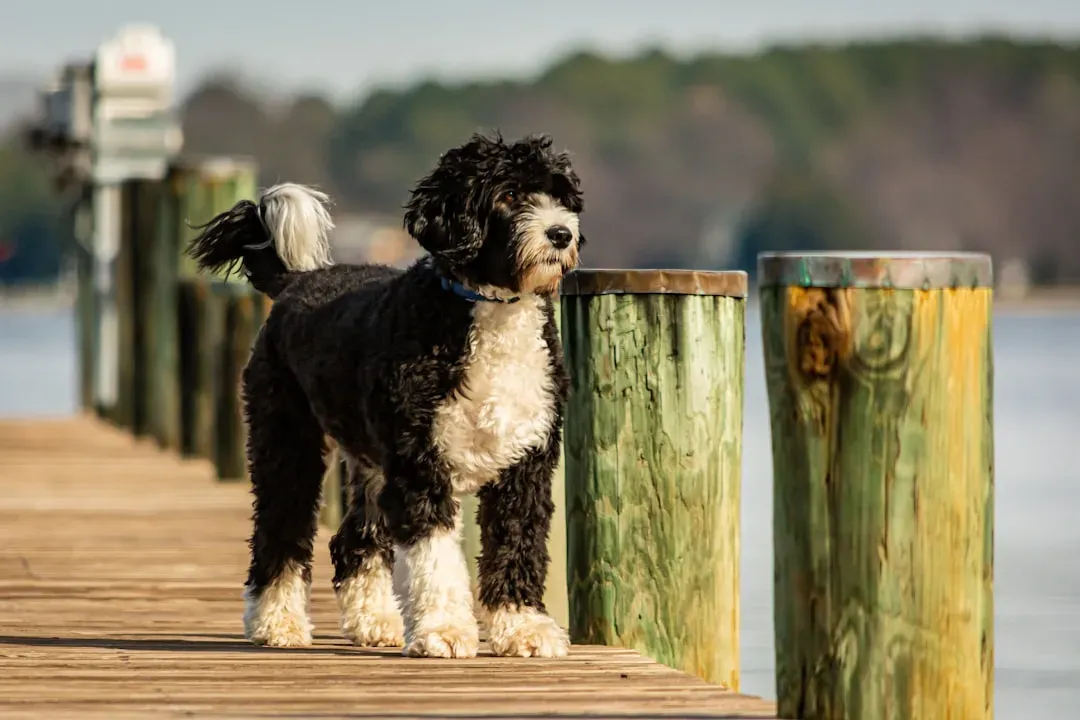
If you want a dog that can keep up on hikes or by the lake but still keeps hair off your car seats, the Portuguese Water Dog is a strong contender. They have a curly or wavy coat that sheds very little compared to many similarly sized breeds, which is one reason they’ve become popular for families concerned about shedding. Their coat tends to catch loose hair rather than dropping it, which is easier on your furniture but does mean more regular grooming.
These dogs are energetic, smart, and happiest when they have a job – or at least a busy schedule of walks, play, and training. I once met a Portuguese Water Dog at a beach who spent an hour happily diving after sticks, then hopped into the car without leaving hair stuck all over the seats. If you want an athletic, medium-sized dog and care more about outdoor adventures than endless lint rolling, this breed hits a sweet spot.
Schnauzer (Miniature, Standard, and Giant)
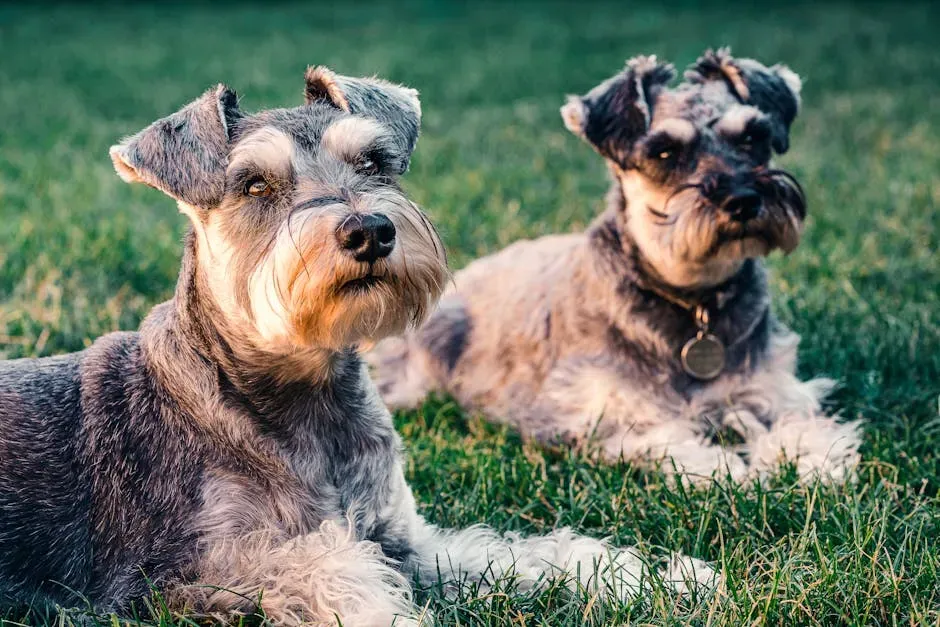
Schnauzers look like serious old philosophers with those eyebrows and beards, but they are actually lively, loyal, and often very playful. Their wiry, double coat is known for being low shedding; you won’t typically see big seasonal blowouts like you do with Huskies or German Shepherds. That makes them appealing for people who prefer a more controlled grooming situation and less visible hair on floors and furniture.
That wiry texture does need specific care: hand-stripping or regular clipping depending on your grooming preferences. Many pet owners opt for clipping, which softens the coat a bit but keeps shedding light and manageable. If you like a dog with character, expression, and a strong “we’re a team” vibe, but don’t love fur stuck to every surface you own, a Schnauzer in any size can be a tidy, charismatic companion.
Yorkshire Terrier
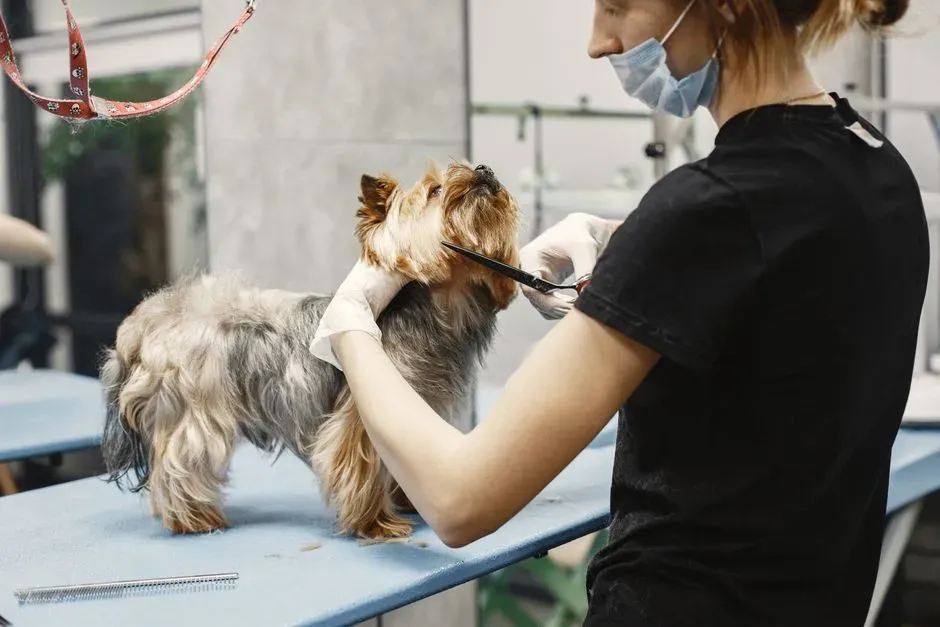
Yorkies are tiny, bold, and act like they never got the memo about their size. Their long, straight, silky coat sheds minimally and, again, is often compared to human hair rather than fluffy fur. That means you’re much less likely to be pulling Yorkie hair off your clothes or out of your laundry filter, which is a big plus in small spaces.
The catch is that grooming can be a bit of an art form if you keep their coat long, with regular brushing to prevent tangles. Many people choose a shorter, playful cut that keeps maintenance simple while preserving that trademark Yorkie charm. If you want a pocket-sized dog with a big attitude and very little shedding, a Yorkshire Terrier can feel like the best of both worlds: tiny drama, minimal cleanup.
Basenji
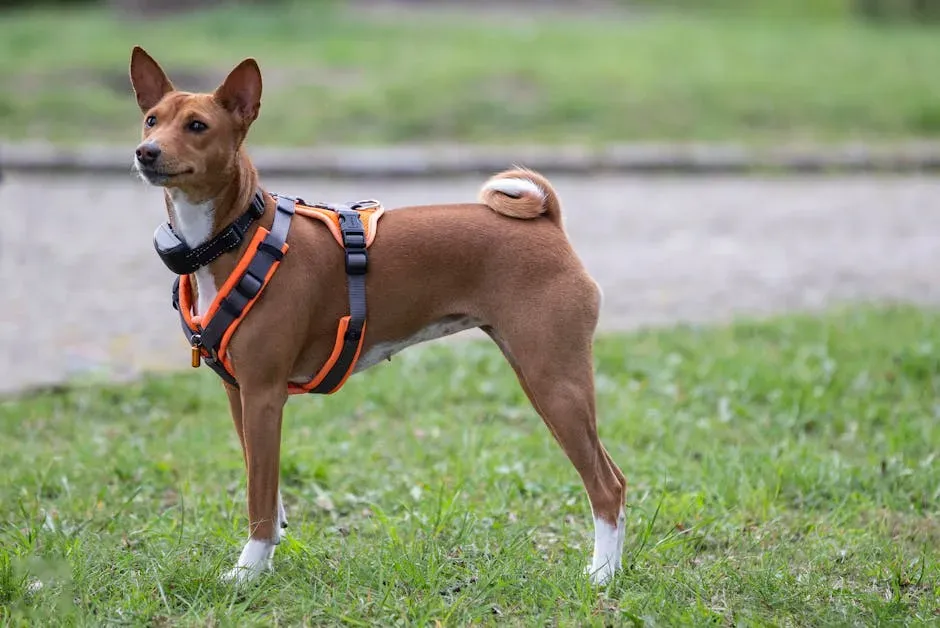
The Basenji is often called the “barkless dog,” but it deserves equal fame as a very low-shedding, almost cat-like breed. Their short, fine coat sheds very lightly and is easy to maintain – usually just occasional brushing and a quick wipe-down if they get dirty. You’re unlikely to find much Basenji hair around the house, especially compared to fluffy or double-coated breeds.
What surprises many people is how clean they keep themselves, grooming with a fastidiousness that feels more like a cat than a dog. They are active, smart, and a bit independent, which I personally find fascinating but not everyone does. If you want a sleek, athletic dog that does not smell strongly, does not shed much, and brings a quirky, almost ancient feel to the household, the Basenji might be your unexpected favorite.
Chinese Crested (Hairless and Powderpuff)
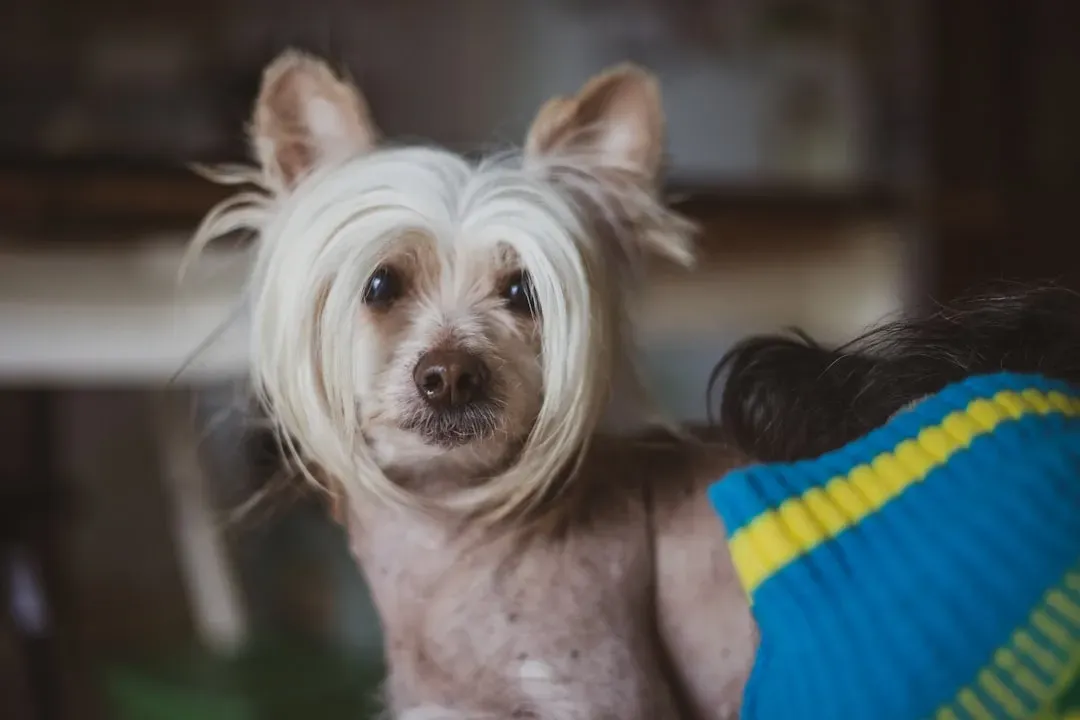
The Chinese Crested is one of those breeds people either adore at first sight or need a moment to warm up to, especially the hairless variety. The hairless type has hair mainly on the head, tail, and feet, with very little overall shedding because there simply isn’t much fur to lose. The Powderpuff variant has a full coat, but even then, they are considered relatively light shedders compared to many other small breeds.
With hairless dogs, the grooming focus shifts from fur to skin care: sunscreen, moisturizing, and occasional baths to keep them comfortable and healthy. For some people, that trade-off is absolutely worth it to avoid loose hair completely. If you want a unique-looking, velcro-style companion who sticks close and keeps the vacuum in semi-retirement, the Chinese Crested is far more practical than its dramatic appearance suggests.
Havanese
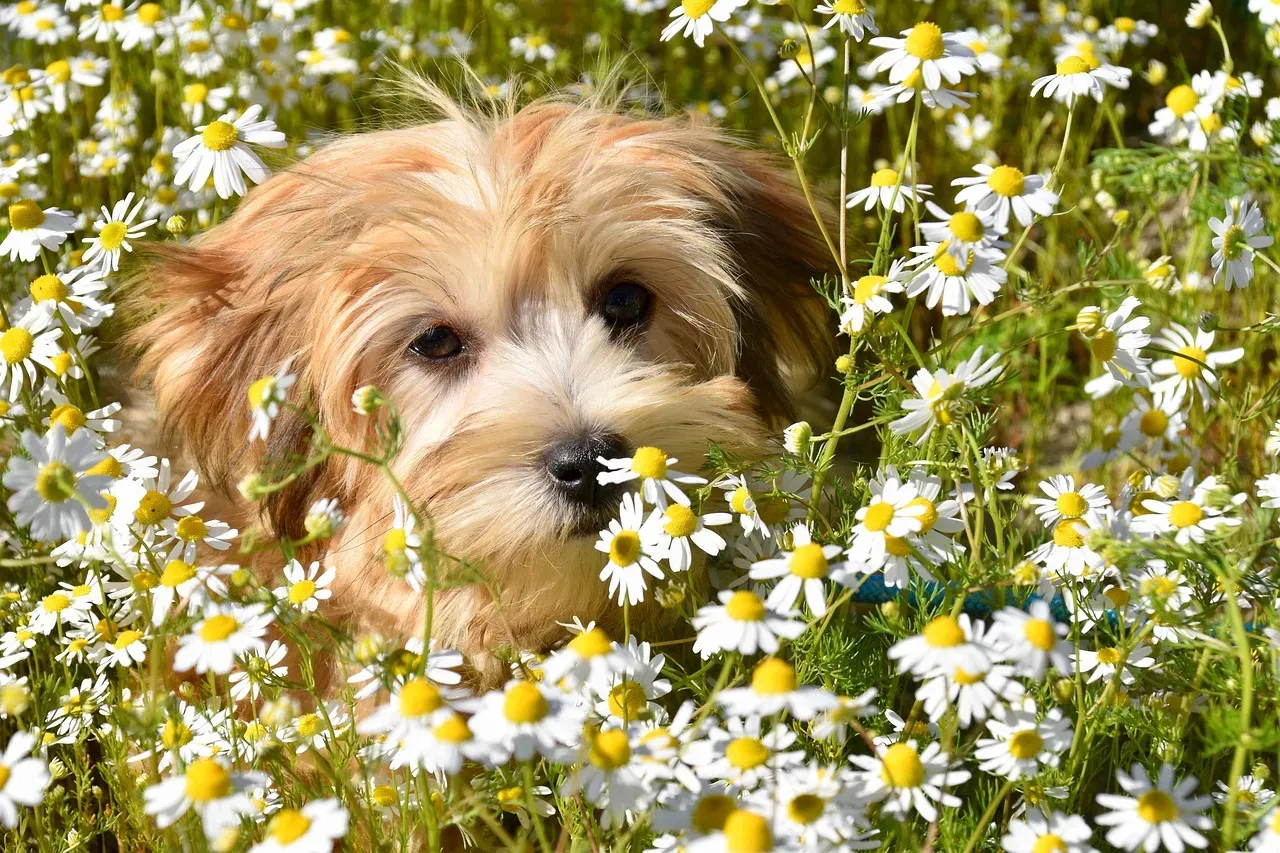
The Havanese, the national dog of Cuba, is a small, sturdy companion with a surprisingly versatile coat. Their long, silky hair sheds lightly and tends to stay on the dog rather than your furniture, especially if it is brushed often. Many allergy-conscious families consider the Havanese precisely because they notice less loose fur around the house compared with more typical double-coated small breeds.
What I love about Havanese is how adaptable they are: they can rock a long, glamorous coat or a shorter, low-maintenance cut, and they fit happily into both city apartments and suburban homes. They are affectionate, social, and usually keen on being wherever their humans are. If your dream is a cheerful, family-friendly dog that keeps shedding in check and thrives on human company, the Havanese makes the “less mess, more love” lifestyle feel very real.
Lagotto Romagnolo
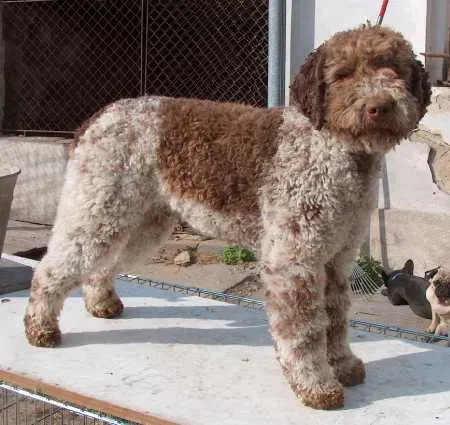
The Lagotto Romagnolo is often described as a truffle hunter with the soul of a teddy bear. This medium-sized Italian breed has a dense, curly coat that sheds very little and is often mentioned alongside Poodles and Portuguese Water Dogs in conversations about lower-shedding curly-coated dogs. Those tight curls trap loose hair, which keeps it off your carpets but does mean you’ll need to stay on top of brushing and trims.
They are energetic, clever, and love having a job, even if that job is just nose games in the living room or puzzle toys in the yard. I think of them as the friend who is always ready for a weekend adventure but still values a good nap on the couch. If you’re drawn to rustic, working-style dogs but dread the thought of constant shedding, the Lagotto offers a rare combination: sturdy, outdoorsy, and impressively light on loose hair.
Conclusion: Less Hair, More Honesty About “Low Shedding”
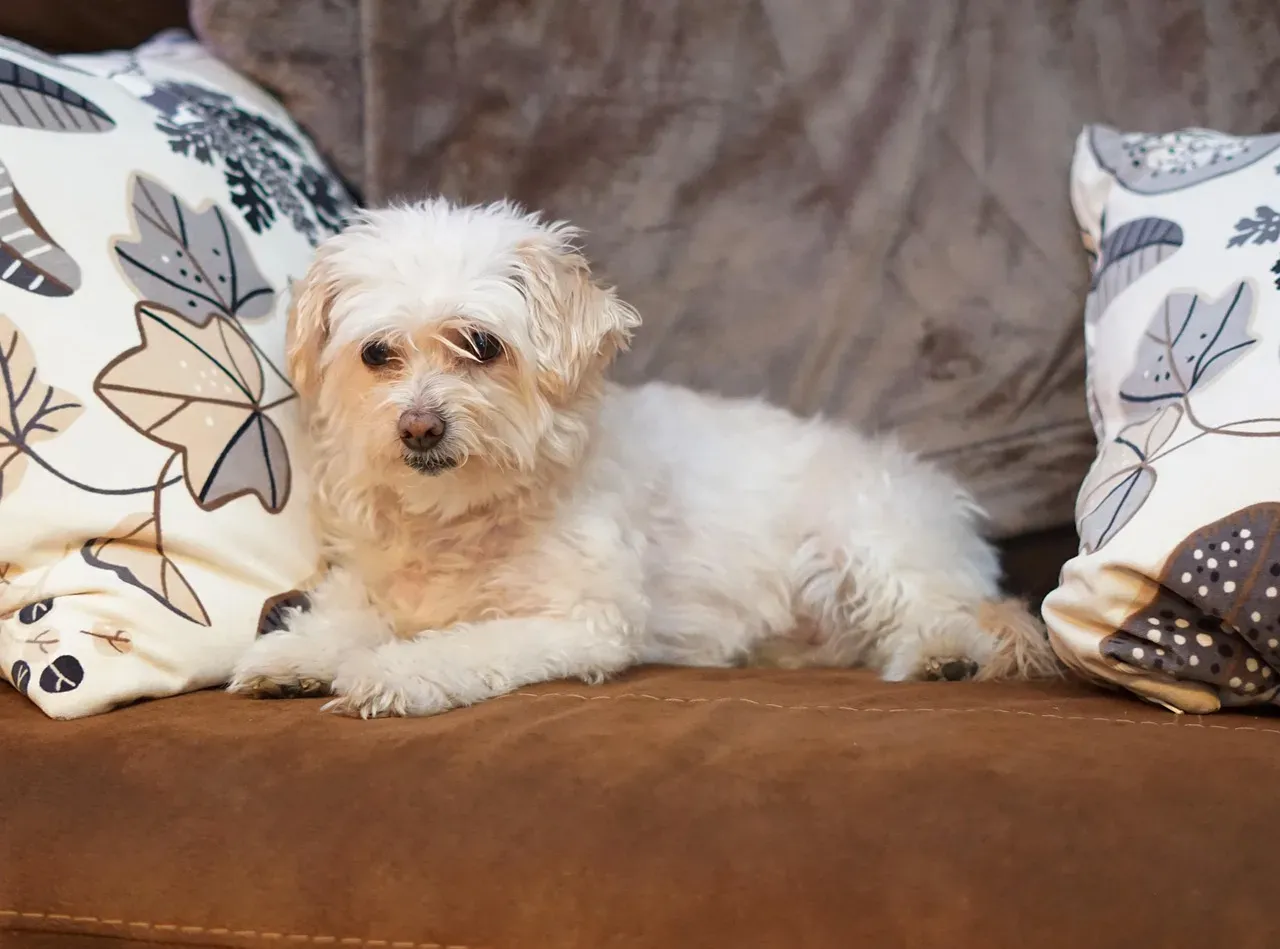
All of these breeds shed less than most, but none of them are completely maintenance free – and that’s an important reality check. In almost every case, low shedding means you’ll trade vacuuming for brushing, and you might swap fur-covered floors for grooming appointments and combs. To me, that trade is absolutely worth it, but it helps to be honest about what “low shedding” really looks like day to day.
If you’re willing to put in some coat care and choose a breed that matches your energy level, you can absolutely have a clean-ish home and a dog who feels like family instead of a walking lint machine. In the end, the right dog for you is the one whose needs fit your lifestyle, not just your vacuum schedule. So which would you rather deal with: a little extra brushing, or a lot of extra fur?


