
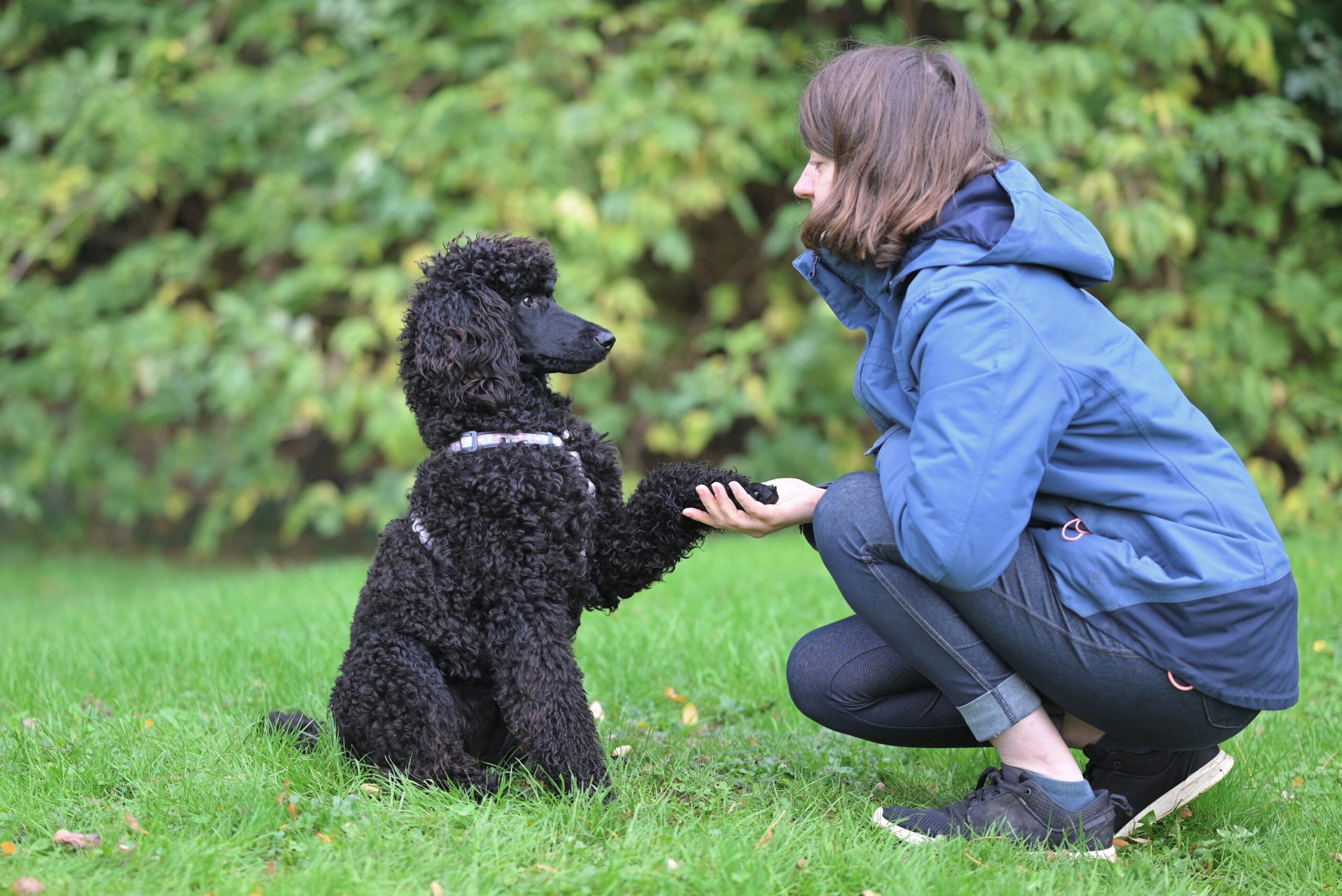
You know that feeling of being watched while you brush your teeth, fold laundry, or just try to go to the bathroom for thirty quiet seconds? If you live with a “velcro dog,” you definitely do. Some breeds are so people-focused that your shadow basically has fur, while others genuinely enjoy their own company and are content doing their own thing on the couch, in the yard, or happily dismantling a puzzle toy.
Neither personality type is “better,” but they are very different to live with. Choosing the wrong one for your lifestyle can mean years of frustration for you and quiet misery for the dog. Let’s break down which breeds are famously obsessed with being part of your every move, and which ones are more independent, self-entertaining roommates than constant sidekicks.
Labrador Retriever: The Cheerful Life Partner
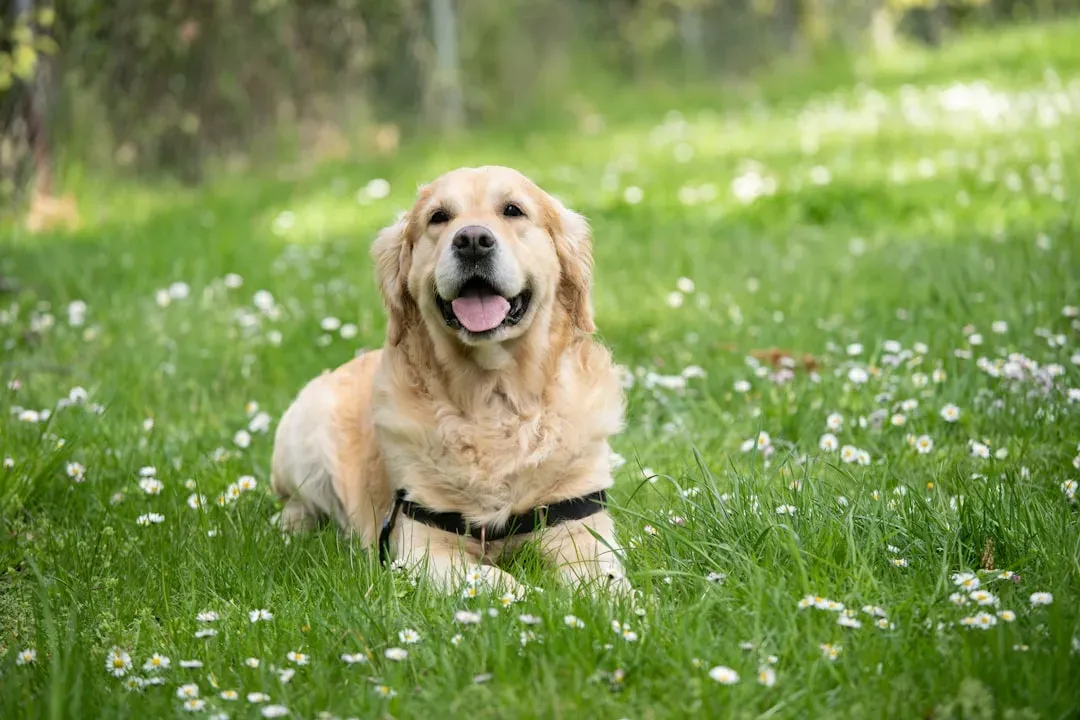
Imagine a best friend who never cancels plans, never says they are too tired to go outside, and thinks loading the dishwasher is high entertainment. That’s a Labrador. Labs are one of the most people-oriented breeds on the planet, originally bred to work closely with hunters, retrieve game, and later assist humans in all kinds of jobs from search and rescue to guide work.
Because of that history, most Labs are not just social, they are wired to check in with you, follow your lead, and be involved in whatever is happening. They usually thrive in busy households, joining kids in the yard, tagging along on hikes, or simply snoozing at your feet while you work. The flip side is that a bored Labrador plus not enough exercise often equals chewed furniture, counter surfing, and chaos, so they suit owners who truly want an active, hands-on companion.
Border Collie: The Workaholic Who Needs a Job (That Involves You)
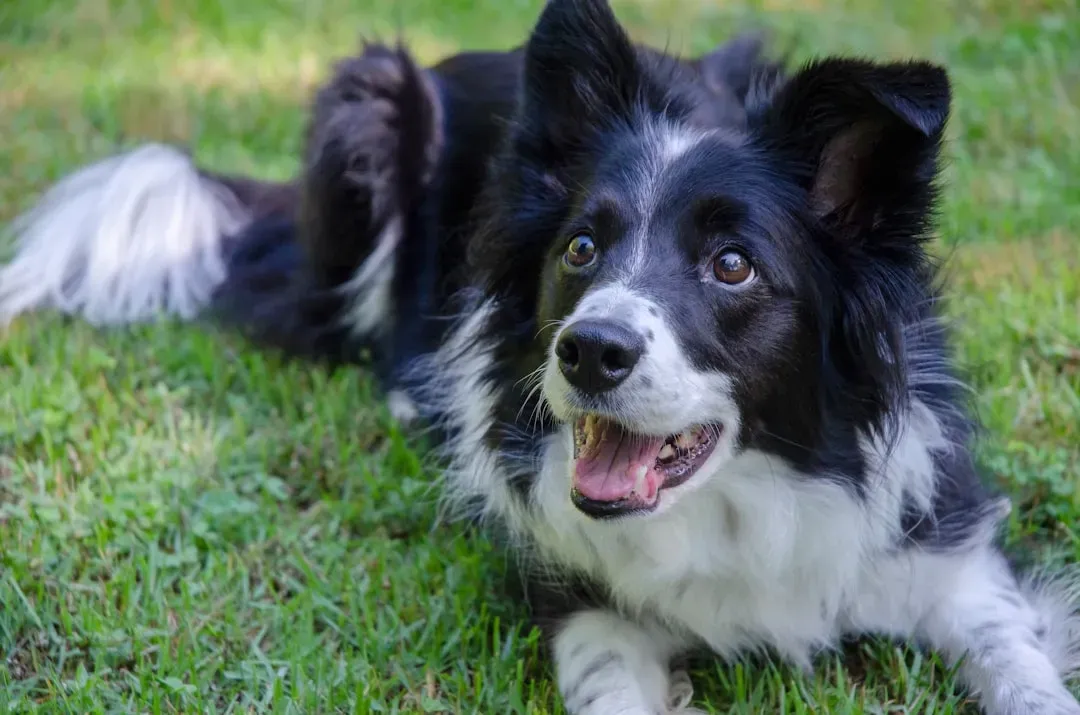
Border Collies are the overachievers of the dog world: smart, intense, and always looking for the next task. They were bred to herd sheep using both their brains and their bodies, constantly reading subtle cues from their handler. That genetic wiring means many Border Collies naturally fixate on their person and want to know what you’re doing at all times, almost like a furry project manager.
If you bring one into your life, expect a dog that not only follows you room to room, but also tries to anticipate your next move. They shine in dog sports like agility, obedience, and herding trials, which all involve tight teamwork with a human. Without enough mental challenges and shared activities, though, that sharp mind can turn to obsessive behaviors, herding children or chasing cars, so they’re best for owners who genuinely enjoy training and doing things together daily.
Golden Retriever: The Emotional Shadow
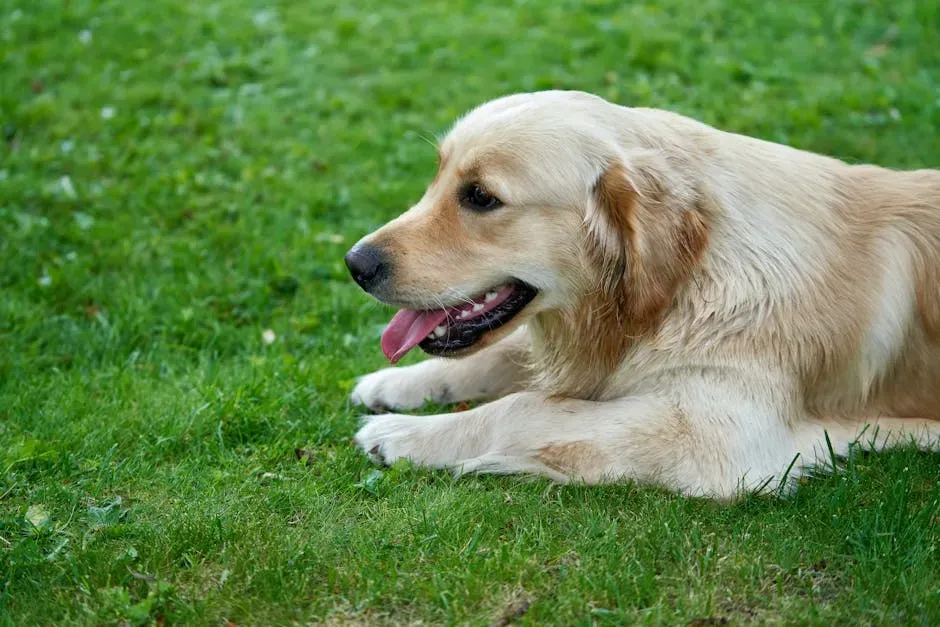
Golden Retrievers are often described as dogs that want to crawl into your heart and live there. They were developed as hunting companions and retrievers, much like Labradors, but with an especially soft, biddable temperament. Many Goldens naturally tune in to human emotions, which is why they are so common in therapy and emotional support roles.
In everyday life, that translates into a dog that likes to be wherever you are, soaking up your presence like sunshine. A Golden will often follow you from desk to sofa to bedroom, happily napping nearby or offering a toy when you look stressed. They typically do best in households where someone is around a good portion of the day, and they can struggle with long stretches of isolation, so they really suit people who want a dog that feels almost like an extra family member glued to their side.
Cavalier King Charles Spaniel: The Lap-Loving Companion

If some breeds were designed to work, Cavaliers feel like they were designed to cuddle. Historically, toy spaniels were bred as companion dogs for nobility, meant to sit on laps, warm feet, and simply be pleasant company. That history still shows: many Cavaliers would rather be in your arms than anywhere else.
They tend to be gentle, affectionate, and intensely people-focused without needing extreme levels of exercise. That makes them perfect for people who want a small, loving “velcro dog” that will curl up on the couch, follow them down the hallway, and watch Netflix almost as enthusiastically as a hike. On the downside, their dependence on human contact means they can be prone to separation stress if left alone too often, so they thrive in homes where companionship is readily available.
Australian Shepherd: The Energetic Adventure Buddy
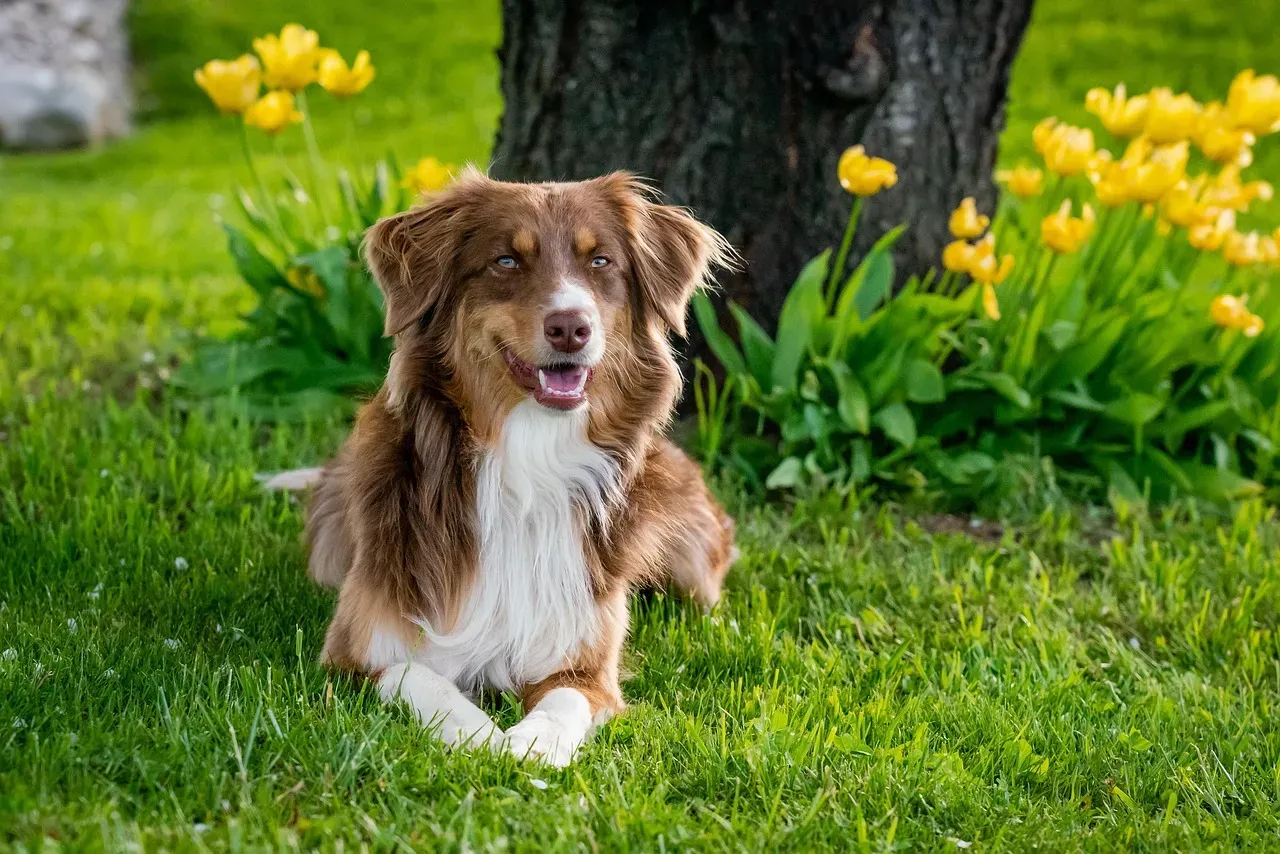
Australian Shepherds may look like fluffy family pets, but underneath that coat is a serious working herder. They were bred to move livestock and stick close to their handler all day, which explains why so many Aussies are glued to their humans in modern homes. They want to be in the truck, on the trail, on the paddleboard, and definitely in the middle of whatever project you are doing in the yard.
Because they are highly intelligent and energetic, they crave structured activities you do together: long walks, training sessions, frisbee games, advanced tricks, or dog sports. An Aussie that is relegated to the backyard while you live your life without them often becomes frustrated, noisy, or destructive. They attract people with their striking looks, but really suit those who genuinely want a four-legged teammate for an active, engaged lifestyle.
German Shepherd: The Loyal Guardian Who Tracks Your Every Move
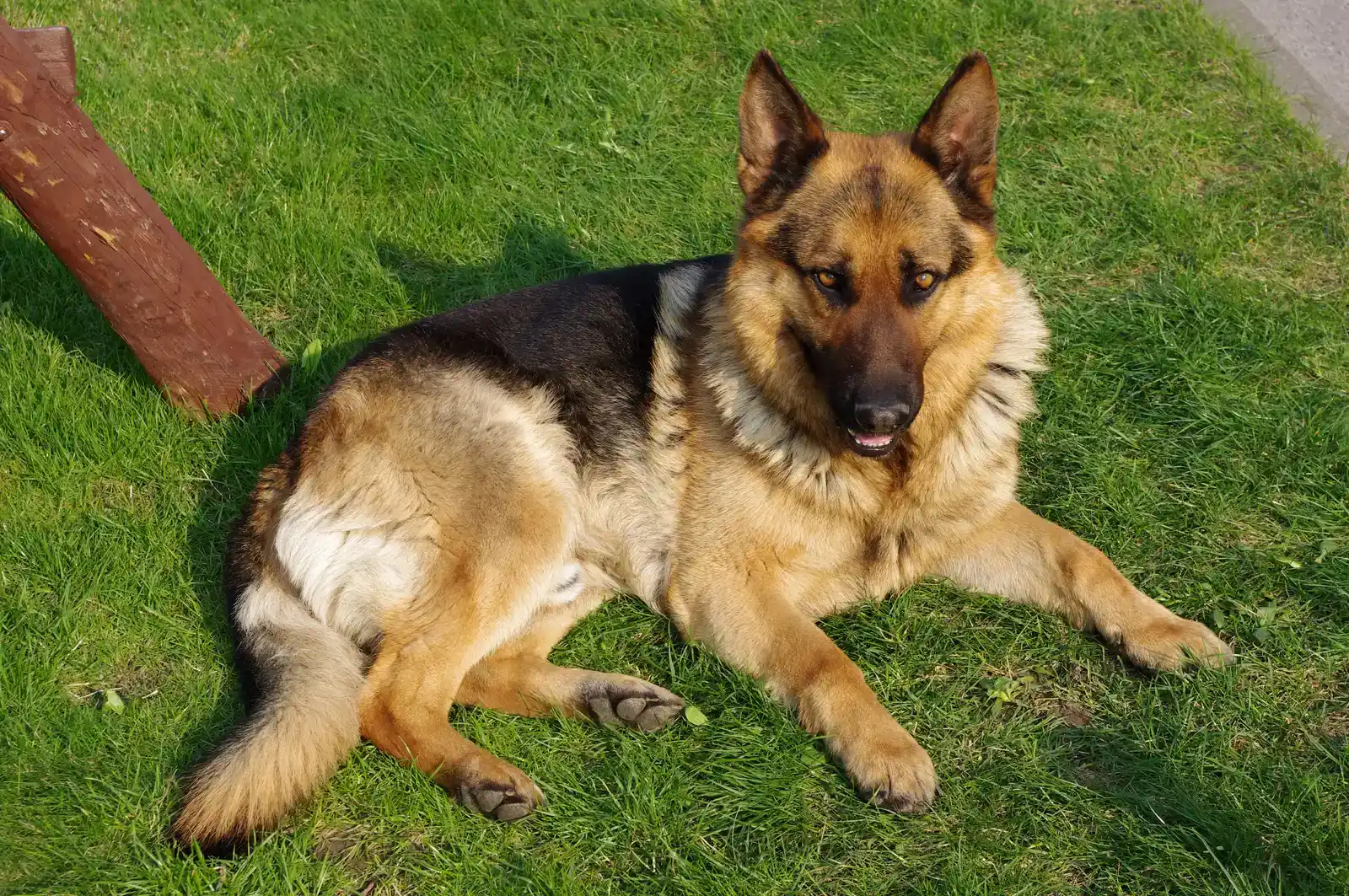
German Shepherds are famous for their loyalty and their strong desire to work alongside a trusted person. Originally bred for herding and guarding flocks, they later became staples in police, military, and protection work. In all of those roles, they are expected to read their handler, respond quickly, and stay close, so it is no surprise that many family-bred Shepherds behave like living, breathing shadows at home.
A well-bred and well-trained German Shepherd often forms an intense bond with their primary person, following them from room to room, keeping an eye on doors and windows, and sometimes inserting themselves between their human and anything suspicious. That level of devotion can feel amazing but also heavy: they usually do not enjoy being ignored, undertrained, or kept on the sidelines of family life. People who choose this breed should be ready to invest time in training, mental work, and shared outings so that their dog’s need to be involved is channeled in a healthy way.
Poodle (Standard and Miniature): The Brainy Co‑Pilot
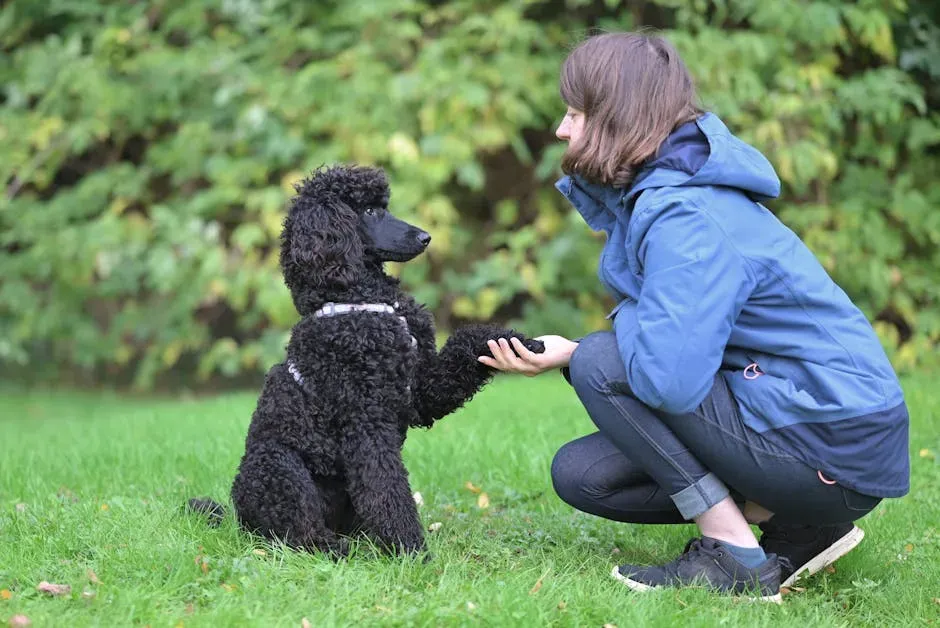
Poodles often get unfairly written off as fancy show dogs, but underneath the fluffy grooming patterns is a serious working dog. Standards were originally water retrievers, and miniatures have long served as clever performers and companions, all roles that demanded close cooperation with humans. That history explains why many Poodles want to be right by your side, watching and learning from everything you do.
They are typically quick to pick up routines and often participate eagerly in whatever task you invite them into, from learning complex tricks to calmly lying under a café table while you work. Their intelligence also means they can become bored or anxious if they feel left out of family life. For someone who enjoys training, teaching games, and bringing their dog along to pet‑friendly places, a Poodle can be an engaged, people‑focused co‑pilot that thrives on constant involvement.
Vizsla: The Classic “Velcro Dog”

When people talk about true velcro dogs, the Vizsla usually comes up fast. This Hungarian hunting breed was developed to work closely with its owner in the field, using both scent and sight while staying within range and regularly checking back in. That built-in tendency to seek physical closeness often carries into the home: many Vizslas are famous for leaning against their humans, climbing into laps, and following them from chair to chair.
They are athletic, sensitive, and deeply attached to their families, which means they typically struggle in situations where they are left alone for long stretches or treated as outdoor-only dogs. They thrive when they are included in daily runs, hikes, training games, and even quiet evenings intertwined on the sofa. If you want personal space, this probably is not your breed, but if you secretly love the idea of a dog draped over you like a living blanket, the Vizsla can feel like the perfect match.
Doberman Pinscher: The Elegant Shadow Protector
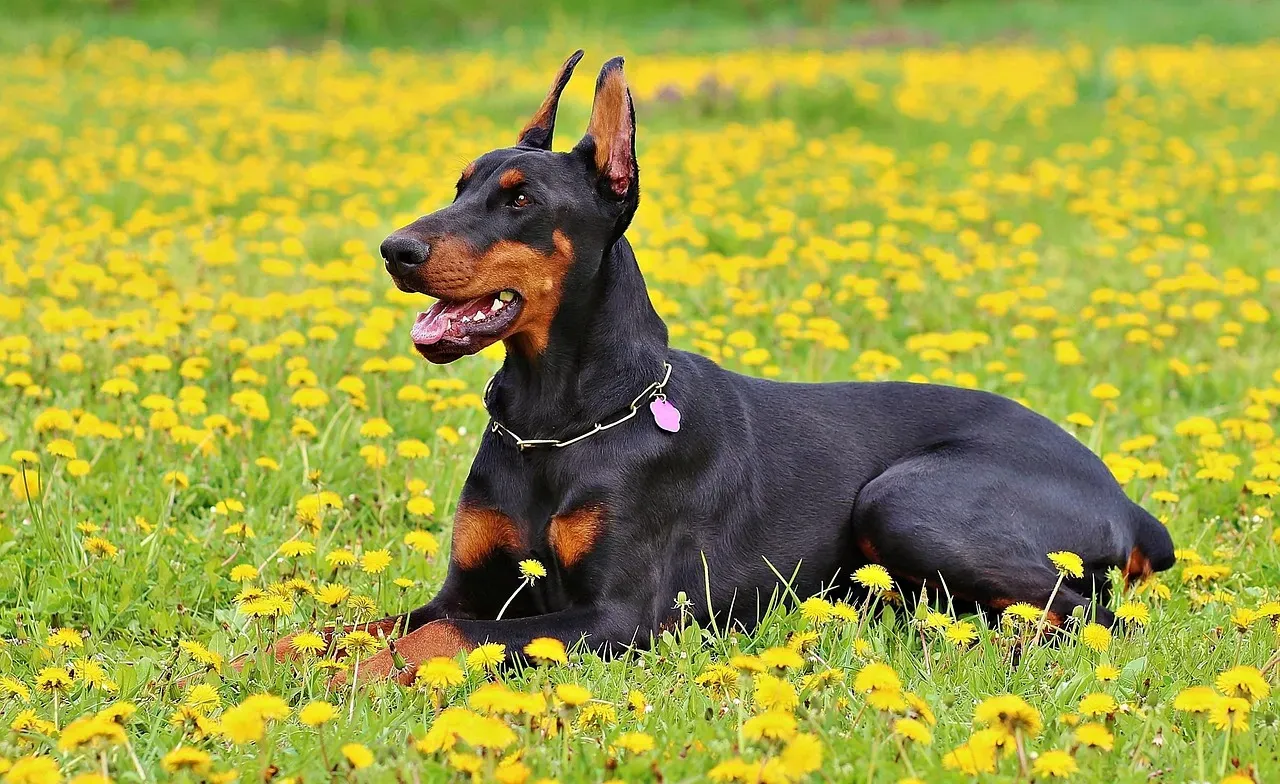
Dobermans were originally developed as protection dogs and personal guardians, bred to stay very close to their handler and react quickly to threats. Today, that same breed tendency often shows up as an intense desire to be near their person almost all the time. Many Dobermans will calmly follow you from room to room and settle at your feet, always aware, almost like a bodyguard in sleek canine form.
When raised with positive training and good socialization, they blend that protective instinct with gentleness and affection toward their family. They generally do not thrive when they are pushed away, isolated, or treated as yard ornaments. Instead, they do best in homes where they can be a true partner: going on walks, joining errands, practicing obedience, and being included in daily routines that let them satisfy that deep need to stay close and involved.
French Bulldog: The Compact Clinger
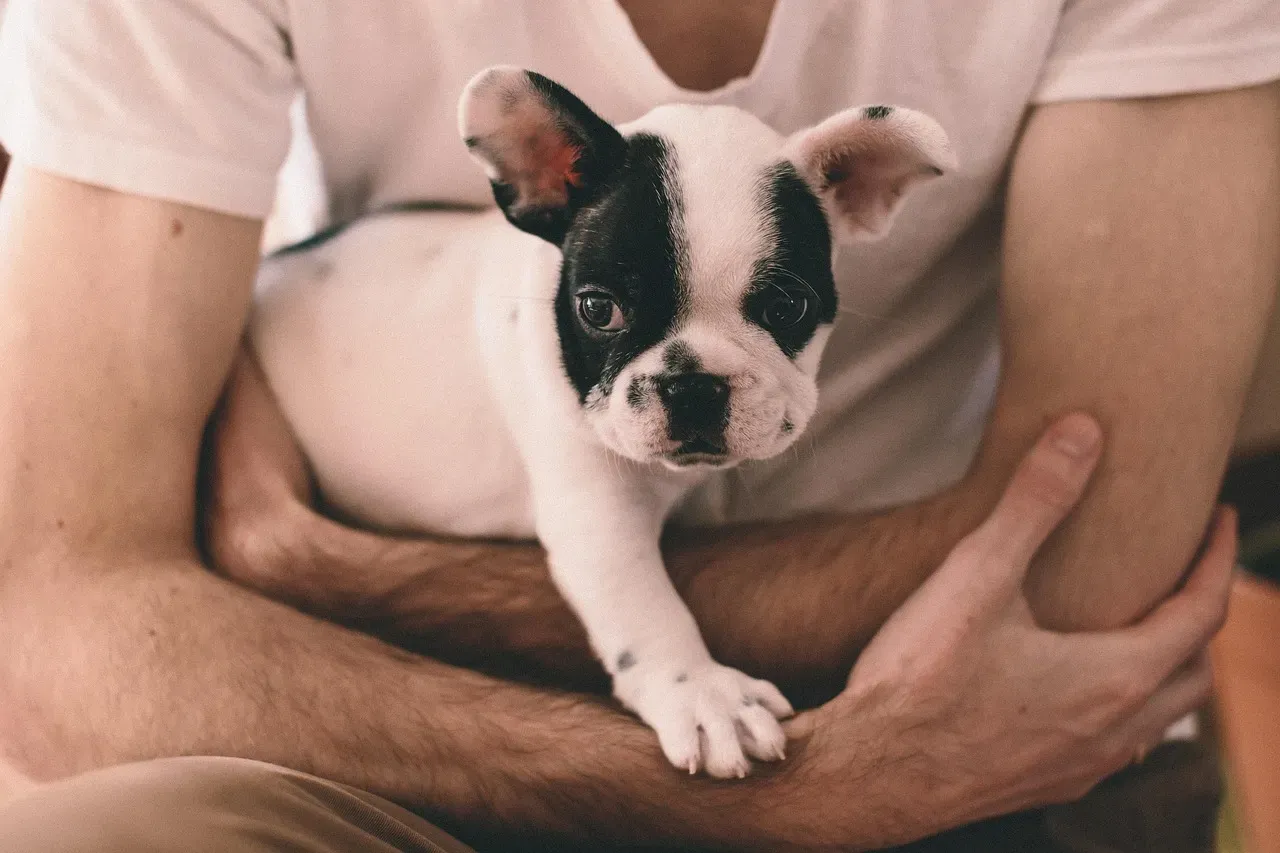
At first glance, French Bulldogs might seem like laid‑back clowns content to snore on the couch, and to be fair, they are often hilarious and low‑energy compared with many working breeds. But most Frenchies are surprisingly people‑centric, preferring to be on or near their humans rather than entertaining themselves in another room. They tend to trot after you in the house more than you might expect from such a compact, easygoing dog.
Because they usually form strong bonds, many French Bulldogs enjoy being part of everyday activities, from movie nights to short strolls to visiting friends. They may not need marathon runs, but they do crave attention, touch, and companionship. For someone who wants a small, mostly indoor dog that still likes to be heavily involved in family life, a Frenchie can fit very well – provided you are prepared for the health and care considerations that often come with this popular breed.
Shiba Inu: The Cool, Independent Roommate
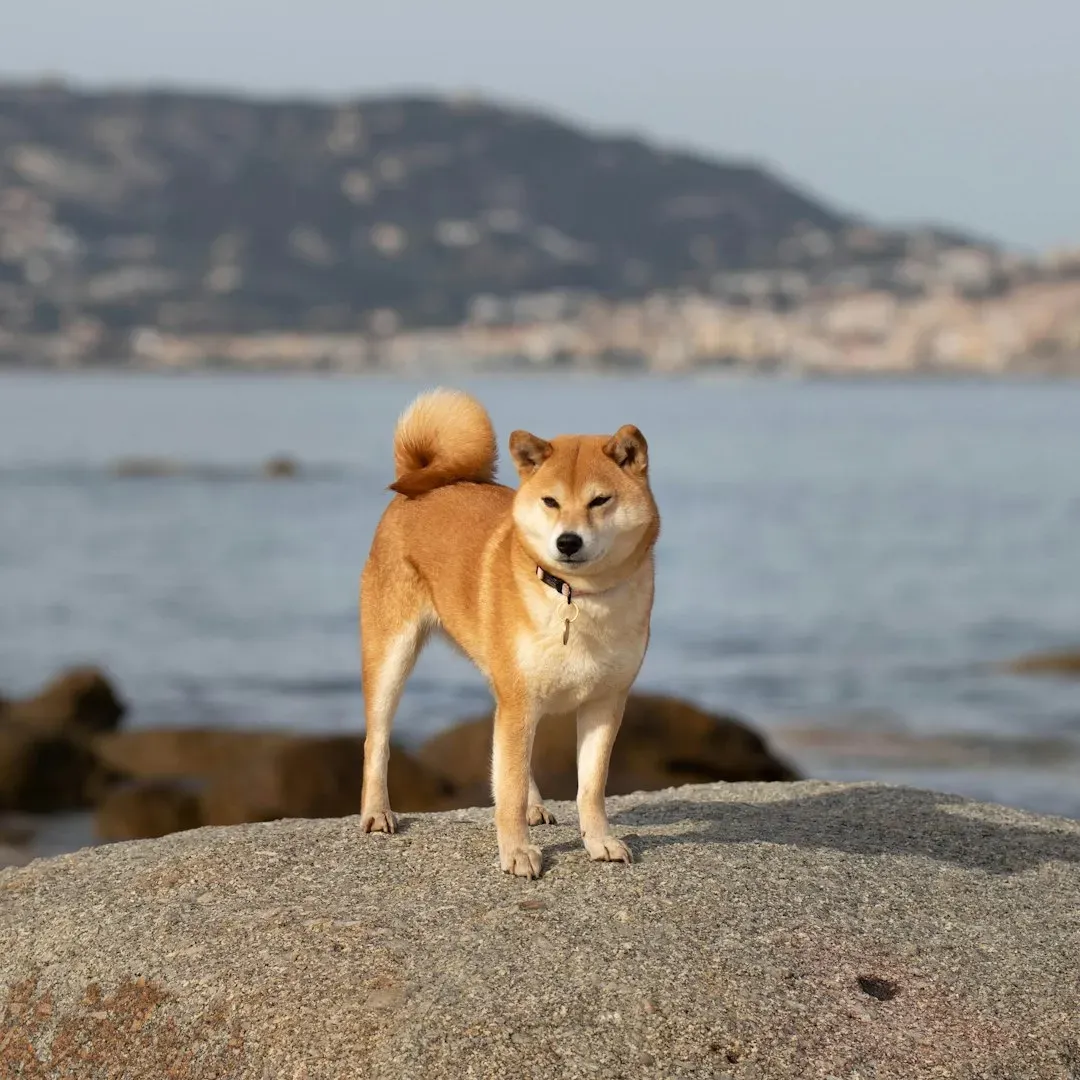
On the other end of the spectrum from velcro dogs, the Shiba Inu is often described as cat‑like. Originally bred as a hunting dog in Japan, Shibas were meant to work independently in rugged terrain, making fast decisions without constant direction from humans. That independence shows up in modern homes as a dog that may care greatly about their people but does not necessarily feel the need to be underfoot all day.
Many Shibas are affectionate on their own terms, choosing when to seek attention and when to go rest in another room or observe quietly from a distance. They can be loyal and loving, but they usually appreciate some personal space and may not follow you to every corner of the house. For people who value a dog that is not clingy and can entertain itself with toys, window watching, or calmly napping, a Shiba can feel like a refreshingly self‑contained companion.
Basenji: The Independent Thinker
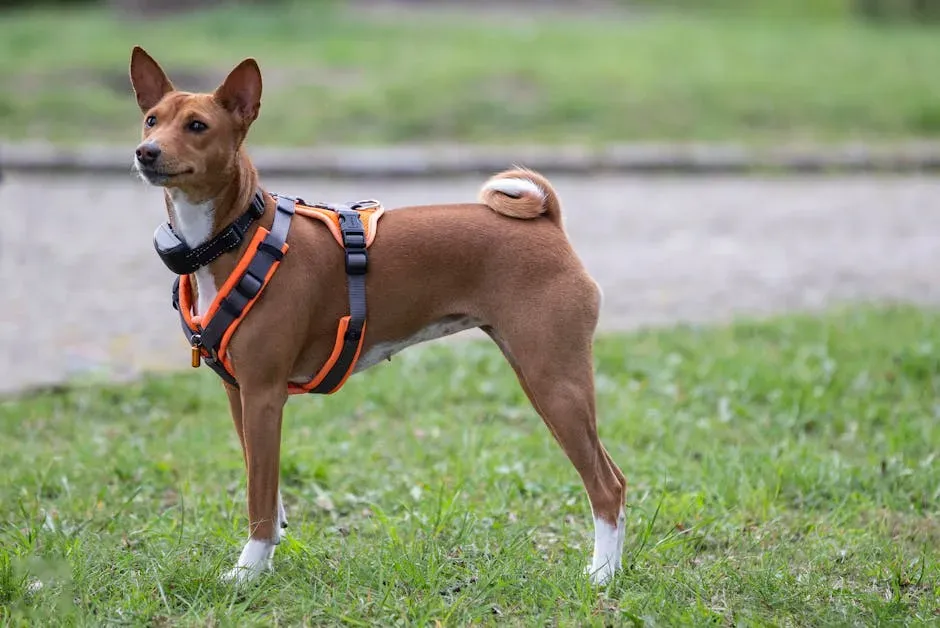
The Basenji is one of the oldest dog types, originally used for hunting in central Africa, often working at a distance and using a lot of initiative. That background created a dog that is curious and alert, but not necessarily driven to be in constant contact with humans. Many Basenjis will happily explore, play with toys, or sit by a window studying the world without needing nonstop interaction.
They can form strong bonds with their families and enjoy company, but they typically have a streak of independence that sets them apart from the classic velcro breeds. They are often satisfied with a mixture of shared walks and some puzzle toys or safe yard time where they can investigate smells and sounds. For owners who like a dog with personality and intelligence, but not a constant shadow, the Basenji can be a fascinating, somewhat self‑entertaining partner.
Chow Chow: The Reserved Companion
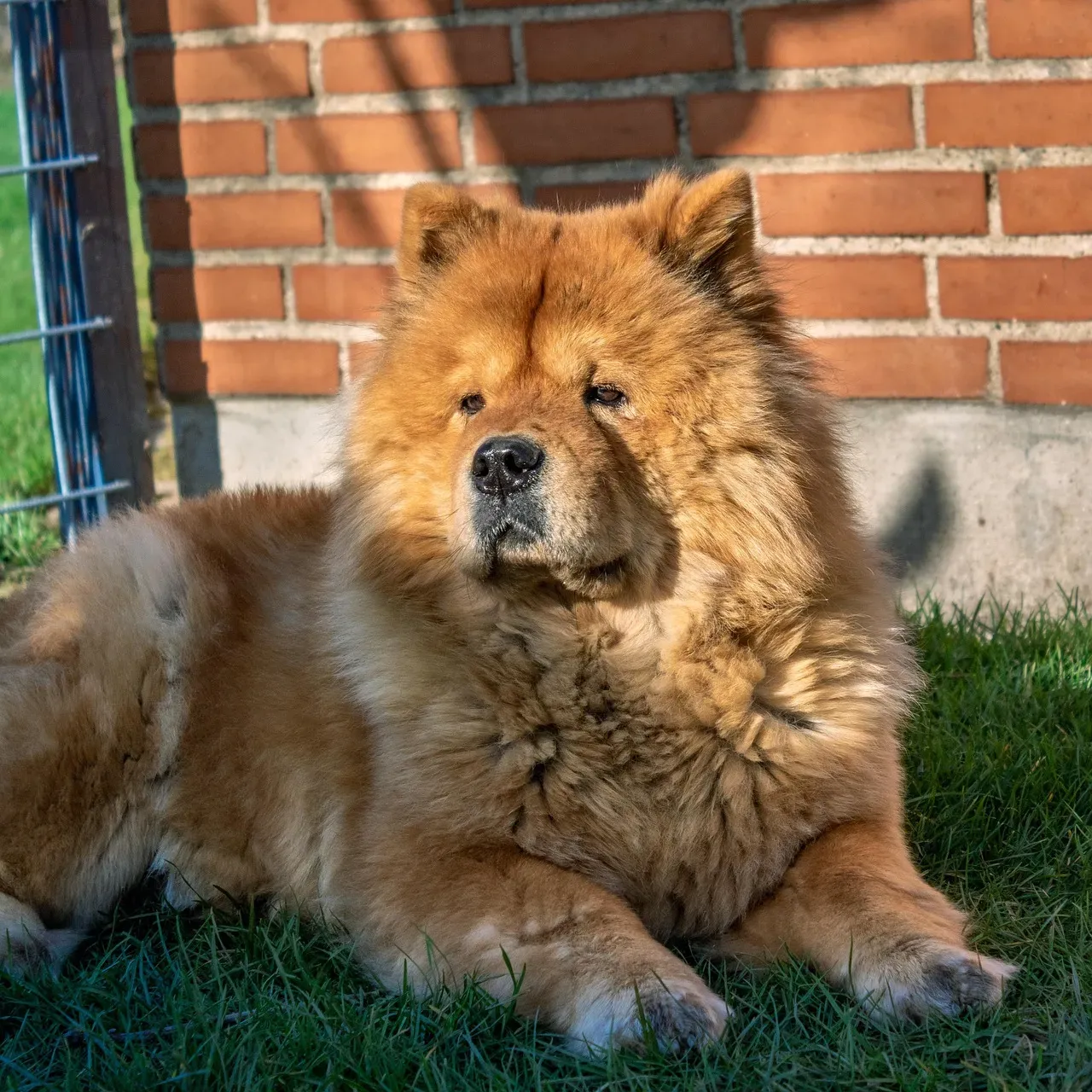
Chow Chows have a reputation for being dignified, somewhat aloof dogs that often bond strongly with a small circle of people but do not usually crave nonstop togetherness. Historically used as guard and multipurpose dogs in China, they were expected to be self‑possessed and capable of handling long hours without constant direction. That history plays out today as a breed that can be deeply loyal but often keeps a bit of emotional distance compared with more demonstrative dogs.
Many Chows prefer to lie nearby rather than on top of you, quietly observing rather than begging for attention every few minutes. They may engage warmly when invited, then calmly retreat to their chosen spot to rest and think their own thoughts. This more reserved, self‑entertaining style can work very well for people who appreciate a companion that feels a little more like an independent roommate than a furry toddler needing constant reassurance.
Greyhound: The Low‑Maintenance Lounger
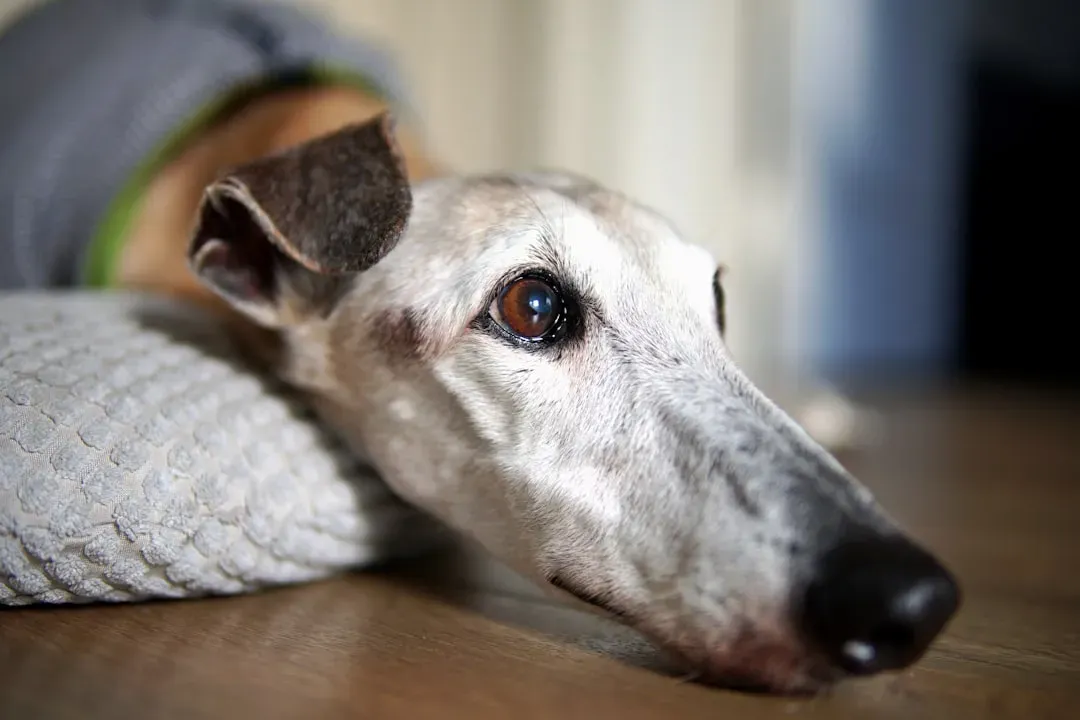
Despite their racing history, retired Greyhounds are famously relaxed in the home. They certainly enjoy their walks and short bursts of speed, but many are quite content to spend large chunks of the day stretched out on a bed, quietly dozing. They often like being near their humans, but not necessarily attached to them every second, which makes them feel surprisingly low‑maintenance compared with many high‑drive breeds.
Because of their calm, gentle nature indoors, Greyhounds can be perfectly happy entertaining themselves with a comfortable bed and the occasional chew or soft toy. They usually enjoy affection and will gravitate toward their people, but they are also capable of simply relaxing in another room once they are settled and secure. For people who want a dog that is affectionate yet not demanding in terms of constant involvement, a Greyhound can be a seriously underrated choice.
Akita: The Stoic, Self‑Contained Guardian
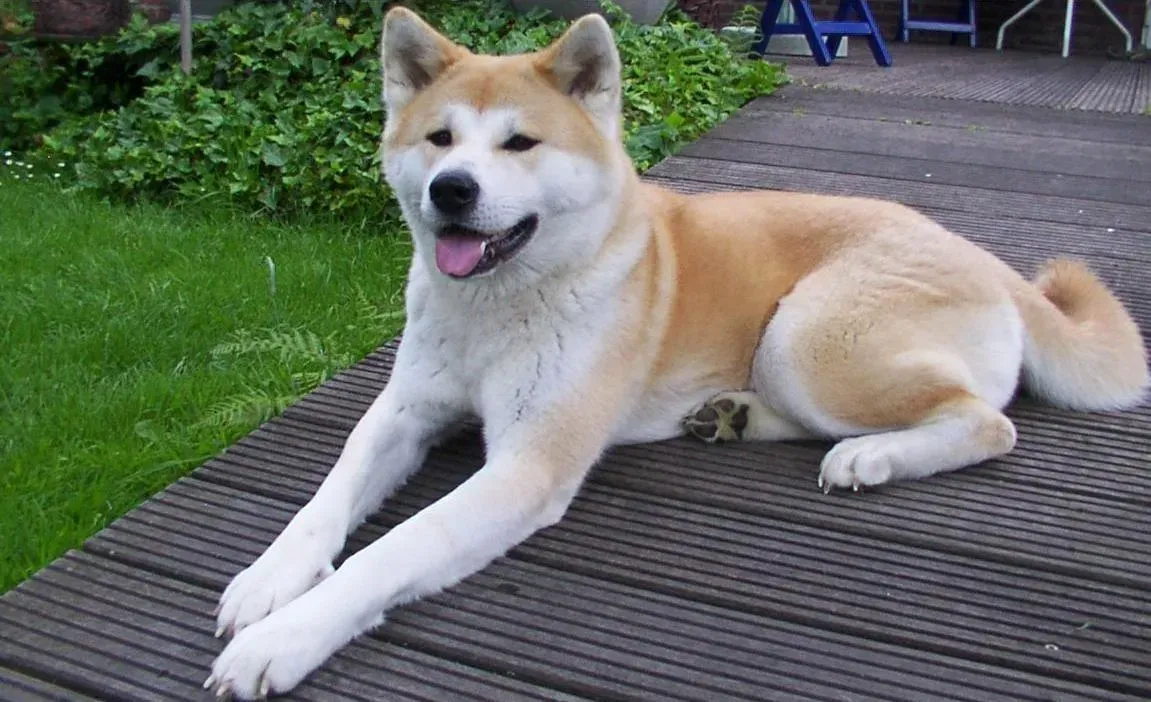
Akitas originate from Japan, where they were used for hunting large game and later as guardians. That job encouraged a dog that was courageous and steady, but also capable of assessing situations on its own without constant human guidance. Many modern Akitas maintain that calm, self‑contained demeanor: they often form intense bonds with their families while still being quite comfortable spending time alone in the home or yard.
They typically do not behave like classic velcro dogs who must follow you into every room, although an Akita may quietly reposition itself to keep an eye on the household. They are generally quite content to lie in a favorite spot and watch the world, engaging when you invite them but not constantly nagging you for interaction. For the right person, that combination of deep loyalty and independence can feel just right, as long as you respect their strong personalities and put in solid training and socialization.
Whippet: The Gentle, Easygoing Independent
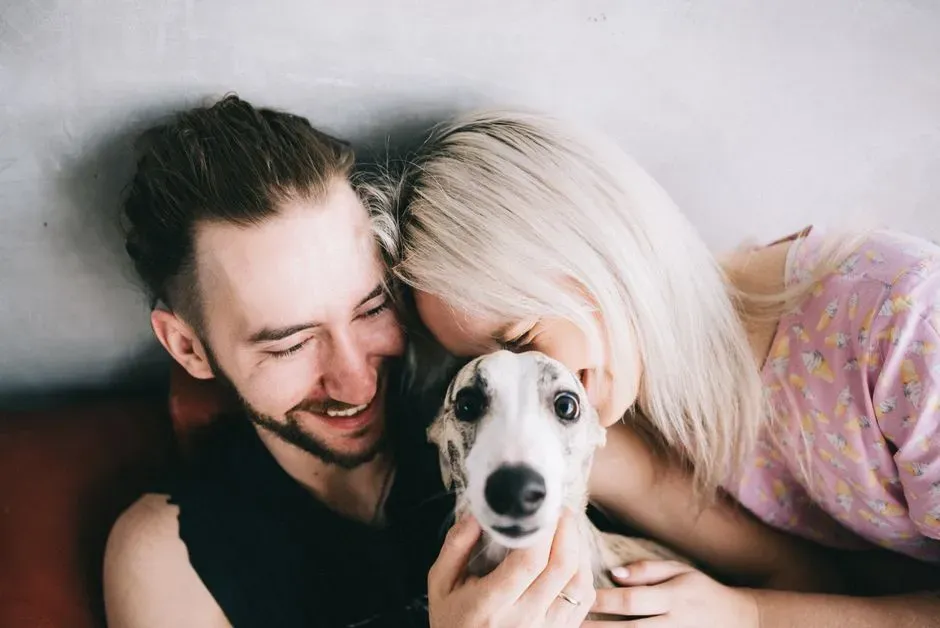
Whippets are closely related to Greyhounds but in a smaller package, originally bred for coursing small game and later for racing. Inside the house, though, many Whippets are calm, sweet couch companions that do not demand constant supervision or entertainment. They often enjoy curling up on soft surfaces, snoozing through long work‑from‑home days, and then springing to life for a good zoomie session.
They usually like being around their people and will often share the sofa or bed, but they are also capable of entertaining themselves with a chew or simply napping in a warm patch of sun. They are affectionate without being overwhelmingly needy, which makes them a nice fit for people who want a dog that is present and loving, but comfortable with short stretches of independent downtime. In a way, they are like that friend who loves hanging out, but also has no problem reading a book quietly next to you for hours.
Opinionated Conclusion: Your Ideal Dog Is About Personality, Not Prestige
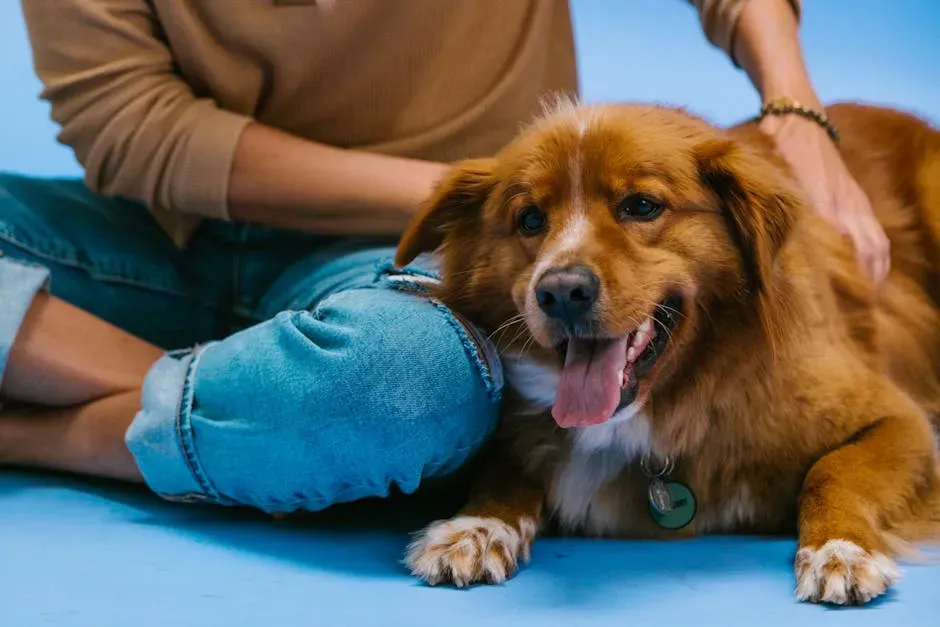
One thing I have learned, both from the research and from my own life with dogs, is that breed tendencies matter a lot more than their social media image. It is easy to fall for the photogenic Golden on a beach or the dramatic German Shepherd in a movie, but if you are someone who likes quiet evenings alone, a glued‑to‑you velcro breed can feel emotionally exhausting. On the other hand, if you dream of a dog that lives for your attention and shares your adventures, a more independent breed might leave you wondering why they seem a bit distant.
There is no moral high ground in wanting a shadow versus wanting a self‑entertaining roommate; there is only what fits your actual life and energy. The real win is being brutally honest about your routine and your needs, then choosing a dog that will find that reality satisfying rather than frustrating. When the match is right, the clingy breeds feel like soulmates and the independent ones feel like perfectly chilled companions. Looking at your own habits, which side of the spectrum do you really belong on: velcro partner in crime, or laid‑back, low‑key friend?


