
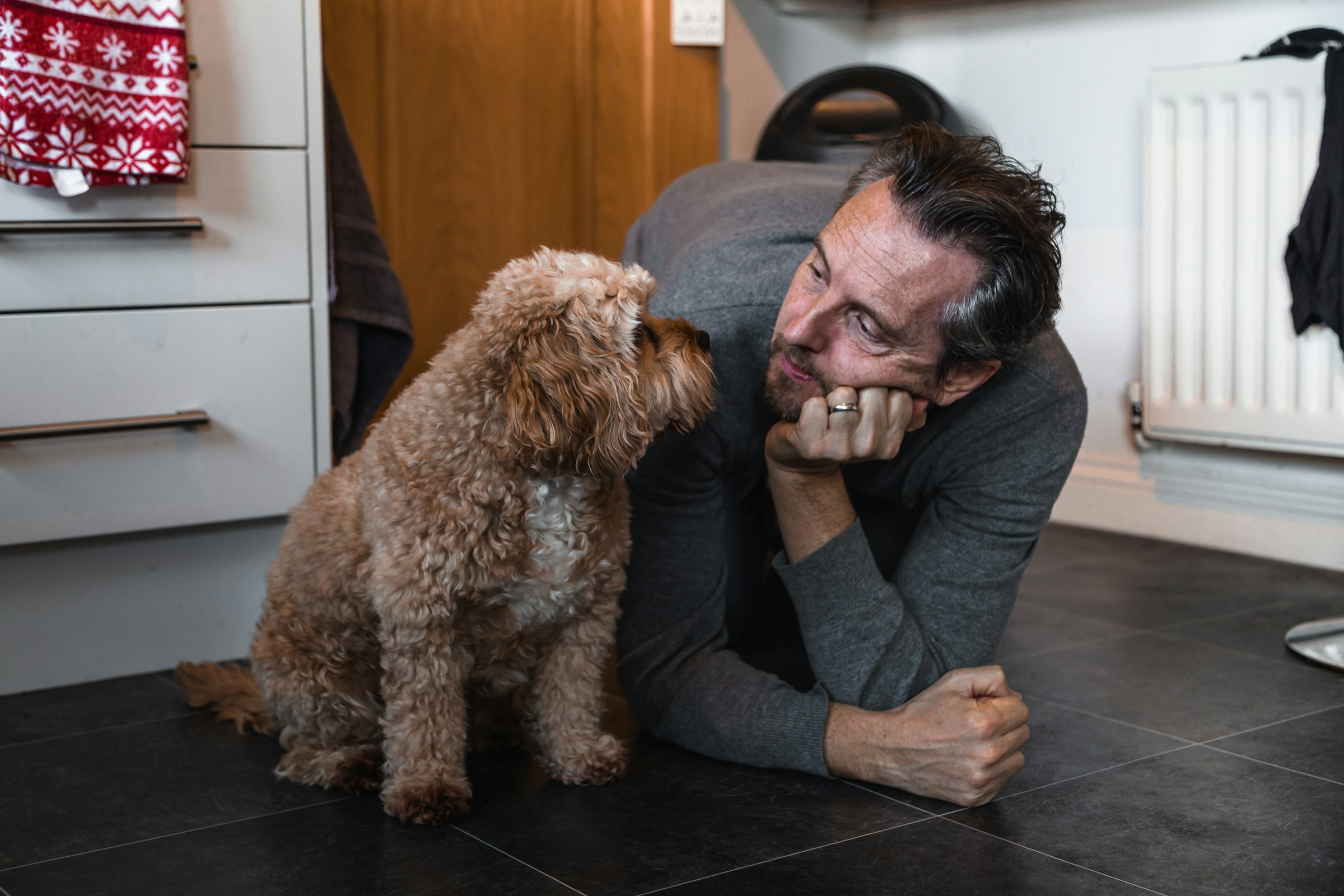
There’s a quiet kind of magic in the way a dog can lock eyes with you and somehow just get it. No long explanation, no carefully chosen words, no awkward silence while they “think about what to say back” – just instant, wordless understanding. It can feel almost unfair how much more seen you are by a creature who still tries to eat socks.
Scientists have been digging into this for years, and the picture that’s emerging is powerful: dogs have evolved to read human emotions, voices and even tiny facial movements in ways that most people don’t notice or bother to learn. Mix that with pure, uncomplicated loyalty, and suddenly it makes complete sense why your dog sometimes feels like the one who really understands you. Let’s walk through the moments where they prove it, again and again.
1. When You Were Sad And They Silently Came To Lean On You
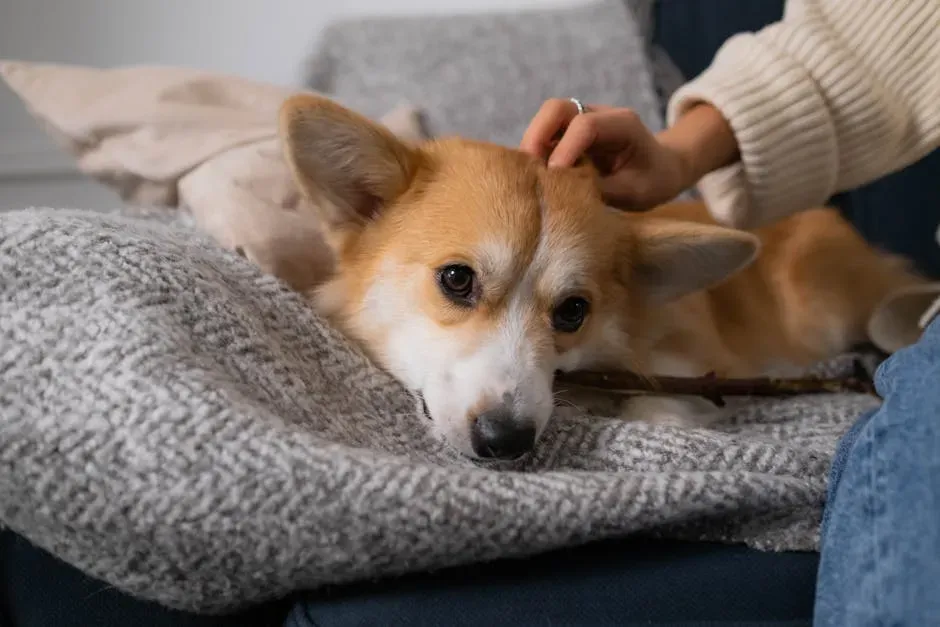
You know that moment when you’re fighting tears, maybe after a horrible day, and your dog just appears and presses their body against your leg or curls up on your lap? They are not doing that randomly. Research suggests that dogs can detect subtle changes in our posture, breathing and even the micro-expressions on our faces that signal sadness or stress. They’re essentially emotional radar with fur.
What blows my mind is how they rarely try to “fix” things the way people do. No unsolicited advice, no changing the subject because they’re uncomfortable. They just stay. That quiet physical presence – the weight of a head on your knee, the slow wave of a tail – sends a message that feels almost sacred: I see you, I’m here, and I’m not going anywhere.
2. When They Pick Up On Your Anxiety Before You Say A Word
Dogs are experts at reading tension, often before we’ve consciously admitted we’re anxious ourselves. Studies suggest they can sense changes in our body odor related to stress hormones, as well as alterations in our movements and tone of voice. So when your heart starts racing about that upcoming meeting or difficult conversation, your dog often knows something’s off long before your friends notice.
I’ve had days where I thought I was holding it together perfectly, only to realize my dog had become more clingy, following me from room to room. That’s not neediness – that’s attunement. They calibrate to your inner world quietly, like a living, breathing emotional barometer that doesn’t need a single explanation to understand that today, you’re not okay.
3. When They Celebrate Your Joy Like It’s Their Own
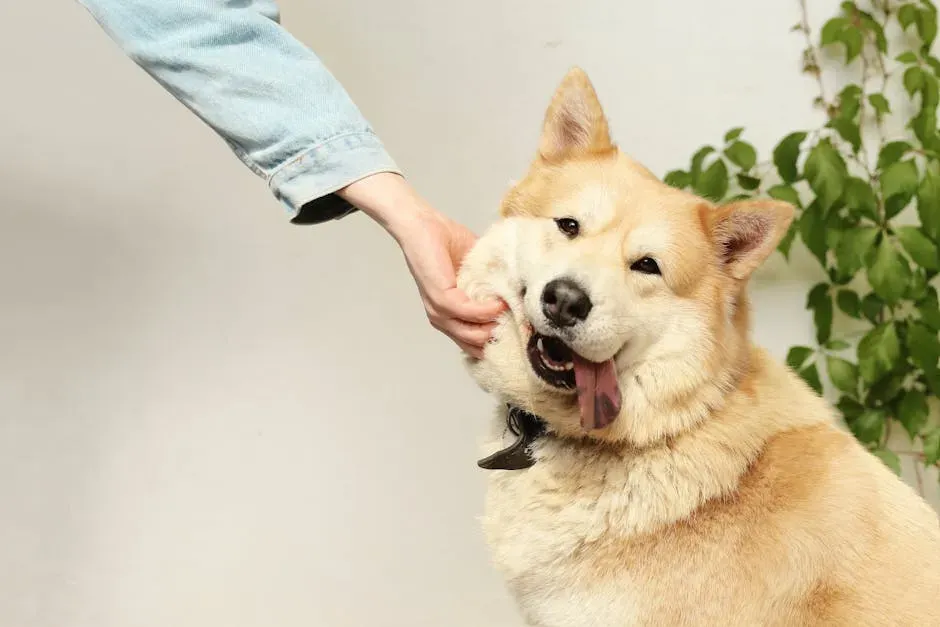
Think about what happens when you suddenly burst into laughter, dance around your kitchen, or shout with excitement because you got good news. Your dog probably explodes into tail wags, spins, play bows, and happy zoomies. They’re not just reacting to your volume; they’re responding to your emotional state and mirroring your happiness back to you.
Humans can sometimes shrink your joy, making comments, comparing, or downplaying what matters to you. Dogs do the opposite. To them, your happiness is a cue for connection and play. They join your celebration instantly, no questions asked, which can make you feel more deeply understood than any polite “congratulations” ever could.
4. When They Sense You’re Sick Before You Admit It
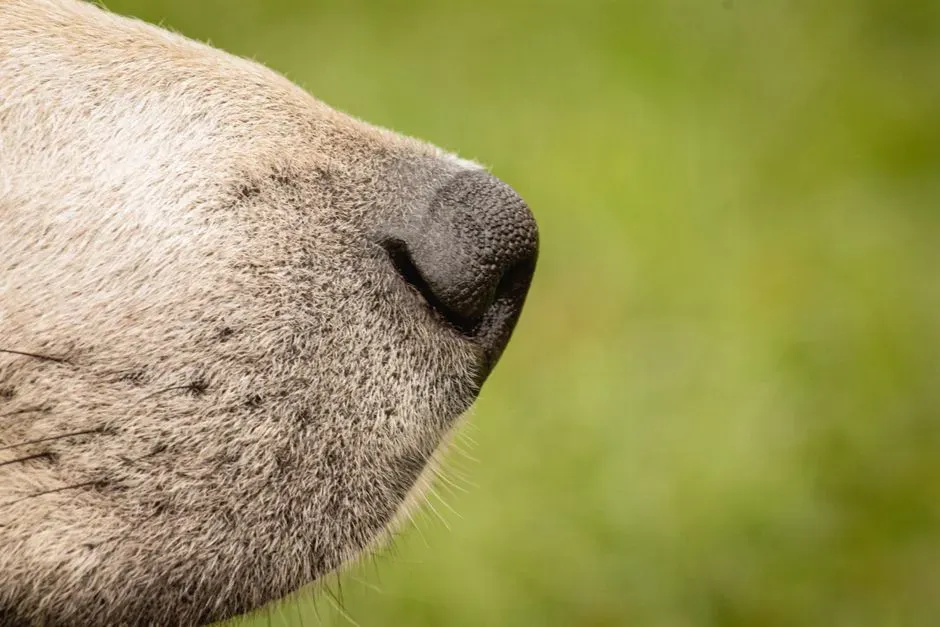
Many dog owners report eerily consistent behavior when they’re getting sick: the dog becomes more watchful, refuses to leave their side, or sniffs them more intensely. While not every dog is a medical miracle, research shows dogs can detect certain changes in body odor and behavior that correlate with illness or physical discomfort. They notice when something in your baseline is off.
Unlike friends who might dismiss your “I think I’m coming down with something” as overthinking, your dog often adjusts immediately. They may tone down their play, choose to lie quietly at your feet, or sleep closer than usual. That subtle shift – almost like they’ve switched into guardian mode – can feel like a wordless, deeply validating, “I know you don’t feel like yourself right now, and I’ve got you.”
5. When They Read Your Tone, Not Just Your Words
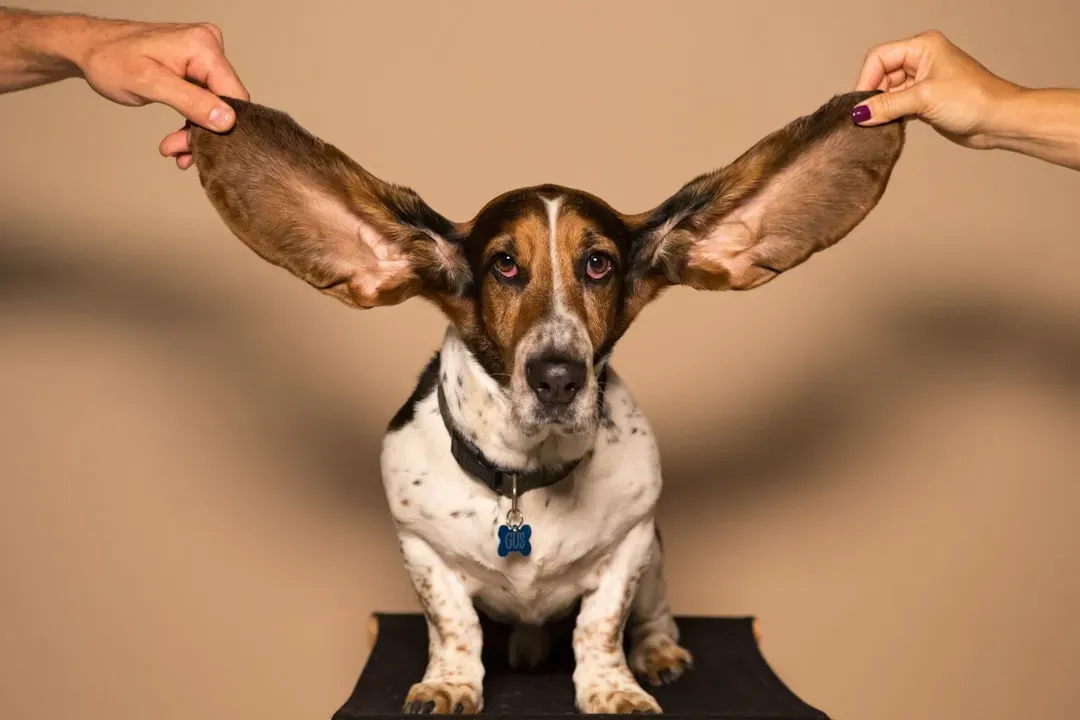
Dogs aren’t fluent in English, but they are incredibly tuned into tone. Experiments show that dogs process the emotional quality of human voices in ways similar to how we do, reacting differently to angry, happy, or neutral tones. This means your dog is often paying more attention to how you say something than what you say, which is ironically what most of us wish our human friends would do.
How many times have you told people “I’m fine” while sounding very much not fine, and they took your words at face value? Your dog doesn’t fall for that. They hear the tightness in your voice, the way your pitch drops, or how flat you sound. They respond not to the lie you speak, but to the truth you feel – by staying close, offering play, or simply staring at you with that concerned, slightly tilted head.
6. When They Know Your Routine Better Than Anyone
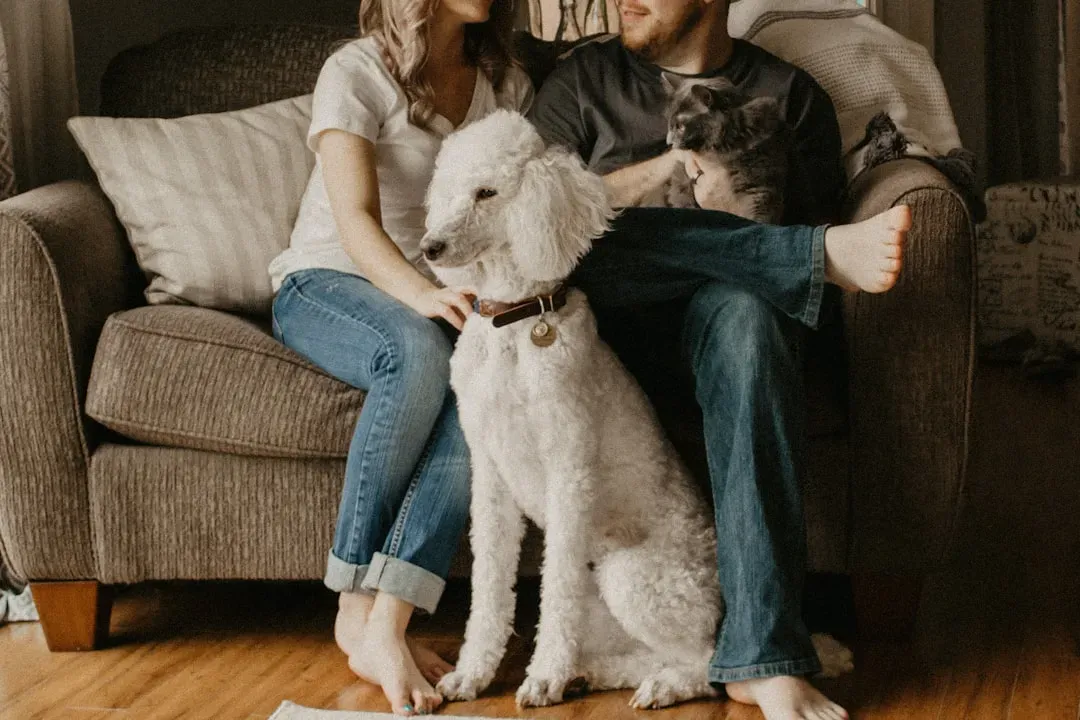
Your dog is a master pattern reader. They know the sound of your alarm, the way you move when you’re actually getting ready to go out versus just wandering around, and the exact minute that “walk time” usually happens. Over time, they build a mental map of your habits that is almost comically accurate.
What makes this feel like understanding is how they react when that pattern breaks. If you come home way later than usual and move more slowly, they greet you differently – more carefully, more clingy, sometimes more vocal. They’ve noticed that something in the script of your day has changed, and they respond as if to say, I can tell today wasn’t normal for you, and I’m paying attention.
7. When They Comfort You During Loneliness Others Don’t See
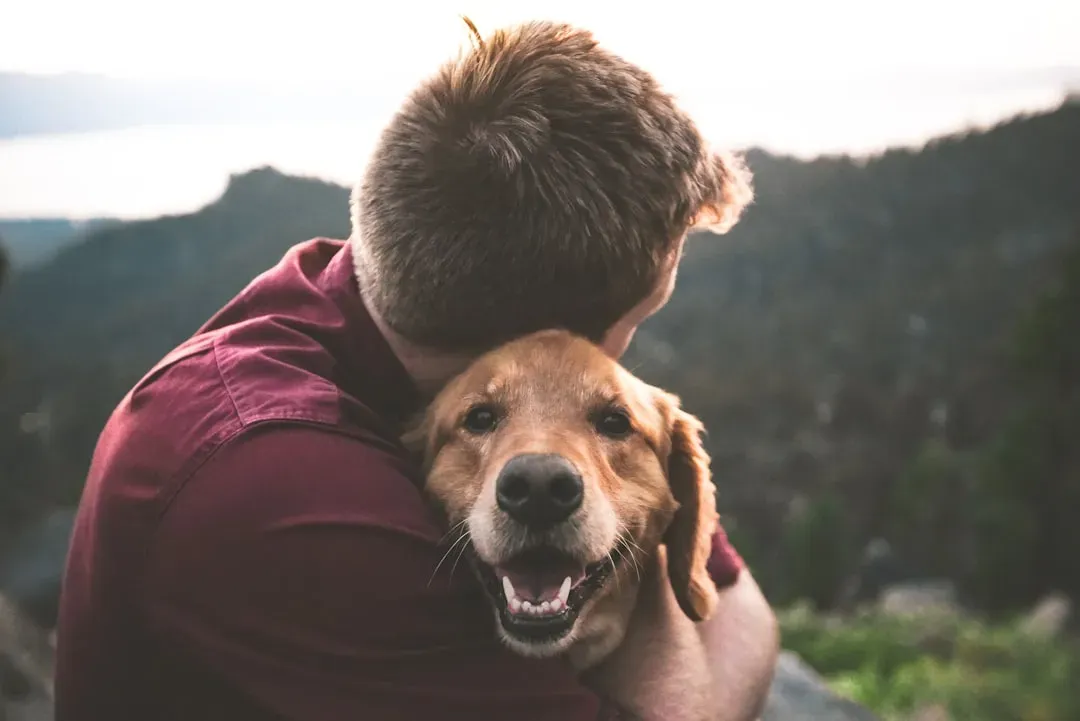
Loneliness can be almost invisible from the outside. You can be surrounded by people, active in group chats, and still feel that hollow ache that no one really gets you. Dogs seem to sense that social emptiness not by counting how many people you talk to, but by reading your energy when the crowd is gone and the house goes quiet.
On nights when you feel especially alone, your dog often responds by positioning themselves in direct contact with you – pressed against your side on the couch, stretched at your feet under the desk, or curled up against your chest in bed. There’s something almost painfully pure about how they offer presence instead of platitudes. They don’t tell you to “get out more” or “be more positive.” They just make sure you don’t have to be alone in the room with your feelings.
8. When They Sense Conflict In The Room
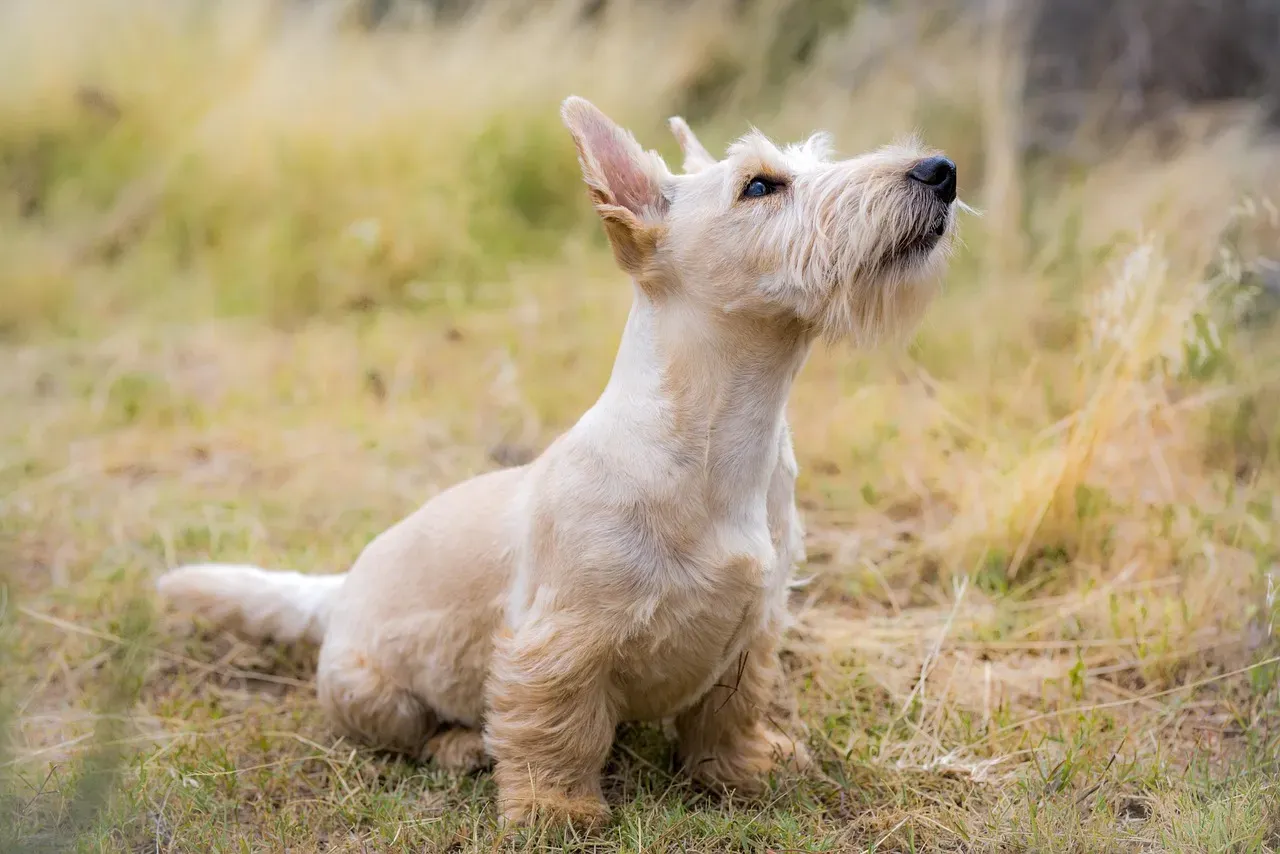
Dogs often become alert or uneasy when there’s tension between people, even before voices are raised. They can pick up on changes in body posture, facial muscles, and microexpressions that signal frustration or anger. So if you’ve ever had an argument at home and noticed your dog pacing, whining, or planting themselves between you and the other person, that’s not random – it’s emotional detection and response.
This sensitivity can be strangely validating. Your dog is essentially confirming that the energy in the room has changed, even if someone is insisting that “everything is fine.” When they seek out your side more than usual during or after conflict, it can feel like they’ve chosen you, quietly saying, I can tell this is hard, and I’m here on your team.
9. When They Adjust Their Energy To Match Yours
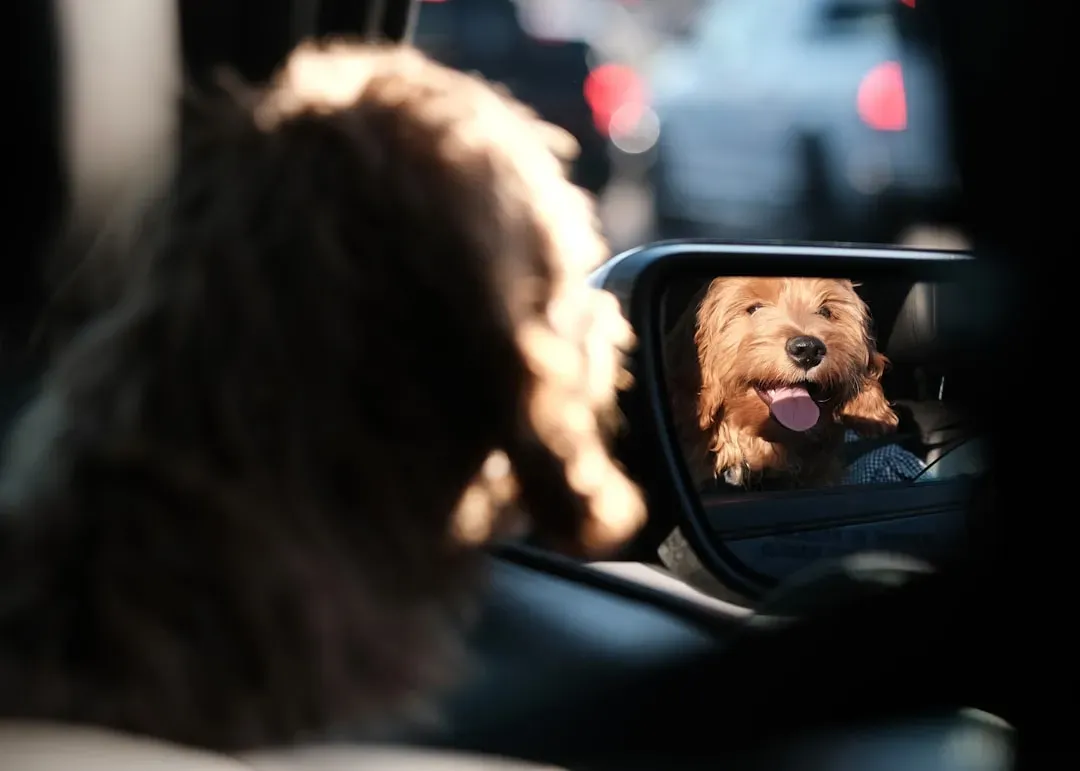
One of the most astonishing things about many dogs is how they can be absolute wild rockets at the park, then come home and instantly switch into calm mode if you’re exhausted or low. This is not a coincidence. Many dogs learn to regulate their energy based on your cues, observing how fast you move, how animated your voice is, and how much attention you’re offering.
There’s a deep kind of understanding in that adjustment. Unlike some friends who push you to go out when you clearly need rest, or drag you into their drama when you’re already drained, your dog often does the opposite. If you’re slow and quiet, they stretch out beside you. If you’re active and playful, they ramp up. It’s like living with a little emotional mirror that decided its job is to keep you company, not compete with you.
10. When They Notice Your Silent Grief
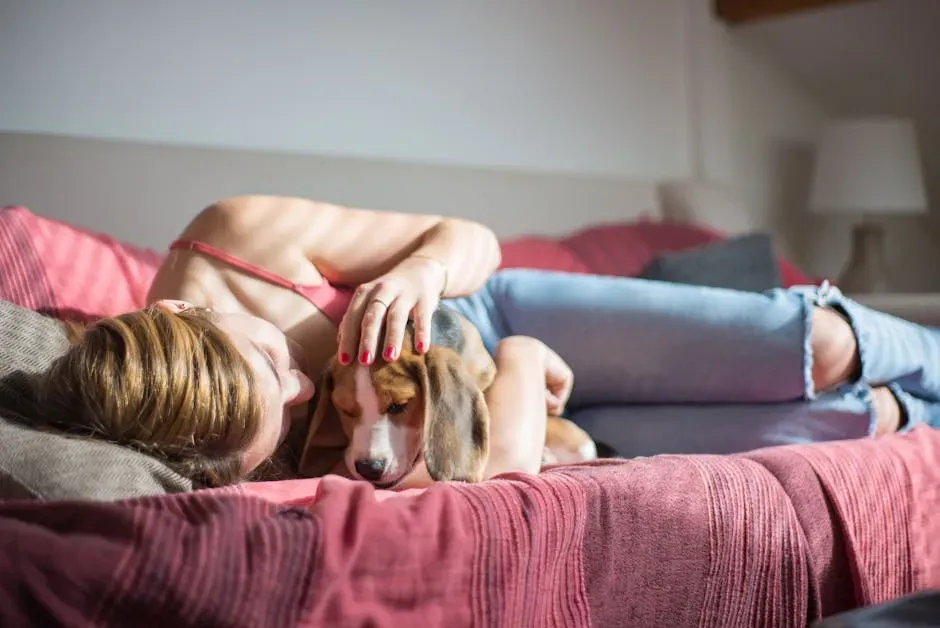
Grief is often wordless. Sometimes you can’t even explain to yourself why you suddenly feel heavy or numb. Dogs, however, are tuned into the smallest shifts: the way you pause a little longer holding an old object, the way your breathing changes when an unexpected memory hits, the fact that your eyes look glassier than usual even if no tears fall.
I remember sitting on the floor one evening after a loss, not crying, just sort of emptied out. My dog walked over without being called, sat directly in front of me, and placed one paw gently on my leg. No performance, no fuss – just quiet solidarity. In that moment, I felt more understood than I had all day, not because he knew the story, but because he recognized the depth of the feeling without needing any explanation at all.
11. When They Pick Up On Your Embarrassment And Stay Loyal Anyway
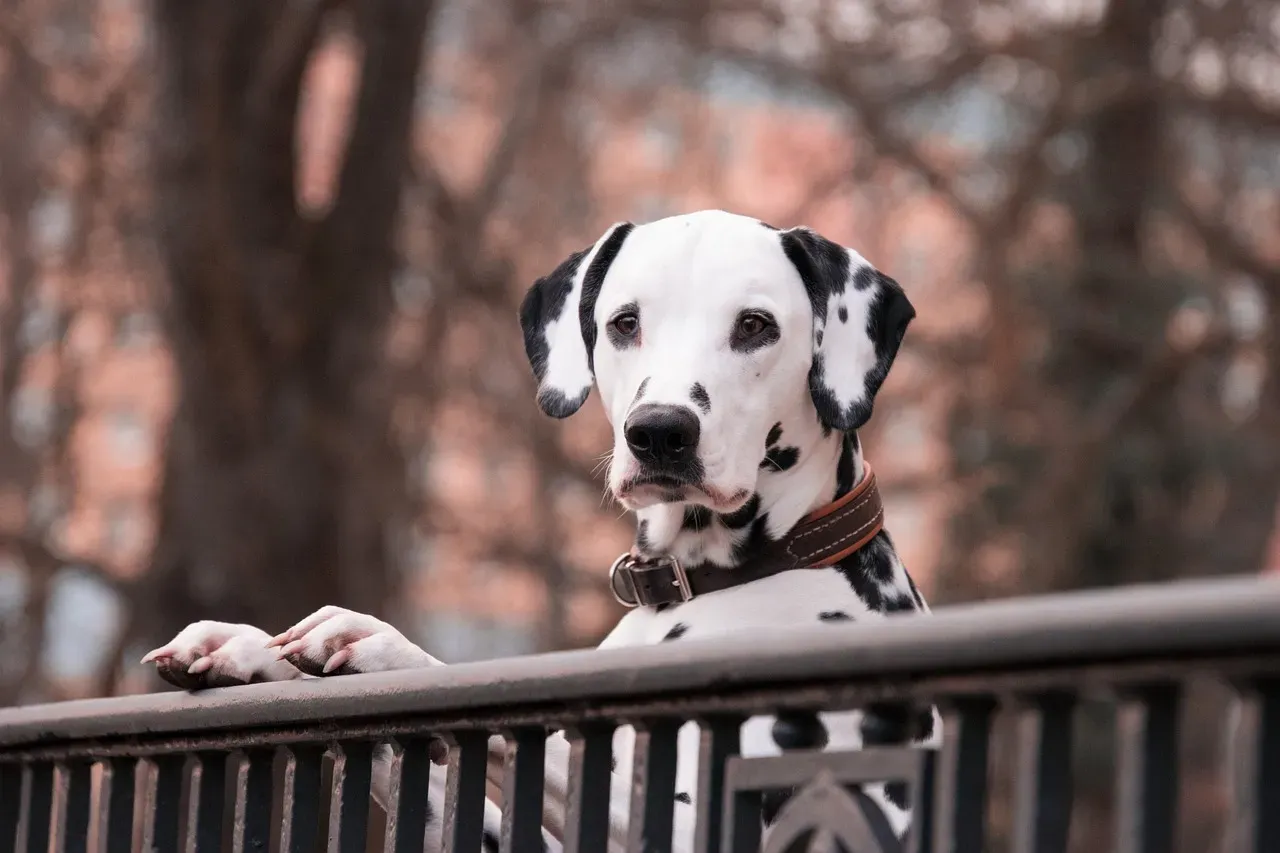
Humans can be harsh when we feel awkward or embarrassed. We replay moments in our heads, worry about what others thought, and sometimes get teased or dismissed. Dogs do not care if you tripped in public, messed up a presentation, or said something weird at a party. They might notice you moving differently or acting more withdrawn when you get home, but they don’t judge the reason.
Instead, they often greet you with the same joyful enthusiasm, or even a little extra affection if they sense your self-confidence took a hit. Their world does not revolve around your social performance; it revolves around your presence. That steady, unaffected loyalty can feel like balm on the sting of embarrassment – a reminder that, in at least one very important relationship, nothing about your worth just changed.
12. When They React To Your Phone Voice Versus Your Real Voice
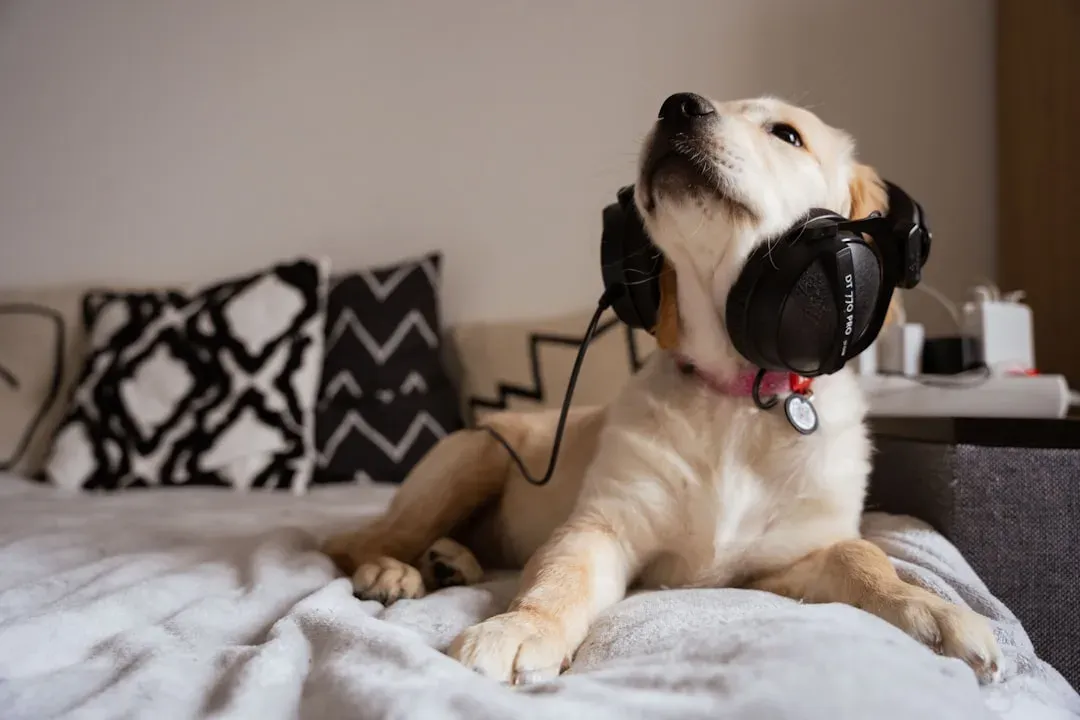
Dogs absolutely notice the difference between your “customer service voice” on the phone and your true emotional tone when you hang up. Many people slip into a more formal, upbeat, or controlled voice when talking to coworkers, relatives, or acquaintances. When the call ends and your shoulders drop, your dog sees that shift instantly.
Some dogs even become more active or vocal when you’re on a stressful call, pacing around or nudging you, because they can hear the strain underneath your polite words. They do not get fooled by your social mask. Instead, they anchor themselves to the version of you that surfaces once the performance ends, as if to say, I’m here for the real you, not the one you put on for other people.
13. When They Remember What Scares You And Adjust Their Behavior
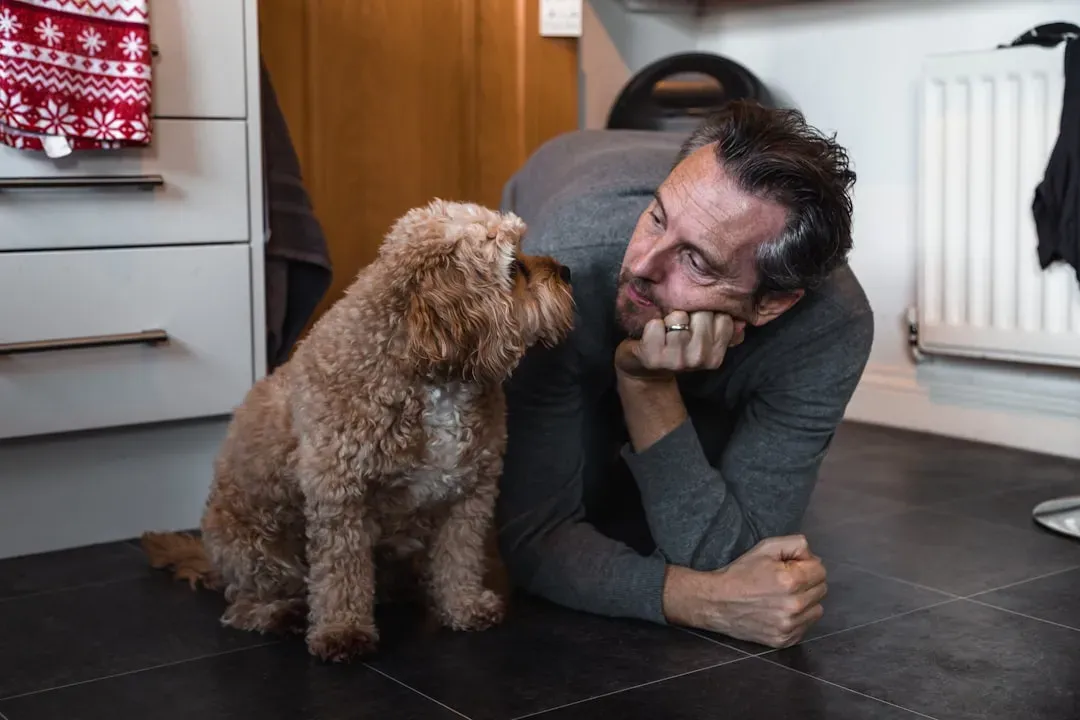
Dogs are not just learning about the environment; they’re also learning about you. If they notice that you tense up around loud noises, certain strangers, or specific locations, many will adapt. A naturally energetic dog might stay closer or move more carefully if they realize you’re uneasy, glancing back more often to check in.
This kind of learning feels deeply personal. It’s one thing for a friend to vaguely remember that you “don’t like crowded places.” It’s another for your dog to subtly change their own behavior because they’ve connected the dots between a stimulus and your reaction. They carry around a mental list of what unsettles you, not to tease you about it or push your limits, but to keep you feeling safer while you’re together.
14. When They Recognize Your “Thinking Mood” And Give You Space
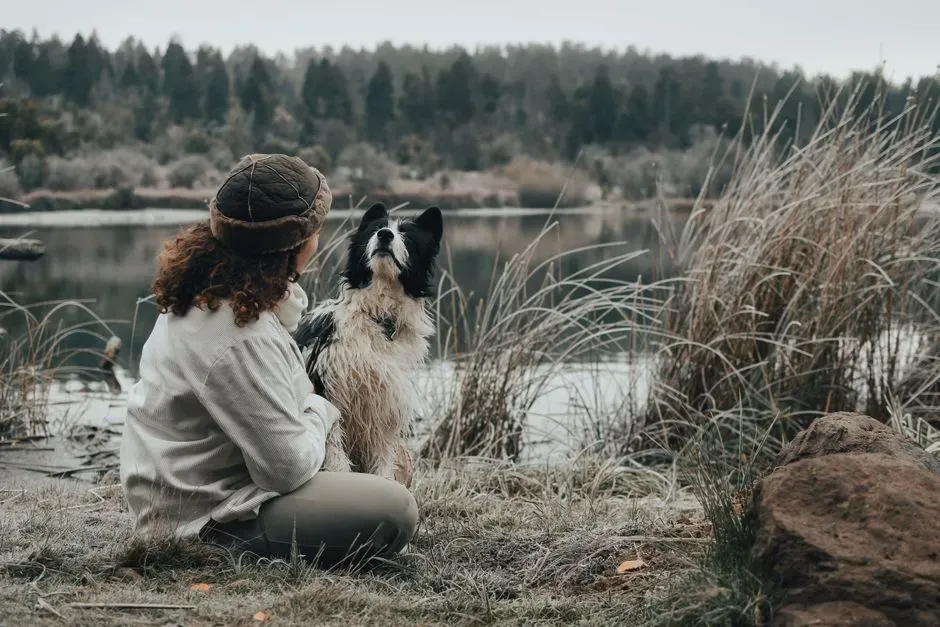
Many dog owners notice that when they get deeply absorbed in work, reading, or problem-solving, their dog shifts how they interact. Instead of constantly demanding attention, they might curl up nearby, occasionally checking in with a glance but not insisting on play. They seem to know that your brain is busy, and they respect that invisible boundary more gracefully than some humans do.
This is understanding in a very practical sense. Your dog is reading your stillness, the focus in your eyes, the fact that your responses are slower, and deciding, Okay, this is a quiet kind of together time. You end up with a companion who can be present without being intrusive – someone who does not take your need for focus personally or turn it into an argument.
15. When They Love You The Same On Your Best And Worst Days
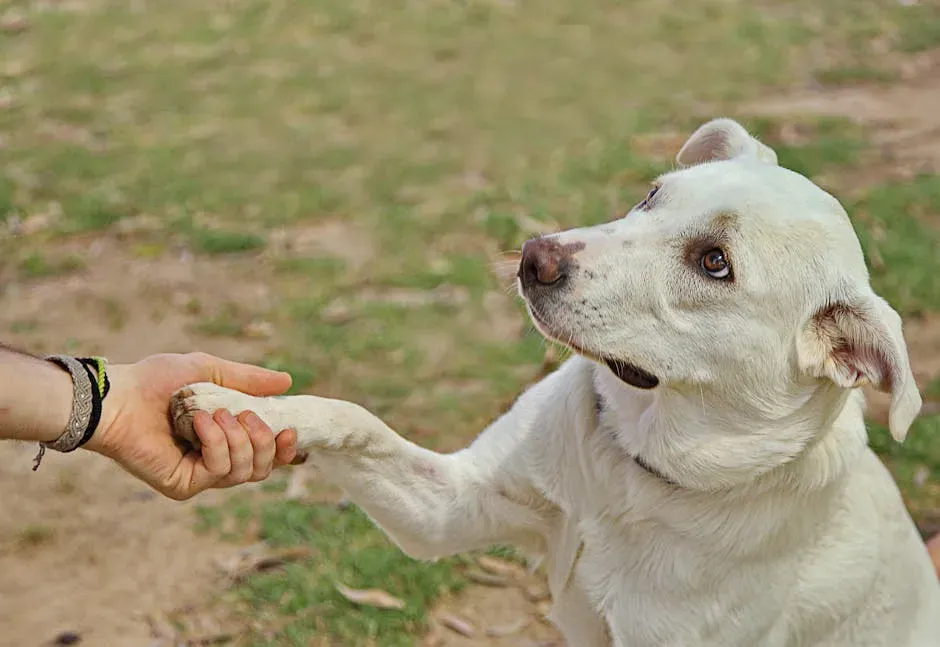
At the core of all these moments is something simple but rare: radical consistency. Your dog’s affection does not spike when you’re successful and vanish when you’re struggling. They don’t keep score of your mistakes, hold grudges, or downgrade you because of a bad week. Their understanding of you is based on years of shared routine, scent, voice, touch, and presence, not on your social status or latest achievement.
That’s why it can feel like they understand you more than your friends. They relate to the continuous, everyday version of you – the one who gets out of bed, talks to themselves in the kitchen, sighs at emails, laughs at random memes. In their eyes, you are not a performance or a project. You’re simply their person, and that identity never fluctuates.
Conclusion: Maybe Your Dog Gets You Because They’re Actually Trying
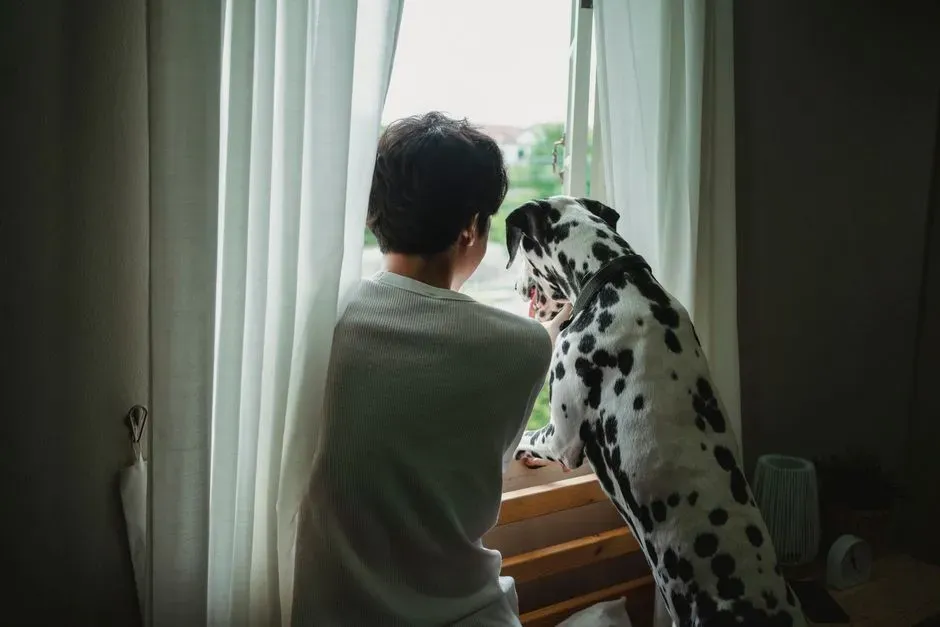
When you zoom out, a pattern appears: dogs are constantly studying us, while many humans only half-listen, half-watch, and half-care. Your dog is tuned to your body, your routines, your moods, your silences, and your energy shifts, day after day. That kind of attention creates something that feels like deep understanding, even if it’s built from senses and instincts rather than words and analysis.
Maybe that’s the uncomfortable truth for us humans: your dog seems to understand you more than your friends not because people are incapable, but because your dog is simply putting in the work. They notice, they remember, and they respond – without judgment, agenda, or emotional clutter. It raises a challenging question we do not always want to face: if a creature that cannot speak our language can learn us this well, what excuse do the people in our lives really have?


