
You love dogs. Of course you do. You probably have one curled up next to you right now, or you’re dreaming about adopting one soon. Here’s the thing though – not all dogs are created equal when it comes to how smoothly they fit into your daily life. Some dogs will make you feel like the world’s greatest pet parent. Others? They will test every last nerve you have, lovingly, adorably, and completely unapologetically.
The truth is, every breed comes with its own personality blueprint, shaped by hundreds of years of selective breeding. A dog bred to chase rabbits underground is not suddenly going to sit quietly while you vacuum. Knowing what you’re getting into before you bring a dog home is one of the most loving things you can do – for both of you. So let’s dive into the full picture, the challenging ones and the absolute angels.
1. Siberian Husky – The Escape Artist With a Gorgeous Face
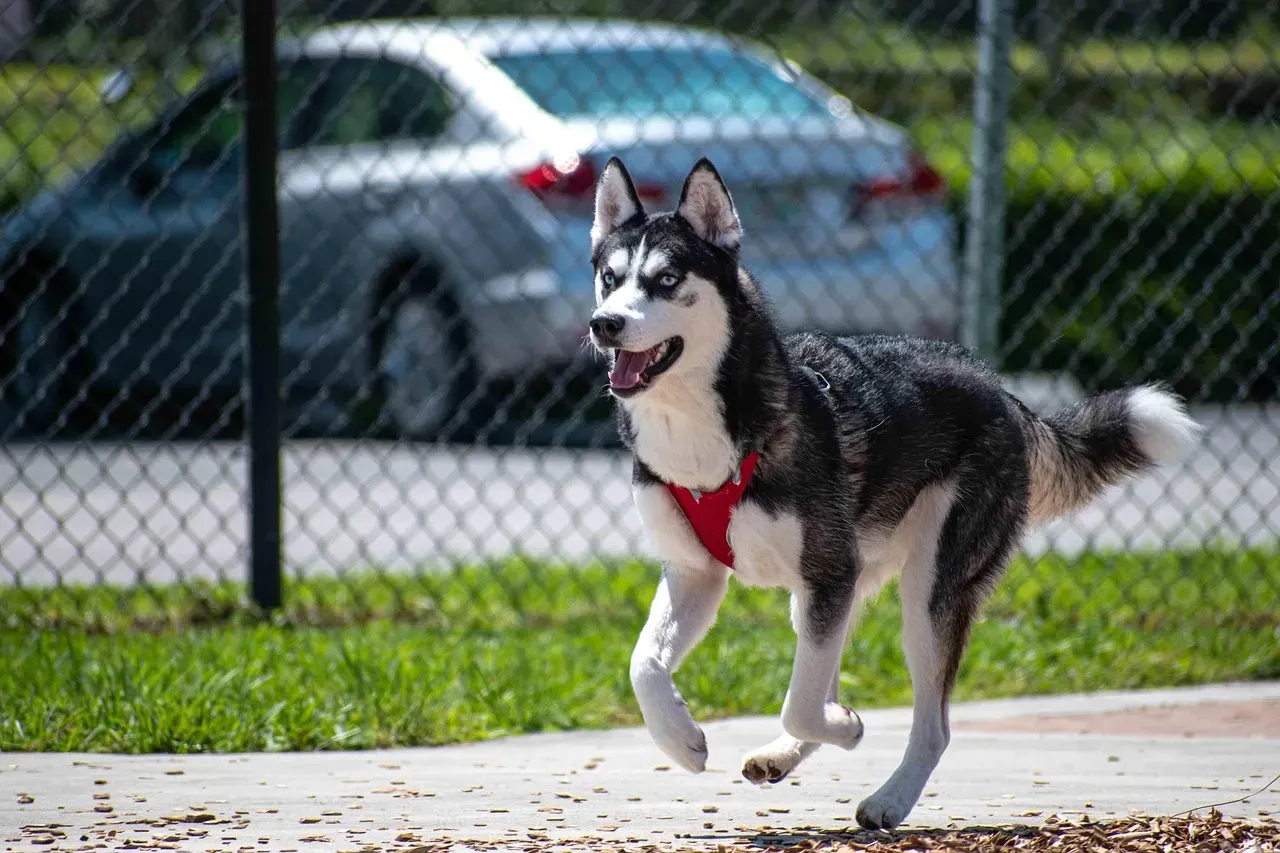
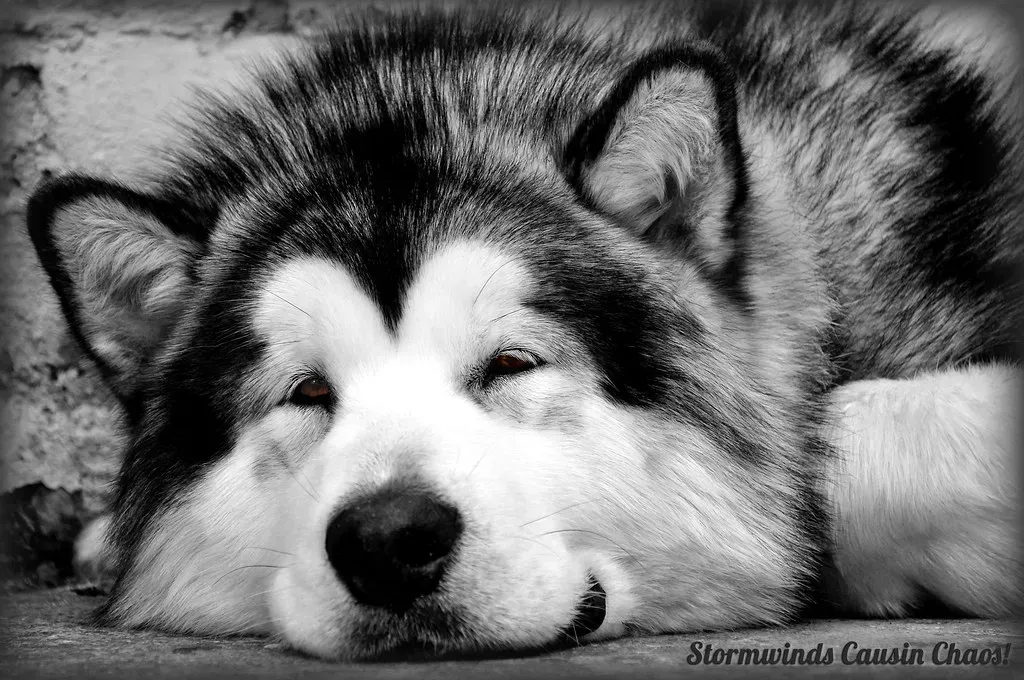
Let’s be real: Huskies are breathtakingly beautiful, and they know it. This high-energy breed requires a lot of exercise and is prone to bolting out the door. They are also very intelligent and skilled escape artists with a strong will that can lead them to ignore you in favor of doing whatever they want. Imagine calling your dog back at the park only to watch it sprint happily in the opposite direction. That’s a Tuesday with a Husky.
Bred to pull sleds in harsh climates, they’re independent thinkers who love to run and explore. They often ignore commands, especially if off-leash. A tired Husky is a well-behaved one. So if you’re active, adventurous, and have a securely fenced yard, a Husky might actually be your dream companion. Just don’t expect easy obedience training anytime soon.
2. Shiba Inu – The Cat That Thinks It’s a Dog
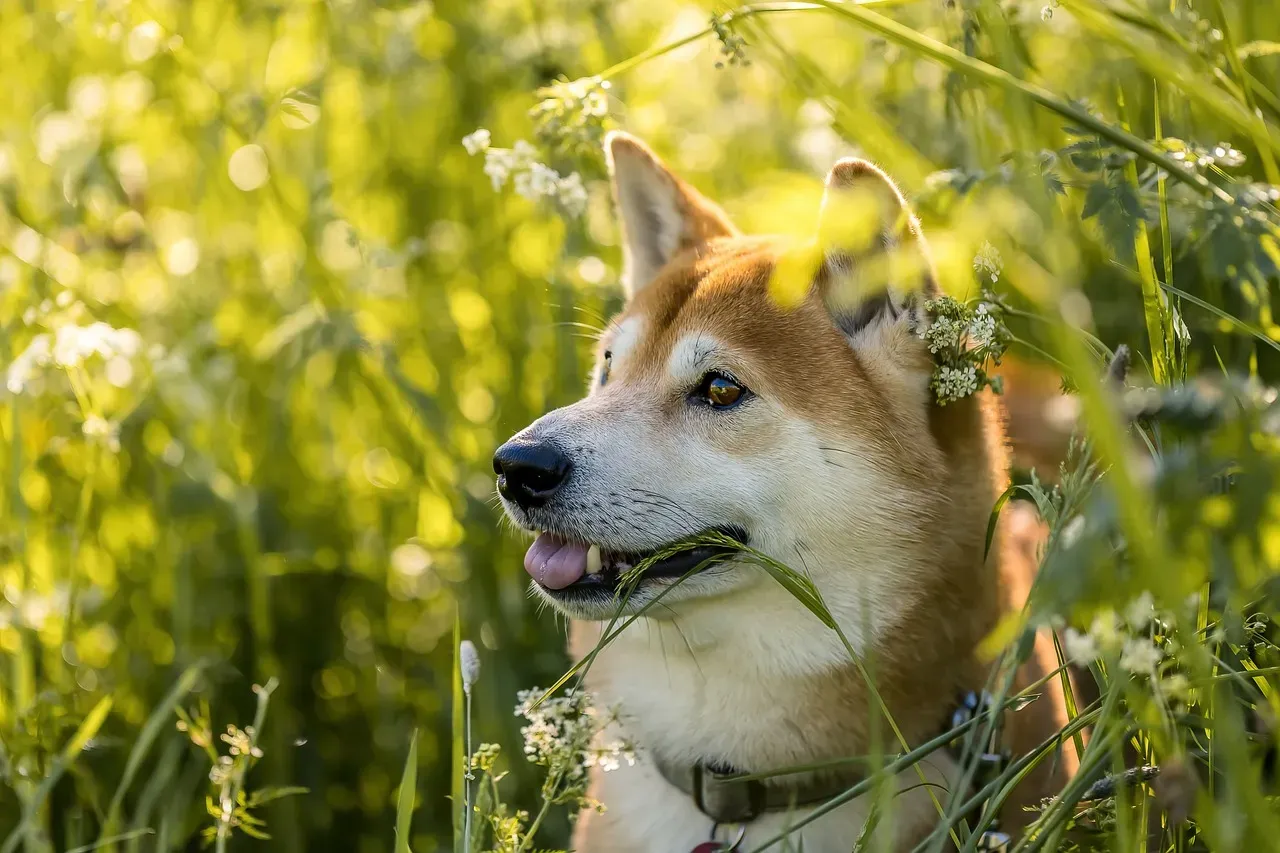
Shiba Inus are known for their bold and fiery personalities, often accompanied by a stubborn streak that can make training a test of wills. They’re fiercely independent and intelligent, qualities that require consistent, patient training techniques. They’re not called the most cat-like of dog breeds for no reason. Honestly, living with a Shiba Inu is like sharing your home with a very opinionated roommate who pays no rent.
This small Japanese breed is charming but headstrong. The Shiba Inu is known for its strong-willed temperament and dislike of following commands. While it’s highly intelligent, its independent nature can make training a challenge. Early socialization is non-negotiable with this breed. Start young, stay consistent, and embrace the chaos with a sense of humor.
3. Afghan Hound – The Regal Rebel
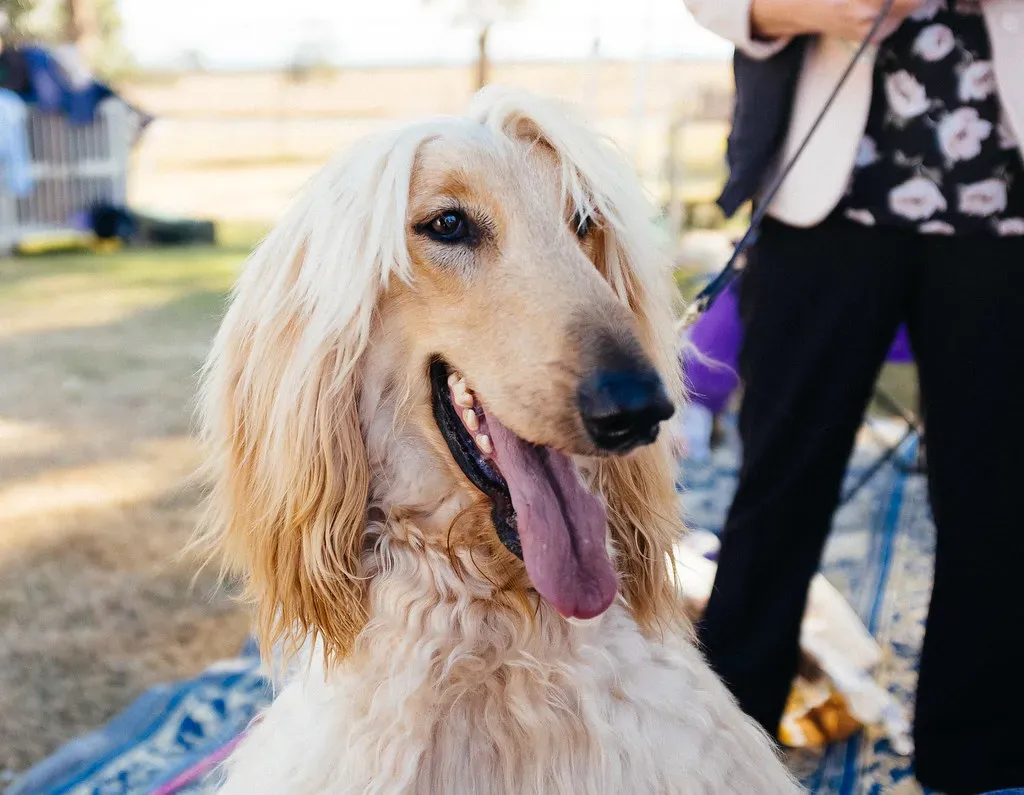
Despite being one of the world’s most expensive dogs, the Afghan Hound is considered to have the lowest obedience and working intelligence among dog breeds. Research concluded that the striking Afghan Hound needs at least 80 repetitions to understand a new command. This may stem mainly from the fact that it is one of the most stubborn breeds, notorious for ignoring its owners’ commands. Think of them as the artist of the dog world – deeply intelligent in their own unique way, just not interested in your agenda.
Afghan Hounds do not prefer to respond to anyone’s command, even if it is from their humans. After assessing the scenario themselves, they would react to the commands only if they felt so. To train this gorgeous hound, you need to develop a great deal of patience and understanding of its independent nature and high-spirited vibe. Once you understand its nature and ways to train it, the Afghan Hound will be a regal delight and a jovial companion for you.
4. Chow Chow – Fluffy on the Outside, Fortress on the Inside
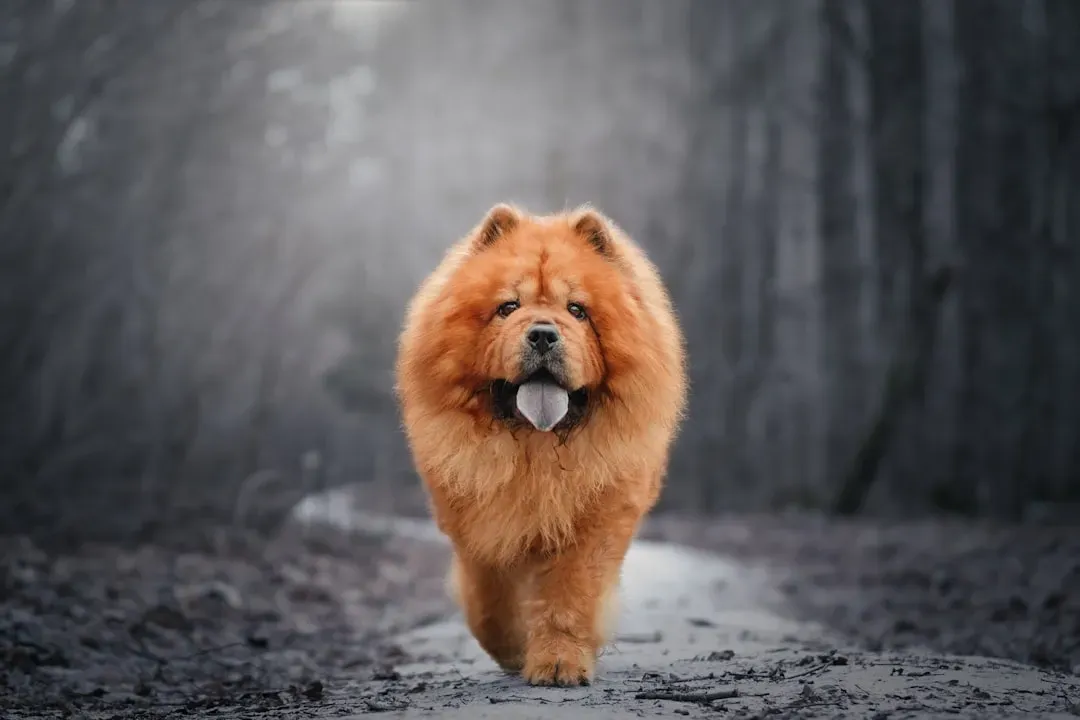
The Chow Chow may look like a huggable ball of fluff, but these independent dogs aren’t as lovey-dovey as they appear. Initially bred for guarding, hunting, and herding in China, they have a loyal nature and are fiercely protective of their owners. You might expect a big fluffy hug from this teddy bear lookalike. What you’ll actually get is a dignified stare and a slow turn of the head.
Chow Chows tend to be aloof with strangers and may behave aggressively toward unknown people and animals if not properly socialized from an early age. While intelligent, these dogs are stubborn. Raising a well-mannered and well-adjusted Chow takes a lot of training and patience, so these dogs do best with experienced owners. If this is your first dog, I’d gently steer you elsewhere. If you have experience and patience to spare, a Chow Chow’s loyalty is genuinely extraordinary.
5. Beagle – The Nose That Never Clocks Off
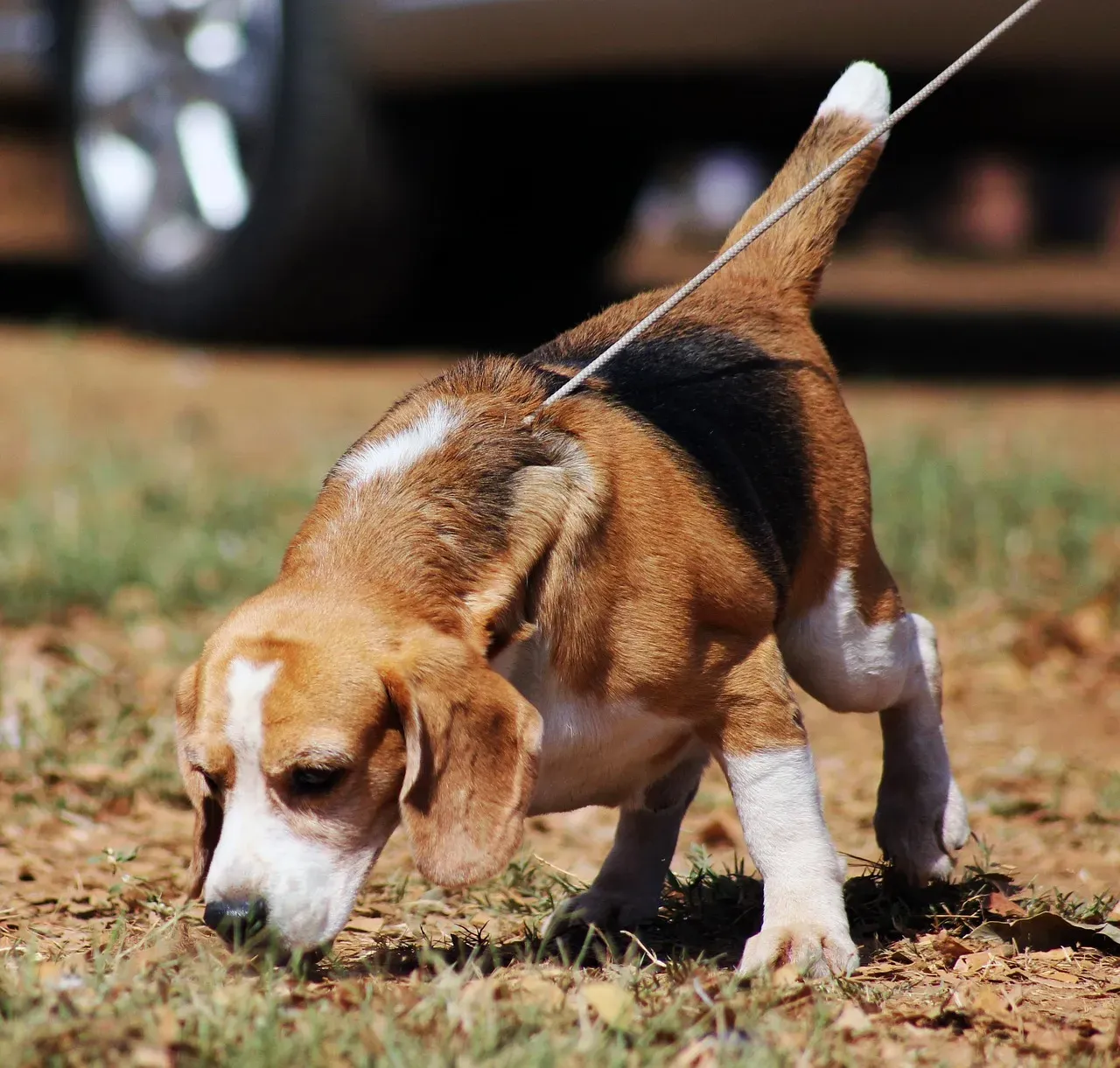
The Beagle is friendly, loving, and notoriously difficult to train. The Beagle’s independent streak and incredible nose mean it will often ignore its owner’s calls when on a scent trail. Leash training and mental stimulation help keep their focus. Picture this: you’re at the park, Beagle on the loose, calling their name. They have found a smell approximately 400 meters away, and you simply do not exist right now.
Even if they are a bit stubborn, owners can overcome that with treats because Beagles are usually motivated by food. They cannot resist exploring the world through scent and chasing small creatures. Food rewards are your superpower with this breed. Keep training sessions short, keep the treats high-value, and always keep them on a leash in open areas until their recall is rock solid.
6. Dachshund – Small Dog, Enormous Opinions
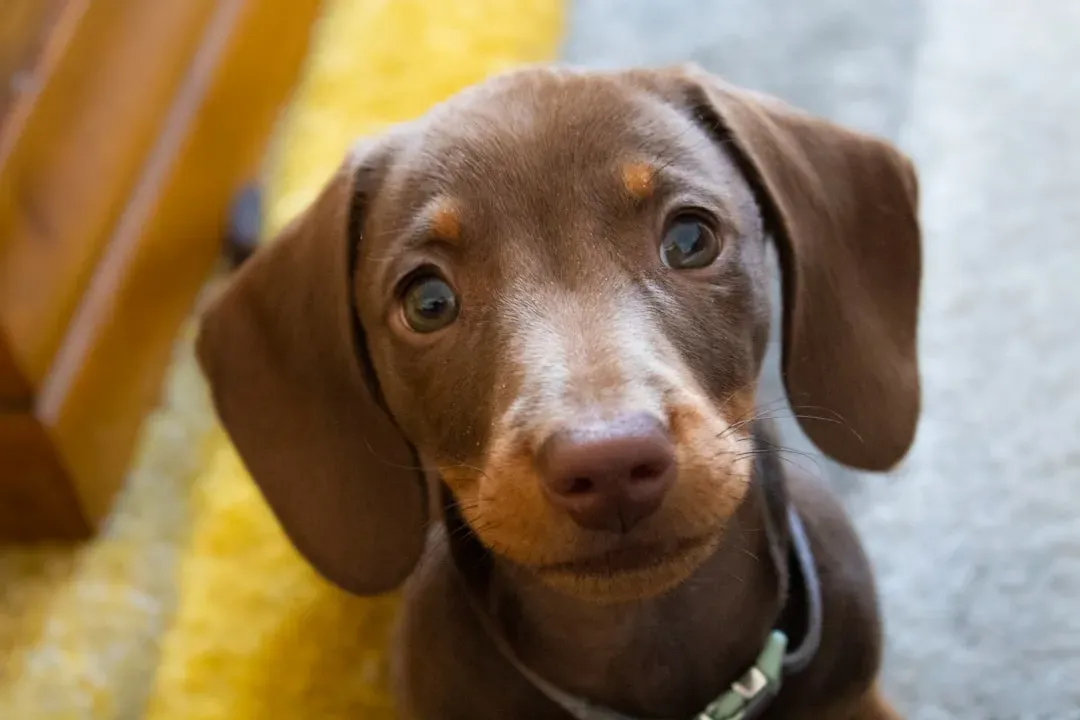
Dachshunds are brave and bold, often showing no fear despite their small size. This courage, combined with a strong sense of independence, can make them quite stubborn when it comes to training or obeying commands. They’re best suited for owners who can match their determination with patience and consistency. I think part of what makes Dachshunds so endearing is precisely this fearlessness. They genuinely believe they are in charge. All the time.
The short wiener dog is well-known for their lively and independent attitude, as well as their intelligence, hunting ability, and stubbornness. Doxies like to do things their own way, and you are likely to find your Dachshund digging holes, chewing on shoes, or chasing your other pets on a daily basis. Watch out for their backs – their long spines make them prone to spinal disc issues (IVDD), so keeping them off high furniture is an important health precaution every Dachshund owner should know.
7. Chihuahua – Tiny Body, Maximum Drama
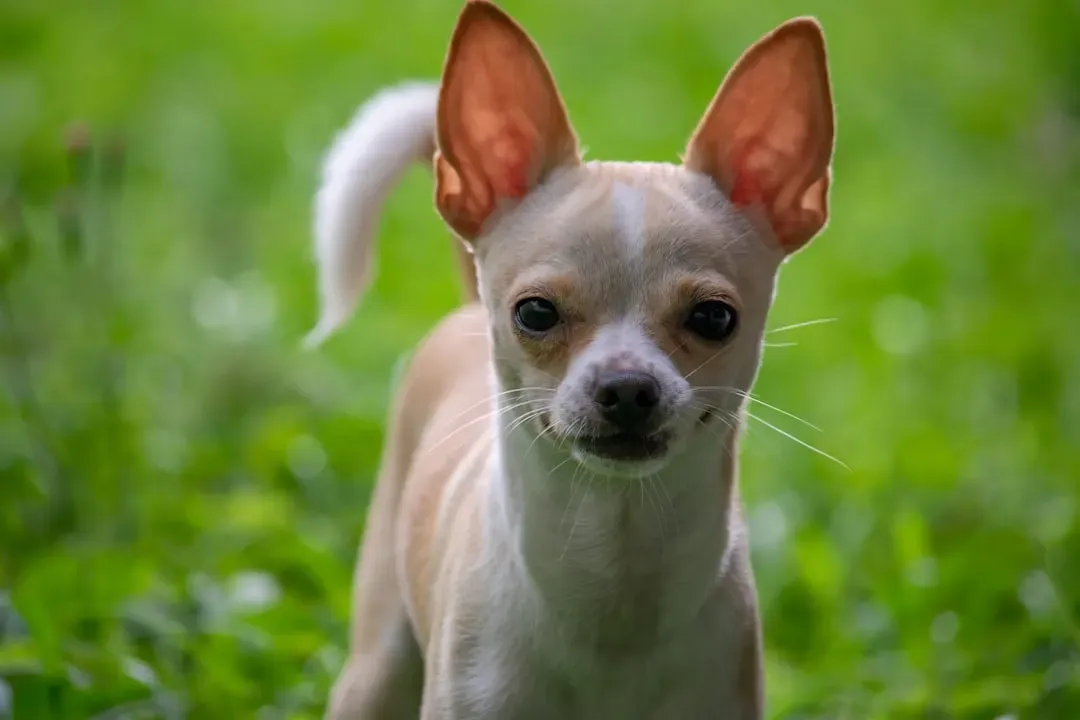
As the most petite pooch in the world, you may not expect them to have such a big attitude. However, the Chihuahua needs all the patience you can muster to train because they seem to think that they are the boss. With a ton of sass but a lot of love, these pawesome poochies are great playmates for anyone with lots of time and energy. Honestly, if confidence came in a bottle, Chihuahuas would be selling it.
These dogs tend to be aggressive when not trained. Hence, you must work with a professional pet trainer to avoid this type of problem. Even with the Chihuahua’s miniature stature, they are very protective of their owners. The key is never to let their size fool you into skipping training. A well-socialized Chihuahua is a charming, devoted little companion. A poorly socialized one can be snappy and difficult around strangers and children.
8. Basenji – The Dog That Doesn’t Bark (But Still Won’t Listen)
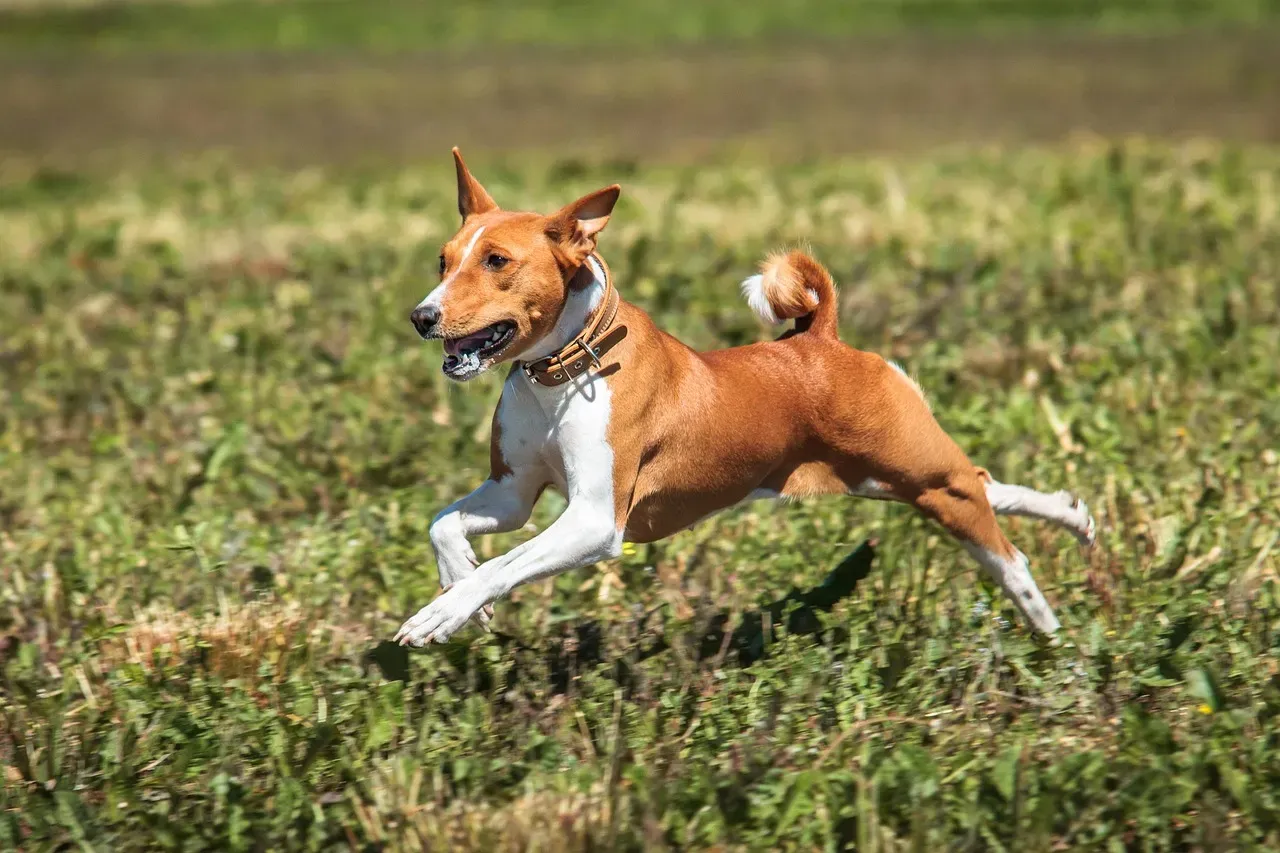
Breeds like the Basenji tend to be more independent-minded and may exhibit stubbornness during training. They may require patient and consistent training methods to establish boundaries and prevent behavioral problems associated with their independent nature. The Basenji is famously known as the barkless dog – they yodel instead. Unique, yes. Quiet, also yes. Easy to train? Absolutely not.
Stubbornness is seen in certain dog breeds because they have increased intelligence, a sense of independence, and inherent instinctual behavior. The Basenji is a textbook example of a dog that is sharp, perceptive, and completely unbothered by your training schedule. They respond best to positive reinforcement and short, engaging sessions. Think of it less like training and more like negotiating.
9. Jack Russell Terrier – Wired, Willful, and Wildly Entertaining
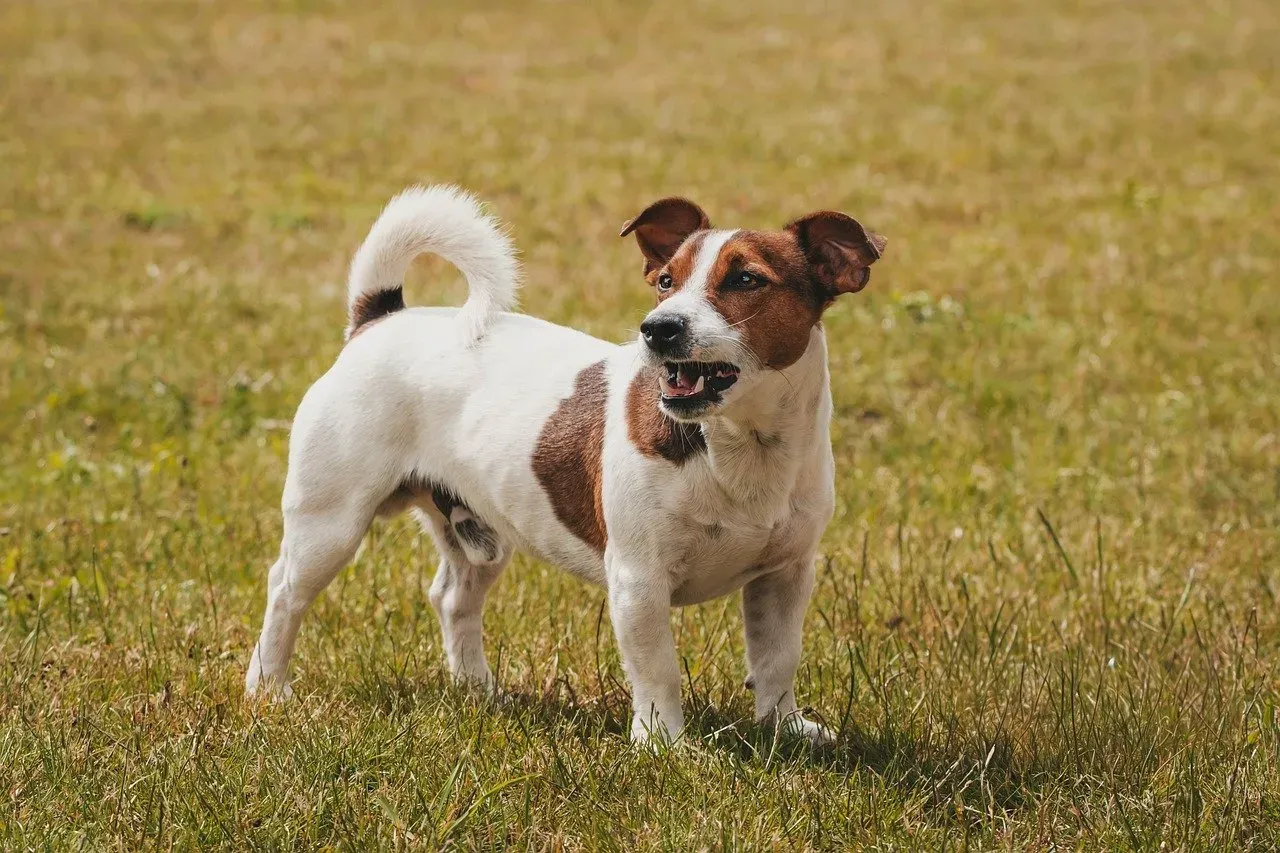
These energetic terrier breeds are as clever as they are stubborn. The Jack Russell Terrier was bred to hunt small prey like foxes, so it’s no surprise they often act like they’re on their own mission. Stubborn pups like these do best with structured routines and plenty of exercise. Leave a Jack Russell alone with nothing to do for a couple of hours, and you’ll come home to what looks like a small tornado passed through your living room.
Terrier breeds like the Jack Russell Terrier can be energetic, feisty, and prone to assertiveness. They may exhibit a strong prey drive and be more inclined to dig or bark. Their high energy levels and determination require regular exercise and mental stimulation. Channeling their energy into agility training, puzzle feeders, or scent games is genuinely transformative for this breed. They thrive on challenge. Give them a job, and they become a completely different dog.
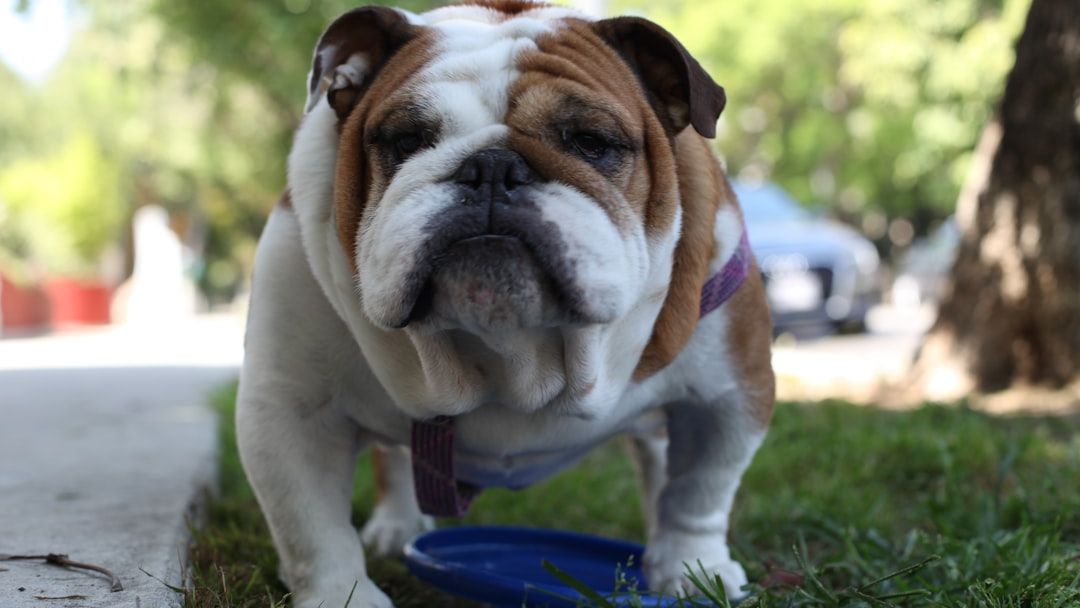
10. English Bulldog – Lovably Lazy and Stubbornly Set in Their Ways
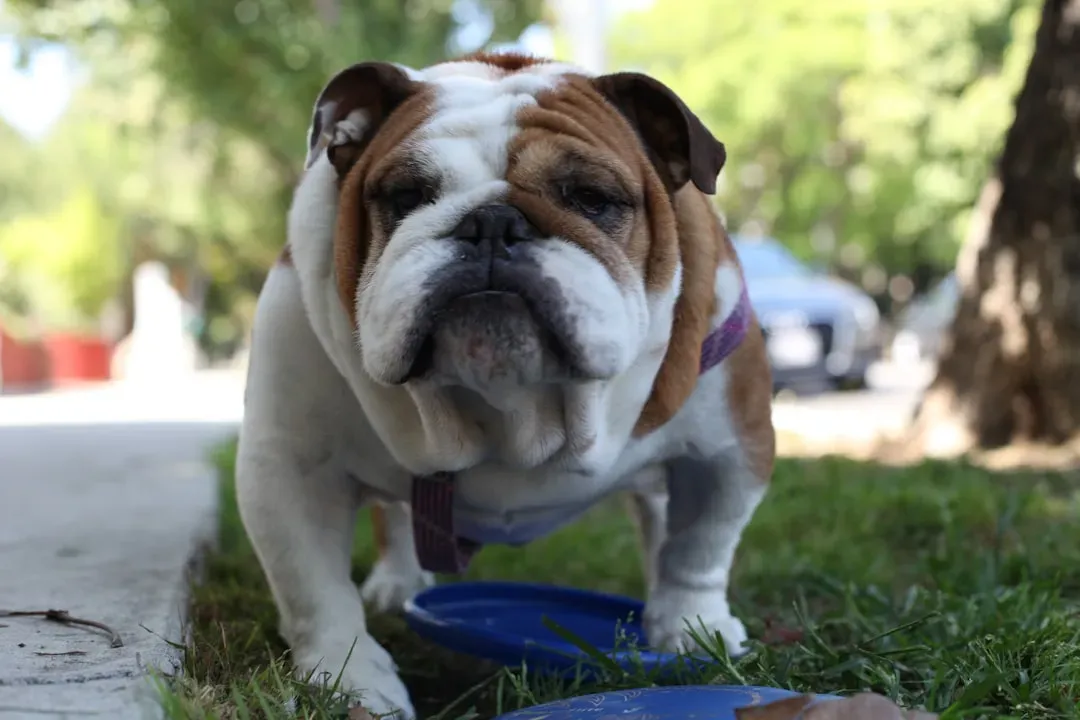
Bulldogs are the epitome of a stubborn breed, often choosing leisure over obedience. While their laid-back nature makes them excellent companions for less active households, their stubborn streak can prove challenging during training sessions. They’re best suited for owners who can appreciate their unique personalities and are patient with their training needs. Training a Bulldog sometimes feels like trying to convince a sleepy toddler to tidy their room. They’ll look at you with those squishy, melting eyes – and nothing will happen.
English Bulldogs tend to learn only a few commands. Research ranked the breed near the bottom in its ability to obey a first command or understand new ones. In general, Bulldogs can be stubborn and learn only a few commands, so owners are advised to choose carefully which commands they try to teach. Focus on the commands that matter most for safety and daily life. Keep sessions playful, use treats generously, and celebrate every tiny win. Bulldogs also have significant health needs – their flat faces (brachycephalic anatomy) can cause breathing issues, so always monitor them in heat.
11. Golden Retriever – The Dog That Makes Everything Better
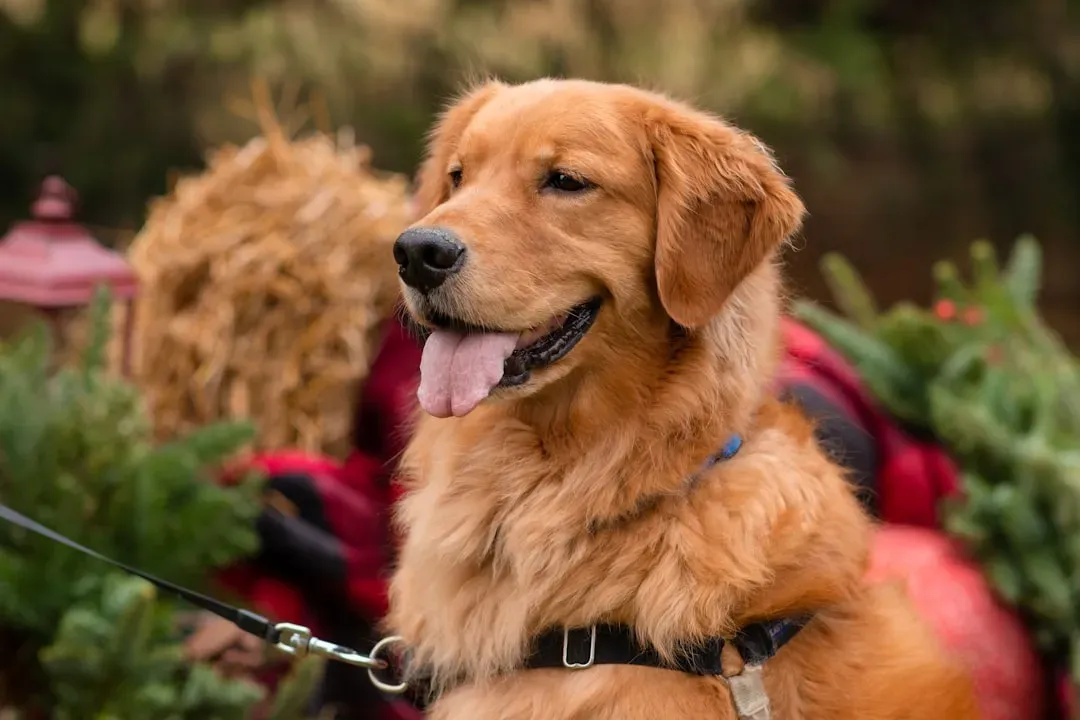
Now for the good stuff. Golden Retrievers are not only one of the most popular family dog breeds, but they’re also highly trainable. They are intelligent, friendly, and eager to please, making them excellent candidates for obedience and retrieval training. Honestly, if you’ve ever met a Golden Retriever, you already know. Their default setting is pure joy.
They are often used in various roles like search and rescue, guide dogs for the visually impaired, and as therapy dogs. Their eagerness to please their owners makes them responsive to training. They also have a natural affinity for retrieving, which can be honed with structured training. One thing to keep in mind – Goldens are prone to obesity, so balance those reward treats with proper portion control and regular daily exercise. A healthy Golden is a happy Golden.
12. Labrador Retriever – The Friendliest Dog on the Planet
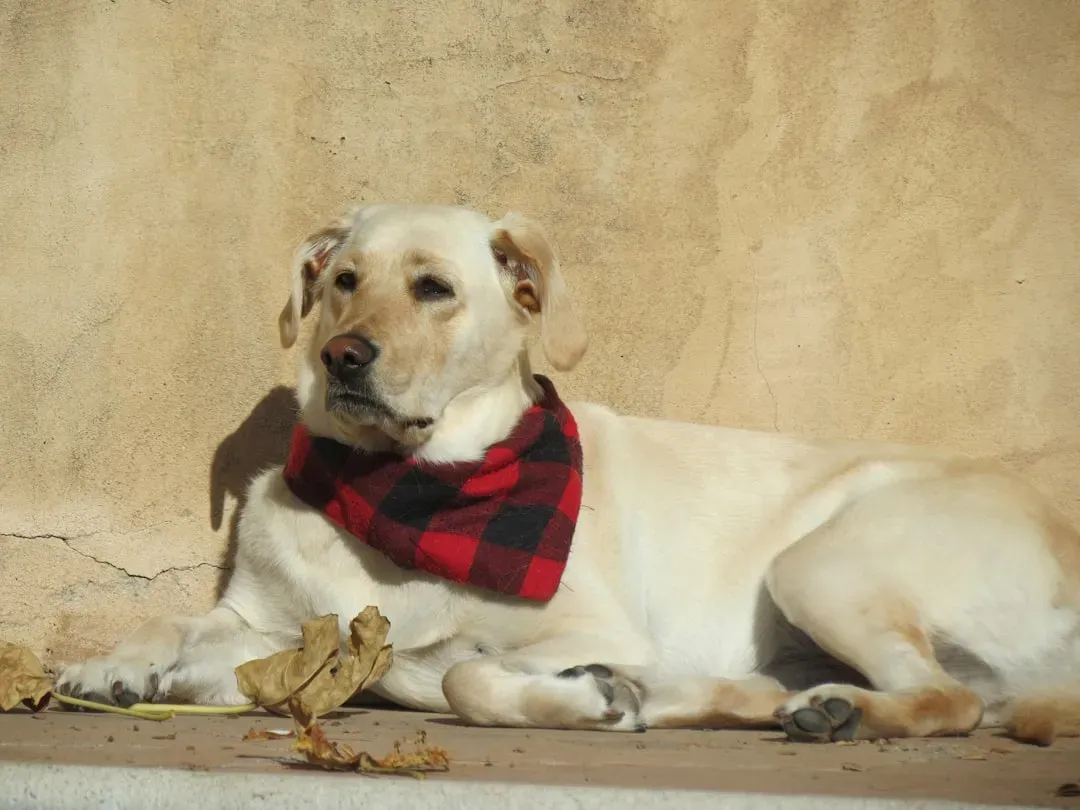
A popular dog breed and America’s favorite for many years, the Labrador Retriever is friendly, energetic, and eager to please. They are often considered an ideal first pet as you begin learning how to train dogs. These clever pups love a challenge, which makes training them a pleasure. Their ease of training and their calm and gentle nature has made them a top choice for guide dogs around the world.
Labs are some of the most outgoing, friendly, and high-energy dogs. They live up to their reputation of being loyal and gentle companions, which makes them great around kids. One word of caution though: Labs are prone to hip dysplasia and weight gain, so keeping them active and at a healthy weight is one of the most important things you can do as their owner.
13. German Shepherd – The Loyal Overachiever
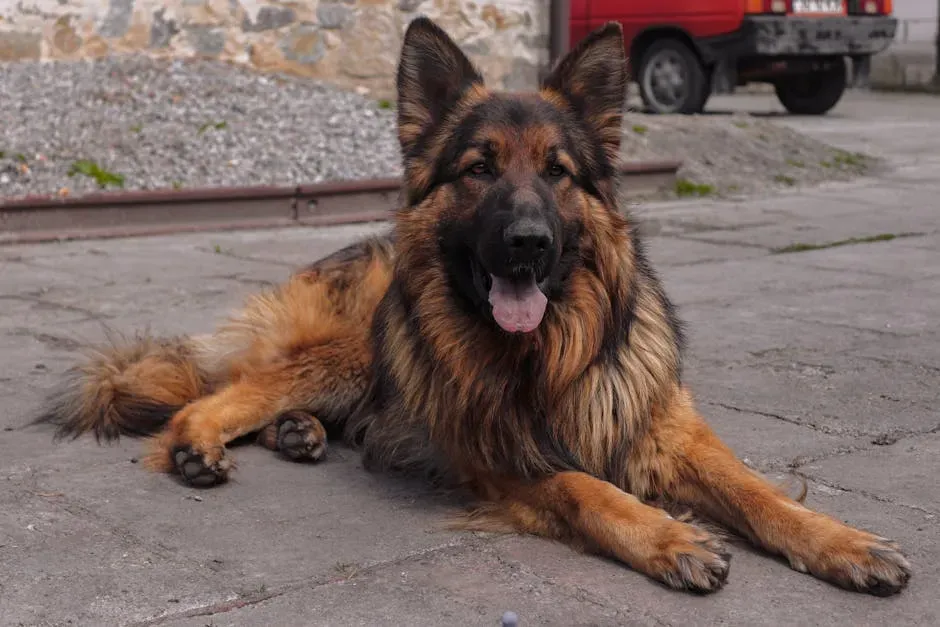
German Shepherds were bred for their responsiveness and obedience. We often see German Shepherds trained to be police dogs, guide dogs, service dogs, and search and rescue dogs. German Shepherds are loyal and protective, making them wonderful family dogs. They’re essentially the straight-A student of the dog world. Give them a task, they’ll nail it. Give them structure, they’ll thrive.
German Shepherds are actually quite affectionate family members, good around other dogs, and high energy. Their “eager to please” personality makes them very easy dogs to train. German Shepherds need daily mental and physical stimulation though – a bored shepherd can become destructive or anxious. Think long walks, obedience work, and interactive games. They give you everything. Make sure you give back.
14. Poodle – Far More Than a Pretty Haircut
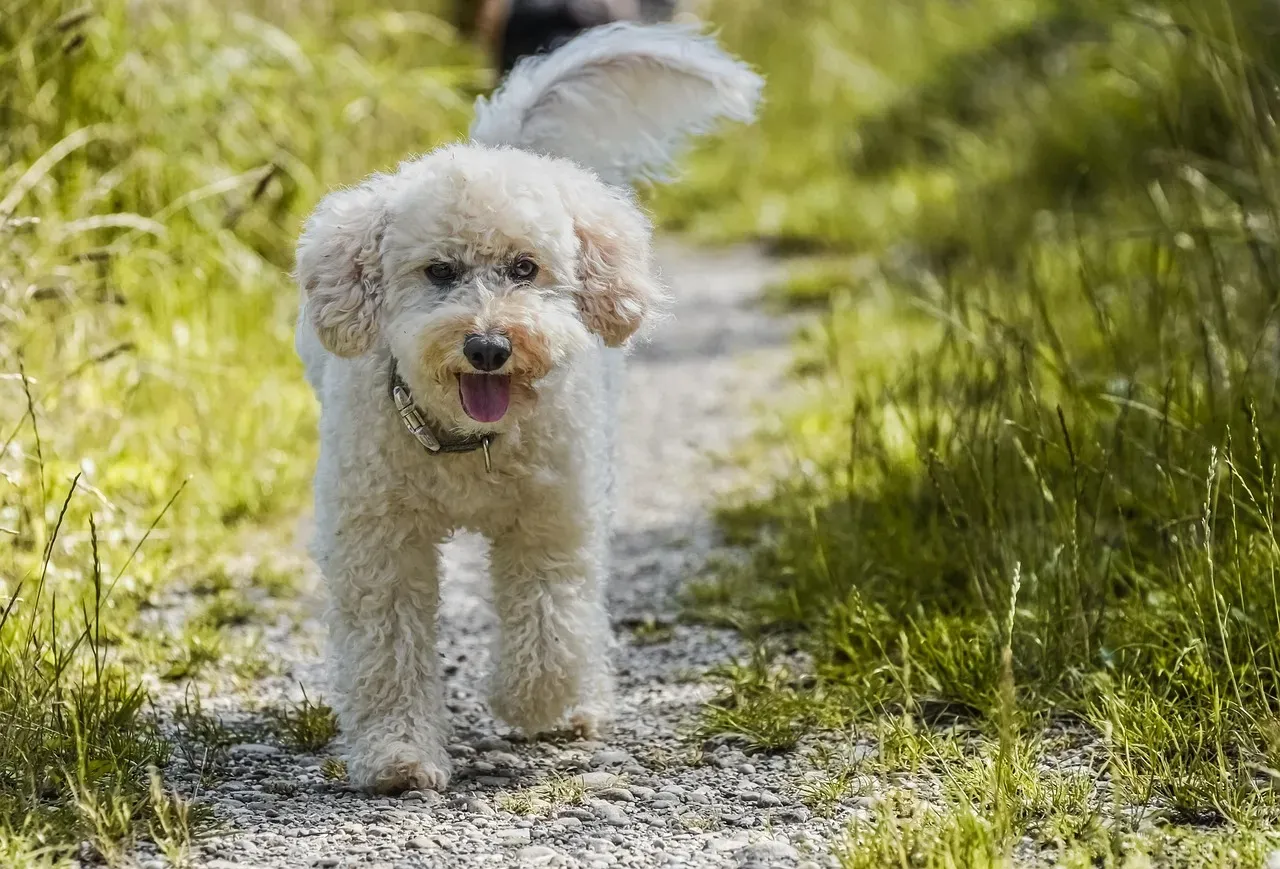
Another obedient and lovable dog breed, Poodles are incredibly smart dogs and make great family-friendly dogs, especially for first-time dog parents. They are elegant-looking, but they are also one of the most clever breeds in the world. The Poodle’s reputation as a prissy show dog is one of the most unfair stereotypes in the canine world. These dogs are athletes, thinkers, and total sweethearts.
A Poodle has more than just a pretty face. Intelligent and elegant, these pups are devoted to their owners and love learning new and often complex tricks. They are agile and athletic, making them perfect contenders for dog sports. Standard Poodles tend to have the calmest demeanor and are perhaps the easiest to focus during training. They’re also hypoallergenic, which makes them a genuine lifesaver for allergy-prone households.
15. Cavalier King Charles Spaniel – The Original Lap Angel
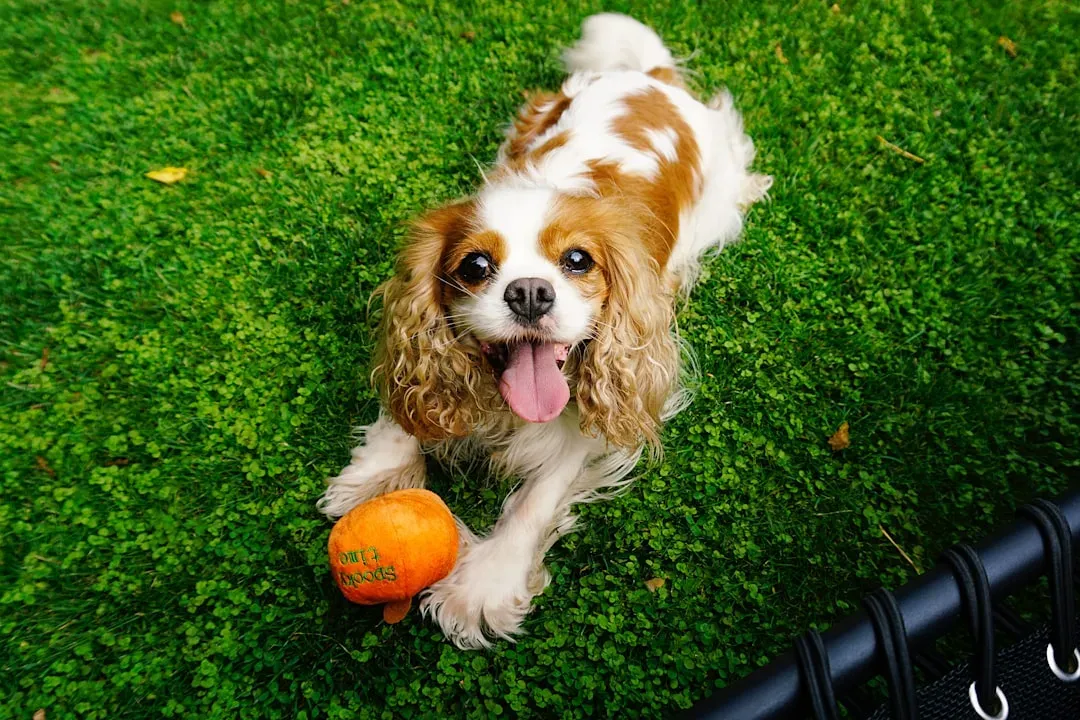
The Cavalier King Charles Spaniel is a toy breed with a sweet, gentle expression and long, feathered ears. This breed is compact with a silky coat and an overall elegant, warm, and friendly feel. Personality is where this breed really helps training feel easier. The Cavalier King Charles Spaniel is described as affectionate, playful, and intelligent, with devotion that makes many people smile.
Because shyness and aggression are not part of this breed’s typical behavior, it can be easier to keep training calm and comfortable. For the easiest dogs to train, the mood of the home matters, and this breed enjoys a close connection with its guardians. Use positive reinforcement and keep training sessions light so the dog stays eager and relaxed. One health note worth knowing: Cavaliers are prone to heart conditions (mitral valve disease), so regular vet check-ups are especially important for this breed.
16. Papillon – The Tiny Dog With an Enormous Brain
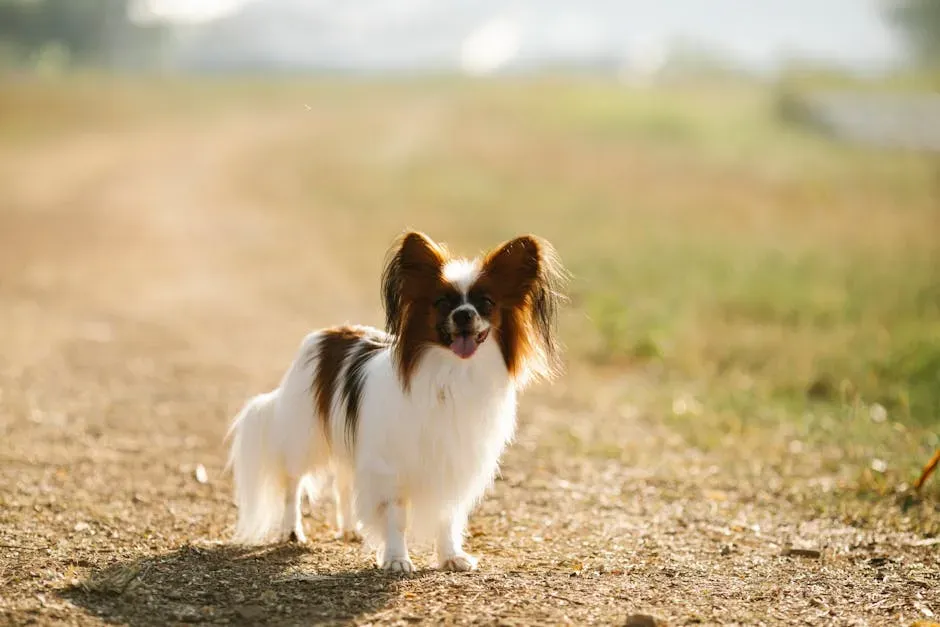
The Papillon may be tiny, but this breed is whip-smart, which is why they are considered to be one of the most well-behaved dogs and one of the best dogs for beginners. “Papillons are small dogs with big personalities and sharp minds.” Their butterfly-shaped ears are famous. Their intelligence is equally impressive. I think they might be one of the most underrated breeds out there.
Despite their small size, Papillons are incredibly intelligent and trainable. They have a keen sense of curiosity and are eager to learn new tricks and commands. They make great companions for families and individuals alike. Papillons excel in agility competitions and obedience trials, regularly outperforming dogs ten times their size. If you want a small dog that genuinely listens, this is your match.
17. Cocker Spaniel – Sweet, Gentle, and Always Willing

Cocker Spaniels are known for being gentle and merry. Bred to hunt birds, these dogs are wonderful companions. The sweet nature of a Cocker Spaniel makes them ideal for families with children, as they are easily trained and happy to play gently. There’s something wonderfully uncomplicated about a Cocker Spaniel’s desire to make you happy. They’re not scheming. They’re not testing you. They just want to be with you.
Cocker Spaniels are great family dogs who are affectionate towards their owners and enjoy attention. If well socialized from being a puppy, they are great with strangers and anyone around them. They are alert and can sense danger but are not an aggressive breed – they simply want to protect those they have a strong bond with. They are active dogs and don’t enjoy being alone, making them the perfect choice for families with children. Their intelligence makes them great to train in both commands and obedience.
18. Havanese – The Cheerful Little Social Butterfly
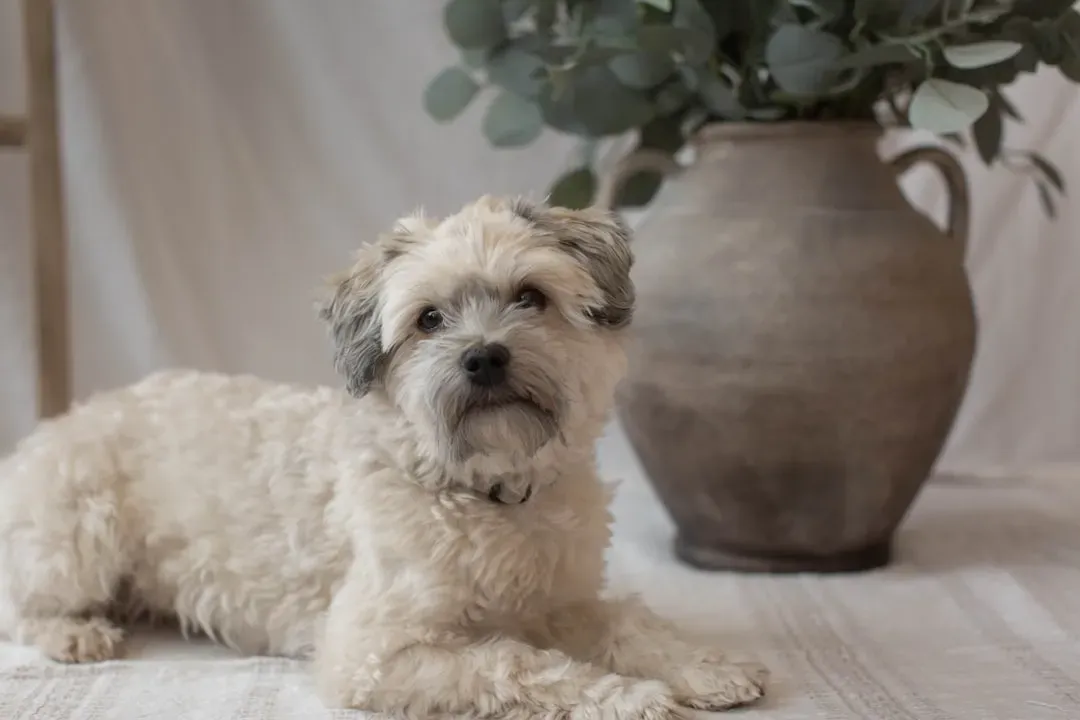
Havanese is a sturdy toy breed known for a cheerful, affectionate disposition. This breed is described as happy, outgoing, and friendly with humans and other animals, which can make early socialization feel simpler. Even though it is small, this dog has a confident presence and a keen eye. Havanese are often called easy to train and eager to please, which fits well with a gentle approach.
What makes the Havanese truly special is their adaptability. They thrive in apartments just as well as large houses. They’re happy with older people, young families, and everyone in between. Great family dog energy, with just enough pep to keep training fun, not exhausting. They do crave company though – leaving a Havanese alone for long hours regularly can lead to separation anxiety. They’re wired to be with their people.
19. Border Collie – The Genius That Needs a Purpose
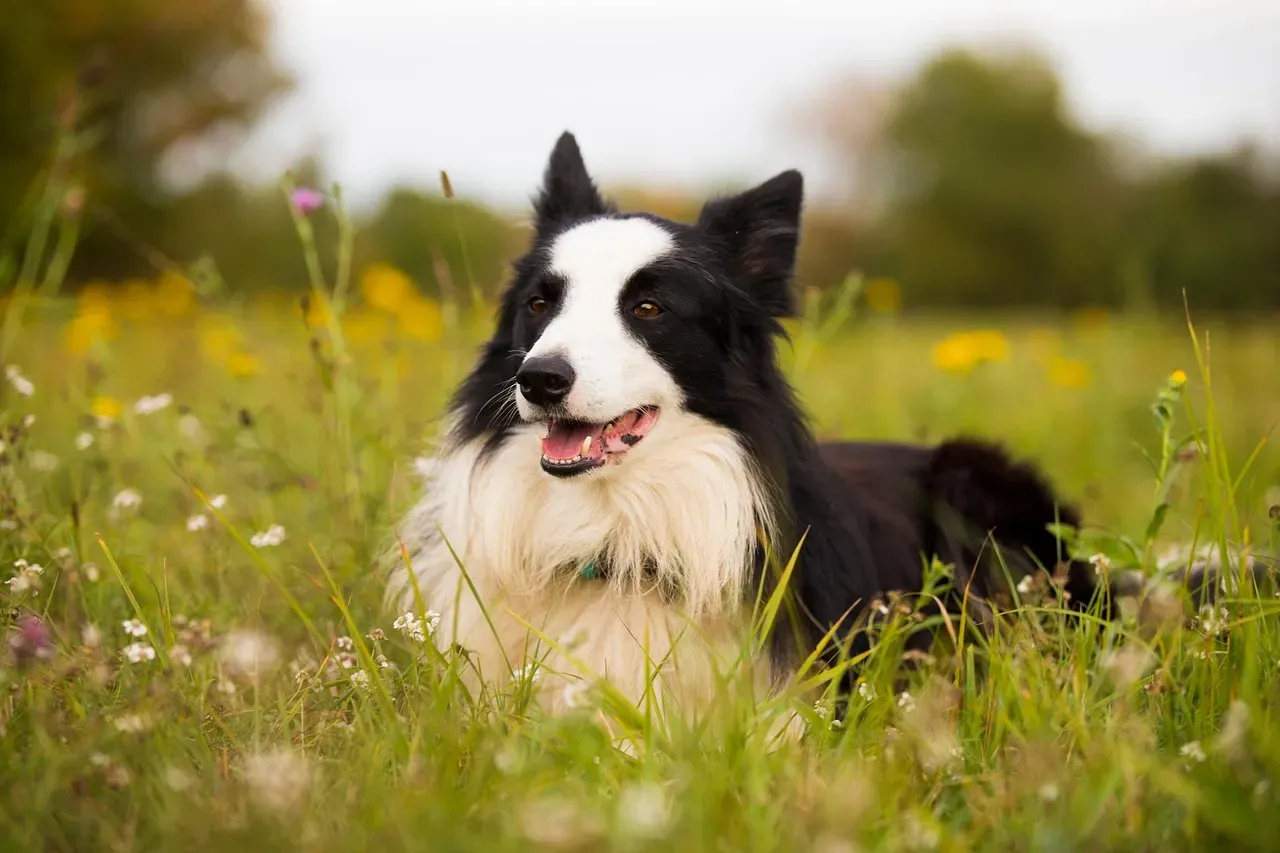
Known for being herders at heart, Border Collies are energetic, intelligent dogs that make for obedient pets with the right training. This medium-sized, athletic breed can be time-consuming to instruct, but with effort and consistency, trainers and owners generally find them easy. Border Collies are high-energy dogs that need consistent mental stimulation, however they are also affectionate family pets that are typically good with other dogs and young children.
Natural herders, Border Collies are prone to nipping at people’s heels. They’re loyal and affectionate with their owners but tend to be standoffish or snappy with strangers. These dogs often become unhappy and destructive without enough physical and mental stimulation. The Border Collie is probably the clearest example of a breed where owner lifestyle matters enormously. In the right hands, they’re astonishing. In the wrong environment, they’re deeply unhappy. Match their energy – and they’ll match your soul.
20. Irish Setter – The Joyful, Graceful Crowd-Pleaser
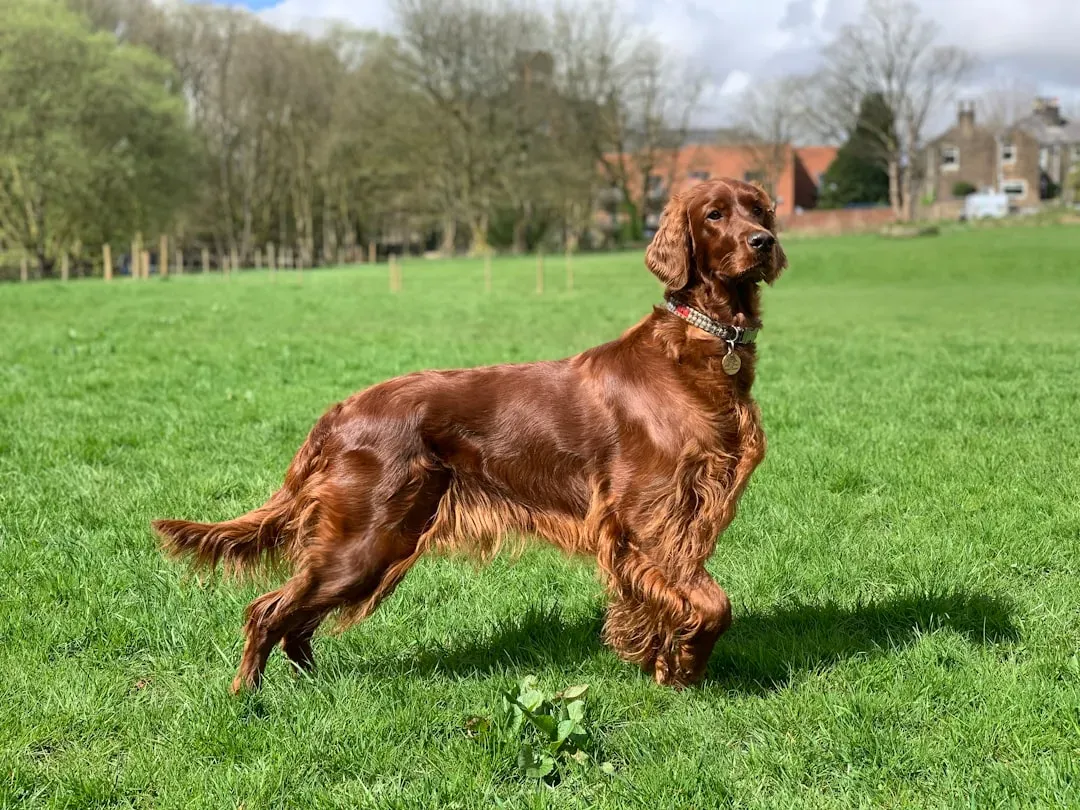
Irish Setters look like poetry in motion thanks to their graceful gait and gorgeous signature coats. These pretty dogs are known not only for their glossy red coloring, but also for their sweet nature and playful temperament. Originally bred as gundogs to work closely with people, Irish Setters make excellent family-friendly dogs, thriving with kids and even other pets. These obedient dogs are also relatively easy to train, and adaptable, so you can expect your pup to be well-behaved everywhere from a restaurant patio to the dog park.
There is something genuinely infectious about the Irish Setter’s enthusiasm for life. They greet every day like it’s a celebration. Veterinary professionals praise the breed’s loving and social nature, noting they are excellent family-friendly dogs who thrive when included in everyday life. They need plenty of exercise to keep that exuberant energy channeled positively. But give them room to run and a family to belong to, and an Irish Setter will reward you with unwavering, joyful loyalty.
The Bottom Line: Every Dog Deserves the Right Owner
Here’s the most important truth this article can leave you with: no dog is bad. Not the stubborn Husky, not the headstrong Chihuahua, not the selective Afghan Hound. Stubbornness in certain dog breeds comes from increased intelligence, a sense of independence, and inherent instinctual behavior – and those are qualities that, in the right hands, become strengths. The “challenging” dogs on this list aren’t broken. They’re just misunderstood.
The most stubborn dog breeds can be challenging, but they are rewarding for owners who understand canine psychology. Breeds like the Akita, Siberian Husky, and Chow Chow are best for experienced handlers. These dogs were bred for independent decision-making and do not naturally seek human guidance. Experienced owners know training requires patience, consistency, and firm but fair leadership rather than brute force.
Whether you’re drawn to the effortlessly obedient Golden Retriever or you’ve inexplicably fallen in love with a Shiba Inu’s magnificent indifference – the right match is out there for you. Know your lifestyle. Know your energy levels. And be honest with yourself about what you can realistically offer a dog every single day. The most important thing you bring to the relationship isn’t just love. It’s understanding.
Which of these 20 breeds surprised you the most? Drop your thoughts in the comments – we’d genuinely love to hear your story.


