
There’s something deeply uncomfortable about calling a dog dangerous. We love them. We grow up with them. We give them names and buy them birthday cakes. Yet ignoring the reality of canine aggression doesn’t protect people, it just leaves them unprepared. While any dog has the potential to exhibit aggressive behavior, certain breeds are statistically more likely to be involved in serious attacks due to their size, strength, and temperament.
The conversation gets complicated fast, and rightly so. Aggression is the culmination of genetic background, including breed and lineage, early obedience training and socialization, life experience, diet, exercise, and situation. What follows isn’t a condemnation of any breed. It’s an honest, evidence-informed look at ten dogs whose temperaments, histories, and physical capabilities place them in a category that demands serious owner responsibility.
#1. American Pit Bull Terrier

Few breeds carry as much controversy, or as sobering a set of statistics, as the Pit Bull. American pit bull terriers are considered some of the most dangerous dogs due to the high number of incidents involving this breed, with bite statistics showing that pit bulls are responsible for over 60 percent of all fatal dog attacks in the U.S. That number alone demands attention, even if the full picture is considerably more nuanced.
Many pit bull bites and attacks trace back to irresponsible ownership, such as dogs that are neglected, abused, poorly socialized, or even deliberately trained to be aggressive. Because of some well-publicized incidents, pit bulls have become the subject of breed-specific legislation in certain communities, where they face restrictions or bans. The breed’s raw strength amplifies the consequences of any failure in training. Despite being loyal and loving to their owners, pit bulls can become aggressive, especially if improperly socialized, and their powerful jaws give this breed a particularly serious bite force, often resulting in significant injuries.
#2. Rottweiler
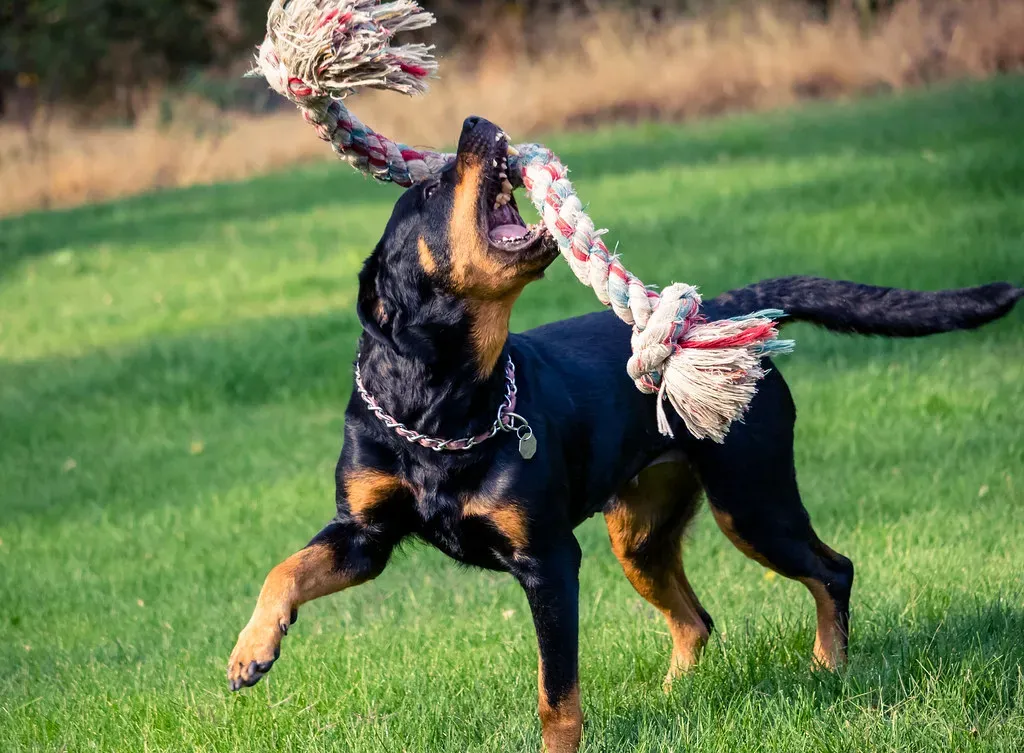
Before Pit Bulls dominated the headlines, the Rottweiler was often considered the most dangerous dog breed. That reputation didn’t come from nowhere. As large and muscular guard dogs, they are known for their protective instincts which can turn into aggression if they perceive a threat, and Rottweilers account for around 10 percent of fatal dog attacks annually.
These dogs were originally bred as cattle-driving and cart-pulling animals in Germany, which means their physical power and territorial instincts run deep in their DNA. While they are protective and friendly to those in their home, they can be aggressive towards strangers. Rottweilers are responsible for approximately 45 fatal attacks in well-documented studies, and they have a powerful bite that can wreak severe damage on the human body. Proper early socialization isn’t optional with this breed. It’s essential.
#3. German Shepherd
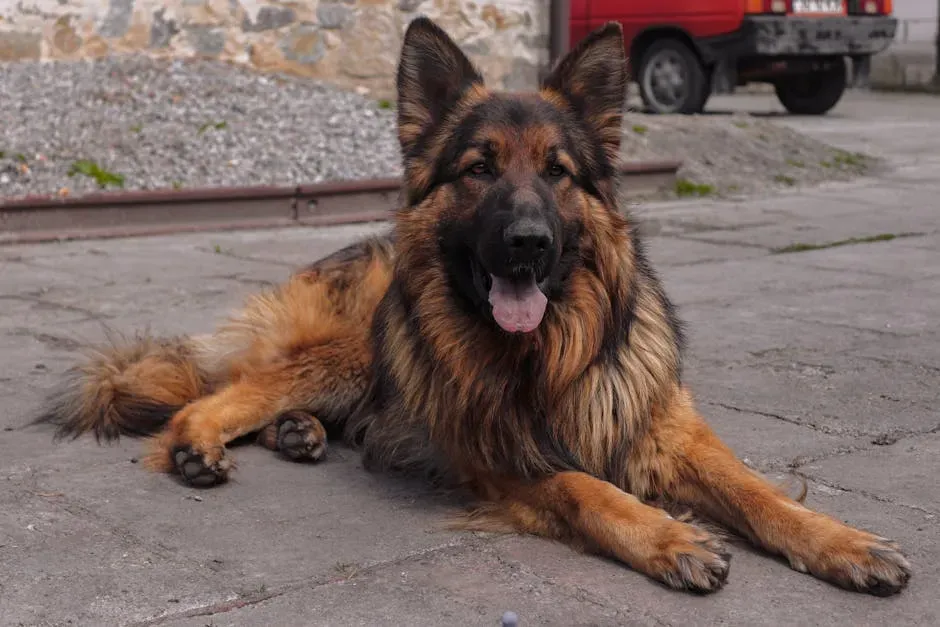
The German Shepherd is perhaps the most respected working dog on the planet, trusted by police forces, military units, and search-and-rescue teams worldwide. That trust is built on a temperament that is intelligent, loyal, and highly alert, qualities that also come with a sharp edge when left unmanaged. German Shepherds are large, energetic, and powerful dogs with a high tendency towards overprotectiveness and aggression towards strangers.
Their protective nature can sometimes make them aggressive if they are not properly trained or socialized. While not responsible for as many fatalities as pit bulls or Rottweilers, German Shepherds are still considered a high-risk dog breed, with considerably more dog bite incidents than most other dogs each year. The challenge with this breed is that their intelligence makes them highly trainable, but that same sharpness means they can learn bad habits just as quickly as good ones.
#4. Doberman Pinscher
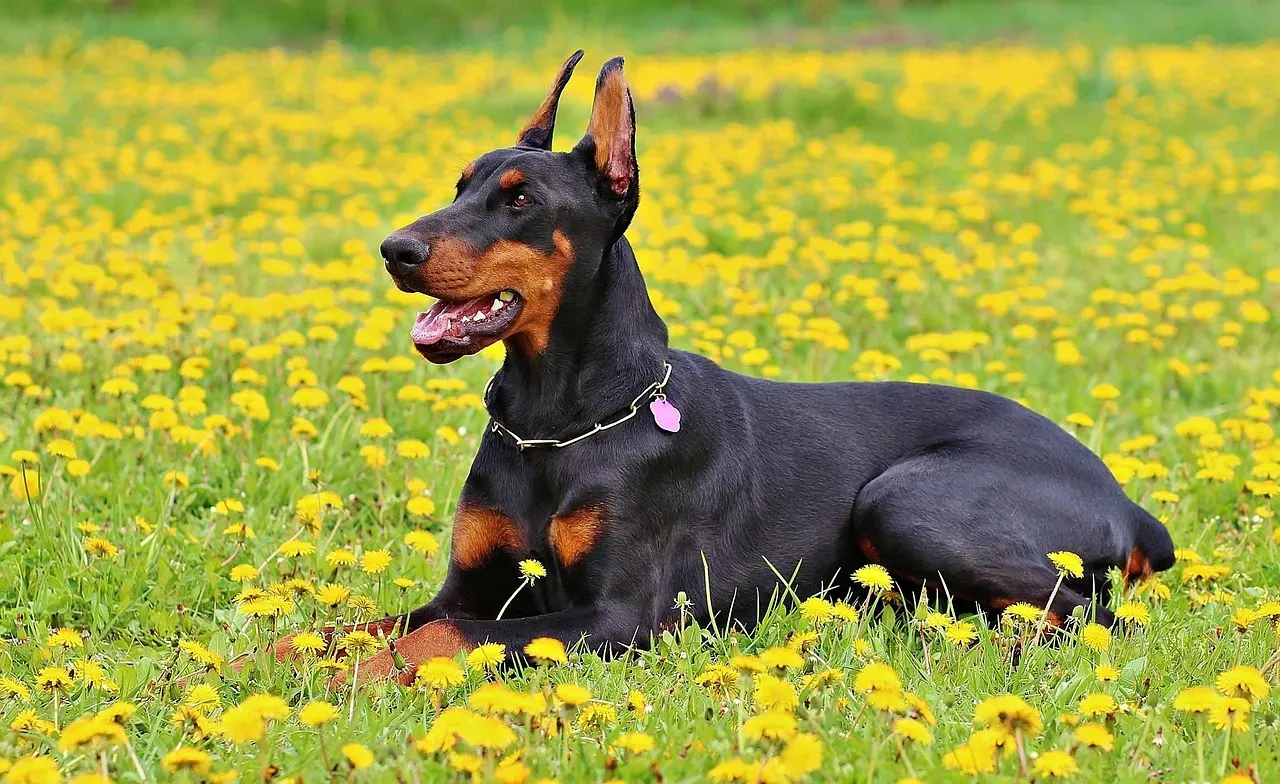
The Doberman has a silhouette that communicates danger without saying a word. Lean, alert, and fast, this breed was purpose-built for protection. Their history began in the late 19th century in Germany, where they were bred by a tax collector, Karl Friedrich Louis Dobermann, for personal protection. The instincts developed for that original role never fully disappeared.
Bred for centuries to protect and attack, Dobermans possess a strong prey drive and a powerful bite force of 600 PSI. Despite their relatively low number of fatal attacks, Dobermans remain a potentially dangerous breed, and their aggressive nature, coupled with their intelligence and athleticism, makes them formidable adversaries. With proper ownership, Dobermans can be stable and loyal family dogs. Without it, their protective instincts can lead to aggression, especially toward strangers, and their strong build and sharp reflexes make any attack from this breed a serious matter.
#5. Chow Chow
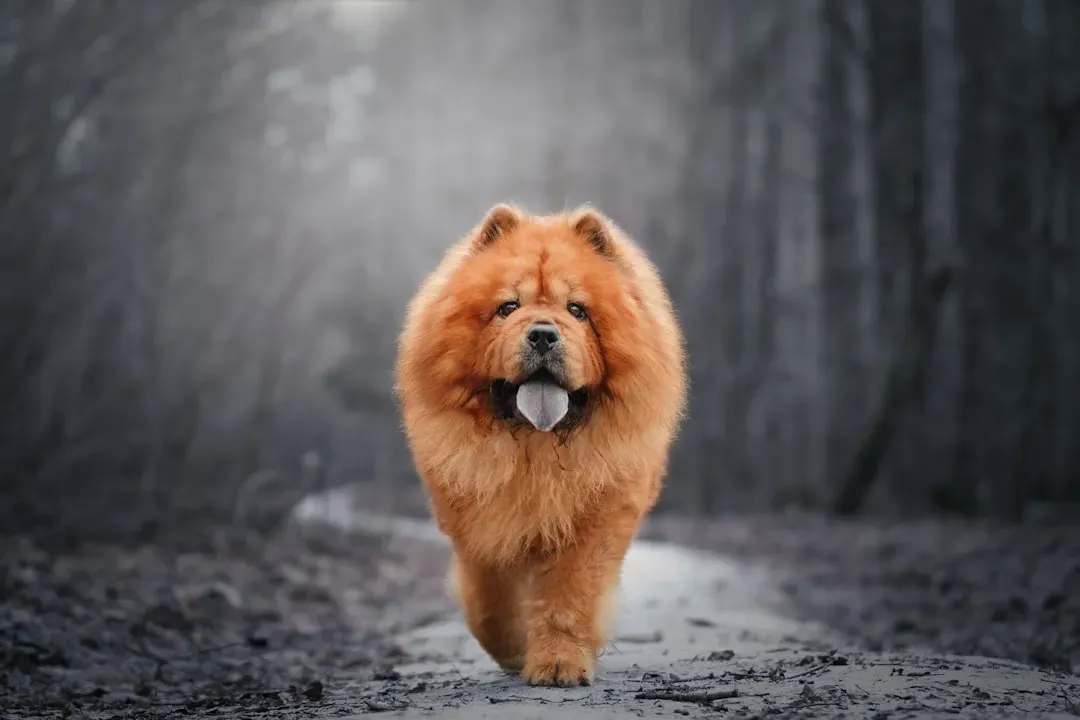
The Chow Chow might be the most visually misleading dog on this list. With its lion-like mane and plush coat, it looks like something you’d want to hug. The reality is considerably more complicated. While the Chow Chow might look like a cuddly teddy bear, this breed is known for being highly territorial and independent.
The Chow Chow is an attack dog known for killing adults and children, and was responsible for over 238 attacks between 1979 and 1998. Of those incidents, 40 of the attacks led to fatalities, and 37 of the victims were children. Their aloof, cat-like independence makes them especially difficult to read. Chow Chows require proper socialization to ensure these dogs remain aloof and don’t venture into aggressive territory. This isn’t a breed for the casual or inexperienced dog owner.
#6. Akita
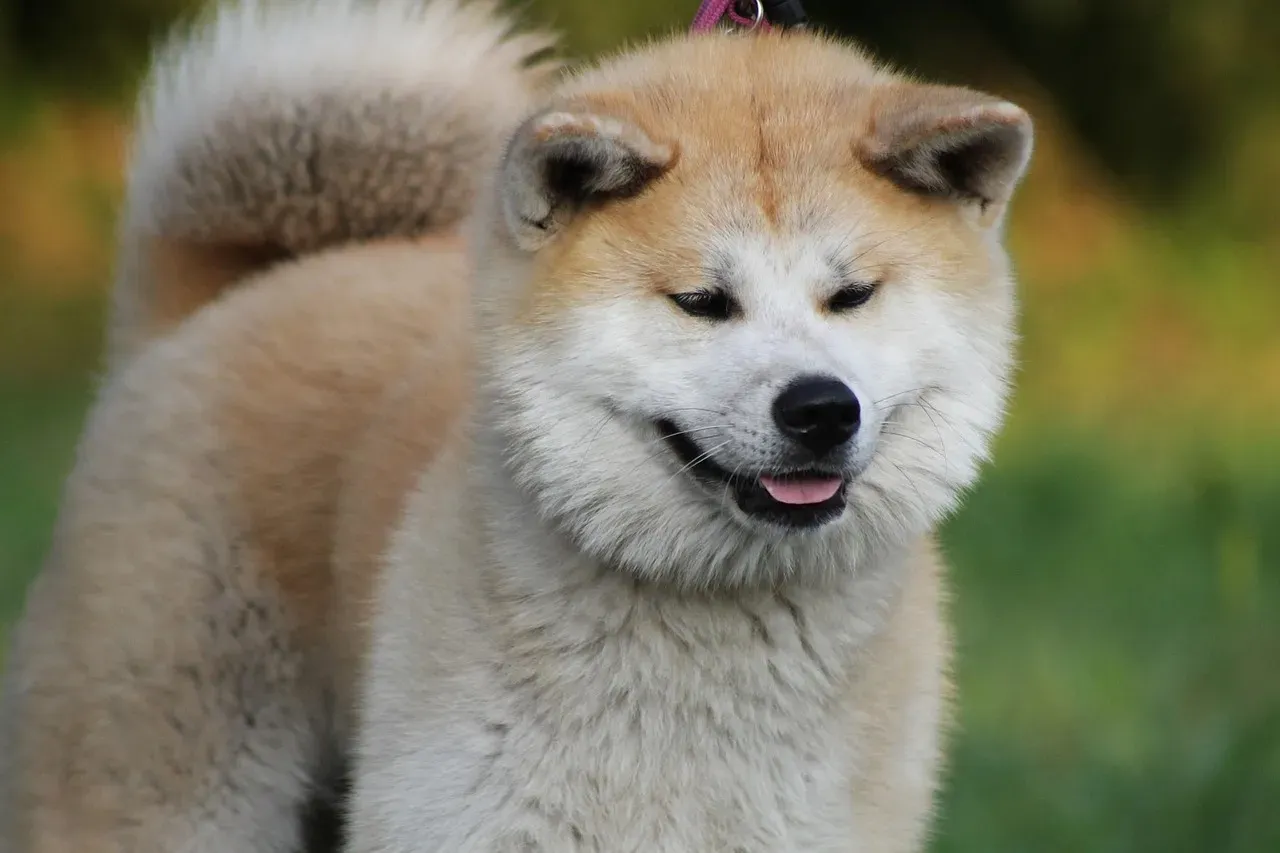
The Akita is Japan’s most storied dog breed, a symbol of loyalty, courage, and devotion in its home country. The Akita is essentially Japan’s equivalent of the German Shepherd, commonly used as police and guard dogs. That parallel is an important one, because it points to a temperament that is protective by nature and requires careful, consistent handling to keep balanced.
This large Japanese breed is often used as a police or guard dog in its homeland due to its protective nature. As pets, Akitas are often wary of strangers and can make overly vigilant watch dogs. They can be aggressive toward other dogs and may attack if not well-socialized at a young age to help them learn to differentiate safe animals and people from legitimate threats. Akitas are intensely loyal to their families, which sounds wonderful until that loyalty tips into territorial aggression against anyone they don’t recognise as part of the inner circle.
#7. Siberian Husky
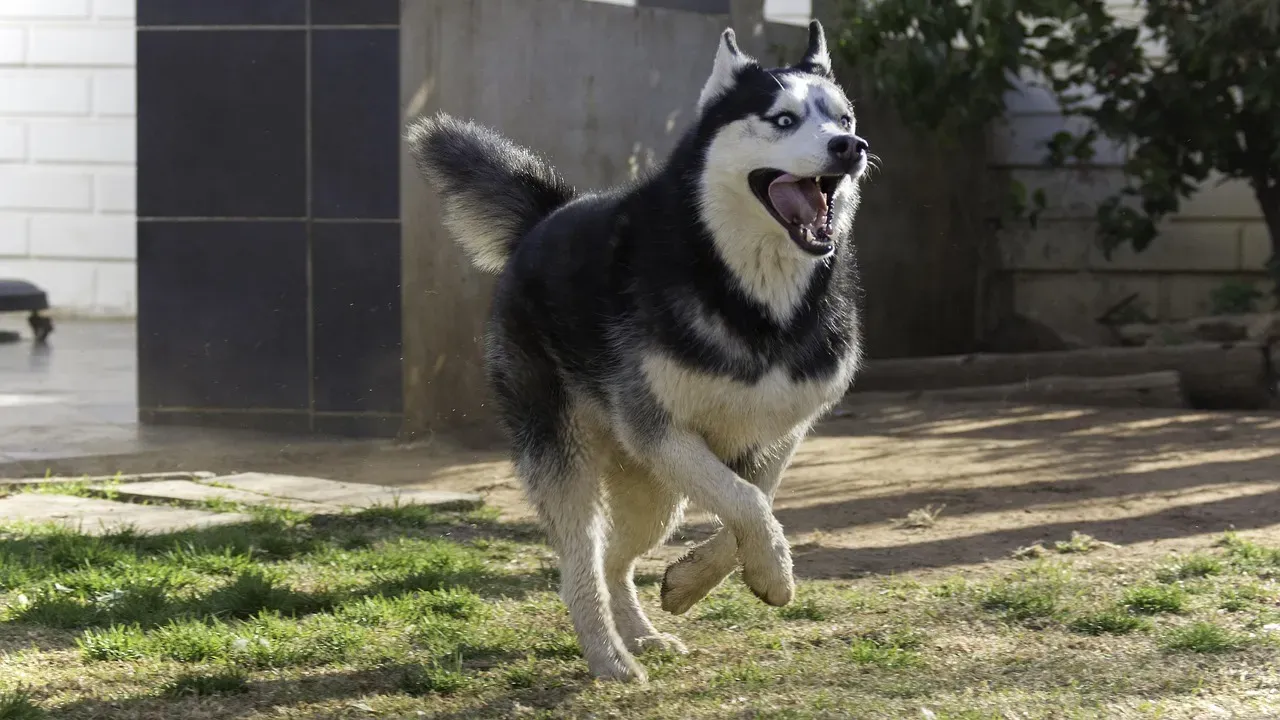
It seems almost absurd to place the Siberian Husky on a list like this. They’re beautiful, playful, and wildly popular on social media. The problem is that popularity doesn’t cancel out instinct. Initially bred for their endurance and ability to withstand harsh conditions, Huskies are strong and independent, possessing a high prey drive that can manifest in aggressive behavior when they feel threatened or provoked.
The issue is that Huskies are extremely active dogs that are prone to anxiety and have a high prey drive. Without proper training from an early age and plenty of exercise and mental enrichment, they can become bored, anxious, and temperamental, which can exhibit itself as aggression. Huskies also made it onto documented fatality lists, with Huskies completing the list of the most dangerous breeds with 13 deaths recorded in certain datasets. For a breed so often purchased on looks alone, that number warrants serious reflection.
#8. Bullmastiff
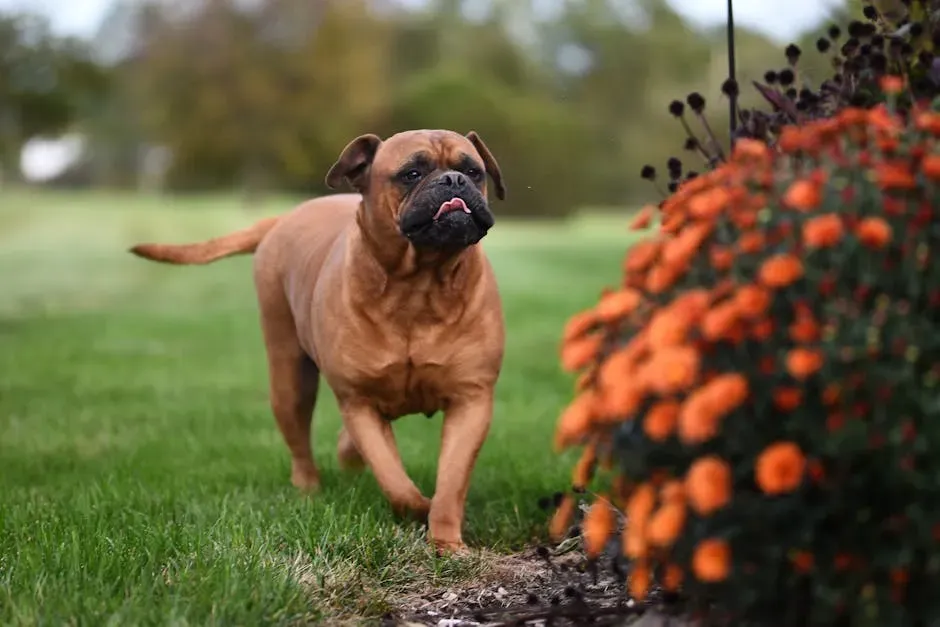
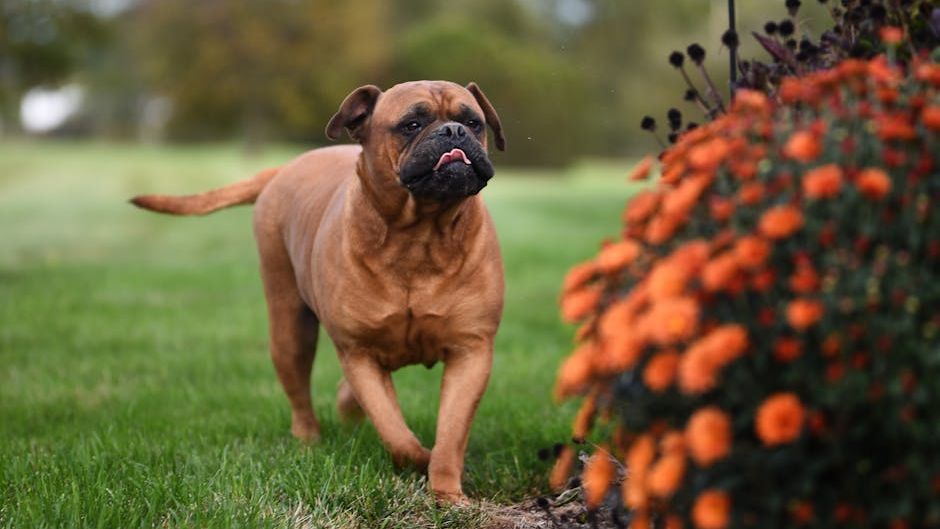
The Bullmastiff was originally bred in 19th-century England to help gamekeepers track down and pin poachers without mauling them, which tells you something immediate about their combination of size, power, and restraint. Bullmastiffs are known as “gentle giants,” and they do tend to be very gentle with their families. However, they were bred for guarding and protection, so they aren’t completely gentle all the time. If they think someone is a threat, they will do something about it.
Males can weigh up to 130 pounds, increasing the risk of serious injuries during an attack. While usually quiet, they may display sudden bursts of aggression toward perceived threats. Firm training and early socialization are essential to managing their potential for aggression. The deceptive calm of this breed is part of what makes it genuinely risky in the wrong hands. A dog that rarely looks aggressive can still cause devastating harm when it finally decides to act.
#9. Presa Canario

The Presa Canario is not a household name in the same way that Pit Bulls or Rottweilers are, but among experts and researchers, it earns serious respect as one of the most physically imposing and temperamentally challenging breeds in existence. The Presa Canario is often ranked among the most aggressive dog breeds worldwide. In 2024, they ranked 4th in Canine Journal’s list of the most dangerous dog breeds by dog bite statistics. Like other mastiffs, they are large dogs originally bred for hunting, guarding, and bloodsports.
The Presa Canario is one of the most dangerous breeds due to its size, strength, and dominant personality. Bred as livestock guardians, they are highly territorial and can be aggressive if they feel their family or property is threatened. Weighing up to 150 pounds, their muscular build can cause devastating injuries, and their confidence and independence make them challenging to train, especially for inexperienced owners. This is unambiguously a breed that requires an experienced, disciplined handler from day one.
#10. Wolf Hybrid
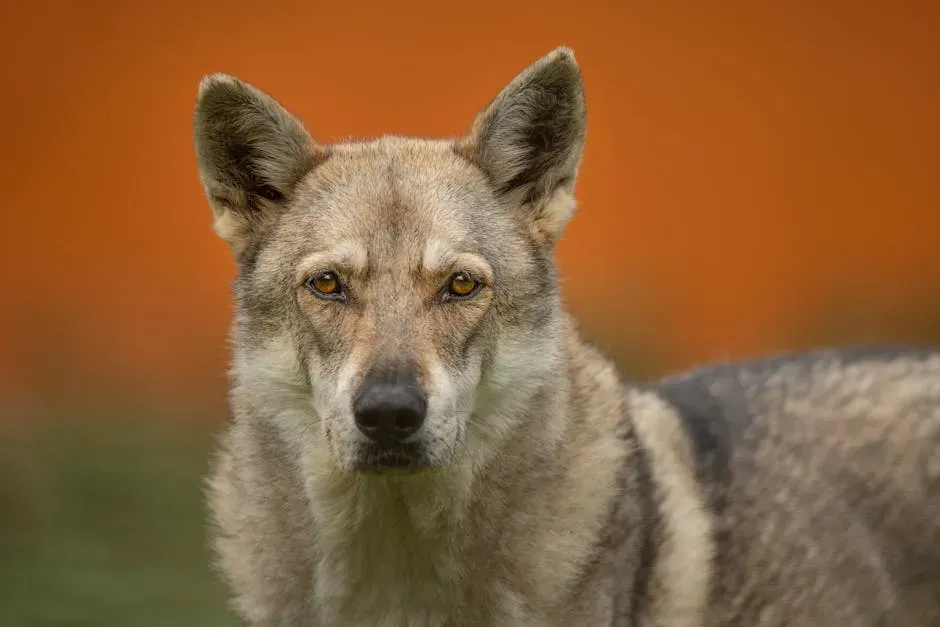
The Wolf Hybrid sits in a category all its own, because it isn’t quite a domesticated dog and it isn’t quite a wild animal. It exists in the space between, and that ambiguity is precisely what makes it so unpredictable. A cross between a wolf and a domestic dog, wolf hybrids are often unpredictable and can pose a significant risk to public safety. Their wild instincts, combined with their strength and powerful bite, make them a dangerous breed. Wolf hybrids are not domesticated animals and require specialized care and training.
Breeds like Caucasian Shepherds, Kangals, and Wolf Hybrids are among the most challenging due to their size, independence, and strong guarding instincts. The appeal of owning something that looks like a wolf is understandable, but these breeds require extremely experienced handlers and are not suitable as typical family pets. The consequences of underestimating that reality can be severe, and in documented cases, they have been fatal.
The Bigger Picture: What the Data Actually Tells Us

Every single breed on this list has been owned responsibly, trained well, and loved deeply by countless owners who experienced none of the dangers described above. That matters. It’s crucial to understand that aggression is not solely determined by breed. While certain breeds appear more frequently in bite statistics, factors like training, socialization, and individual temperament play a more significant role.
The American Veterinary Medical Association reviewed decades of data and concluded that no single breed is a reliable predictor of aggression, with factors like an owner’s behavior, training practices, the dog’s sex and neutering status, and the environment being far better indicators. There is also a real reporting bias at play: a bite from a German Shepherd that requires stitches will be officially recorded, while a nip from a Chihuahua that doesn’t need medical care often goes unreported, making larger breeds appear disproportionately dangerous.
Conclusion

Honestly, the most dangerous thing about any of these breeds isn’t the dog. It’s the gap between what an owner thinks they’re prepared for and what actually living with a powerful, high-drive animal demands. This list doesn’t mean these breeds are inherently dangerous. With responsible ownership, proper training, and early socialization, dogs of any breed can be loving and well-adjusted companions.
That said, pretending temperament tendencies don’t exist is its own form of irresponsibility. If you’re drawn to any of these breeds, the commitment required goes far beyond a daily walk and a bowl of kibble. It means understanding the dog’s history, investing seriously in training, and being honest about your own experience level. The breeds on this list aren’t villains. They’re powerful animals shaped by centuries of selective breeding for tasks that demanded strength, aggression, and tenacity. Respecting that history isn’t fear. It’s wisdom.


