
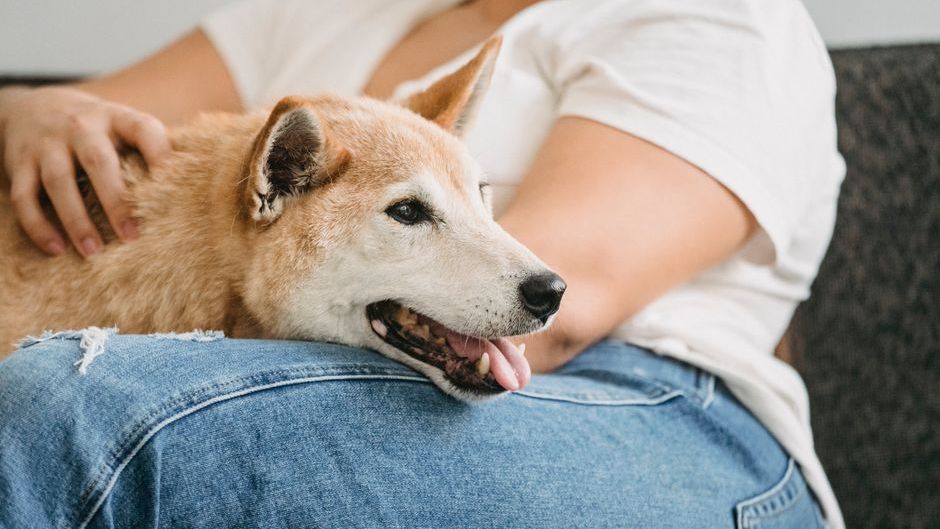
#1: The Long, Lingering Eye Contact That Feels Like a Conversation
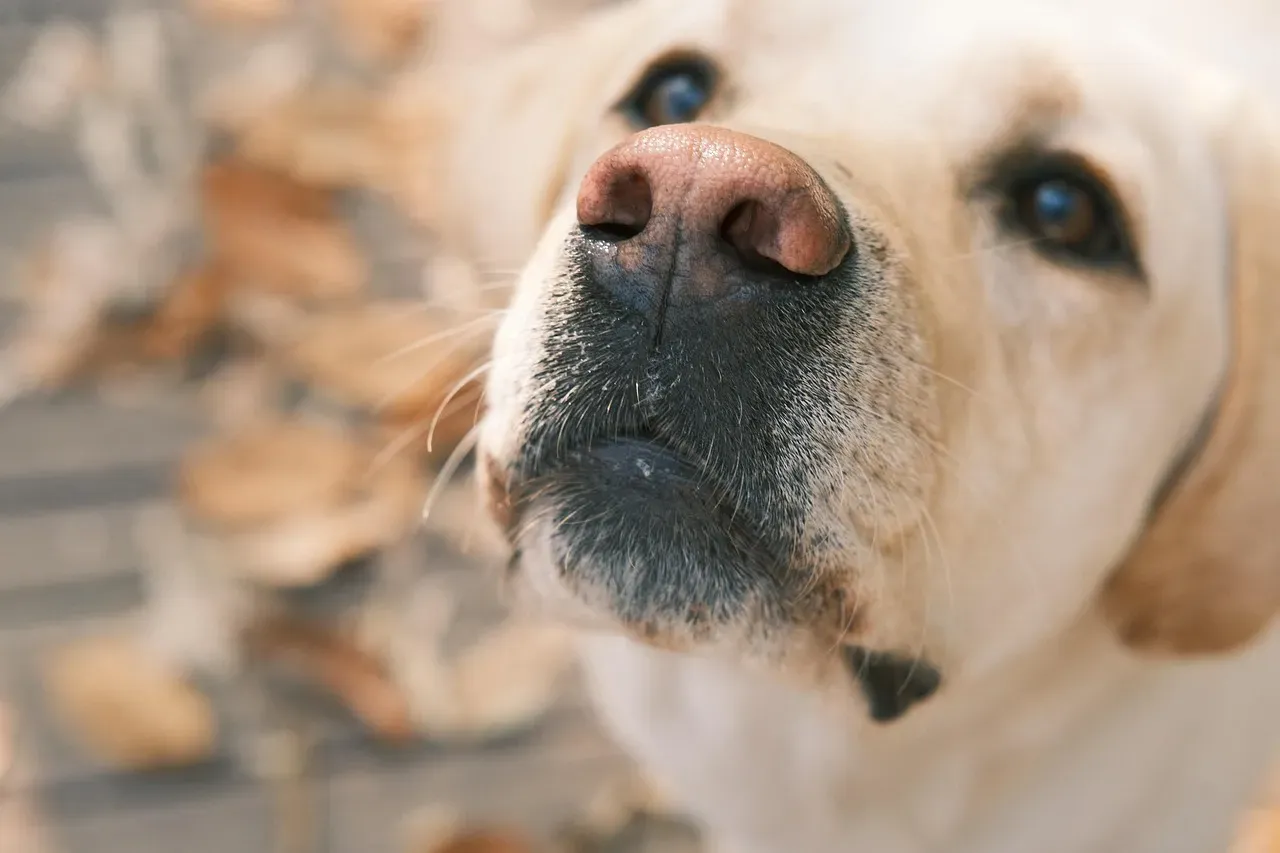
Of all the ways a dog communicates without sound, prolonged eye contact near the end of life is among the most emotionally powerful. Many pet owners report that their dogs make prolonged eye contact as if trying to communicate something profound, and this can be seen as a final connection or farewell. If you’ve experienced it, you know it’s different from the usual “are we going for a walk?” stare. It’s slower, softer, and somehow heavier.
In their final days, a dog’s deep connection with their owner can manifest in behaviors that seem like intentional goodbyes, including staring into your eyes, resting a paw on you, or letting out a final sigh of contentment. These aren’t random behaviors. They reflect something that has built between you over years of shared life. A dog might choose to rest their head in their owner’s lap one last time or calmly make eye contact before passing, and while these actions are possibly the result of discomfort or fatigue, they are often seen as final expressions of love.
#2: Seeking Your Side Like You’re the Only Safe Place Left
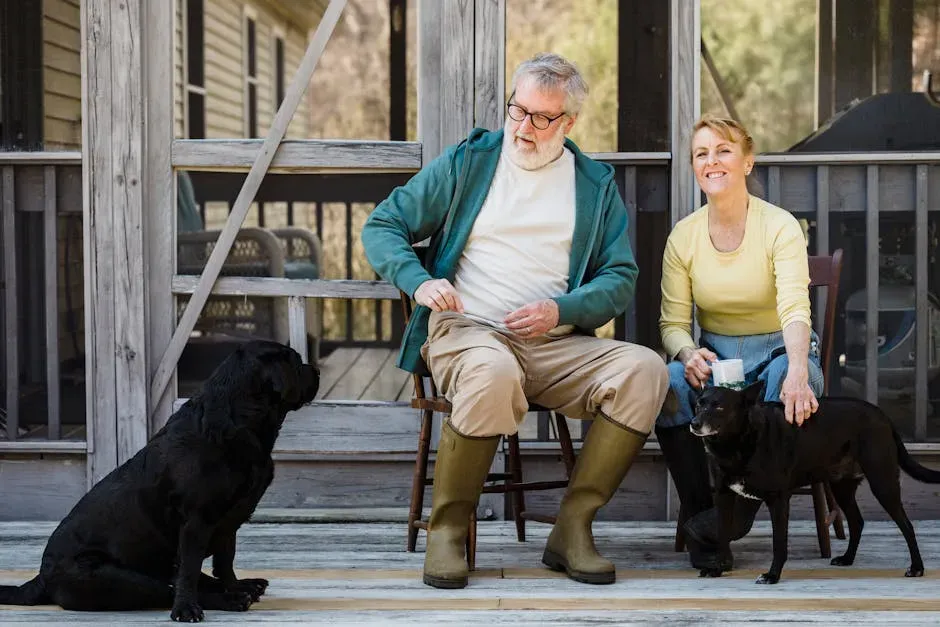
Some dogs, in their final days, become shadows of their owners in the most tender sense of the word. They follow you from room to room, press into your legs, or refuse to settle unless they’re physically touching you. Some dogs become unusually clingy, seeking constant companionship and reassurance from their owners, and this end-of-life behavior can be interpreted as a way of seeking comfort and expressing their bond. It’s not neediness. It’s something more intentional than that.
Dogs may become more affectionate and seek constant proximity to their owners as if seeking comfort and reassurance. When a dog who spent most of his life happily independent suddenly won’t leave your side, it’s worth pausing and recognizing what that closeness might mean. Dogs do know that something bad is about to happen to them and that you are grieving. Dogs say farewell not because they fully know the implications of death, but because they can sense your sadness and want to comfort you. That’s a remarkable thing to sit with.
#3: The Quiet Withdrawal to a Private Corner
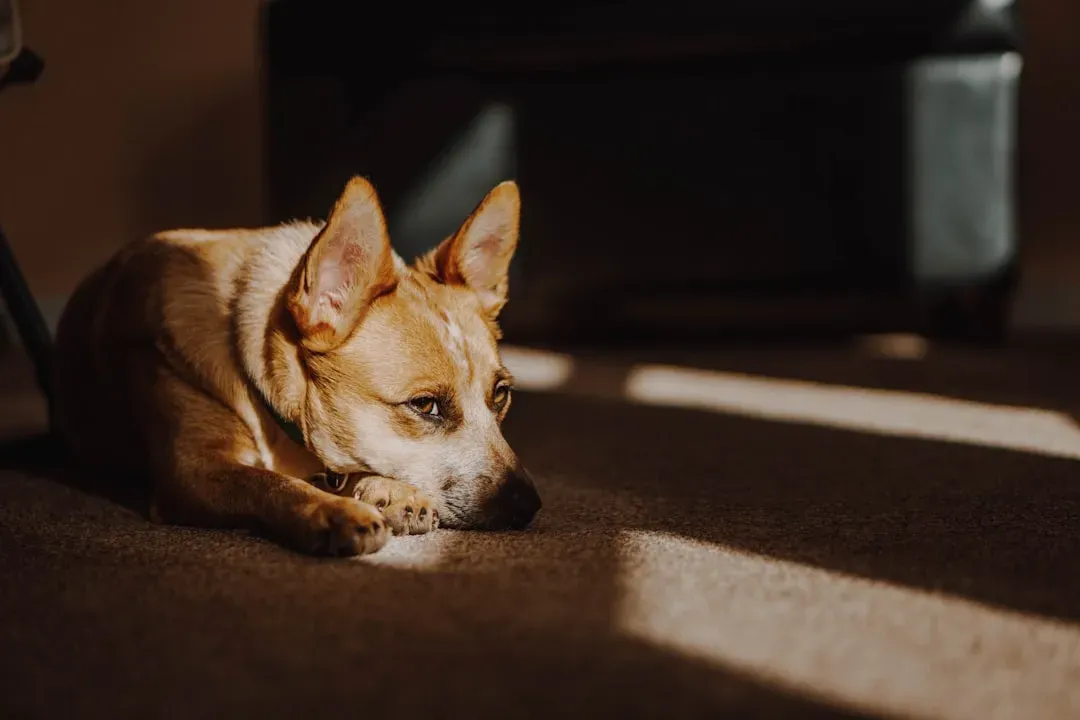
The opposite behavior carries just as much emotional weight. Some dogs don’t come closer at the end. They pull away, finding a quiet spot under a bed, in a closet, or in a corner of the yard. As a dog’s body temperature regulation changes or their urge to feel safer increases, dying dogs start seeking unusual places to rest, including under furniture, in closets, and other secluded spots, because they may want to be away from the hustle and bustle of daily household activities.
This instinct toward solitude is often misread as rejection, but it isn’t. Some dogs seek out the comfort and company of their humans to the point of clinginess, while others become more solitary and seek quiet corners to be alone. Some dogs seem to know when they are about to die and wander off to a secluded location in the house or yard for their final moments. Respecting this choice, sitting nearby without forcing interaction, is one of the most loving things you can do. If they seek solitude, respect it. If they want affection, offer it. Their instincts guide them.
#4: A Sudden Burst of Energy That Feels Like a Gift
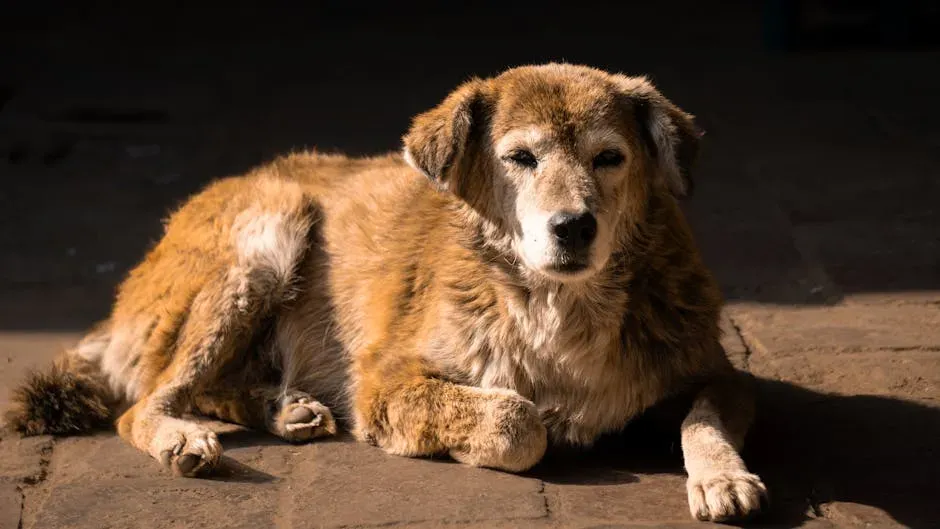
Pet owners sometimes describe a bittersweet moment: their dog, who had been barely moving for days, suddenly seems almost like their old self. They wag their tail, eat a little, maybe even want to play. It feels like a miracle. It’s not uncommon for dogs to have a sudden burst of energy before they pass away. This phenomenon, often called the “last bloom” or “rally,” can be confusing and misleading, giving pet owners false hope of recovery.
Rather than a sign of getting better, this rally is more often the body’s final gathering of reserves. It’s a window, brief and precious, and many families who’ve been through it later describe it as one of the most meaningful moments they shared with their dog. When a dog is close to passing, behavioral, physical, and psychological changes are sometimes subtle but can hold deep meaning. If your dog has a good morning out of nowhere, sit with them. Take it for what it is: a moment of grace.
#5: Losing Interest in Everything They Once Loved
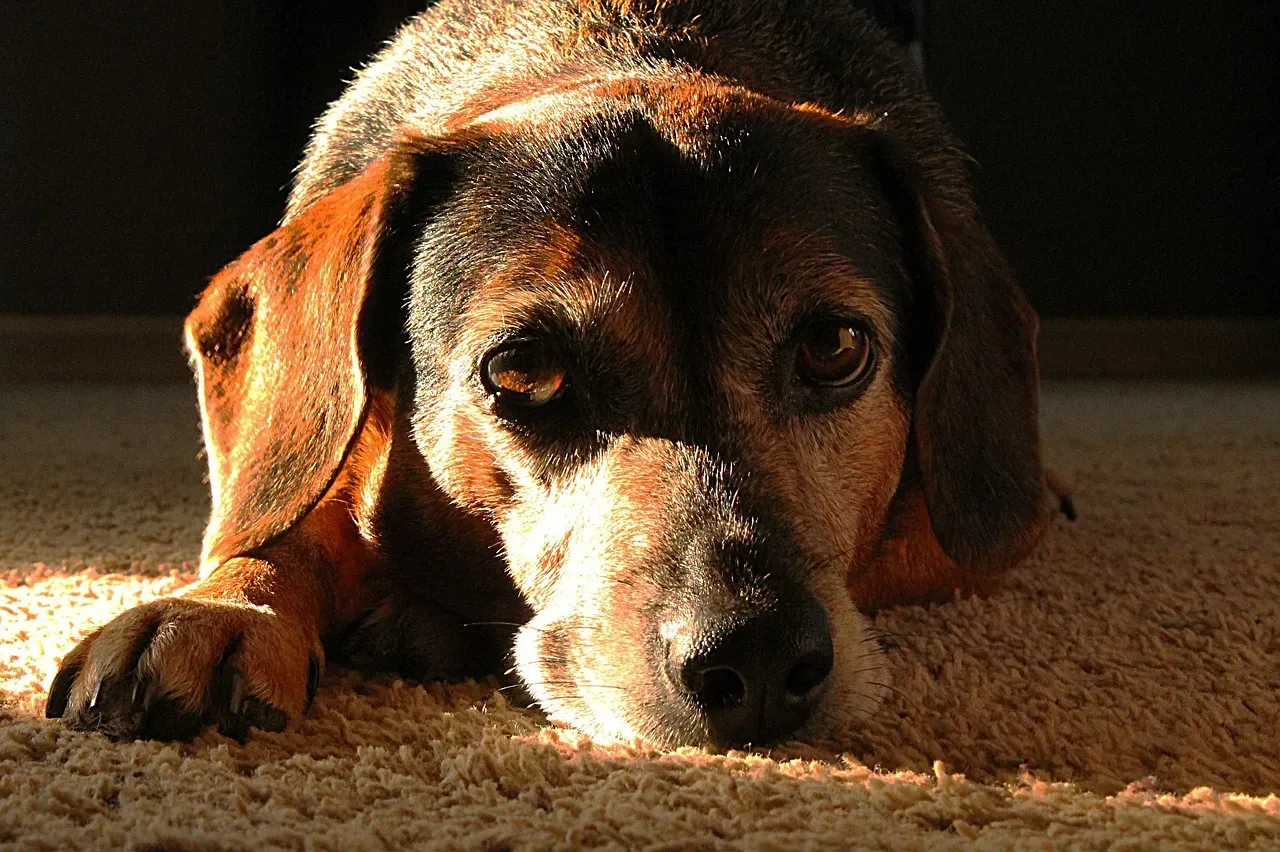
The leash by the door used to send your dog into a frenzy. Now it doesn’t even earn a glance. The ball that launched a thousand fetch games sits untouched. When dogs are nearing their final stage, they may lose interest in activities they once enjoyed. A friend that once tugged at the leash, ready to trot outside, might suddenly ignore the door, choose to rest instead of walk, or even decline a short stroll. This shift may indicate that the body is no longer functioning as it once did.
A noticeable decline in interest in previously enjoyed activities and surroundings is a significant behavioral change that indicates a dog’s diminishing vitality, including showing no interest in toys or games they once enthusiastically enjoyed, becoming less responsive to familiar sounds or even the presence of loved ones, and refusing to eat even highly palatable foods or favorite treats. It’s not apathy. It’s the body quietly and honestly communicating what the mind can’t say. Senior dogs may become more irritable or withdrawn, showing less interest in activities they once loved, such as playing fetch or going for walks, and these changes can be subtle at first but tend to become more pronounced over time.
#6: Resting Their Head in Your Lap One More Time
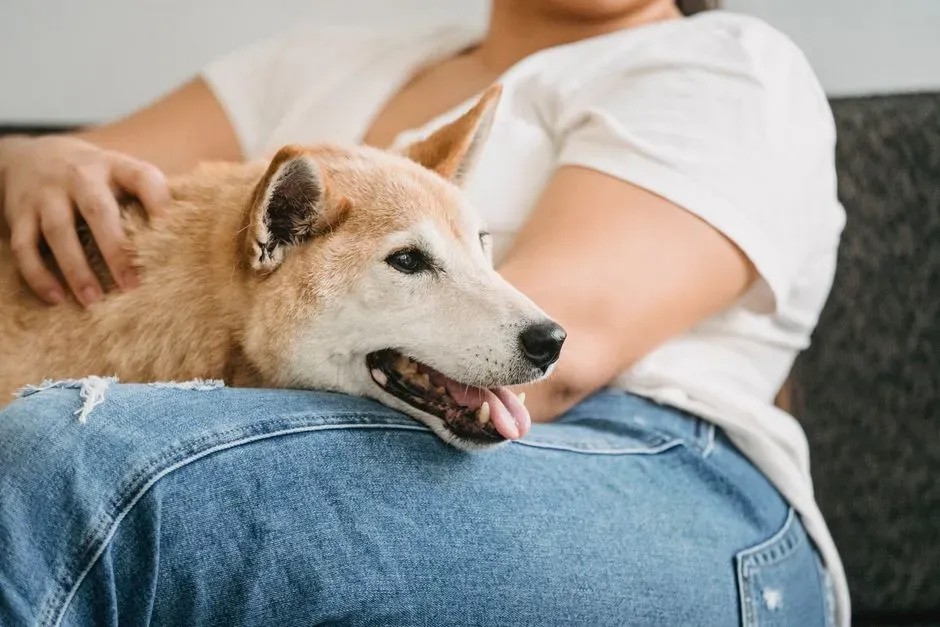
This one is so simple it almost sneaks past you. Your dog walks over slowly, places their head on your knee, and just rests there. No tail wagging, no asking to be petted. Just presence. A dog might choose to rest their head in their owner’s lap one last time or calmly make eye contact before passing. These actions, although possibly the result of discomfort or fatigue, are often seen as final expressions of love.
Common emotional interpretations include a dog choosing to spend their last moments with a loved one, a final look or moment of affection before passing, and seeking physical touch for reassurance. While science cannot confirm the intentionality behind these behaviors, they provide comfort to grieving owners and reflect the strong emotional bond between human and dog. Many owners who have lost a dog say this is the moment they return to most often. The weight of that head on your leg. The feeling that a dog has said goodbye can offer comfort during the grieving process, whether through lingering eye contact, final cuddles, or changes in personality, and these moments often stay with us.
#7: A Deep, Settled Calm That Feels Like Acceptance
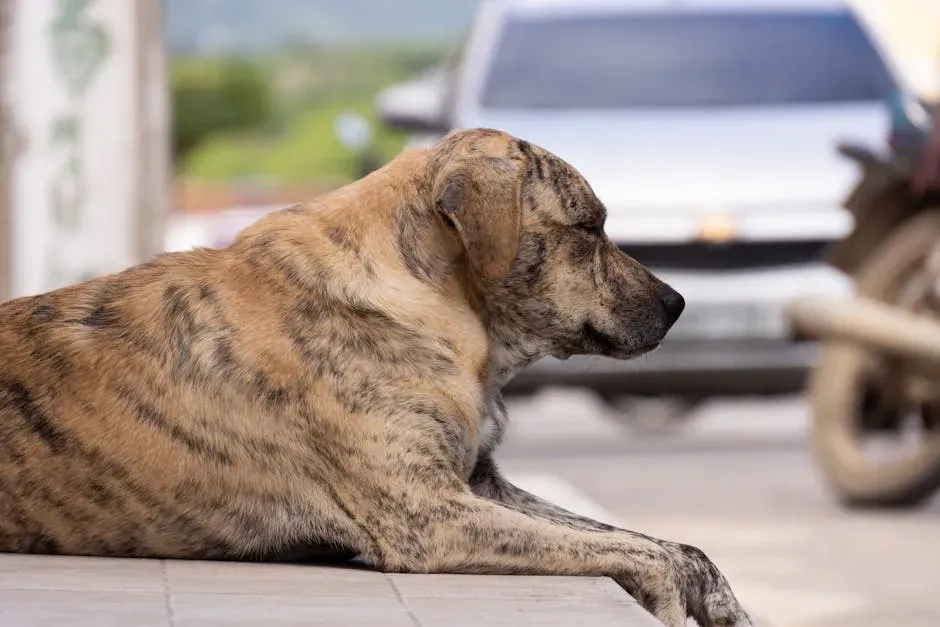
There’s a stillness that can settle over a dog in the final days that feels different from simple tiredness. It’s quieter. More resolved. In their final days, many dogs enter a state of calm. They may stop reacting to noises or visitors, no longer seeking attention or excitement. This peaceful demeanor can be their way of signaling acceptance, providing a bittersweet sense of closure.
Some dogs seem to find a strange calm as their life winds down and their daily rhythms fade into silence. They may no longer fight the slow ache in their bones, choosing not to wait by the window or react to small noises, only accepting gentle touches without lifting their heads. This calm state can be hard to understand, but it often arrives in those last days. It might be their way of easing into what comes next. It takes a certain kind of courage to recognize that stillness for what it is, and to be still alongside it.
#8: Following You With Their Eyes When They Can’t Follow With Their Body
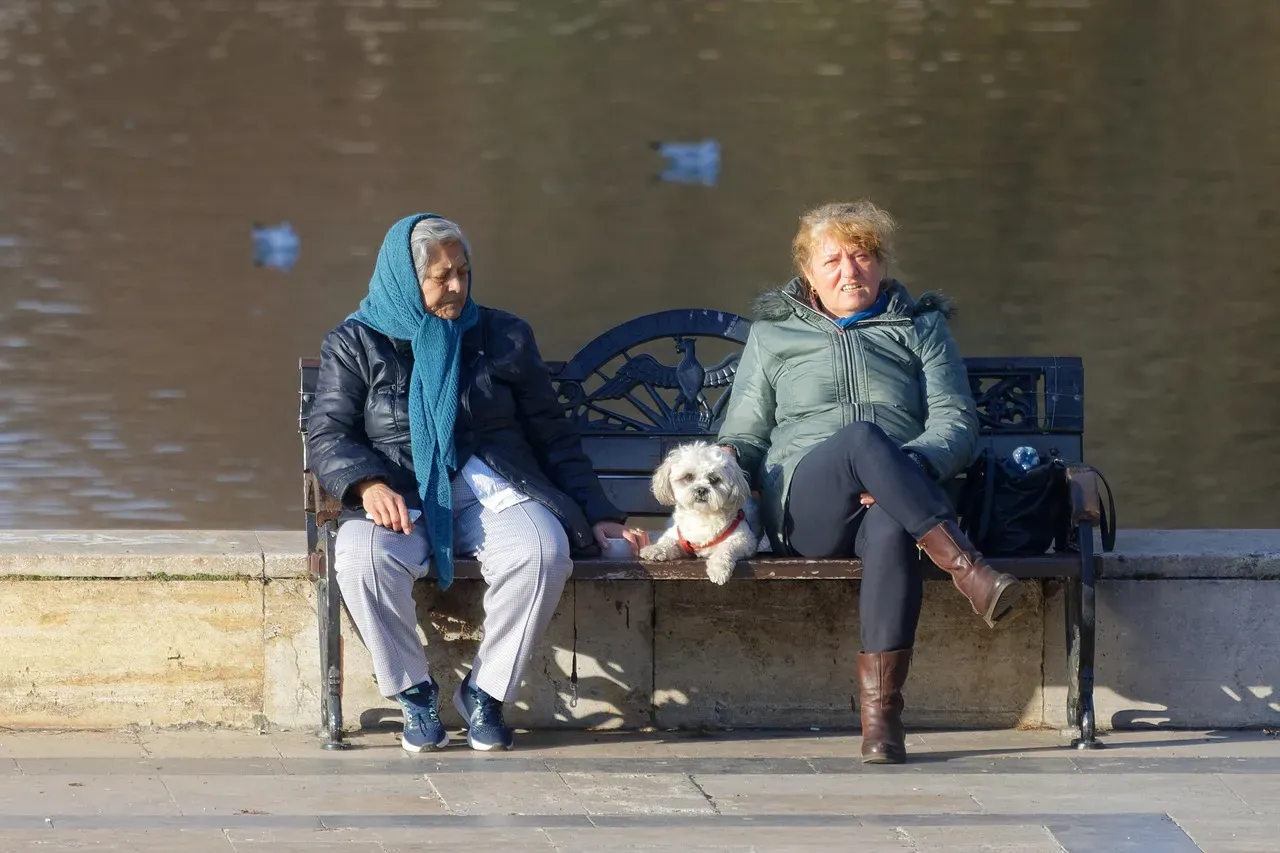
There’s a heartbreaking tenderness in watching a dog track you across a room with only their eyes when their legs no longer have the strength to follow. One of the most difficult moments comes when a dog stops responding to those who love them. The pet that once lifted its head to a kind voice may lie still for hours. The paws that paced the floor might remain limp all day. The eyes that followed a favorite human might barely open. When those eyes do open and find you, hold that moment.
A dog’s body language can be a window into their emotional state. A once vibrant tail may become still, or engaged eyes might appear distant, both possible signs of an inner knowing that their time is near. Even in stillness, your dog is watching for you. Dogs are incredibly loyal and often keep trying to engage even when they feel unwell. That loyalty doesn’t stop just because the body does. It simply finds a smaller, quieter form of expression.
#9: Gentle, Unusual Touches They’ve Never Offered Before
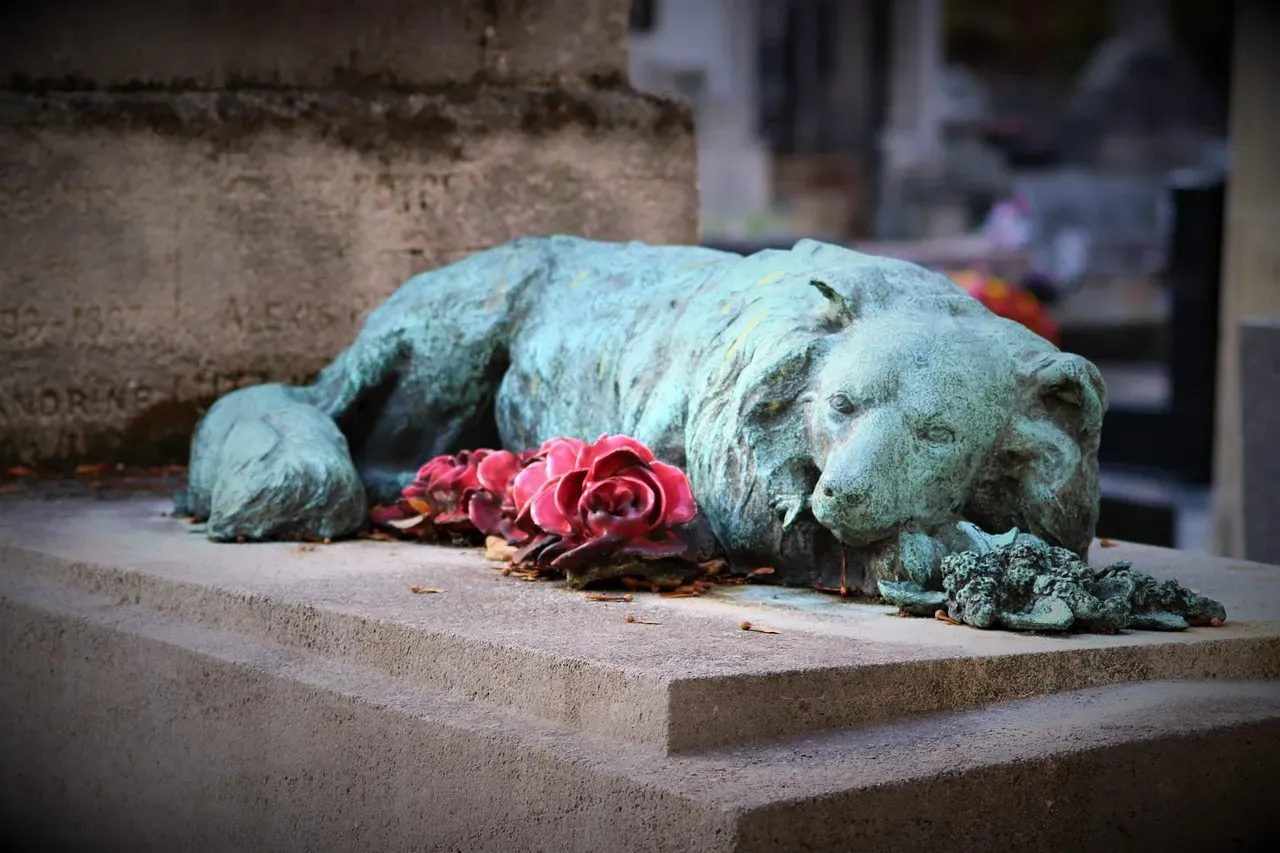
A paw placed gently on your arm. A nose pressed softly into your palm. A slow lick that’s somehow different from all the others. In their final days, a dog’s connection with their owner can manifest in behaviors that seem like intentional goodbyes, such as staring into your eyes, resting a paw on you, or letting out a final sigh of contentment. These small gestures, easy to dismiss in a busy moment, often become the ones people treasure most.
Research shows that dogs can sense human emotions through tone, scent, and body language. So when you cry or hold them close, they understand. That’s why many owners feel their dog “waited” for them before passing, a final act of love. A gentle touch from a dog who senses your grief is not just comfort seeking. It’s also comfort giving, a quiet, mutual acknowledgment that what you shared mattered deeply. The shifts in a pet’s behavior and body language suggest it’s a dog’s way of saying goodbye and preparing for their inevitable passing.
#10: Waiting for You to Be Present Before Letting Go

Among the most quietly extraordinary things dogs seem to do is hold on. Pet owners across years and cultures have described the same experience: a dog who appeared to be fading that waited until their person arrived before finally going still. Many owners feel their dog “waited” for them before passing, a final act of love. Dogs say goodbye before they pass away, not with words, but with loyalty. There’s no scientific explanation that fully captures it, but the pattern is consistent enough that it cannot simply be dismissed.
Dogs live entirely in the present. They don’t fear death; they accept it, just as they accept love, walks, and belly rubs. What they want most in those last moments is comfort and familiarity, your presence. Being there, even quietly, matters more than any words. Whether through quiet companionship, seeking closeness, or a gentle final glance, these moments are deeply personal and poignant. Ultimately, each farewell is as unique as the bond shared between pet and owner.
A Final Thought: Grief That Deserves to Be Honored
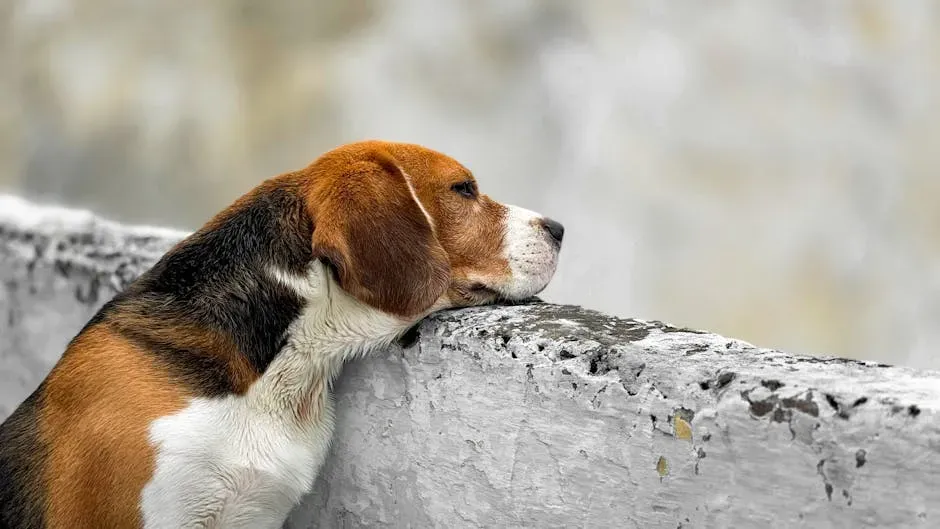
Here’s what I believe, having read everything written on this subject and spoken to anyone who’s been through it: the goodbyes dogs give us are real. They may not be deliberate in the way human farewells are, but they are genuine. They are built from years of watching you, learning you, and loving you in the only language available to them. While dogs may not understand the concept of death as humans do, they experience an instinctual awareness of their declining health. What they do with that awareness says everything.
A dog’s companionship is measured by years of shared moments. They have been loyal through laughter and tears. Their exit from this world does not erase the times they greeted us at the door, made us smile when days were heavy, or curled up close when we felt alone. Those memories remain vivid, etched into our hearts, weaving a lasting bond.
Don’t rush past these moments trying to stay strong. The long look, the quiet head in the lap, the waiting, those are the chapters that define the whole story. Losing a pet is a painful and often inevitable part of owning and loving animals. Take the time you need to grieve their loss. Your dog spent their entire life making sure you felt loved. In those final, silent gestures, they’re simply doing it one last time.


