
#1. Beagle

The Beagle is renowned for its friendly disposition, medium size, and minimal grooming needs, making it one of the most affordable dog breeds – and Beagles are sturdy dogs with fewer genetic health problems compared to other breeds, which can significantly reduce veterinary costs over their lifetime. Their short and dense coat needs almost zero professional grooming, and a quick brush once a week to manage shedding is really all it takes.
With an average weight of roughly 20 to 35 pounds, the Beagle is a compact dog whose food needs aren’t particularly expensive. They tend to be playful, good-natured dogs that need their fair share of exercise and are a great fit for active families or first-time dog owners willing to go on regular walks. Few breeds combine cheerful personality, low grooming costs, and solid overall health quite so naturally.
#2. Chihuahua

Chihuahuas are among the cheapest dog breeds to own in America – this toy breed eats tiny amounts of food, and tiny dogs require tiny doses of everything. The Chihuahua breed is a healthy one with impressive life spans of 14 to 16 years, sometimes even longer, meaning few vet bills over time compared to larger breeds.
Veterinary care costs for Chihuahuas are also lower than those for larger breeds, since smaller dogs mean smaller medication doses, lower surgery costs, and less physical strain on their bodies overall. Chihuahuas can develop dental issues and heart problems as they age, so having pet insurance gives owners peace of mind without breaking the bank. A little prevention goes a long way with this spirited, pint-sized companion.
#3. Dachshund

The Dachshund – those lovable wiener dogs with short legs and huge personalities – is one of the most affordable companions you’ll find at a reputable breeder or through local shelters, where they show up quite often. Smooth-coated Dachshunds are about as low-maintenance as a dog gets, needing just a quick brush and occasional bathing with minimal professional grooming sessions.
With a healthy Dachshund, vet costs may be minimal, though it’s worth noting that Dachshunds can be prone to obesity which, coupled with their body composition, could lead to spinal issues – maintaining a healthy diet and exercise routine can help keep costs of ownership down. They need moderate amounts of food, which lowers costs over a lifetime, and smaller mouths also mean cheaper toys and treats. The personality they carry around in that long little body is, frankly, enormous.
#4. Rat Terrier
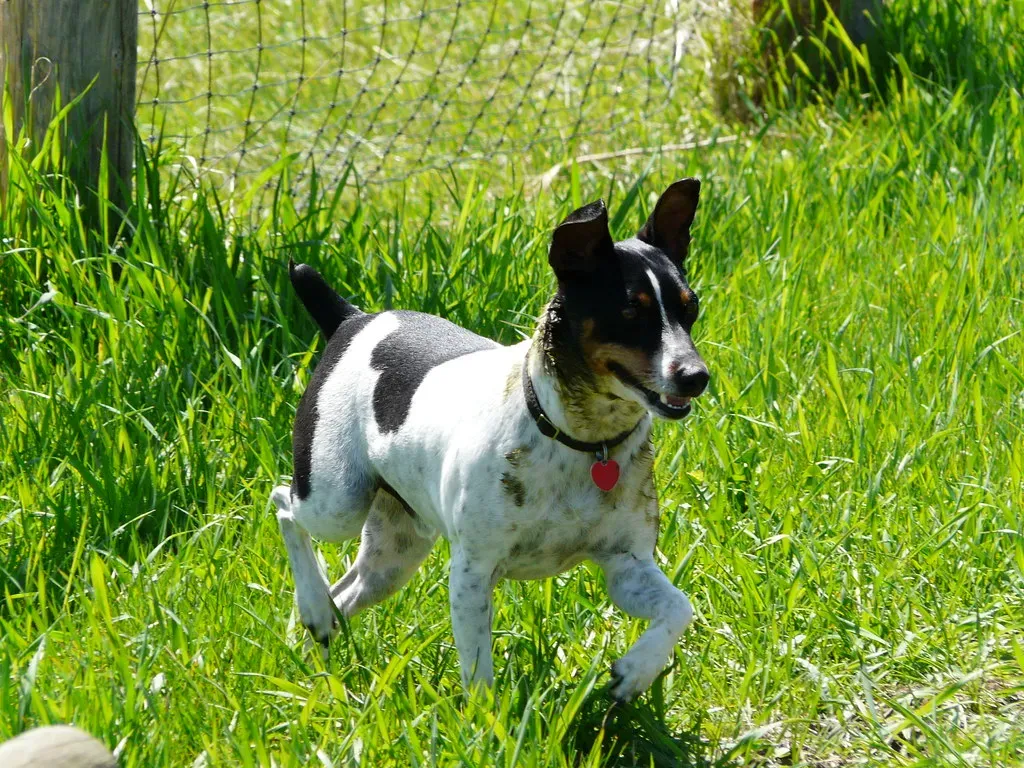
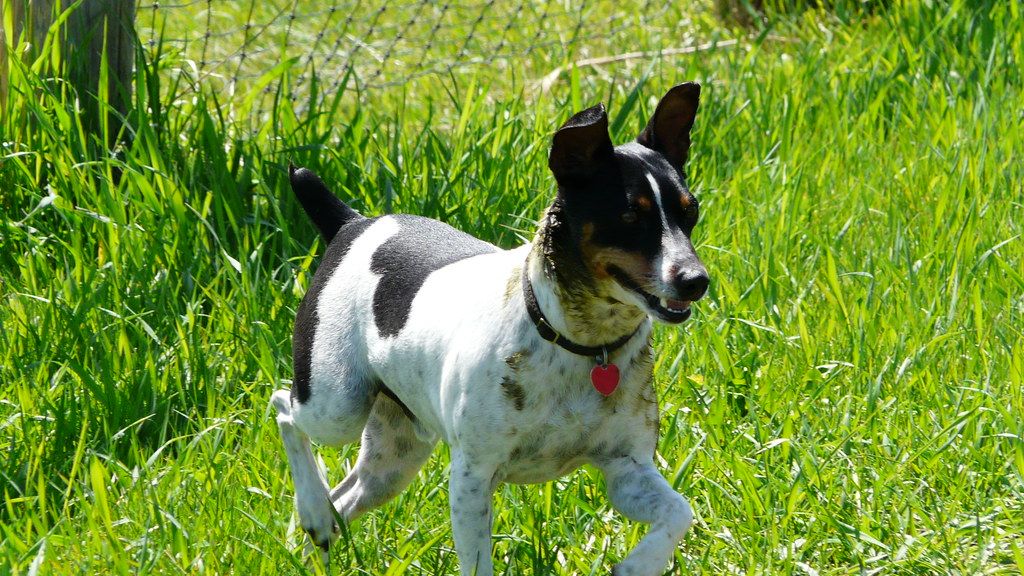
Rat Terriers are small to medium-sized dogs with minimal grooming needs, a robust constitution, and an adaptable nature, making them one of the most affordable breeds. They have short fur that makes grooming cheap, their small size means lower food costs, and they are generally healthy dogs that save on vet bills.
Rat Terriers are loving and smart, great for families or singles. They’re the kind of dog that surprises people – compact enough to fit any living situation, sturdy enough to rarely visit a specialist, and affectionate enough to follow you from room to room. Their all-around durability makes them one of the most underappreciated budget-friendly choices available today.
#5. Greyhound

Greyhounds are known for their racing careers, but they also make calm and affectionate pets with surprisingly low maintenance costs – despite their large size, Greyhounds have modest food requirements due to their efficient metabolism, and their short, smooth coat requires minimal grooming. Greyhounds possess a unique genetic makeup that keeps them relatively free from the hereditary issues that affect many other breeds, and they generally require only basic veterinary care to maintain their well-being.
Their lean build helps prevent obesity, and their calm demeanor reduces the stress-related issues seen in more anxious breeds. They are content with moderate exercise and can adapt well to living in smaller spaces – contrary to what their racing background might suggest – and their calm demeanor and low maintenance needs make them an affordable and rewarding choice for potential dog owners. If you imagined a Greyhound as high-energy and demanding, this breed is full of pleasant surprises.
#6. Jack Russell Terrier
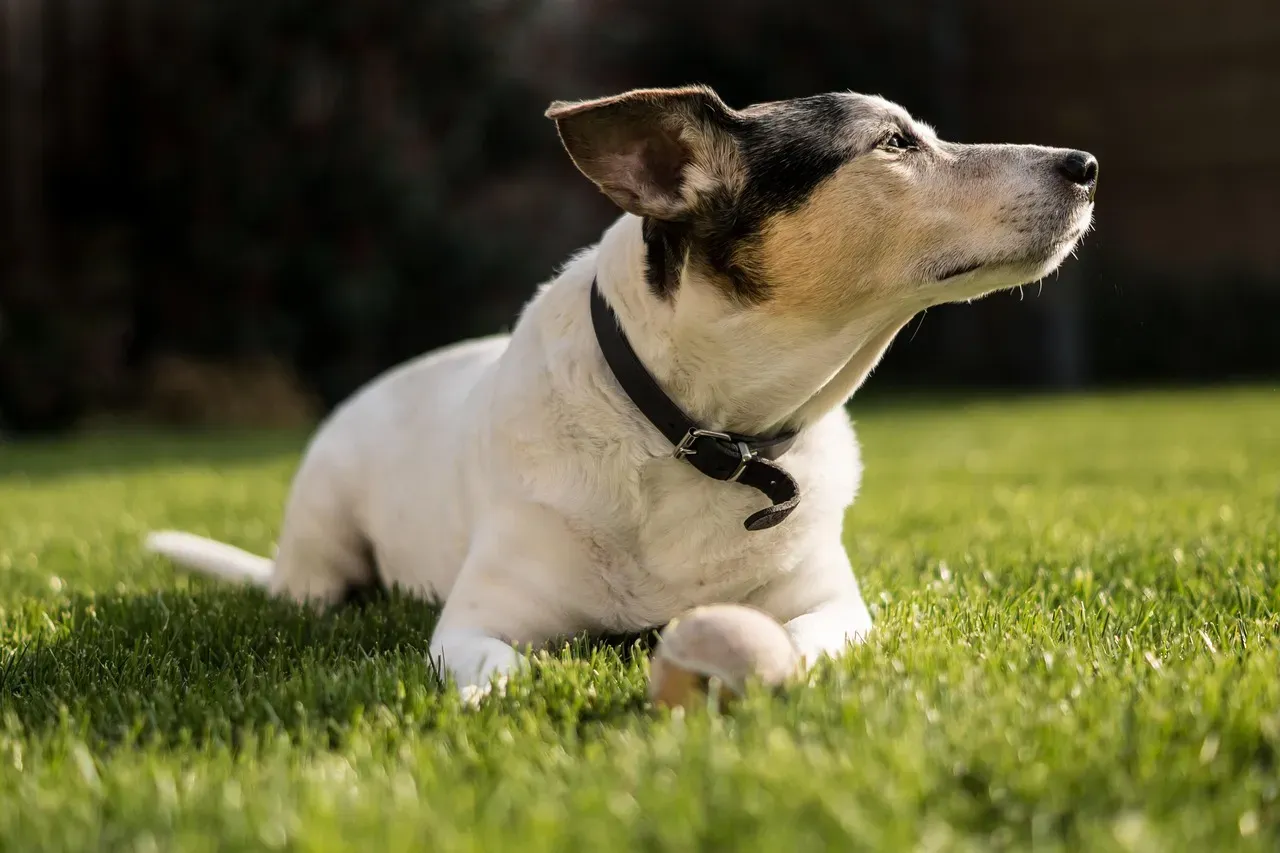
Jack Russell Terriers are bundles of energy known for their fearless nature and boundless enthusiasm – this breed’s vigorous lifestyle contributes significantly to its overall health, with Jack Russells typically enjoying a long lifespan with minimal health issues, and their innate robustness means they are less prone to the genetic conditions that can plague other breeds.
Weekly brushing, occasional bathing, and zero professional grooming needs keep costs minimal, food costs are low, and Jack Russells are famously hardy dogs that don’t rack up vet bills the way more fragile breeds do. Originally bred to hunt foxes across the English countryside, these hunting dogs are born tough and resilient – that toughness means fewer health problems and lower lifetime veterinary costs. Just be ready to keep up with them on a walk. They set a brisk pace.
#7. Bichon Frise

The Bichon Frise is a healthy dog that rarely accumulates complicated or expensive health issues that drain dog ownership budgets, and few vet bills over a lifetime add up to real savings. Their food costs are low – they are a small breed with a small appetite and moderate exercise needs that are easy to meet with daily walks around the block. These small white dogs are also hypoallergenic and low-shedding, which saves money on cleaning and is ideal for households where allergy sufferers live.
The Bichon Frise does require professional grooming every six to eight weeks to keep that fluffy fur looking its best, and that is one real cost factor with this breed. They live up to 15 years, making them a loving, cost-effective pet. The grooming bill is real, but when you factor in their long lifespan, minimal medical history, and the sheer warmth they bring to a home, the math tends to work out in your favor.
#8. Yorkshire Terrier

The Yorkshire Terrier maintains its reputation as one of the most cost-effective breeds to insure – these tiny, lively dogs benefit from broad genetic diversity and relatively robust health, and their small size means treatment and anesthesia costs stay low, which typically translates to modest insurance premiums.
Any Yorkie you meet will likely weigh ten pounds or less, so you can breathe a sigh of relief knowing they’ll eat tiny amounts at a time – they’re the ideal dog for apartments as their size means they can run around in even the most space-efficient homes. Their silky coat does need regular brushing, but many owners master this at home without ever calling a professional groomer. Small dog, small bills, huge personality.
#9. Border Collie
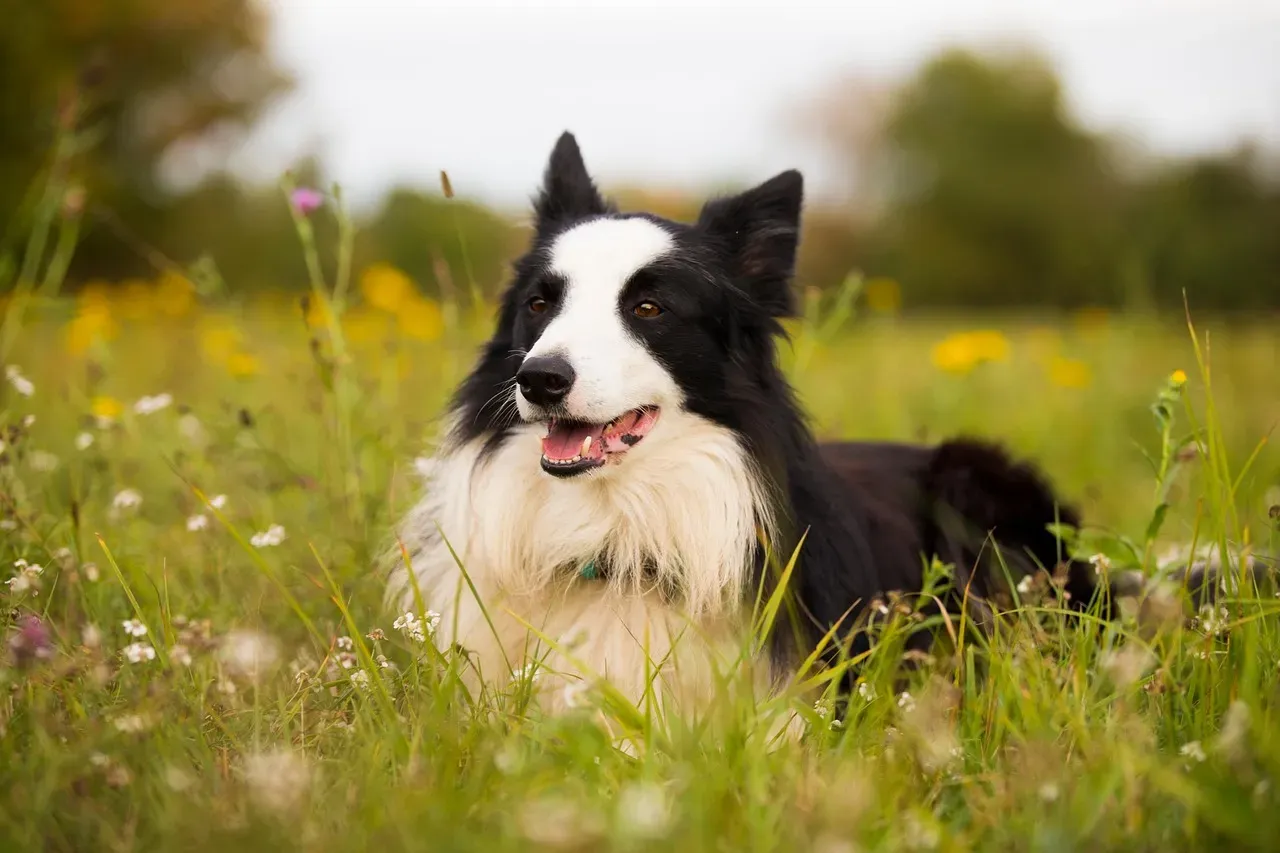
Border Collies keep themselves in shape thanks to their bottomless supply of energy, and they are also known for their hardiness, making them one of the healthier breeds out there – this good health equates to fewer vet bills, a win-win situation for both dog and owner. The initial purchase cost can be higher depending on the breeder, but their excellent health and low grooming needs compensate for it over time.
The Border Collie was bred to work, primarily herding livestock like sheep and cattle, and while some still help their humans in this capacity, most these days use their intelligence in other ways. They do need serious daily exercise and mental stimulation to stay happy. The trade-off is that an active Border Collie rarely gets sick, and a dog that stays fit tends to stay out of the vet’s waiting room.
#10. Australian Cattle Dog
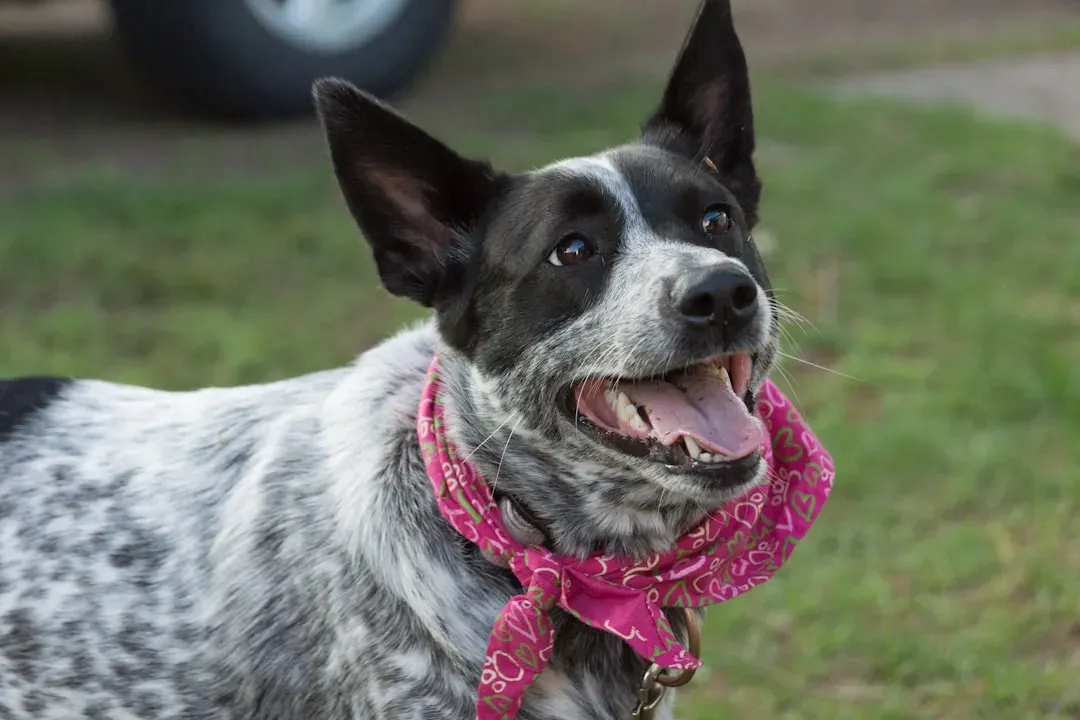
Australian Cattle Dogs are known for their endurance and robust health, traits that make them stand out as one of the breeds with potentially lower veterinary costs. Because of their smooth, short coats, Australian Cattle Dogs don’t need to be groomed very frequently, and their food needs are moderate due to their size.
Australian Cattle Dogs are high energy, so they need to be exercised regularly – they’re also working dogs by nature, so they need a job to be happy, and if you’re home often, you may find that an Australian Cattle Dog makes a wonderful companion. Their active lifestyle keeps them naturally lean and metabolically healthy, which is often the simplest path to a shorter vet bill. Give them a purpose and they’ll reward you with years of loyal, low-cost companionship.
#11. Basenji

The Basenji, often referred to as the “barkless dog,” is not only unique in temperament but also in health – this breed is known for its lack of typical dog odor and minimal shedding, and Basenjis have fewer genetic health problems than many other breeds, with their active lifestyle helping prevent obesity and related health issues.
Regular exercise and a proper diet are usually sufficient to keep them in good health, leading to lower veterinary costs. The Basenji is also a remarkably clean animal that grooms itself in a manner more reminiscent of a cat than a dog, which means virtually zero professional grooming expenses. For anyone wanting a genuinely low-maintenance dog with an exotic edge, the Basenji is an often overlooked gem.
#12. Pomeranian
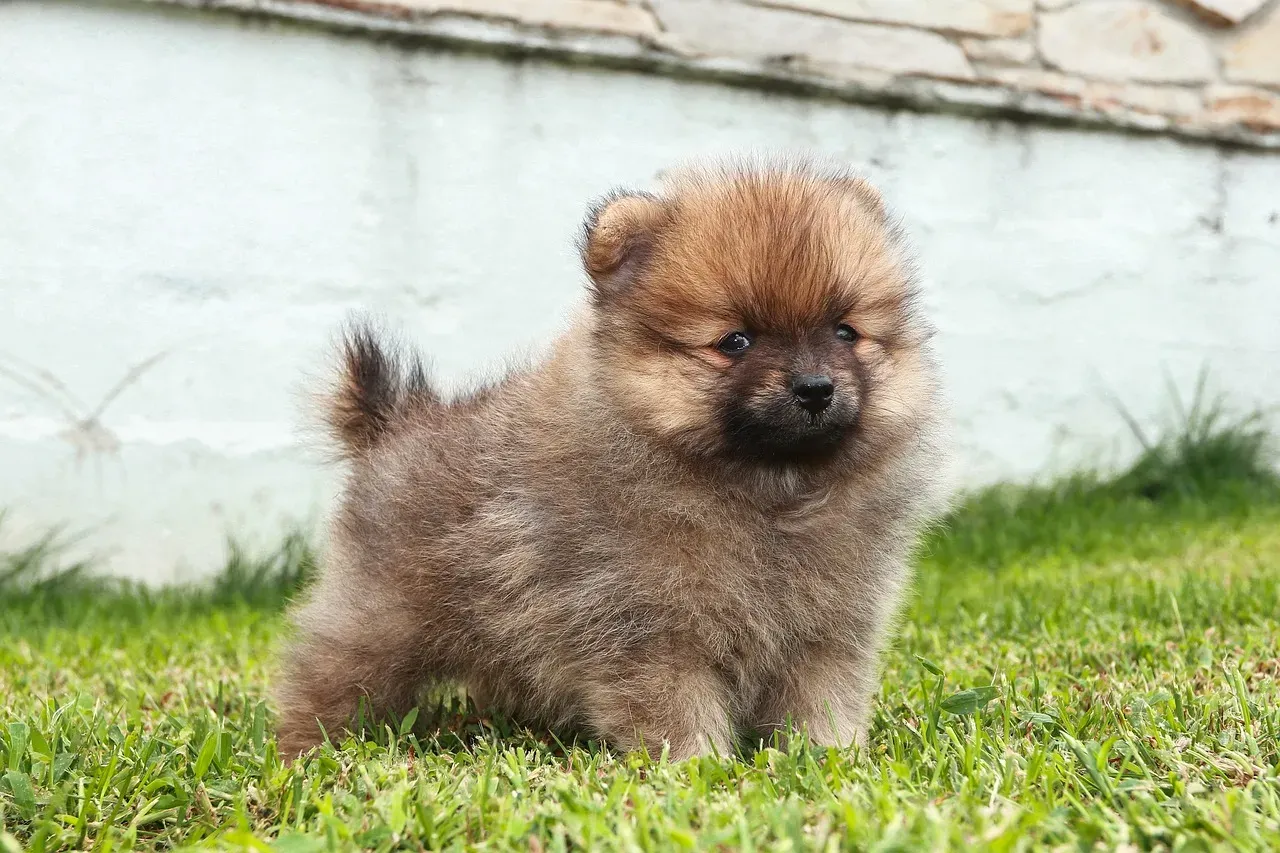
Weighing between three to seven pounds on average, the Pomeranian is easy to care for due to their small size – they tend to be fairly healthy dogs that don’t need a lot of food, and they have a fun personality combined with a moderate energy level, which means they’re not too overwhelming for new dog owners.
Dogs with known health problems and high grooming needs tend to have the highest maintenance costs, while dogs with short, low-maintenance fur and few genetic issues cost the least. The Pomeranian’s fluffy coat does require regular brushing, but a grooming routine learned at home keeps costs manageable. Their compact size means smaller food portions, smaller medication doses, and generally smaller bills – wrapped inside one of the most charismatic little personalities in the dog world.
The Bigger Picture: Choosing Smart Saves More Than Money

The truth is, no breed comes with a financial guarantee. Unexpected vet bills are a fact of life with any dog, even the budget-friendly kind – accidents and illnesses can happen, leaving you with a hefty bill. Breeds with fewer chronic illnesses and smaller frames generally enjoy more affordable insurance rates, but prospective dog owners should factor in not just the initial cost of acquiring a dog, but also ongoing commitments such as health care and insurance – being a responsible pet parent means anticipating and planning for these long-term expenses.
Adopting from local shelters or rescue groups is one of the smartest financial moves a prospective pet owner can make – adoption fees typically run between $50 and $500, far less than purebred dogs from reputable breeders, and shelter dogs often arrive already vaccinated, microchipped, and spayed or neutered, so you save money on day one and give a dog a second chance. Preventive care is also key to keeping your dog healthy and reducing long-term medical costs – annual wellness exams can catch potential health issues early, preventing them from becoming serious and expensive.
Ultimately, the breeds on this list aren’t just affordable because they’re small or short-haired. They’re affordable because they’re fundamentally hardy, bred from lineages that didn’t rely on genetic shortcuts. That resilience is what really saves you money year after year. The best dog for your budget isn’t necessarily the cheapest one to buy – it’s the one that stays healthy long enough to become genuinely irreplaceable.


