
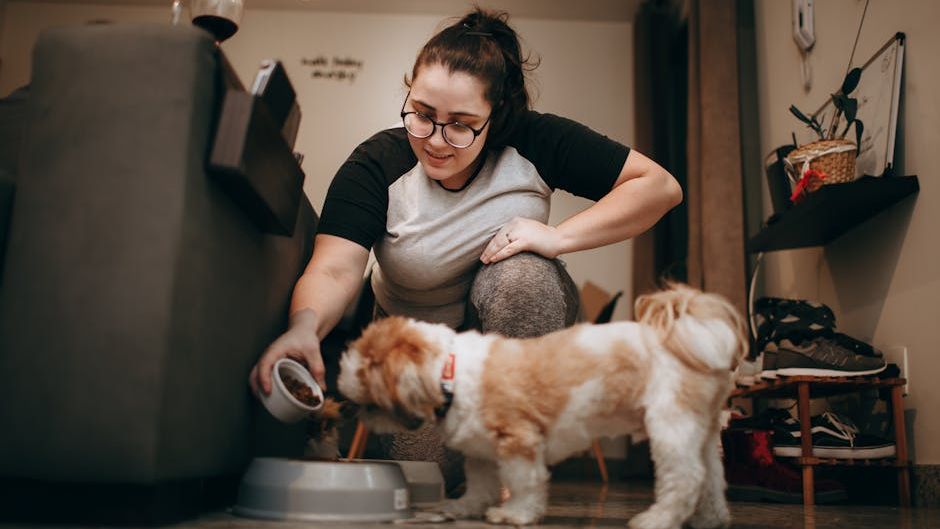
There’s a quiet moment most dog owners know well. Your dog pads over, rests their chin on your knee, and just looks at you. No agenda. Total trust. It’s one of those small, unremarkable exchanges that somehow feels enormous. What most people don’t realize is that the quality of those moments, and the overall arc of a dog’s life, is shaped far less by grand gestures than by the small, repeatable things we do every single day.
The science backs this up, and so does common sense. While annual vet visits and genetics are important, the small, consistent actions we take each day have a truly profound impact on a dog’s long-term well-being, and the single most powerful tool you have is building a routine of positive daily habits. Whether your dog is a bouncy two-year-old Lab or a silver-muzzled senior, the following ten habits are worth knowing.
#1. Take a Daily Walk – and Actually Let Them Sniff
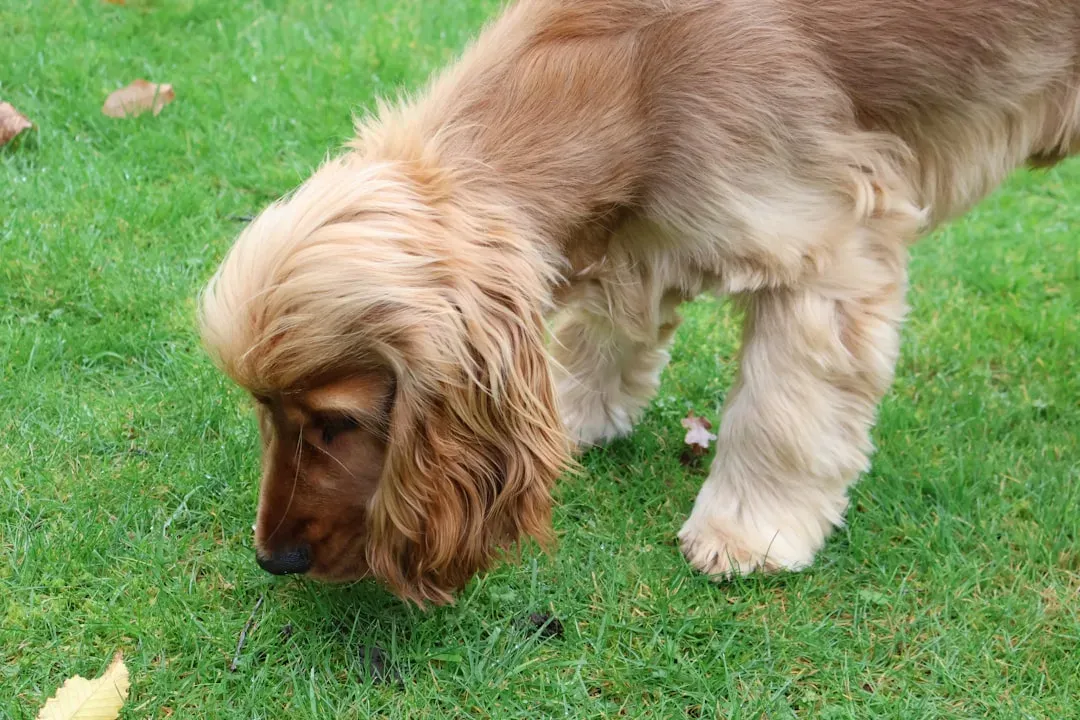
Most people think the walk is about distance. Cover a mile, tick the box, done. In reality, the sniffing is arguably the whole point. A daily walk stimulates a dog’s mental faculties and provides essential exercise, helps manage weight, and reduces risky behaviors that stem from boredom.
The nose is a dog’s primary tool for experiencing the world. Letting your dog pause, sniff a patch of grass, and take their time isn’t laziness on your part – it’s enrichment. Allowing your dog to lead the way on a “sniffari,” exploring new scents and environments at their own pace, is one of the most powerful daily habits you can build for your dog’s health and happiness. Switching up your route occasionally helps too. New smells keep your dog’s brain active, supporting overall wellbeing.
#2. Feed Them on a Consistent Schedule
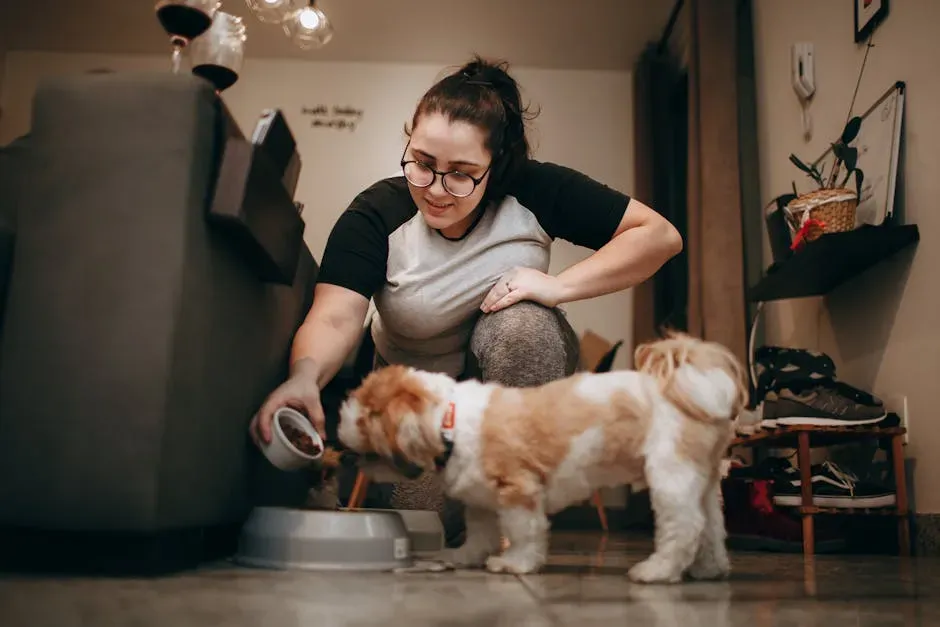
Feeding your dog at the same time each day not only supports their physical health but also contributes to their emotional balance, and having a set schedule helps regulate their digestive system. Dogs are creatures of habit in the most literal sense, and unpredictable mealtimes can create a low-level anxiety that most owners never even notice.
Dogs generally benefit from a structured feeding schedule with regular meals provided twice a day, and a consistent feeding schedule aids in proper weight management, preventing overeating as well as picky eating behaviors. It’s also worth keeping treats in check. Treats can be included but should not exceed roughly ten percent of daily caloric intake. Small details like these add up more than most people expect.
#3. Make Fresh Water Non-Negotiable
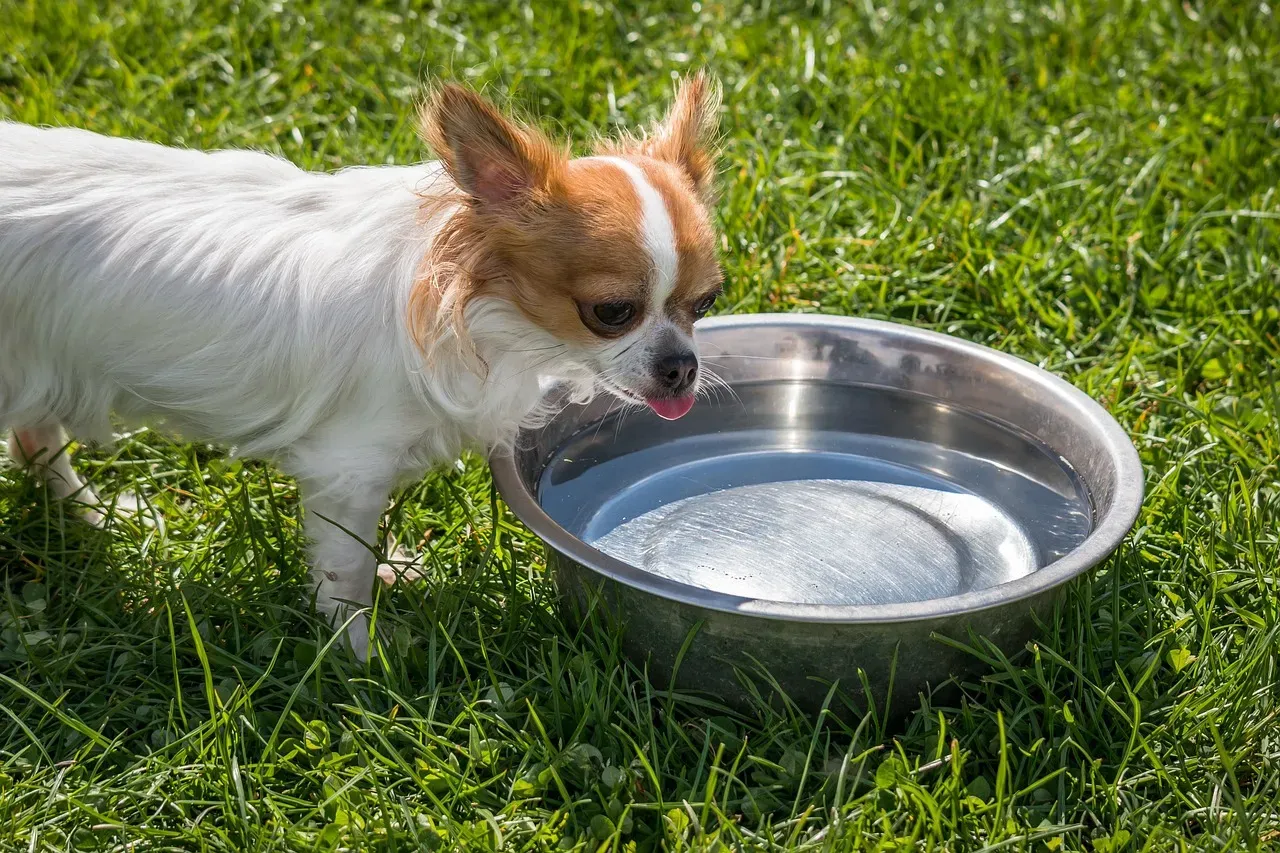
Hydration is vital for your dog’s health, as water supports digestion, regulates body temperature, and aids in nutrient absorption – and fresh water should always be accessible, especially after exercise or on hot days. It’s one of those habits so simple it gets overlooked, yet its impact on energy levels and organ function is significant.
Dogs should have clean, fresh water available at all times, and their drinking water should be replaced daily – or more often if they’re very drooly, drop food or debris in their bowl, or empty it frequently. The bowl itself should be washed at least weekly. Think of the water bowl as a living health indicator. If it’s murky or sitting stale, something easy to fix is being ignored.
#4. Prioritize Mental Stimulation Every Day
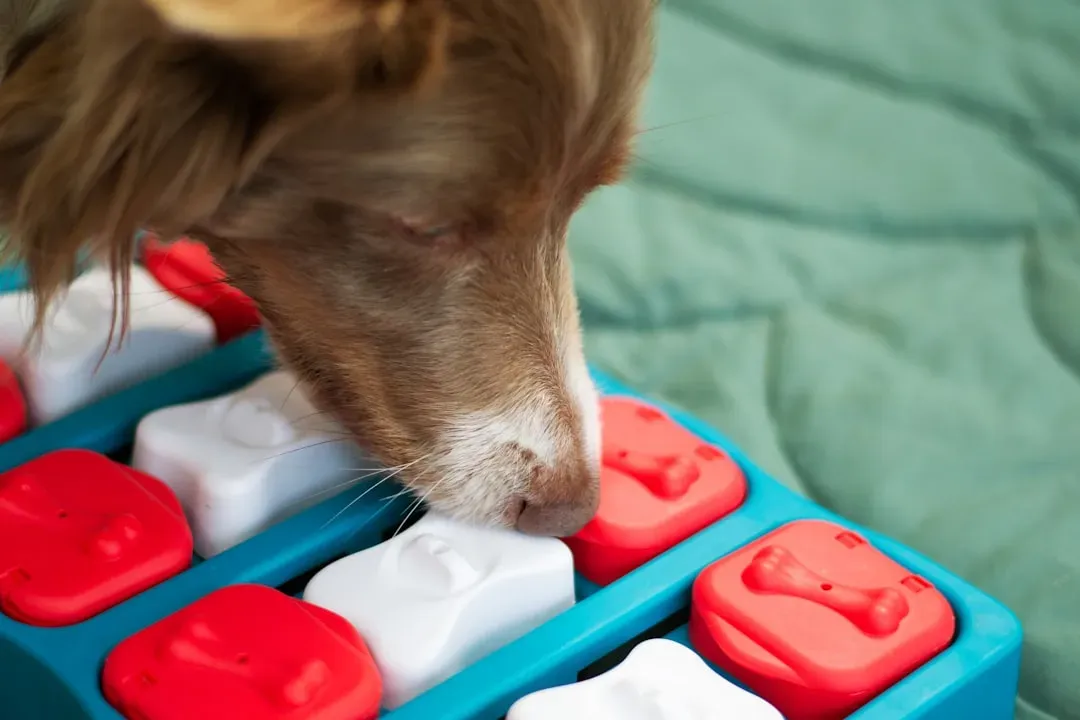
Mental stimulation goes beyond physical exercise, and engaging activities like puzzle toys and learning new tricks challenge your dog’s mind, prevent boredom, reduce anxiety, and can even help curb destructive behavior. A dog that’s physically tired but mentally under-stimulated can still be a handful – restless, mouthy, or difficult to settle.
Dogs that receive consistent mental stimulation are less likely to develop anxiety or destructive habits later in the day, and even a five-minute morning puzzle or obedience drill can set a positive tone for the rest of the day. You don’t need expensive gadgets. Hiding treats around the house, rotating toys, or teaching a new command during a commercial break all count. Variety is the thing that keeps a dog’s brain genuinely engaged.
#5. Brush Their Teeth Regularly
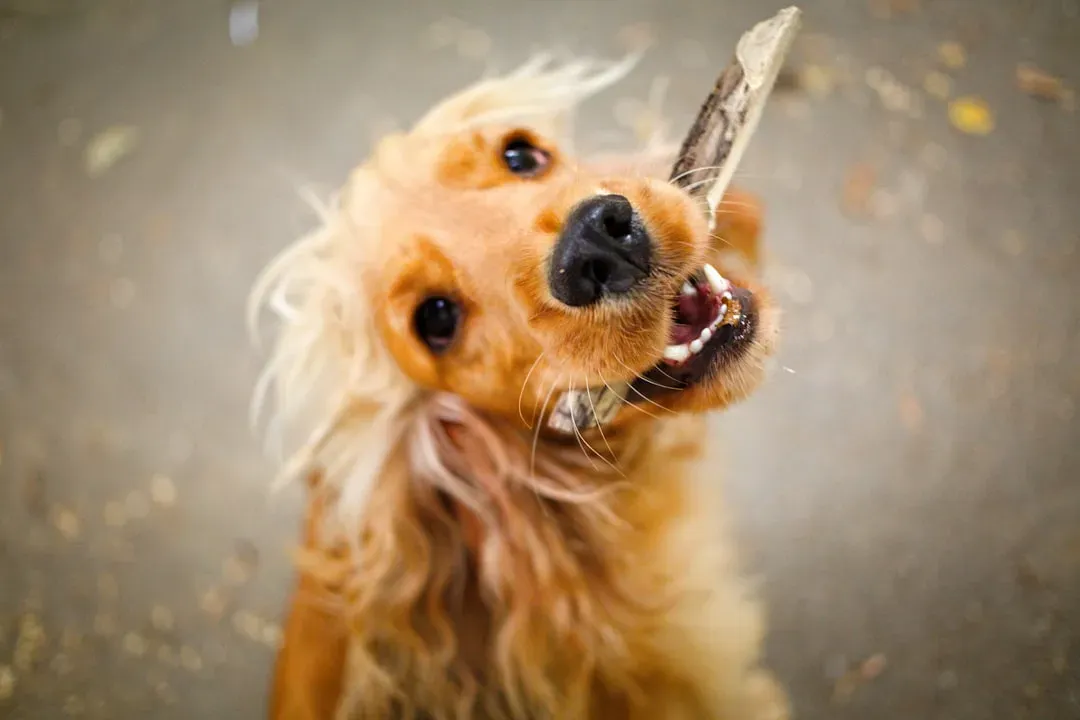
Dental hygiene is one of the most overlooked parts of dog wellness, yet it impacts everything from eating habits to long-term comfort, and if a dog’s teeth are not properly cared for, dental disease can develop, which may lead to serious health problems affecting vital organs. That’s not a minor thing to push to the back of the to-do list.
Tartar and plaque buildup on a dog’s teeth can cause both minor and serious health problems, and beyond bad breath, a dog may develop gum recession, cavities, periodontitis, and loose teeth. Daily brushing with a dog-safe toothpaste is ideal. If daily isn’t realistic, a few times a week combined with dental treats still moves the needle meaningfully in the right direction.
#6. Build a Grooming Routine That Goes Beyond Looks
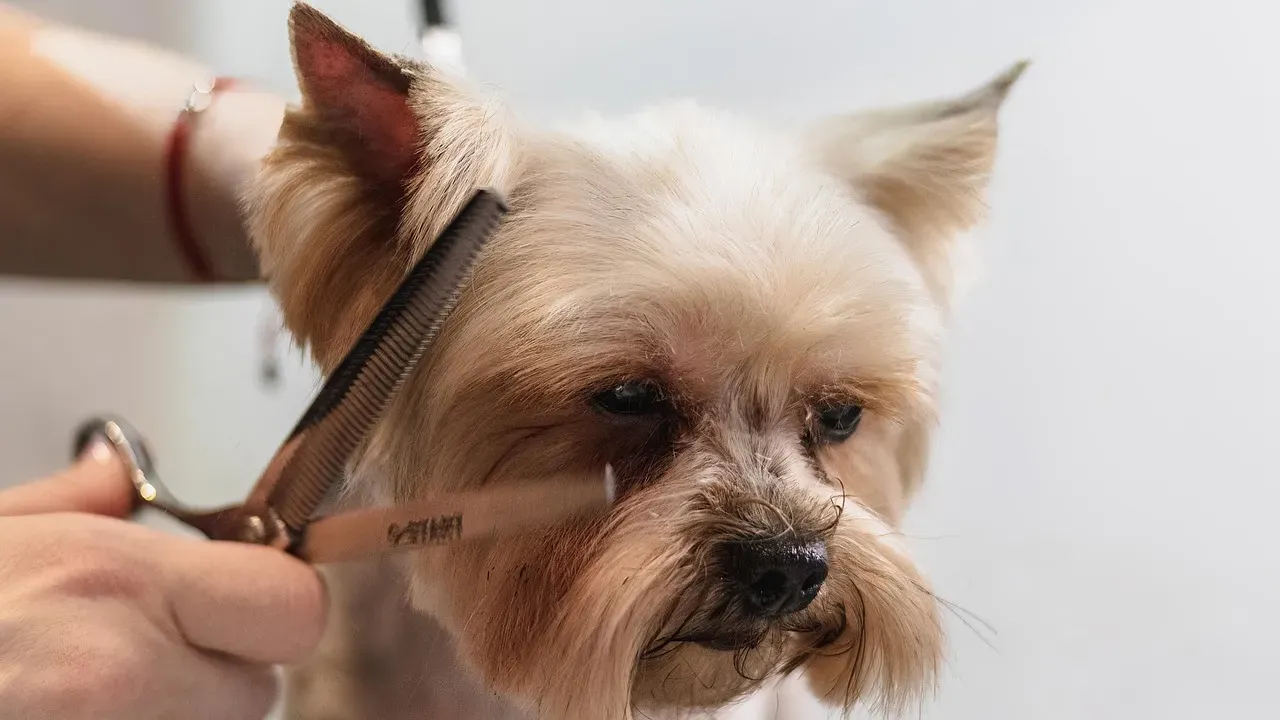
Grooming is more than maintaining appearance – it’s crucial for a dog’s health, as regular brushing prevents matting and distributes natural oils, while bathing, nail trimming, and ear cleaning help prevent infections and discomfort. Think of a grooming session as a health check with a bonus side effect of a shiny coat.
Regular grooming helps you spot early signs of skin issues or parasites, allowing timely veterinary care. Running your hands across your dog’s body while brushing gives you a chance to feel for lumps, dry patches, or tender spots that might not be obvious at a glance. Making grooming a positive experience by introducing it slowly and rewarding calm behavior means your dog learns to tolerate, and sometimes even enjoy, the process.
#7. Protect Their Sleep Environment

Just like humans, dogs need quality sleep to function at their best, and providing a comfortable and quiet space for rest is essential – adequate sleep supports the immune system, maintains energy levels, and aids in growth and recovery from daily activities. Most dog owners underestimate just how much sleep their dogs actually need.
Sleep is essential for dogs to recharge and maintain health, with adult dogs sleeping between 12 and 14 hours per day on average, while puppies and older dogs may sleep up to 18 or 20 hours daily. Ensuring a quiet, comfortable spot away from high-traffic areas can improve sleep quality, and fragmented sleep from frequent disturbances can lead to irritability and behavioral changes. A calm, consistent sleep environment is genuinely one of the simplest gifts you can give your dog.
#8. Socialize Them Beyond the Backyard
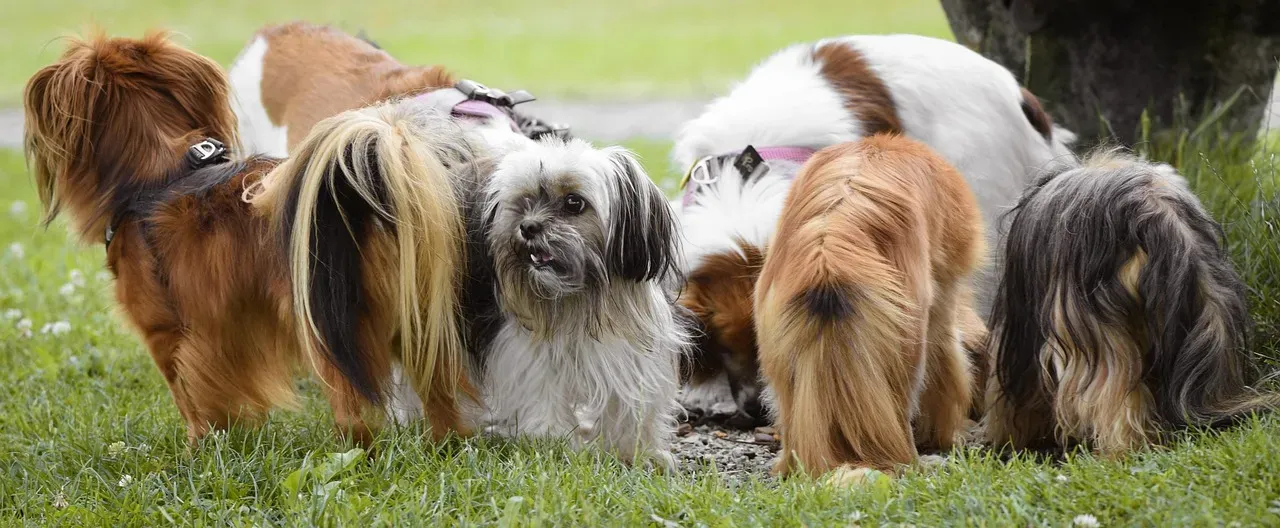
Socializing your dog is crucial for their emotional well-being, as exposure to different environments, people, and animals builds confidence and reduces anxiety, while regular interaction with other dogs helps develop social skills and prevents aggression. A dog kept largely isolated, even a sweet one, can develop reactive or fearful behaviors that become harder to manage over time.
Organizing playdates or visiting dog parks to encourage social behavior enriches a dog’s life and creates a friendly, well-adjusted pet. The goal isn’t to overwhelm them with constant social activity, but to make varied exposure a normal part of their week. A dog who regularly encounters new people, sounds, and spaces is generally a more confident, settled animal. That confidence shows up everywhere, from how they walk on leash to how they settle at home.
#9. Use Daily Training to Strengthen the Bond
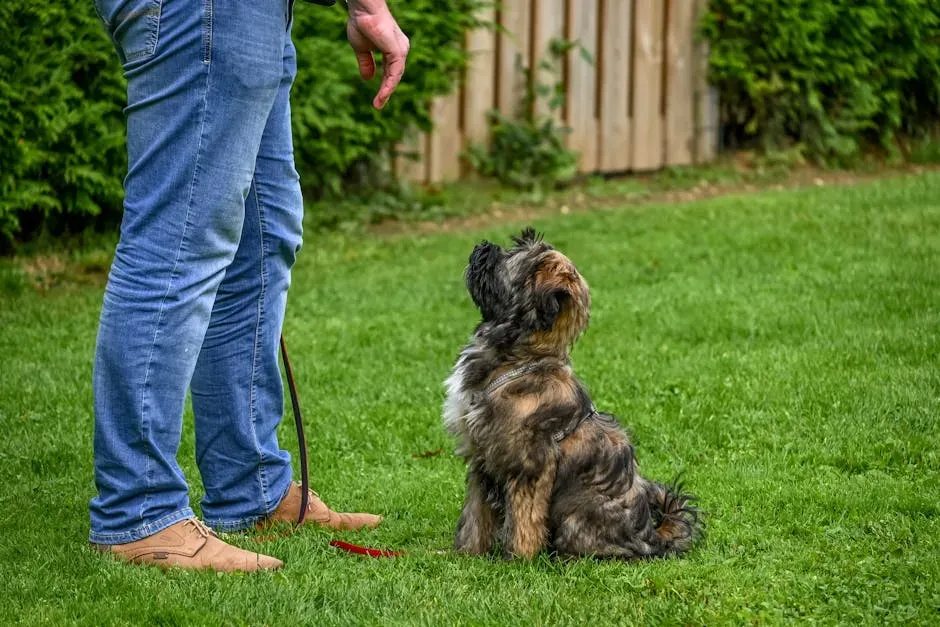
Training helps keep a dog mentally sharp, and some training activities also provide fun physical exercise – plus it’s a great way to cement a bond with your dog, and regular training sessions can be done at any age past eight weeks old. Even five minutes of practice a day is genuinely worth it, not because you’re trying to produce an obedience champion, but because the communication itself builds trust.
Dog owners can incorporate commands and behaviors into daily activities – for example, asking your dog to sit before meals or wait before crossing the street. These micro-training moments don’t require a formal setup. Dogs that are consistently trained during daily routines also better understand the rules and expectations of their environment, which translates into a calmer, more secure dog at home and in public.
#10. Schedule Regular Vet Visits – Even When Everything Seems Fine
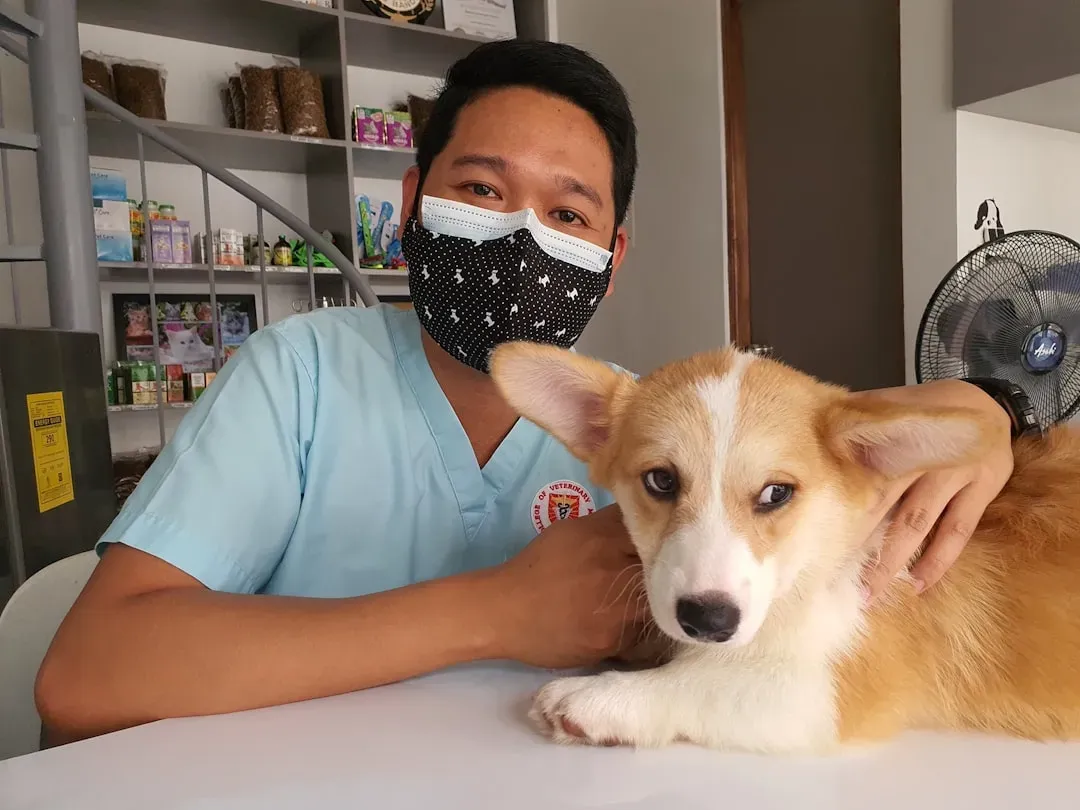
Scheduling consistent professional check-ups is the cornerstone of a long-term wellness strategy, and annual or bi-annual veterinary visits are essential for catching potential issues before they become serious, maintaining crucial vaccinations, and creating a health baseline to monitor changes over time. The keyword there is “before.” Prevention, in veterinary care as in most things, is simply cheaper and kinder than treatment.
Dogs are masters at hiding pain and illness, a survival instinct inherited from their ancestors, which is exactly why waiting until symptoms are obvious often means waiting too long. Regular wellness exams, vaccinations, dental cleanings, and parasite prevention safeguard against disease, and it’s important to schedule annual vet visits even when your pet seems perfectly fine, since subtle symptoms often go unnoticed until they become serious – and early detection saves lives.
The Bigger Picture
Here’s what’s worth saying plainly: none of these habits are complicated. They don’t require expensive products or a perfectly curated lifestyle. What they require is consistency, and the understanding that a dog’s health is built in the accumulation of small, daily choices rather than in dramatic interventions.
Much like humans, dogs thrive when their lives have rhythm and routine, and when they know what to expect and when to expect it, they tend to feel safer, calmer, and more in control of their world – which means building a structured daily routine is a powerful way to improve a dog’s mental and emotional health.
That’s the part most people miss. The walk, the meal, the brushed tooth, the afternoon training session – your dog doesn’t experience any of those things as chores. They experience them as evidence that they’re loved and safe. When you frame it that way, the habits stop feeling like obligations and start feeling like exactly what they are: the daily language of a good life shared with a dog who trusts you completely.


