
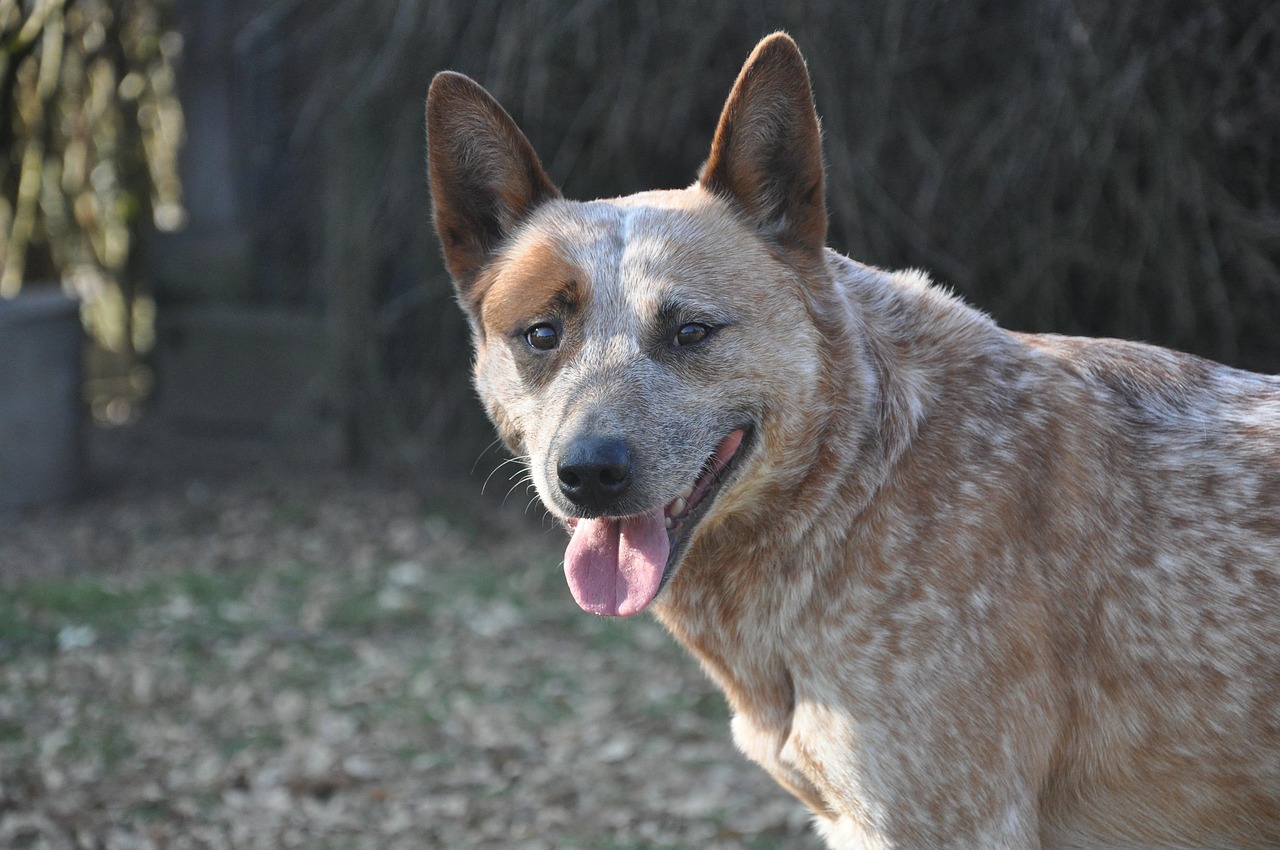
If you have ever watched an Australian Cattle Dog in motion, you know there is something a bit electrifying about them. They are compact but powerful, serious but playful, and somehow look like they know ten steps ahead of everyone else in the room. This is not a lab who melts into your lap five minutes after you meet; this is a working mind wrapped in muscle, always scanning, calculating, and ready for the next move.
When I first met an Australian Cattle Dog, I honestly thought, “Wow, this dog is more prepared for life than I am.” The intensity in their eyes, the quick reactions, the way they seemed to read every tiny movement around them – it was both impressive and slightly intimidating. The more you learn about the breed’s history, genetics, and mindset, the more it all makes sense. Let’s dive into the facts that explain why this dog is truly in a league of its own.
1. They Were Engineered for Harsh Australian Outback Conditions
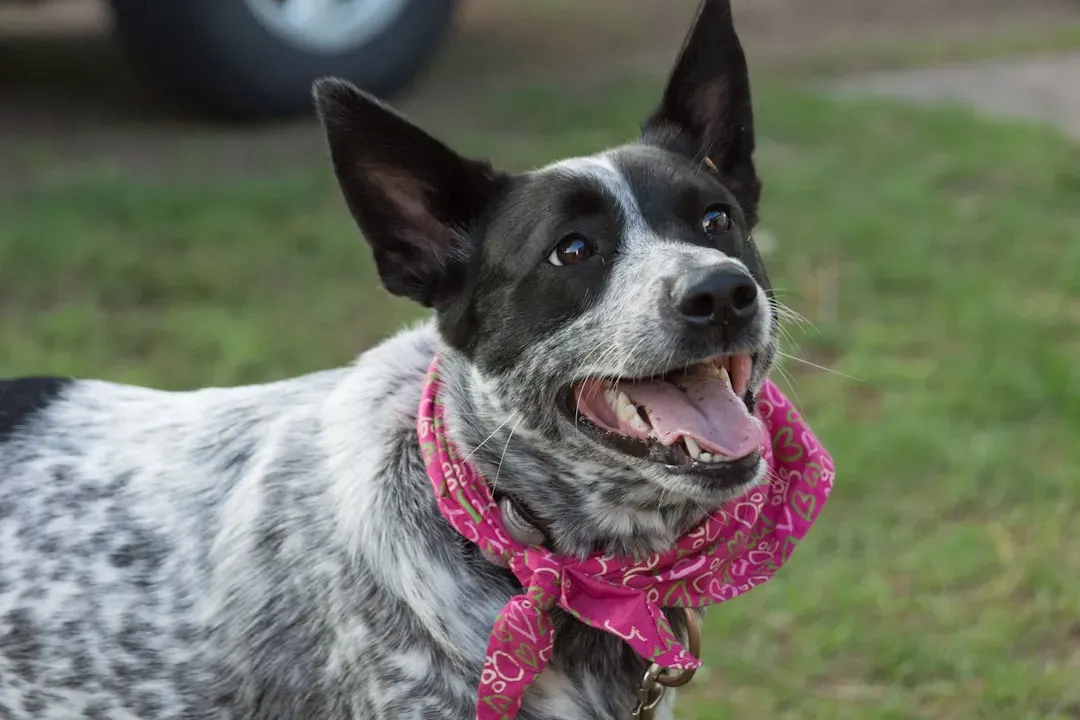
Australian Cattle Dogs were literally created to survive and work in places where many dogs would fail. Early Australian settlers needed a dog that could move cattle across vast, scorching distances, through dust, thorns, and punishing heat, often with little water and no shade. The result was a tough, weather-resistant animal with a dense double coat and a body that can handle long days of hard work without breaking down.
This origin story explains their trademark grit and resilience. They are not just energetic; they are built to keep going long after a casual pet dog would curl up for a nap. That can be breathtaking to watch on a farm – or exhausting if you expected a laid-back couch companion. When you see an Australian Cattle Dog pacing because it only had a short walk that day, you are looking at generations of purpose-bred endurance struggling to switch off.
2. Their Heeling Style Comes From Controlled Nipping, Not Aggression
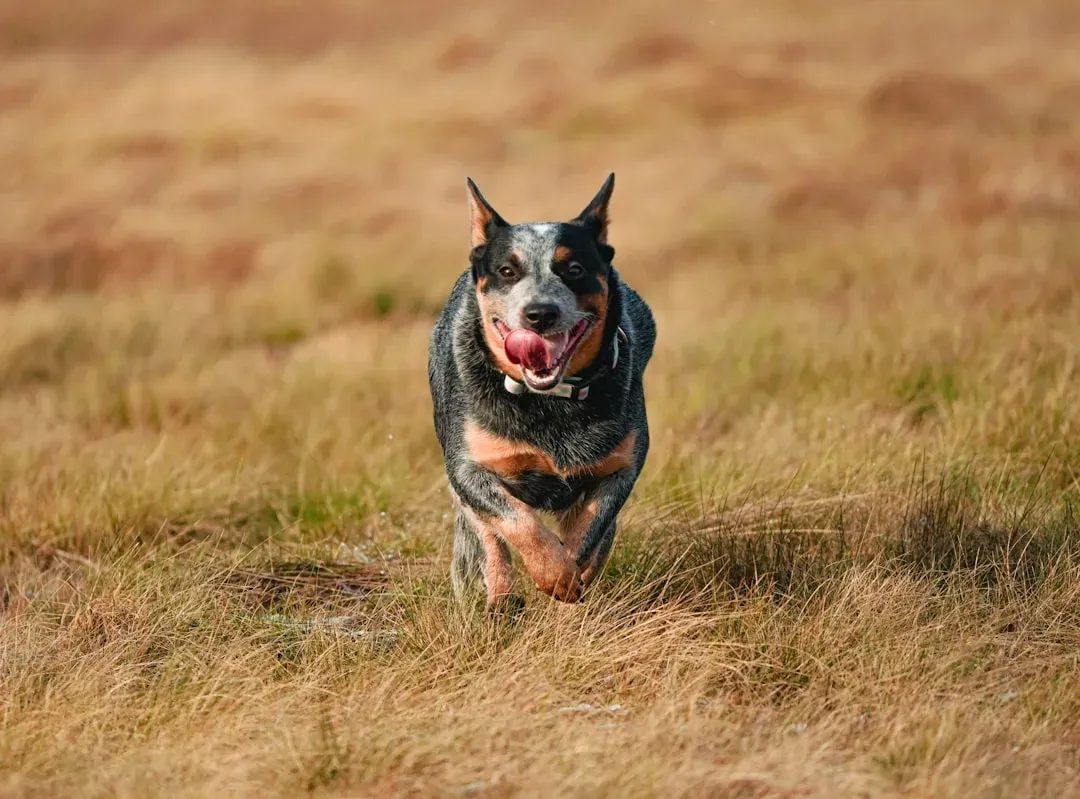
One of the most distinctive things about Australian Cattle Dogs is the way they move livestock: they nip at the heels of cattle and then duck out of the way quickly. To someone unfamiliar with herding breeds, this can look aggressive or rude, but it is actually incredibly precise and controlled behavior. These dogs were bred to apply just enough pressure to move a stubborn cow, yet avoid injury to themselves and the animal.
This instinct to control movement explains a lot of their quirks in everyday life. A bored Australian Cattle Dog might try to “herd” kids, joggers, or other dogs, sometimes with quick little nips or body blocks. It is not malicious; it is that hardwired working pattern looking for a job. When owners give that instinct something appropriate to do – like agility, herding practice, or structured games – you suddenly see how brilliantly that drive can be channeled.
3. They Are a Unique Mix of British Herding Dogs and Native Dingoes
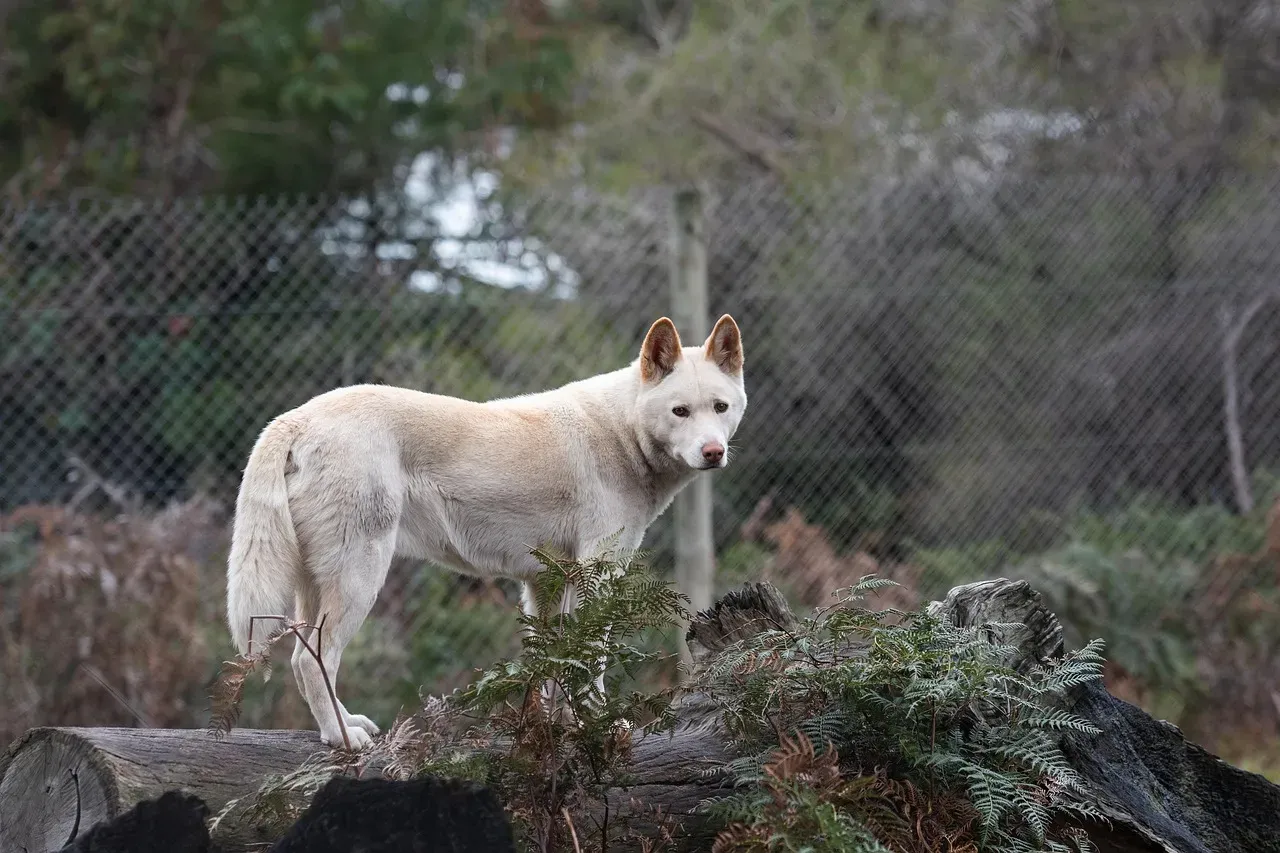
Australian Cattle Dogs did not just pop into existence; they were carefully developed from a mix of imported British herding dogs and Australia’s wild dingoes. Early breeders crossed tough working collie-type dogs with dingoes to create a dog that could handle the climate and terrain, while still being trainable and loyal. Over time, additional breeds were introduced and refined, but that dingo influence is still visible in their alert expression, pricked ears, and wary intelligence.
This unusual ancestry helps explain why Australian Cattle Dogs can seem more independent and suspicious than many other pet breeds. They are deeply bonded to their people, but they are not automatically friendly with every stranger. There is a little bit of that cautious, watchful wild ancestry still in their bones, and it shows in the way they evaluate new situations before deciding how to respond.
4. Their Intelligence Is Laser-Focused, Not Always Obedience-Driven
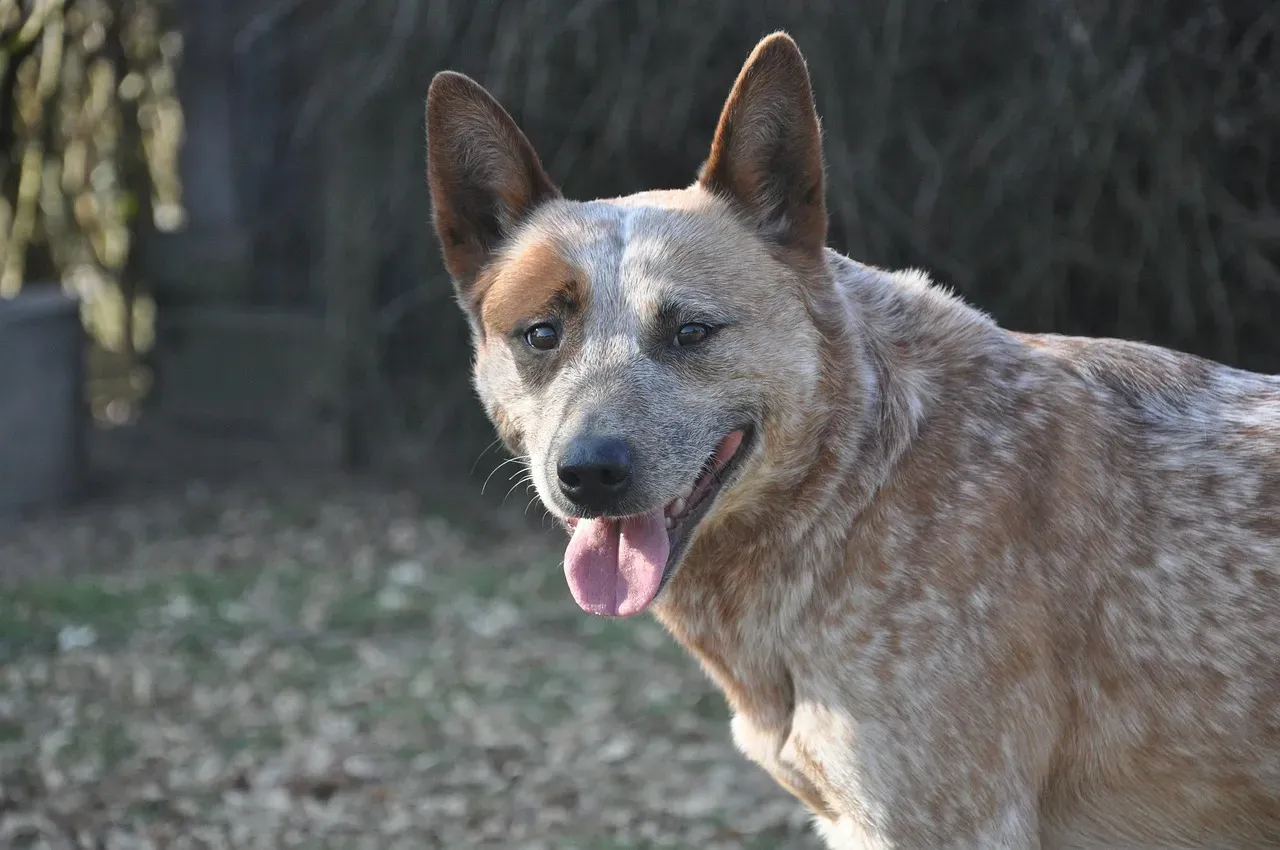
A lot of people say their Australian Cattle Dog is the smartest dog they have ever owned – and they usually mean it in both the best and most challenging ways. This breed picks up patterns frighteningly fast, remembers routines, and seems to anticipate what is happening next long before you speak. They were bred to problem-solve on the job, not just wait quietly for instructions.
That kind of intelligence is very different from a dog that simply wants to please all the time. An Australian Cattle Dog will absolutely obey when they respect you and understand the task, but they can also decide that your plan is inefficient or pointless and improvise their own solution. Living with one feels a bit like living with a work partner rather than a subordinate – you are not simply giving commands, you are negotiating with a highly capable teammate.
5. Their Energy Level Is Industrial-Strength, Not “Weekend Warrior” Friendly
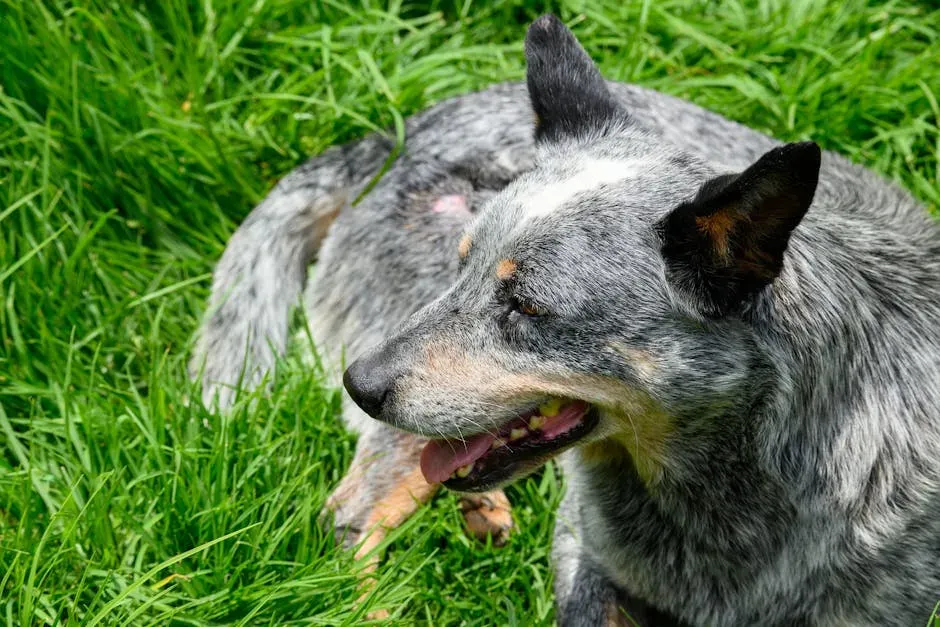
Many active people think, “I run a few times a week, I hike on weekends – I can handle an energetic breed.” With an Australian Cattle Dog, that assumption can fall apart quickly. These dogs were designed to work long days driving cattle, not just enjoy a light jog. Even after a big outing, some of them bounce back like they just had a warmup.
What makes them different is that they need mental work just as much as physical movement. You can tire their legs, but if their brain is bored, they will find their own entertainment – and you may not love their ideas. Puzzle toys, training sessions, scent games, or herding-style activities give that relentless energy a purpose. When they are properly occupied, they transform from restless powerhouses into impressively composed, satisfied companions.
6. They Bond Deeply to “Their People” and Can Be Surprisingly Aloof With Others
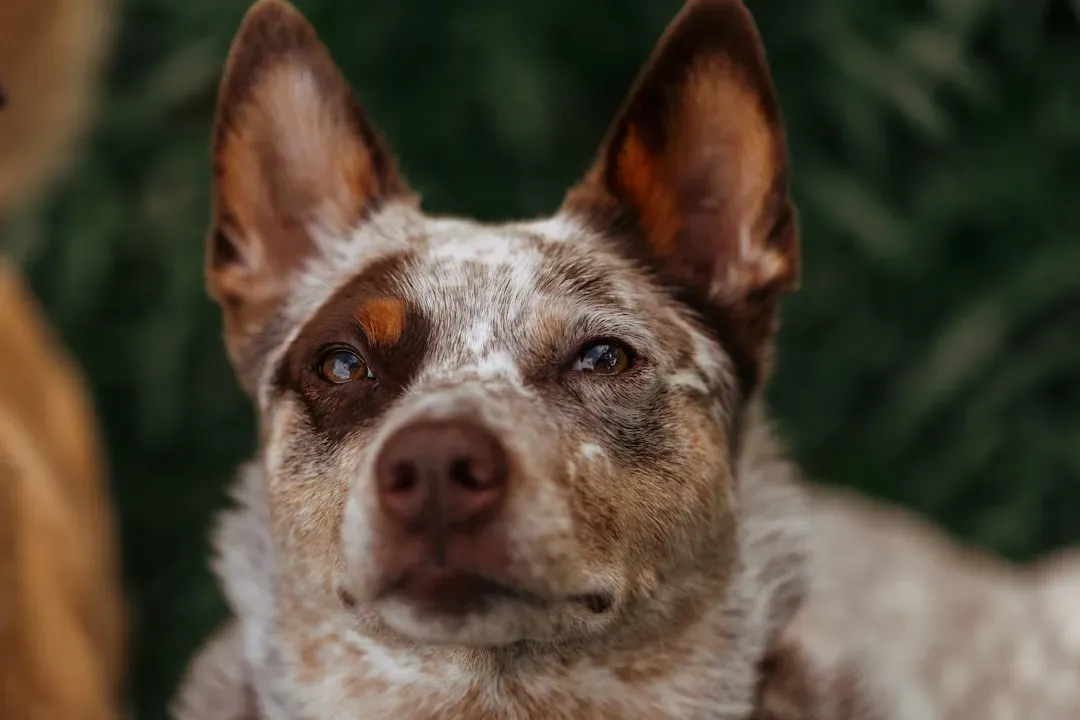
Australian Cattle Dogs are not typically the social butterflies of the dog park. Many of them are strongly loyal to a few key humans and fairly indifferent – or even suspicious – toward everyone else. This trait goes right back to their origin as working partners who needed to focus intensely on their handler and livestock, not on every passing stranger.
For the right person, that deep loyalty feels almost magical. These dogs often follow their favorite human from room to room, watch them constantly, and seem to share an unspoken language over time. But it also means they may not appreciate being handled roughly or approached too fast by unfamiliar people. Respecting their boundaries and building trust slowly tends to bring out the very best of that intense devotion.
7. Their Coat and Color Patterns Tell a Story of Function, Not Fashion
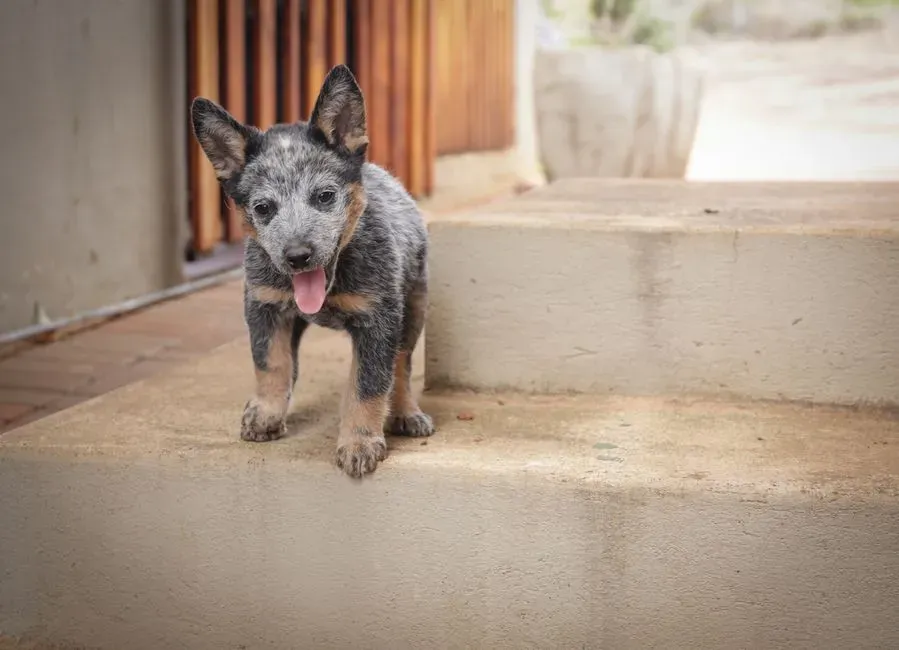
The signature “blue” or “red” speckled or mottled coat of the Australian Cattle Dog looks stylish, but it has practical roots. The dense double coat protects them from sun, rain, and rough vegetation, while the mottled coloring helps break up their outline in the scrub and brush. That kind of camouflage matters when you are working close to large, easily startled animals.
Even the markings on the head – like masks, patches, or distinctive spots – are part of the breed’s identity. Puppies are often born mostly white and then their color develops as they grow, which can be a surprise if you are not expecting it. The coat is relatively low-maintenance in terms of grooming, but it sheds steadily, especially when seasons change. It is a classic example of form following function, with beauty emerging as a side effect of practical design.
8. They Mature Slowly Emotionally but Expect a Job From Day One
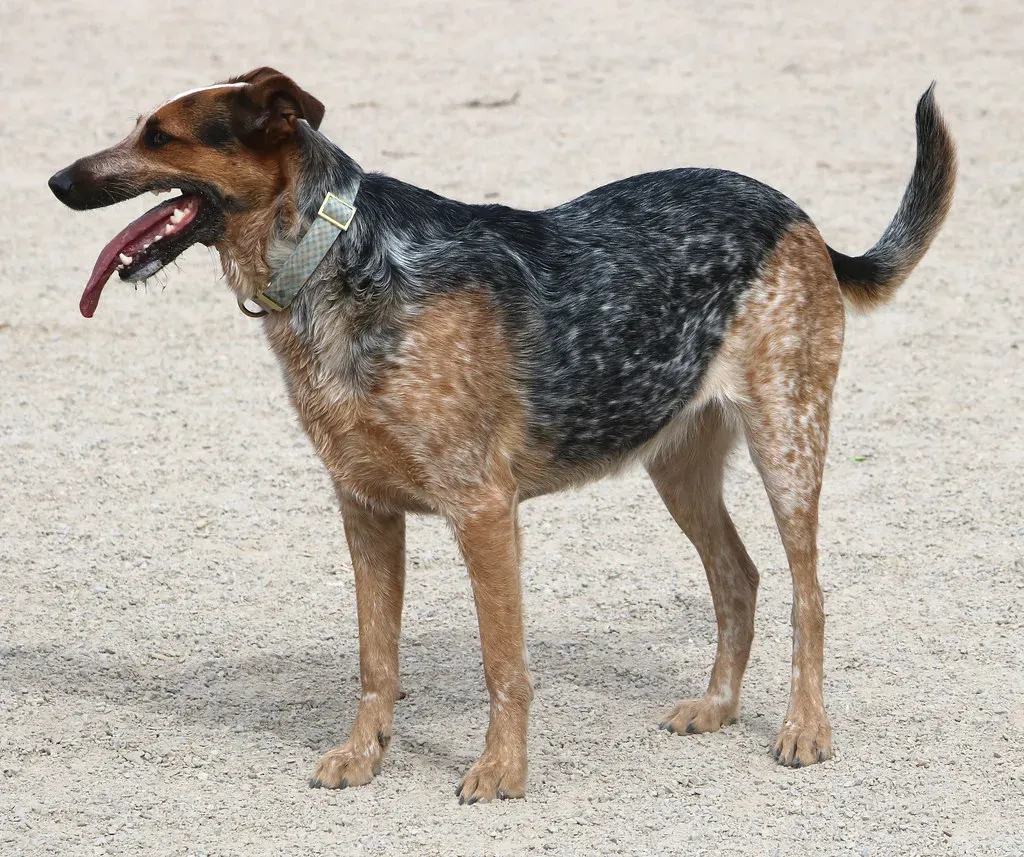
Australian Cattle Dogs can take a while to grow up emotionally. Many owners describe them as serious puppies in tough little bodies, bouncing between bursts of wild energy and moments of startling focus. They may still be testing boundaries and acting like teenagers long after their body looks fully adult, which can catch people off guard.
The twist is that their working instincts are strong from a very young age. Even as youngsters, they are already noticing movement, trying to control it, and looking for patterns in how the household runs. If you give that young mind structure – short training sessions, simple jobs like carrying things, or basic obedience tasks – you are not spoiling them. You are feeding the part of them that was bred to have a purpose.
9. Without Clear Rules, They Will Happily Take Charge
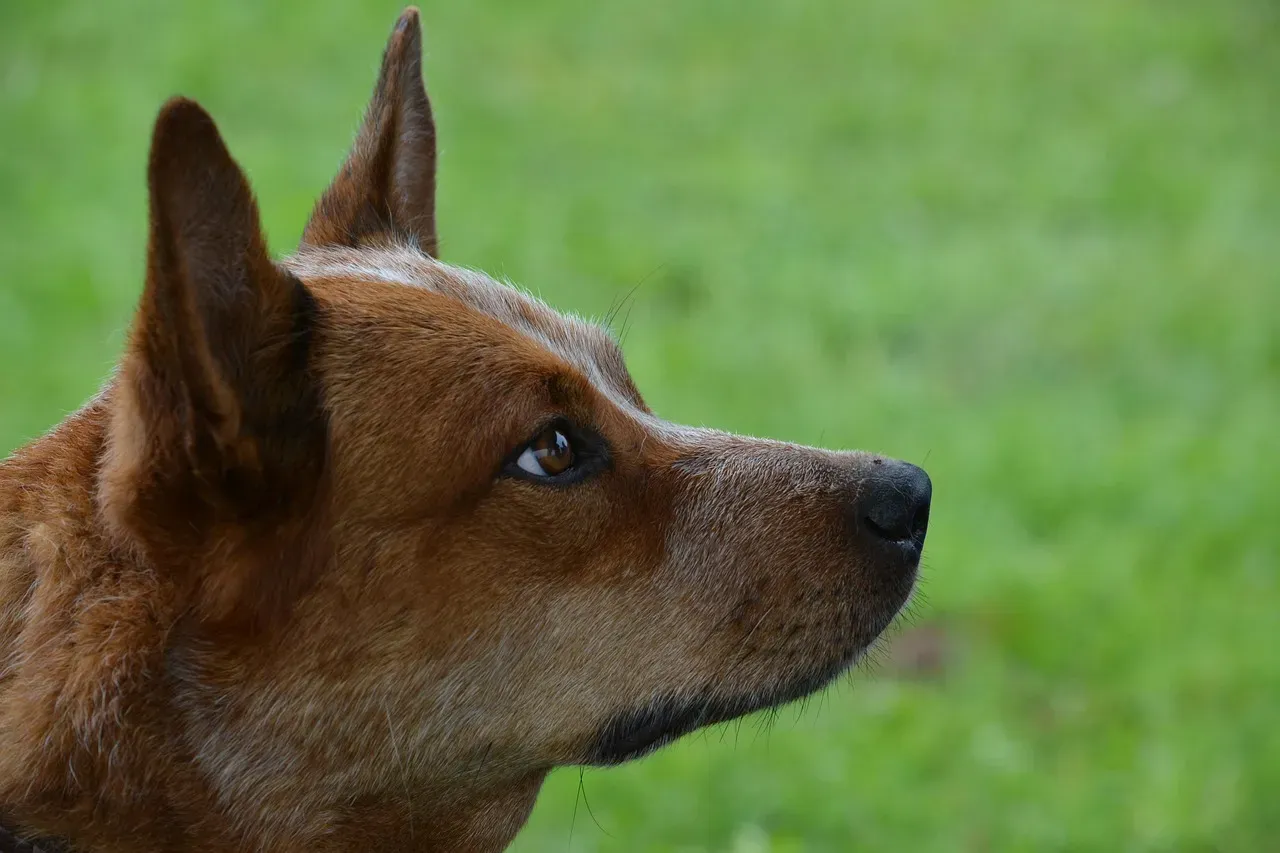
This is not a breed that shrugs and goes with the flow if no one is clearly in charge. Australian Cattle Dogs were bred to work independently and to make decisions on their own in the field. In a home without clear boundaries and leadership, that independence can morph into stubbornness, pushiness, or even guarding behavior as they try to run the show.
What makes them so different from many popular pet breeds is that they often thrive under firm, fair structure rather than endless leniency. They respond incredibly well to consistent rules, calm confidence, and meaningful work. When you provide those things, all that strong will and intensity becomes a force that works with you instead of against you, and living with them feels surprisingly harmonious.
10. They Are Not a Dog for Everyone – and That Is Exactly Their Magic
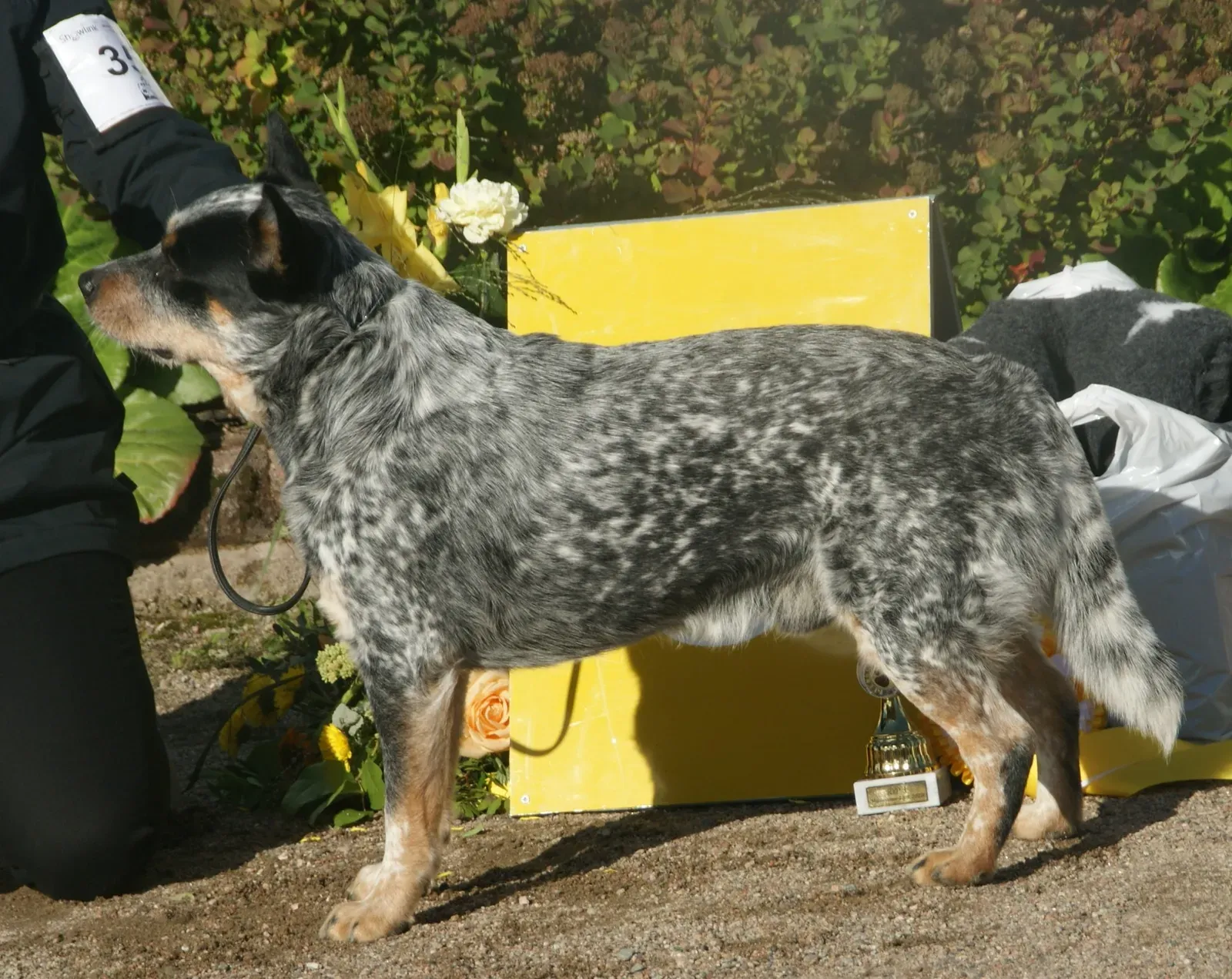
In a world where many dogs are bred to be easygoing family companions, the Australian Cattle Dog stands apart as something more specialized and demanding. They are not automatically the perfect fit for city life, small apartments, or people who want a dog that will be content with short walks and occasional play. Their needs for activity, structure, and mental challenge are simply higher than what many households can or want to provide.
Yet for the right person, that intensity is precisely what makes them unforgettable. When you pour time, training, and empathy into an Australian Cattle Dog, you get a partner who can feel almost supernaturally tuned into you and your routines. They are not easy, and they are not meant to be. And honestly, that is what makes them such an extraordinary, one‑of‑a‑kind breed – because some relationships are more rewarding precisely because you had to work for them.
Conclusion: A Brilliant Misfit in a World of Easy Dogs
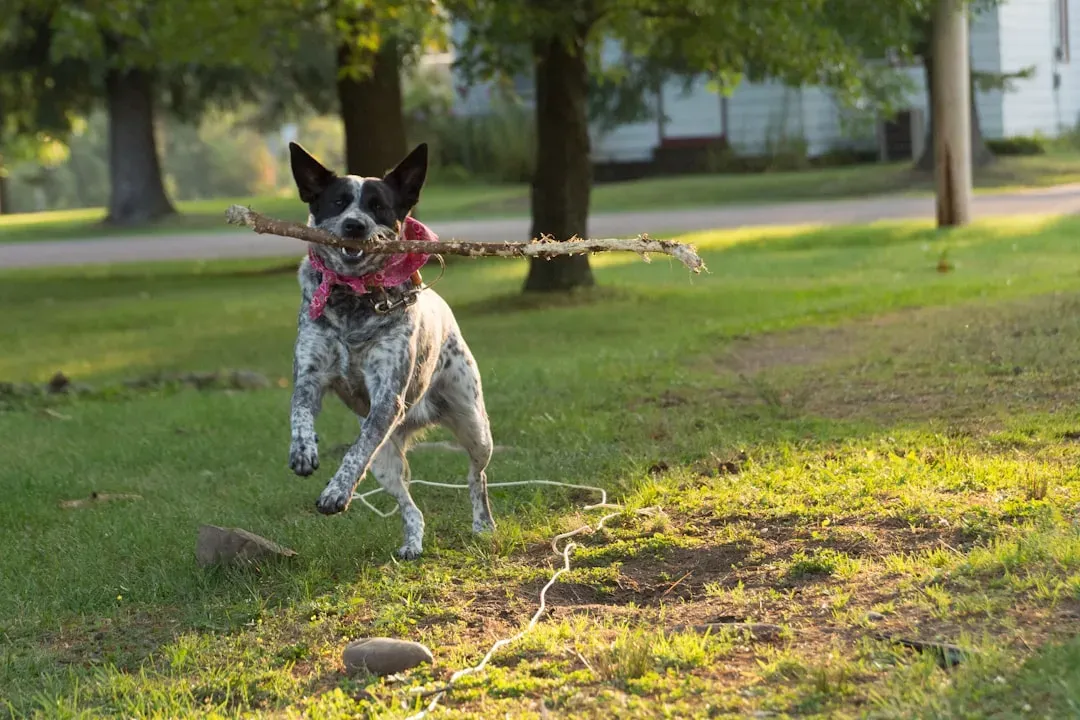
Australian Cattle Dogs are, in many ways, beautifully out of step with what most people expect from a modern pet. They are intense where others are soft, purposeful where others are casual, and fiercely loyal where others are merely friendly. In my view, that makes them less of a “cute accessory” and more of a serious commitment, almost like adopting an athlete and a work partner rolled into one compact body.
If you want a dog that drifts through life on autopilot, this probably is not your breed – and that is perfectly fine. But if you respect their history, match their energy, and embrace their stubborn brilliance, you do not just end up with a dog; you end up with a co‑pilot. In a world rushing toward convenience and simplicity, there is something refreshing about a breed that demands effort and gives back tenfold. Would you be ready to keep up with a dog like that, or would they end up outworking you?


