
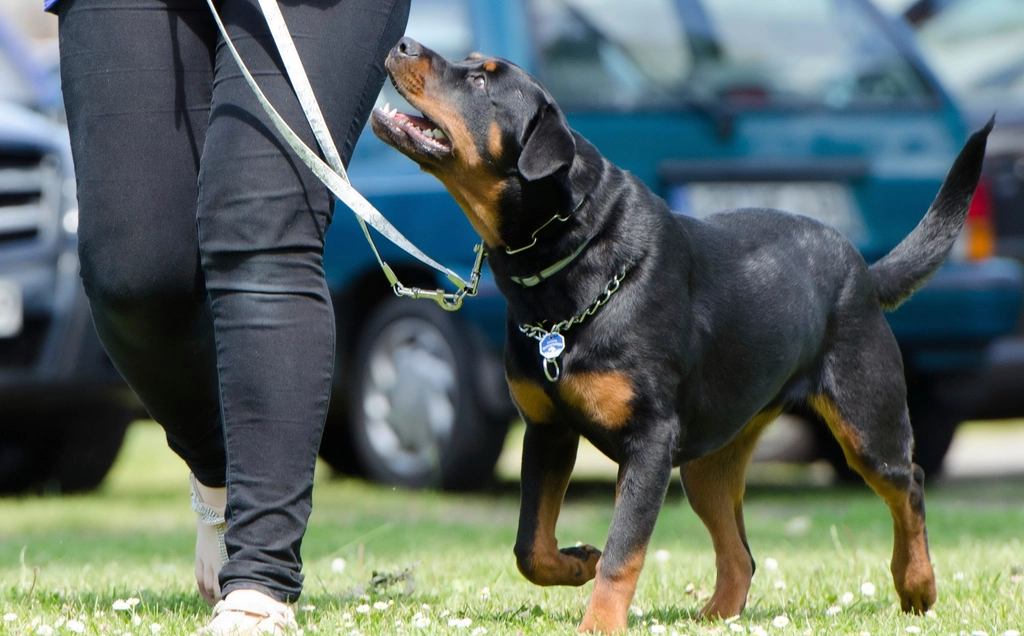
You’re sitting on the couch, half-distracted by your phone, when your dog trots over with their leash in their mouth, eyes locked on yours. It feels almost heartbreakingly clear: they want a walk, right now. But what if that isn’t the whole story? What if that leash is less about burning energy and more about sending you a very different message?
Dogs are masters at getting our attention without using a single word. The twist is that we tend to interpret every leash delivery as a simple walk request, when in reality it can be tied to stress, boredom, pain, habit, or even clever manipulation. Once you start looking beyond the obvious, that one small behavior turns into a fascinating window into your dog’s emotional life. Let’s unpack what might really be going on when your dog suddenly shows up, leash in mouth.
A Learned Attention Trick: “This Always Gets You Off the Couch”
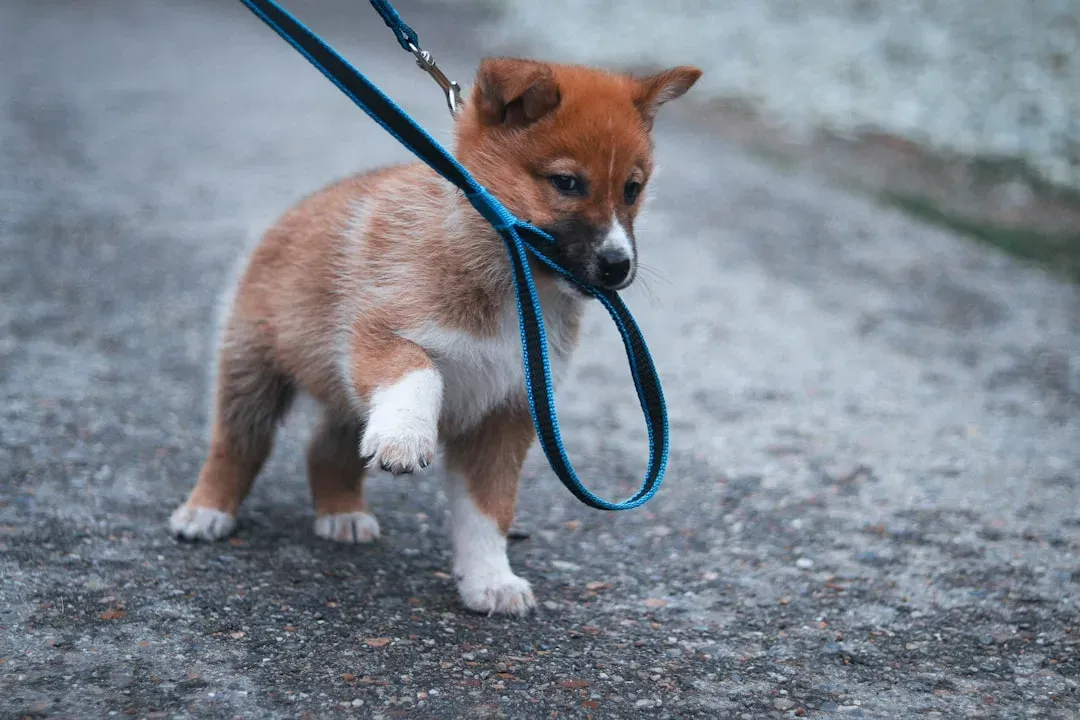
One surprisingly common reason dogs bring the leash is very simple: it works. At some point in the past, they grabbed the leash, you reacted with excitement, maybe laughed, grabbed your shoes, or at least gave them extra attention. To a dog, that is a jackpot. Dogs are expert pattern-matchers; if leash equals instant engagement, they are going to try that strategy again, whether or not they truly want a full walk.
Think of it like a kid who figured out that saying a certain phrase makes the adults look up from their screens. It might have started with a genuine need, but once the child sees the reaction, it becomes a handy social tool. Your dog has probably “tested” lots of little behaviors over time; the ones that light you up get repeated. A leash in the mouth is loud, visible, and often adorable, so it becomes a reliable way to snap you out of whatever you’re doing and back into their world.
General Restlessness and Boredom, Not Just “Let’s Go Outside”

Sometimes, a dog that brings the leash is not truly asking for a structured walk; they’re saying, in their own way, that their brain and body are restless. Maybe they had a slower day, the weather has been bad, or their usual play partner has been busy. The leash is just the clearest symbol they have for “do something with me.” Even if they got a walk earlier, they may still be under-stimulated mentally or emotionally.
In these cases, a short game of tug, a training session, or a puzzle feeder might satisfy them just as effectively as a mile-long stroll. Watch the rest of their body language: are they pacing, sighing, or flopping dramatically around the room before grabbing the leash? That can point toward boredom more than a strict need for outdoor exercise. The real request may be less about distance and more about connection and variety in their day.
Anxiety, Predictability, and the Comfort of Routine
For some dogs, the leash represents safety and predictability rather than pure fun. If your dog is anxious, sensitive to noise, or prone to stress, daily walks can become a comforting part of their routine. When life feels chaotic or something at home has changed – a new schedule, a visitor, a baby, even different furniture – the dog may grab the leash almost like a child clutching a favorite blanket.
In this context, the leash can be a symbol: when the leash comes out, they know exactly what happens next and where they’re going. If you notice your dog brings the leash more often during storms, loud housework, arguments, or schedule disruptions, it might be less a request for exercise and more a plea for a familiar, calm ritual. Simply sitting with them, doing a gentle sniffy walk in the yard, or running through a few well-known cues can provide that same feeling of reassuring structure.
Physical Discomfort or a Need to Toilet, Disguised as “Walk Time”
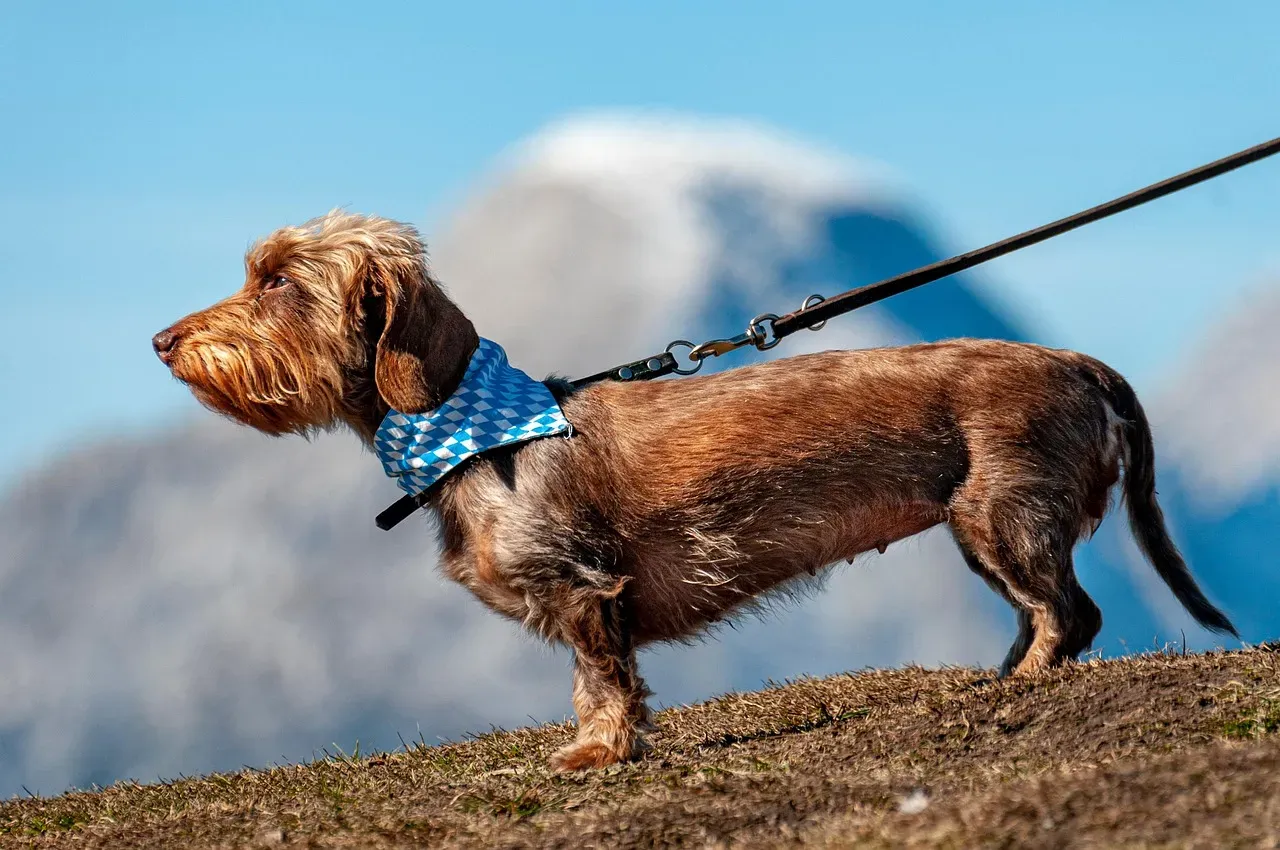
Another possibility is less playful and more practical: your dog may need to go to the bathroom or be feeling some kind of physical discomfort that they associate with going outside. Dogs who are a bit older, have digestive issues, or are on new medications may experience more urgency than usual and reach for the fastest way to communicate it. The leash, being closely linked with going out to potty, becomes a clear signal.
What complicates things is that dogs rarely show pain in obvious, dramatic ways. If your dog suddenly starts bringing the leash more often, especially at odd hours, pay attention to other subtle changes: restlessness at night, licking their belly or hind area, pacing, or seeming reluctant to settle. It might be smart to keep a simple log of when the leash behavior happens and what follows. If patterns suggest frequent or urgent toileting, or if your gut says something feels off, a vet check is the safest next step rather than just adding more walks.
Social Bonding: Inviting You Into a Shared Activity
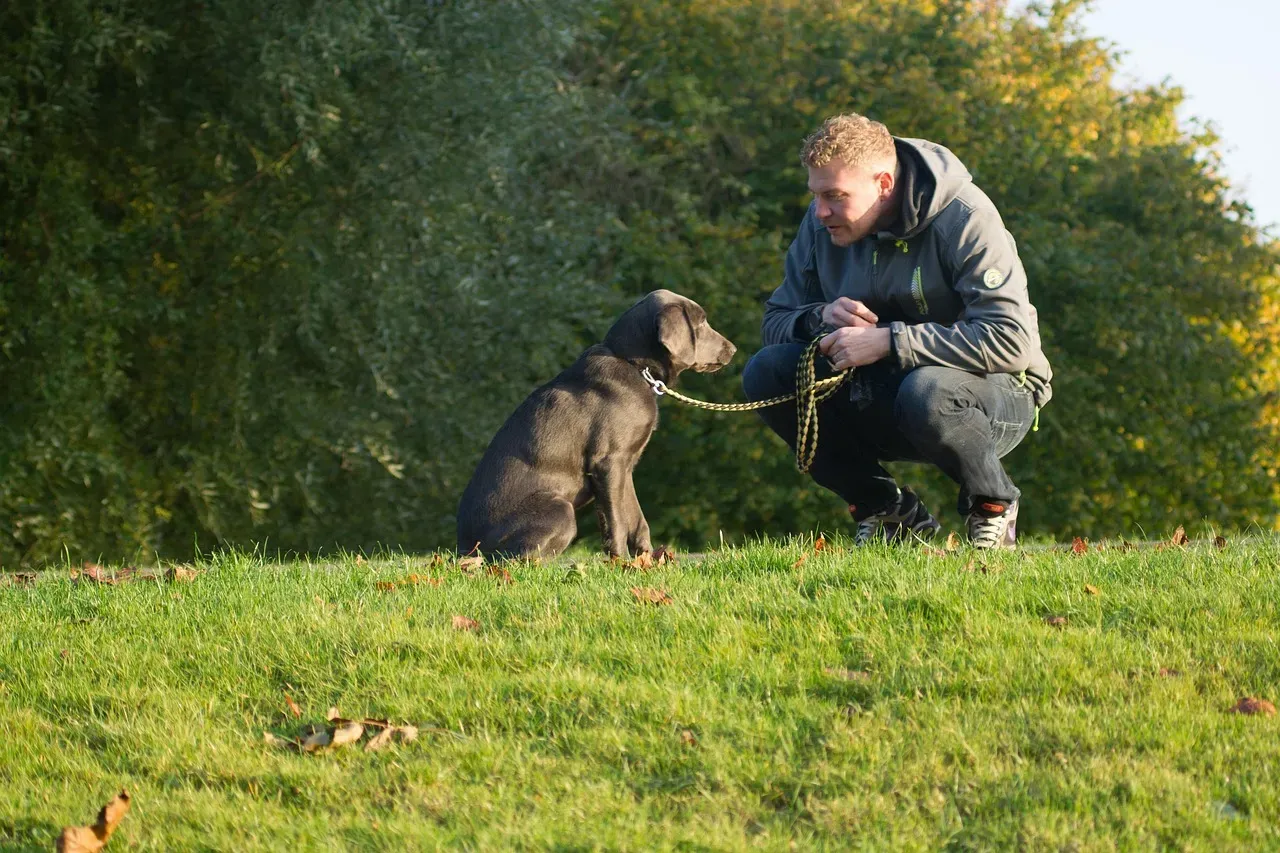
Not every leash delivery is practical; sometimes it is purely social. For many dogs, walking is the highlight of the day not just because they move their bodies, but because they are out there with you. From their point of view, the leash is something you both interact with together. Carrying it over can be a way of saying, “Let’s do that thing we do as a team,” even if they are a bit fuzzy on the details.
I’ve seen dogs bring a leash even after a long hike, not because they physically need more, but because the walk is their favorite form of one-on-one time. You might notice them wagging gently, making soft eye contact, or nudging the leash into your hand and then looking at your face rather than the door. That emphasis on your reaction suggests a social invitation more than a strict demand for a workout. Sometimes, a short stroll, sitting together in the yard, or even a few minutes of focused play indoors can fill the same emotional need.
Reinforced Habit and Over-Interpreting “Cute” Behavior
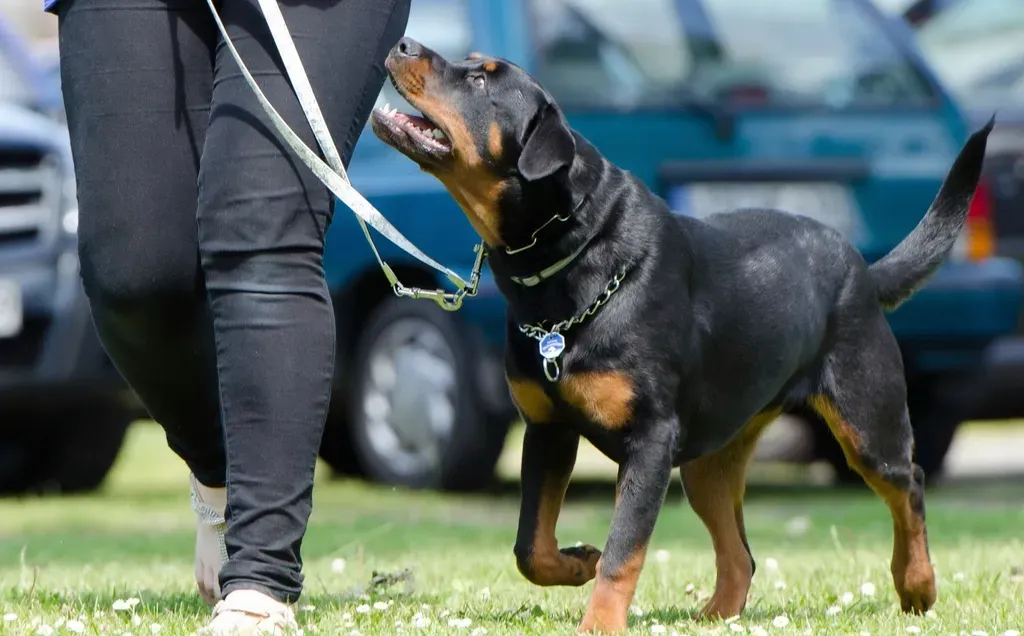
Once a behavior earns enough praise, laughter, or camera time, it can stick around simply because it has become a habit – on both sides. You might have unintentionally turned the leash-carrying into a star performance: you talk about how smart your dog is, you record them, you post it, and you react every single time like it’s the funniest thing in the world. From your dog’s perspective, it is a guaranteed bit with a very enthusiastic audience.
This is where owners sometimes over-interpret. We love the idea that our dog is being almost human, “asking” for exactly what they want in one clear gesture. But behavior science reminds us that animals repeat what is rewarding. If you want to understand what is driving the leash thing now, try changing your response once in a while. If you calmly redirect to a different activity and they are satisfied, it is likely more about the interaction and less about the leash itself. If they insist and keep going back to the door, then it is probably a genuine walk request.
How to Decode Your Dog’s Leash Messages (And When to Worry)
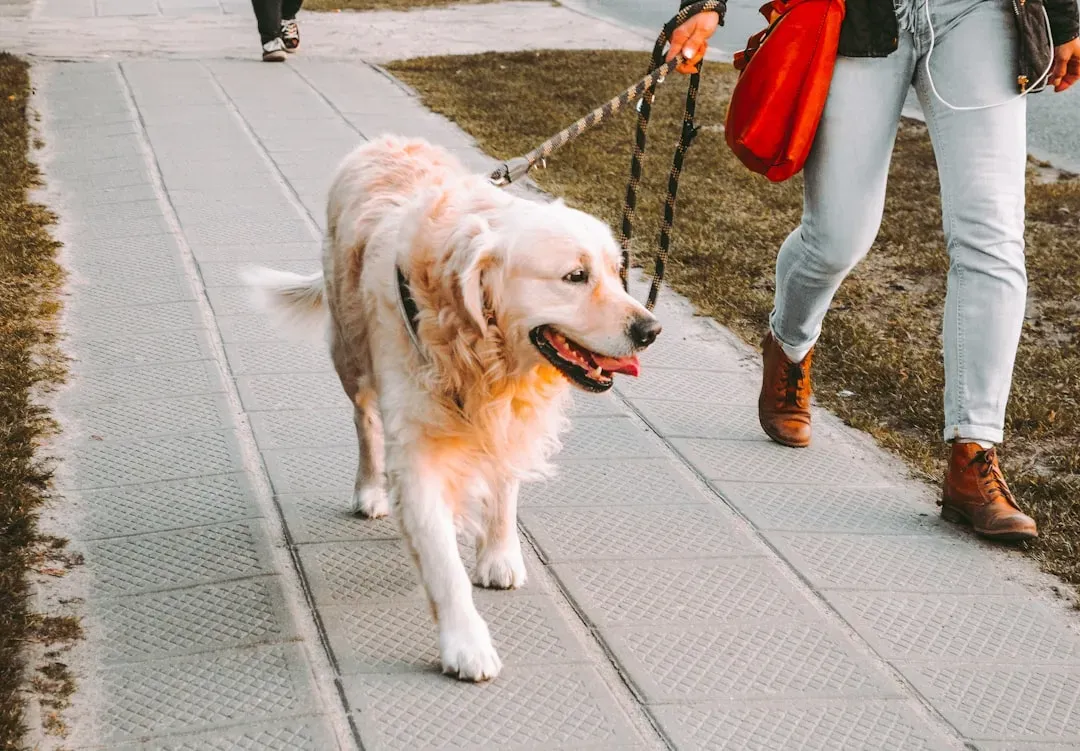
To really understand what is behind the leash behavior, your best tools are context, patterns, and body language. Ask yourself: What just happened before they brought the leash? Is this around a usual walk time, or way off schedule? Are they bouncy and playful, or tense and restless? Look at the whole picture instead of that one object in their mouth. Over a week or two, you will often see a pattern that points clearly toward boredom, routine, anxiety, or toileting needs.
It is also fair to say that sometimes, yes, they simply want a walk. The key is not to assume that is always the case. If the behavior suddenly changes in frequency, happens at night, is paired with whining or pacing, or comes with other health red flags, do not ignore your instincts – consulting a vet or a qualified trainer is much wiser than guessing. Understanding the real reason your dog brings you the leash is not just a fun behavior puzzle; it is a way to keep them healthier, calmer, and more understood in a world where they rely on you to decode their signals.
Conclusion: It’s Not “Just a Walk” – It’s a Conversation

When a dog marches over with their leash, it is tempting to label it as one simple thing: a walk request, end of story. That neat explanation feels satisfying, but it can sell your dog short. In reality, that single behavior can be a mash-up of habit, boredom, anxiety, bodily needs, and a deep desire to connect with you. Pretending it always means the same thing is like assuming every text from a friend that says “hey” is about the exact same topic.
My personal opinion is that we owe our dogs more curiosity than that. Instead of automatically grabbing the leash or automatically laughing it off, pause and treat it like the start of a conversation. What else is happening in their life? What are they telling you that they cannot say out loud? The more you practice looking beyond the obvious, the richer and more nuanced your relationship becomes. Next time your dog drops the leash at your feet, will you see a walk request – or will you look for the story behind it?


