
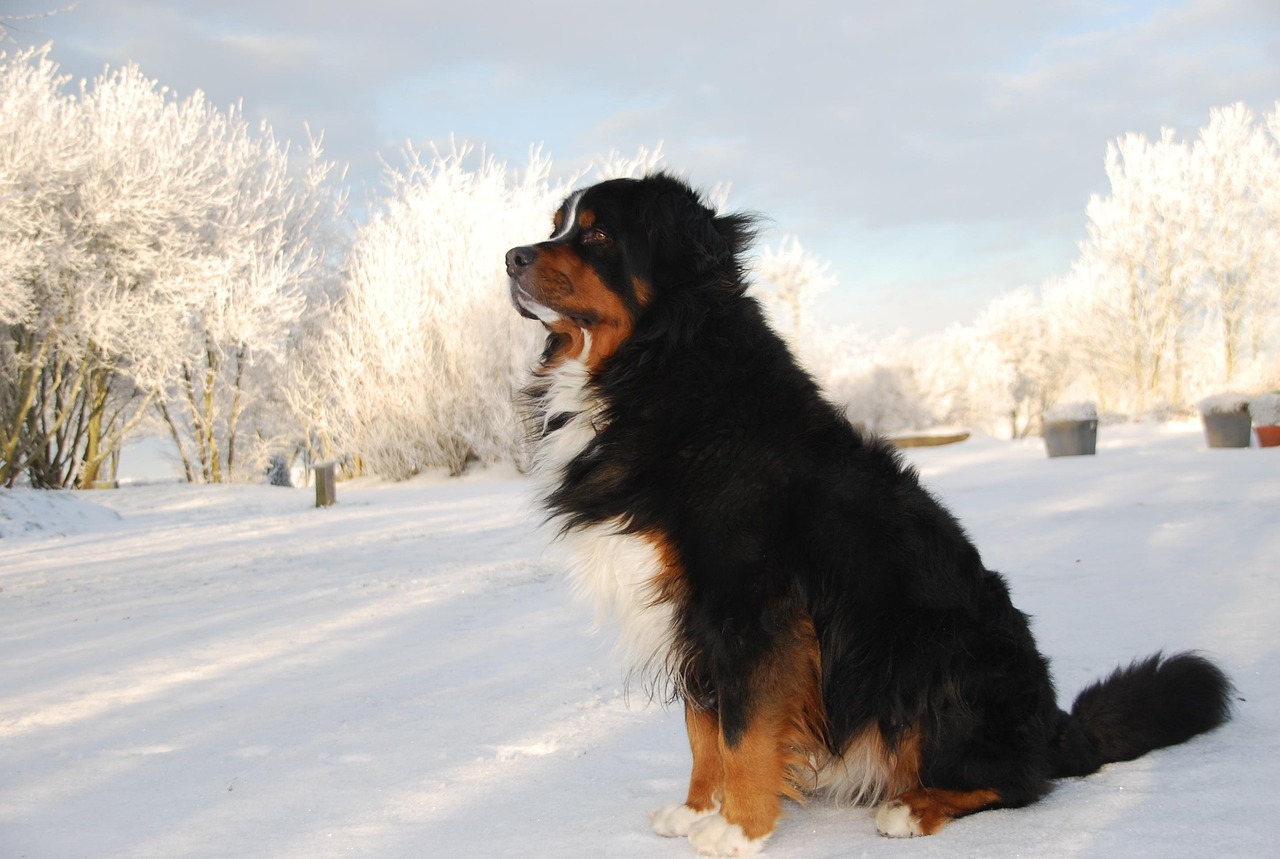
Wisconsin winters are no joke. We’re talking long stretches of biting wind, deep snow, ice that lingers for weeks, and temperatures that make your eyelashes freeze on the walk from the car to the house. Some dogs absolutely light up the moment the first snowflake hits the ground, while others step outside, shiver, and give you that look that clearly says: you’ve got to be kidding me.
If you’ve ever watched one dog bounce joyfully through snowdrifts while another tiptoes, shivers, and begs to go inside, you already know that cold tolerance is not “one size fits all.” The breeds below are strongly shaped by their coats, body type, and even their original purpose. Let’s walk through ten that tend to struggle in a Wisconsin winter, then ten that practically come alive once the snow starts flying.
1. Chihuahua – Tiny Body, Big Winter Problems
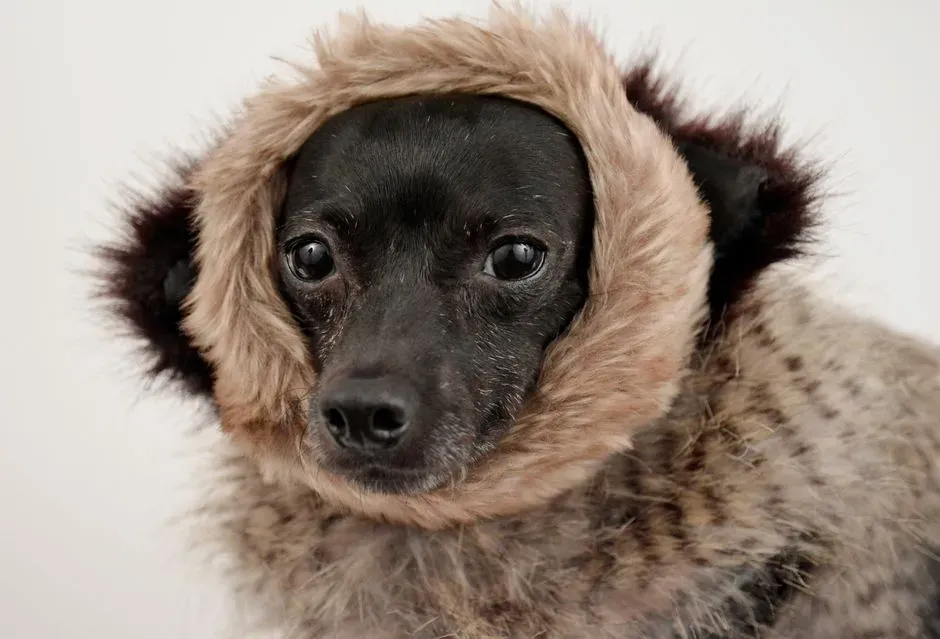
Chihuahuas may have huge personalities, but their tiny bodies and thin coats are simply not built for Midwestern cold snaps. With very little body fat and a large surface area compared to their weight, they lose heat fast, which is why many seem to shiver even indoors once the temperature drops. In Wisconsin-level cold, even a quick potty break can be uncomfortable without a warm coat and ideally little booties.
Because of their size, Chihuahuas are often carried around or live in apartments, so they might not build up much outdoor tolerance in the first place. They can still thrive in cold climates, but that usually means limiting time outside, dressing them in insulating layers, and watching closely for signs of stress like lifting paws, shivering, or refusing to walk. They are lap-dog winter companions, not snowbank explorers.
2. Italian Greyhound – Delicate and Sensitive to the Cold
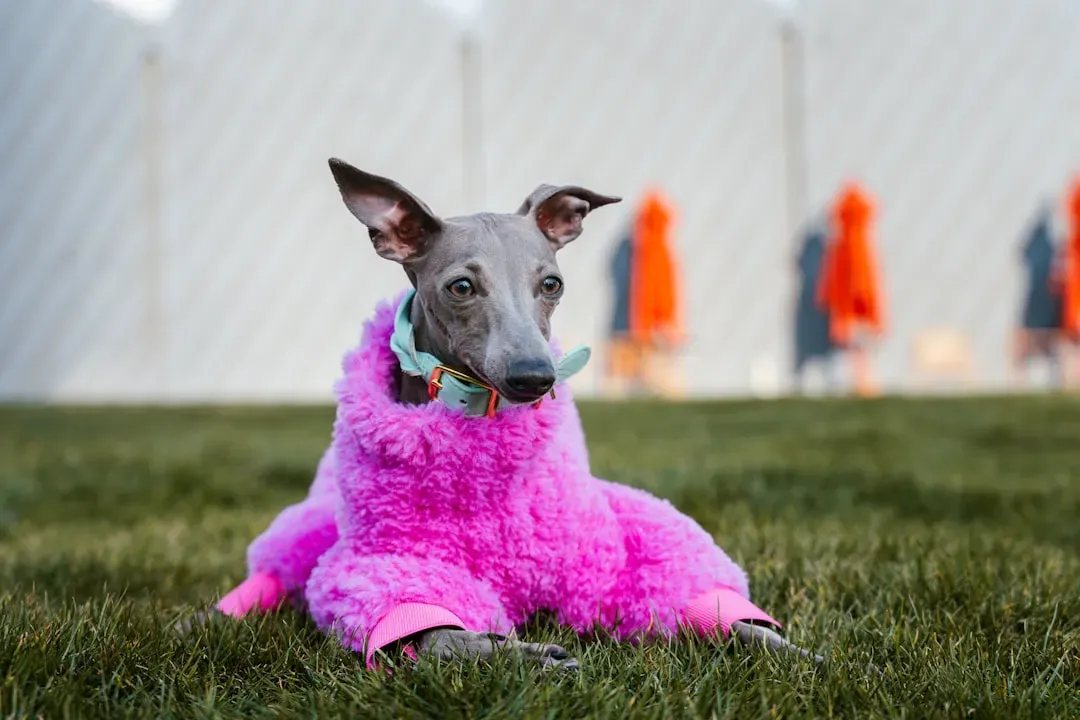
Italian Greyhounds look like tiny, elegant statues, and in a Wisconsin winter they feel about as insulated as one. With almost no body fat and an extremely short, fine coat, they are very prone to feeling chilled even in mildly cool temperatures, let alone windchills that dip below freezing. Many owners notice their dogs seeking out blankets, heating vents, or even sun patches on the floor to stay warm indoors.
Outdoors, that sleek build that makes them fast also exposes their skin and muscles directly to the cold. Without a snug, wind-resistant coat, they can start to shiver within minutes in harsh conditions. Italian Greyhounds often do best with brief, intentional outdoor time in winter for bathroom breaks or short walks, and then plenty of enrichment and play inside where they can stay toasty.
3. Greyhound – Built for Speed, Not For Snowdrifts
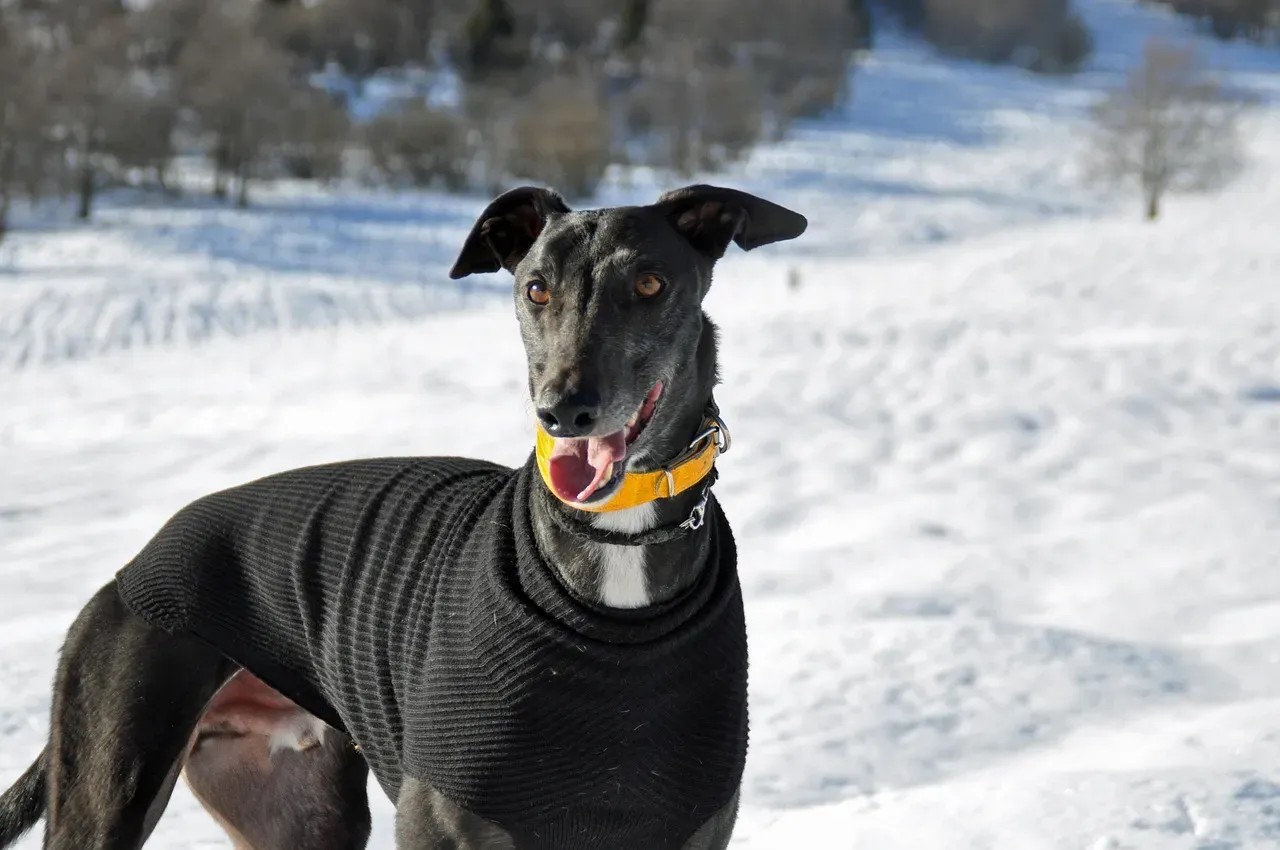
Full-size Greyhounds share some of the same challenges as their smaller cousins. They have a short, single coat and a lean, muscular body with very little insulating fat, which is fantastic for racing but not so great for lingering around in subzero air. Many Greyhounds will tolerate a chilly stroll, but the combination of snow, ice, and wind quickly overwhelms their minimal protection.
People sometimes assume that a bigger dog automatically handles winter better, but with Greyhounds the opposite can be true because so much of their body surface is exposed. Warm, well-fitted coats and limited outdoor time are almost essential in a Wisconsin winter. They’re often happiest as indoor couch potatoes who enjoy a brisk, quick walk rather than a long hike through snow-covered trails.
4. Chinese Crested – Almost Naked in a Polar Vortex
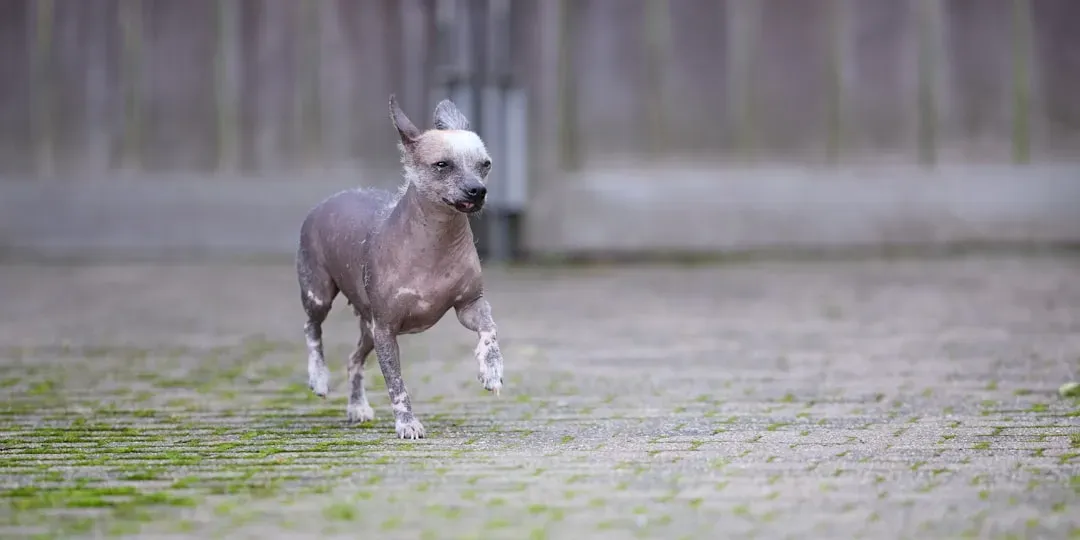
The hairless variety of Chinese Crested looks stylish and unique, but that nearly bare skin is an obvious liability in freezing weather. Without a proper coat of fur, these dogs do not have natural insulation against wind or snow, which means they can be at real risk of cold-related issues if left outside too long. Even the coated variety usually has finer hair that does not protect as well as a dense double coat.
In a state where winter can run from November into April, you almost have to think of a hairless Chinese Crested more like a person going outside without a jacket. Sweaters, insulated coats, and even paw protection are more a necessity than a cute accessory. These dogs often prefer quick trips outside and then right back onto a warm lap, blanket or heated dog bed.
5. Dachshund – Low to the Ground and Easy to Chill
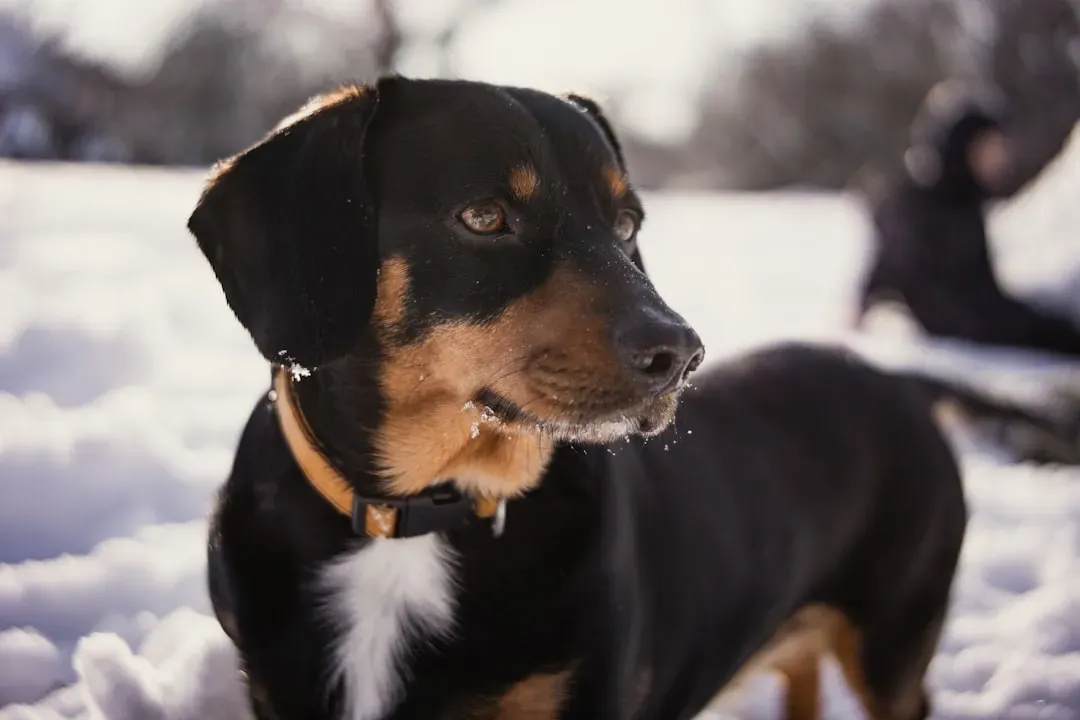
Dachshunds do have fur, but their long, low bodies mean their chests and bellies brush right up against snow and icy slush. That constant contact with cold, wet ground can sap their warmth faster than people expect, especially in the smooth-coated variety, which has a fairly short layer of fur. Once snow piles up, it can literally drag under their body, making movement both uncomfortable and chilly.
Long-haired Dachshunds get a bit more protection, but they also tend to collect snowballs and ice clumps in their fur, which can be painful and add to the cold. In true Wisconsin winter conditions, many Dachshunds do better with shoveled paths, shorter outdoor sessions, and clothing that covers their chest and belly. They often enjoy being active but on their terms and in conditions that do not overwhelm their small frame.
6. French Bulldog – Short Coat and Sensitive Airways
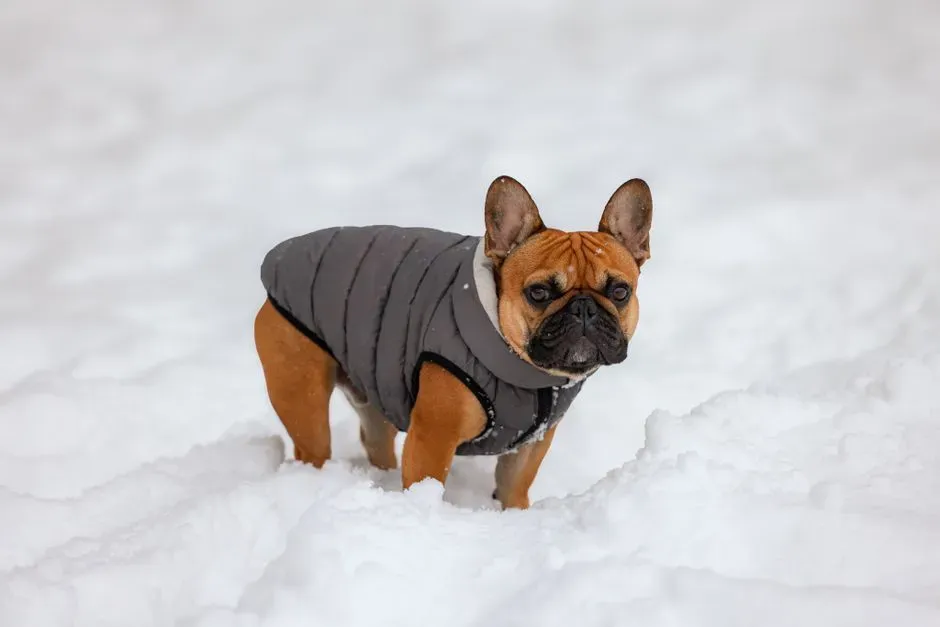
French Bulldogs are wildly popular, but they were never meant for harsh winter climates. Their short, smooth coat offers limited insulation, and their compact, muscular build does not change the fact that they are very close to the ground. Add in the fact that they are a brachycephalic breed, meaning they have a shortened snout, and extreme cold air moving through their airways can be stressful.
Many Frenchies will try to soldier on for their humans, but you can often see the discomfort in how they lift their paws, move stiffly, or quickly attempt to head back to the door. They are usually happiest with brief outdoor play or walks followed by long indoor cuddle sessions. Good winter care for them often involves coats, limited exposure, and being very cautious about taking them out when windchills are severe.
7. Boxer – Active Dog, Modest Coat
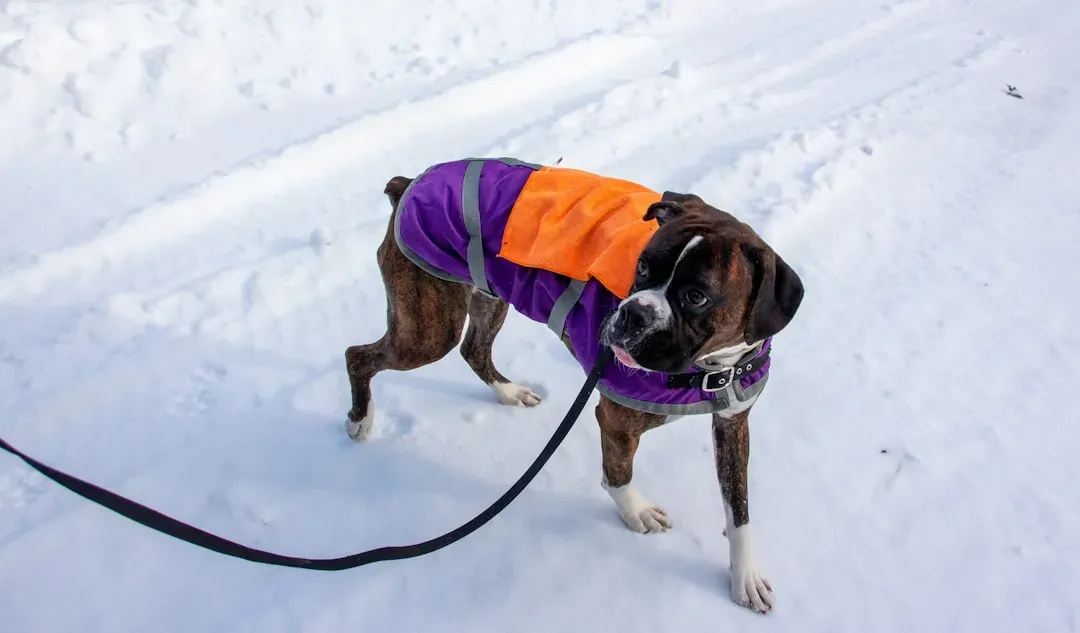
Boxers have loads of energy and love to run, but they have a short, single coat that does not provide a ton of warmth. In moderate weather, their athleticism keeps them comfortable, but prolonged time outside in subfreezing temperatures can be tough on them. Many Boxers will still try to play through the cold, masking how chilled they actually are until they come inside shivering.
Because they were not developed as an Arctic or mountain breed, Boxers generally are better as wintertime sprinters than marathoners outdoors. Layers, wind protection, and keeping an eye on their paws for ice or salt irritation can make a big difference. They can definitely enjoy snowy playtime in Wisconsin, but they are not the type to thrive during all-day adventures on frozen trails.
8. Pug – Compact, Short-Coated, and Vulnerable
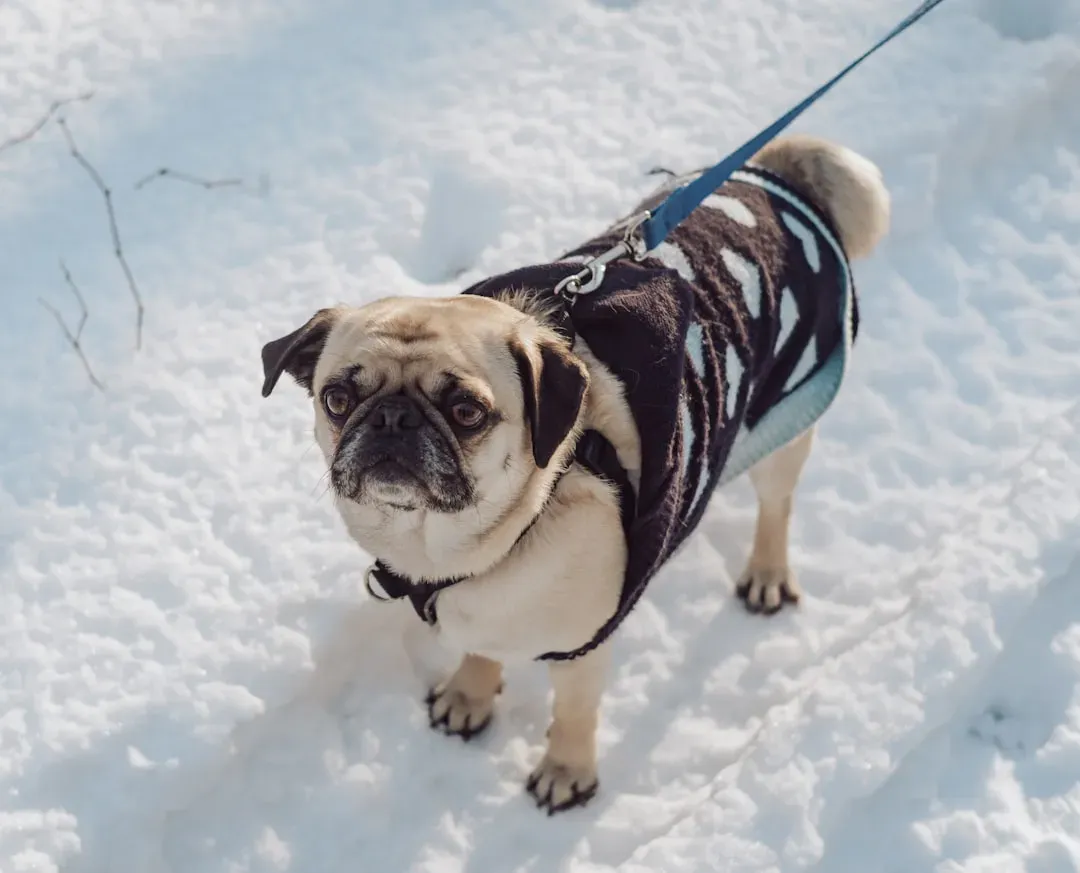
Pugs share some of the same cold-weather downsides as French Bulldogs. They have a short, relatively thin coat, a compact body close to the cold ground, and a brachycephalic head shape that makes breathing in extremely cold, dry air more challenging. Snow and ice can also accumulate in the folds of their face and on their sensitive paws, which makes long play sessions pretty uncomfortable.
Many Pugs are also not super athletic, so they do not generate enough body heat through intense activity to offset really low temperatures. Owners often describe their Pugs as trotting to the end of the driveway and immediately turning back when the wind hits. With warm clothing and shorter trips outside, they can absolutely live in Wisconsin, but they are indoor companions first and winter adventurers second.
9. Maltese – Pretty Coat, But Not a True Cold-Weather Shield
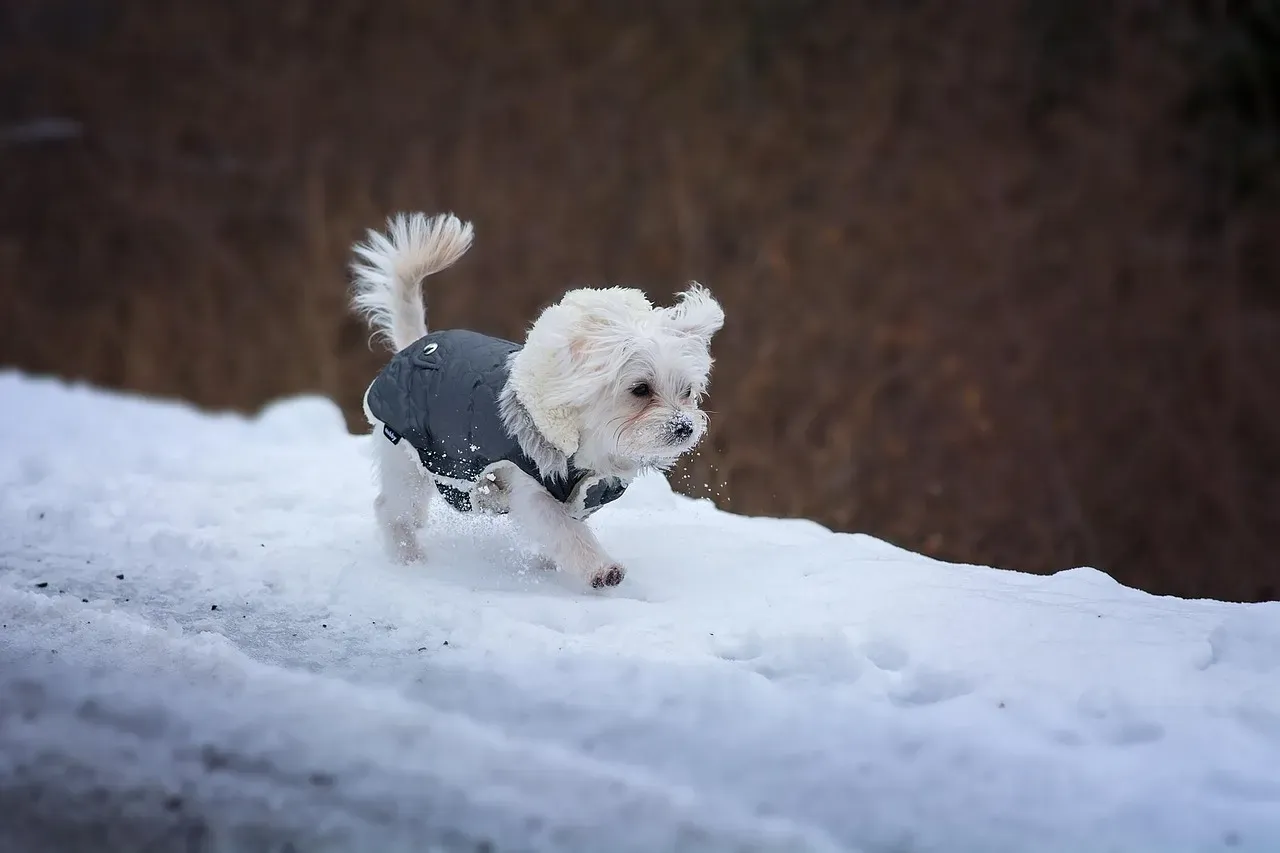
Maltese dogs have gorgeous, silky white coats that look like they should be warm, but that hair is more like fine human hair than a thick, insulating double coat. In wet, slushy conditions it can soak through easily, leaving them chilled and uncomfortable. Their small size also means they cool down quickly in the face of strong winds or low temperatures.
Owners often resort to trimming or tying up the long coat for easier maintenance in winter, which can further reduce insulation if not paired with a proper jacket. Many Maltese will happily zoom around for a few minutes, then suddenly seem to hit a wall where they do not want to take another step in the cold. For them, winter comfort is mainly about brief, well-protected outings and lots of warm indoor companionship.
10. Boston Terrier – Short Coat and Limited Insulation
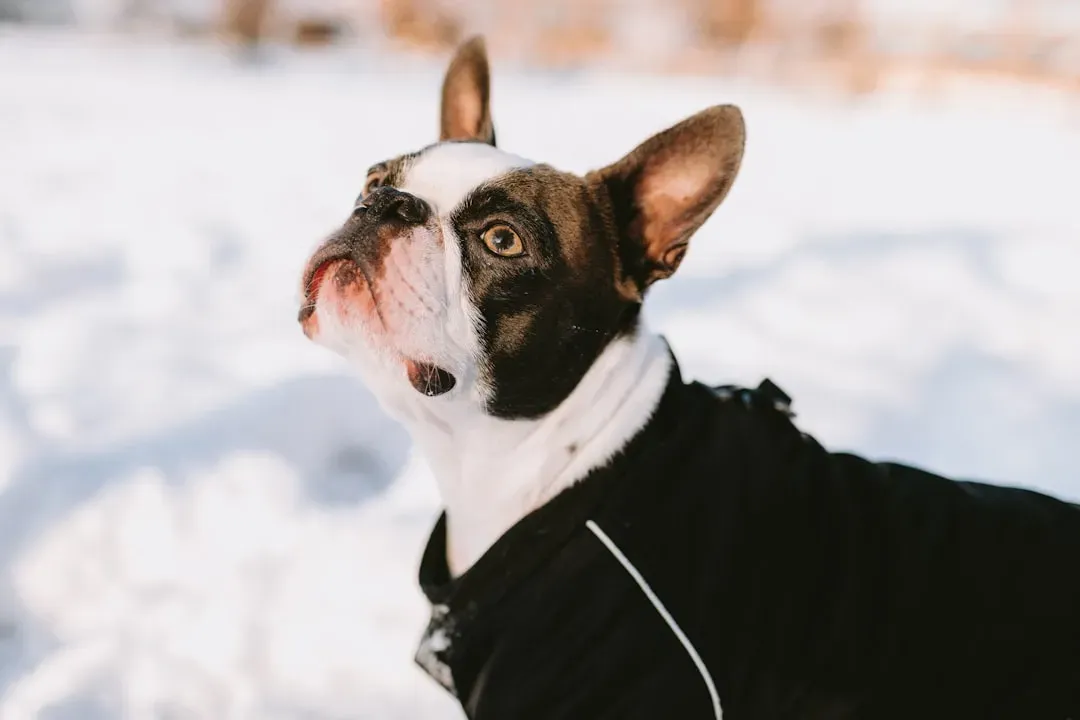
Boston Terriers have a similar build to some other short-snouted, smooth-coated breeds that struggle in intense cold. Their coat is sleek and attractive but not thick, and their compact body does not carry a lot of insulating fat. While they can certainly enjoy a game in the backyard, wind-driven snow or single-digit temperatures often make them uncomfortable faster than their enthusiasm suggests.
People sometimes underestimate how much cold affects them because they can be so spunky. However, extended exposure can lead to shivering, stiff movement, and reluctance to continue. Dressing them in a well-fitted, warm coat and limiting winter outings to manageable lengths can help them live happily in Wisconsin without trying to be the hardiest dog in the neighborhood.
11. Siberian Husky – Born for Snow and Subzero Adventures
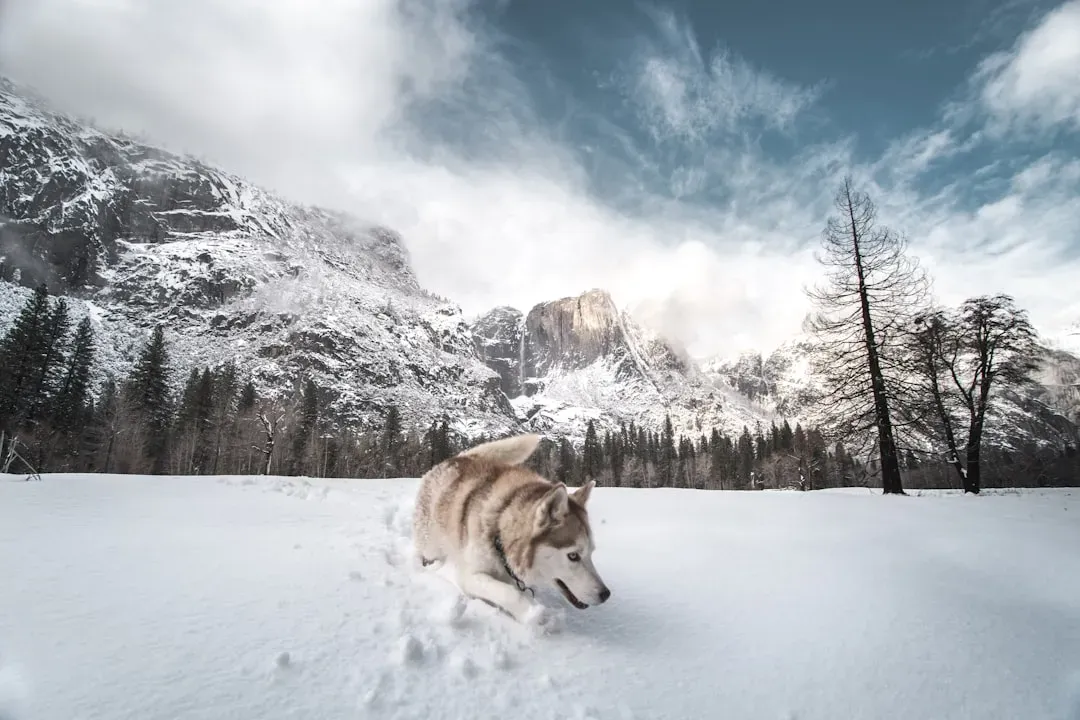
Now we move into the breeds that practically come alive when the temperature drops, and Siberian Huskies are usually at the top of that list. They carry a dense double coat that traps warmth, with a soft insulating undercoat and a weather-resistant outer layer, originally bred for pulling sleds over long distances in icy environments. Many Huskies seem to prefer lying in the snow instead of on a cozy dog bed indoors.
Of course, even a Husky has limits, but in general they handle Wisconsin winters with ease, often staying comfortable outside much longer than humans can. Their enthusiasm for snow play, running, and general winter mischief makes them great companions for people who truly enjoy cold-weather activities. If anything, the bigger challenge is making sure they do not stay outside so long that you lose track of time in the cold.
12. Alaskan Malamute – Powerhouse of the Frozen North
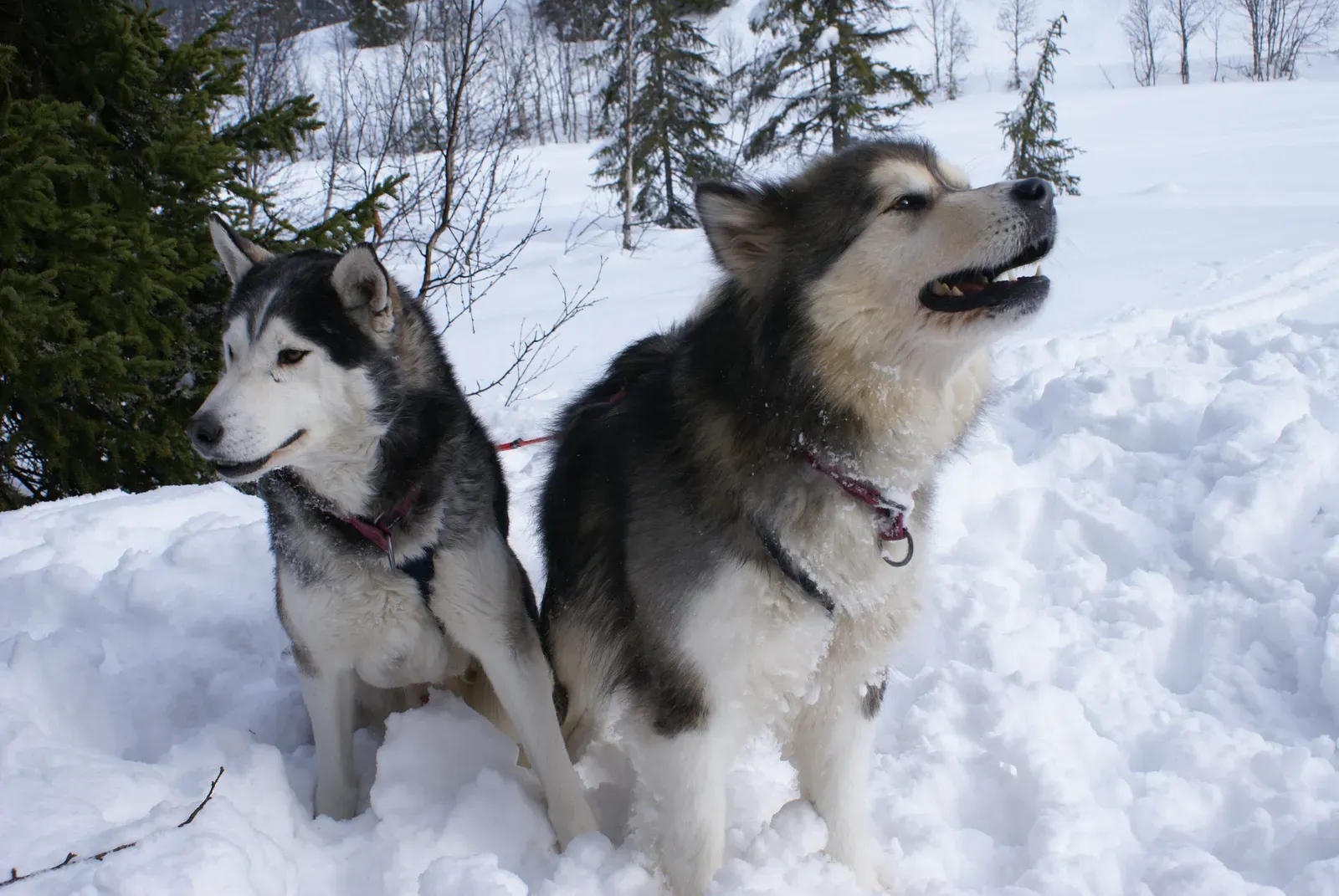
Alaskan Malamutes are another classic cold-weather working breed, historically used to haul heavy loads in Arctic climates. Their impressive, thick coat works like a natural parka, and their strong, sturdy build allows them to push through deep snow and icy conditions with remarkable ease. Many Malamutes actually seem more sluggish in summer and far more animated and playful once winter comes around.
In a Wisconsin winter, they often excel at longer hikes, snowshoe outings, or simply romping in the yard until their fur is frosted with snow. They still need protection for their paws against sharp ice or road salt, but their tolerance for cold air and deep drifts is significantly higher than many other breeds. For people who dream of spending real time outside in the snow, a Malamute can be a joyful match.
13. Bernese Mountain Dog – Gentle Giant Made for Cold Hills
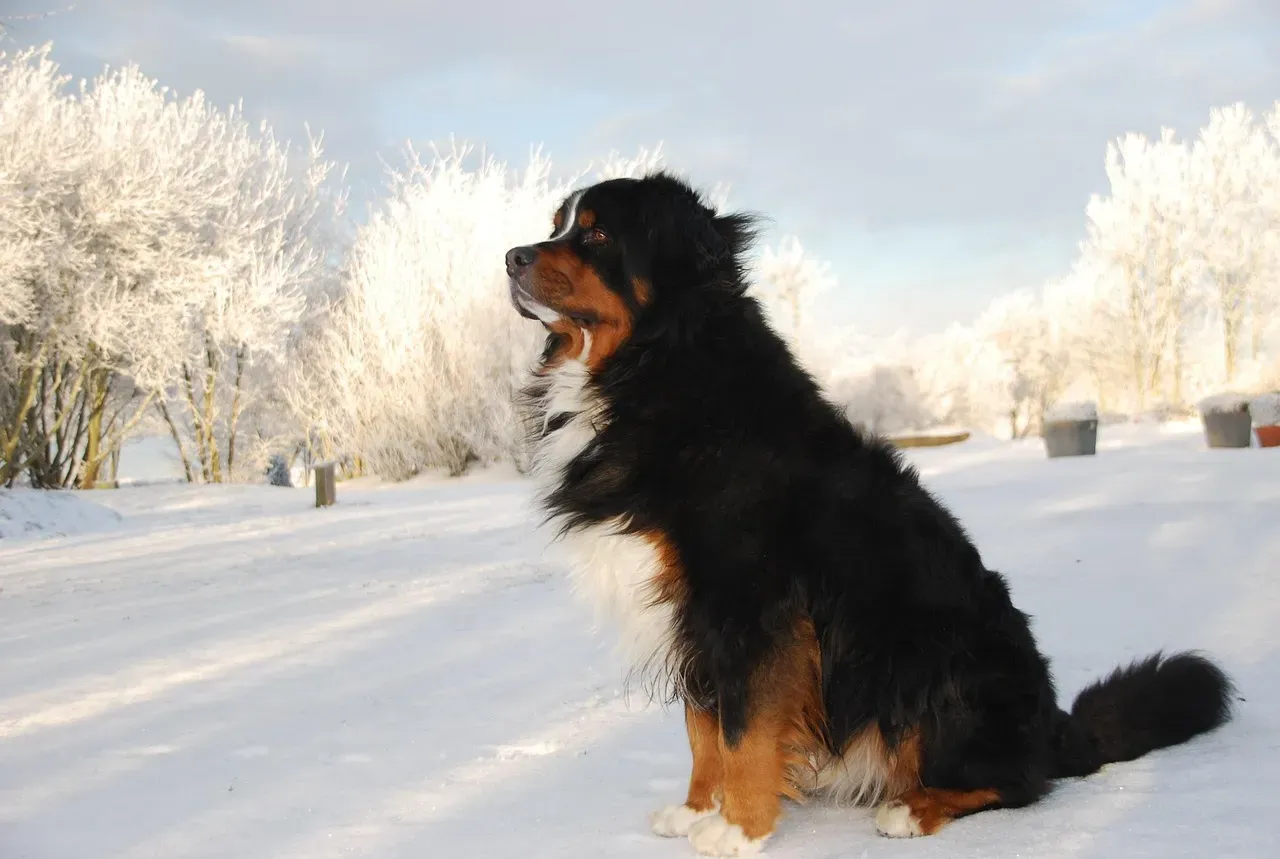
Bernese Mountain Dogs were originally developed in the Swiss Alps, which gives them a clear advantage in Wisconsin’s long winters. Their thick, tri-colored double coat insulates them well, and their large body mass helps them retain heat even when the wind howls. Many Berners seem happier on a crisp, snowy day than on a muggy summer afternoon.
They often love to romp, pull kids on sleds, or simply lie in the yard surveying their snowy kingdom. Despite their love of winter, they are still family dogs first, and most are happiest alternating between outdoor fun and cozy indoor time with their people. With basic care for their paws and coat, Bernese Mountain Dogs tend to thrive in places where winter is a defining part of the year.
14. Newfoundland – The Walking Winter Coat
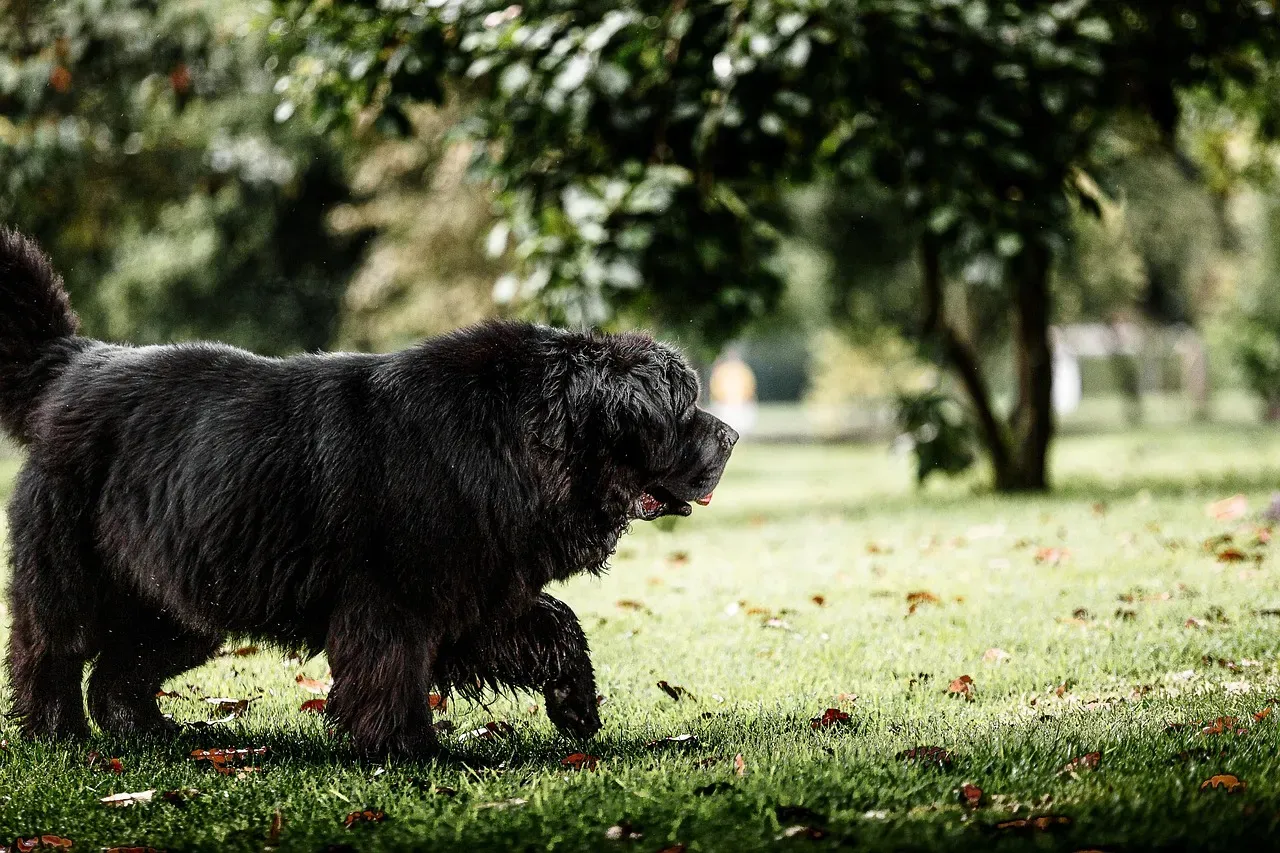
Newfoundlands were bred to work in cold waters and coastal conditions, and that background shows in their heavy, water-resistant double coat. In a Wisconsin winter, that coat acts almost like a thick, built-in blanket against wet snow and icy winds. Combined with their massive size, they retain body heat well and generally find cold weather easier to handle than heat.
Many Newfies are calm and steady outdoors, plodding happily through snowbanks and lying down without much concern for the temperature. They do need good grooming to prevent matting and to keep their coat functioning properly as insulation. For families who enjoy winter but want a gentle, slower-paced companion, a Newfoundland can feel like a big, warm, walking sleeping bag.
15. Saint Bernard – Alpine Rescuer Turned Wisconsin Snow Buddy
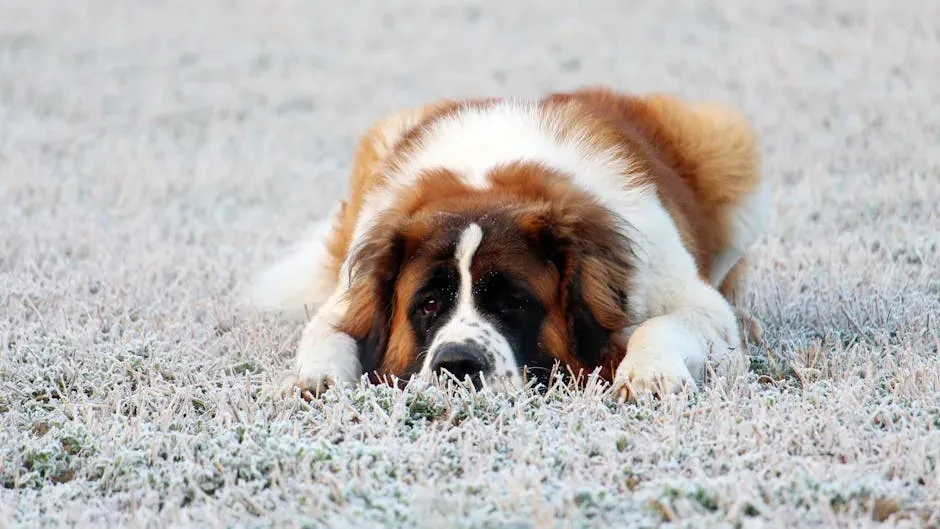
Saint Bernards are famous for their historic use in mountain rescue, and that role depended on their ability to handle severe cold and deep snow. Their substantial frame and dense coat make them naturally suited to frigid temperatures and blustery conditions. Many Saints prefer lying in a snowbank over lounging on a heated floor when given the choice.
They may not be as nonstop energetic as some other snow-loving breeds, but their comfort outdoors is obvious when you see them moving confidently through winter landscapes. Families often find that Saint Bernards are just as content accompanying kids in the snow as they are napping by the fire afterward. They embody that comfortable middle ground between hardy cold tolerance and relaxed, indoor family life.
16. Samoyed – Smiling Face, Blizzard-Ready Coat
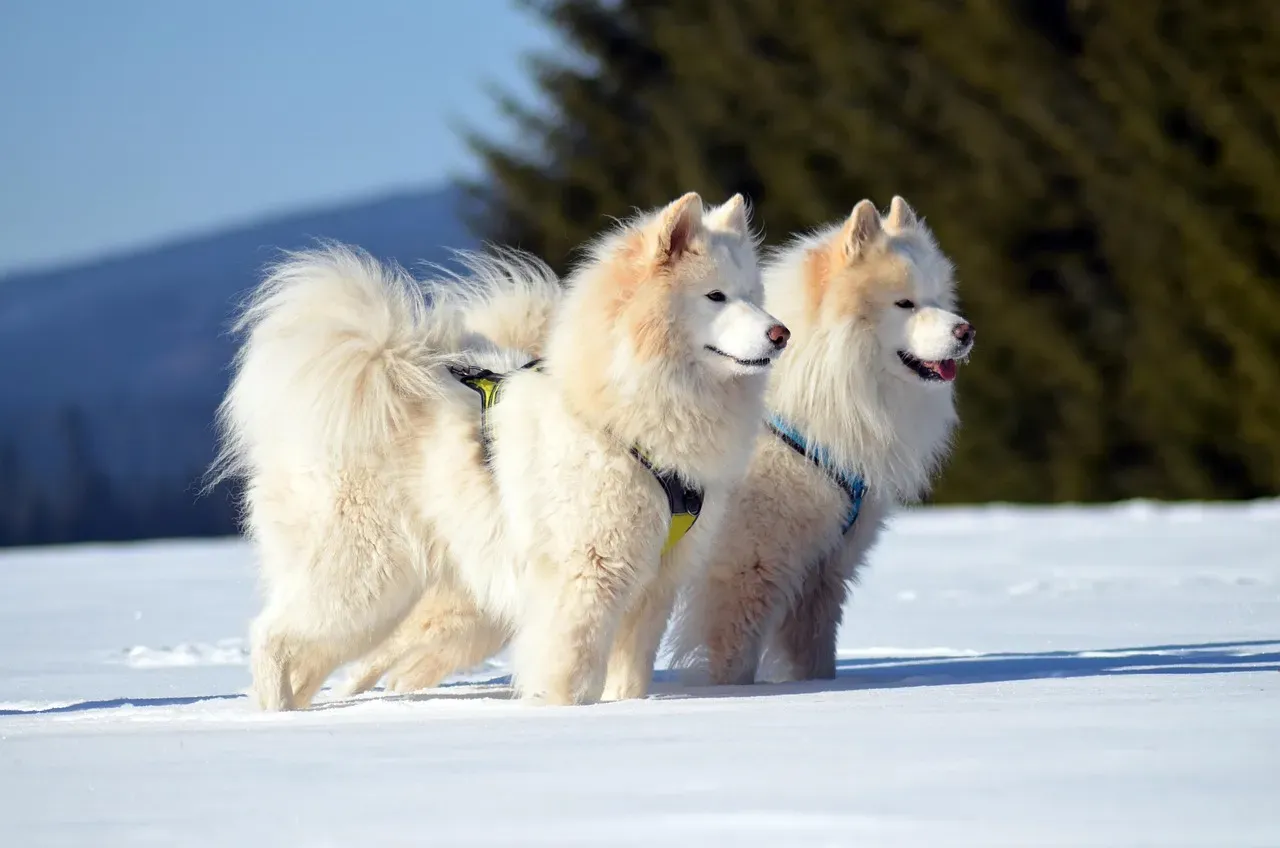
Samoyeds are instantly recognizable with their fluffy white coats and perpetual “smile,” and that signature look is more than just cute. Their thick, weatherproof double coat was built for working in freezing northern regions, giving them remarkable protection against both low temperatures and wind. In a Wisconsin winter, many Samoyeds act like the snow is their natural playground.
They often remain cheerful and active even during long, cold spells that leave many other breeds huddling indoors. Of course, they still need access to warmth and should not be left outside indefinitely, but their tolerance and enjoyment of snowy conditions stands out. A Samoyed romping through fresh snowfall is almost like watching winter do exactly what it was meant to do.
17. Norwegian Elkhound – Hardy Hunter With a Weatherproof Coat
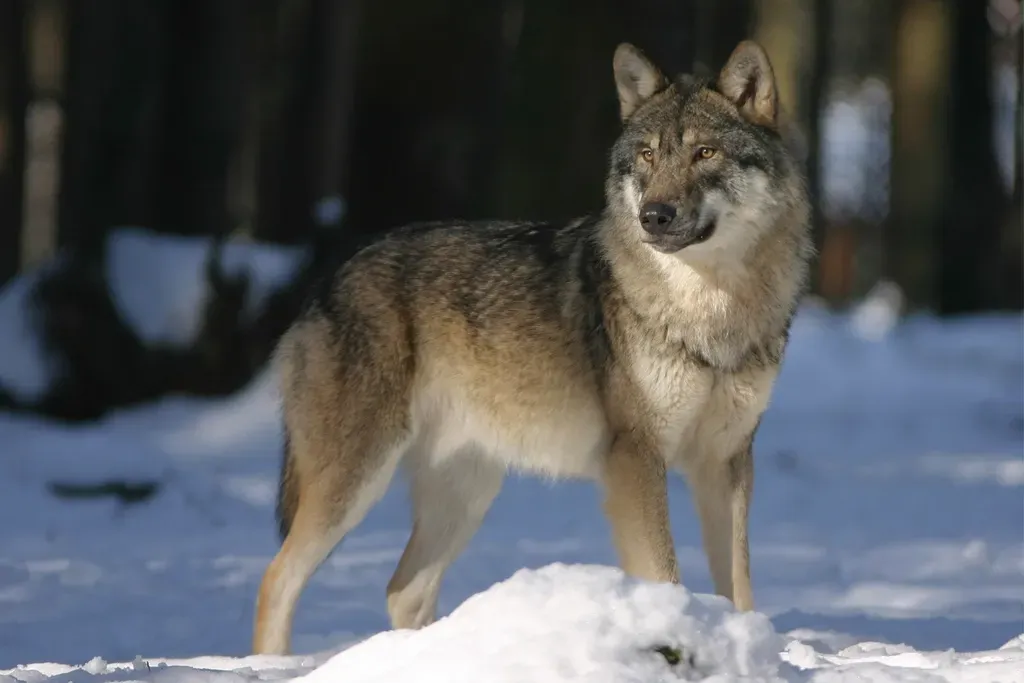
Norwegian Elkhounds were originally bred to hunt in rugged, cold Scandinavian terrain, and that heritage fits nicely with Wisconsin’s climate. They have a thick, protective double coat and a sturdy, medium-sized build that lets them stay comfortable outdoors far longer than many smooth-coated or toy breeds. Many Elkhounds seem energized rather than drained by cold, crisp air.
They are agile enough to navigate icy paths and packed snow while still being robust enough to handle deeper drifts. As active, intelligent dogs, they often appreciate winter hikes, tracking games in the snow, and long walks in colder weather. If you live somewhere with real winters and enjoy being outside in them, a Norwegian Elkhound is often more than willing to be your partner.
18. Akita – Stoic Guardian That Loves the Cold
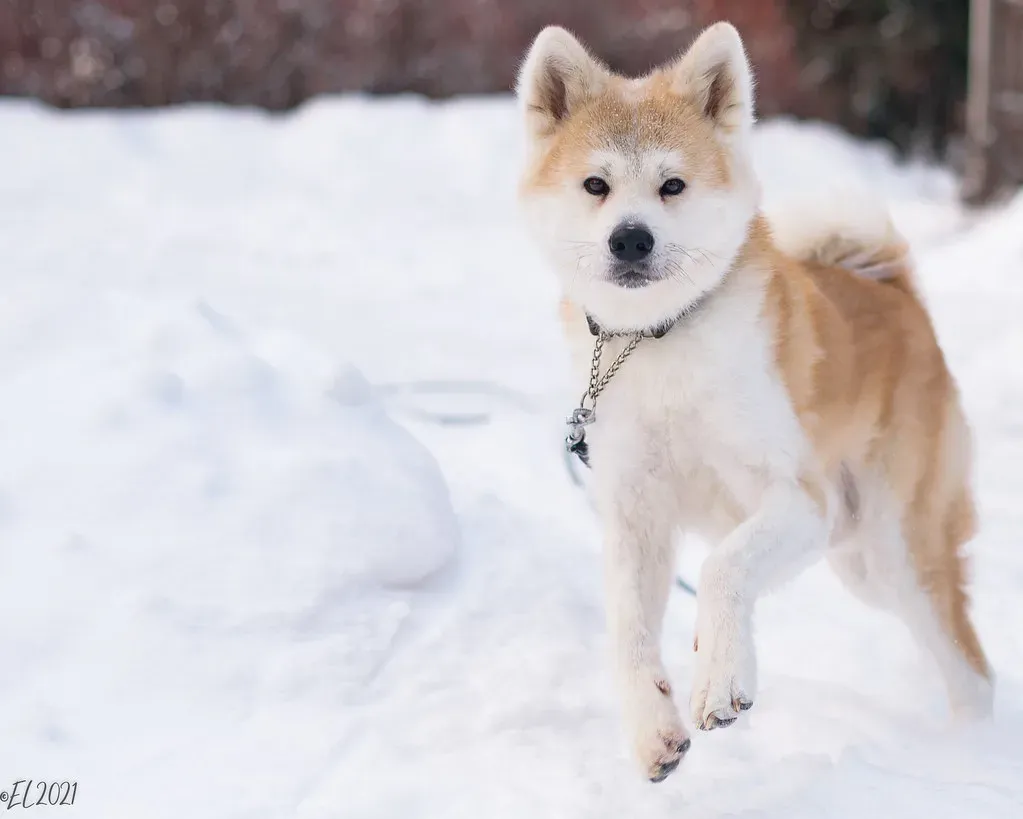
Akitas come from regions of Japan with snowy winters, and their heavy double coat clearly reflects that history. They typically have thick fur around the neck and body, creating a powerful barrier against cold temperatures and wind. In places like Wisconsin, Akitas generally manage winter with calm confidence, even when the air stings human cheeks.
They may not be as wildly playful in the snow as a Husky, but they are often content to patrol the yard, walk in freezing temperatures, and lie outdoors watching the world go by. Owners still need to monitor exposure time and protect paws from ice and salt, but Akitas have a natural advantage in cold climates. They suit people who appreciate a strong, reserved dog that does not flinch when winter hits hard.
19. Keeshond – Fluffy Companion Built for Frost
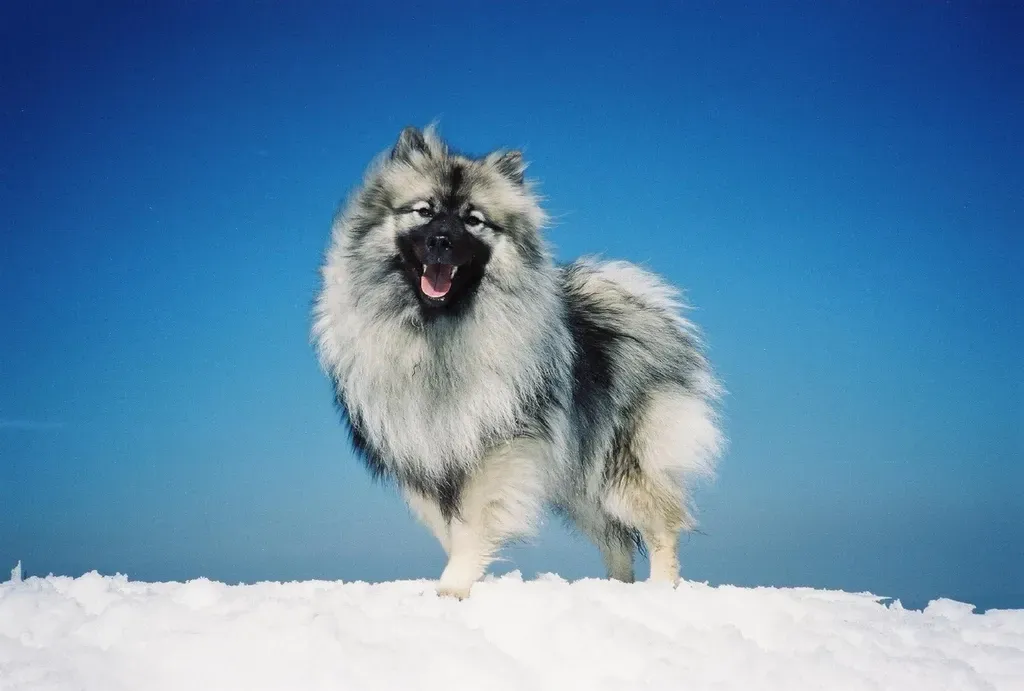
Keeshonds are medium-sized, spitz-type dogs with abundant, plush coats that trap warmth extremely well. Their fur forms a thick mane around the neck and a dense layer over the body, giving them a cozy built-in buffer against chill. In snowy conditions, they often look entirely in their element, trotting cheerfully over slick sidewalks and snow-covered lawns.
Originally used as watchdogs on riverboats and barges in colder European climates, they are no strangers to damp and chilly air. In modern Wisconsin, they often relish walks in light snowfall and short romps in deeper drifts, staying playful long after many short-coated dogs have retreated inside. For families who want a friendly, social dog that does not cringe at cold weather, a Keeshond can be a great fit.
20. Labrador Retriever – All-Weather Enthusiast With a Winter Edge
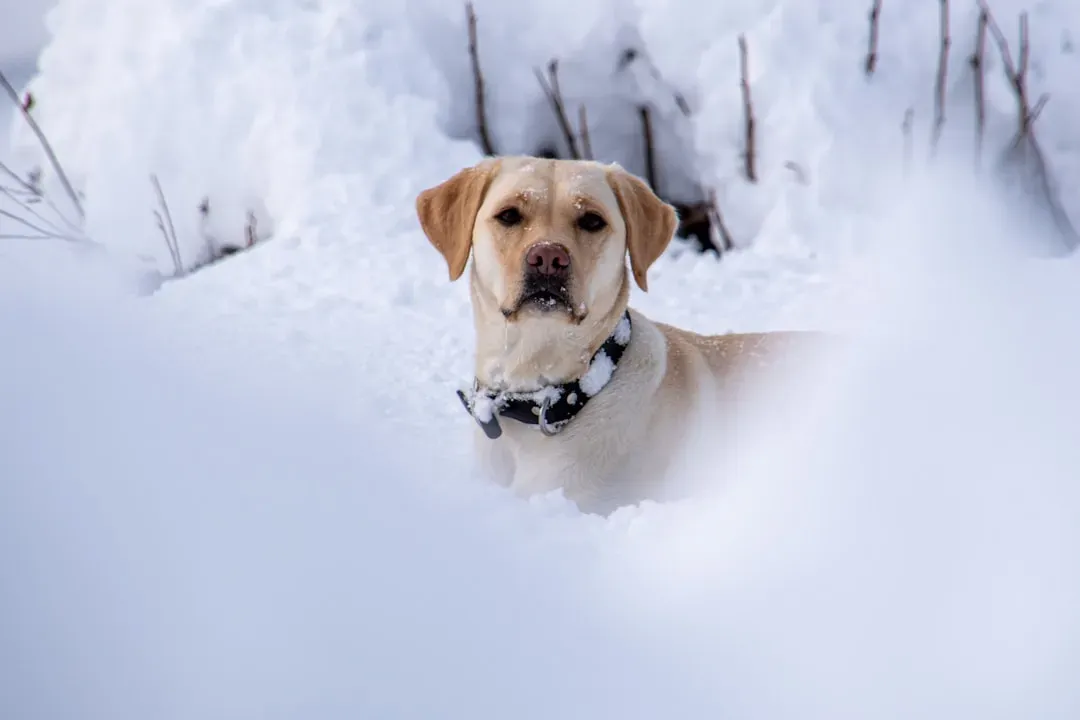
Labrador Retrievers were originally developed to help fishermen in cold North Atlantic waters, and that background gives them a dense, water-resistant double coat. In Wisconsin, many Labs happily charge into snowbanks, leap through drifts, and keep their momentum even on frigid days. Their medium-to-large build and active nature help them stay warm during play and work outside.
They are not as specialized for Arctic conditions as some northern breeds, but compared to many short-haired or toy dogs they handle winter remarkably well. Snowy fetch sessions, winter hikes, and even lake outings in shoulder seasons all tend to bring out their enthusiasm. For an all-around family dog that does not shy away from a real Midwestern winter, the Lab sits comfortably near the top of the list.
Conclusion – Matching the Dog to the Winter, Not the Other Way Around
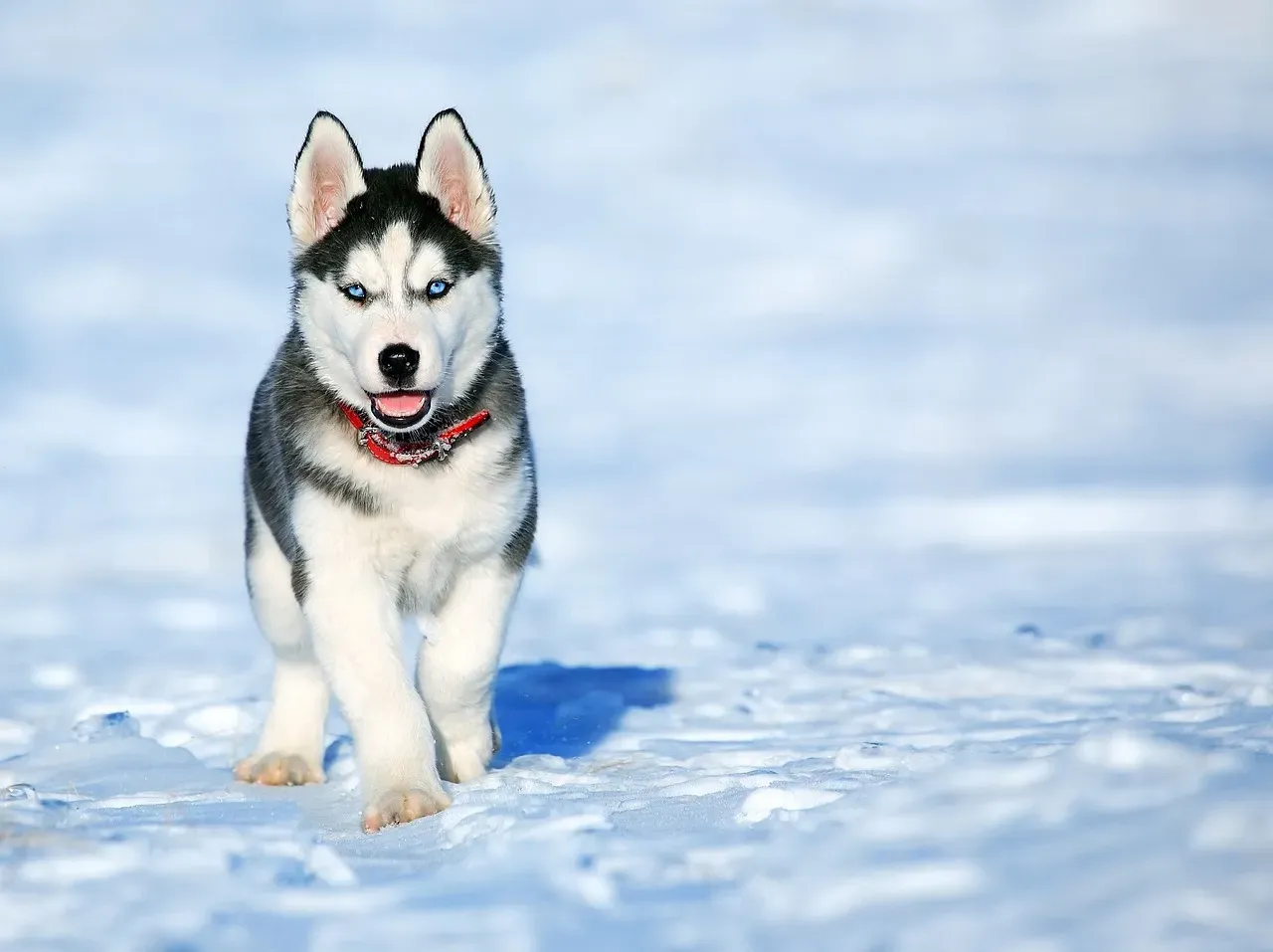
Living in Wisconsin means accepting that winter is a major character in your dog’s life story, not just a seasonal footnote. Some breeds, like Chihuahuas, Pugs, and Italian Greyhounds, really are fighting an uphill battle against the cold and need layered clothing, short outings, and a lifestyle centered around warmth and indoor comfort. Others, like Huskies, Bernese Mountain Dogs, and Malamutes, seem to come alive in the snow and almost beg you to stay out for one more round of winter fun.
My own opinion is that the happiest dogs are the ones whose natural strengths match the world they live in, instead of constantly compensating for a mismatch with gear and restrictions. You can absolutely keep a cold-sensitive breed in Wisconsin with the right care, but if your heart loves winter sports and deep snow, choosing a naturally snow-happy dog can turn those dark months into the best part of the year for both of you. When you picture your ideal January day, is your dog shivering at the door or racing joyfully across a frozen field?


