
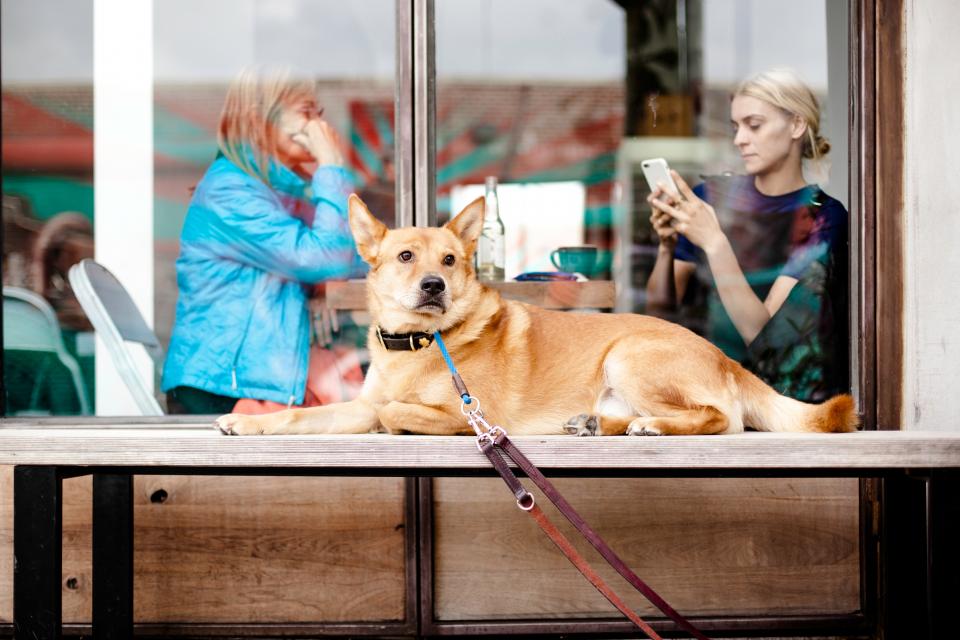
There’s a special kind of quiet magic in the way a dog chooses their person. Not the one who buys the fanciest toys or posts the cutest photos, but the one whose presence makes their whole body soften, whose footsteps in the hallway make their tail thump in relief. When a dog feels safest with you, the signs are often small, everyday moments you could easily miss if you are not paying attention.
Once you start noticing them, though, it can feel almost overwhelming in the best way: this animal is organizing their entire little world around you. The way they sleep, where they sit, how they react to stress or strangers – it all quietly points to one thing: you are their anchor. Let’s break down the clearest signs your dog is telling you that when you are in the room, they finally feel like they can exhale.
1. They Relax Deeply Only When You’re Nearby
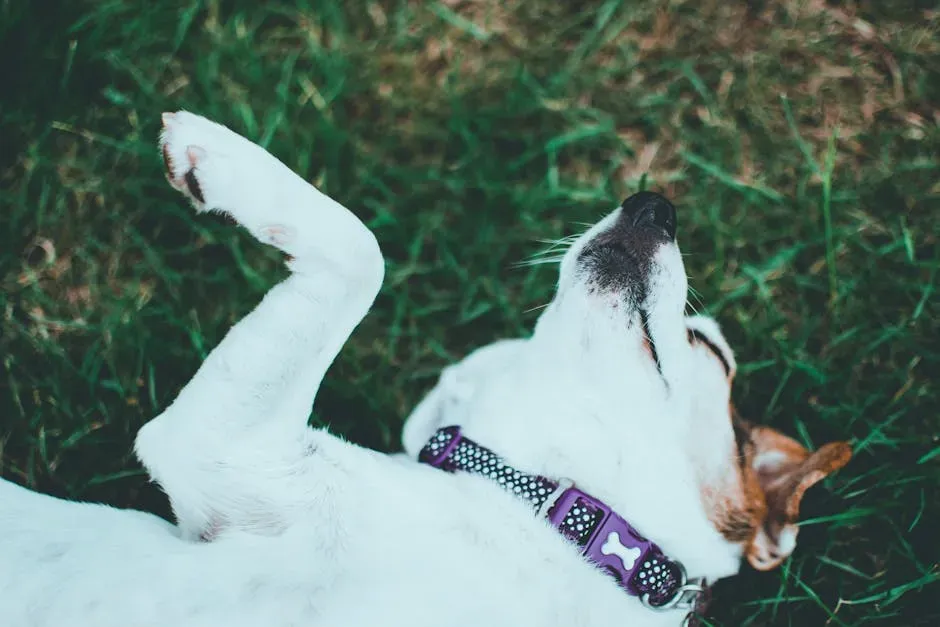
Watch how your dog actually sleeps when you are around versus when you are not. A dog that feels safest with you often goes from alert, half-awake dozing to that heavy, floppy, mouth-hanging-open sleep as soon as you settle in. Their muscles loosen, their breathing gets slow and steady, and they might even roll onto their side or back, fully exposing their belly, which is one of the most vulnerable positions a dog can take.
When I first noticed this with my own dog, it hit me harder than any dramatic tail-wag moment. I would walk into the room and see that subtle change: ears soft, jaw unclenched, eyes going from watchful to sleepy in seconds. It is like flipping a safety switch. If your dog consistently reserves this kind of deep relaxation for the times you are there, it is a strong sign you are the emotional “off-duty” signal in their life.
2. In Stressful Moments, They Choose You as Their Safe Spot
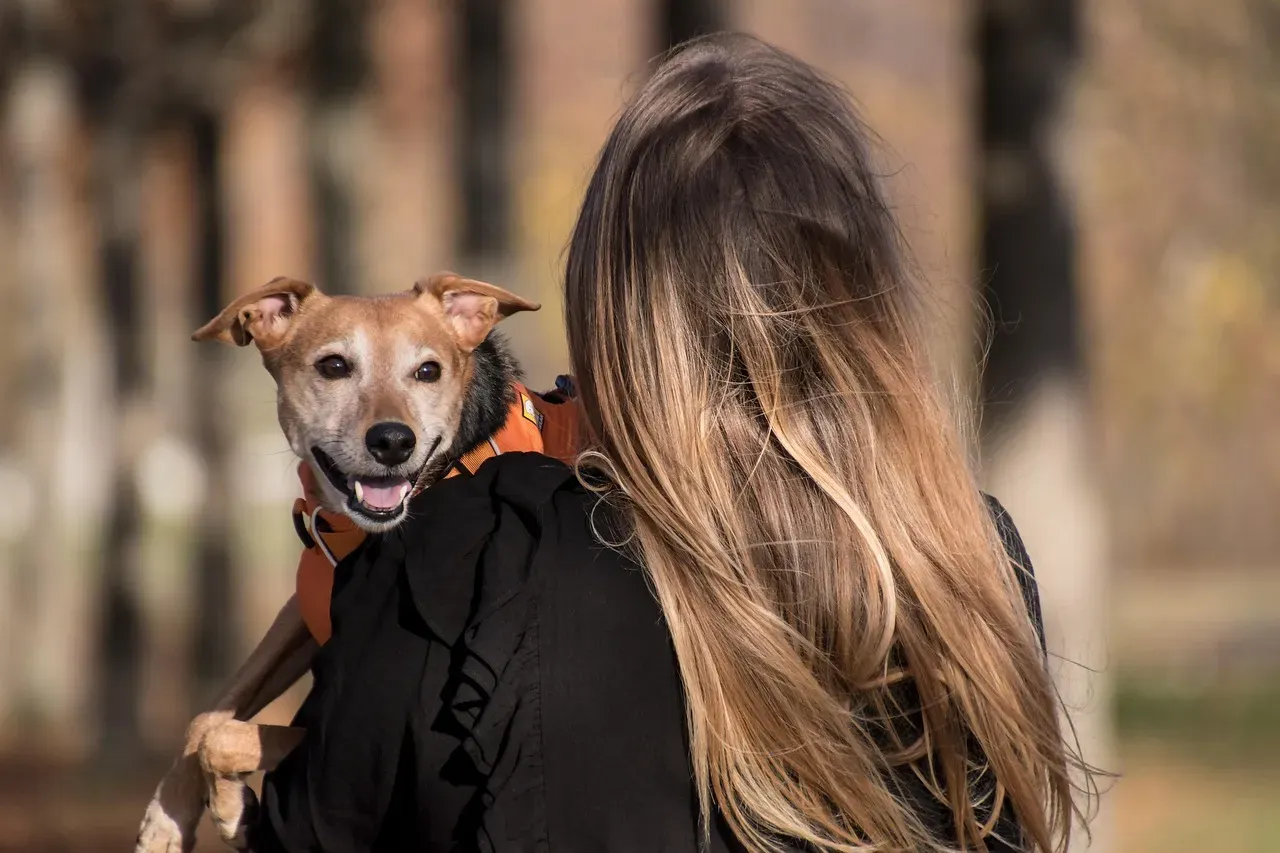
Thunder, fireworks, loud trucks, vacuum cleaners, a dropped pan in the kitchen – life is noisy and unpredictable, and dogs feel it all at full volume. A dog that feels safest with you almost automatically orients toward you when things get scary. They might wedge themselves against your legs, climb into your lap if they are small enough (or even if they are not), or sit pressed against your side like you are a shield.
Some dogs will even show a kind of quiet, focused seeking behavior in stressful environments, like the vet’s waiting room or a crowded park. Instead of pacing randomly or shutting down, they scan the room until their eyes find you, then move closer and stay there. You become the calm eye of the storm. When you are the person they search for when the world feels too big or too loud, that is not just affection – that is a deep trust in your ability to keep them safe.
3. Their “Home Base” Spot Is Wherever You Are
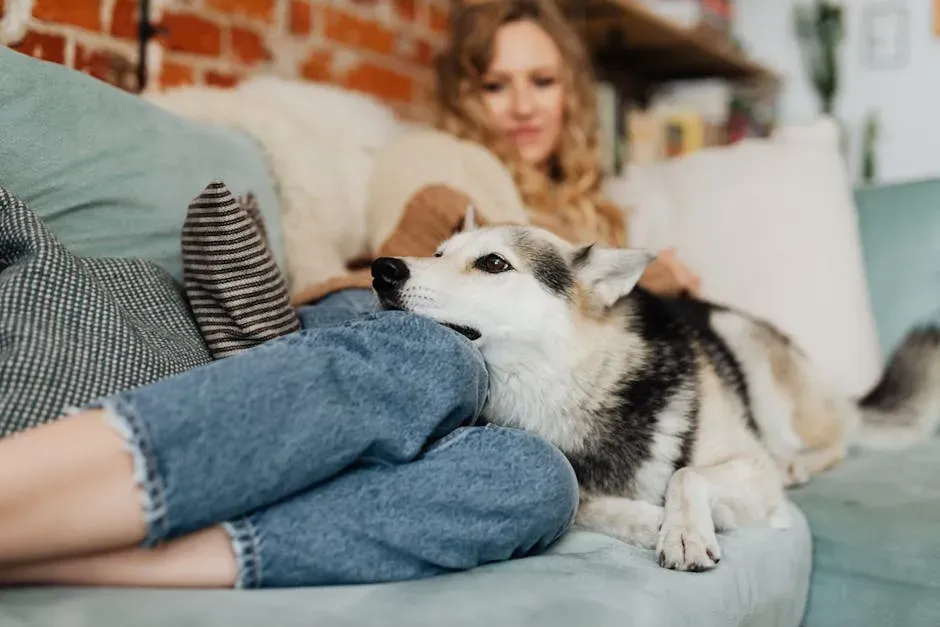
Pay attention to where your dog chooses to settle when there are multiple options. Do they have expensive beds scattered around the house, yet somehow they end up sleeping on the hard floor near your desk chair or stretched out in the narrow gap next to your side of the bed? Many dogs naturally gravitate to a spot where they can see, hear, or smell you easily, even if it is not the most comfortable surface.
Sometimes this looks almost comical: the giant dog crammed into a tiny patch of rug by the bathroom door, or the little dog curled right up against your feet under the table while you work. It is not about the furniture; it is about proximity. When your presence matters more than softness, heat, or space, it tells you something important: you are the real comfort object in the room, more reassuring than any blanket or bed you could buy.
4. They Check In with You Constantly, Even When They’re Confident
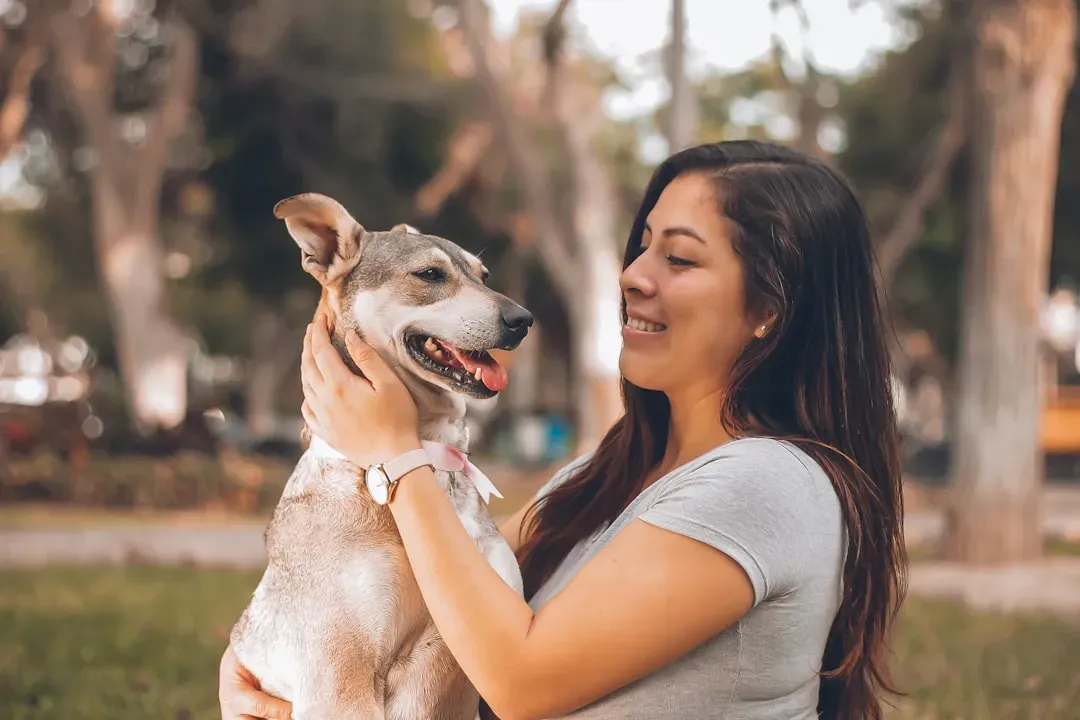
Confident, well-adjusted dogs do not necessarily cling to you every second, but they do keep you on their internal radar. You might see this as quick “check-in” glances during a walk, or little detours back to touch your hand or leg before they run off to sniff something else. They may explore, greet other dogs, or investigate new smells, but then they loop back to you like you are their built-in reference point.
This is different from anxious, hypervigilant watching. A dog that feels safe with you does not stare at you in panic; they casually and frequently confirm that you are there, and then confidently move on. It is a lot like a toddler at a playground who keeps turning around to make sure their parent is still sitting on the bench. The world is more fun, more manageable, and less overwhelming when they know their person is in sight.
5. Their Body Language Softens When You Enter the Room
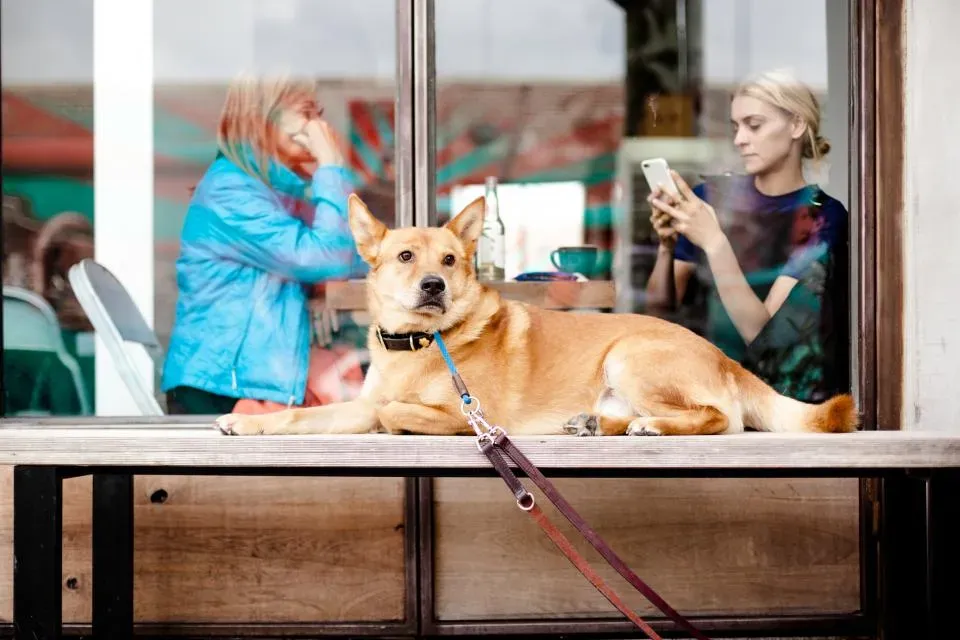
One of the most underrated signs of safety is the micro-change that happens the moment you walk in. A dog that has been a little tense – ears alert, tail stiff, pacing slightly – may visibly soften as soon as they realize it is you. Their tail might start to sway in an easy, loose rhythm, their face muscles relax, and that slightly furrowed “worry” look melts away. You might even see those slow blinks and gentle yawns that often signal a feeling of calm rather than tiredness alone.
I have seen this shift with dogs that came from rough backgrounds: they seem to carry a permanent low-level tension until their chosen person appears. When that person walks in, it is like someone turned the volume down on their nervous system. If you routinely see your dog’s entire posture and expression brighten and loosen when you appear, that is your proof that your presence literally changes how safe their body feels in the world.
6. They Prefer Your Touch Over Anyone Else’s
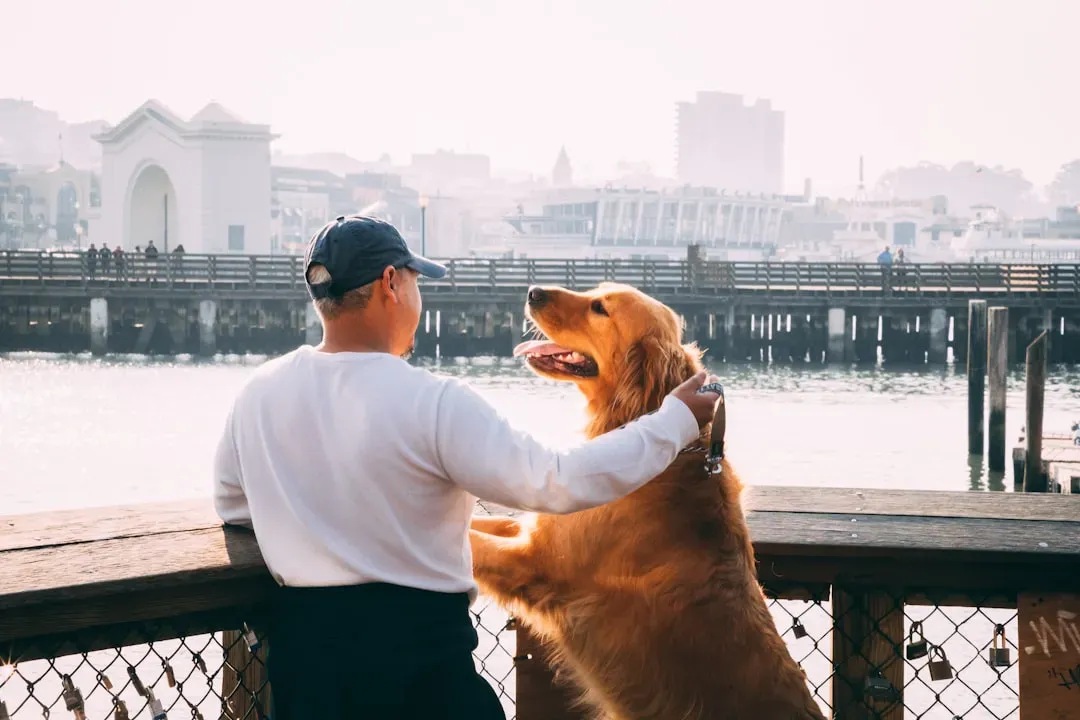
Plenty of dogs enjoy being petted by multiple people, especially social, outgoing ones. But when you are their safest person, your touch hits differently. In a room full of friendly hands, they might politely accept affection from others yet subtly lean harder into you, reposition themselves so you have the best access, or shift away from someone else to get closer to your lap, your legs, or your hands. You might not even notice it at first; it is a quiet kind of favoritism.
Pay attention to high-arousal or uncertain situations, like during loud gatherings or when meeting new people. A dog that feels safest with you may let others pet them but will seek your hand when they actually need soothing. Sometimes this shows up as them pushing their head under your palm, nudging your arm for more contact, or even putting a paw gently on your leg as if to say, “You, please.” That choice, again and again, is a powerful statement about where they truly find comfort.
7. They Listen to You Most When They’re Overwhelmed
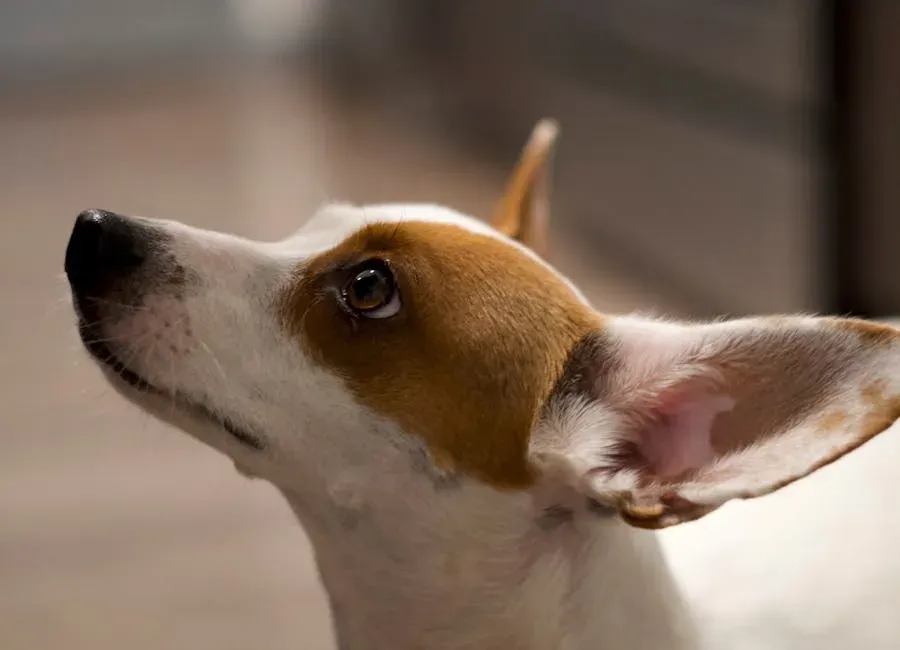
Training is not just about obedience; it is about communication and trust. When a dog is overwhelmed – barking at the window, getting overexcited by another dog, feeling restless in a new place – their ability to respond to cues often drops. If your dog still tries to listen to you, even a little, when they are in that heightened state, it means your voice cuts through the noise for them. You are not just background; you are guidance.
This might look like them trying to sit when you ask, even if they only manage a half-sit, or turning their head toward you when you say their name during a chaotic moment. It can show up as them choosing to come back when you call, even though another dog or distraction is pulling them hard in the other direction. When a dog trusts you deeply, your cues are not just rules – they are a roadmap back to feeling safe and regulated.
8. They Seem “On Edge” When You’re Gone and Settle When You Return
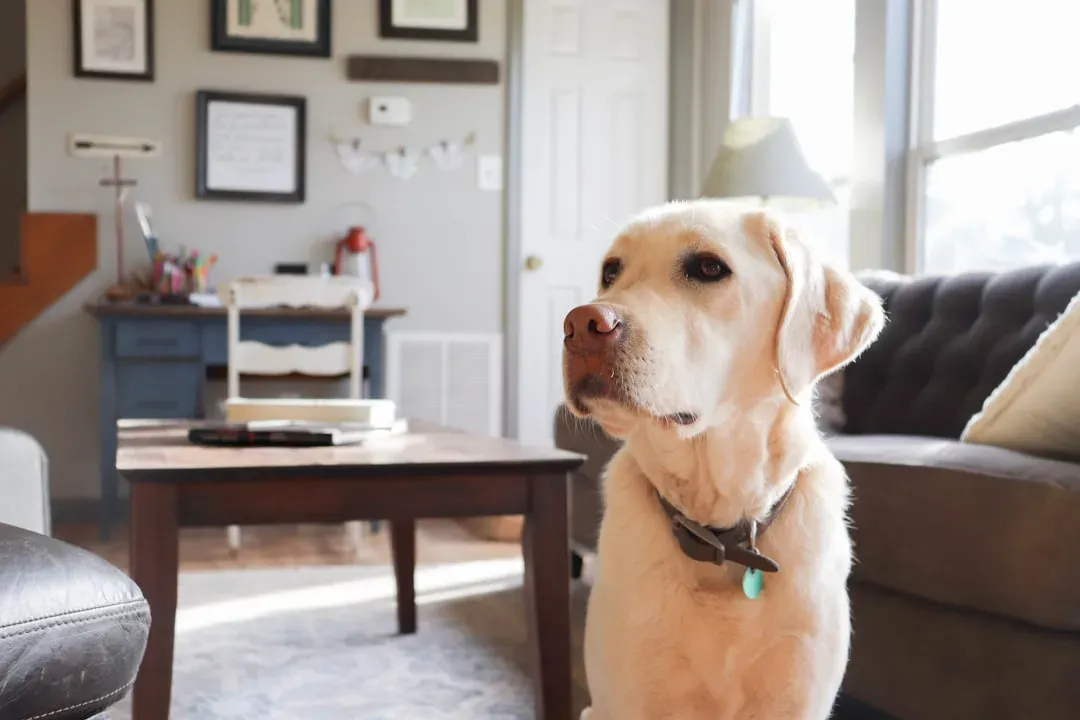
Some level of missing you when you are gone is normal, but there is a particular pattern that suggests you are the central safety figure in their life. Maybe your dog is more restless, barks more easily at noises, or startles more often when you are not at home, even if another familiar person is there. Then, when you walk through the door, there is this visible exhale: pacing stops, vocalizing quiets, and they often follow you from room to room until they fully calm down.
This does not necessarily mean they have a severe separation issue; it might simply mean you are the person who makes their world feel predictable. I have seen dogs who were perfectly fine with a house full of people, but only truly decompressed when “their” person came back. If your arrival flips the house from high-alert mode to peaceful mode for your dog, that is one of the clearest signs that, in their mind, safety walked back in with you.
Conclusion: Being Your Dog’s Safe Place Is a Responsibility, Not Just a Compliment
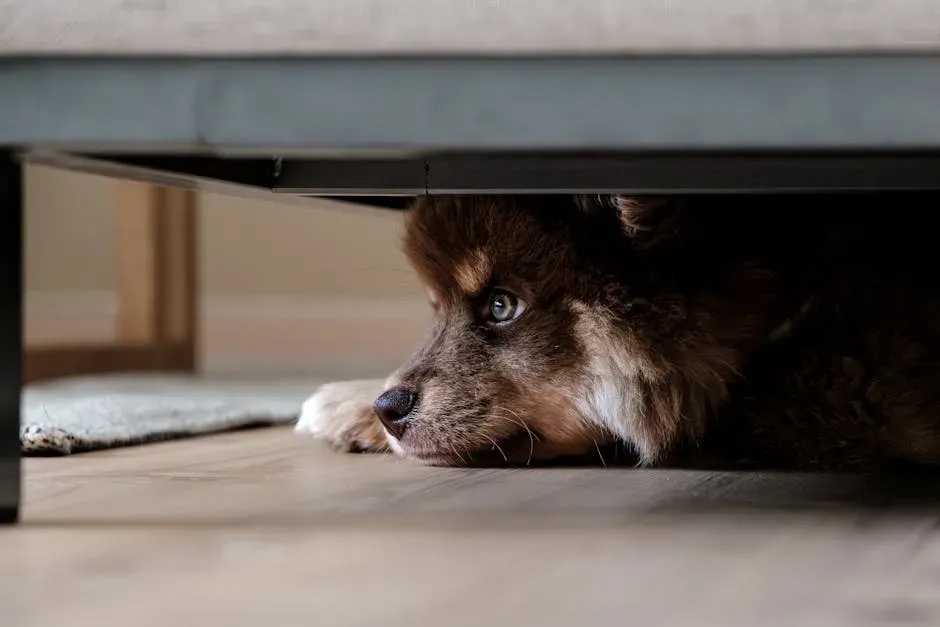
Realizing you are the person who makes your dog feel safest can be deeply moving, but it also comes with weight. You are not just their favorite human for play and treats; you are the emotional backbone of their entire day. In my opinion, that means we owe them more than the bare minimum of walks and food. We owe them patience when they are scared, consistency when life is chaotic, and kindness even when we are tired or frustrated.
When a dog builds their sense of safety around you, they are placing a kind of quiet, unwavering faith in your hands. That is rare, and it is worth protecting. So the next time your dog curls up a little closer, looks to you in a loud room, or finally falls into that deep, snoring sleep two feet from your chair, recognize it for what it is: proof that, to them, you are home. Knowing that, what are you going to do to be worthy of that trust every single day?


