
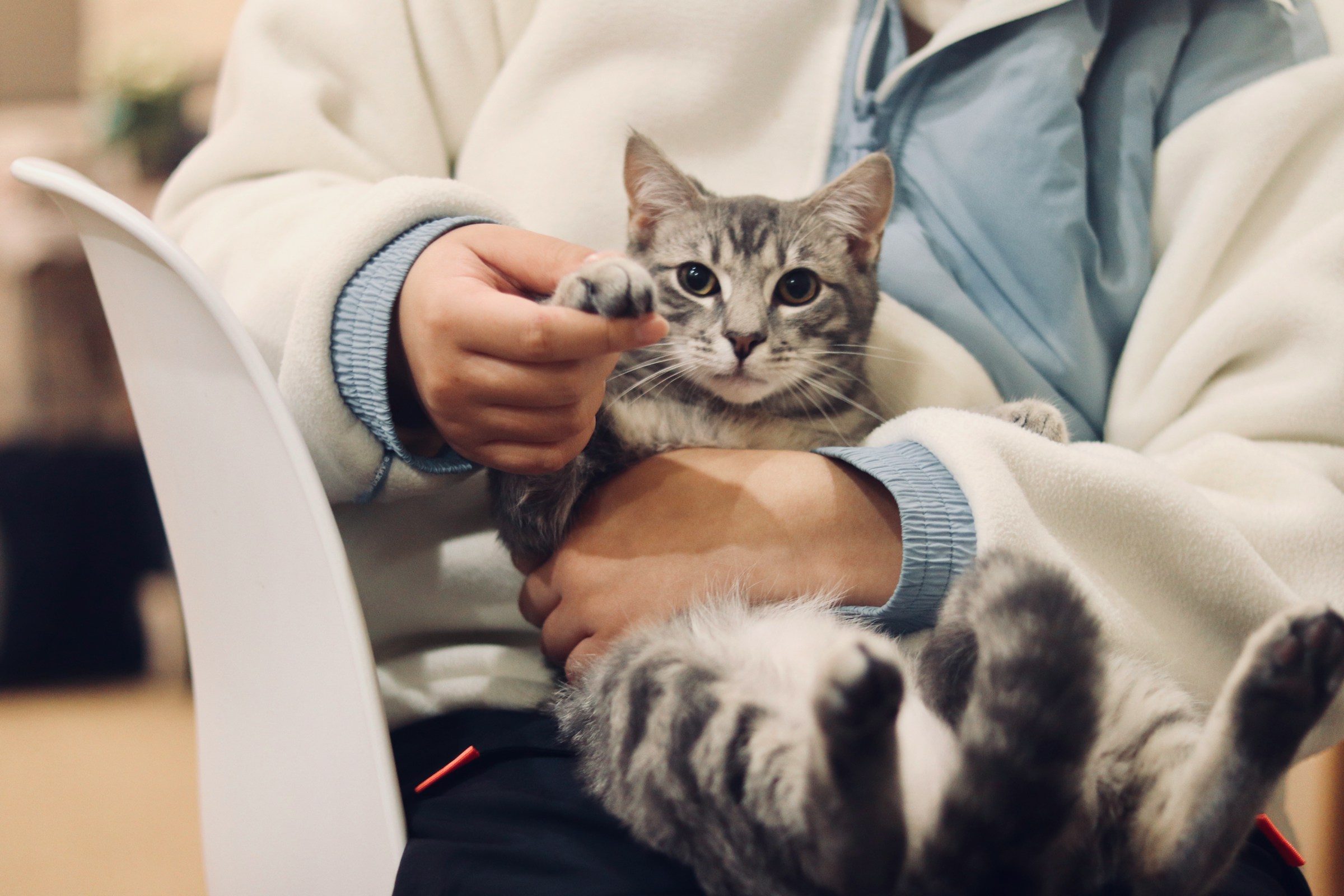
Cats do not care what is in your bank account, but their health absolutely depends on how you choose to spend your money for them. Many serious feline health problems start not with bad luck, but with a quiet financial decision: skipping a vet visit, buying the cheapest food, or putting off bloodwork because it feels “optional.” If that sounds uncomfortably familiar, you are not alone. I have owned cats while broke, while busy, and while completely overwhelmed, and looking back, the riskiest things I did for them were usually done to “save” money. The twist is that those savings are often an illusion: you pay less today and far more later, in both cash and heartache. Let’s unpack ten money choices that can genuinely shorten a cat’s life, and how to fix them without feeling like you’re burning your wallet.
1. Skipping Regular Vet Checkups To “Save Money”
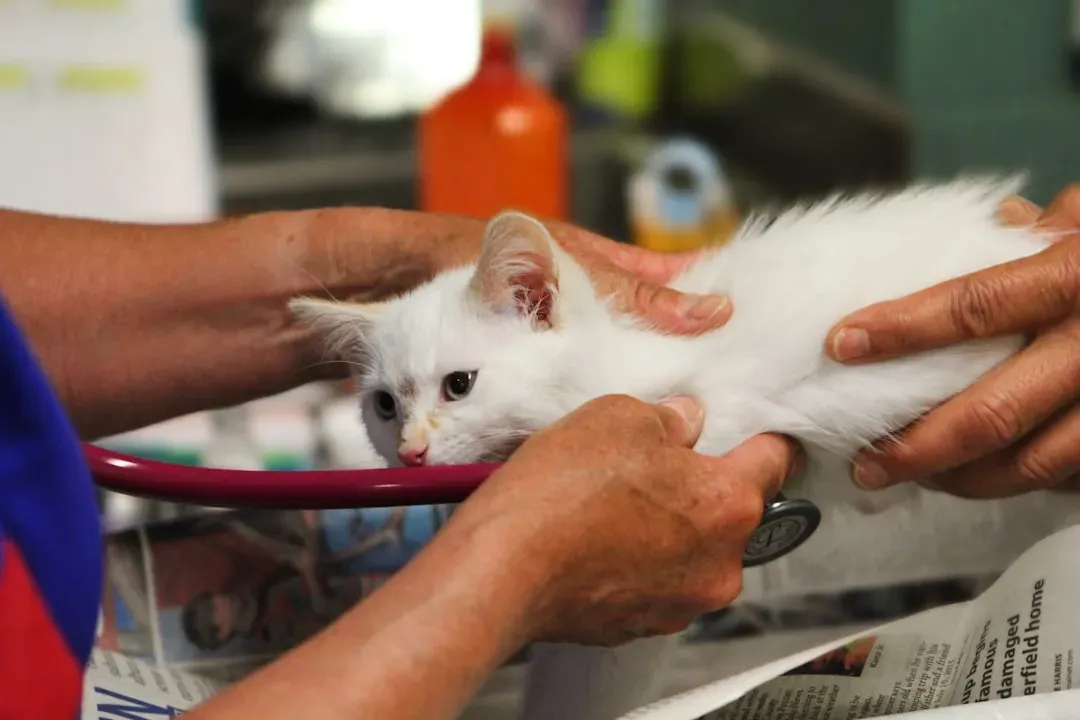
One of the most dangerous financial decisions cat guardians make is treating the vet like an emergency room instead of routine care. It feels thrifty to avoid that yearly exam, especially when your cat looks perfectly fine, but cats are experts at hiding illness until it is advanced and harder to treat. By the time you notice weight loss, dull fur, or litter box issues, kidney disease, diabetes, or heart problems may already be at a serious stage.
Think of the annual (or twice-yearly for older cats) checkup as an insurance policy against huge surprise bills and unnecessary suffering. A routine exam and basic bloodwork can catch problems early, when treatment is less invasive, less expensive, and more likely to work. Skipping it to save a small amount now is like refusing to service your car because it still starts: you might get away with it for a while, but when it fails, it often fails big.
2. Choosing Food Only By Price, Not By Quality

Feeding the cheapest food on the shelf might feel like a win for your budget, but over time it can set your cat up for obesity, urinary problems, dental disease, and metabolic stress. Many ultra-low-cost foods rely heavily on fillers, lower quality proteins, and less-than-ideal mineral balances that can be tough on a cat’s body, especially their kidneys and urinary tract. Cats are obligate carnivores; nutritionally, they are not tiny people who can thrive on bargain-bin carbs.
This does not mean you must buy the most expensive boutique brand to be a good cat parent. It means looking for food with clearly named animal proteins, appropriate moisture (especially with wet food), and formulas that match your cat’s life stage and health needs. Often, stepping up just one quality level costs a little more per day but can greatly reduce the risk of costly, painful conditions like urinary blockages or severe dental issues down the line.
3. Ignoring Pet Insurance Or A Dedicated Emergency Fund

One of the harshest realities of veterinary medicine is that money limits options. A sudden emergency like a urinary blockage, a broken leg, or acute pancreatitis can easily run into four figures, sometimes more. Without insurance or at least a small emergency fund, many people face impossible choices in the middle of a crisis, and cats can end up getting the bare minimum care or being euthanized for financial reasons rather than medical hopelessness.
Pet insurance or a dedicated savings account is not about expecting disaster, it is about buying time and options if disaster shows up. Even a modest plan that covers accidents and serious illnesses can reduce the pressure of choosing between your savings and your cat’s life. If insurance is not feasible, consistently stashing a small amount each month in a separate account for vet emergencies can still make the difference between “we can treat this” and “we simply cannot afford to.”
4. Delaying Dental Care Until Your Cat Is In Obvious Pain
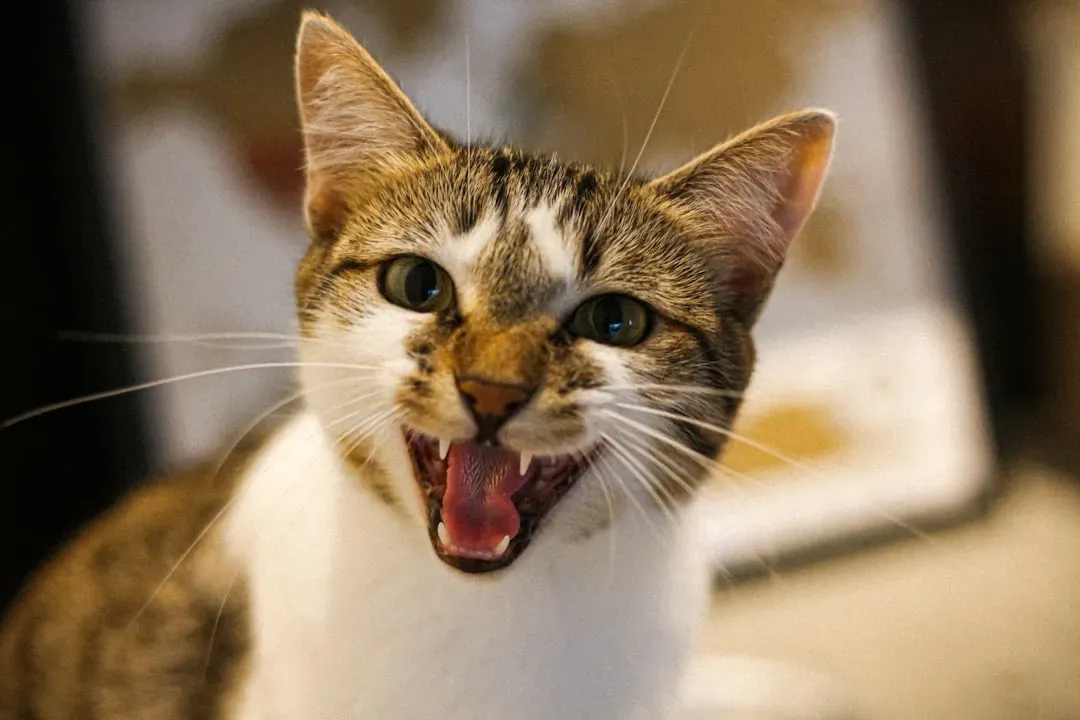
Dental disease is one of the most underappreciated threats to a cat’s overall health, and finances are a big reason. Professional dental cleanings with anesthesia are not cheap, so many people wait until their cat is drooling, pawing at their mouth, or refusing to eat before they act. By then, teeth may be severely infected, gums badly inflamed, and bacteria may already be affecting the heart, kidneys, and other organs.
Investing in earlier cleanings and regular oral exams often feels optional because your cat is still eating “fine,” but cats can continue to eat while in significant pain. Think of routine dental care as you would think of changing the oil in your car: unexciting but essential to prevent engine failure. Spreading costs by planning cleanings before things are dire lets you address issues when they are smaller, preventing both suffering and the much higher expense of extractions, hospitalizations, or systemic infections later.
5. Underestimating The Cost Of Chronic Conditions
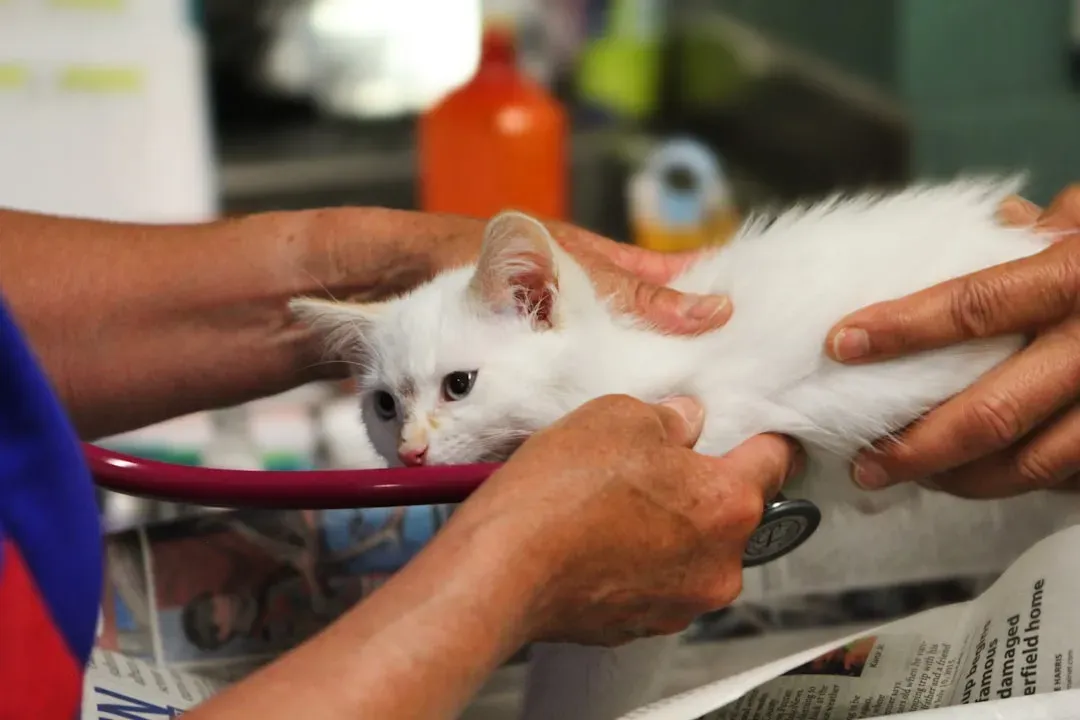
Conditions like chronic kidney disease, diabetes, hyperthyroidism, and arthritis are common in cats as they age, and they rarely stick to a one-time price tag. The real cost is ongoing: prescription diets, regular bloodwork, medications, rechecks, and sometimes hospital stays. A mistake many people make is assuming that once you start treatment, the financial commitment will stay flat or that the condition will be brief.
Being realistic about the long-term cost of a chronic illness does not mean giving up on your cat; it means planning ahead so you can support them for years, not just months. Asking your vet for a frank cost range, exploring generics where appropriate, and adjusting your monthly budget early can help you avoid the heartbreaking situation of discontinuing necessary treatment halfway through because the expenses became overwhelming. Your cat’s body needs consistency, and your wallet needs a plan.
6. Relying On Home Remedies Or Internet Advice Instead Of A Vet
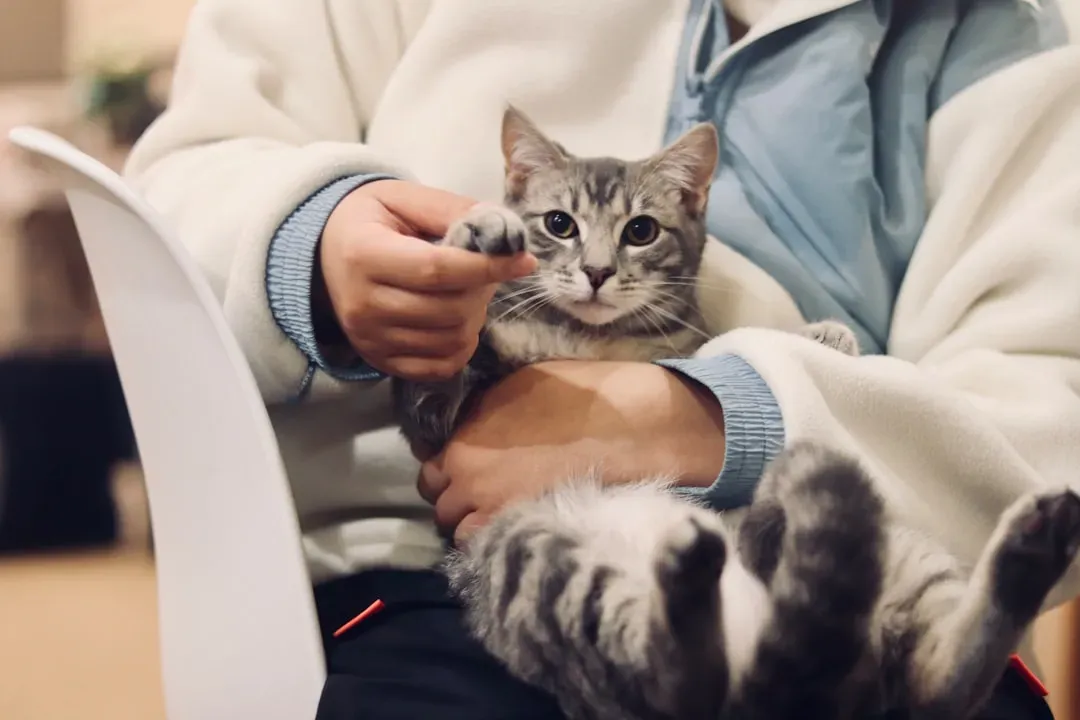
It is incredibly tempting to manage your cat’s problems with cheap home remedies or free advice from social media instead of paying for an exam. You might see suggestions to “wait and see,” to use human over-the-counter medications, or to try passes of herbal mixes and supplements first. The risk is that cats have very sensitive metabolisms, and some substances that are harmless for humans or dogs can be toxic or deadly for them.
Delaying proper medical care while you cycle through unproven, inexpensive fixes can allow a treatable issue to progress into an emergency. The money you save skipping the vet at first is usually dwarfed by the cost of trying to rescue a now-critical cat, and in some cases the window for successful treatment closes entirely. When in doubt, a paid, professional diagnosis is far cheaper than a misstep that harms your cat or masks a serious illness until it is too late.
7. Not Spaying Or Neutering Because Of Upfront Cost
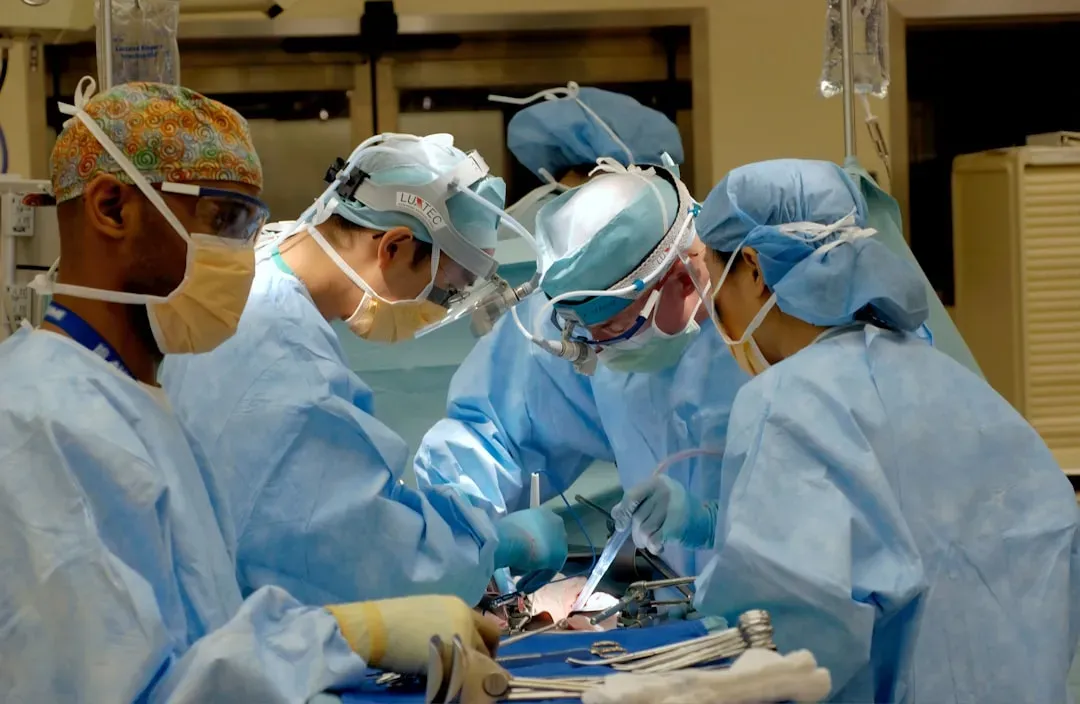
Skipping spaying or neutering to save money can look like a logical short-term decision, but biologically it loads the dice against your cat’s health and safety. Intact females have a much higher risk of uterine infections and certain cancers, while males are more prone to roaming, fighting, and injury. The medical emergencies that come from these risks can be sudden, severe, and extremely expensive to treat.
On top of that, unexpected litters lead to more mouths to feed, more veterinary needs, and difficult choices about homes and care. Many communities have low-cost or subsidized spay-neuter programs that dramatically reduce the initial price. Seeing the surgery as a one-time health investment instead of a “nice-to-have” cosmetic choice reframes it: you are not just preventing kittens, you are likely extending your cat’s life and avoiding some of the costliest emergencies entirely.
8. Buying Cheap “Stuff” Instead Of Safety And Comfort
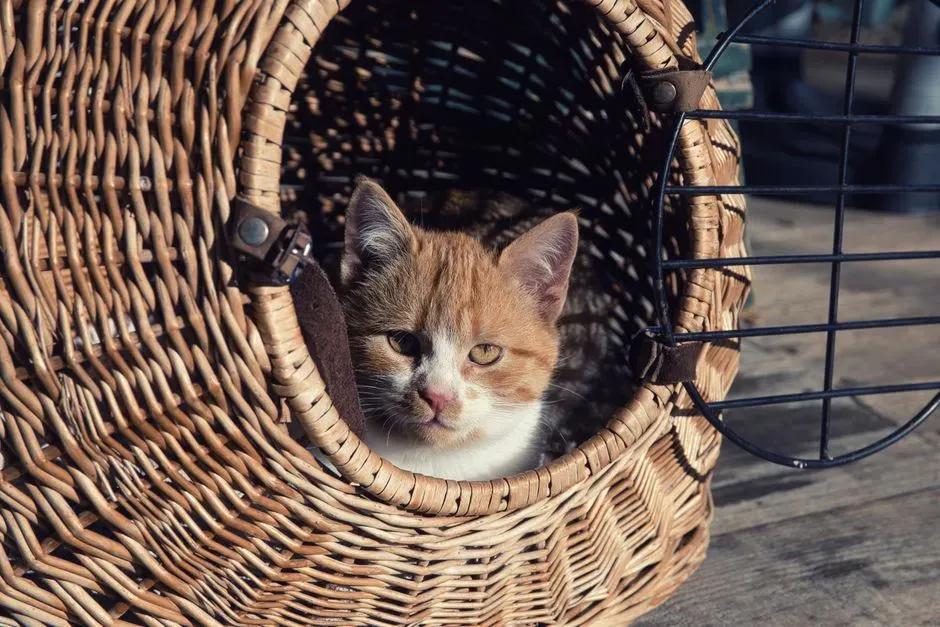
It is easy to spend money on toys, cute beds, or trendy accessories while neglecting the less glamorous essentials that actually protect your cat’s health. A flimsy carrier that breaks in an accident, a low-quality litter that your cat avoids, or a poorly designed scratching post that does not get used can all create stress and safety issues. Stress alone does not just make a cat grumpy; it can contribute to urinary problems, digestive issues, and behavior changes that put them at risk.
Redirecting some of your pet budget toward a sturdy carrier, a few stable scratching options, comfortable and clean litter boxes, and safe interactive toys often pays off in quieter vet visits and fewer stress-related illnesses. You do not need a mountain of gear, you need well-chosen basics that your cat actually uses. In a way, it is like a wardrobe: a few high-quality, well-fitting pieces beat a closet crammed with cheap, uncomfortable clothes every time.
9. Ignoring Preventive Care: Vaccines, Parasite Control, And Weight Management
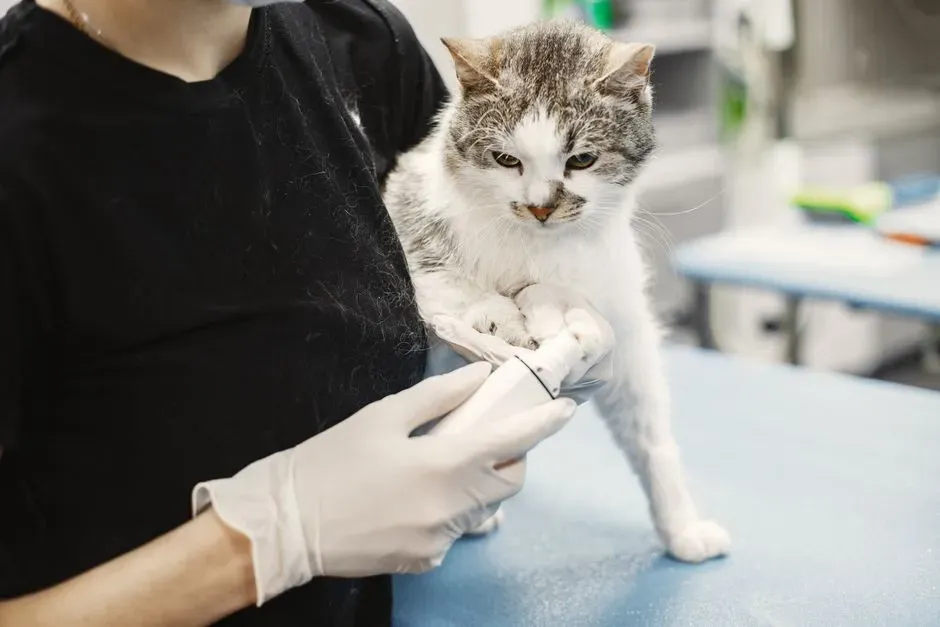
When money is tight, vaccines, parasite prevention, and weight checks can look like optional extras, especially for indoor cats. The truth is that indoor cats can still be exposed to viruses, fleas, and worms through new pets, visitors, or even what comes in on our clothes and shoes. Preventive care is usually far cheaper than treating full-blown infections, infestations, or complications like anemia and intestinal damage.
Weight management is another quiet, financial-health decision with big consequences. Letting a cat slowly become overweight can feel harmless in the moment, but obesity raises the risk of diabetes, joint problems, and fatty liver disease, all of which are costly and can shorten life. Spending a little now on appropriate food portions, regular check-ins with your vet, and preventive medication when recommended means spending less later on tests, hospitalizations, and medications that could have been avoided.
I learned this the hard way with my own cat; what I thought was “cute chubby” turned into a very real, very expensive diabetes diagnosis. That scared me straight about the price of ignoring slow changes, and it changed how I see every treat and skipped weigh-in.
10. Assuming “Old Age” Instead Of Investigating Changes
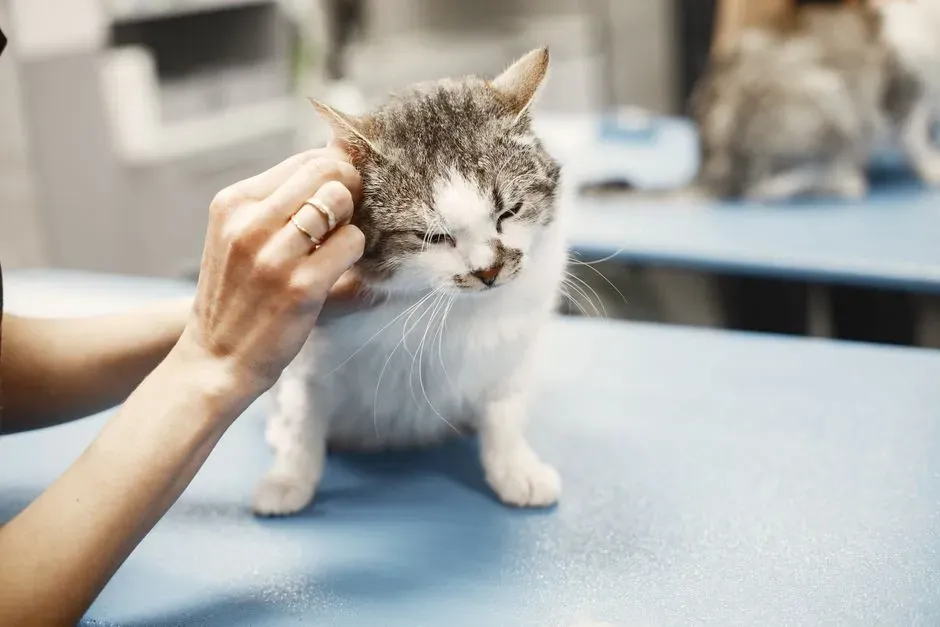
One of the most quietly lethal financial mistakes is deciding that worrisome changes are “just old age” and not worth spending money to investigate. When a senior cat starts drinking more, losing weight, hiding, or missing the litter box, many people shrug and tell themselves that this is simply what happens. In reality, those signs often point to treatable conditions like hyperthyroidism, kidney disease, or arthritis that, if addressed early, can add years of comfortable life.
Writing off serious symptoms as the natural end of the road can lead to a slow, preventable decline. Spending on diagnostic tests and supportive care for older cats can feel indulgent, but it is often the most humane and impactful use of your pet budget. Instead of assuming there is nothing to be done, treating aging as a stage that deserves active care can transform your cat’s final years from fragile and short to comfortable and surprisingly long.
Conclusion: Your Budget Is A Lifeline, Not A Limitation
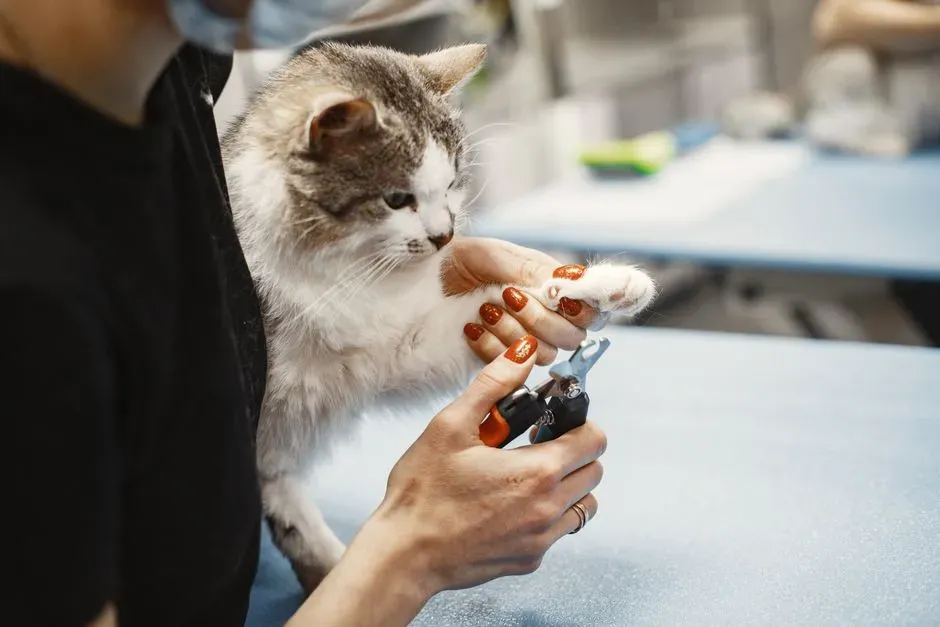
Money and love are tangled together in pet care in a way that can feel brutally unfair. Most of us do not have endless funds, and it is painful to confront how much our decisions about spending can shape how long and how comfortably our cats live. But the point of recognizing these ten mistakes is not to make you feel guilty; it is to hand you back some control. You cannot change surprise illnesses or bad luck, but you can choose where your limited dollars quietly do the most good.
The most powerful financial choices for your cat’s lifespan are usually not dramatic: a routine exam instead of waiting, slightly better food, a small emergency cushion, regular preventive care, and a refusal to shrug off worrying changes. Those choices do not scream for attention on social media, but they show up years later in the form of an older cat still jumping on the bed, still purring, still here. When you look at your budget next, the real question is not “Can I afford to do this?” but “What am I really buying for my cat if I do?”


