
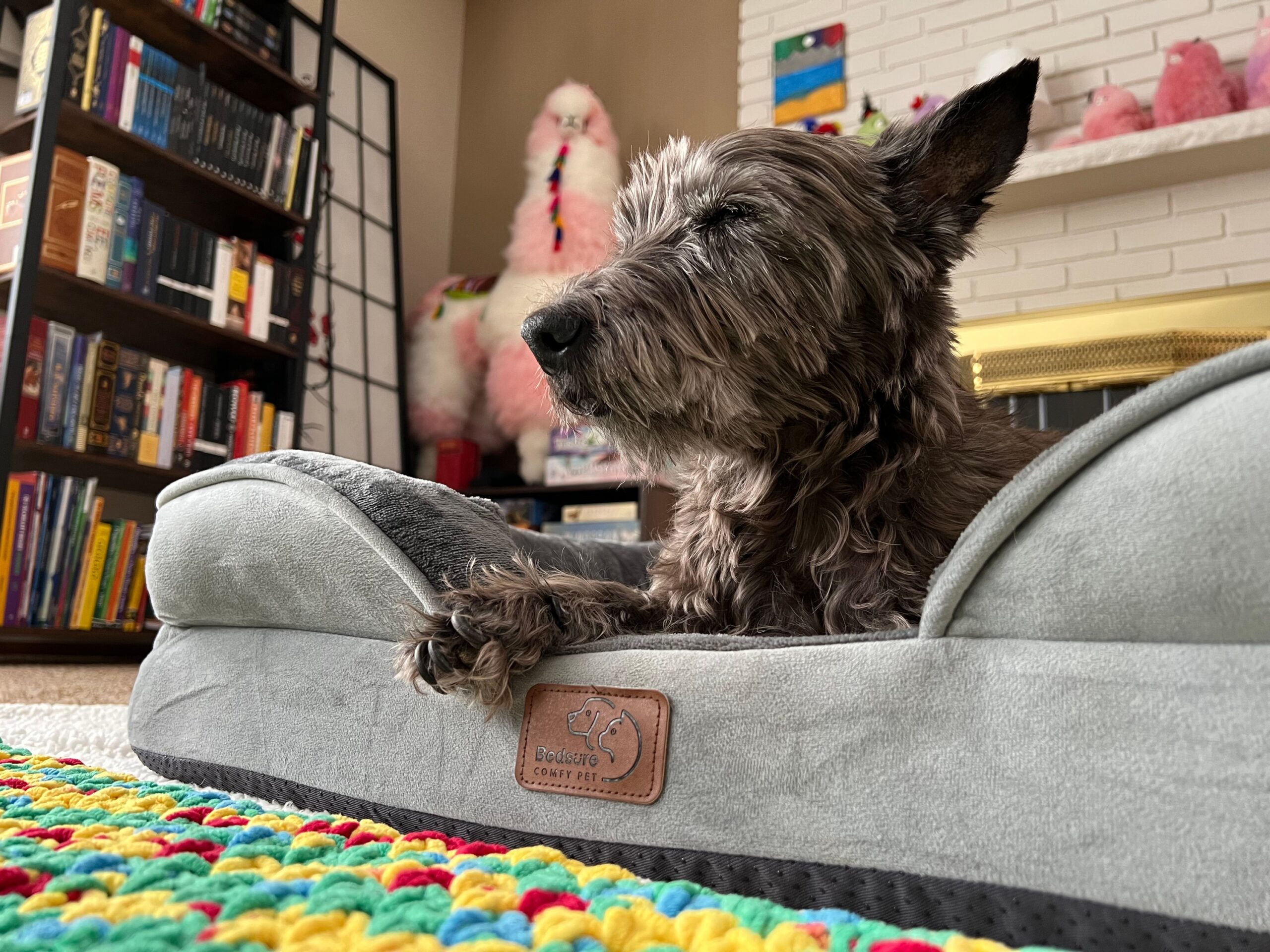
Getting a dog can feel like falling in love: your brain goes soft, your heart explodes, and your wallet quietly panics in the corner. Most people budget for the adoption fee and a cute bed, then get blindsided by everything else. Food, vet bills, grooming, training, emergencies – it all adds up faster than you expect.
The good news is that a lot of the money stress around dogs is avoidable. Many of the biggest costs are not about bad luck, but about small decisions that quietly bleed your bank account over the years. Once you see where people commonly go wrong, you can sidestep those traps, keep your dog happy, and keep your finances sane.
1. Underestimating the True Lifetime Cost of a Dog

Here’s the first shocker: the adoption fee is often the cheapest part of owning a dog. Over their lifetime, a dog can easily cost several thousands of dollars in food, vet care, grooming, training, and supplies. When people only plan for the “start-up costs,” they end up relying on credit cards or scrambling every time something big comes up.
A more realistic way to think about it is this: your dog is not a one-time purchase, they are a long-term subscription. Food renews monthly, vaccines renew yearly, and emergencies renew whenever life decides to be inconvenient. If you walk into dog ownership with a clear, long-term budget, you’re far less likely to make panicked, expensive decisions later.
2. Choosing a Breed Without Considering Health and Lifestyle Costs

Falling for a specific breed on social media can be a very expensive crush. Some breeds come with higher risks of inherited conditions, like hip issues, breathing problems, skin allergies, or eye disorders. Those health predispositions can mean more specialist visits, more surgeries, and more medications over time.
Beyond health, some dogs are basically athletes in fur coats, while others are couch potatoes with legs. High-energy working breeds might require more training, more mental stimulation toys, and more dog sports or daycare to keep them sane. Choosing a dog whose needs actually match your lifestyle is not just kinder to the dog – it is one of the most underrated ways to protect your wallet.
3. Skipping Preventive Vet Care and Then Paying the Price
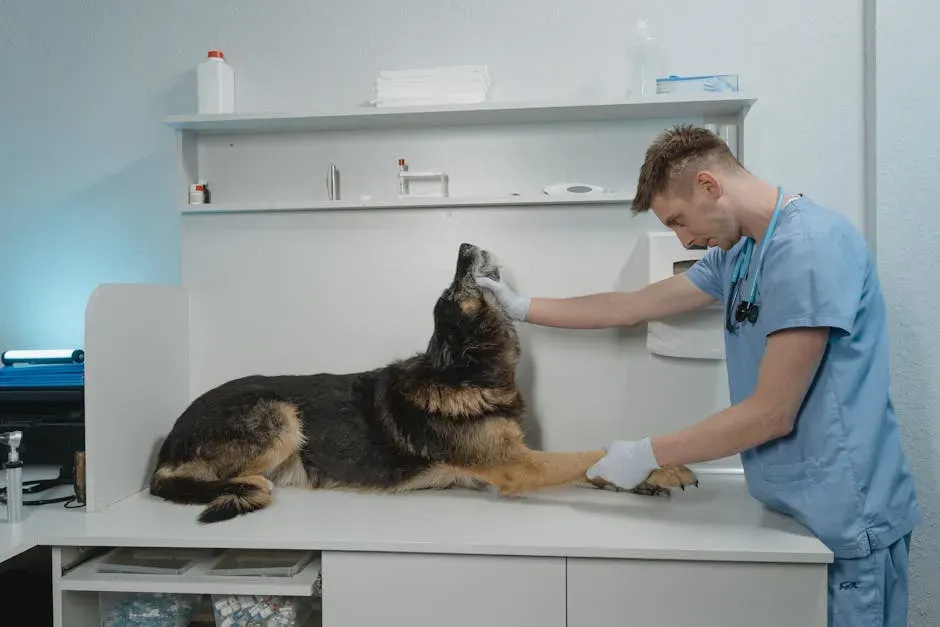
One of the sneakiest financial mistakes is “saving” money by avoiding routine vet visits. Skipping yearly exams, vaccines, dental cleanings, and parasite prevention can feel like cutting costs in the short term. In reality, you are often just rolling the dice on much bigger, scarier bills later.
Preventive care is like regular maintenance on a car: it is rarely exciting, but it is far cheaper than replacing the engine. Dental disease that goes unchecked can lead to extractions and infections. Flea and tick prevention costs less than treating a full-blown infestation or tick-borne disease. Catching problems early usually means simpler treatments, less suffering for your dog, and much less damage to your bank account.
4. Ignoring Pet Insurance or a Dedicated Emergency Fund

Emergency vet visits are where a lot of people get financially crushed. A sudden surgery, a bad accident, or a mysterious middle-of-the-night illness can run into the four-figure range very quickly. Without any kind of safety net, many owners are forced to make heartbreaking decisions under pressure.
Pet insurance is not perfect, and it does not cover everything, but it can dramatically soften the blow of big unexpected bills. If insurance is not the right fit, a dedicated savings account for your dog can play a similar role. The financial mistake is not choosing one specific product – it is pretending emergencies will not happen and leaving future-you to deal with the fallout.
5. Overbuying Gear, Gadgets, and “Cute” Stuff You Don’t Need
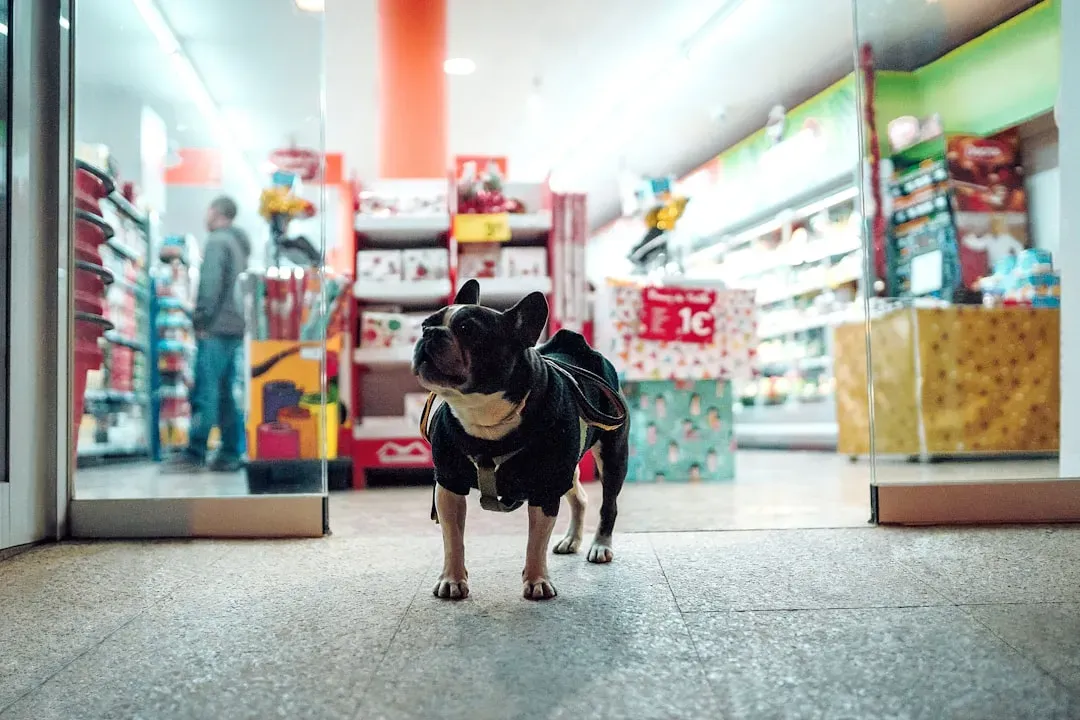
Dog marketing is ruthless. There is a gadget, toy, or subscription box for every tiny aspect of your dog’s life, often wrapped in pastel colors and sold like a lifestyle upgrade. It is alarmingly easy to end up with three unused harnesses, five leashes, and a drawer full of half-chewed toys your dog never liked.
A dog actually needs far fewer core items than social media suggests: a well-fitting harness or collar, a sturdy leash, a couple of bowls, a bed, some durable toys, basic grooming tools, and maybe a crate. The smarter move is to buy slowly, see what your dog actually uses, and resist the urge to impulse-buy every “must-have” trending product. Your dog does not care how aesthetic their food bowl is; they care that you’re there when dinner appears.
6. Buying the Wrong Food (Or Switching Constantly)
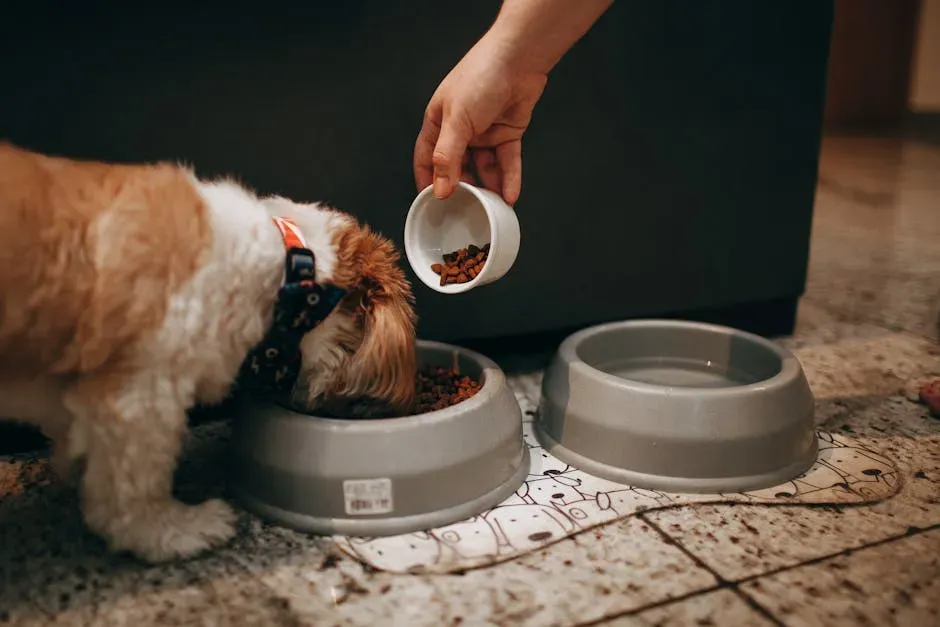
Dog food is one of the biggest recurring costs, and the marketing around it can be confusing and emotional. Some people overspend on luxury-branded food that sounds more like a farm-to-table restaurant menu than a pet product. Others go for the absolute cheapest option, then end up paying in vet bills when their dog develops digestive or skin issues.
A balanced, complete diet that fits your dog’s age, size, and health needs does not have to be the most expensive bag on the shelf. Stick with reputable brands that meet established nutritional standards, and try not to change foods constantly just because something new is trending online. Frequent switches can upset your dog’s stomach and waste money on half-finished bags. Consistency and quality matter more than impressive marketing claims.
7. Skipping Training and Then Paying for the Consequences
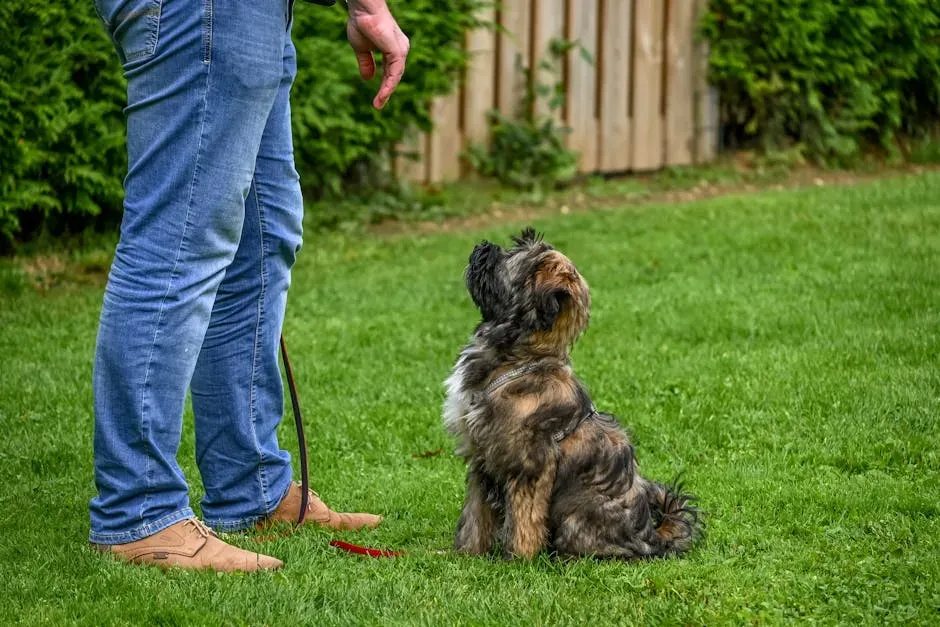
Here is a financial truth people rarely talk about: a well-trained dog is often a much cheaper dog. Basic training reduces the chances of destructive behavior, accidents in the house, escapes, and conflicts with other dogs or people. Every chewed shoe, destroyed couch, or damaged rental wall has a price tag attached.
Investing early in training – whether via group classes, private help, or good educational resources – can save you from years of preventable damage and stress. It can also make it easier to safely use dog sitters, daycare, or boarding when you travel, instead of being limited to the most expensive last-minute options. Think of training as an upfront investment that pays off in calmer days and lower unexpected costs.
8. Using Expensive Services as a Default Instead of a Backup
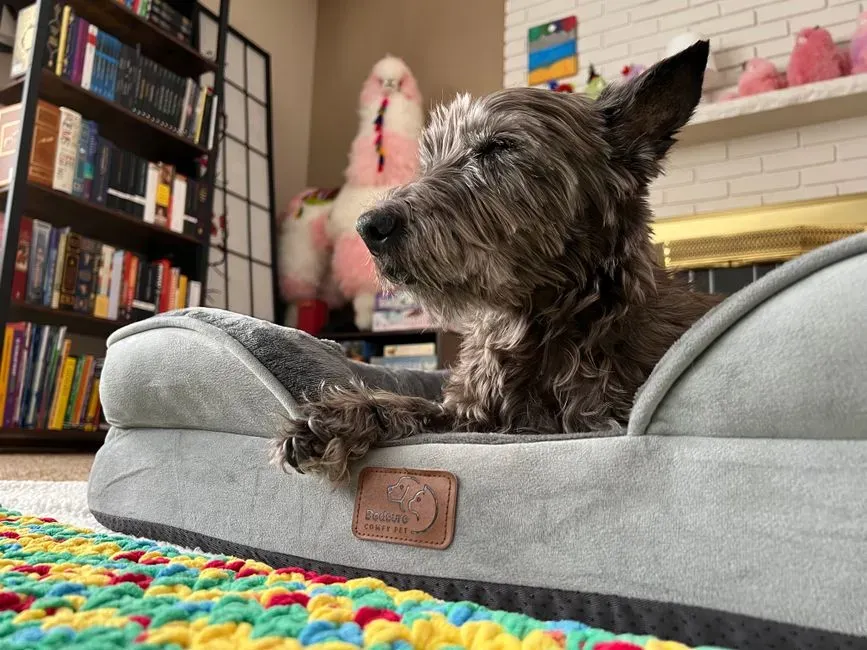
Dog walkers, daycare, and boarding can be absolute lifesavers, and in some situations they are worth every cent. The financial problem starts when these become the default rather than an occasional support. Using paid services five days a week, month after month, quietly turns into one of the largest expenses in many owners’ budgets.
Sometimes, small lifestyle adjustments can reduce how often you need outside help. That might mean adjusting your commute once a week, doing more intense exercise with your dog on certain days, or swapping pet-sitting favors with a trusted friend or neighbor. Building a flexible support network instead of relying only on paid options can dramatically cut ongoing costs without sacrificing your dog’s well-being.
9. Neglecting Grooming Until It Becomes a Costly Fix
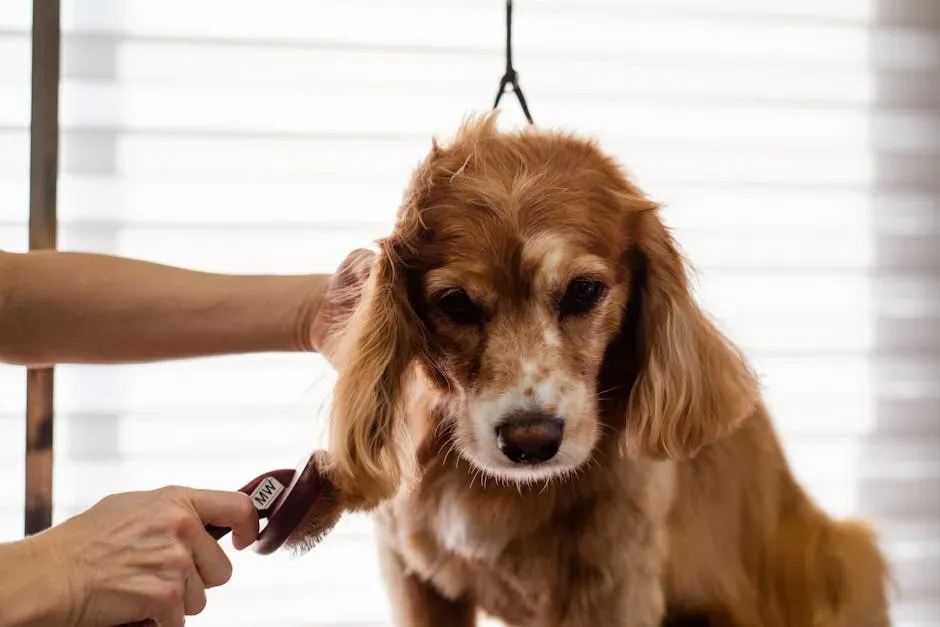
Grooming is not just about how your dog looks; it is about their health and your long-term expenses. When nails, fur, or skin are ignored for too long, what could have been a simple, inexpensive trim turns into a difficult, time-consuming, and costly visit. Severely matted coats can even require sedation to safely shave, which adds medical fees on top of grooming costs.
Regular at-home care – brushing, checking ears, wiping eyes, and getting comfortable with nail trims – can keep professional grooming appointments shorter and cheaper. Even short-haired dogs benefit from occasional baths, shedding tools, and nail maintenance. A few minutes a week can mean the difference between routine upkeep and “we need to fix this urgently” pricing.
10. Failing to Plan for Aging and End-of-Life Costs
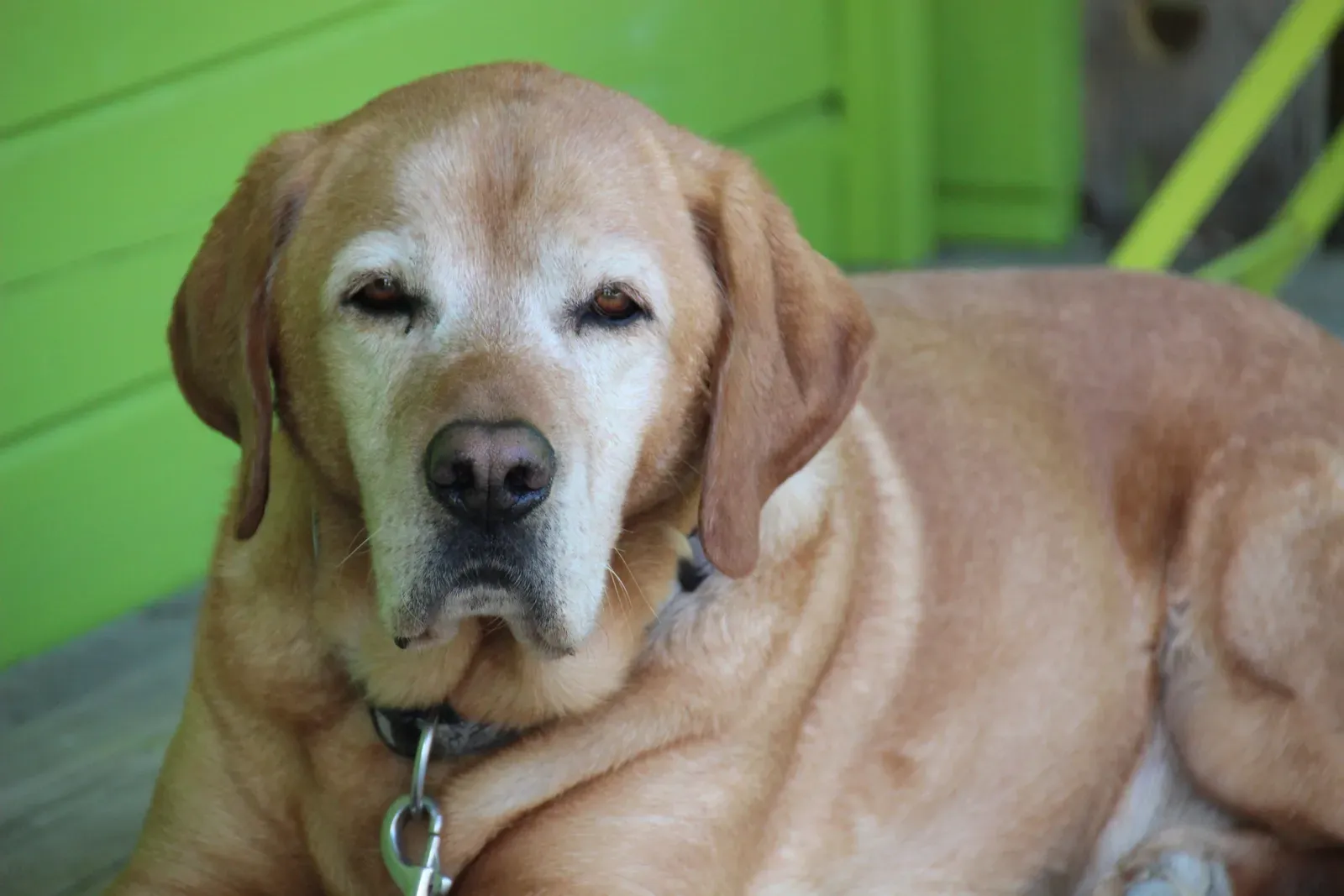
Most of us do not want to think about our dogs getting old, but avoiding the topic does not protect your bank account or your heart. Senior dogs are more likely to need medications, joint support, more frequent checkups, and sometimes specialized care or mobility aids. If you have not built any room in your budget for this phase of life, it can feel overwhelming and unfair when it arrives.
Planning ahead means accepting that costs often rise as dogs age and quietly adjusting for that reality while your dog is still young and healthy. That might mean increasing your emergency fund, reconsidering insurance while your dog still qualifies, or simply being honest about what types of care you want to prioritize. Your future self – and your older dog – will be grateful that you did not leave everything to the last minute.
Conclusion: Spending Smart So You Can Love Harder

At its core, dog ownership is not about squeezing every penny; it is about choosing where your money actually matters. Skipping prevention, chasing trends, and avoiding hard planning conversations tend to make things both more expensive and more stressful. Thoughtful spending, on the other hand, lets you pour your resources into what truly improves your dog’s life: good health, safety, comfort, and time with you.
My own bias is clear: I think fewer impulse buys and more boring-but-smart planning make dog ownership not only cheaper, but more peaceful. When you are not constantly bracing for the next financial hit, it is easier to just enjoy the ridiculous, joyful, messy animal snoring at your feet. Looking at your own habits, which of these money leaks do you recognize – and which one are you going to fix first?


