
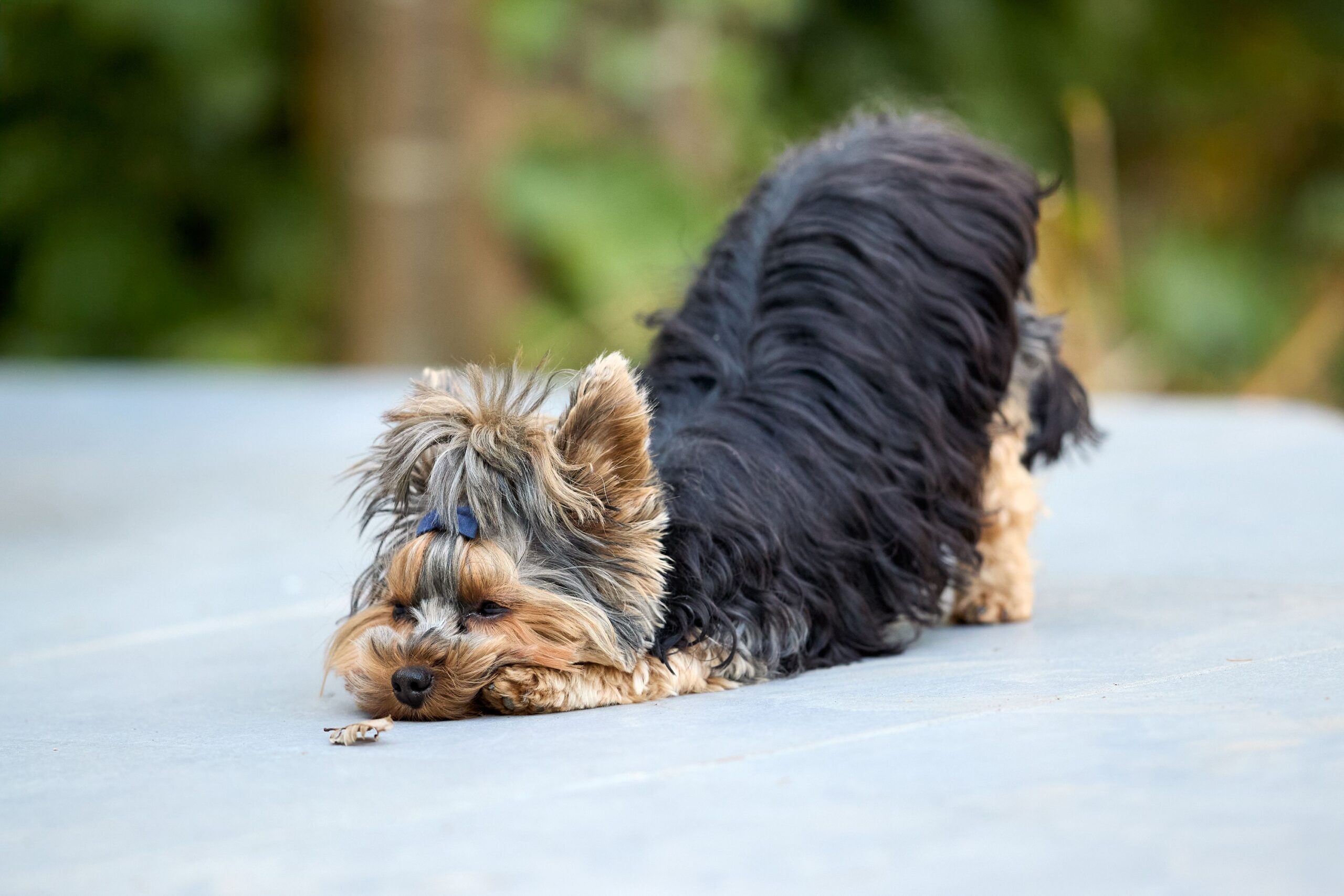
If you share your life with a dog, you’ve probably seen that dramatic little move: front legs stretched forward, butt in the air, tail wagging like crazy. Most people know it as the play bow, and it usually means one thing: your dog wants to have fun. But animal behavior research suggests there’s a lot more going on in that split second than just an invitation to chase or wrestle.
Hidden inside that playful pose is a surprisingly sophisticated social message. Dogs use the play bow not only to say “Let’s play!” but also to say “We’re good, right?” especially right after play gets a bit intense. In other words, it works as a kind of social reset button, helping two dogs stay friends even when things look rough or chaotic to human eyes.
The Play Bow: More Than a Cute Pose
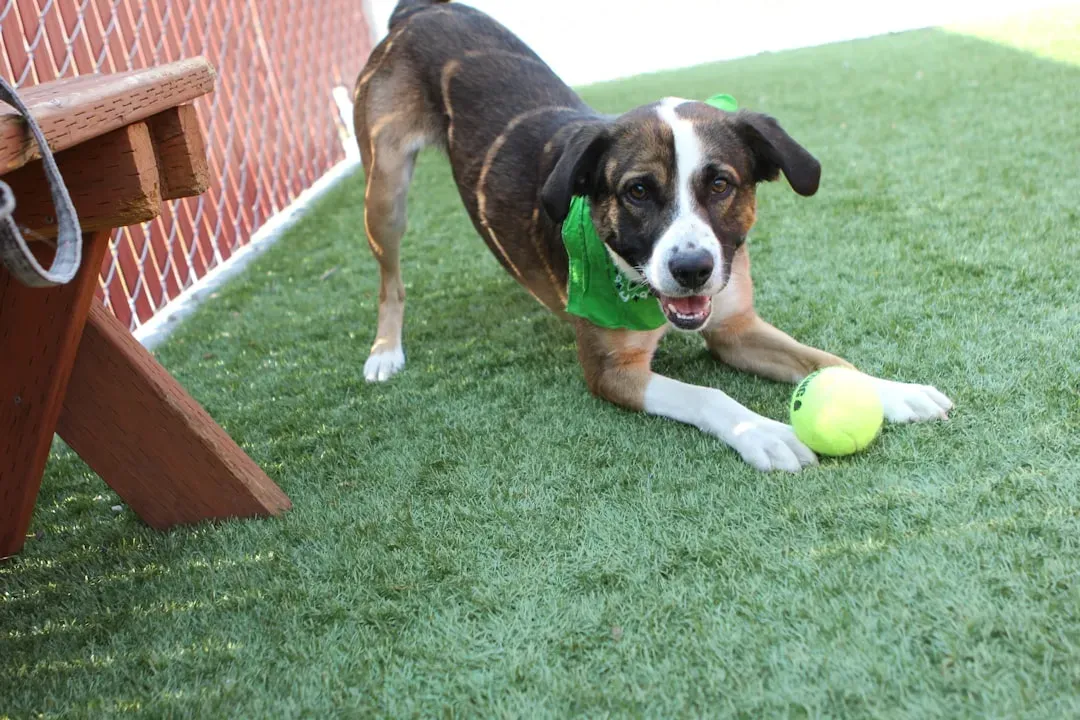
The classic play bow is easy to spot: the dog lowers their chest to the ground, keeps their rear end up, and often adds bouncy movements or a loose, wiggly tail. To us it looks adorable, but to dogs it is a very clear signal that what comes next should be interpreted as play, not aggression. That context matters because play often includes behaviors that look a lot like fighting, such as chasing, pouncing, and even light biting.
Researchers have observed that dogs tend to use the play bow at key moments in play sessions. They may bow right before launching into a chase or just after a pause, almost like they are pressing “unmute” on the interaction. This timing suggests the bow is a deliberate communication tool, not just a random expression of happiness. It creates a shared understanding between the dogs that what they are about to do is still fun and friendly.
Why Play Between Dogs Can Look So Rough
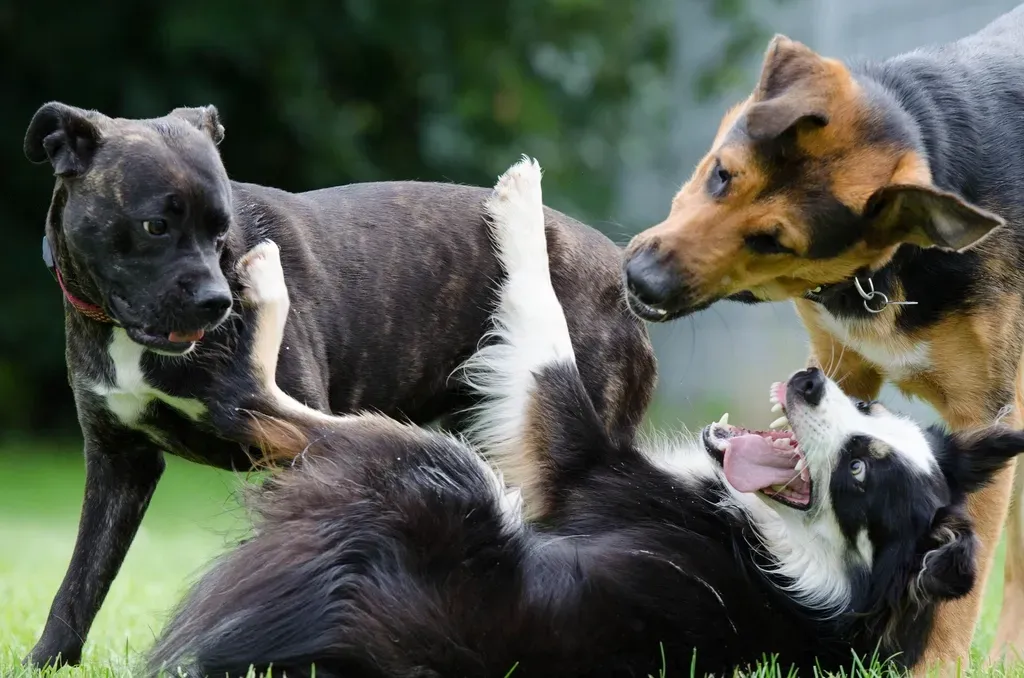
To many humans, dog play can look uncomfortably close to fighting. You might see growling, body slams, neck biting, pinning, and chasing that feels over the top. If you freeze-frame those moments, the difference between play and a real fight can be surprisingly subtle. That is exactly why dogs rely on clear signals to keep the mood in check and avoid misunderstandings.
Think of dog play as a kind of rehearsal space for real-life skills. In play, dogs practice hunting, fighting, and social negotiation in a relatively safe way. But because those behaviors are intense, both dogs need reassurance that the relationship is still friendly. That is where signals like the play bow, loose body language, and quick breaks become essential, acting as little safety valves that stop things from boiling over.
The Reset Function: How the Play Bow Says “We’re Still Cool”
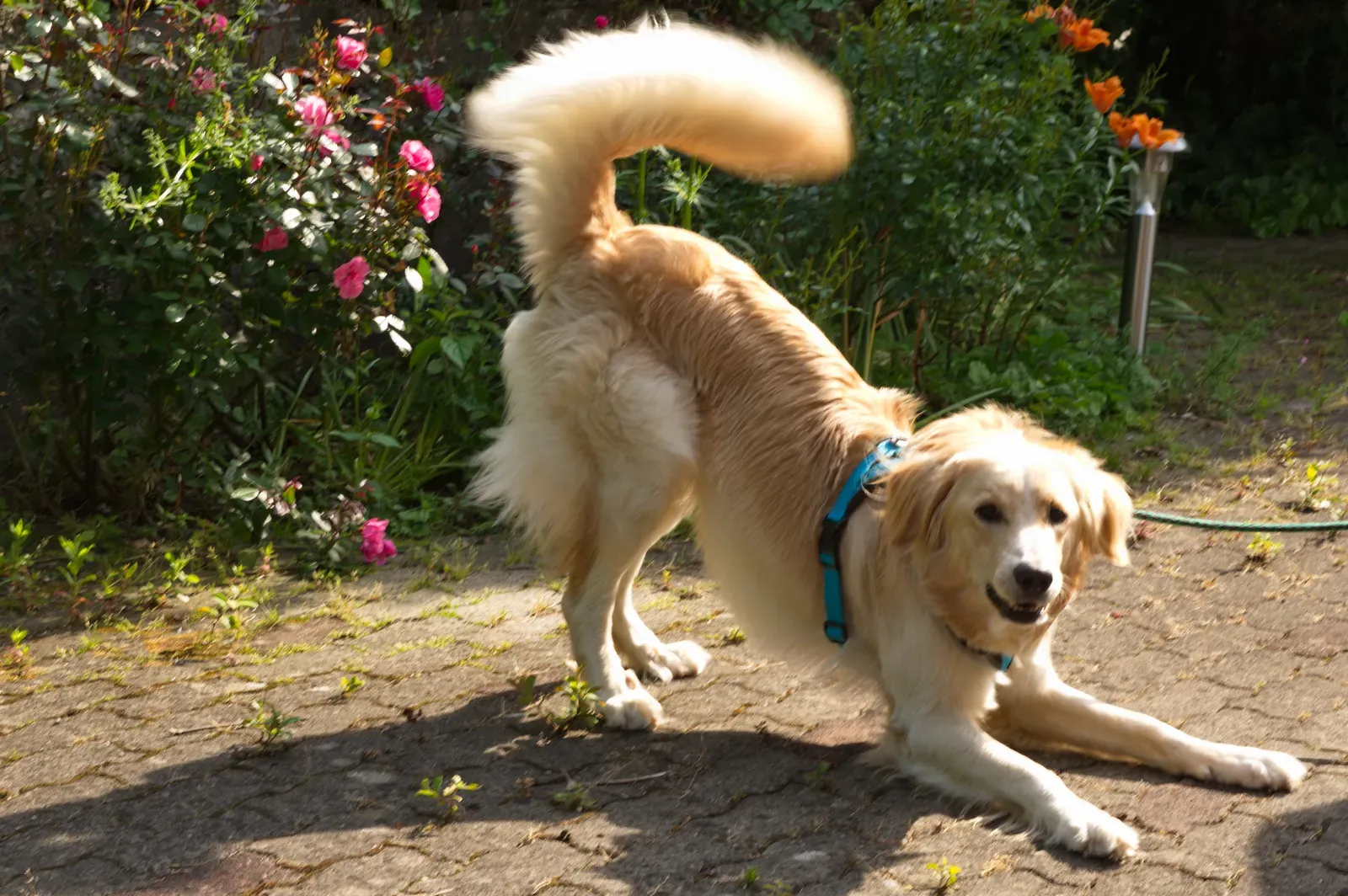
One of the most fascinating things researchers have noticed is that dogs often use a play bow right after a moment that could easily be misread as hostile. For example, one dog might pin the other, grab a leg a bit too hard, or rush in with a powerful tackle. Immediately afterward, you’ll sometimes see a quick bow, like a dog saying, “Hey, that was intense, but I’m not actually mad.”
This reset function keeps the social interaction from tipping into a real fight. By bowing, the dog reaffirms the playful context and gives the other dog a chance to relax and re-engage without feeling threatened. It is similar to a human adding a joking tone after a sharp comment so their friend knows not to take it personally. That subtle “we’re still good” message is a core part of how dogs maintain harmony even in wild, high-energy play.
Play Signals as Canine “Body Language Contracts”
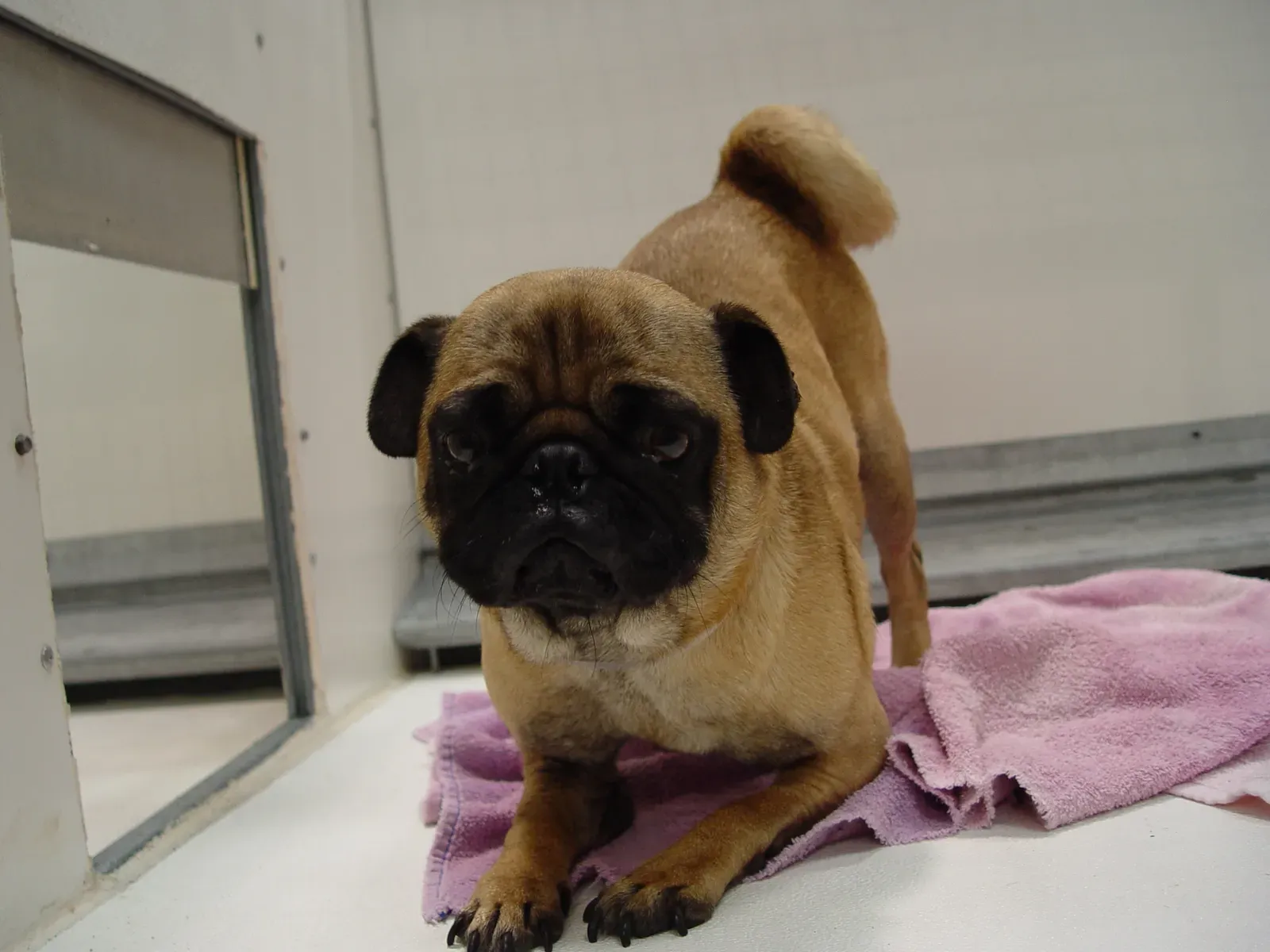
Dogs do not sign social contracts on paper, but they negotiate them with their bodies. The play bow is one of several ritualized signals that help two dogs agree on the rules of engagement. When one dog bows and the other responds by joining in with loose, goofy movements, they are essentially saying, “OK, we’re both on the same page. This is just for fun.” That agreement helps them navigate rough play without damaging the relationship.
If you watch closely, you might notice that dogs often take turns being the chaser or the one on top, and they weave in and out of more gentle behaviors like bouncing away or pausing. The play bow fits neatly into this dance, marking transitions, softening harder moves, and checking in on how the other dog feels. It works as a living, moving contract that gets rewritten second by second as they play.
What Dog Body Language Around the Play Bow Really Tells You
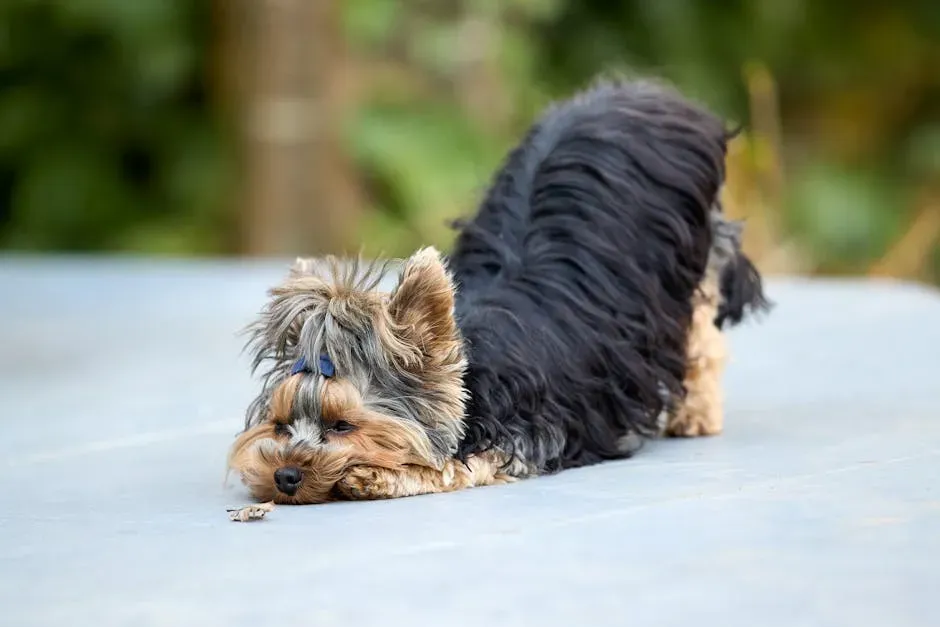
The bow itself is only part of the story. To really understand what is going on, you have to look at the whole body. A genuine, friendly play bow is usually paired with relaxed muscles, a loose and wagging tail, soft eyes, and sometimes silly, exaggerated movements. The dog might bounce around in a zigzag, turn their side toward the other dog, or quickly dart away to invite a chase.
In contrast, if a dog’s body stiffens, their tail goes straight and still, their face hardens, or their movements become very direct and intense, the mood may be shifting away from play. That is when a bow used as a reset is especially valuable, helping to soften the moment again. Learning to read these combinations of signals helps you tell the difference between harmless roughhousing and interactions that may need your intervention.
How You Can Use This Knowledge in Multi-Dog Play
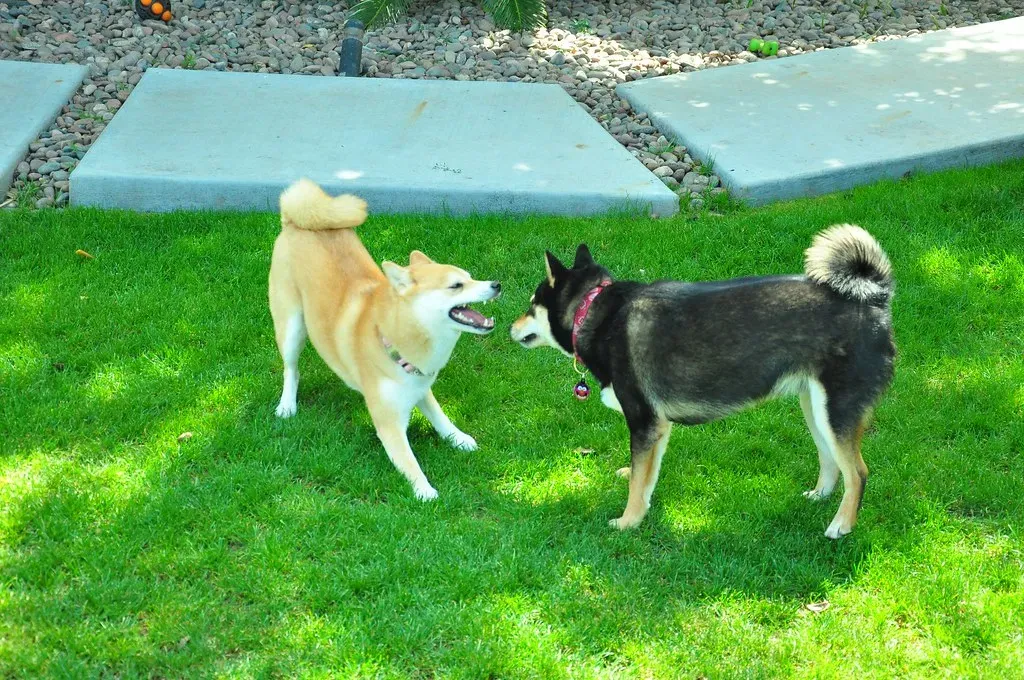
Once you understand that a play bow can work as a reset, your view of dog parks and playdates changes. Instead of panicking the moment play looks rough, you can watch for those bows and other play signals as signs that the dogs are still managing things well on their own. You might notice that right after a loud growl or a heavy tackle, one dog does a big, dramatic bow and the other responds with a chase or a pounce instead of tension.
At the same time, this knowledge makes you a more responsible guardian. If you see rough play without those balancing signals, or if one dog looks overwhelmed and never gets a chance to respond with their own bows or breaks, it may be time to step in. Giving the dogs a short pause or separating mismatched play styles can prevent stress and conflict. In that way, understanding the reset function of the play bow helps both you and your dogs feel safer and more relaxed.
The Emotional Lives of Dogs: Trust, Repair, and Forgiveness
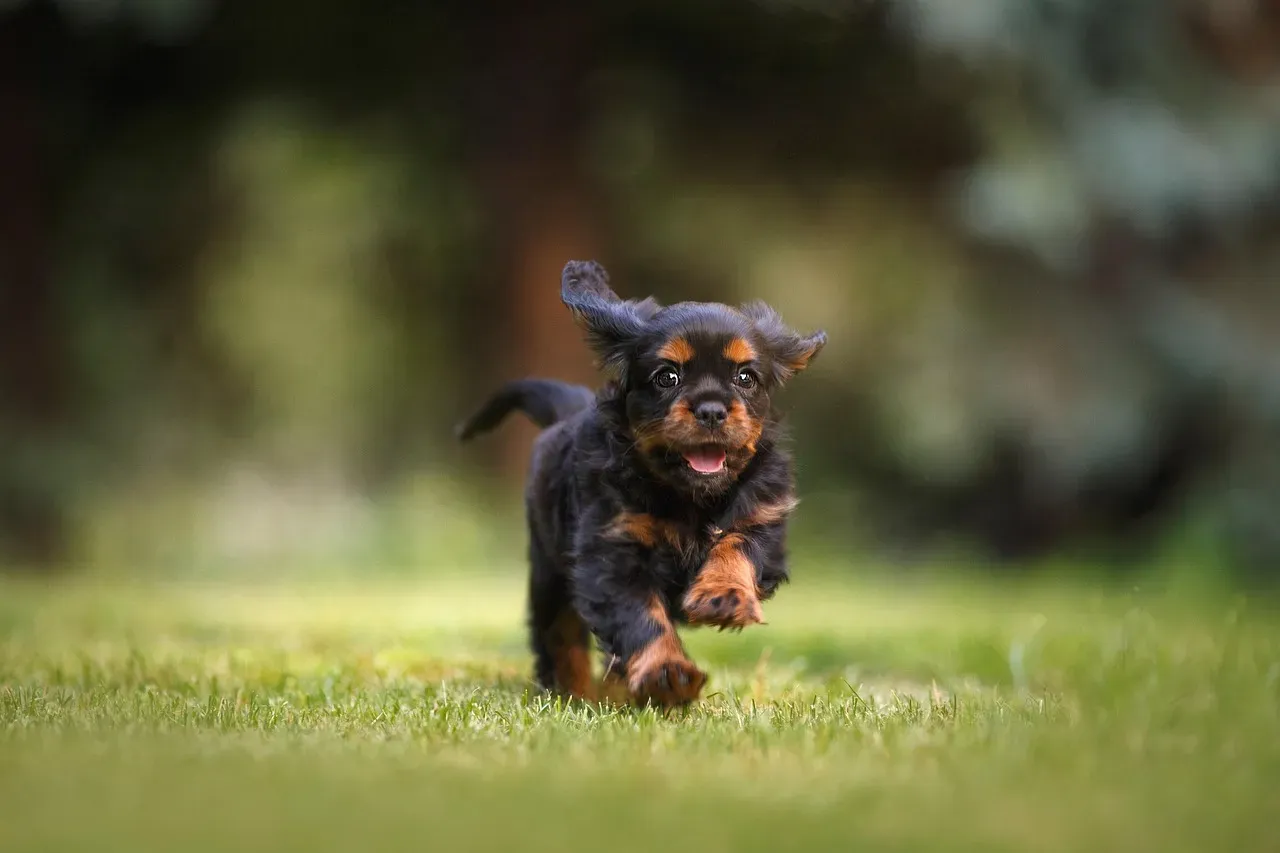
What the play bow really reveals is that dogs are constantly working to protect their relationships. By bowing after a rough move, a dog is not just inviting more fun; they are actively repairing any damage that intense play might have caused. That kind of emotional repair suggests dogs care about how the other dog feels and want to keep the connection positive.
When you see two dogs wrestling hard and then pausing to bow, shake off, or take a quick break before diving back in, you are watching trust being rebuilt in real time. It is a quiet reminder that dogs are not simple or mechanical; they manage social tension, test limits, and then repair any tiny fractures in their bond. To me, that makes a rowdy play session look a lot less like chaos and a lot more like a carefully regulated friendship.
Why Understanding the Play Bow Should Change How We See Dogs
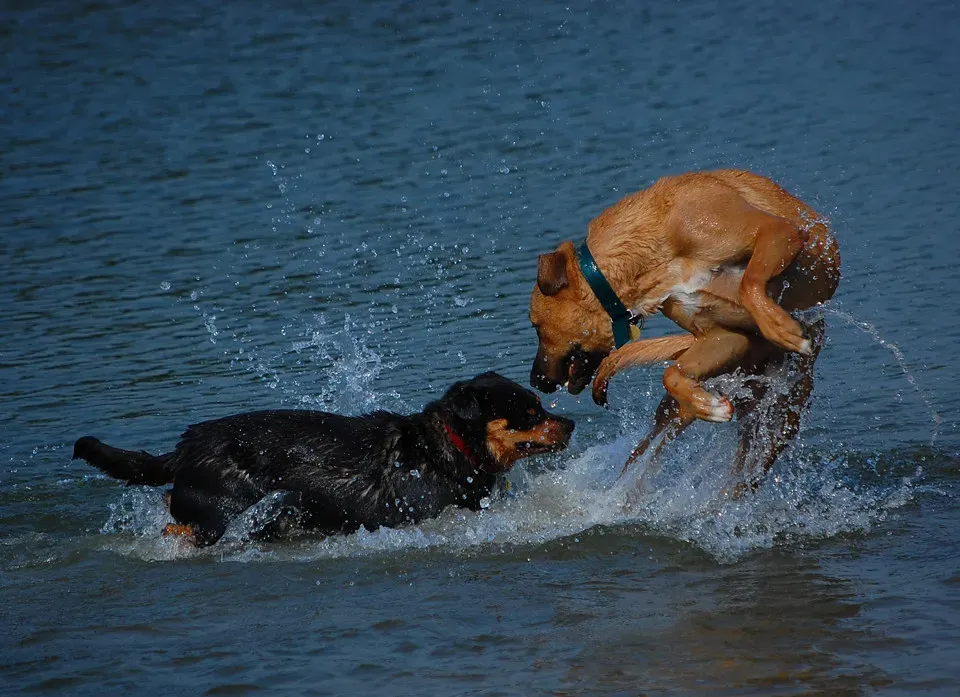
Knowing that the play bow acts as both an invitation and a reset signal should push us to give dogs more credit. They are not just randomly bouncing around the yard. They are using a shared language that evolved to keep social groups stable, even when excitement is high. That language includes checks and balances, and the play bow is one of its most powerful tools.
My opinion is that once you really grasp this, it becomes harder to see dogs as pets who just “mess around” and easier to see them as social thinkers constantly negotiating peace. The next time you watch your dog bow after a hard tumble with a playmate, you are seeing them say, in their own way, that the friendship matters more than the rough moment. And that, honestly, is a more moving display of emotional intelligence than many people give them credit for. How differently will you look at that goofy bow from now on?


