
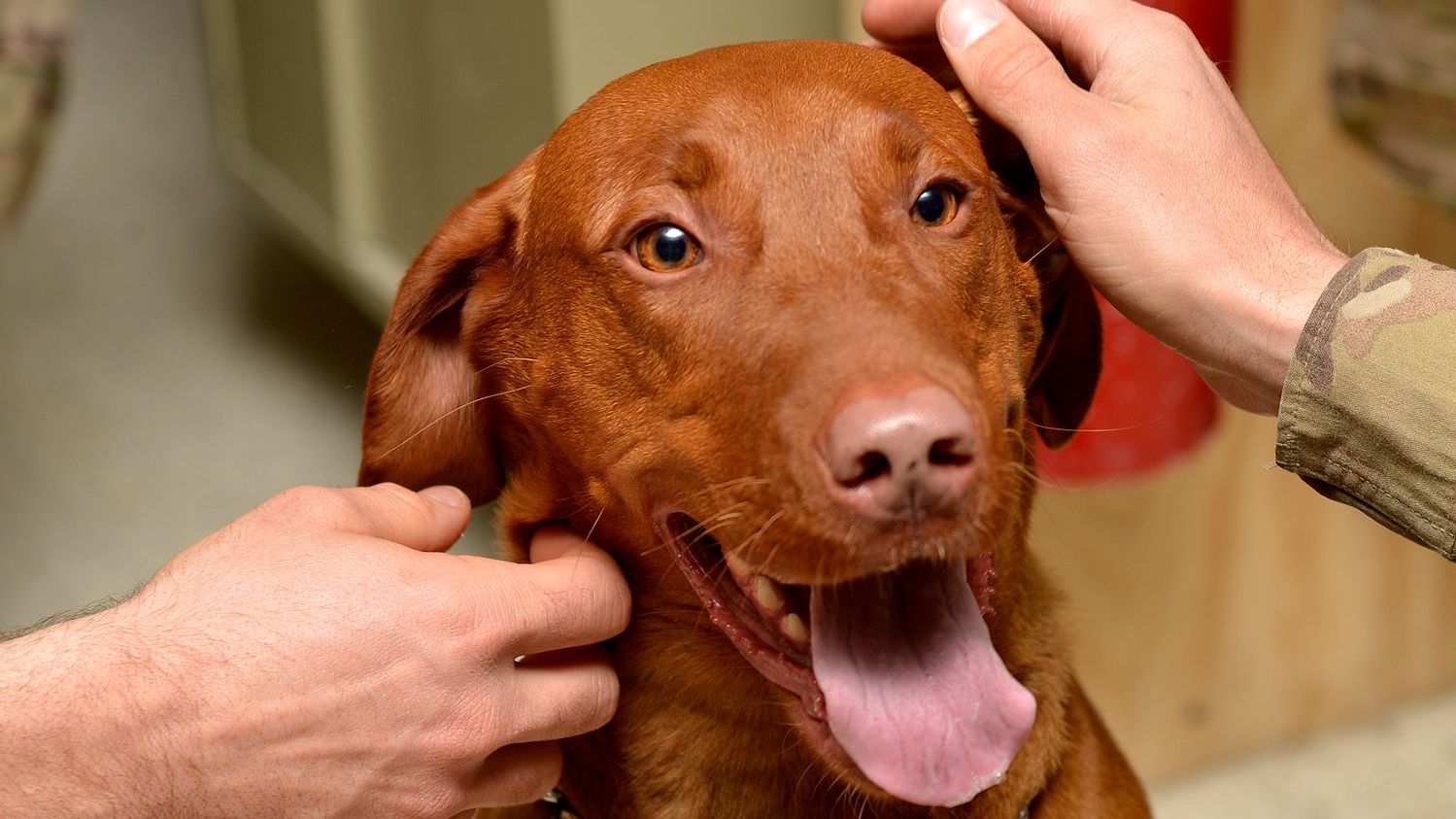
Senior dogs don’t decline loudly. Their changes are gradual, wrapped in habits so familiar they barely register as unusual until they cross a line that can’t be uncrossed. That’s what makes these ten moments so important to understand, not with dread, but with the kind of clear-eyed love that lets you show up fully when your dog needs it most.
#1 The Day Their Food Bowl Stays Full
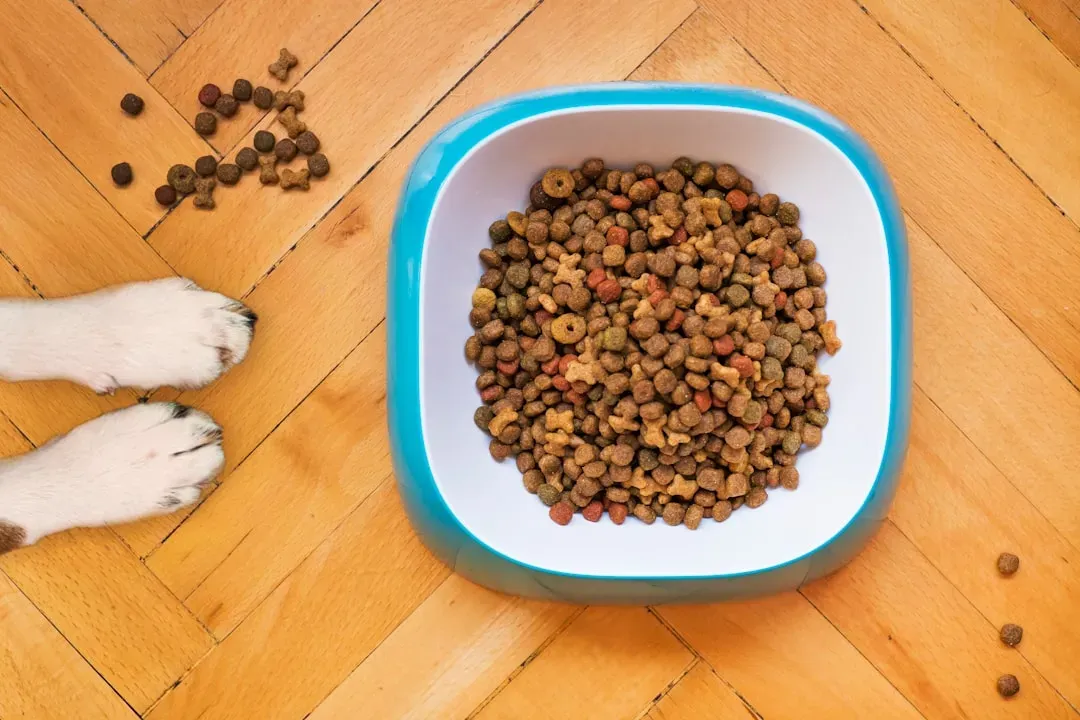
A drop in appetite is one of the first signals something has shifted, and senior dogs often pick at their meals or simply seem less enthusiastic around mealtimes. Most owners chalk this up to pickiness or a warm day, when in reality it’s often the body communicating a deeper problem.
Some of the underlying reasons include dental problems, weakening teeth, or other serious health issues, including liver disease. The tragedy is that an ignored food bowl is one of the most visible warning signs available, yet it’s consistently underestimated until appetite loss becomes unmistakable weight loss.
#2 When They Stop Meeting You at the Door
As a dog’s health declines, it may no longer show interest in its favorite activities, and may not rouse to play with toys, play with pet siblings, or bark at small animals or passing cars. For many owners, the moment their dog stops rushing to the front door is the moment something quietly breaks inside them, even if they can’t name why at the time.
Senior dogs may become more irritable or withdrawn, showing less interest in activities they once loved, such as playing fetch or going for walks. These changes can be subtle at first but tend to become more pronounced over time. What makes this moment so heartbreaking is that it often gets misread as the dog simply having a tired day, when it may be the beginning of a longer farewell.
#3 The Silent Stare That Says Everything
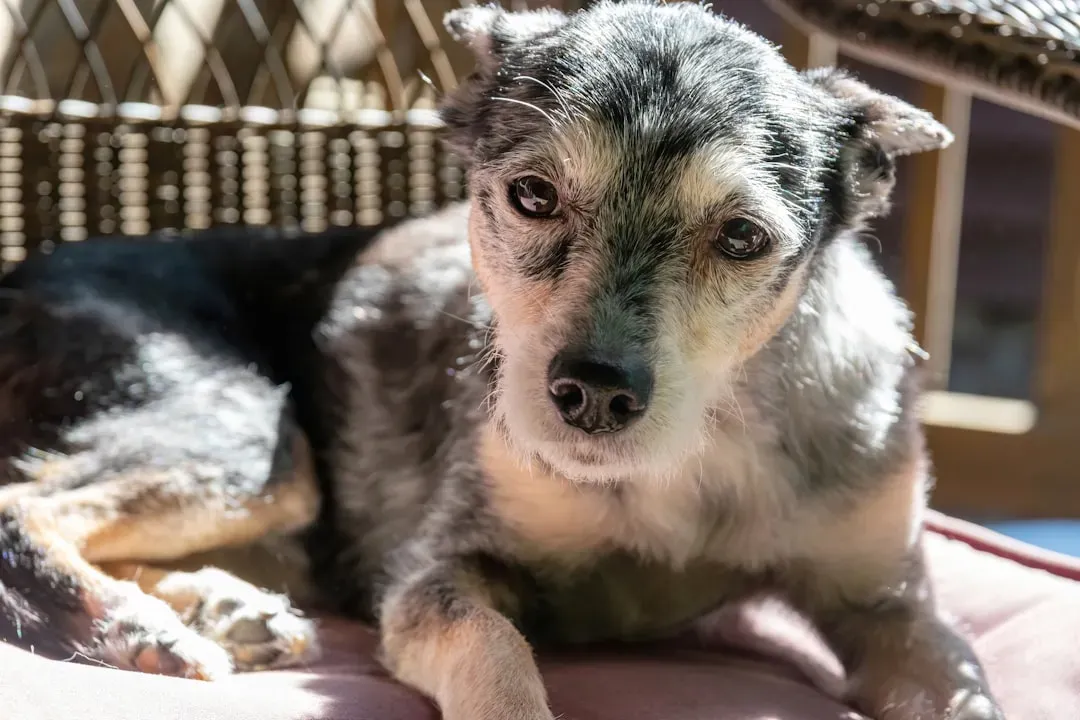
During an elderly dog’s final moments, a profound and unique form of emotional communication becomes particularly evident: silent staring. They sit quietly, their gaze no longer filled with the lively curiosity of youth, but with deep affection. Owners who have witnessed this often describe it only in retrospect, usually through tears.
This kind of sustained eye contact from a dog who was never particularly gazing-prone is something vets and behaviorists notice as a pattern near the end of life. One dog owner shared a video of his Yorkshire terrier on the day before she died, and only after the fact did he understand: “I didn’t realize she was saying goodbye in these moments to her three eldest.” The look is real. It just takes living through it once to truly recognize it.
#4 Unexplained Weight Loss and Muscle Wasting

Shedding pounds or having a noticeable change in body shape can become apparent as a dog’s health deteriorates, appearing as increased prominence of hips or ribs, or loss of muscle mass, particularly in senior dogs. Owners often confuse this with natural aging, delaying the conversation that could make all the difference.
More dramatic muscle loss is commonly related to a process known as cachexia, where an underlying medical condition causes muscle wasting, and a dog may lose muscle mass in a surprisingly short amount of time. It’s important for dog owners to work with their vet right away when dramatic muscle loss occurs to hopefully get to the bottom of the problem and provide the right treatment.
#5 Nights That Become Restless and Strange

Older dogs vulnerable to cognitive decline might wake up more often at night or experience less quality sleep overall. You might find them vocalizing more often at night or pacing around restlessly. Most owners assume their dog simply had a bad night, the way any of us might. They rarely think to flag it as the first domino in a longer chain of decline.
Canine Cognitive Dysfunction is often referred to as “Sundowners Syndrome” in the early stages, as owners start to notice behavioral changes as the evening approaches. These nighttime disturbances, so easy to dismiss in the exhaustion of the moment, are frequently one of the clearest early indicators that something neurological is underway.
#6 Getting Lost in Their Own Home

Dogs with cognitive signs may get stuck in corners and not intuitively know how to back out or go around things. They may not recognize familiar people or animals. Often, they seem lost. For an owner watching their 12-year companion stand confused in a hallway they’ve walked down ten thousand times, this moment is genuinely gutting.
Around 14% of dogs over the age of 8 are affected by Canine Cognitive Dysfunction Syndrome, but less than 2% are actually diagnosed, because the signs can be subtle and easily dismissed as normal aging. That gap between prevalence and diagnosis is where countless dogs and owners lose precious time that earlier intervention could have restored.
#7 When Walks Become a Slow, Painful Negotiation
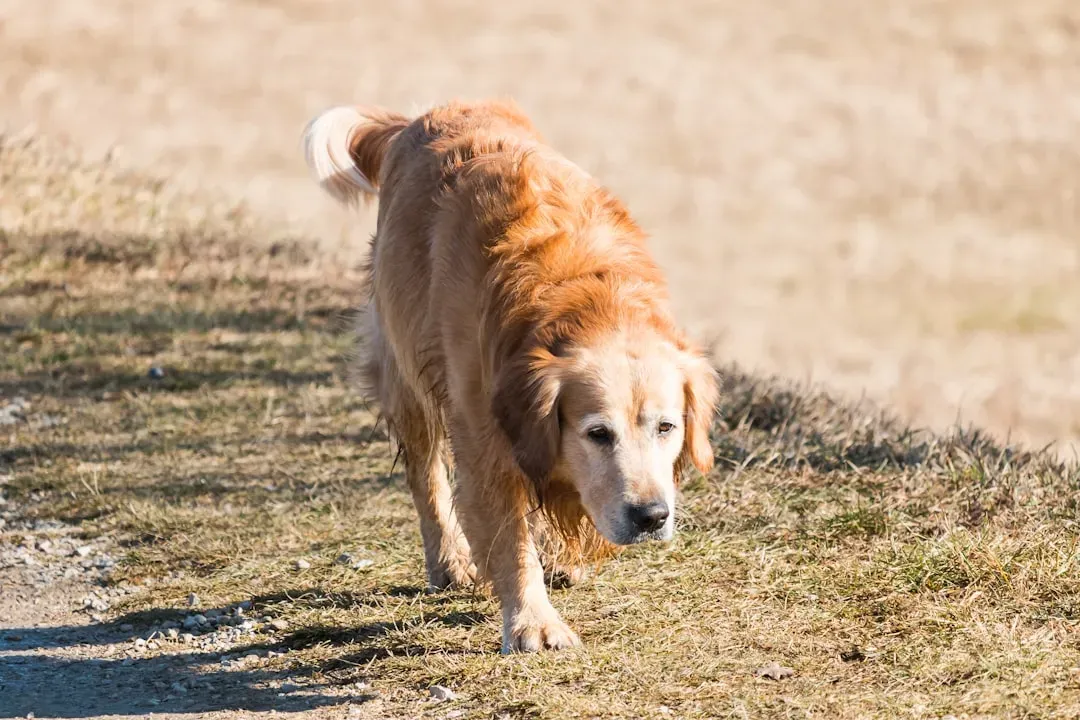
Stiffness in the morning, reluctance to play, or difficulty climbing stairs are classic signs of joint discomfort in senior dogs. The walk that once took 30 minutes now takes twice as long, and your dog stops at the corner not because they’re curious, but because something quietly hurts.
Decreased mobility and coordination often worsen with age and can be exacerbated as a dog grows weaker. They may struggle to keep up with daily routines, or they may be unable to get up to participate in their usual activities. Owners tend to adapt to this gradual slowing, accommodating it so fluidly that they don’t realize how far things have shifted until they look back at videos from a year ago.
#8 The Retreat Into Solitude
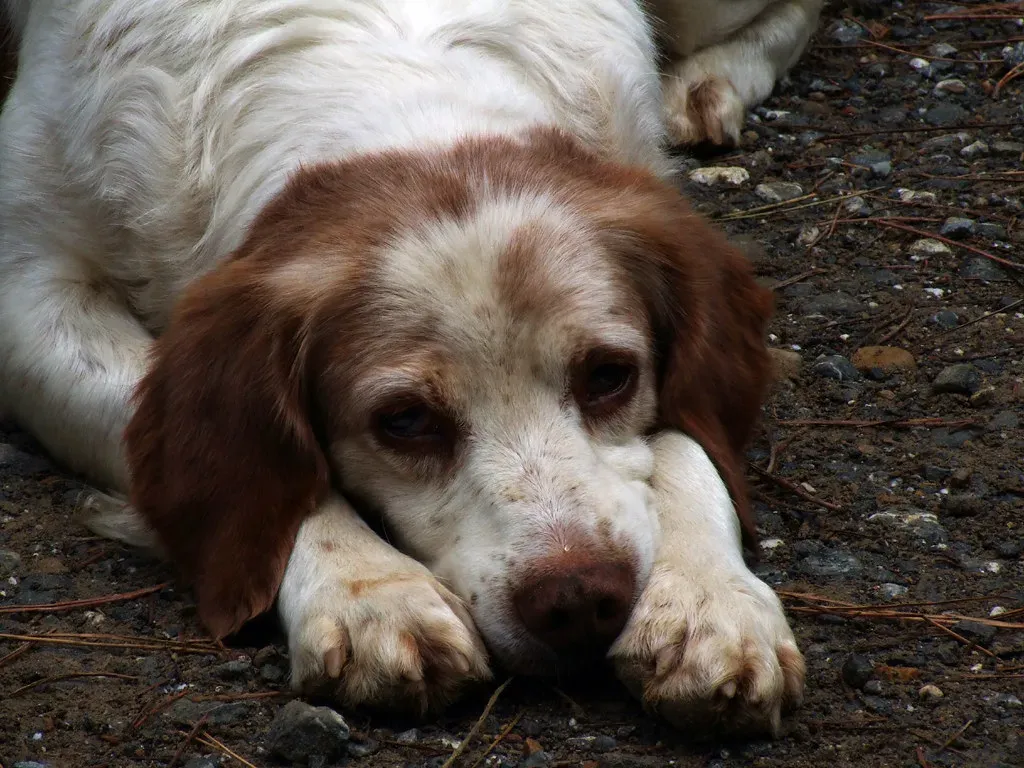
Near the end of life, sometimes dogs want nothing to do with their owners. If a dog is seeking out quiet places of solitude or isolation, it could be a sign they are near the end of their time. It feels like rejection, but it isn’t. It’s an ancient, instinctual act of self-protection and quiet dignity.
Going somewhere secluded is commonplace near the end of a dog’s life, tracing back to canine ancestors, as in the wild, animals would often find a safe place when they were injured, ill, or dying out of a need to feel safe and avoid predators. Understanding this doesn’t make it easier to watch, but it does reframe it. A dog seeking solitude isn’t withdrawing from you. They’re doing the only thing their instincts know how to do.
#9 Incontinence After a Lifetime of Good Habits
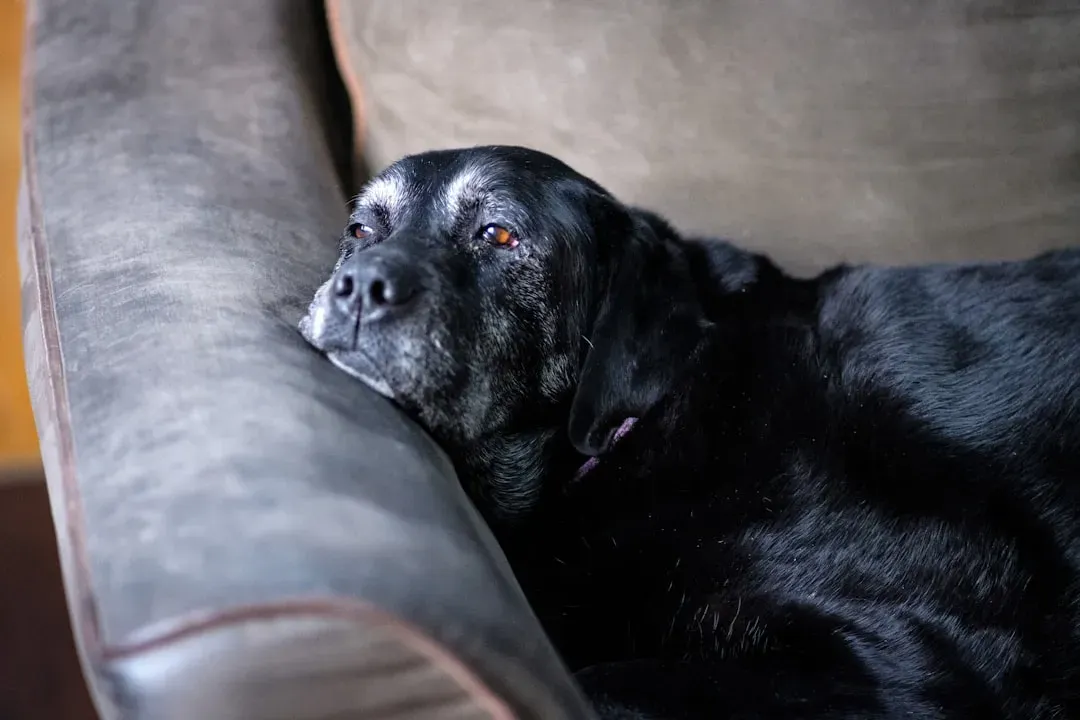
Any change in behavior that lasts longer than two weeks deserves attention, including incontinence, which is quite common in senior dogs and tends to be more prevalent in females. Loss of bladder control may be due to deterioration of the muscles holding the bladder closed, cognitive decline leading them to forget their house training, or medical conditions such as UTIs. Owners who scold or feel frustrated by this miss a crucial signal.
Incontinence, or the inability to control urination or defecation, is common in elderly dogs and can be distressing for both the dog and the owner. The distress runs deeper than convenience. Dogs who have been house-trained for years feel the confusion of losing that control, and the shame some of them visibly display in these moments is one of the quieter heartbreaks of senior dog ownership.
#10 The Last Good Day You Didn’t Know Was the Last
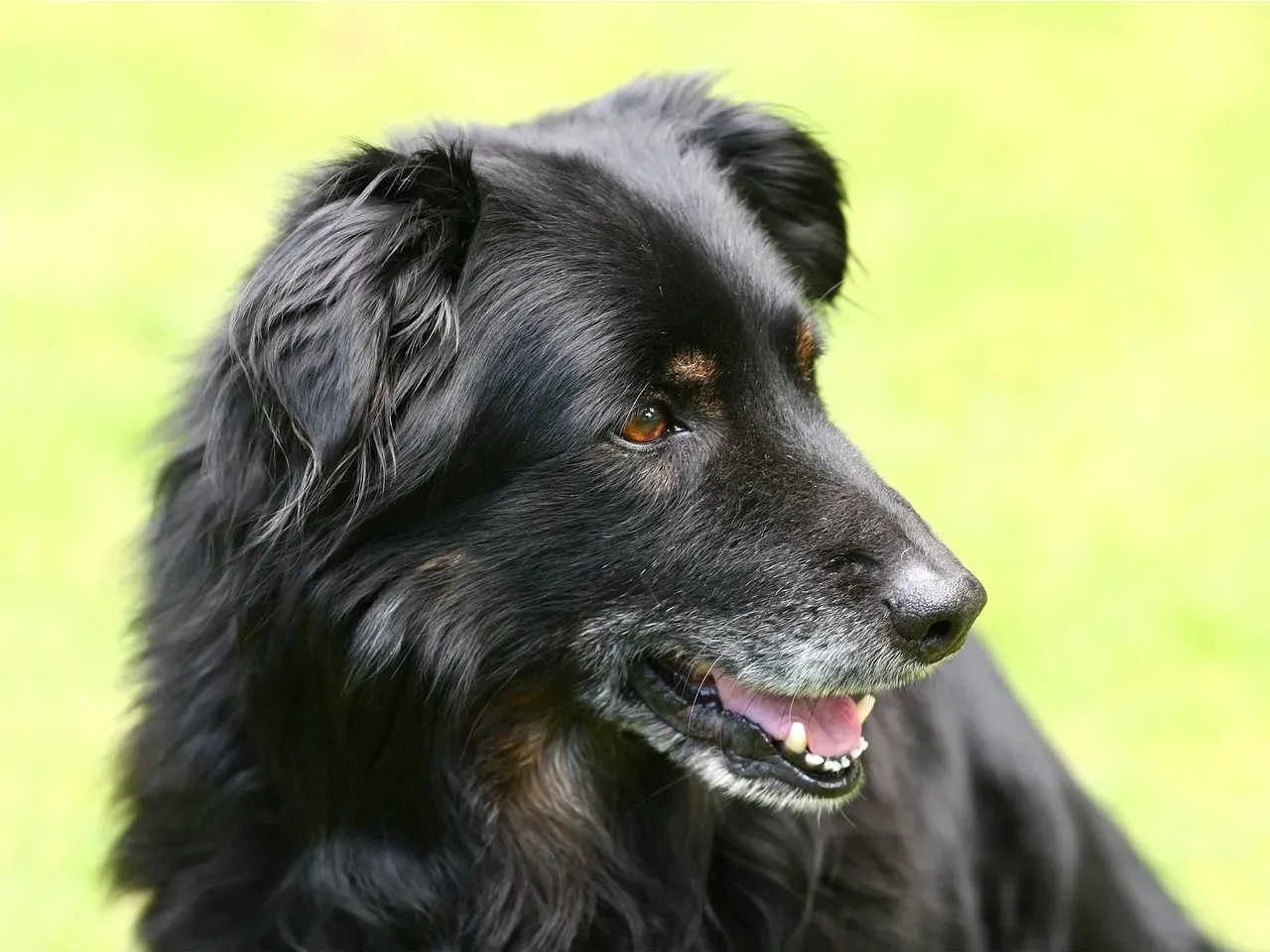
A “good day” for a senior dog may not resemble one from the past. For a senior canine, the ability to rise from rest, consume a nutritious meal, and welcome you at the door could all add up to something meaningful. These ordinary moments, a slow wag, a quiet sigh of contentment, the head resting in your lap, are often the ones owners replay most when they’re gone.
Throughout twelve wonderful years with her family dog, one owner took countless photos and videos, but one of the final videos she captured was just 55 minutes before he died, and now she can’t help but think that was the moment she knew it was time. That last good day arrives without a label. It doesn’t announce itself. It just quietly passes, and later you understand exactly what it was.
Final Thoughts: Paying Attention Is Its Own Form of Love
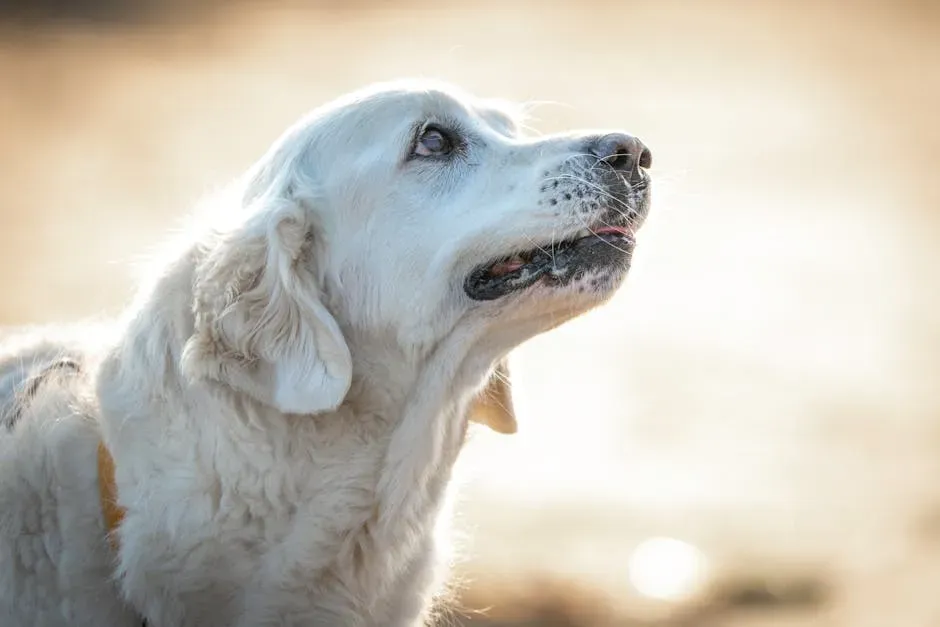
Here’s what no one tells you about owning a senior dog: the hardest part isn’t the loss itself. It’s the realization, sharp and sudden, that your dog was communicating with you long before you had the language to hear it. Every quiet moment by the door, every slow walk, every bowl left untouched was a sentence in a conversation you were having together.
Aging brings new health needs, and while many conditions can be managed, early recognition is key. Subtle shifts in behavior, appetite, or mobility are often the first signs of underlying disease. That fact carries both a warning and a comfort. You can learn this language. You can get faster at reading it.
In my opinion, the greatest gift we can give a senior dog isn’t just the medication, the orthopedic bed, or the twice-yearly vet visit, though all of those matter. It’s the willingness to look, really look, at what’s happening in front of us, even when what we see is hard. Dogs depend on us to see what they cannot, even in the most subtle signs. The love was never in question. It’s the awareness we owe them.


