
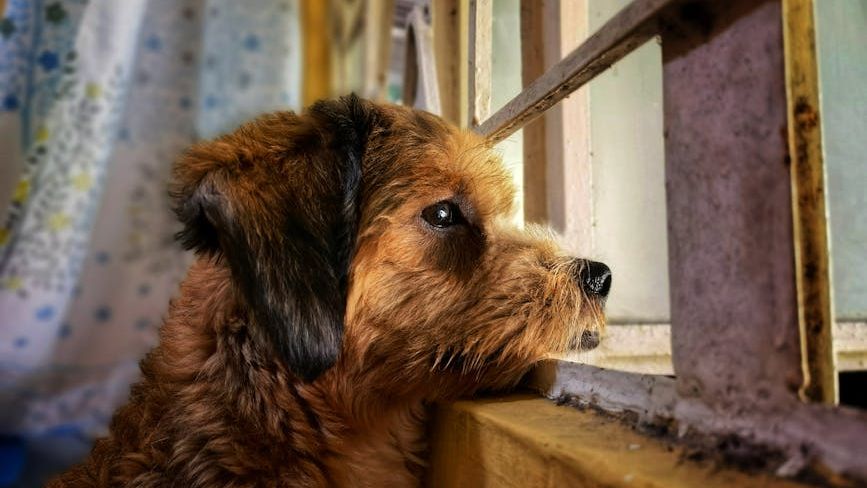
There’s something quietly devastating about watching a dog flinch when you pick up your keys. Most people assume that once a dog finds a loving home, the past just fades. The truth is far more complicated than that. Dogs carry emotional memory in ways science is still working to fully understand, and for a dog who has already lost everything once, the fear of it happening again can reshape their entire behavior.
Whether you adopted your dog from a shelter, rescued them off the street, or rehomed them from a difficult situation, there’s a real possibility that somewhere beneath those wagging tails and wet-nosed greetings, your dog is quietly terrified. Not of you, but of losing you.
These are the ten signs that your dog isn’t just being “dramatic” or “needy.” These behaviors are rooted in genuine fear, and recognizing them is the first step toward helping your dog finally feel safe.
#1: They Panic the Moment You Pick Up Your Keys or Coat
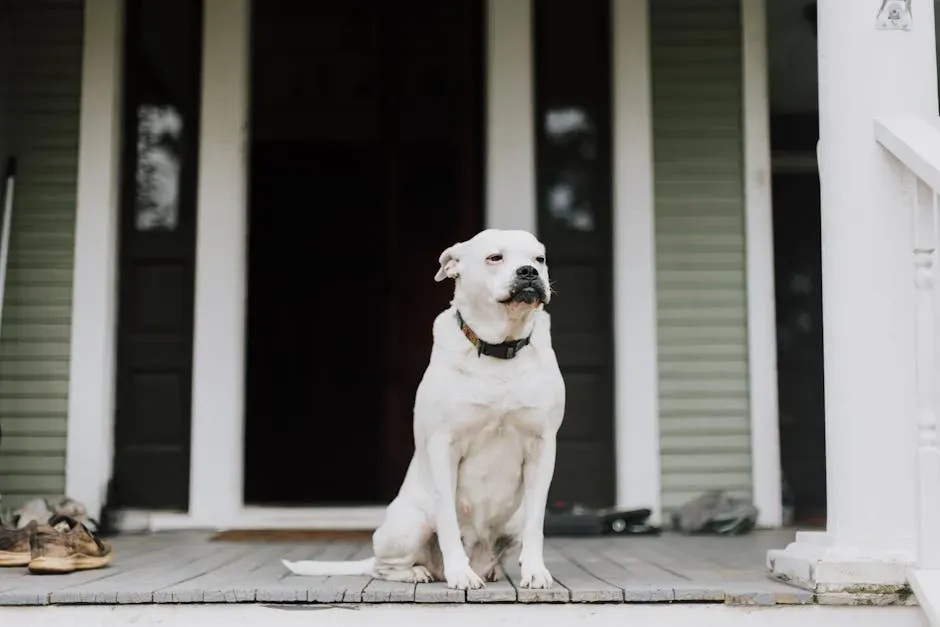
What many owners miss is that the anxiety often starts well before they’ve even left the house. Triggers like the sound of keys jingling or grabbing a coat or scarf can alert a dog that you’re leaving, which means they’re already well into full panic mode by the time you’re out the door. It’s not random. Your dog has mentally mapped every little pre-departure ritual you have.
Some dogs suffering from separation anxiety become visibly agitated when their guardians prepare to leave, while others seem anxious or depressed even before their guardian has taken a single step toward the exit. For a dog who has been abandoned before, these household objects aren’t just things. They’re warnings. And their reaction to them tells you everything about what’s happening inside.
#2: They Follow You From Room to Room Without Rest
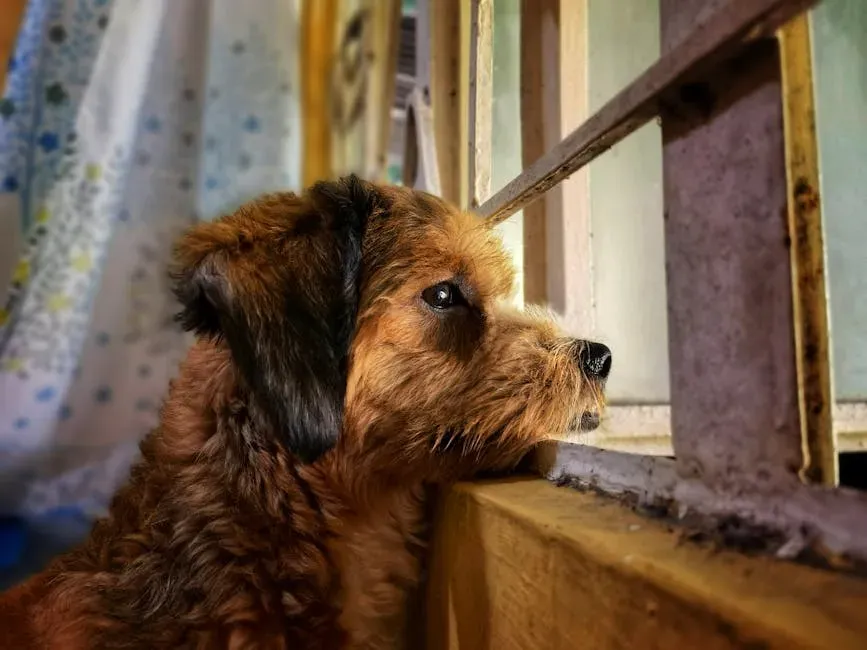
Dogs with separation anxiety are typically overly attached or dependent on their family members. They become extremely anxious and show distress behaviors when separated from their owners, and most of these dogs try to remain close to their owners, following them from room to room and rarely spending time outdoors alone. It might look like devotion. Really, it’s closer to monitoring.
At its core, separation anxiety is about feeling trapped or abandoned. This is why a dog may follow you from room to room at home, or tend to stay close and keep an eye on you when off-leash outdoors. A dog who has lost their home before isn’t just being affectionate. They’re watching for the moment things change, because last time, it changed without warning.
#3: They Bark, Howl, or Cry Long After You’ve Left
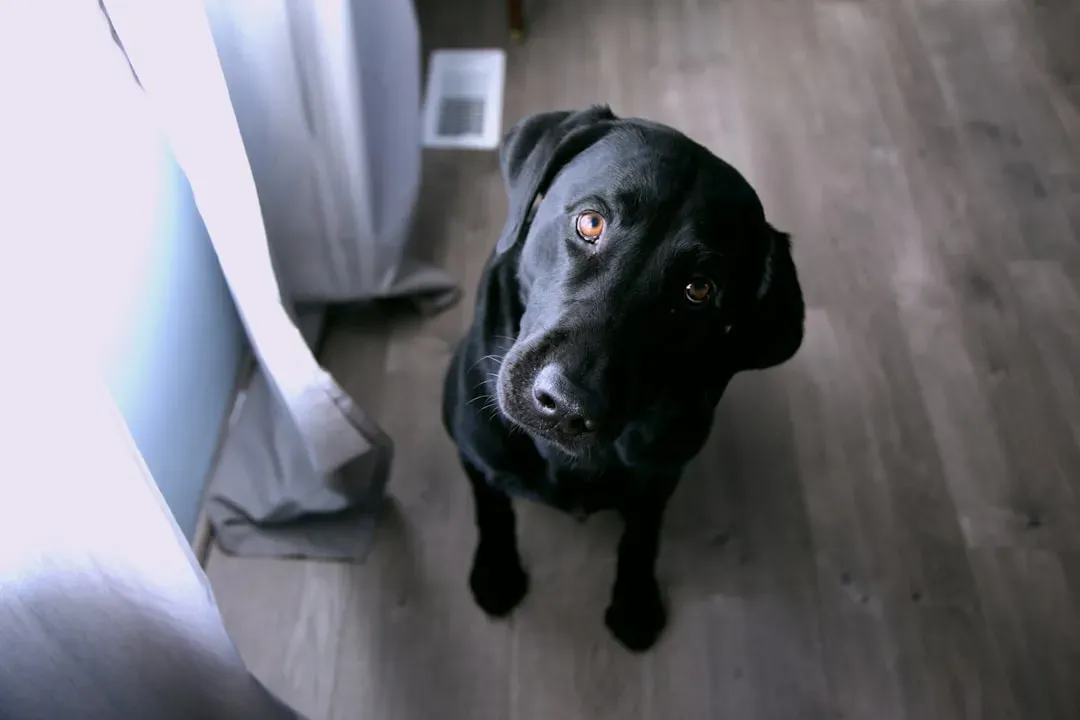
A dog who has separation anxiety might bark or howl when left alone or when separated from their guardian. This kind of barking or howling is persistent and doesn’t seem to be triggered by anything except being left alone. Neighbors noticing it before you do is actually quite common, because you’re already gone when it starts.
In most cases, separation anxiety symptoms begin within 30 minutes of being alone and can include vocalization such as howling and barking, sometimes for hours. That sustained, desperate sound isn’t disobedience. It’s a dog calling out into the silence, hoping someone who loves them will answer. For a previously abandoned dog, silence has historically meant the worst.
#4: They Destroy Things Near Doors and Windows
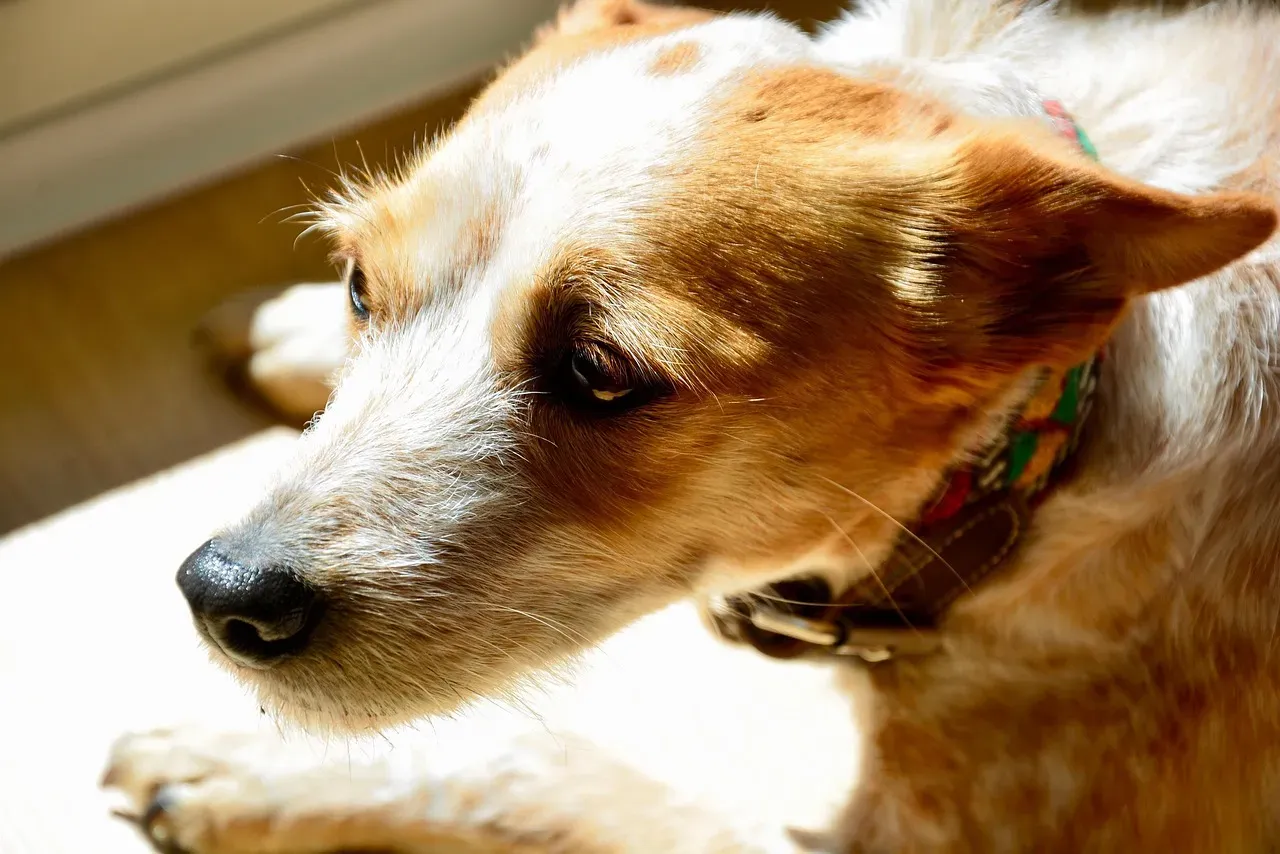
Escape attempts by dogs with separation anxiety are often extreme and can result in self-injury and household destruction, especially around exit points like windows and doors. Shredded curtains, scratched door frames, chewed windowsills. These are not signs of a “bad” dog. They’re signs of a dog trying desperately to get to you before it’s too late.
When in distress, dogs can turn their anxiety into destructive behavior, including chewing on objects or destroying household items when left alone. This is a concern for pet owners since these behaviors are not only problematic but could also lead to injury. The destruction is almost always concentrated near exits, which makes perfect sense when you understand that the dog is trying to follow you, not act out.
#5: They Refuse to Eat While You’re Gone
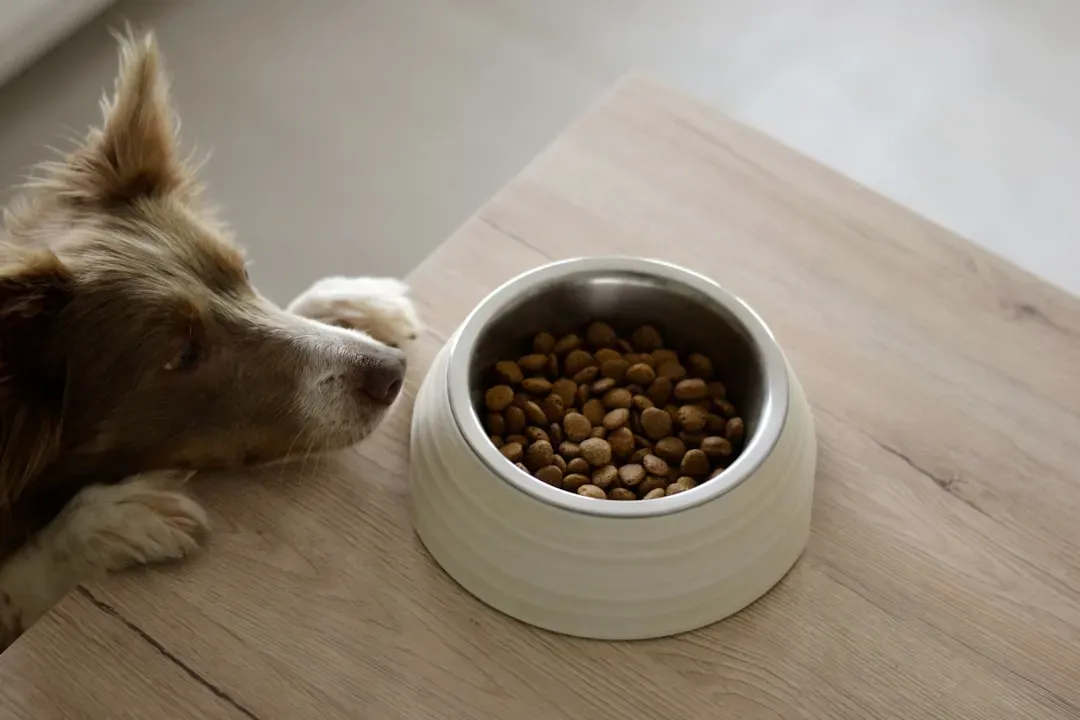
During departures or separations, in addition to vocalization, destruction, and elimination, some dogs may be restless, shake, shiver, salivate, or refuse to eat. You might put out food before you leave and come home to find it completely untouched, even in a dog that normally hoovers their bowl clean within seconds. That’s telling.
Food is comfort, routine, and safety. When a dog is in a full state of emotional distress, those basic functions shut down. If your dog doesn’t use a food toy or treat when you’re away, this may be a sign that your dog is genuinely worried when you’re out. A dog who won’t eat while alone is a dog whose anxiety has completely overridden their most primal instincts. That’s not a small thing.
#6: They Tremble, Pace, or Pant Without Any Physical Cause
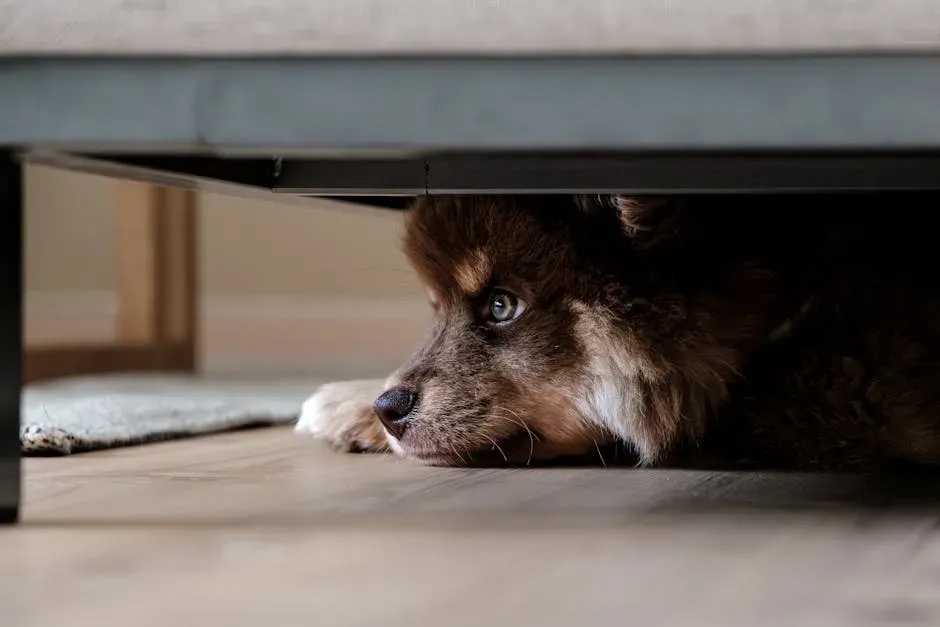
Pet owners may observe excessive panting and pacing, and in full panic states, dogs may show signs including panting, active escape behavior, and increased potentially injurious motor activity. If you’ve ever come home to find your dog drenched in stress sweat or pacing frantic circles, you’ve witnessed just how physical emotional distress actually gets.
Anxiety is the anticipation of unknown or imagined future dangers, and it results in physiological bodily reactions normally associated with fear. For a dog who learned that being left once meant being left forever, every single departure triggers that same primal alarm. The body doesn’t know the difference between a short grocery run and a permanent goodbye.
#7: They Have Accidents Indoors Despite Being House Trained
If your dog is fully house trained and they urinate or defecate when left alone or when separated from you, it’s probably because of separation anxiety. This is one of the most misread signals there is. Many owners get frustrated, assuming their dog is being spiteful or regressing in training. Neither is true.
When a dog’s accidents are accompanied by other distress behaviors, such as drooling and showing anxiety when their pet parent prepares to leave, it isn’t evidence that the dog is poorly house trained or misbehaving. Instead, these are clear indications that the dog has separation anxiety. The body, under genuine panic, loses control. It happens to humans too, in extreme fear. Your dog isn’t doing it to you. They’re doing it because of what’s happening inside them.
#8: They Become Almost Hysterical When You Return Home
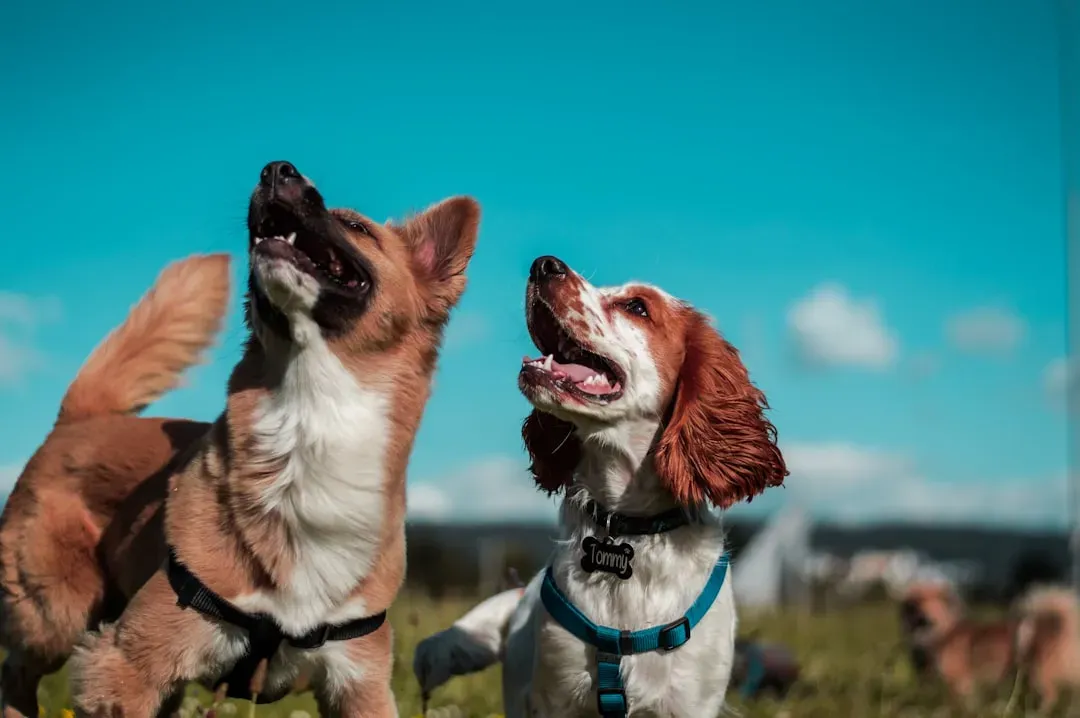
Dogs with separation anxiety are also often quite excited and aroused when the owner returns. That greeting that nearly knocks you off your feet, the spinning, the yelping, the frantic leaping. It’s sweet, but it’s also a signal. A calm dog who felt fine while you were gone greets you happily. A traumatized dog who wasn’t sure you were coming back greets you like it’s a miracle.
Dogs are similar to humans in the way they attribute present experiences to the past. In your dog’s mind, if it happened once, it can happen again. While you know that you wouldn’t abandon your dog, it’s very difficult to communicate that to them when they’re more afraid of you leaving than anything else. That over-the-top homecoming isn’t just excitement. It’s relief. Deep, desperate, this-might-be-the-last-time relief.
#9: They Shut Down, Withdraw, or Go Completely Silent

Mild fears in dogs can manifest as trembling, tail-tucking, hiding, reduced activity, and passive escape behaviors. Not every abandoned dog reacts with noise and destruction. Some go completely the other way. They find a corner, they curl up, they go still. From the outside it can look like calm. It’s rarely that.
Your dog could be suffering silently, for example, standing there and panting for hours without your knowledge. This is the sign that gets missed most often because it doesn’t inconvenience anyone. There’s no destruction, no noise, no complaint from the neighbors. Just a dog holding itself together as best it can, waiting for the only person who makes the world feel safe to walk back through that door.
#10: They’re Stuck in a Pattern of Hyper-Attachment to One Person
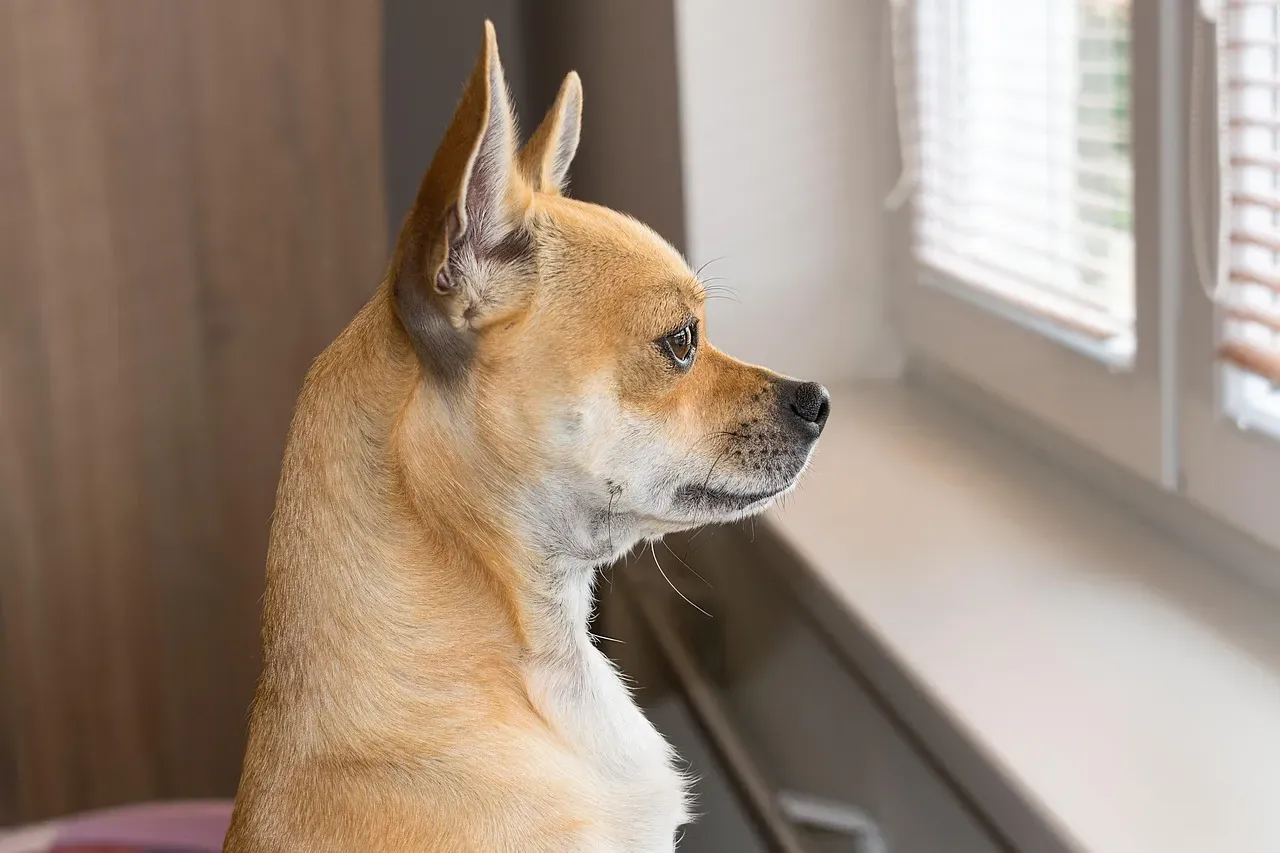
The most common form of separation anxiety is where a dog has formed a hyper-attachment to a single individual. If that person isn’t present, the dog goes into panic mode. It doesn’t matter if there are other people in the house, another dog, a trusted pet sitter. If their person isn’t there, the world is fundamentally wrong.
At its core, separation anxiety is simply a dog not trusting that you will come back when you leave. This is likely due to past trauma where the dog was abandoned by its original owner, as is often the case with rescue dogs. Far more dogs who have been adopted from shelters have this behavior problem than those kept by a single family since puppyhood, suggesting that loss of an important person in a dog’s life is a key driver of separation anxiety. That hyper-bond isn’t clinginess. It’s a dog who found their person and is holding on with everything they have.
What You Can Actually Do About It
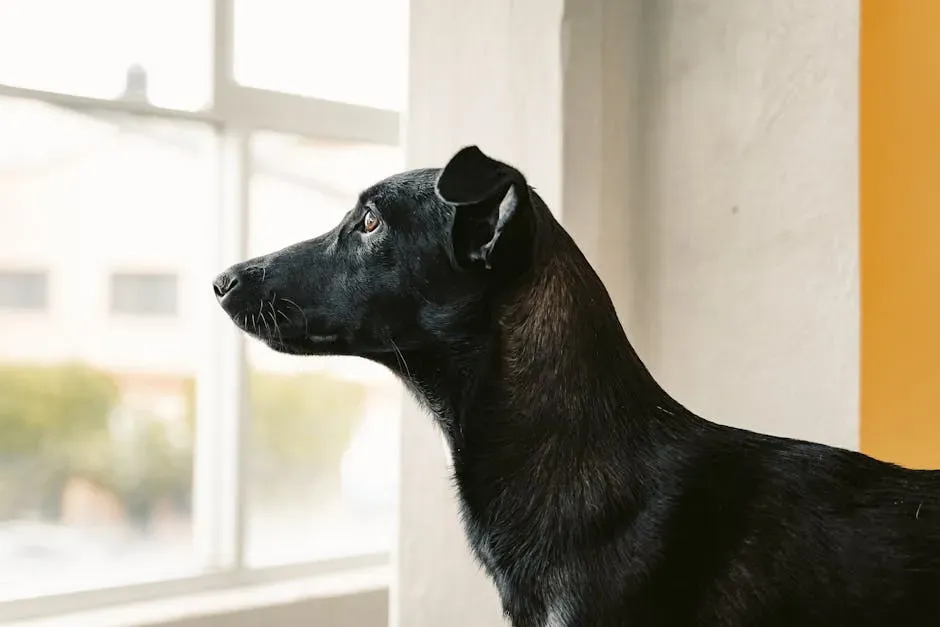
When treating a dog with separation anxiety, the goal is to resolve the underlying anxiety by teaching them to enjoy, or at least tolerate, being left alone. This is accomplished by setting things up so that the dog experiences being alone without experiencing fear or anxiety. That takes time, and it takes patience, but it genuinely works for most dogs.
The best way to address separation anxiety is gradual desensitization. Start by leaving your dog alone for short periods and gradually increase the time, helping your dog build confidence and trust in your return. Small wins build real change. For adult dogs, especially rescues who may have experienced abandonment or multiple transitions, separation anxiety can be more deeply ingrained, but that doesn’t mean it’s hopeless. With expert guidance, many adult dogs make significant progress and regain their confidence when alone.
A Final Thought Worth Sitting With

There’s a version of this story where you don’t recognize the signs, where you mistake fear for bad behavior, and where a dog loses yet another home. That’s genuinely heartbreaking, and it happens far too often. When a dog is surrendered to a shelter and the bond with their human is broken, many dogs can have a very hard time recovering.
The signs listed here aren’t personality flaws. They’re survival behaviors from a dog who has already been left behind once and is doing everything in their power to make sure it doesn’t happen again. Understanding that changes everything.
If your dog shows several of these signs, the most important thing you can offer them isn’t a perfect training protocol. It’s consistency. Showing up, again and again, until they finally start to believe you will. That’s how trust gets rebuilt, one ordinary return home at a time.


