
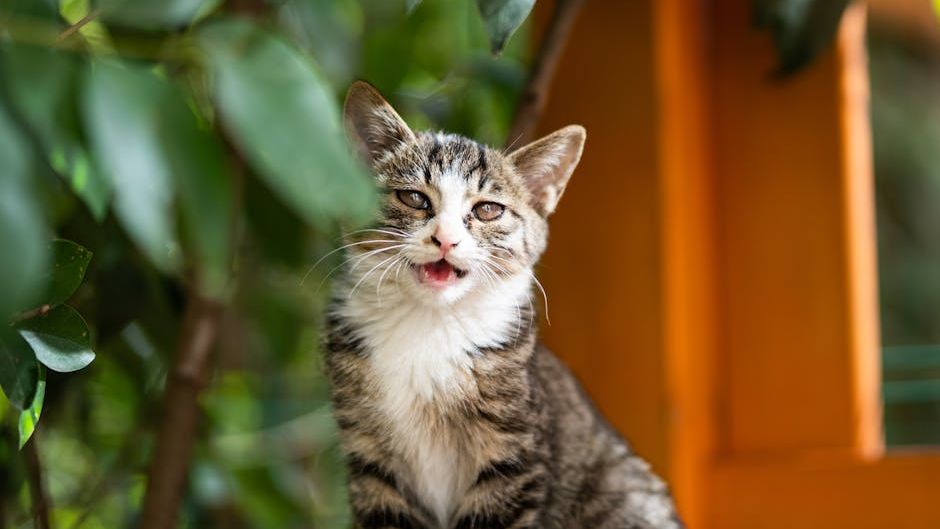
There’s something about a cat that always makes you feel like they know more than they’re letting on. They study you from across the room. They choose when to come close and when to disappear. So it shouldn’t surprise us that when their time comes, cats communicate in ways that are quiet, layered, and deeply meaningful, even if we don’t always recognize it at first.
Not understanding the signs a cat might display in their final life stages can leave pet owners with lingering questions and a sense of regret, potentially hindering the grieving process and the ability to find peace. Most of us aren’t prepared for this. We don’t know what to look for, and we often mistake the signs for something temporary. If your cat has been acting differently lately, this article is for you.
#1: They Start Hiding in Places They Never Did Before
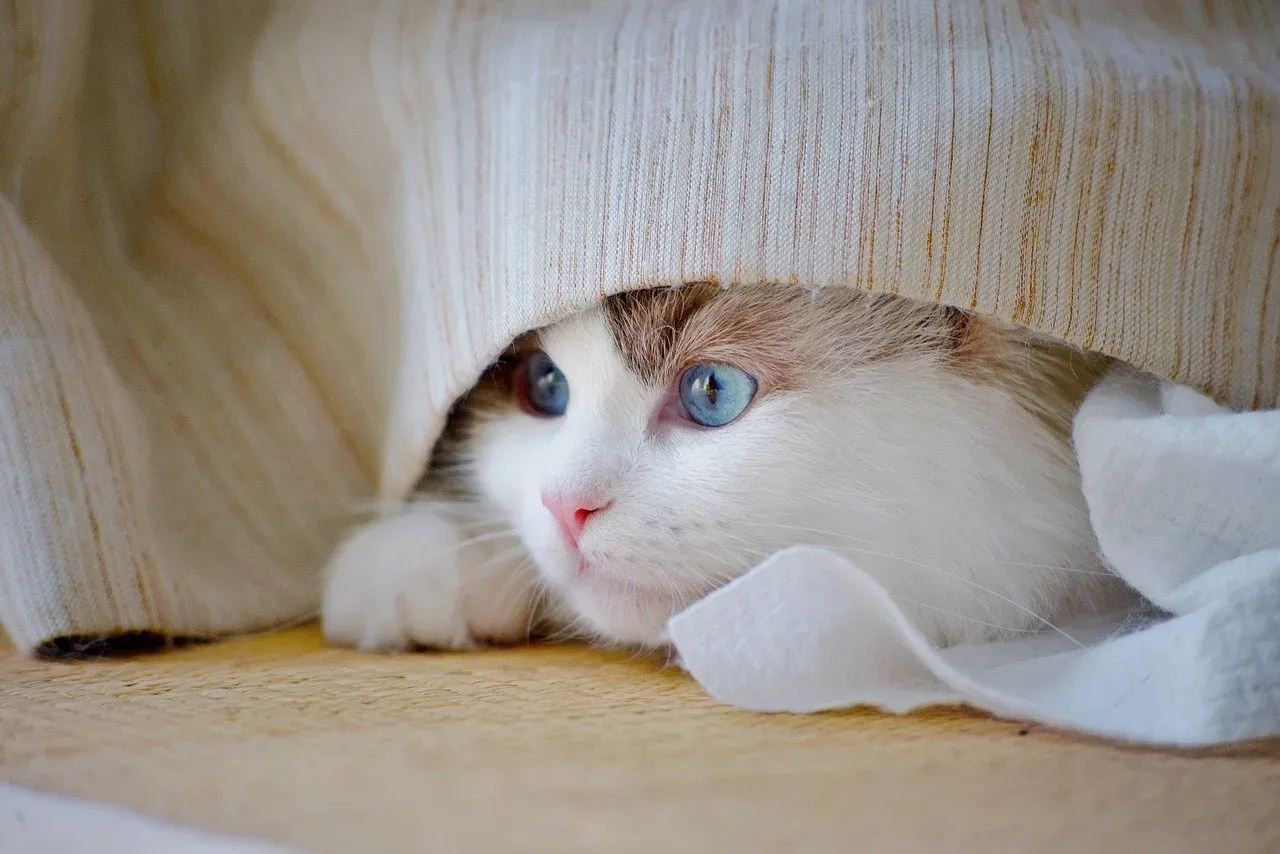
One of the most common signs as a cat approaches the end of life is a noticeable withdrawal from family activities and a strong preference for hiding in quiet, secluded spaces. Your once-social cat may begin spending most of their time under beds, in closets, behind furniture, or in other out-of-the-way locations.
In the wild, a dying cat instinctively understands that they are more vulnerable to predators. Hiding is a way to protect themselves. Domestic cats have adopted a similar instinctive behavior, which helps them feel secure. It’s one of those behaviors that can break your heart once you realize what it means. They’re not rejecting you. They’re doing the only thing their ancient instincts know how to do.
#2: They Seek Unusual Amounts of Closeness and Clinginess
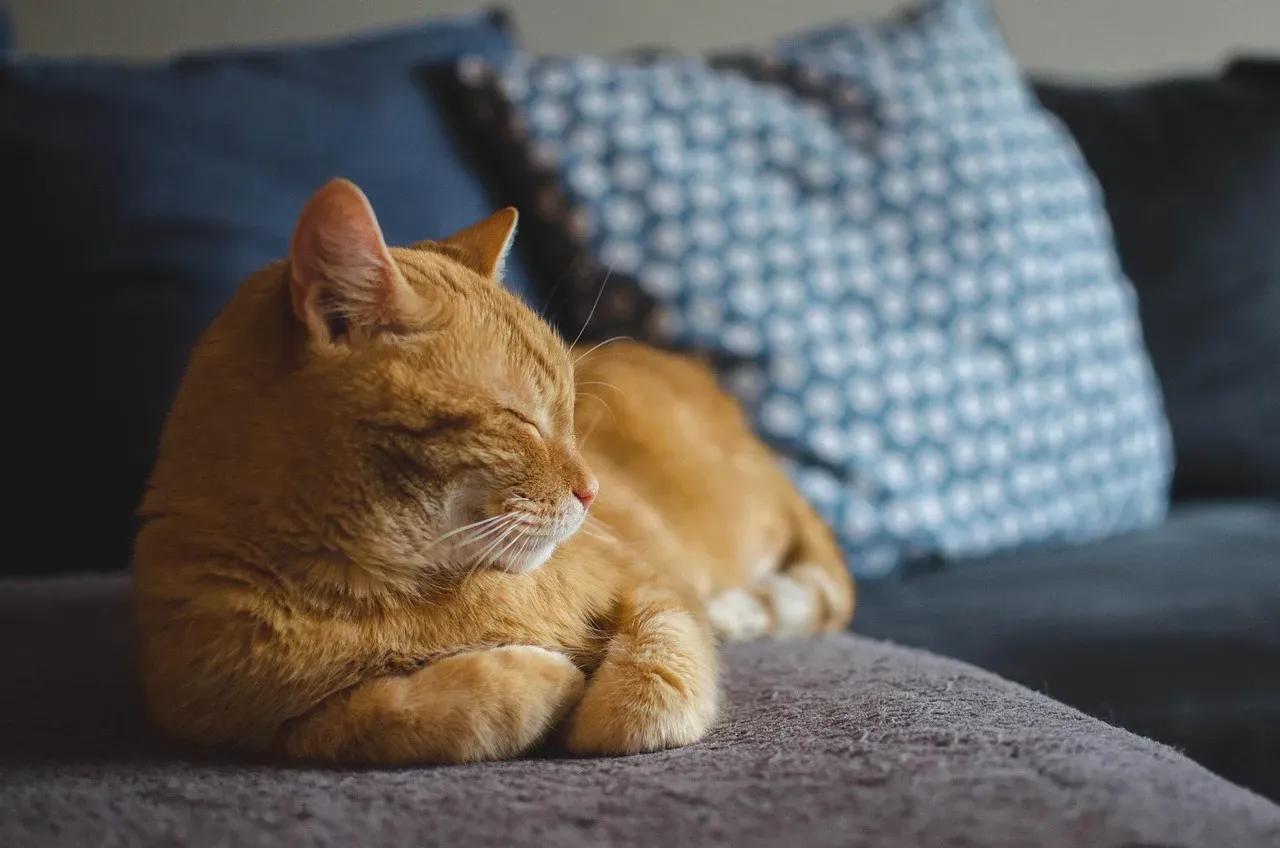
Some cats become more loving near the end, and they may want to stick close and follow you around. For a cat who has always been independent, this sudden shift can feel startling. They might curl up in your lap for the first time in years, or follow you from room to room like a small, devoted shadow.
Dying pets may behave differently around people, often becoming more distant or sometimes more clingy. This pull toward closeness is thought to reflect comfort-seeking. From human medicine and experience reports, we know that hearing can remain intact for a long time. In animals, it is assumed that familiar smells, touch, and voice have a calming effect, so speaking softly to your cat and staying with them if possible, and offering familiar items like a blanket or clothing, can all help.
#3: They Lose Interest in Food and Water
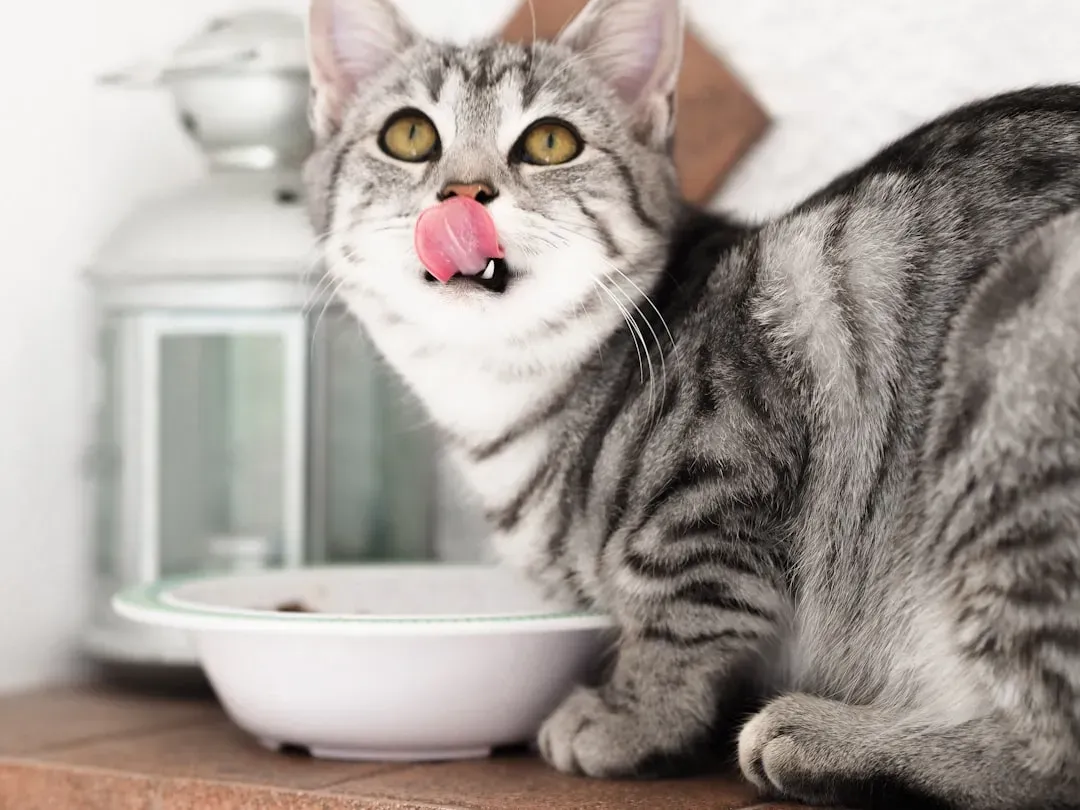
A noticeable disinterest in eating or drinking is often one of the first signs of serious decline. If your cat has stopped eating entirely or is refusing water, it’s a clear sign that something is wrong. This can happen gradually over several days, or it can seem to come on rather suddenly in a cat who was eating normally just a week before.
Pets may lose interest in food or water as vital organ functions begin to shut down. Your cat may be reluctant to approach their food bowl, but continue to take treats, or they may stop eating altogether. It’s an incredibly hard thing to watch. Food has always been one of your primary ways of caring for them, and when they no longer want it, the helplessness sets in fast.
#4: They Stop Grooming Themselves
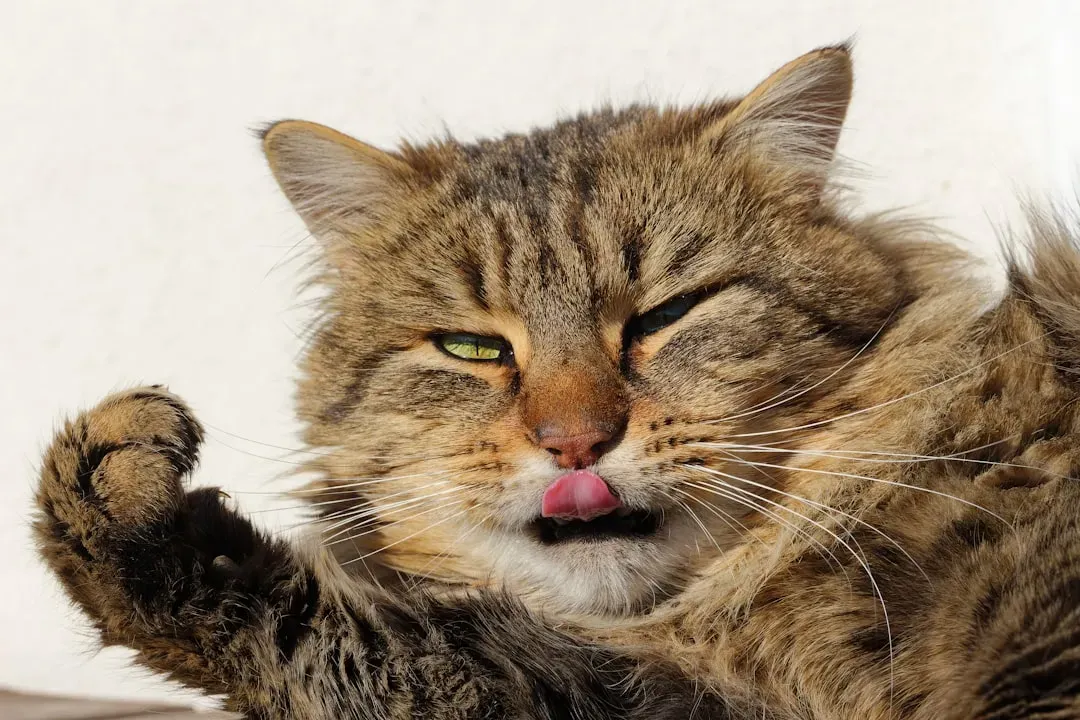
Cats are usually meticulous groomers, but as they weaken, they stop grooming themselves, leading to a messy or matted coat. In some cases, a strong or unusual odor may develop due to toxin build-up. These physical changes are natural, but they can be emotionally difficult to witness.
The skin microbiome of cats changes in the face of disease, causing dying cats to develop a matted or unkempt appearance as self-grooming decreases or stops entirely. A cat that once spent long stretches of the afternoon carefully cleaning every inch of fur is now too exhausted to manage it. Providing gentle cleaning and comfort is an essential part of how to care for a dying cat at home. A warm, damp cloth and gentle hands can go a long way.
#5: They Become Unusually Vocal or Go Completely Silent
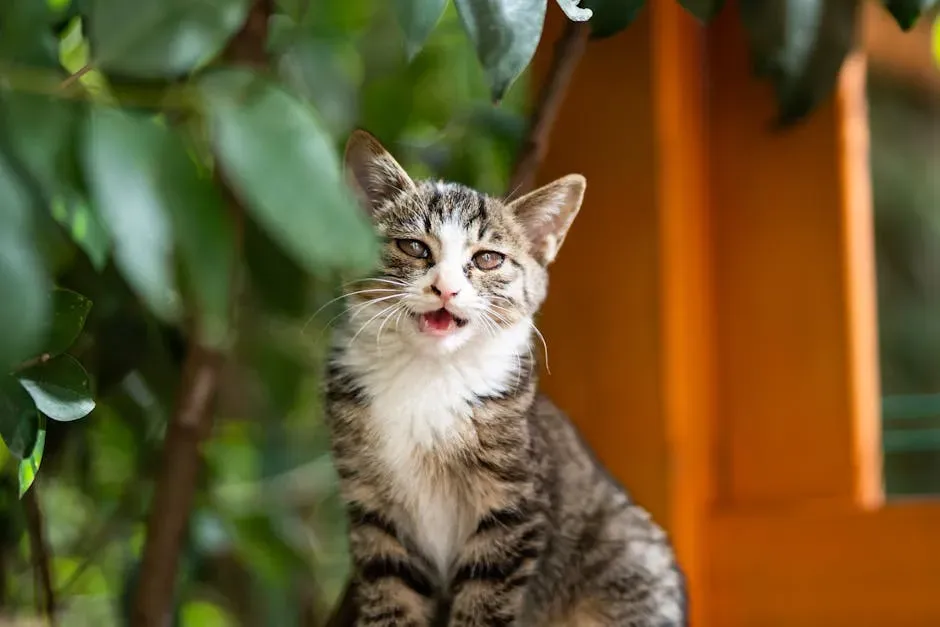
Cats may cry or meow more often, potentially due to discomfort. Some cats who were never particularly chatty will suddenly begin vocalizing at night, letting out long, hollow yowls that can unsettle a whole household. Senior cats and cats nearing the end of life might develop cognitive dysfunction much like human dementia, and confused cats might express their distress through yowling and other loud vocalizations.
On the other side of the spectrum, some cats go unnervingly quiet. Changes in vocalization, whether yowling, meowing excessively, or falling into silence, are all behavioral changes cats may show as they approach their final days. Whether the change is more noise or complete stillness, the shift itself is the signal. It tells you something fundamental has changed in how your cat is experiencing the world.
#6: They Break Long-Established Routines
Breaking long-established routines in domestic cats, like suddenly avoiding favorite sleeping spots or changing preferred routes through the house, is one of the notable behavioral signs near the end of life. Cats are creatures of extraordinary habit. They eat at the same time. They sit in the same patch of sunlight. They follow the same path to their litter box every single day. When those patterns dissolve, something significant is happening.
Cats thrive on routine and can be wary of change, so they likely sense when their pet parents are scared, stressed, sad, happy, or relaxed, and may respond accordingly. There’s a strange mutual awareness in those final days. You notice their routines breaking down. They notice your worry. Cats who are ill or injured experience changes in their physical abilities and comfort level, and they often show activity and behavior changes that correspond with how they feel.
#7: They Display Sudden Irritability or Unexplained Aggression

Dying cats may experience irritability and a heightened sense of vulnerability because of their pain or confusion about what’s happening to their bodies. A cat who has always been gentle might suddenly hiss when you try to pick them up, or growl when touched in a spot that didn’t bother them before. It’s not a personality change. It’s a pain response.
Discomfort from an illness or condition can become more noticeable in a dying cat. Signs of pain include limping, trembling, vocalizing, panting, or flinching, depending on the source of the pain. The aggression isn’t directed at you, even though it can feel that way. Cats will usually display clear signs if they are feeling pain due to an illness or injury. They may meow constantly or hide away from people, and some cats will even stop grooming themselves if they are too uncomfortable or unwell.
#8: They Experience Extreme Weakness and Lethargy
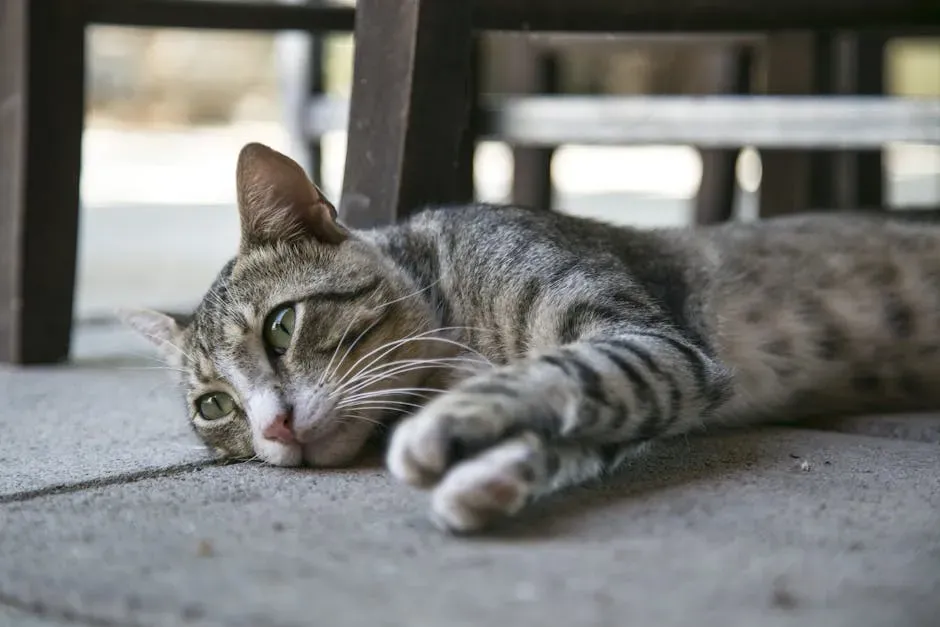
In the last days of life, your cat might show extreme weakness and lethargy. They might not rouse as usual for fuss and attention, and might even sleep through meals and toileting. For cat owners who are used to their companions jumping to meet them at the door or leaping onto the bed at night, this stillness is one of the most heartbreaking signs of all.
A cat nearing the end of life often appears too tired to move. They may stop walking, struggle to reach their litter box or food bowl, and sleep more than usual. Their hind legs may look especially weak. Cats may have diminished or no interest in favorite activities like playing, treats, scratching posts, or jumping to elevated perches, and may sit in a crouched, tense position with paws tucked under the body, tail wrapped close, and head tilted downward.
#9: Their Breathing Becomes Irregular or Labored
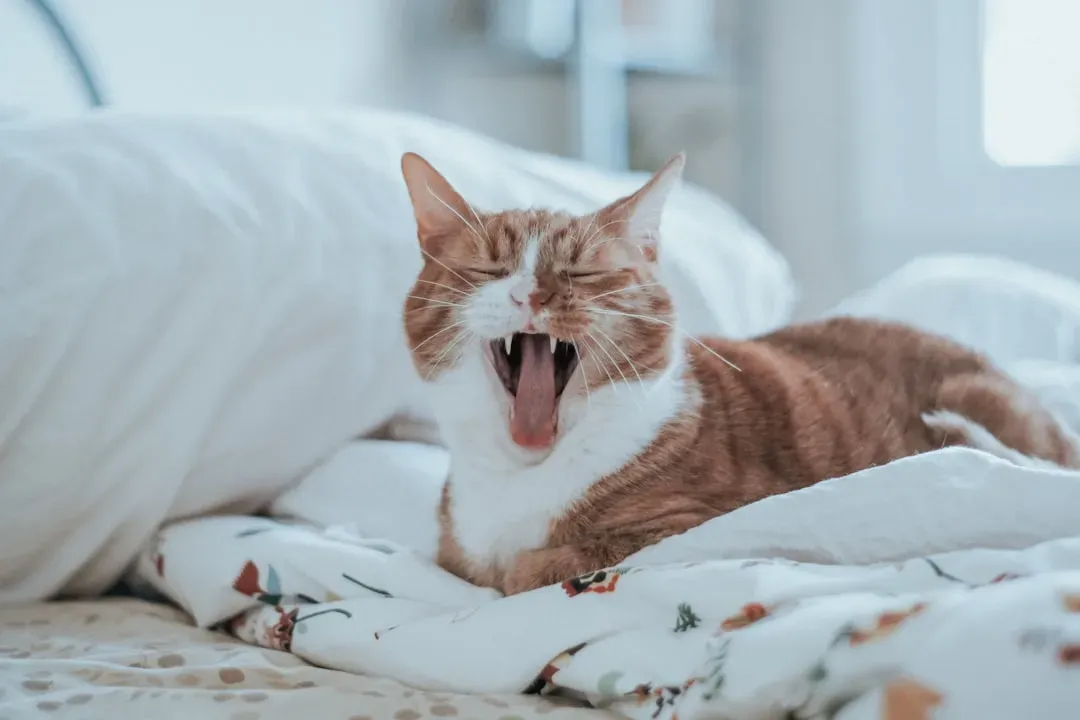
In the final stages of dying, cats may show changes in their breathing patterns, such as shallow or irregular breaths. They might stop breathing for a few seconds before starting again. This is one of the more alarming signs to witness, and it tends to signal that the end is genuinely very close. It’s important to contact a vet at this stage, both for guidance and for your cat’s comfort.
Irregular, shallow, or labored breathing is a warning sign that a cat may be dying. Particularly in a pet’s final hours, a gasping breath pattern may occur. Because breathing difficulties can be painful and distressing, you should seek timely veterinary care or rapid euthanasia to reduce suffering if you notice this end-of-life behavior in your pet. No one should have to watch their cat struggle to breathe without support. Reach out to your vet without delay.
#10: They Seem to Seek a Final Connection with You
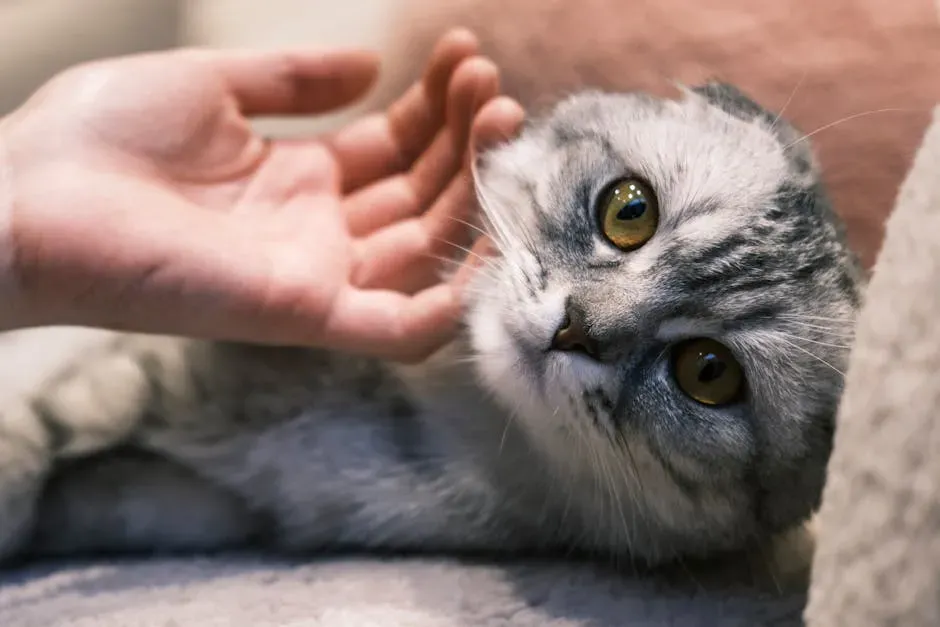
When cats approach the end of their lives, they often exhibit several notable signs including lethargy, behavioral changes, altered eating habits, visible pain, and seeking solitude or comfort from their owners. These changes can be interpreted as a cat’s way of communicating their declining health. Among all of these signs, perhaps the most tender is when a cat who has been withdrawn suddenly returns to your side, settles in close, and simply stays there.
Cats likely don’t say goodbye in the way people with life-threatening illnesses may consciously do. Behavioral shifts like hiding, restlessness, appetite loss, or increased clinginess often reflect how a cat feels physically. Still, many pet owners describe a moment in those final days that felt unmistakably like farewell. A long gaze. A slow blink. A paw placed quietly on your hand. These signs are your cat’s way of communicating their changing needs, and understanding them allows you to respond with the tenderness and support they deserve during this sacred time together.
A Final Thought on Letting Go with Love
Losing a cat is, without question, one of the most quietly devastating things a person can go through. They live their whole lives inside your home, inside your routines, inside your heart. And when the signs begin to appear, the kindest thing you can do is not look away.
Knowing the signs your cat is dying will make it possible for you to provide your kitty with the best care during their final days, including providing them with a peaceful passing. It will also allow you to make the most of your cat’s last days so you can say goodbye and give yourself some peace. Work with your vet. Create a calm, warm space. Stay close.
Here’s what I firmly believe: recognizing these signs isn’t about bracing for the loss. It’s about showing up fully for the animal who showed up for you, every single day, for years. They gave you their whole life. The least we can give them is our whole presence at the end of it. That’s not heartbreak. That’s love completing itself.


