
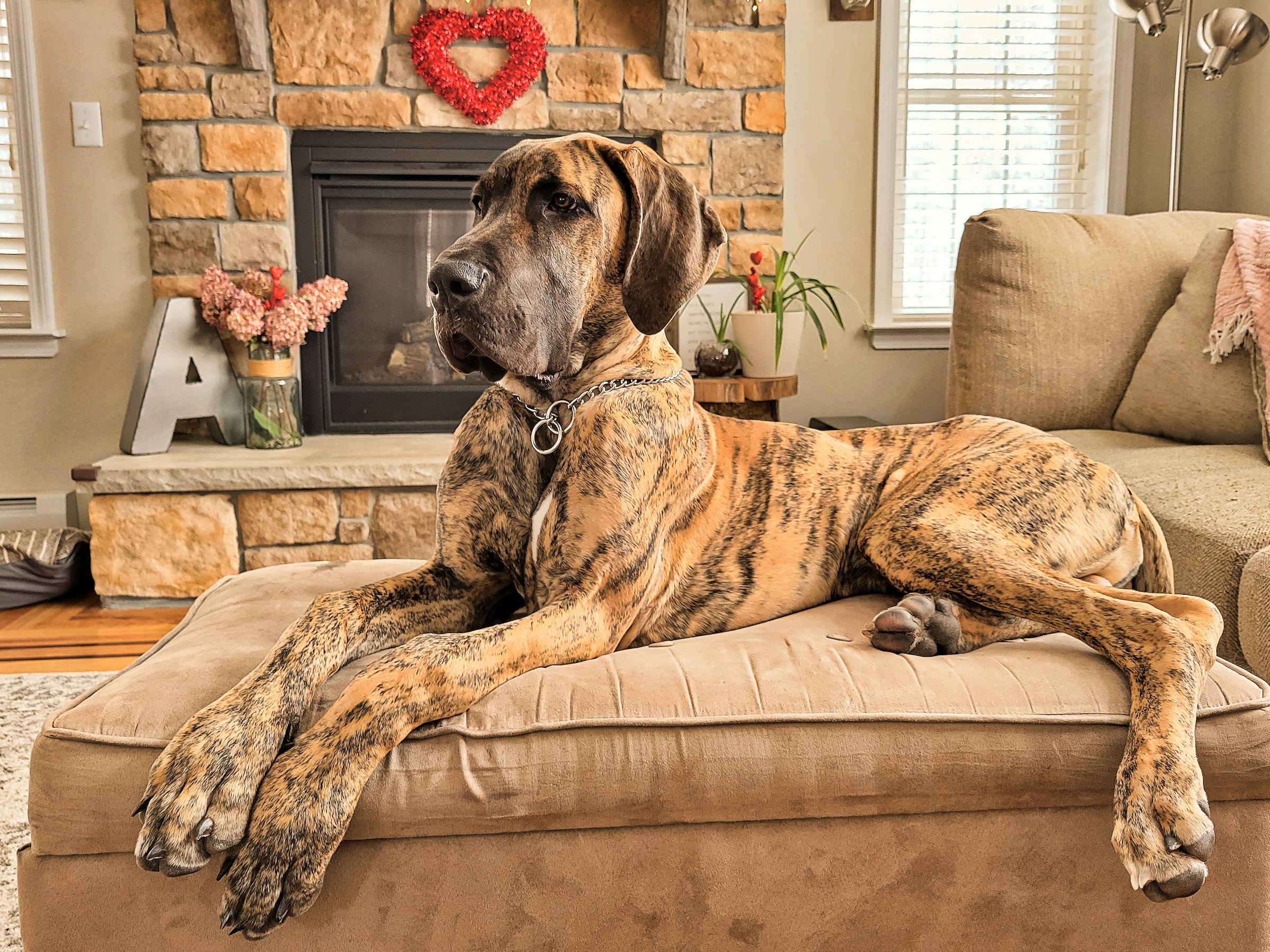
If you’ve ever met a hundred-pound dog who thinks it’s a lap ornament, you already know size tells you almost nothing about fierceness. Some of the world’s biggest dogs are, in reality, professional snugglers trapped in linebacker bodies. People often picture them as intense guardians, but many of these giants would rather nap on your feet than chase off a stranger.
This list is all about those lovable “intimidating” breeds whose true superpower is emotional support, not security work. They can bark, sure, but when you look at temperament studies, breed histories, and how they behave in modern homes, a pattern shows up: some large breeds just want to love, lean, and drool on you. Let’s walk through ten big dogs that are far – and why.
1. Golden Retriever
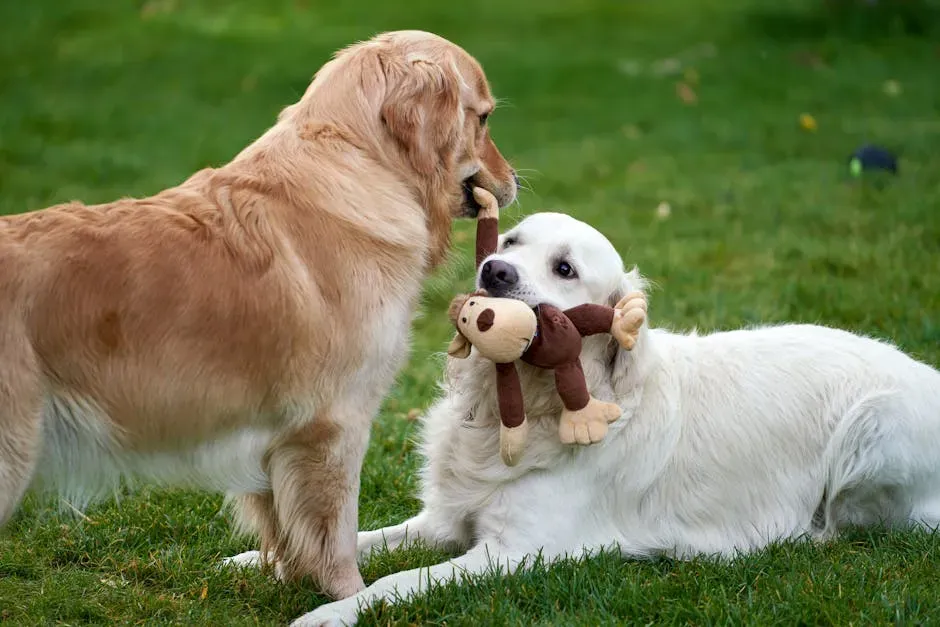
Golden Retrievers are probably the poster child for friendly, people-oriented dogs, and that’s not an exaggeration. Originally bred as hunting companions, their job was to gently retrieve game, not defend property, which is why they have such famously soft mouths and gentle temperaments. In most temperament assessments, Goldens consistently rank high on sociability and low on aggression, especially toward humans.
A Golden might bark when someone knocks, but most will then greet that same person like a long-lost friend within seconds. They thrive on physical closeness – leaning, pawing for attention, and curling up against your legs on the couch. If you want a dog that will read your mood, follow you from room to room, and treat everyone like part of the family, a Golden Retriever is built for cuddles, not confrontation.
2. Labrador Retriever
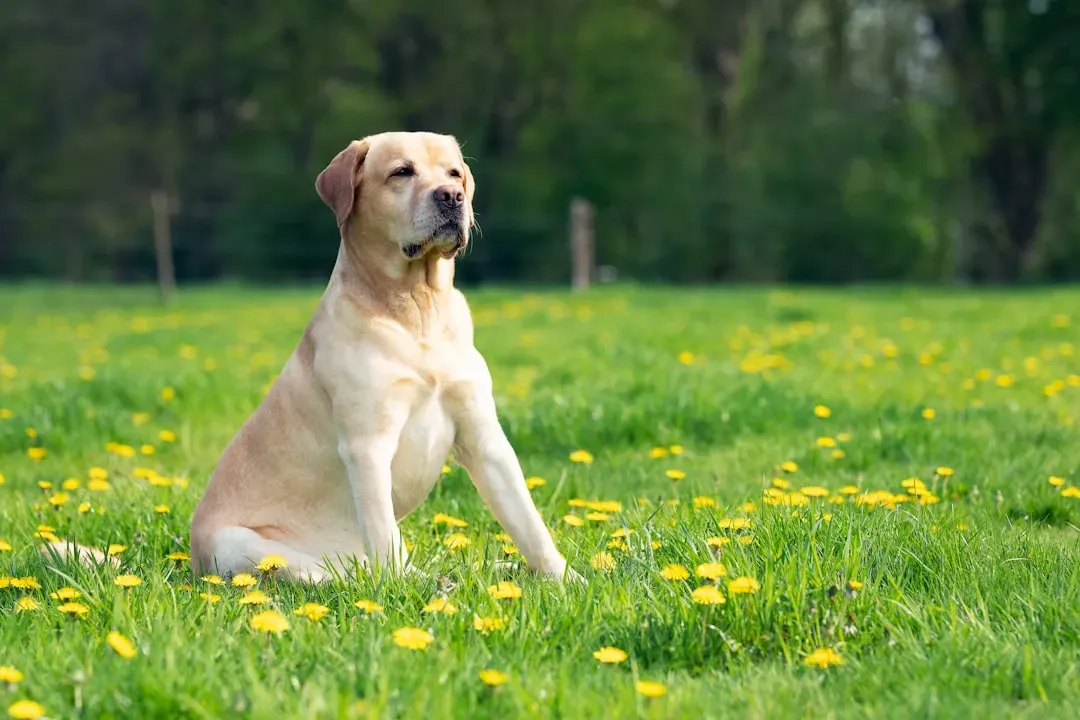
Labrador Retrievers are popular as all-purpose family dogs for a reason: they’re large, sturdy, and astonishingly people-focused. Developed as working dogs alongside fishers and hunters, Labs were bred to cooperate closely with humans and to be safe around strangers and other dogs. That breeding emphasis shows up today in how relaxed and tolerant they are in most everyday situations.
Modern Labs are used widely as service and therapy dogs precisely because they’re calm under pressure and strongly motivated by social interaction and physical touch. They’re the type to climb half into your lap for a nap, or nudge your hand for more ear scratches. While they might alert you with a bark from time to time, Labs generally lack the suspicious, territorial edge you’d want in a serious guard dog, making them far better suited to snuggling on the sofa.
3. Newfoundlands
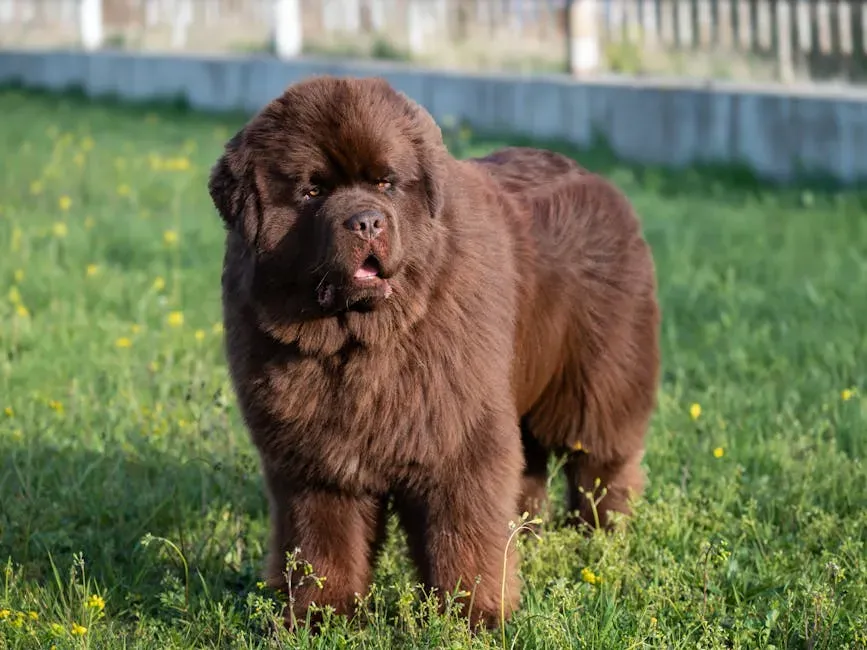
Newfoundlands look like they’ve walked out of a fantasy novel – massive, fluffy, and imposing at first glance. Yet their historical role was water rescue and hauling, not guarding estates, which demanded calm judgment, tolerance, and a strong bond with people. Many behavior studies describe them as extremely gentle, especially with children, which has earned them a long-standing reputation as “nanny dogs.”
Under all that fur is a dog that often prefers cuddling on a cool floor to patrolling a fence line. Newfoundlands tend to be relaxed and low to moderate in energy, and they usually show more interest in comforting family members than reacting aggressively to strangers. Their size can be intimidating, but in most homes, the biggest “danger” is being whacked by a happy tail or buried under a pile of affection.
4. Great Dane
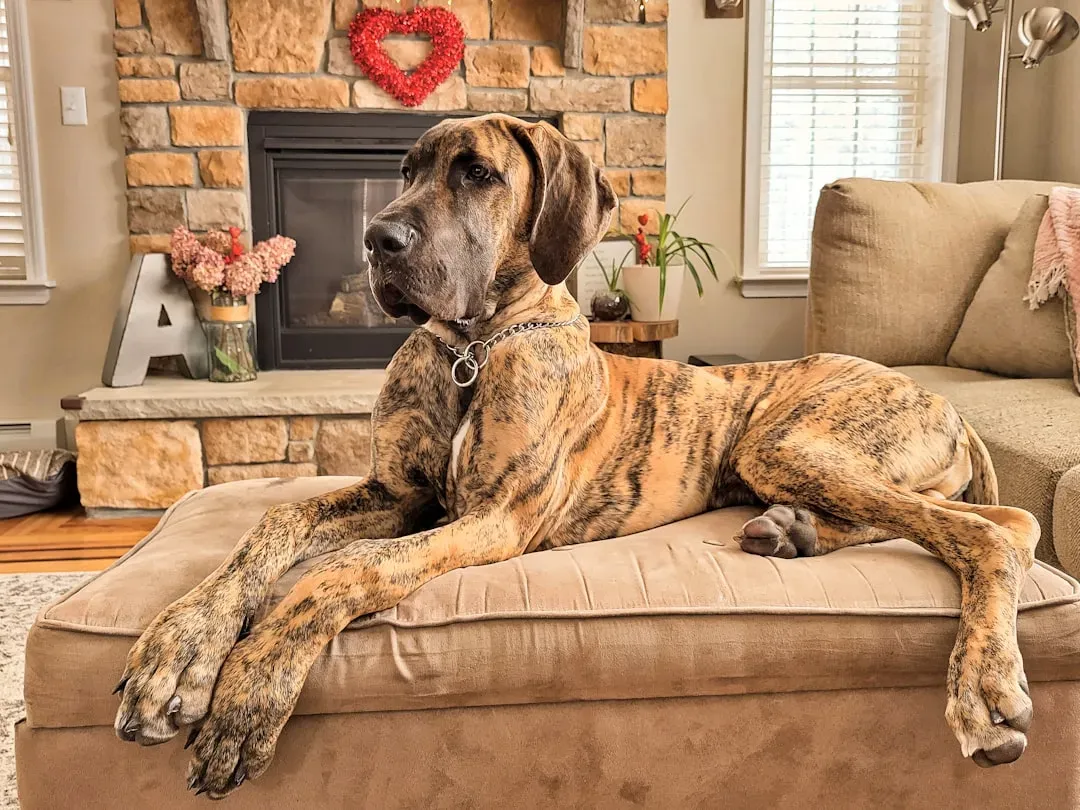
Great Danes are sometimes called “gentle giants,” and that label holds up surprisingly well when you look at their behavior in real households. Even though they were historically used in boar hunting and sometimes for protection, modern breeding has focused heavily on calm dispositions and family suitability. Many Danes today show low levels of defensive aggression and high levels of human social bonding.
Living with a Great Dane feels a bit like living with a very clingy, oversized cat – they will lean their entire weight on your leg, follow you into every room, and think your bed is theirs. While their deep bark can make strangers pause, most Danes would rather investigate curiously than launch into genuine guarding behavior. If your dream is a couch buddy who takes up half the cushions, a Great Dane is far more lover than fighter.
5. Bernese Mountain Dog
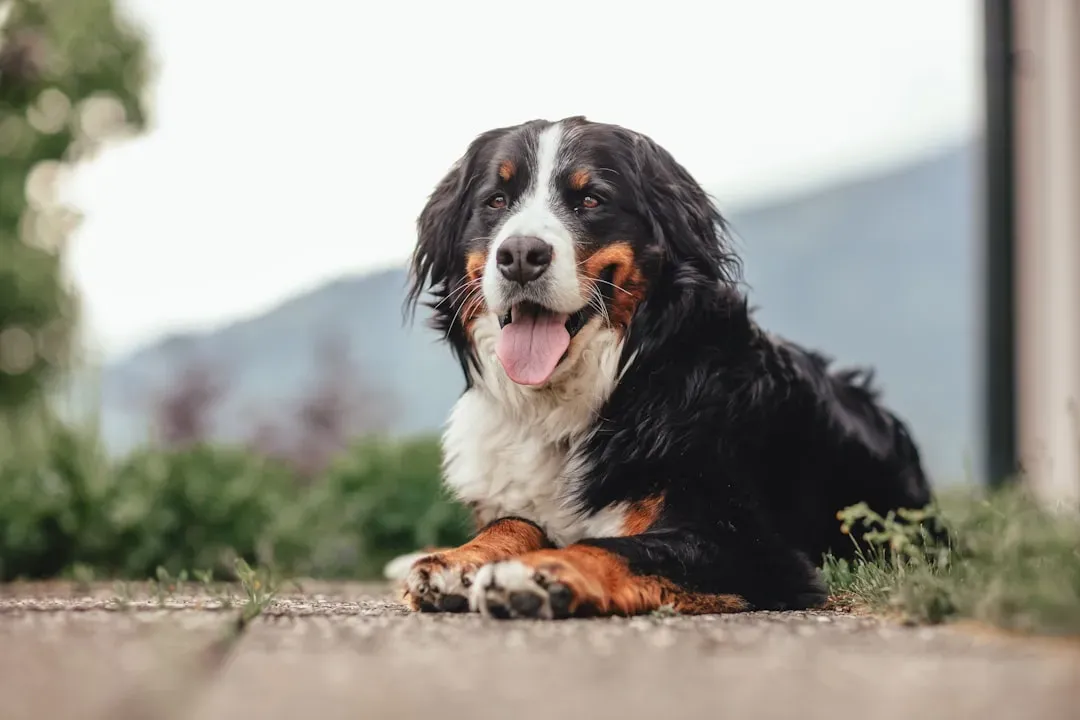
Bernese Mountain Dogs were bred in the Swiss Alps to pull carts and work alongside farmers, not as attack or guard dogs. Their temperament reflects that working partnership: patient, even-tempered, and surprisingly sensitive to human emotions. They’re often slow to anger and tend to respond to new people with curiosity more than suspicion, especially when they’re well socialized.
What you notice first with a Berner is their desire for closeness – they often choose to lie right against your feet or rest their big heads in your lap. They form strong bonds with their families, often shadowing one favorite person from room to room. While they can bark to announce visitors, their default mode is more “let me be your emotional support blanket” than “I’ll guard the door,” which makes them ideal cuddle partners for calm households.
6. Irish Wolfhound
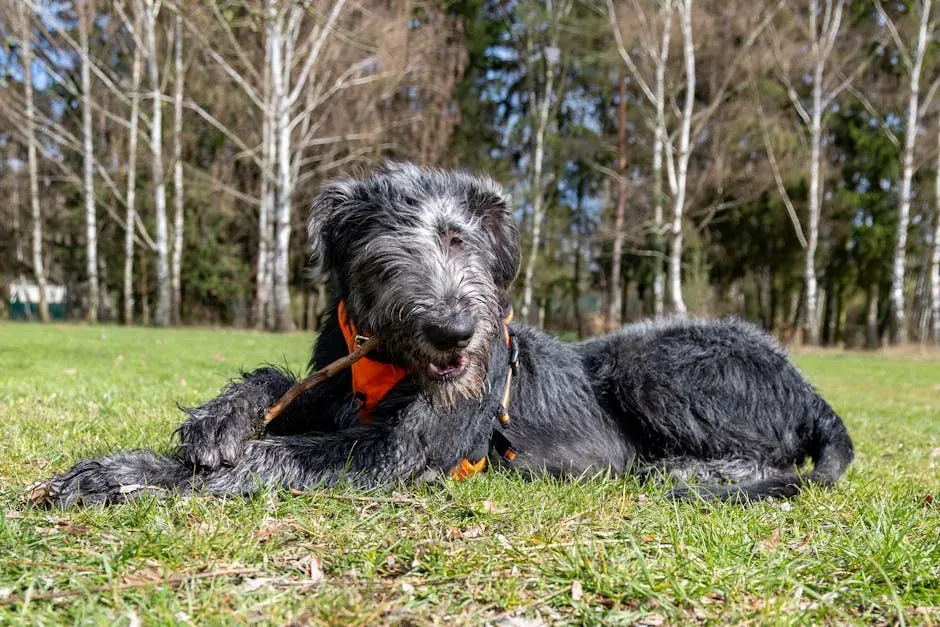
Irish Wolfhounds are among the tallest dog breeds in the world, which leads a lot of people to assume they’re naturally fierce protectors. Historically, they were indeed used in hunting large game, but that job relied more on speed and courage in the field than on territorial aggression around the home. Breed clubs and long-term owners often emphasize how docile and dignified they are indoors.
These lanky giants tend to be surprisingly soft-hearted and patient, especially with respectful children and other pets. Most prefer lounging across a sofa or sprawling on a rug near their humans rather than patrolling boundaries or reacting aggressively to strangers. If there is any “guarding,” it is usually subtle – quietly watching from your side rather than charging ahead – making them far better suited to being calm, cuddly companions.
7. Saint Bernard
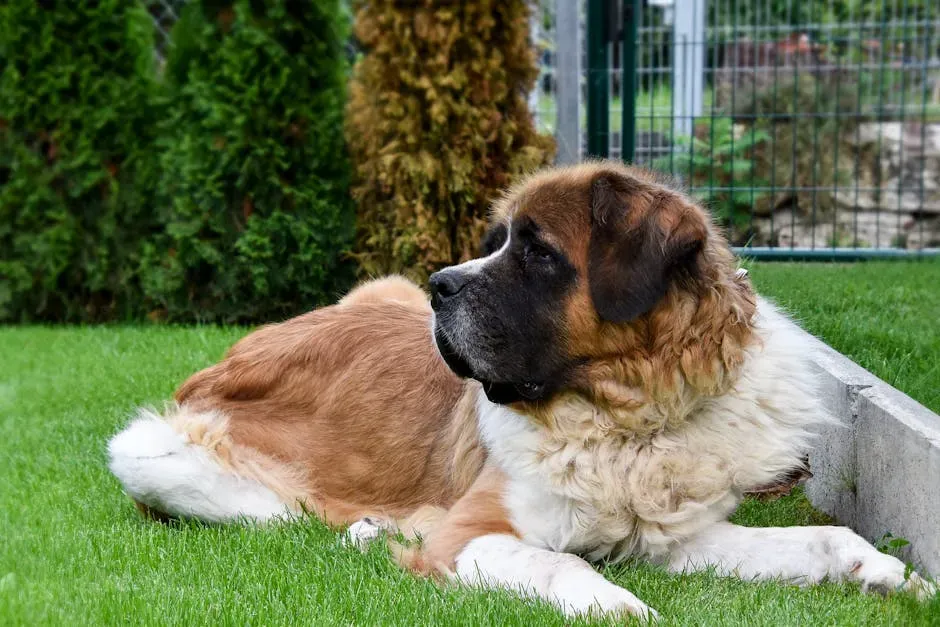
Saint Bernards became famous for alpine rescue work rather than guarding tasks, and that heritage shaped a temperament centered on calmness and compassion. To help lost or injured travelers in harsh conditions, they needed to be steady, non-reactive, and deeply bonded to people. Modern Saint Bernards still tend to be friendly and tolerant, often showing more interest in comforting than confronting anyone.
Inside the home, a Saint Bernard is typically a slow-moving, affectionate presence that wants to be wherever you are. They’re big leaners and full-body snugglers, often content to lie across your feet or press up against you during movie nights. While their size and bark can deter trouble by accident, they lack the sharp, suspicious edge of true guard breeds and are far more likely to drool on an intruder than actually defend against one.
8. Leonberger
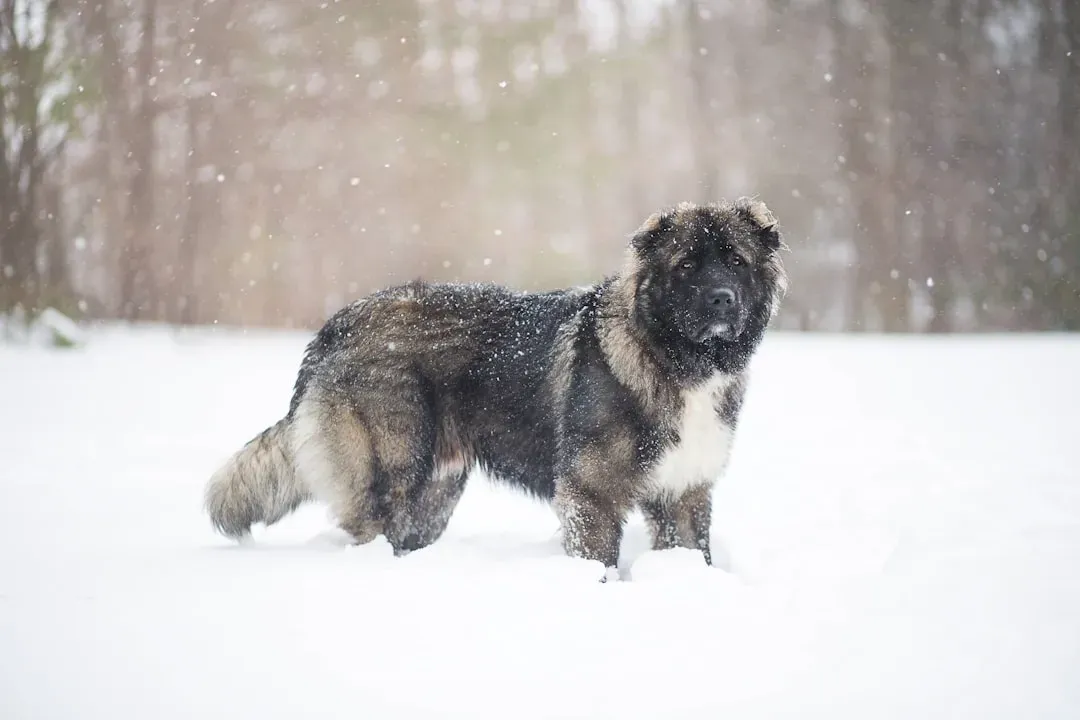
Leonbergers were designed as multipurpose farm and companion dogs with a strong emphasis on stable, friendly temperaments. Even though they are large and impressive, breed standards typically call for confidence without aggression, and many are tested for temperament as family-friendly dogs. You see that in their typical behavior: they’re watchful but not intense, observant but rarely confrontational.
In day-to-day life, most Leonbergers are affectionate, calm, and eager for close contact with their people. They’re known for “velcro dog” tendencies, wanting to be directly beside you, leaning in, or lying close enough to touch you at all times. They may bark to indicate something new, but their first instinct is often to stand beside their family, not to launch forward, which suits a household that values emotional security over physical protection.
9. English Mastiff
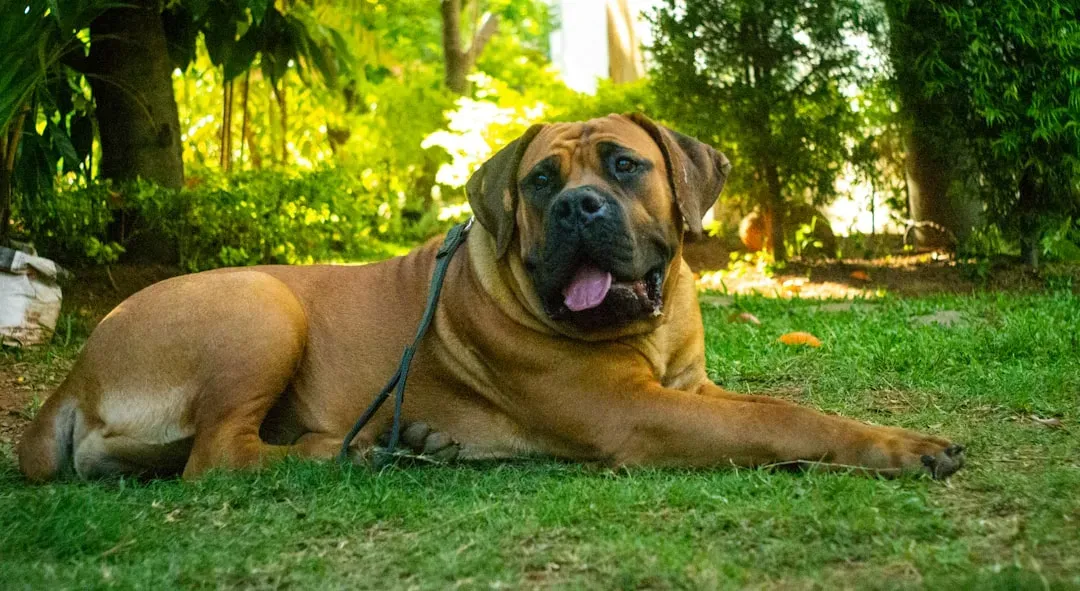
English Mastiffs certainly have a history of guarding and protection, but responsible modern breeding has shifted heavily toward stability, patience, and low reactivity. Despite their size and origin, many Mastiffs are far more laid-back than their reputation suggests, preferring to assess a situation quietly rather than explode into action. In temperament evaluations, they often show strong bonds with family and very low levels of unprovoked aggression when properly socialized.
In practice, that means a Mastiff is more likely to be a massive floor pillow than an active enforcer. They’re typically calm, slow-moving, and surprisingly gentle with people they know, often nudging for affection or happily soaking up chest rubs and head scratches. Their sheer presence can discourage trouble, but in a typical family home, they function more like stoic, snuggly roommates than focused guard dogs, making them unexpectedly perfect for lazy cuddle days.
10. Great Pyrenees (In Modern Family Life)
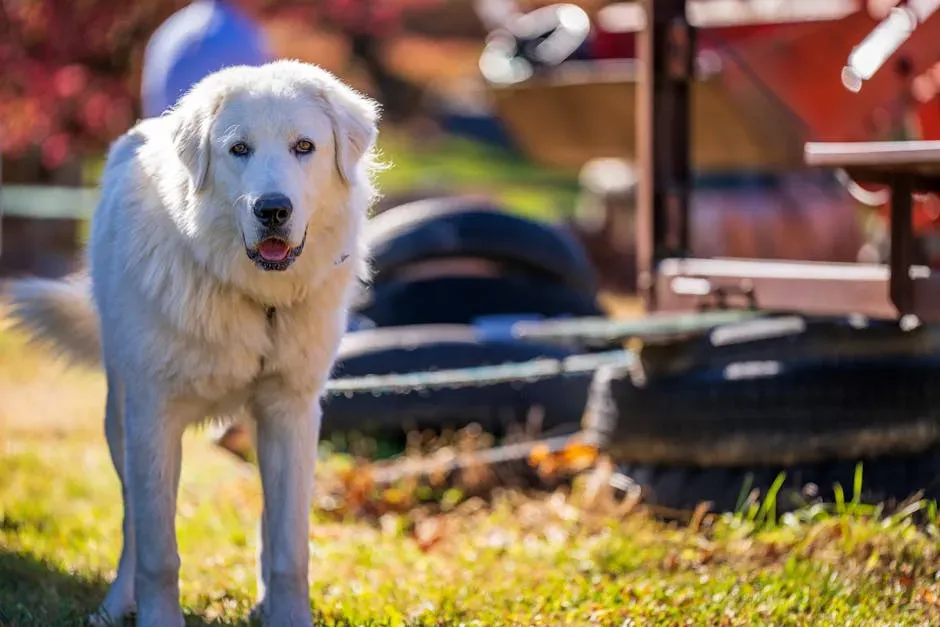
Great Pyrenees are one of the more complex breeds on this list because they were bred as livestock guardians, which means they do have strong protective instincts. But when they’re raised primarily as family companions in a typical household, those instincts often show up as calm watchfulness rather than active aggression. Many pet Pyrs are gentle, thoughtful dogs who prefer to lie quietly near their people and keep an eye on things from a distance.
What surprises many new owners is how affectionate and physically clingy they can be indoors – leaning their weight against you, resting their heads on your lap, and following you like a quiet shadow. They’re more likely to put themselves between you and something they perceive as a threat than to launch into a full-on attack, and with good socialization, that “guardian” instinct tends to stay measured and controlled. In a suburban living room rather than a remote pasture, most Great Pyrenees end up being big, fluffy cuddle partners first and reluctant, low-key guardians second.
Conclusion: Big Dogs, Bigger Hearts
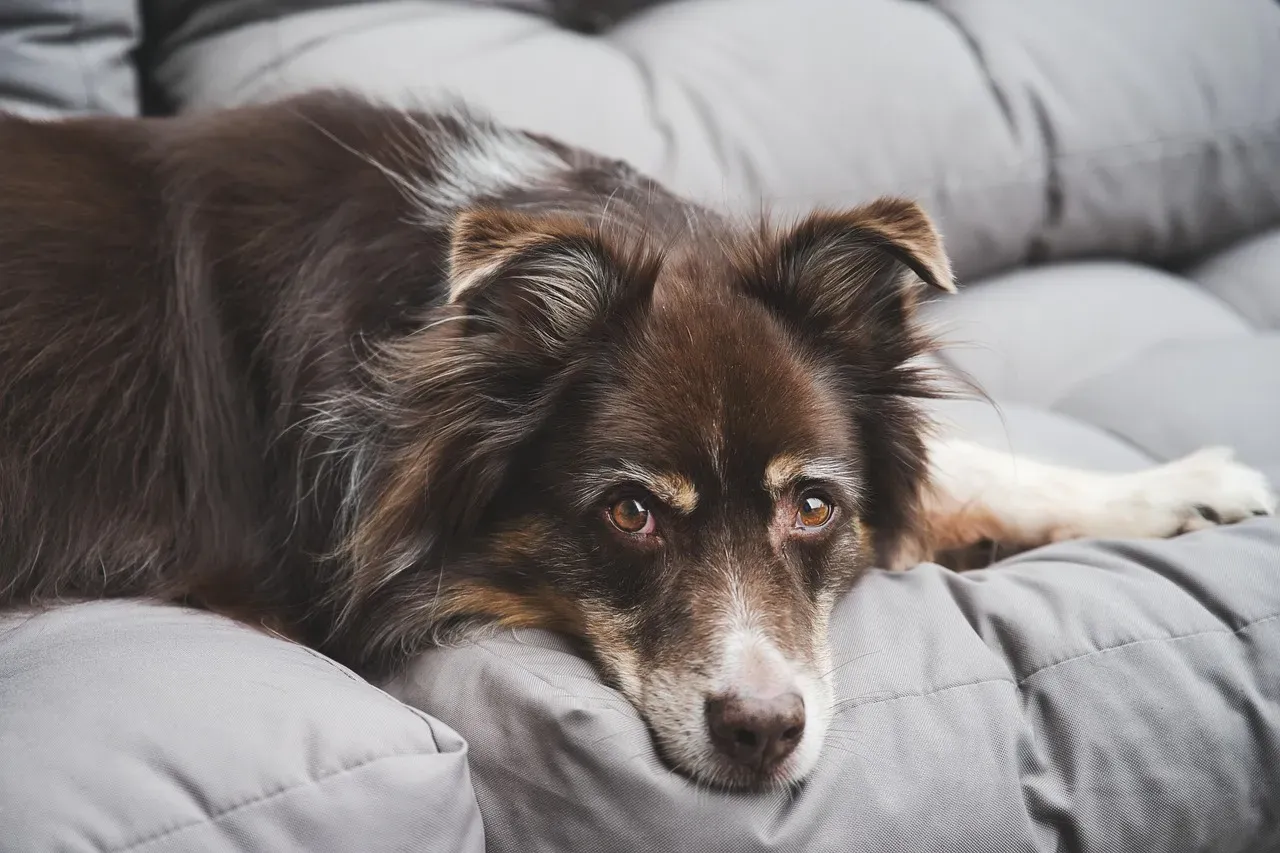
When you stack these breeds side by side, a clear pattern emerges: size and bark do not reliably predict true guarding behavior. Many large breeds have been shaped over generations to work in cooperation with humans, prioritize gentleness, and remain calm in the face of new people and experiences. In the modern world, where most of us need emotional support more than perimeter defense, those traits are often far more valuable than raw protective drive.
Personally, I think we sometimes project our own anxieties onto big dogs and expect them to be living alarm systems, when their real gift is something softer and deeper: quiet companionship, warmth, and a comforting weight pressed against your legs after a hard day. If you want a dog that looks imposing but lives to snuggle, these ten breeds flip the stereotype on its head and prove that the biggest bodies can house the gentlest souls. Which would you rather come home to every night – a guard on duty, or a giant, furry friend waiting to melt into your arms?


