
When you picture a tiny dog, you might imagine a handbag accessory that prefers velvet cushions to real adventure. But some small breeds never got that memo. Behind their toy-sized bodies are bold, unshakeable personalities that routinely shock much larger dogs, and sometimes their owners too.
These compact canines were often bred for tough jobs: hunting vermin in dark tunnels, guarding homes, or alerting owners to danger. Their courage is not cute by accident; it is written into their history and even into how their brains and bodies work. Let’s dive into eight small breeds that prove you should never judge a dog’s bravery by its height.
1. Jack Russell Terrier: A 15-Pound Extreme Athlete
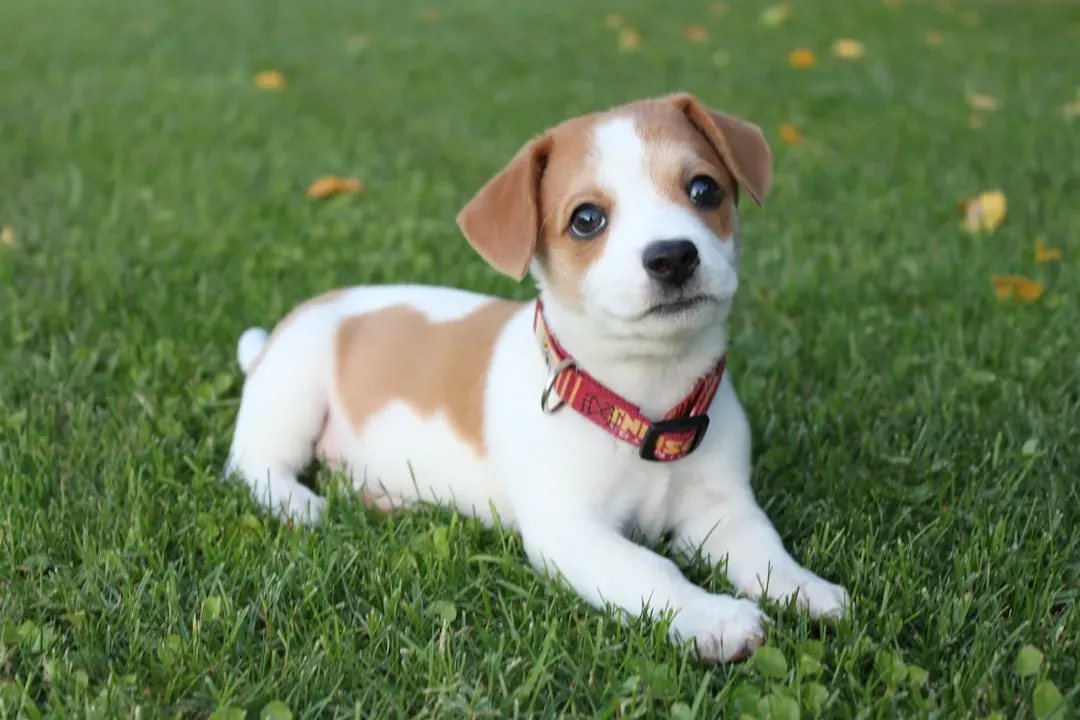
Ask anyone who has lived with a Jack Russell Terrier and they will tell you this: these dogs have no idea how small they are. Originally bred for fox hunting, Jack Russells had to dive into cramped, dark burrows and confront animals that fought back. That history still shows up today in the way they charge into new situations, often headfirst and at full speed.
Scientists who study dog behavior often point out that terriers rank very high in what they call “boldness” and “persistence,” especially when a moving target is involved. A Jack Russell will happily chase a ball, a squirrel, or a flirt pole until your arm gives out. That fearless drive can turn destructive without structure, so they really shine in dog sports like agility, flyball, or scent work where their courage and energy have a job to do.
2. Dachshund: The Underground Lionheart
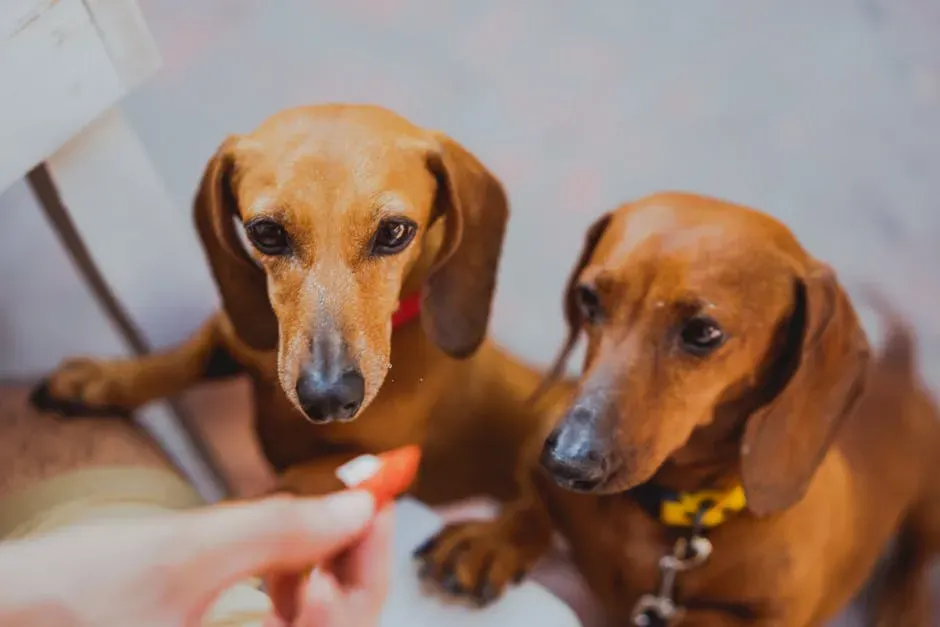
It is easy to forget, looking at those short legs and long backs, that Dachshunds were developed to go to war with badgers. Facing an angry badger in a dark tunnel demands a very special mix of bravery, stubbornness, and pain tolerance. Even today, many Dachshunds still have that never-back-down mindset, especially when they feel protective of their home or family.
Behavior studies consistently show Dachshunds scoring high on traits like determination and alertness, and some lines can be surprisingly assertive with strangers and larger dogs. Because their bodies are prone to back issues, responsible owners have to walk a fine line: channel that boldness into brain games, scent games, and safe exercise rather than rough jumping or stair sprinting. When you give them smart outlets, their fearlessness becomes charming rather than risky.
3. Yorkshire Terrier: Pocket-Sized Street Boss
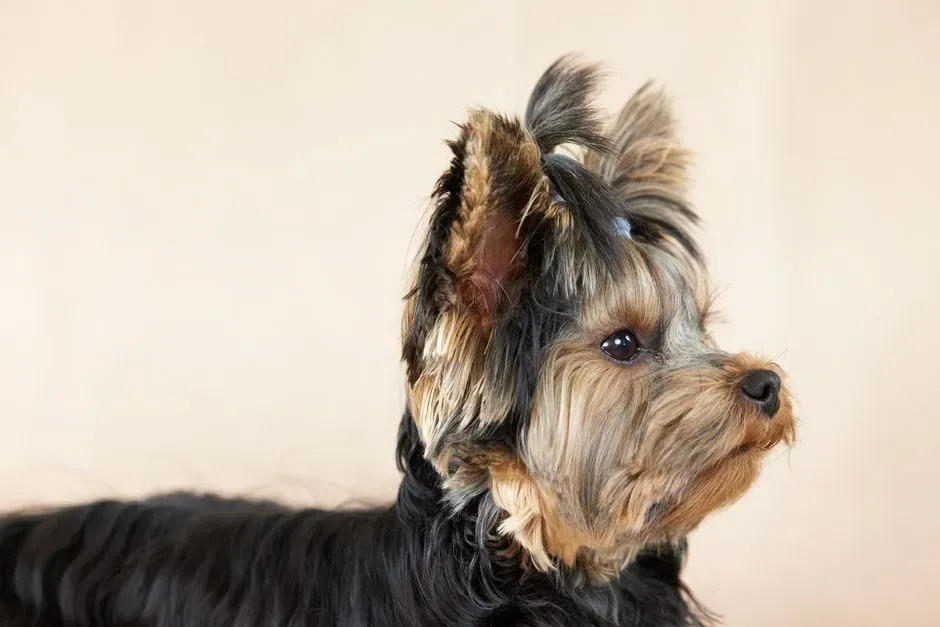
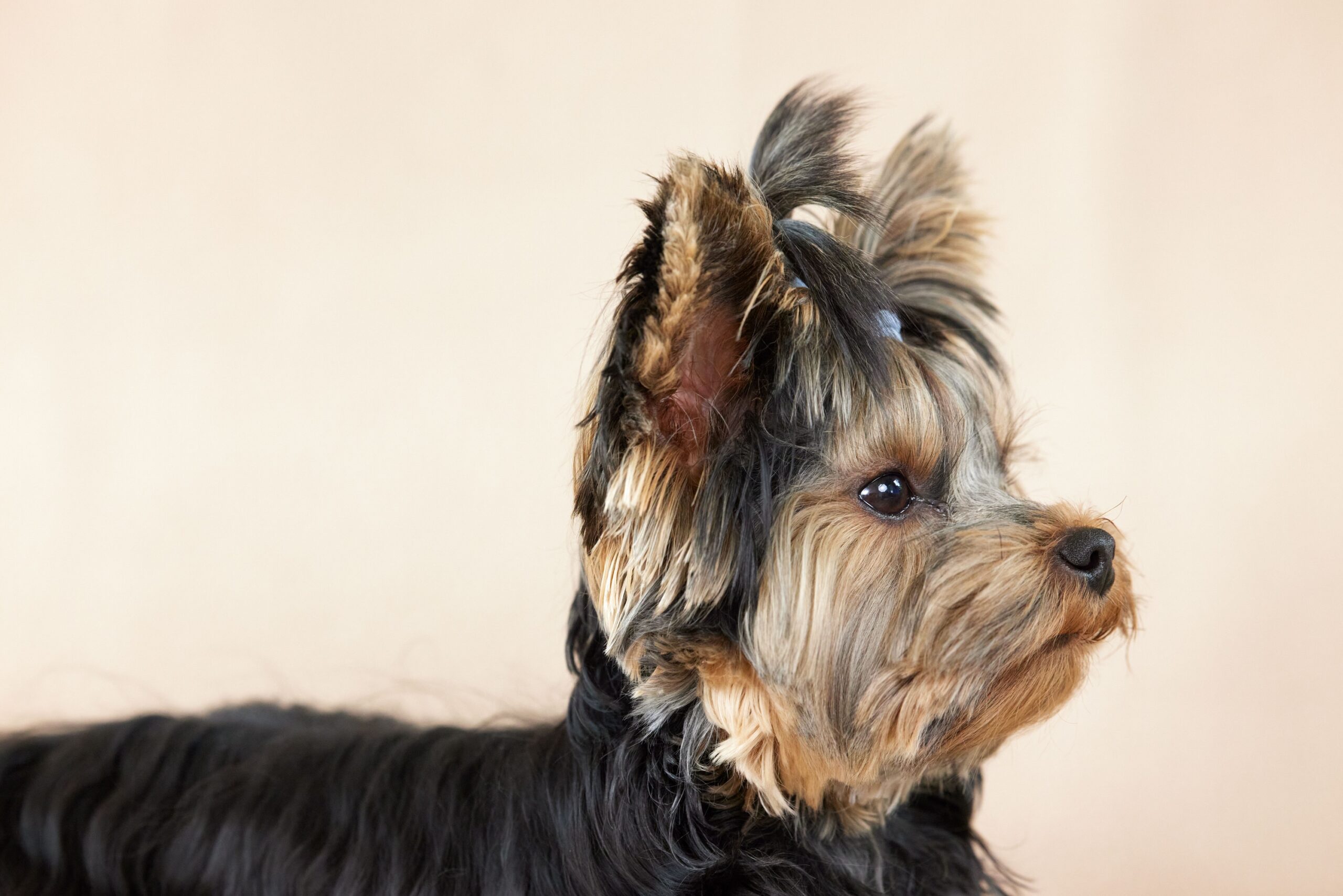
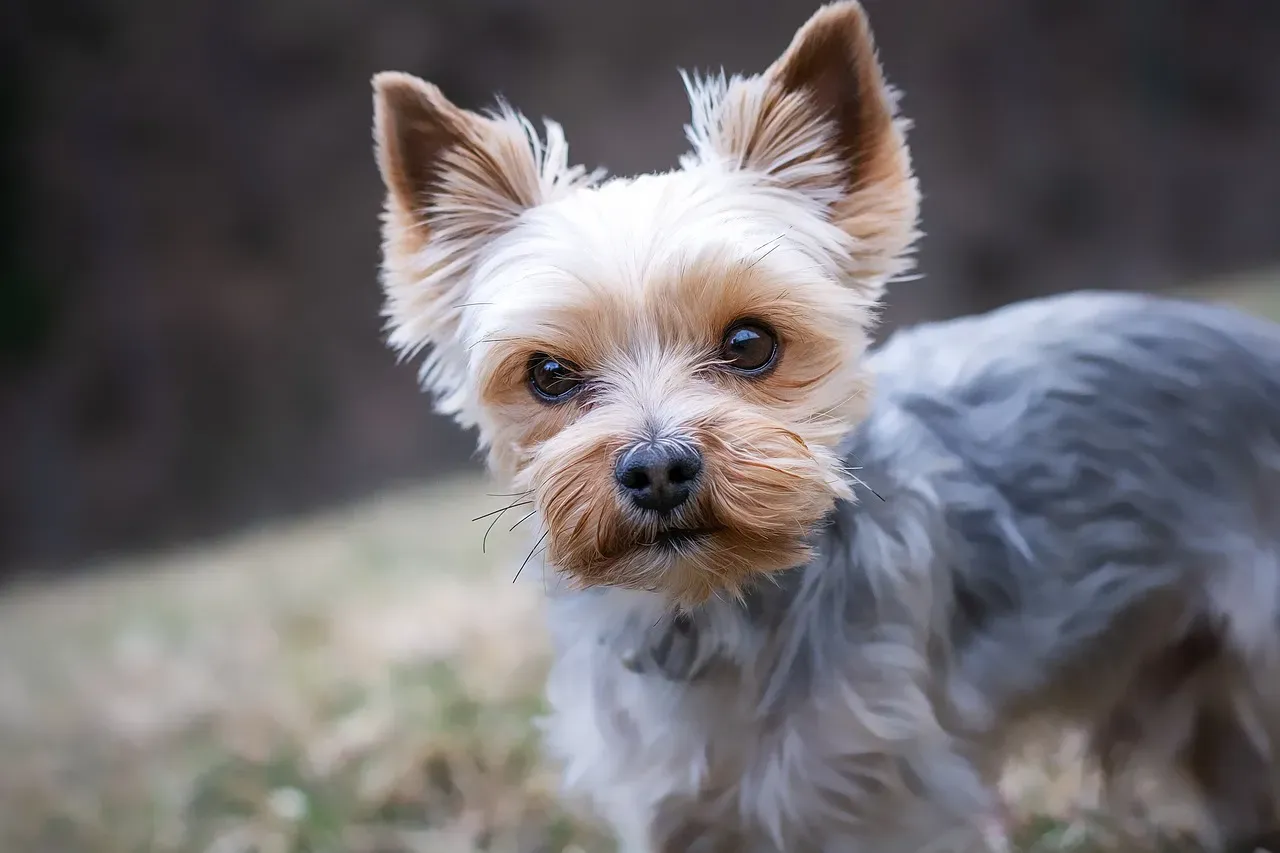
The Yorkshire Terrier’s silky coat and tiny frame can be misleading. This breed started out as a working-class ratter in English mills and mines, where a shy dog simply did not last. That background helps explain why so many Yorkies march through the world like they own the sidewalk, barking confidently at dogs three times their size.
Modern research on breed behavior suggests that toy breeds often show high levels of vigilance and vocal alerting, but Yorkies stand out for their combination of boldness and attachment to their people. They are not just loud; many are genuinely willing to stand between their owner and what they perceive as danger. Without good training and socialization, that courage can slide into what people call “small dog syndrome,” but at its best, you get a confident, charismatic little guardian with a huge personality.
4. Miniature Schnauzer: The Bearded Watchdog
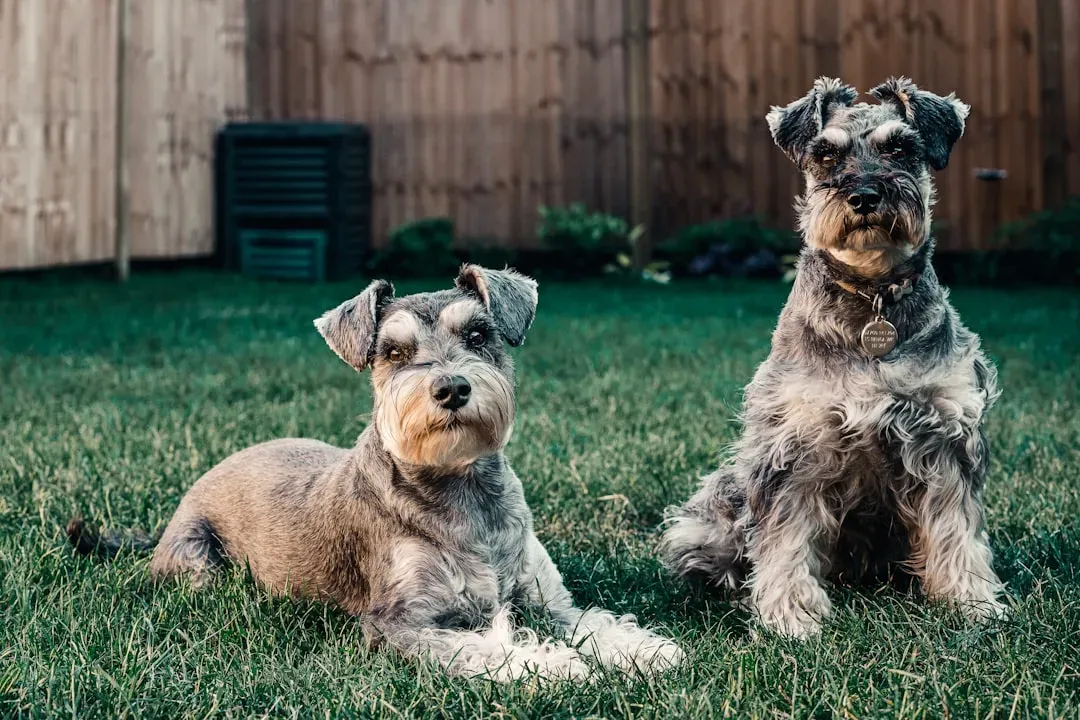
With their serious eyebrows and bristly beards, Miniature Schnauzers look like they were born to investigate suspicious activity, and that is not far from the truth. They were bred as all-purpose farm helpers and ratters, expected to sound the alarm, chase off pests, and keep their nerve in noisy, chaotic environments. That heritage left them with a strong watchdog instinct wrapped in a compact frame.
Behaviorally, many Miniature Schnauzers display high confidence, curiosity, and a low tendency to be fearful of new sounds or surfaces. They are the sort of dog that will inspect the vacuum cleaner, not run from it. Their fearless, somewhat “business-like” attitude can make them fantastic companions for active owners, but they absolutely need mental work: trick training, nosework, or structured games. Without a job, they may decide that policing the living room is their full-time role and respond to every sound like a security breach.
5. Chihuahua: Tiny Body, Titanic Nerve
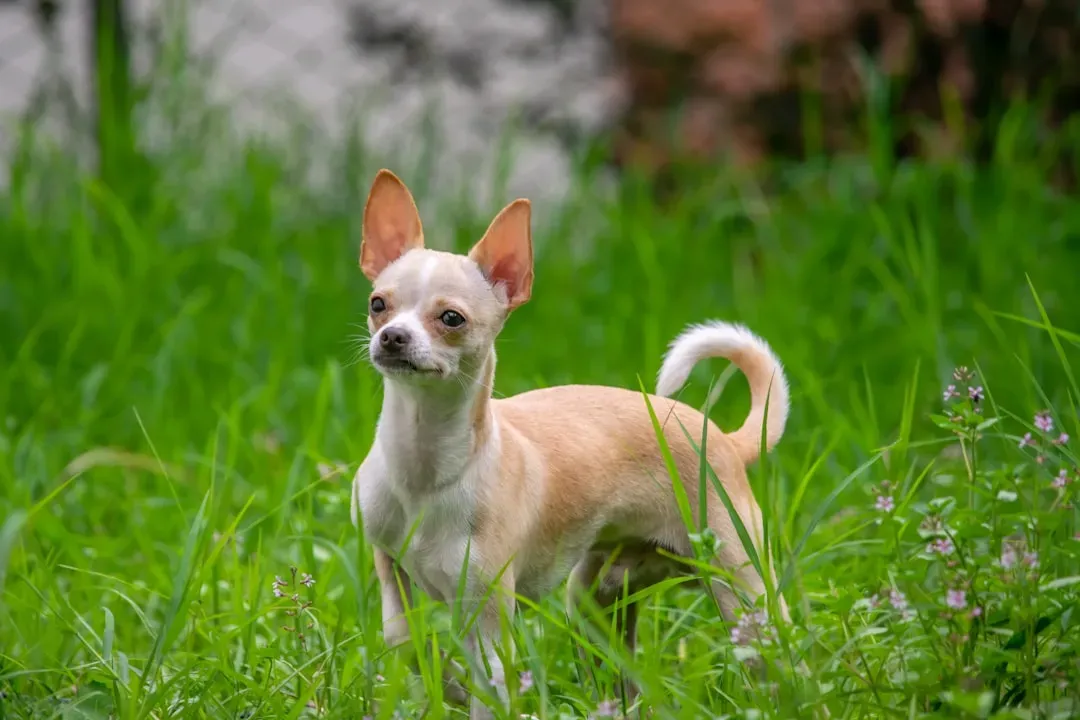
No list of fearless small dogs is complete without the Chihuahua. This breed is often stereotyped as nervous or yappy, but that is only part of the picture. Well-bred, well-socialized Chihuahuas frequently show striking boldness: they will confront much larger dogs, cling fiercely to their favorite human, and march into new environments without a second thought.
Some studies suggest that very small dogs are more likely to be overprotected by their owners, which can amplify anxious or reactive behavior. But when owners treat Chihuahuas like real dogs instead of fragile ornaments – giving them training, clear boundaries, and positive experiences – they often reveal calm courage. I once fostered a three-pound Chihuahua who casually walked through an agility tunnel that a Great Dane had just refused. That moment was a perfect reminder of how wrong our size-based assumptions can be.
6. Border Terrier: The Low-Key Daredevil
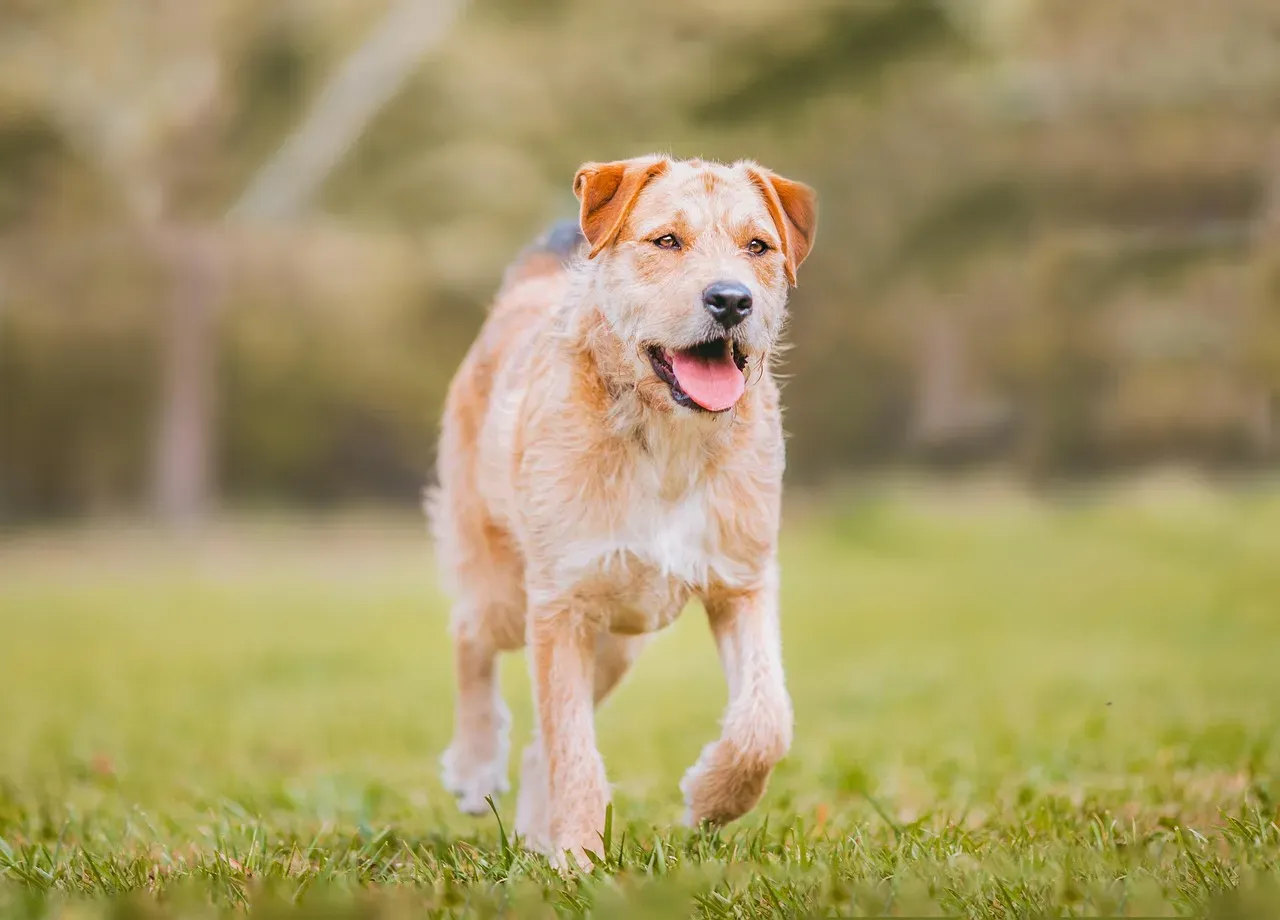
The Border Terrier does not always get the same attention as flashier terriers, but talk to people who work them and a clear picture appears: this is a small dog with a big engine and rock-solid nerves. They were bred to run with horses and foxhounds, then squeeze into tight places to face cornered prey, which demands not just physical toughness but mental steadiness under pressure.
Unlike some noisier terriers, many Border Terriers are described as “game” yet sensible, meaning they are ready to work but do not fly off the handle without cause. This combination of courage and stability makes them excellent partners for active families who like hiking, running, or outdoor adventures. They will wade into water, scramble over rocks, and tackle new trails with a quiet, unshowy confidence that is easy to underestimate until you see it up close.
7. Pomeranian: Fluff-Coated Firecracker
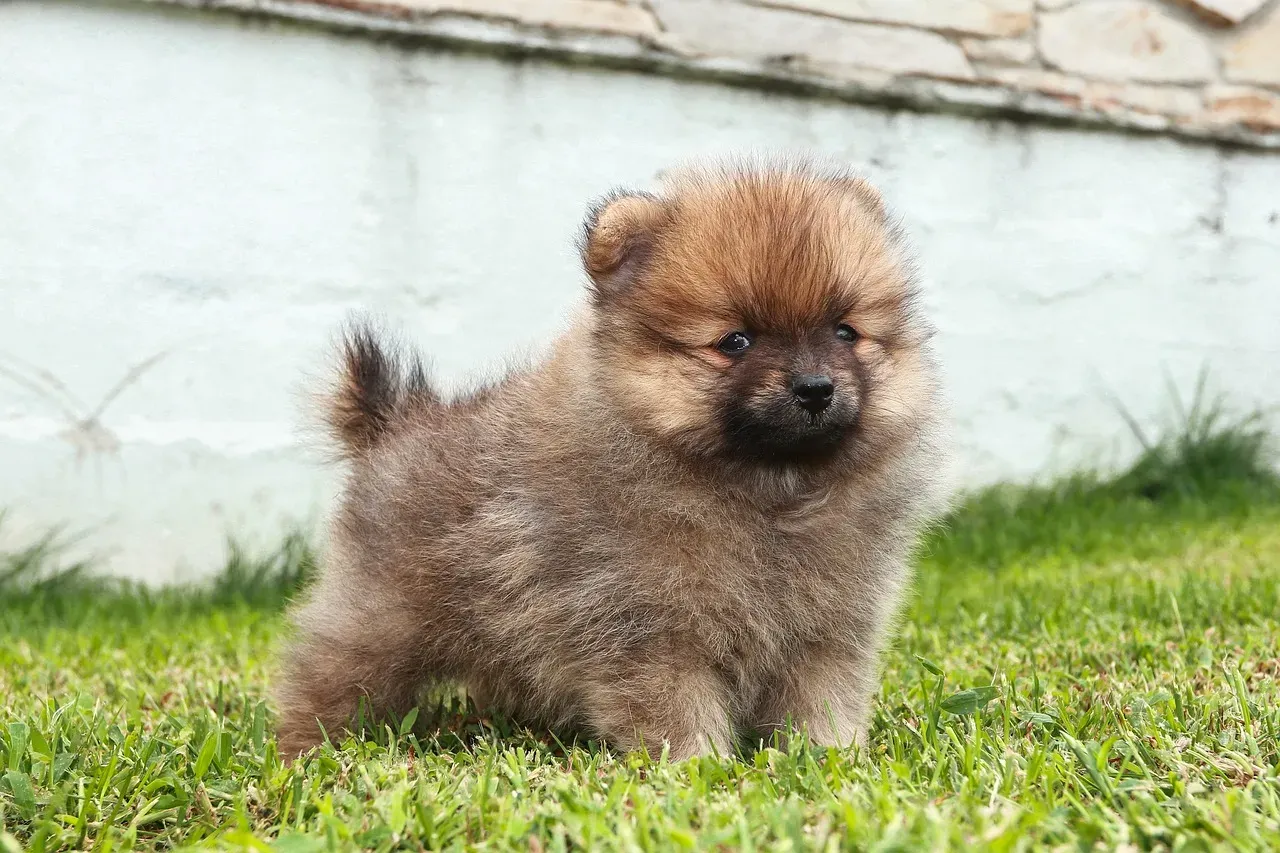
With their cloud-like coats and foxy faces, Pomeranians look like animated plush toys, but their history tells a tougher story. They descend from larger Spitz-type sled and herding dogs from cold northern regions, and you can still see that ancestry in their alert posture and sharp, assessing gaze. Many Poms act like they are twice their actual size, especially when it comes to guarding their front door or “supervising” the neighborhood from a window.
Modern Pomeranians often score high on measures of boldness, vocal expression, and attachment. They are quick learners with a lot of drive, which can be a blessing or a curse depending on how you guide it. Give a Pom trick training, rally obedience, or even tiny-dog agility, and their fearless enthusiasm is delightful. Ignore their mental needs, and that same energy turns into nonstop barking and bossy behavior. They are proof that a ball of fluff can also be a pint-sized powerhouse.
8. Cairn Terrier: The Scrappy Original
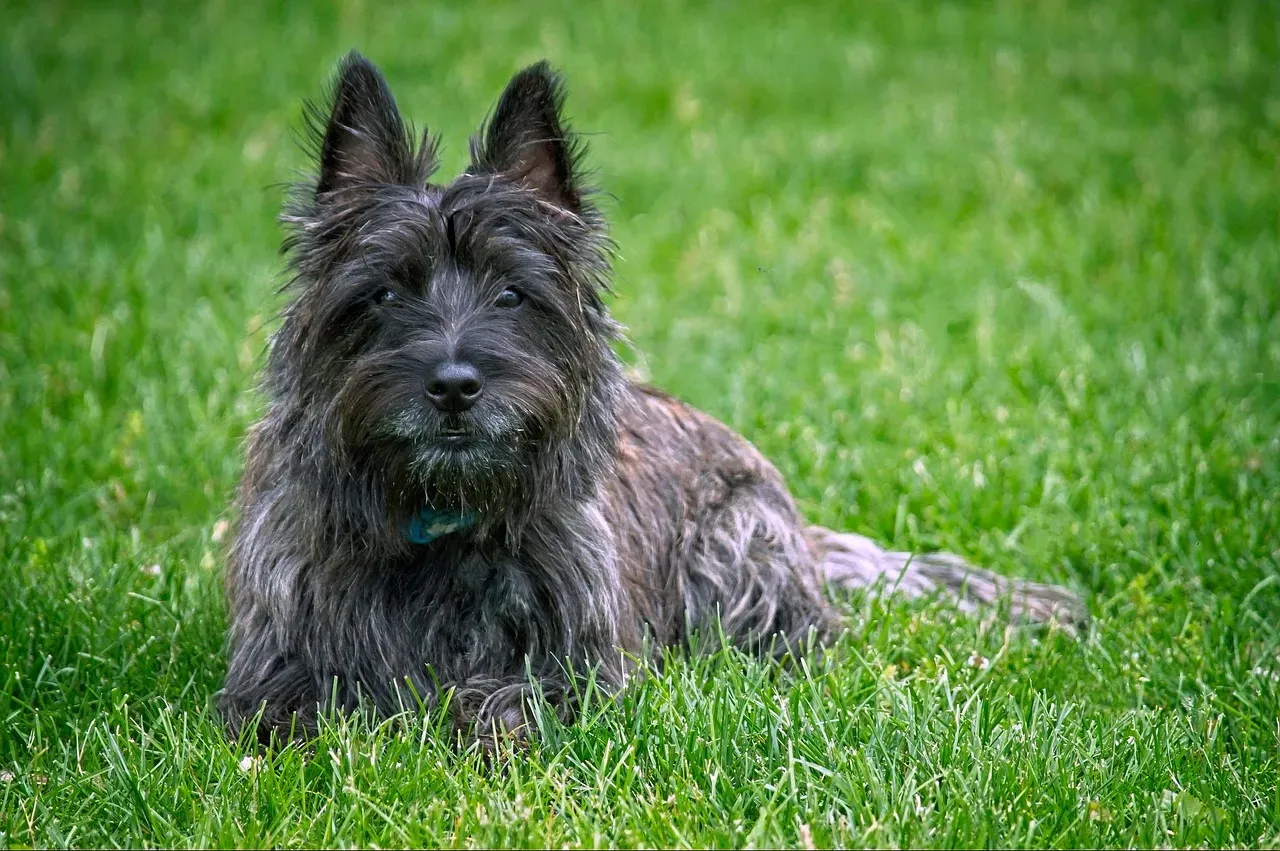
Best known as the breed that played Toto in the classic wizard movie, the Cairn Terrier is one of the original rugged working terriers from Scotland. These dogs were tasked with hunting and flushing quarry from rocky piles and harsh terrain, which selected for dogs that would not quit just because the job got uncomfortable or scary. Today, that same grit shows up in their playful, scrappy determination.
Owners often describe Cairns as cheerful but utterly fearless, ready to charge into long grass, clamber over boulders, or dig enthusiastically for imagined treasures. They tend to be less fragile in temperament than some toy breeds, and when paired with consistent training, their confidence becomes a huge asset. A well-managed Cairn will walk through the world like an adventurous kid at a theme park: curious, unafraid, and always looking for the next mini-challenge to conquer.
Conclusion: Why Little Lions Matter More Than You Think
These eight breeds prove something quietly radical: bravery has almost nothing to do with size. From Jack Russells hurtling through agility courses to Chihuahuas strolling past giant dogs without a flinch, their fearless personalities come from generations of selective breeding, not from ego or cluelessness. When we dismiss small dogs as purely decorative, we overlook real working histories and real psychological depth.
At the same time, their courage is not an excuse to let them run the show. Fearless small dogs still need boundaries, training, and thoughtful socialization so that their boldness does not tip into reactivity or risk-taking. In my view, the best thing we can do for these tiny powerhouses is to treat them like the serious, capable dogs they are: give them jobs, teach them skills, respect their bodies, and celebrate their hearts. Knowing what you know now, will you ever look at a little dog the same way again?


