
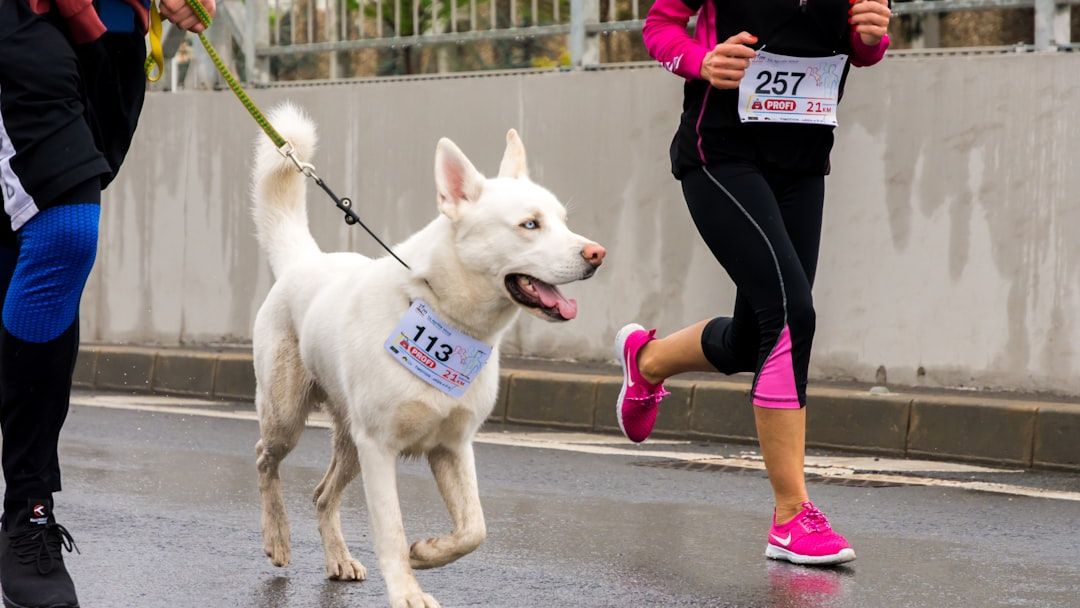
As we age, our beloved canine companions age alongside us, often requiring adjustments in their care that can be overlooked. Veterinarians frequently encounter certain missteps made by dog owners over 55, which, though well-intentioned, can impact a dog’s health and happiness. Recognizing these common errors can lead to a more fulfilling and healthier life for both you and your furry friend.
Neglecting Regular Veterinary Check-Ups
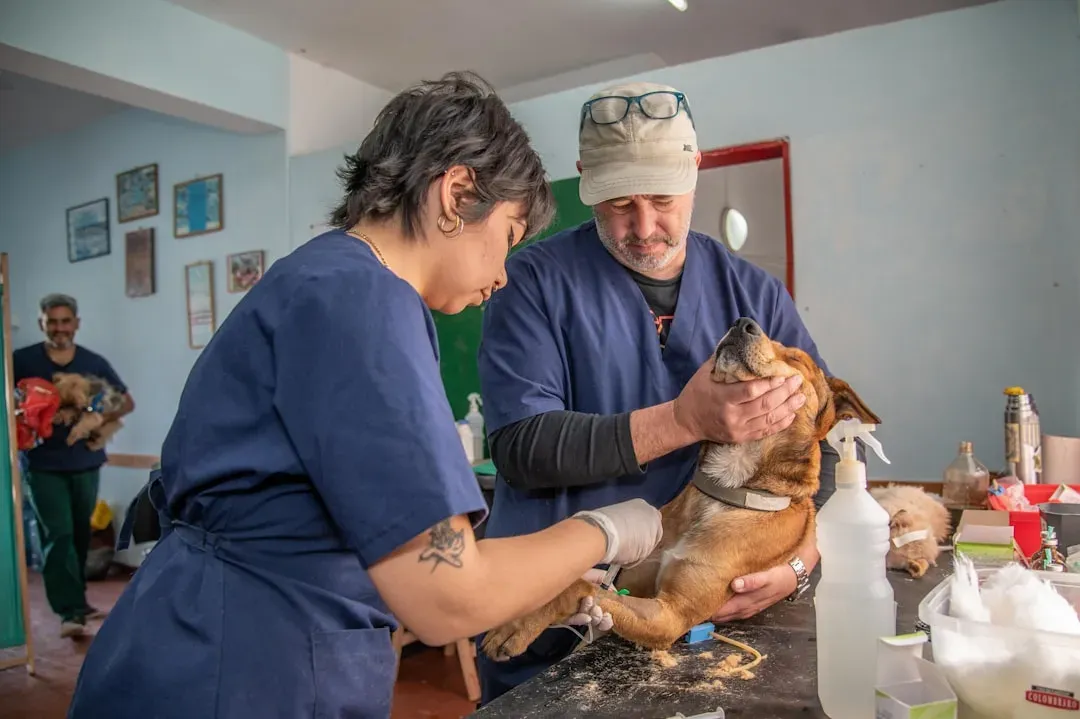
It’s easy to assume that if your dog appears healthy, frequent vet visits aren’t necessary. However, as dogs age, they become more susceptible to various health issues that may not present obvious symptoms initially. Regular check-ups, ideally twice a year, can catch conditions like arthritis, dental disease, or organ dysfunction early, making treatment more effective and less costly.
Skipping these appointments can mean missing subtle signs of illness. For instance, a slight change in weight or behavior might indicate underlying problems. Establishing a routine with your veterinarian ensures that your dog’s health is monitored closely, allowing for timely interventions and peace of mind.
Overfeeding and Lack of Portion Control
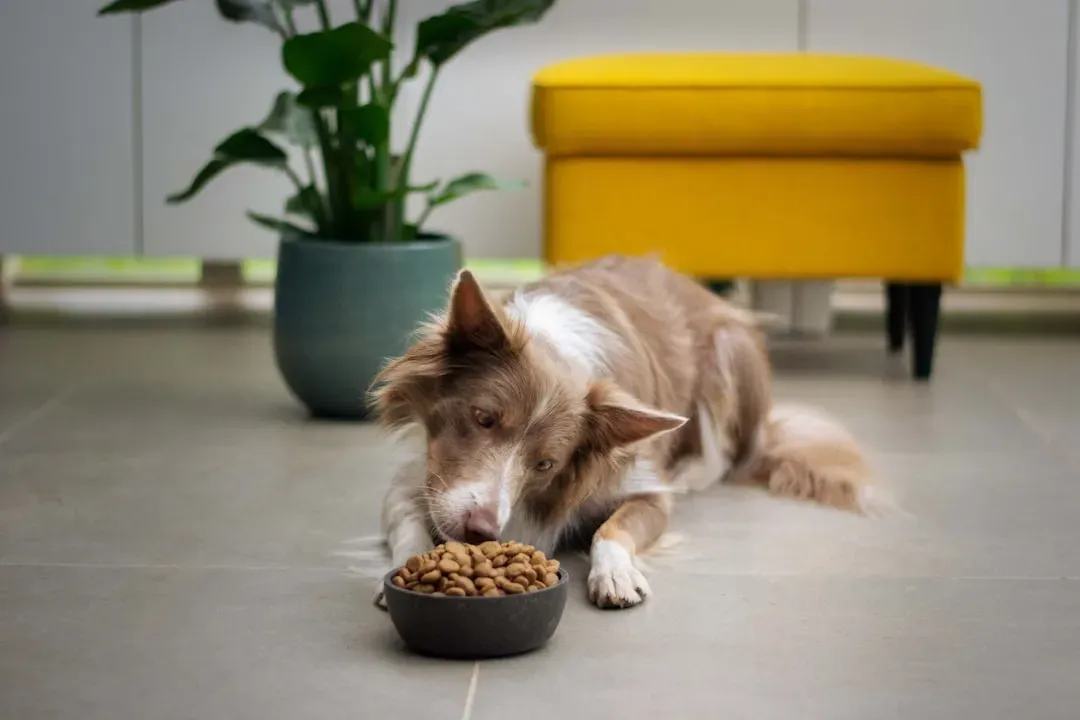
Sharing your meals or giving extra treats is a common way to show love, but it can lead to obesity in dogs. Older dogs have slower metabolisms and reduced activity levels, making them prone to weight gain. Obesity can exacerbate health issues like joint pain and heart disease.
It’s crucial to measure your dog’s food portions accurately and limit treats. Consulting with your veterinarian about an appropriate diet plan tailored to your dog’s age, size, and activity level can help maintain a healthy weight and prevent related health complications.
Ignoring Dental Health
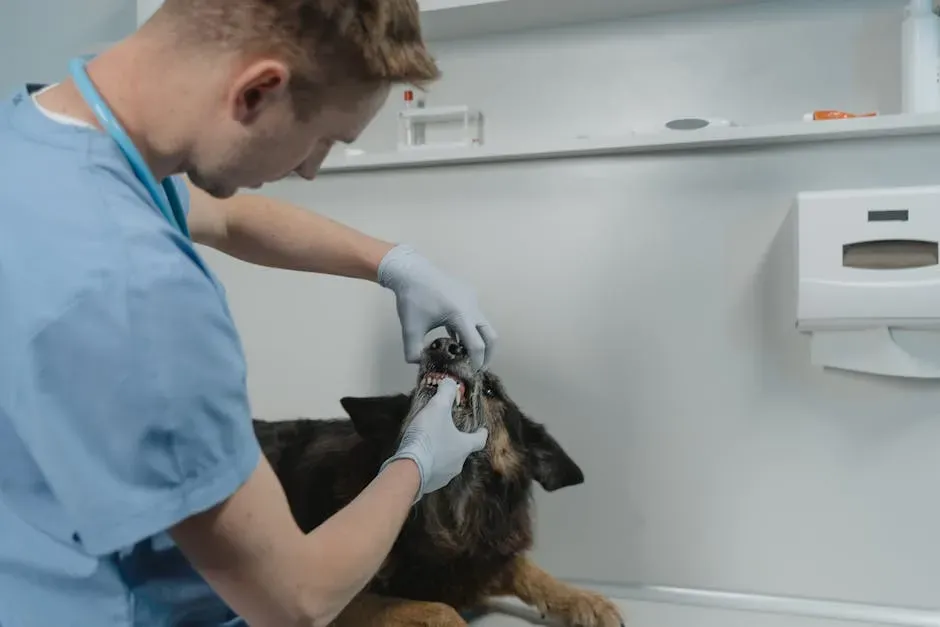
Dental care is often overlooked in dogs, yet it’s vital for their overall health. Plaque and tartar buildup can lead to periodontal disease, causing pain, tooth loss, and even affecting internal organs due to bacteria entering the bloodstream.
Incorporating regular teeth brushing into your dog’s routine, providing dental chews, and scheduling professional cleanings can prevent dental issues. Remember, bad breath isn’t just unpleasant; it’s often a sign of dental disease that requires attention.
Insufficient Physical Exercise
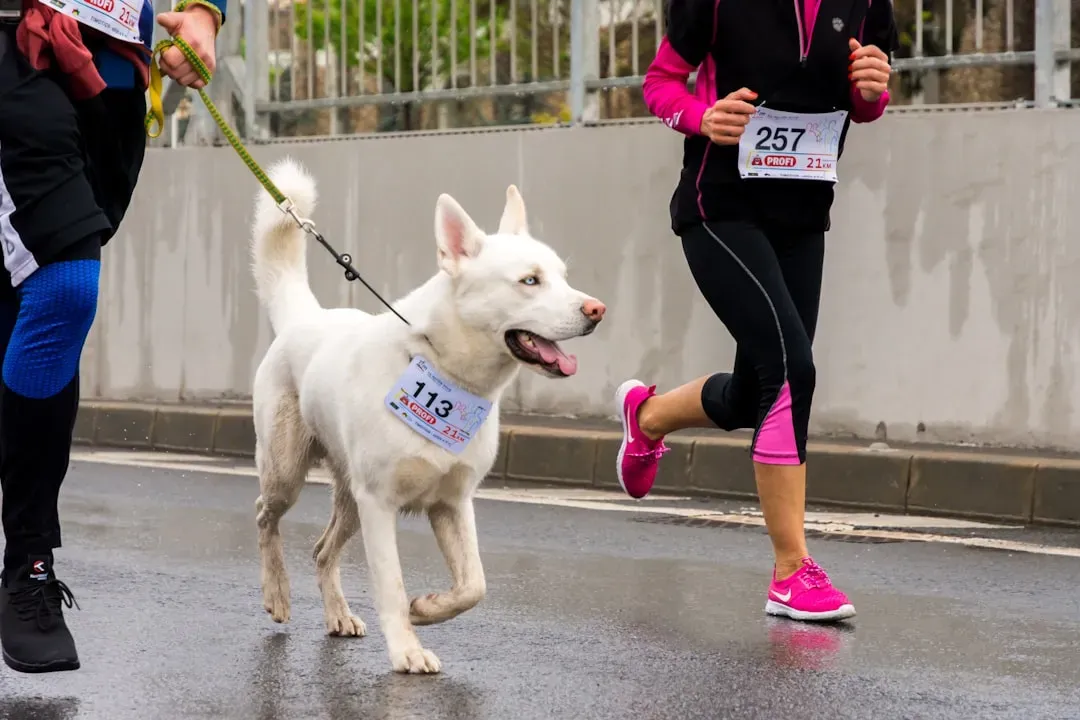
As both owner and dog age, there’s a tendency to reduce physical activity. While it’s natural to slow down, completely neglecting exercise can lead to muscle loss, obesity, and decreased mental stimulation for your dog.
Tailoring exercise to your dog’s abilities is key. Short, gentle walks, swimming, or interactive play sessions can keep your dog physically and mentally engaged. Regular activity supports joint health and can improve your dog’s mood and behavior.
Overlooking Mental Stimulation
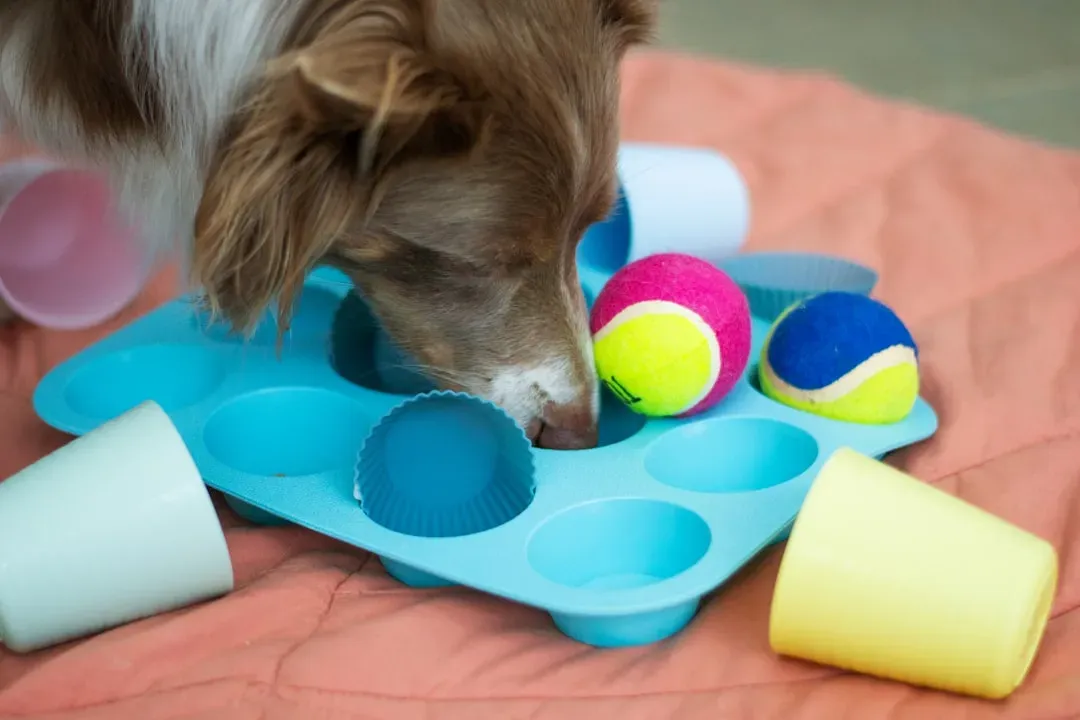
Physical exercise is important, but mental stimulation is equally crucial, especially for aging dogs. Without it, dogs can become bored, anxious, or even develop cognitive dysfunction.
Engaging your dog with puzzle toys, scent games, or new tricks can keep their mind sharp. Even simple changes, like varying walking routes or introducing new toys, can provide the mental enrichment your dog needs to stay happy and healthy.
Delaying Recognition of Mobility Issues
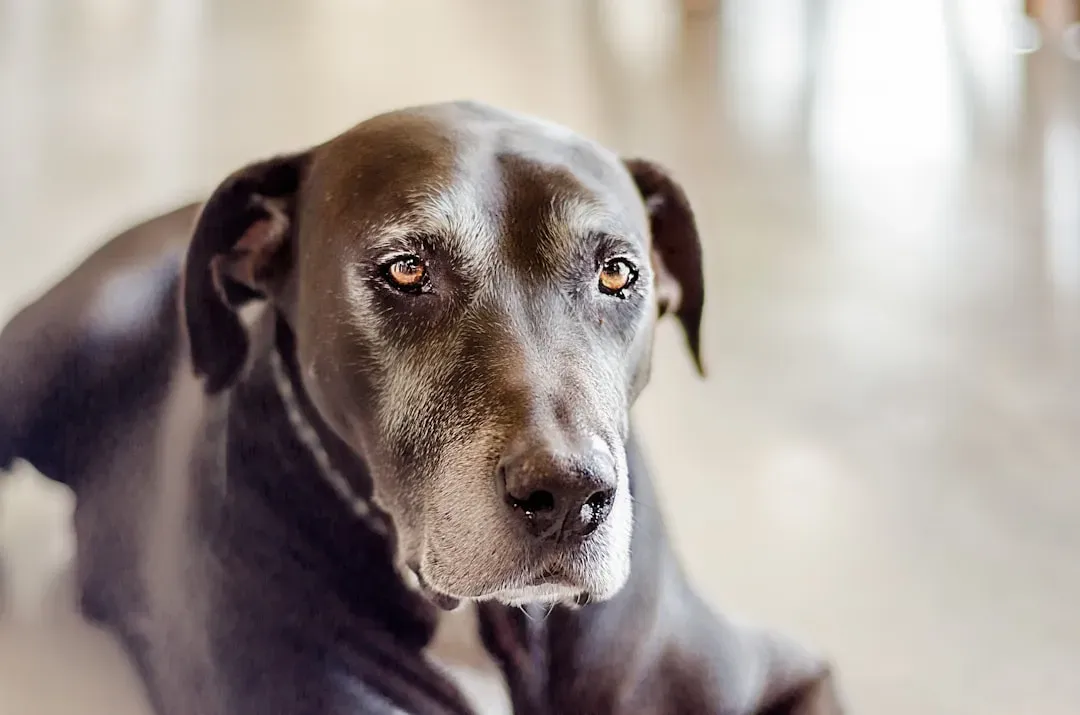
It’s common to attribute a dog’s reluctance to move or play to “just getting old.” However, these signs often indicate pain from conditions like arthritis. Ignoring these symptoms can lead to unnecessary suffering.
Observing changes in your dog’s movement and consulting with your veterinarian can lead to treatments that alleviate pain. Options may include medications, supplements, physical therapy, or modifications to your home to make movement easier for your dog.
Inconsistent Grooming Practices
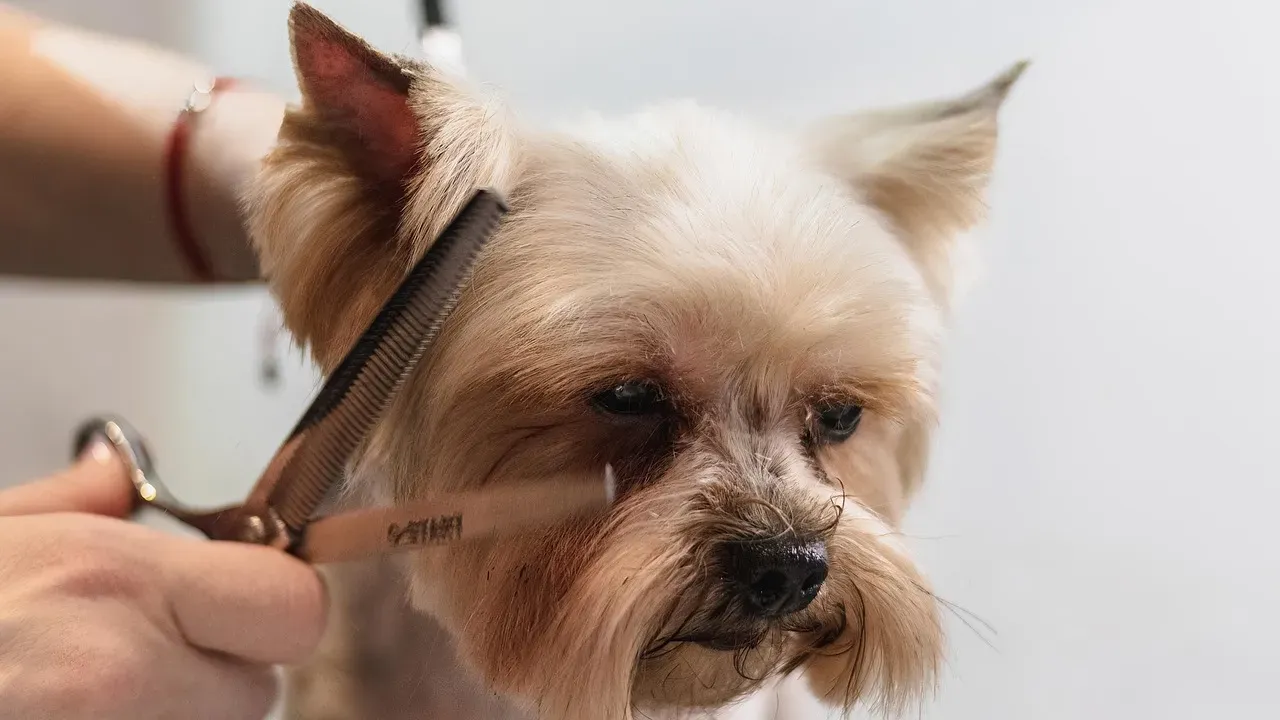
Regular grooming is more than keeping your dog looking good; it’s essential for their health. Neglecting grooming can lead to skin infections, matting, and unnoticed lumps or injuries.
Establishing a consistent grooming routine, including brushing, bathing, and nail trimming, allows you to monitor your dog’s skin and coat condition. It’s also an opportunity to check for any abnormalities that may require veterinary attention.
Not Adjusting the Home Environment
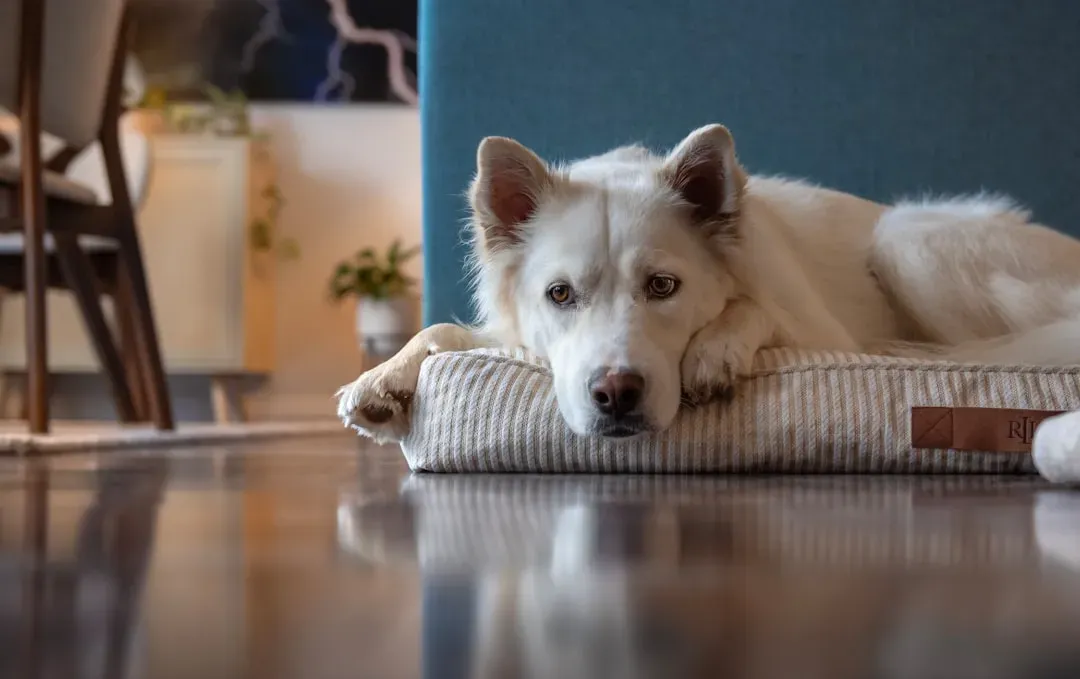
As dogs age, they may struggle with stairs, slippery floors, or high furniture. Failing to adapt your home can lead to accidents or discourage your dog from moving around comfortably.
Simple modifications, such as adding rugs for traction, providing ramps, or placing beds in easily accessible areas, can make a significant difference in your dog’s quality of life. Ensuring their environment is safe and comfortable supports their independence and well-being.
Overlooking Changes in Behavior
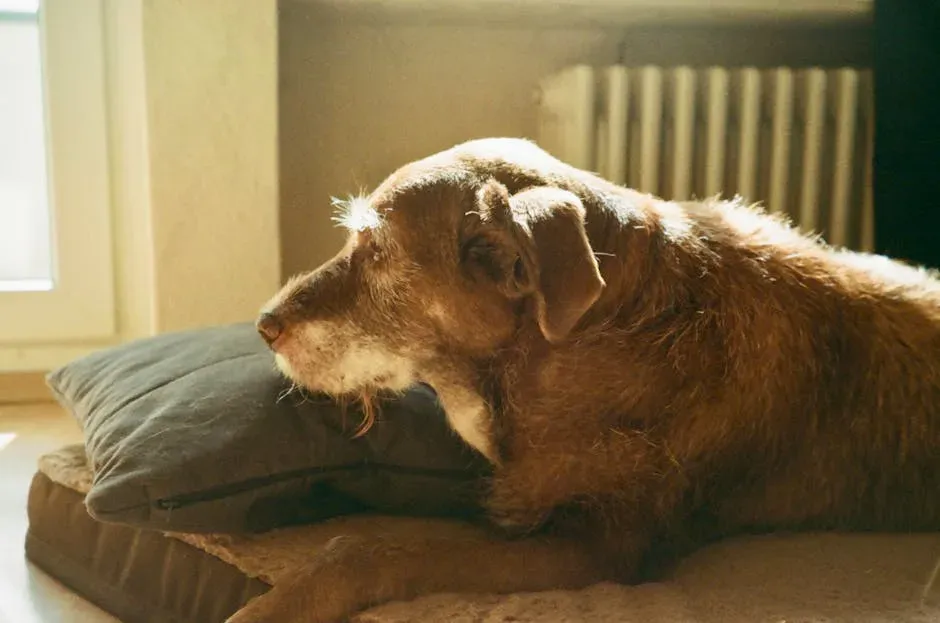
Behavioral changes in dogs, such as increased irritability, confusion, or house soiling, are often dismissed as normal aging. However, these can be signs of medical issues or cognitive decline.
Paying attention to and addressing these changes with your veterinarian can lead to interventions that improve your dog’s quality of life. Treatments may include medications, dietary adjustments, or environmental modifications to support cognitive health.
Assuming All Human Foods Are Safe
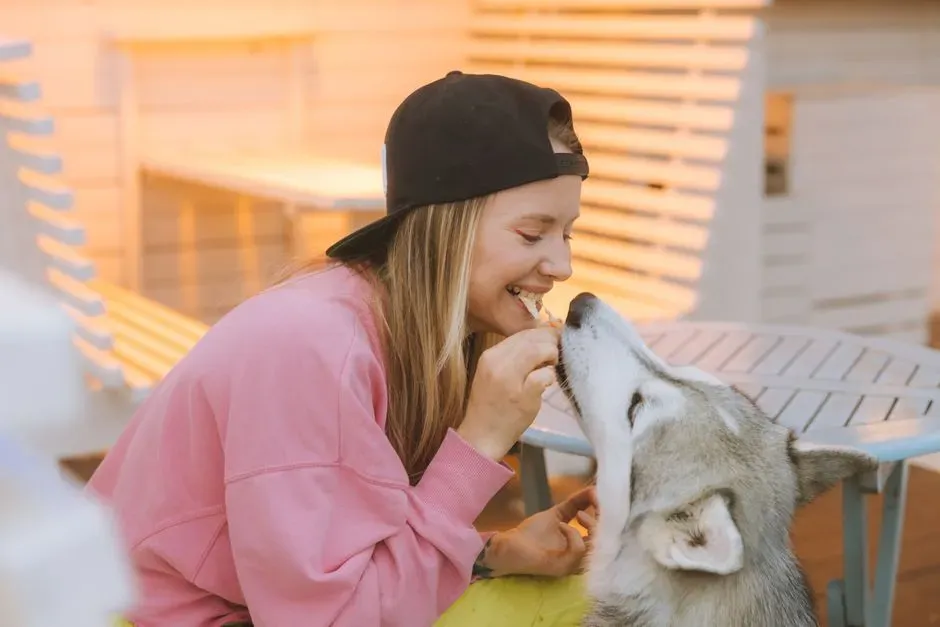
Sharing your food with your dog can be tempting, but many human foods are harmful to dogs. Ingredients like chocolate, grapes, onions, and certain artificial sweeteners can be toxic.
Educating yourself on foods that are safe and unsafe for dogs is crucial. When in doubt, it’s best to stick to dog-specific treats and consult your veterinarian before introducing new foods into your dog’s diet.
In conclusion, while aging alongside your canine companion is a journey filled with love and companionship, it’s essential to adapt and be vigilant about their changing needs. By avoiding these common mistakes, you can ensure your dog enjoys their golden years with health and happiness. After all, isn’t that what every devoted pet owner strives for?


