
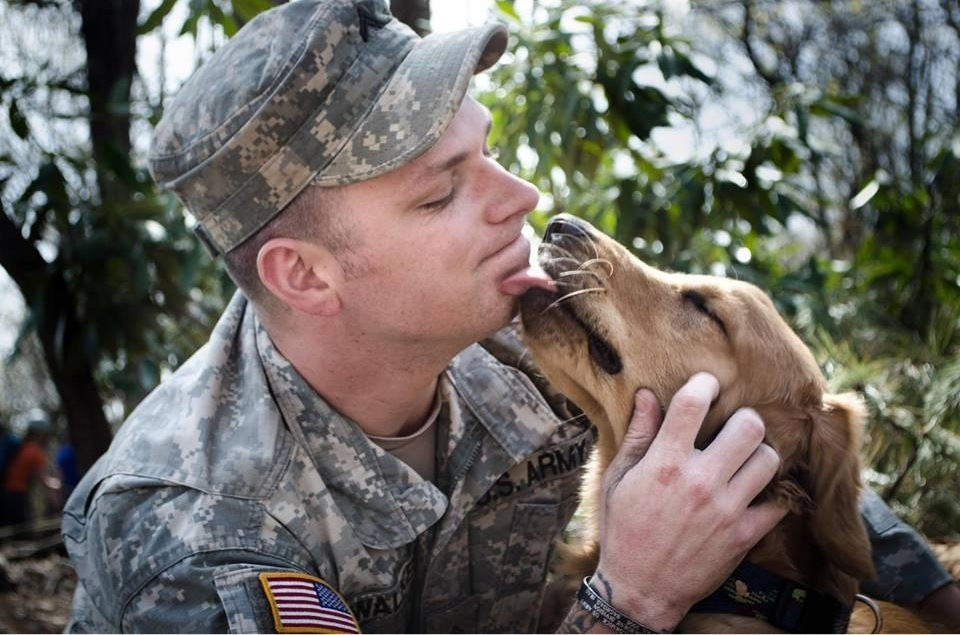
There’s something strangely intimate about a dog’s tongue on your skin. It can feel sweet, annoying, ticklish, or even overwhelming, sometimes all at once. Many people shrug it off as a simple doggy kiss, but that wet nose and warm tongue are saying far more than most of us realize.
When a dog licks you, it’s not just one message. It’s a layered mix of instinct, emotion, learned behavior, and even habit. Some of it is pure affection, some of it is anxiety, and occasionally, it’s your sandwich crumbs from two hours ago. Understanding the difference is where it gets interesting – and where the real bond with your dog can deepen in a way many people never reach.
The Ancient Language of Licking: More Than Just “Kisses”
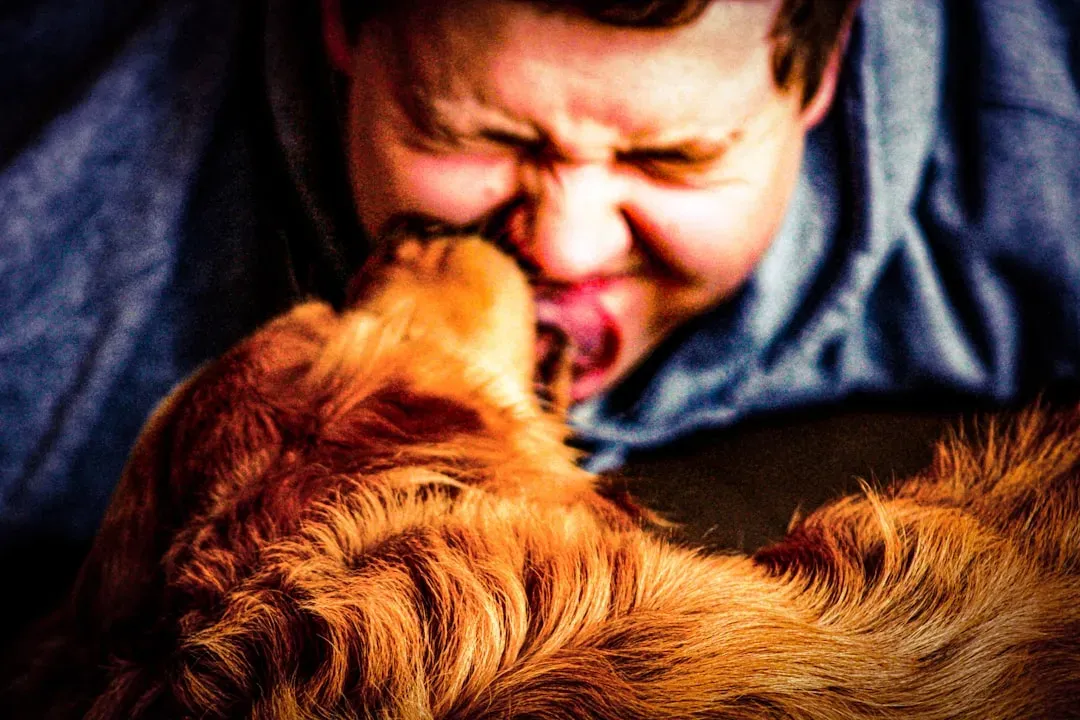
Imagine being dropped into a country where you do not speak the language, but people still smile, touch your arm, point at things, and guide you around. That’s what your dog is doing with licking: using the language their species has always known. In wild and free-ranging dogs, puppies lick their mother’s mouth to ask for food and care, and adult dogs lick one another to keep the peace, show respect, and maintain social bonds.
So when your dog licks you, they’re borrowing from this ancient script. Sometimes they’re saying you’re part of my family. Other times, they’re adding a polite I come in peace or even defusing tension if they sense your stress. It might look simple from the outside, but to your dog, licking is as layered and nuanced as tone of voice is for us.
Affection, Attachment, and the “You Are My Safe Place” Message
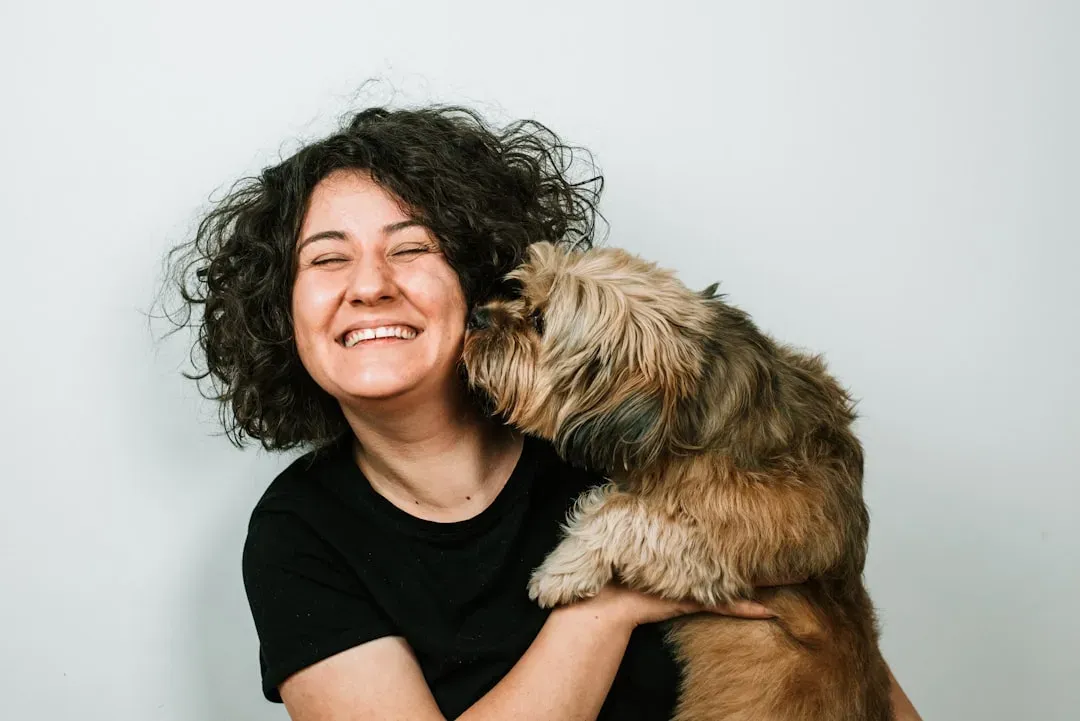
A lot of licking really is about love – but dog-style love is practical. When your dog licks you while leaning into your legs, curling beside you on the couch, or gazing up at you with soft eyes, they’re wrapping several feelings into one action. They’re bonding, soothing themselves, and checking in: Are we okay? Are we still us?
There’s also a neurochemical side to this. Gentle social contact, including licking and being petted, can help dogs feel calmer and more secure. That’s why your dog may lick your hands when you sit down after a rough day, almost like they’re trying to plug into you emotionally. I’ve had days where my dog planted herself next to me and quietly licked my wrist like she was trying to glue me back together – and honestly, it worked better than some human conversations.
Anxiety, Stress, and the Hidden Side of “Too Much Licking”
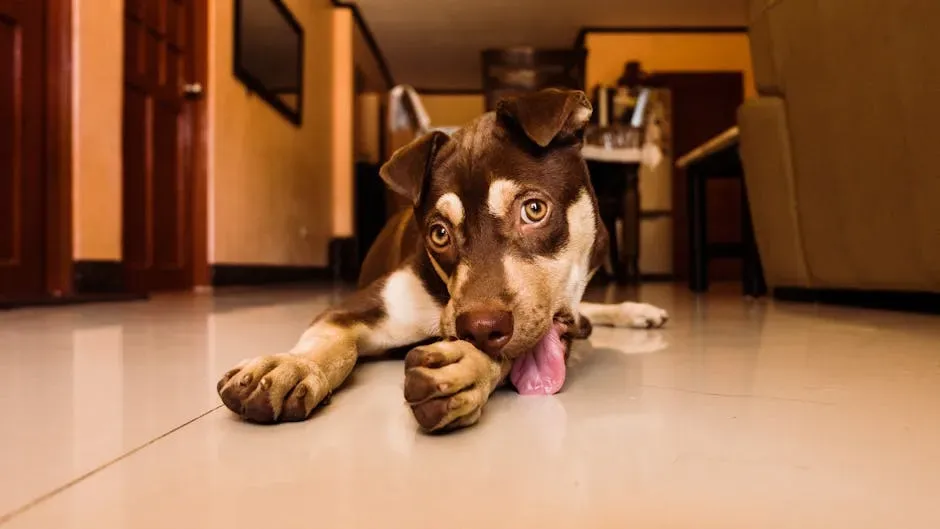
Not all licking is a warm fuzzy love letter. Sometimes it’s more like a nervous ramble. Dogs that lick you constantly, frantically, or in a way that feels a bit desperate may actually be dealing with anxiety or stress. They might lick your hands, your face, your clothes, then pivot to licking themselves, the couch, or even the floor in repetitive patterns.
In those moments, licking can be a coping strategy, similar to how some people bite their nails, pace, or scroll their phones without even noticing. If your dog’s licking ramps up when there’s loud noise, tension in the household, or when you’re about to leave, it could be less I adore you and more I’m really not okay right now. The message is still complex and emotional – but instead of soaking in affection, your dog might be asking for help.
Taste, Smell, and the Slightly Gross Truth: You’re Interesting
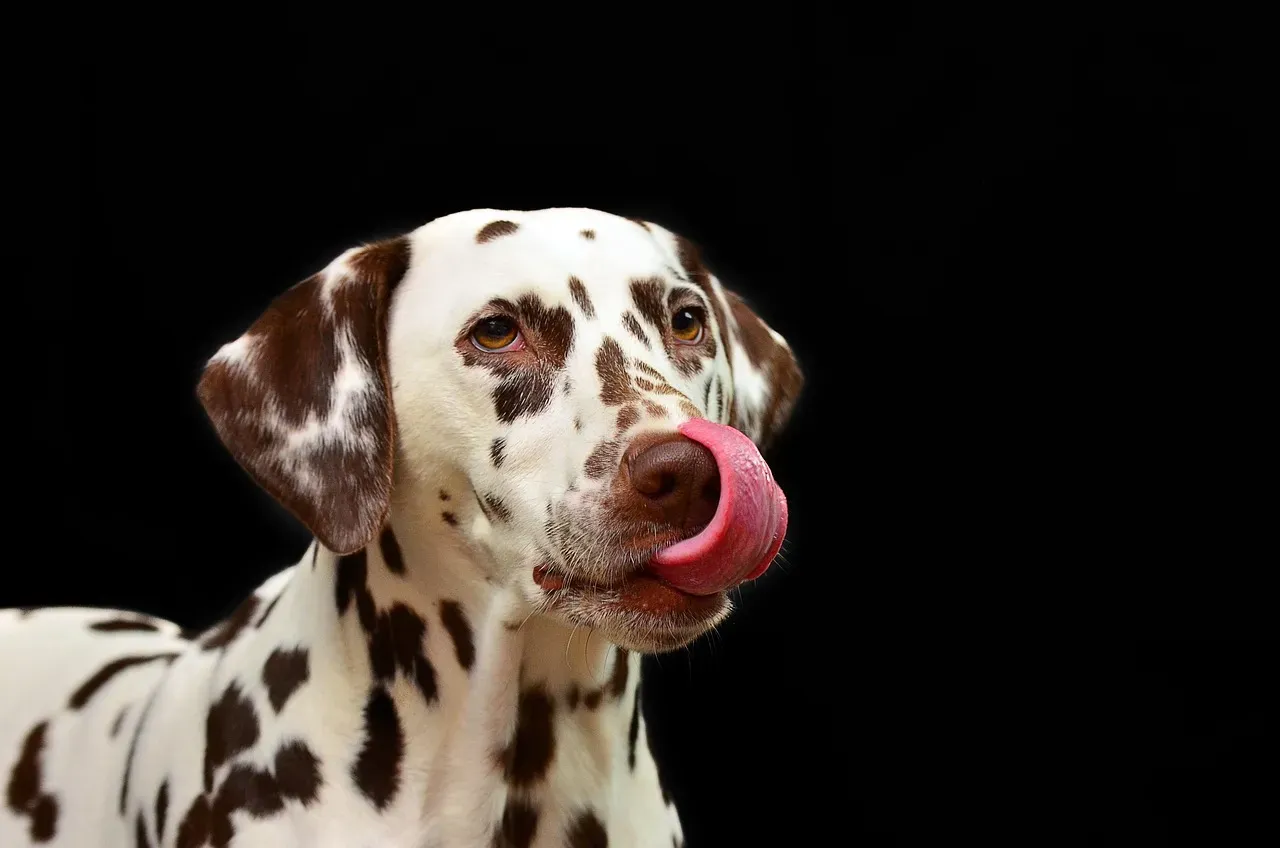
Sometimes the explanation is blunt: you taste good. Your skin can be salty, you might have food residue on your hands, or you may have walked through something fascinating from a dog’s point of view. Dogs experience the world through an intense combination of smell and taste, and your body is like a constantly updating flavor map.
That’s why some dogs are obsessed with licking sweaty hands, feet, or even your face after a workout. It’s not exactly romantic – they’re literally sampling the world on you. On top of that, your personal scent is like your signature, and licking it can be a way for your dog to memorize, explore, and enjoy who you are, in the strangest, most slobbery way possible.
Learned Behavior: When Licking Becomes a Strategy That Works
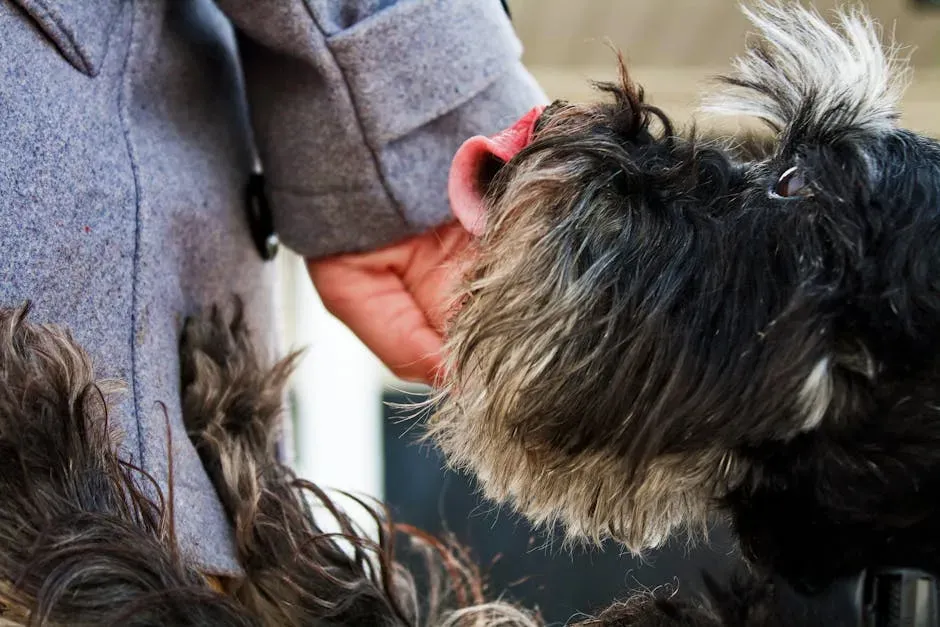
Dogs are brilliant at noticing what works on us. If licking your hand made you laugh when they were a puppy, then got them a cuddle, then a treat, then your full attention, guess what they just learned? Licking is a powerful button to press on the human machine. Over time, what began as a natural expression of affection or curiosity can turn into a carefully sharpened habit.
This is where we accidentally train our dogs without realizing it. We often respond to licking by talking to them, petting them, or even scolding them – which, from a dog’s point of view, is still attention. If every time they lick you, the world reacts, they store that away. In their eyes, licking you is not only emotional communication; it’s also a reliable way to make something happen.
Submission, Respect, and “You’re the Boss… Right?”

In dog-to-dog interactions, licking can be a sign of respect, especially when one dog licks the muzzle or face of another. It’s a bit like saying you go first, I trust you, I don’t want trouble here. Some dogs transfer that same piece of social behavior to their humans, licking your chin, hands, or even your clothes as a kind of gentle deference.
When a more sensitive or cautious dog licks you while ducking their head, lowering their body, or avoiding direct eye contact, they might be trying to smooth things over or confirm that you’re still a benevolent leader. Not a dictator, but a safe anchor point. In that scenario, the licking is not just affection; it’s also a question: Are we good? Are you still on my side? And your calm, kind response helps write the answer.
Health Clues and Boundaries: When Licking Is a Signal You Should Not Ignore
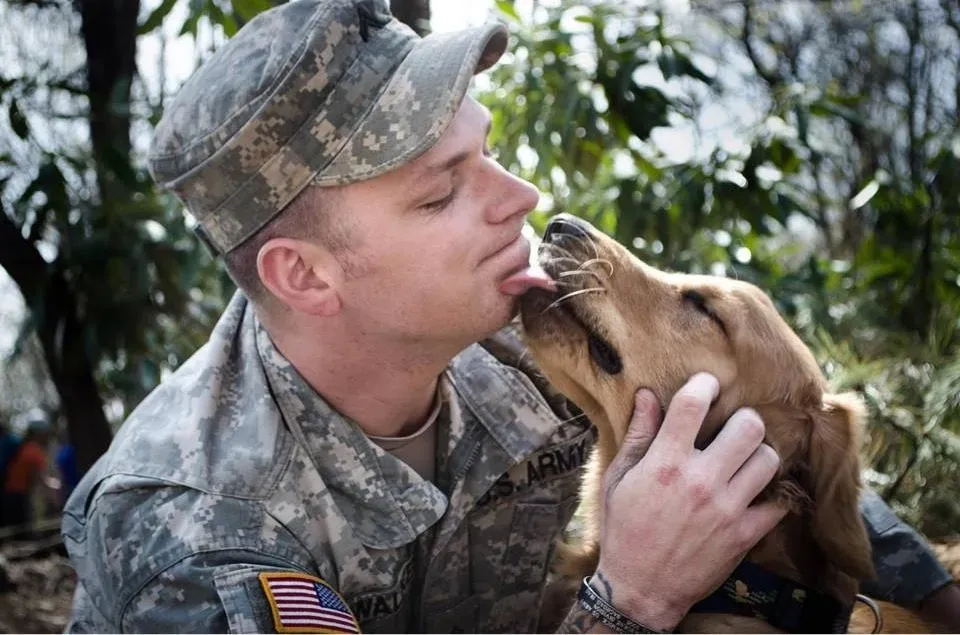
Sometimes licking jumps from normal to important signal. Dogs may lick at specific spots on your body if they detect an unusual smell, like a wound, a mole, or an area with inflammation. They can pick up changes in body odor linked to sweat, hormones, or underlying health issues, even if we’re totally unaware of them. While not every targeted lick is a medical alert, it’s worth paying attention if your dog fixates on the same area over and over.
On the flip side, there are also boundaries to consider – for both you and your dog. If the licking bothers you, keeps you up at night, or feels out of control for them, that’s not something you just have to tolerate. You can gently redirect, reward calm behavior, and give them better outlets like chew toys, scent games, or training sessions. Respecting your own comfort while still listening to what your dog might be trying to say is part of treating them like a partner, not a plush toy.
Reading the Whole Dog: Why Context Matters More Than the Tongue
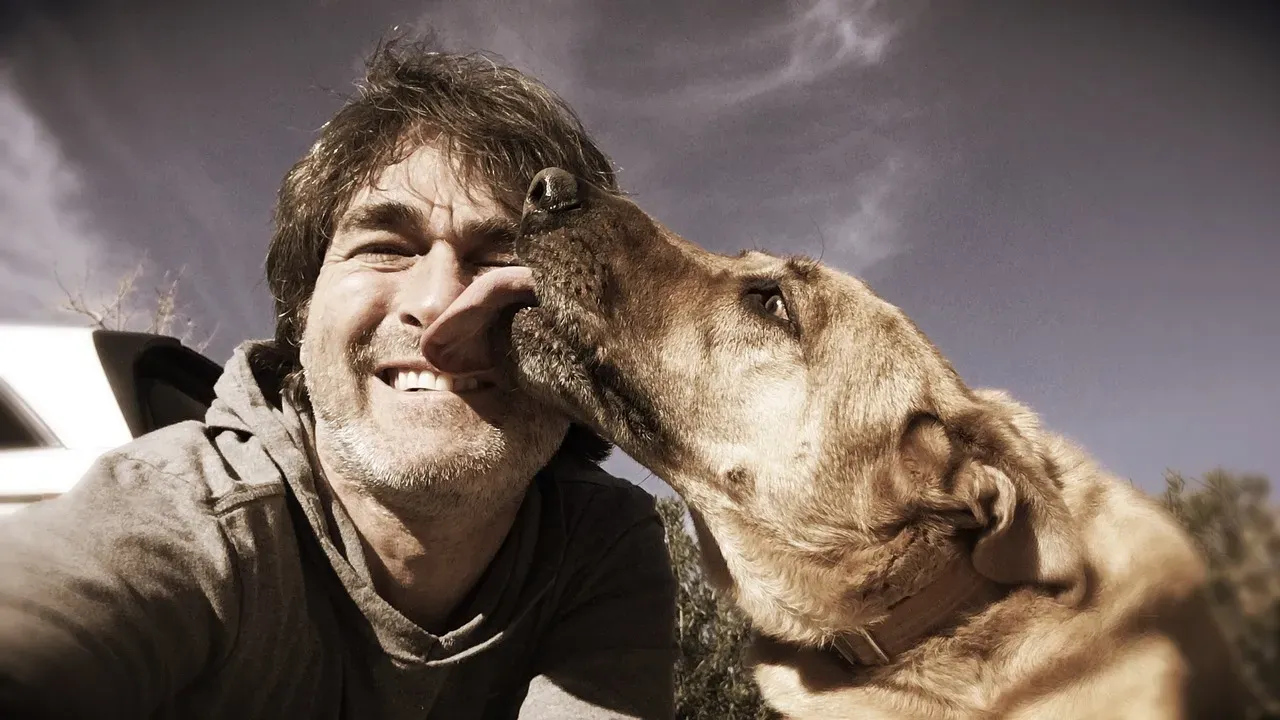
The real secret to understanding why a dog licks you is this: the tongue alone never tells the full story. A lick paired with relaxed ears, soft eyes, and a wiggly body says something completely different from a lick paired with tense muscles, tucked tail, and frantic pace. You have to read the whole dog, not just the wet part. Licking is one letter in a whole word of posture, movement, and emotion.
Personally, I think this is what makes living with a dog so quietly profound. It forces you to slow down and pay attention to the little details instead of assuming you already know. Is your dog happy, nervous, asking for connection, or begging for your sandwich? Once you start noticing the patterns, you realize that their licking is not random at all – it’s a complex, deeply personal message that you either learn to hear or you miss completely.
Conclusion: A Messy, Honest Love Language Worth Learning

When you strip it down, a dog licking you is one of the rawest, messiest, least polished ways of saying I’m here with you that exists in the human-animal world. Sometimes it is pure affection, sometimes it is a coping mechanism, and sometimes it is a practical hey, you dropped crumbs, genius. But it is almost never empty or meaningless. There is always some kind of emotional current running underneath it, even if it is subtle or confused or shaped by habit.
My own take? We underestimate our dogs when we dismiss all licking as just kisses, and we misunderstand them when we label all of it as bad behavior. The truth sits in the middle: your dog is communicating in the language they were born knowing, and it is on us to meet them halfway. Next time that tongue lands on your skin, instead of just wiping it off, you might quietly ask yourself: what is my dog really saying right now – and am I actually listening?


