
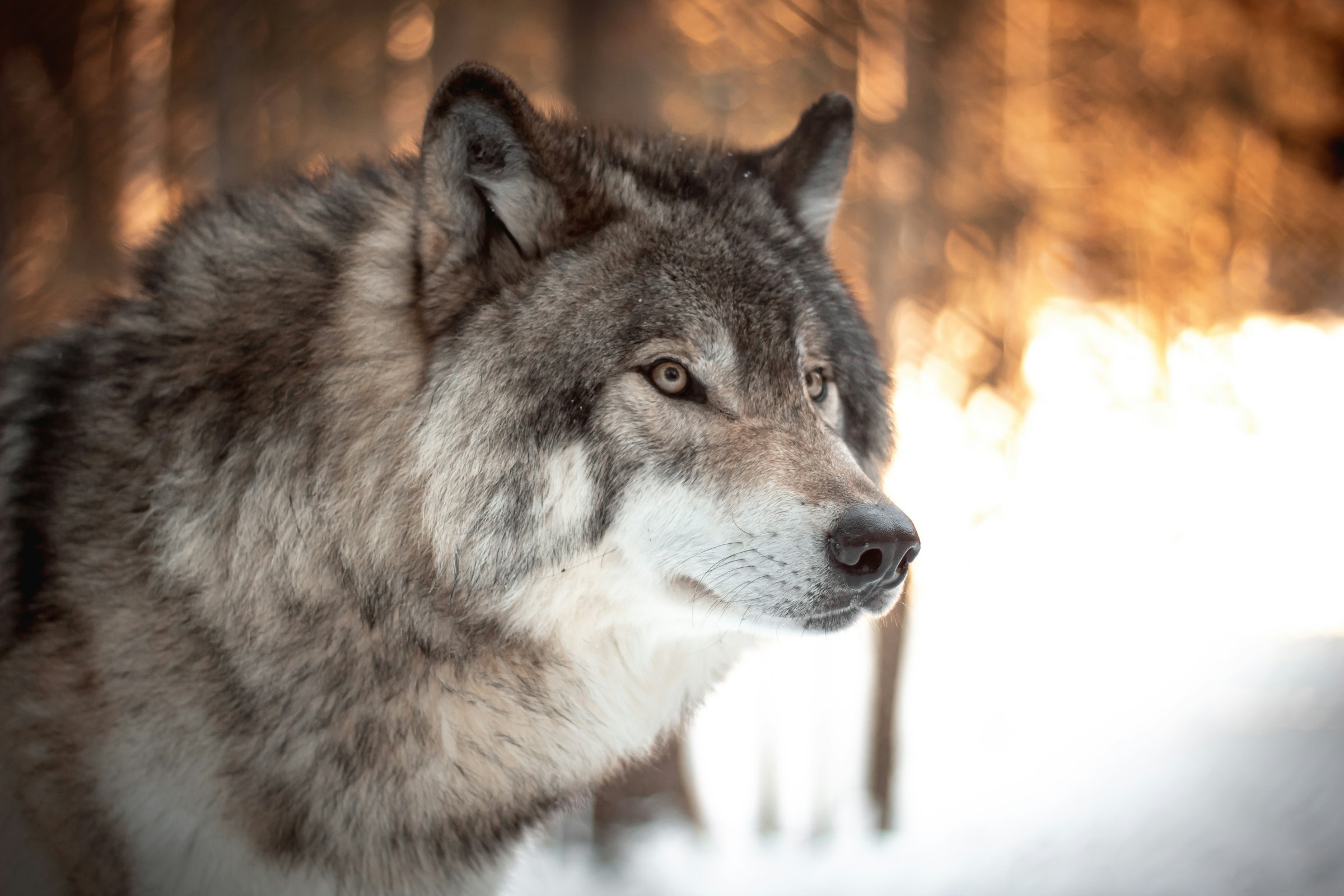
Wolves fascinate and scare us at the same time. They are powerful, intelligent predators that almost never want trouble with humans – but when we behave badly around them, we can turn a rare, manageable situation into something genuinely risky. Most dangerous wolf encounters are not about “evil wolves”; they are about humans making the wrong moves at the worst possible moment. In this article, we will walk through ten specific mistakes that can crank up the danger in a wolf encounter. Some of them are intuitive, others are surprisingly counter‑instinctive, and a few are things people do all the time when they just want a good photo or a wild story to tell. Understanding these mistakes is not about fear; it is about respect. When you know how wolves think and what they’re reacting to, you can keep both yourself and the animal safer.
1. Running Away And Triggering The Chase Instinct
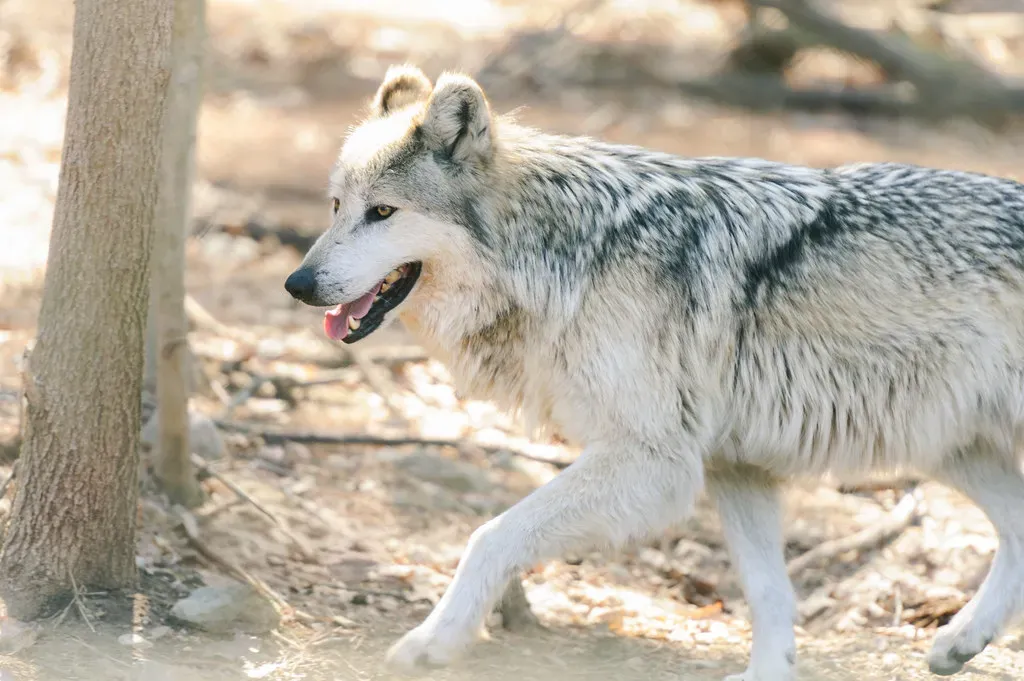
The first instinct for many people who suddenly see a wolf is simple: run. That reaction is hardwired into us, but it is also one of the fastest ways to make the situation more dangerous. To a wolf, a fast‑moving figure that suddenly turns and flees can look very similar to prey, and that taps into a powerful chase instinct that is deeply rooted in their hunting behavior.
Wolves are endurance runners built to follow fleeing animals over long distances, and you will not outrun one on open ground. Darting away, screaming, or flailing your arms wildly while running does two harmful things at once: it makes you look less like a confident, dangerous human and more like a confused, vulnerable animal, and it ramps up the level of energy and chaos in the interaction. Staying put, facing the animal, and moving slowly and deliberately is far less dramatic, but much safer.
2. Approaching Too Close For Photos Or Curiosity
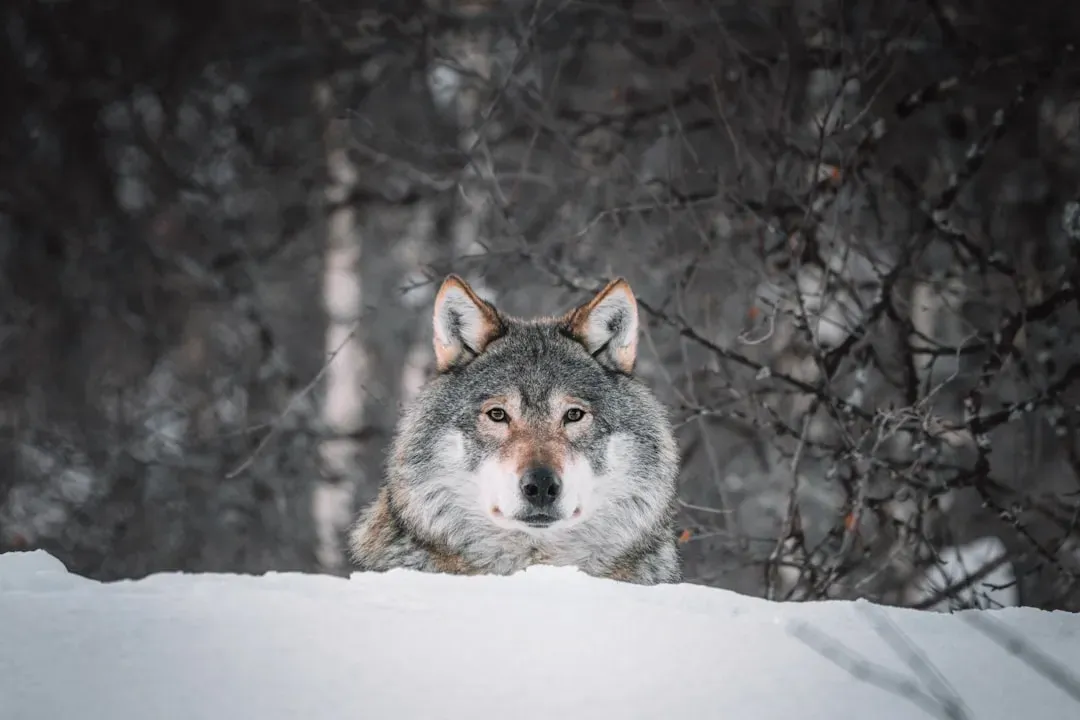
One of the most common modern problems is the camera effect: the moment people see wildlife, they stop thinking like animals and start thinking like content creators. Stepping closer and closer for that “perfect shot” can feel harmless, especially if the wolf looks calm or disinterested. In reality, you may be slipping into the animal’s critical comfort zone, that invisible bubble where it suddenly has to choose between fleeing and defending itself.
Wolves are not pets and they are not zoo exhibits; even a wolf that seems relaxed could be carefully sizing you up, watching for sudden movements and escape routes. When you move closer, you reduce those options, and a cornered animal is far less predictable. A safer approach is to use zoom lenses, stay at a generous distance, and accept that sometimes the respectful photo is a blurry one. The wild does not owe us a cinematic close‑up.
3. Leaving Food Scraps Or Intentionally Feeding Wolves
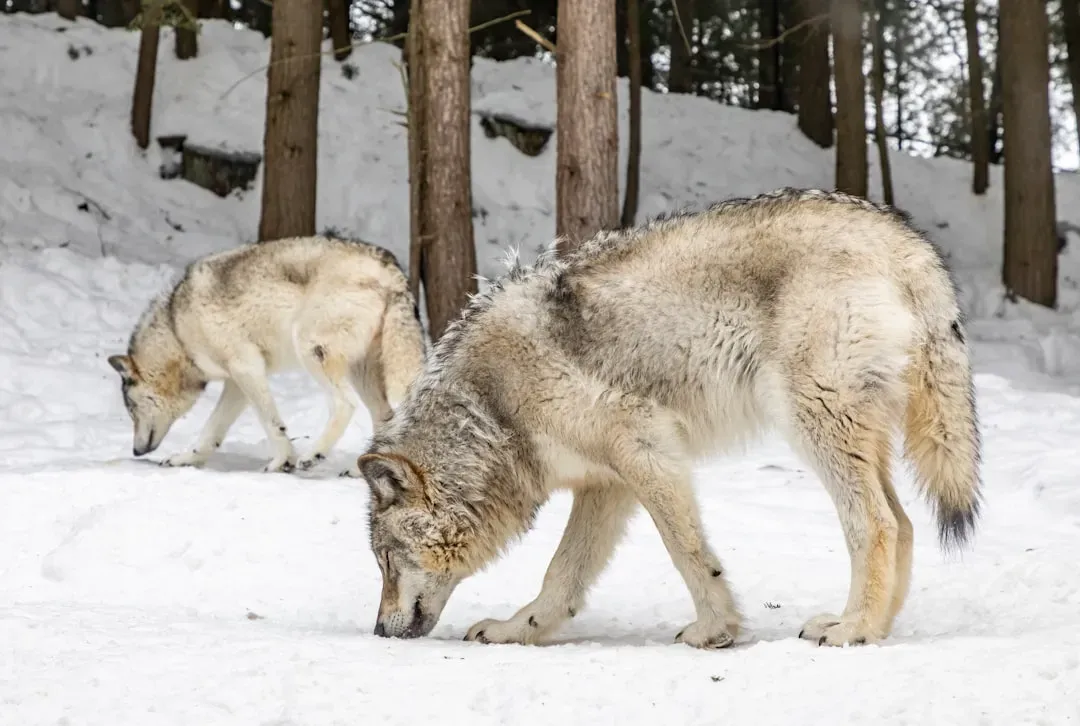
Feeding wolves, or even just being careless with food and trash, can quietly turn a wild, wary predator into a bold, human‑seeking problem. When wolves learn that human areas mean easy calories – garbage, camp leftovers, dropped snacks – their natural fear begins to erode. Over time, this can create a pattern where wolves actively approach people or campsites expecting a reward, and that is when tense stand‑offs or defensive behavior become more likely.
What seems like a magical moment of “bonding” – tossing a piece of food toward a curious wolf, watching it come closer – is in reality the first step in training that animal to see humans as part of its food landscape. This is bad for you, and it is even worse for the wolf. Habituated predators are far more likely to be killed by wildlife managers later, because they become too bold and too risky. Keeping food locked away, cleaning camps thoroughly, and never feeding wildlife is one of the most powerful safety tools you have.
4. Turning Your Back And Losing Situational Awareness
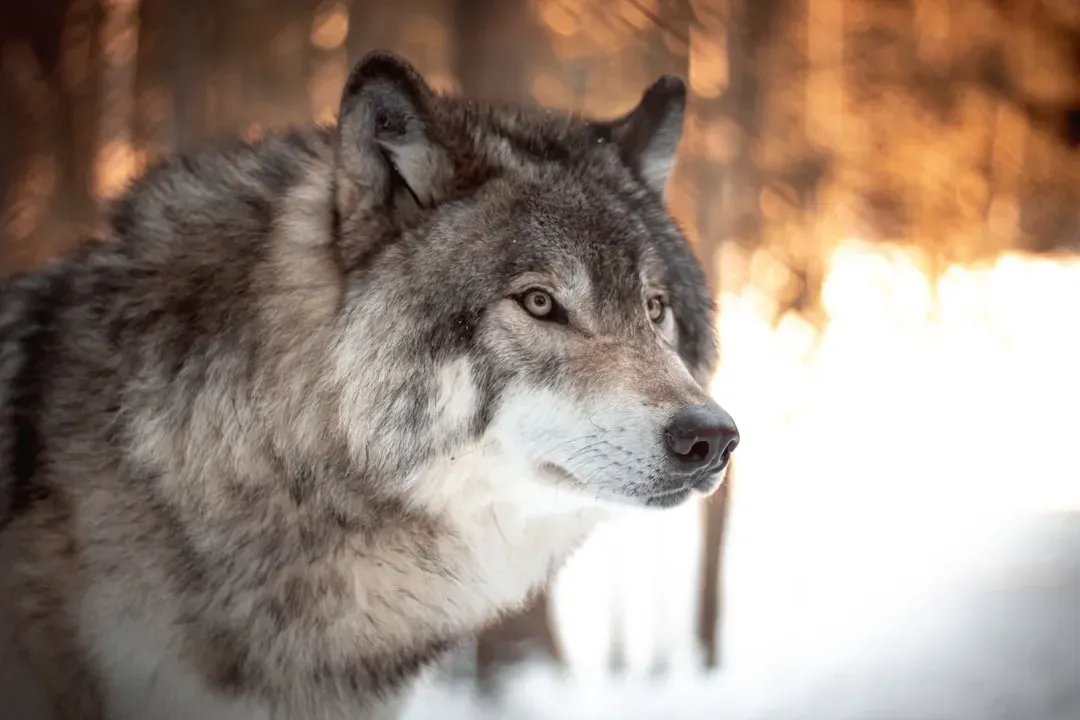
Turning your back to a large predator can change the whole dynamic of an encounter. Predators read body language constantly; when you face them, stand tall, and stay calm, you project awareness and control. When you turn away, bend down, or get distracted by your gear or your phone, you become less predictable, and you also lose the ability to see subtle changes in the wolf’s behavior that warn you it is getting nervous or agitated.
In some situations, people have even turned away to take photos or videos, focusing entirely on their screen while the animal shifts position, circles, or closes distance. That kind of tunnel vision is exactly what you want to avoid with any large carnivore. A better strategy is to keep your eyes on the animal without staring aggressively, angle your body so you can watch it as you slowly move away, and treat every second of that encounter as a live, evolving situation rather than a backdrop for content.
5. Bringing Off‑Leash Pets Into Wolf Country
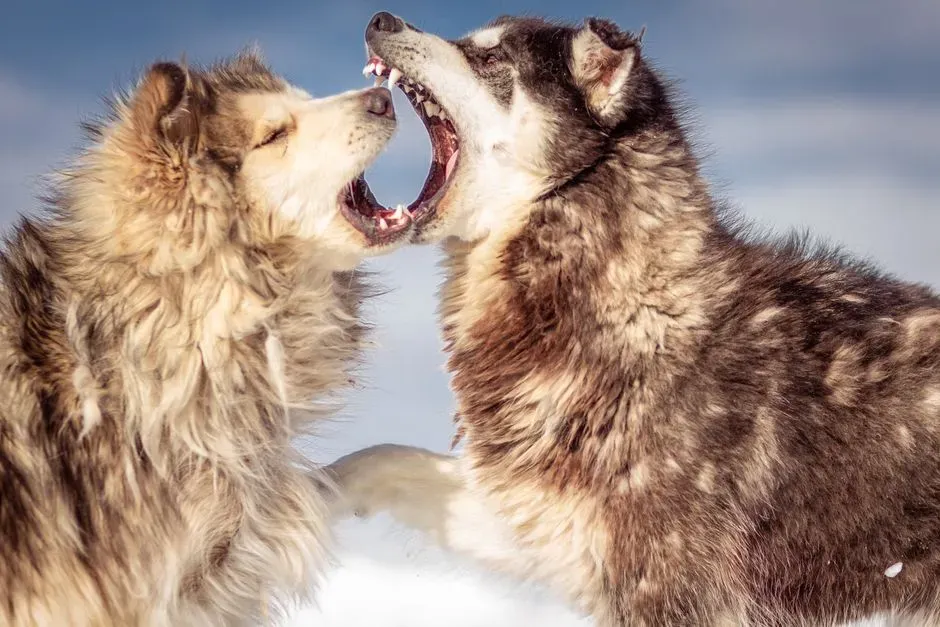
Dogs and wolves are close relatives, and wolves often respond strongly to them. An off‑leash dog that runs ahead on the trail, barks at wildlife, or chases a wolf can rapidly escalate a situation from harmless to dangerous. The wolf may interpret the dog as a direct threat or as a competing canid on its territory, and territorial aggression between canids can be explosive and brutal.
The tragic pattern seen more than once is simple: the dog runs out, confronts the wolf or a pack, and then, sensing danger, races back to its owner with the wolf in pursuit. Suddenly the human is in the middle of a conflict they never saw starting. Keeping dogs leashed, especially in wolf habitat, dramatically reduces that risk. It also allows you to leave quickly if your dog begins to show signs of stress or fixates on something in the distance that you have not yet noticed.
6. Ignoring Warning Signals In Wolf Body Language
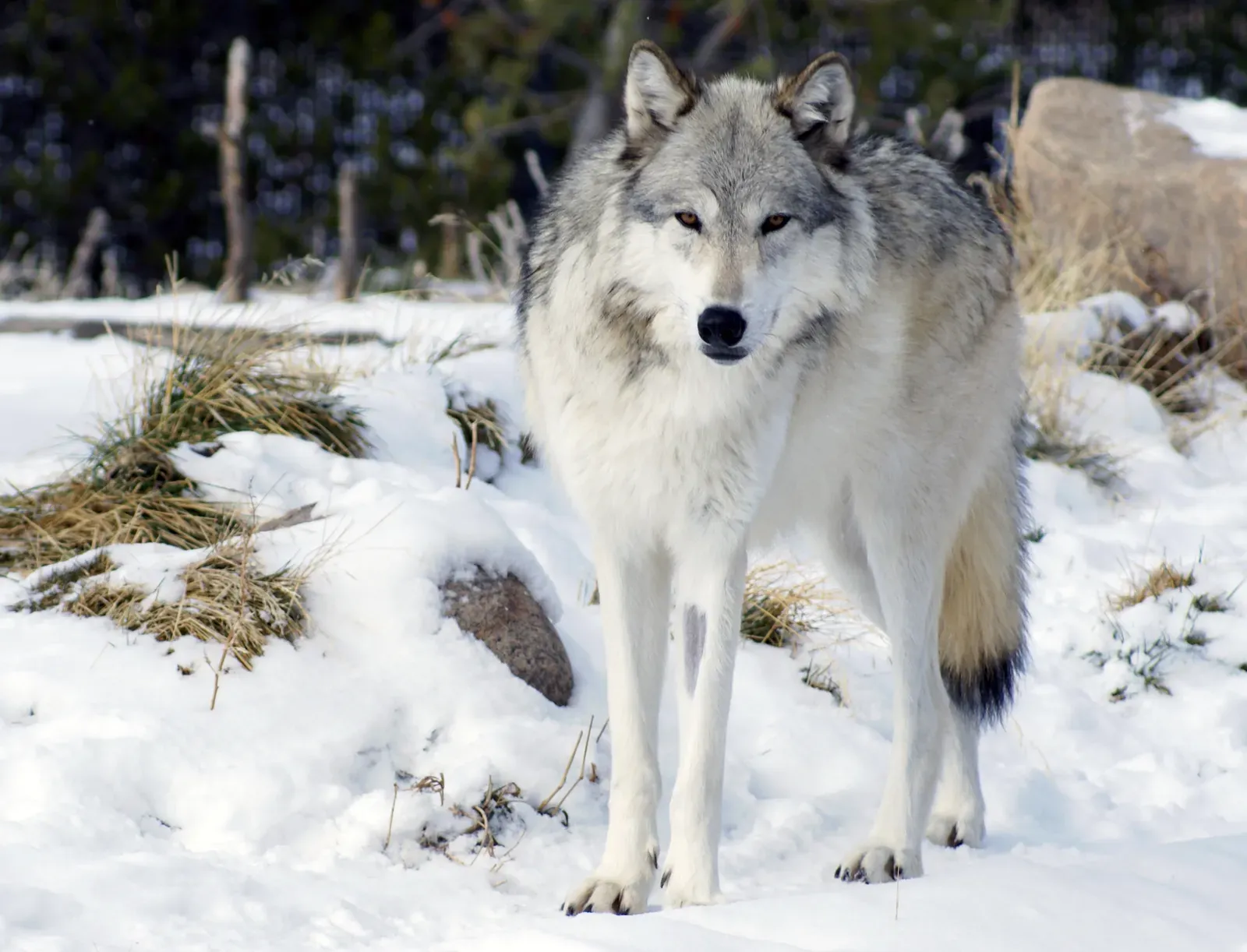
Many close calls with wildlife are not really “out of the blue”; they are the end result of people missing subtle warnings that the animal is uncomfortable. Wolves communicate constantly with posture, ear position, tail height, and facial expression. A stiff, forward‑leaning stance, raised hackles along the back, ears pinned, or a tightly closed mouth can all signal that the animal is on edge and weighing its options.
When people do not understand these signals, they may keep walking closer, talking loudly, or trying to lure the wolf into a better view. From the wolf’s perspective, it has already been sending messages that are being ignored, and that can push it toward more overt defensive behavior, including lunges or bluff charges. Learning even a little about basic carnivore body language is like learning a few words in another language on your travels: it can dramatically lower the chance of conflict and help you back out before things go wrong.
7. Acting Aggressively Or Trying To “Dominate” The Wolf
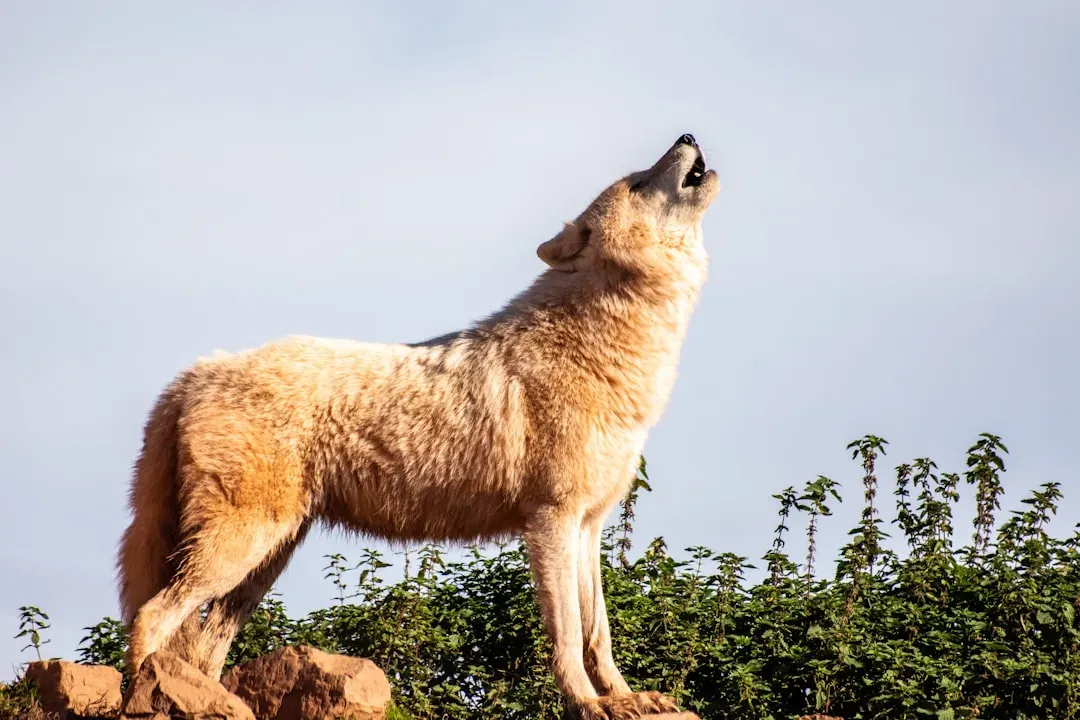
Some people, especially those influenced by movies or old‑school ideas about predators, feel they have to show that they are “in charge” during an encounter. That can translate into shouting, throwing objects directly at the animal, or striding toward it in an attempt to intimidate it. While you do want to appear confident and not fearful, overt aggression can backfire badly with a wild animal that is already nervous.
Wolves are highly social and they understand threats very clearly. If they perceive you as unpredictable or violent, you increase the chances of provoking defensive behavior, especially if there are pups or a carcass nearby. A better approach is what I think of as calm authority: stand tall, use a firm, steady voice, pick up objects or make noise only as a last resort to encourage the animal to move off, and focus on opening up space between you rather than “teaching it a lesson.” You are not in a dominance contest; you are just two species that need a little distance.
8. Getting Between A Wolf And Its Pack, Pups, Or Food
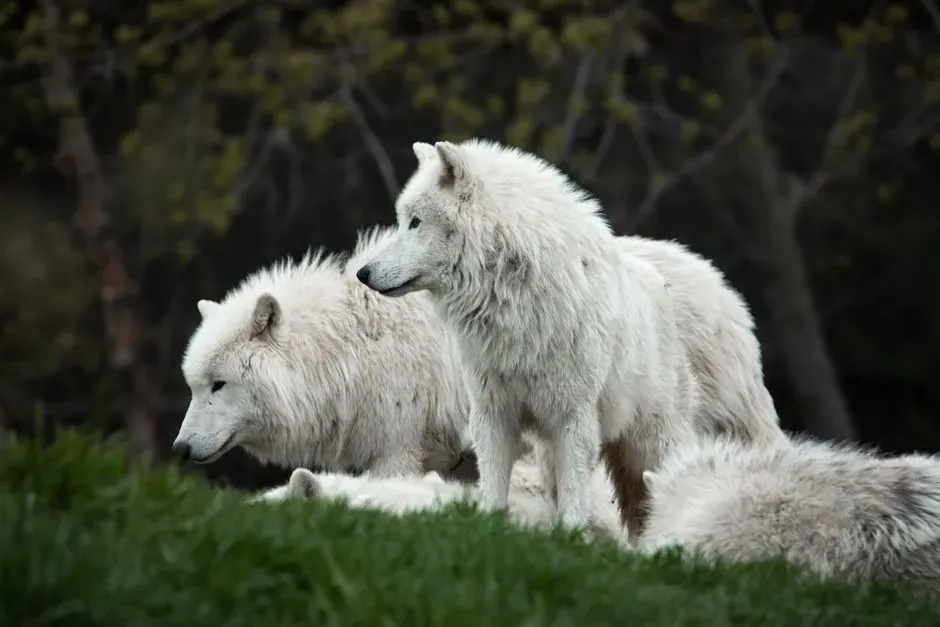
Even the most cautious wolf can become far more confrontational if it feels that something essential is being threatened. That might mean pups hidden nearby, other pack members that are out of sight, or a fresh kill that the animals are feeding on. Without realizing it, hikers and photographers sometimes place themselves right in the middle of these invisible lines of tension, for example by walking toward a carcass they see on the ground while a wolf stands off to the side watching.
A wolf that appears reluctant to leave an area, circles around you at a distance, or keeps glancing back and forth between you and a specific spot on the landscape may not be curious at all; it may be begging you to move away from something important. The safest move in these cases is to widen your circle, give the area generous space, and accept that you have accidentally walked into the wolf’s living room. Think of it like wandering between a parent and their toddler: even a normally calm person becomes very protective very fast in that setup.
9. Misjudging Wolves As Either Harmless Or Monsters
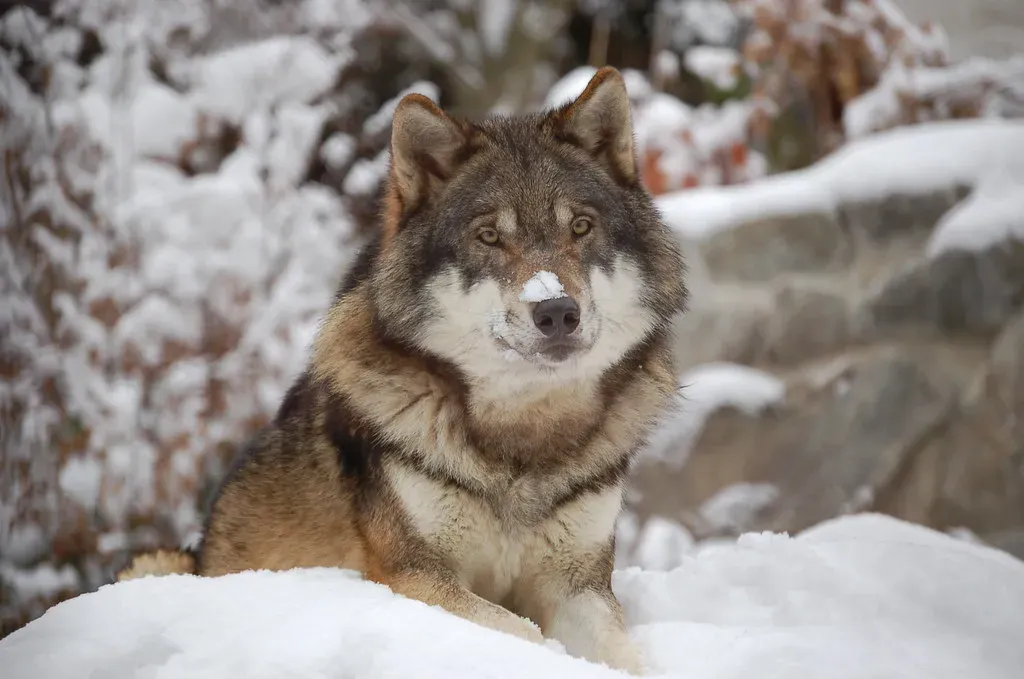
Two unhelpful myths often collide in wolf country: the idea that wolves are bloodthirsty monsters that will attack any human they see, and the idea that wolves are gentle forest spirits that would never hurt anyone. Both extremes can lead to dangerous decisions. Fearful people may panic, scream, or make sudden, erratic movements that confuse the situation; overly romantic people may walk right toward a wolf, convinced that it is harmless.
The reality is more grounded and less dramatic. Wild wolves usually avoid humans and serious attacks are rare, especially compared to other risks in the outdoors. But they are still large, powerful predators capable of inflicting serious injury if provoked, cornered, or habituated to people. Treating them like you would treat a fast river crossing is a useful mental model: you do not have to be terrified, but you do have to respect what can go wrong and move with calm, deliberate caution.
10. Failing To Prepare Mentally And Practically For Wolf Country
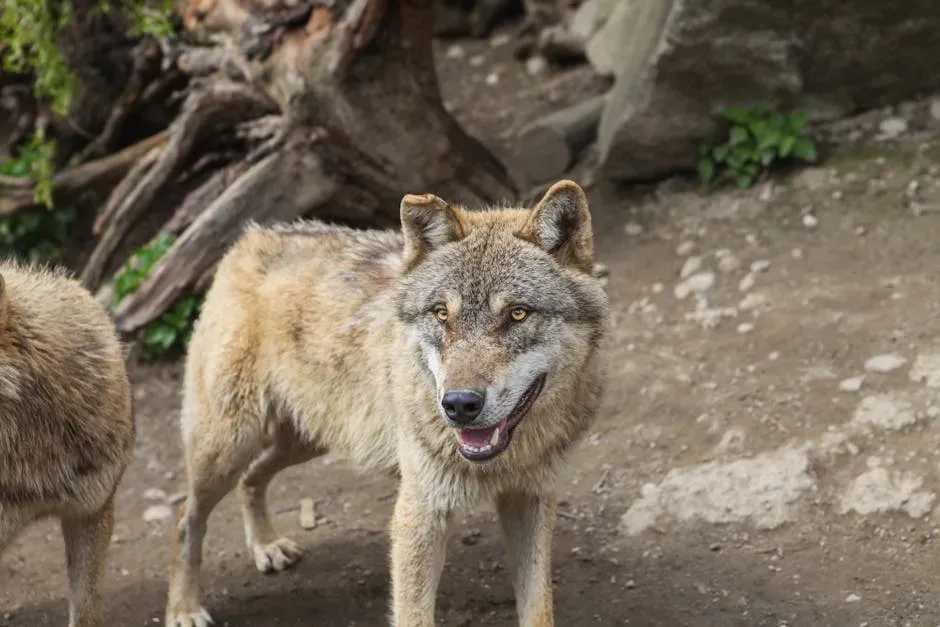
One of the quietest mistakes people make is assuming that dangerous encounters “only happen to other people.” They head into wolf habitat with no idea what to do if they actually meet one. That lack of mental script shows up in the moment as freezing, panicked shouting, conflicting instructions within a group, or random behavior like dropping backpacks or splitting up. All of that can make a situation more confusing for both humans and animals.
Preparation does not have to be complicated or paranoid. It can be as simple as learning the basic steps: do not run, stand tall, keep children close, keep dogs leashed, back away slowly while facing the wolf, and use noise or objects only if the animal approaches too closely and refuses to leave. Carrying tools like bear spray where it is legal and recommended can also add a layer of safety. When you walk into wild country having already rehearsed those steps in your head, you are far more likely to stay calm and make good choices if a wolf suddenly appears on the trail.
Conclusion: Respect, Not Fear, Keeps Encounters Safe
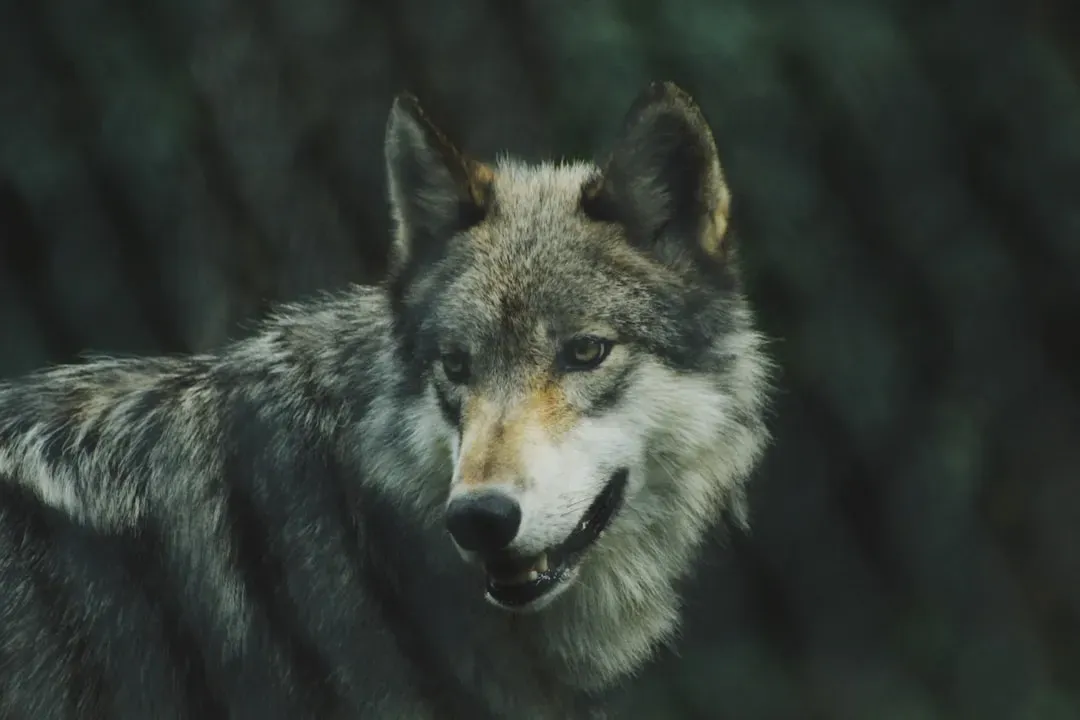
When you put all these mistakes side by side, a pattern appears: most dangerous wolf encounters are not about “rogue” animals, they are about humans misreading the situation, pushing boundaries, or forgetting they are in someone else’s territory. Wolves evolved to be cautious around us, and when we meet them halfway with calm, distance, and common sense, the odds of real trouble drop to a tiny sliver. In a world that loves drama, the safest outcome – a brief, tense moment that quietly dissolves as everyone walks away – rarely makes headlines, but it is what happens most of the time.
Personally, I think respecting wolves means accepting them as they are: neither villains nor magical guardians, but wild predators with their own rules and limits. If we refuse to run, stop feeding them, keep our dogs close, and learn a bit of their body language, we can share landscapes with them without turning every sighting into a crisis. The next time you head into wolf country, will you be the person chasing the perfect photo, or the one who quietly gives a powerful animal the space it needs?


